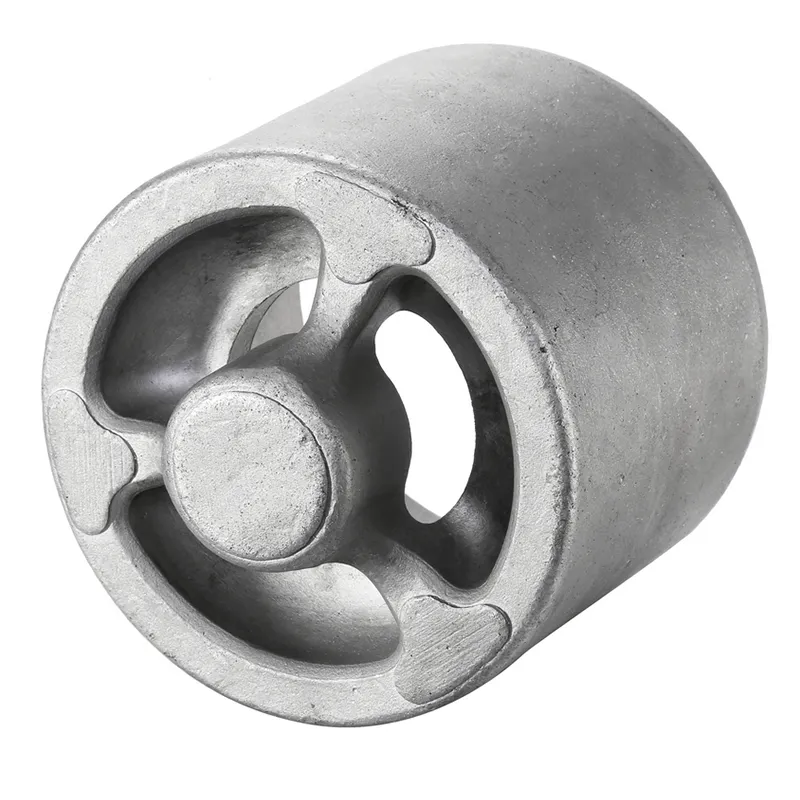
When you start looking into metal injection molding companies, the initial search is always a sea of near-identical claims: high precision, complex geometries, cost-effective for high volumes. It sets off my skeptic alarm every time. The real differentiator isn't in the marketing copy; it's buried in the shop floor practices, the material lot tracking, and how a company handles a debinding warp on a Friday afternoon. Many buyers get fixated on the MIM process itself, forgetting it's just one link in a chain that starts with feedstock and ends with a finished, often machined, component. That's where the separation happens.
The Foundational Gap: Where MIM Often Stumbles
Here's a practical truth I've learned the hard way: a metal injection molding companies that operates in a vacuum is a risk. The process inherently creates near-net-shape parts, but near-net is a spectrum. Almost always, you're looking at secondary operations. I've seen projects derail because the MIM house had to ship parts out for critical CNC work, losing control over timing, quality, and even basic communication. The sintering distortion was within spec, but the locating faces for subsequent machining weren't, and the whole batch was scrapped after machining. The failure wasn't in MIM; it was in the handoff.
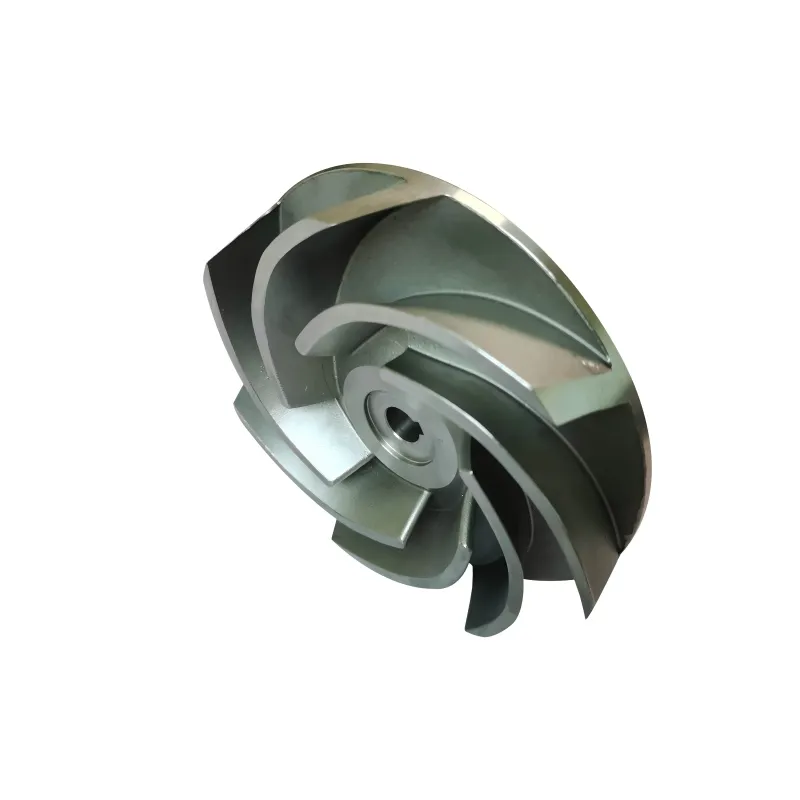
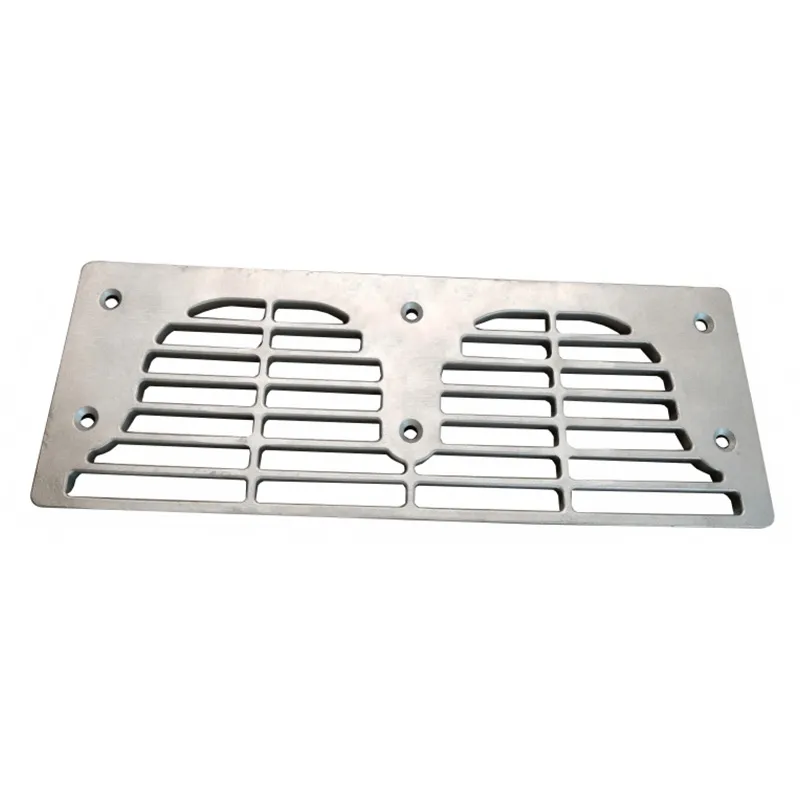
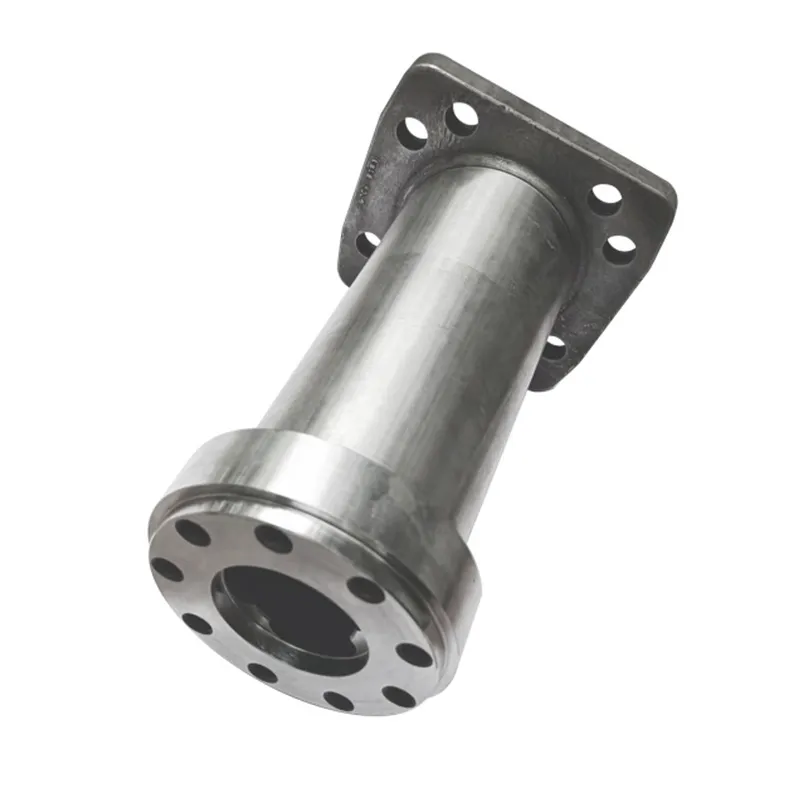
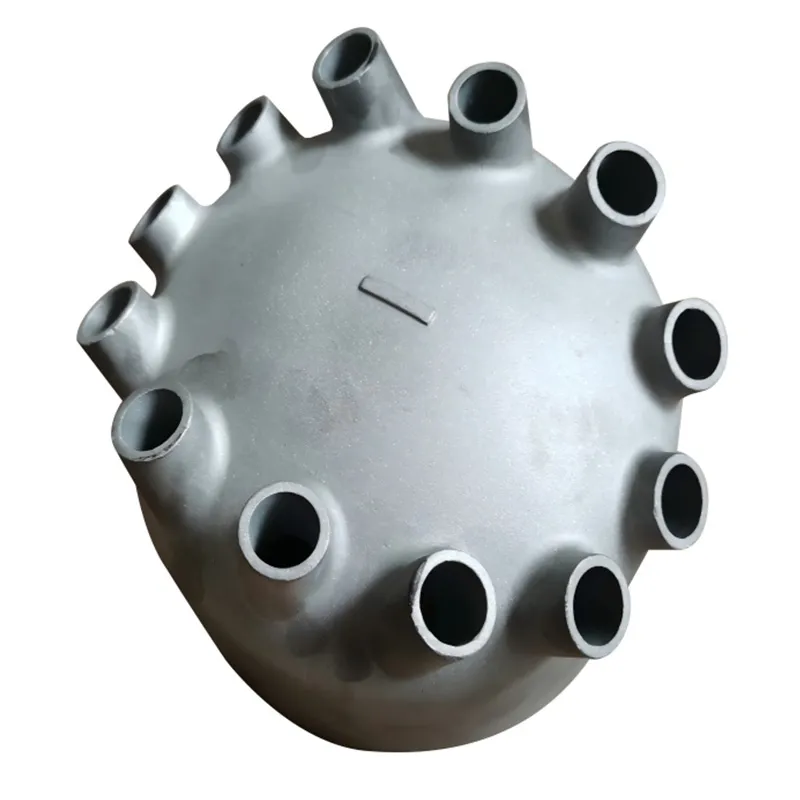
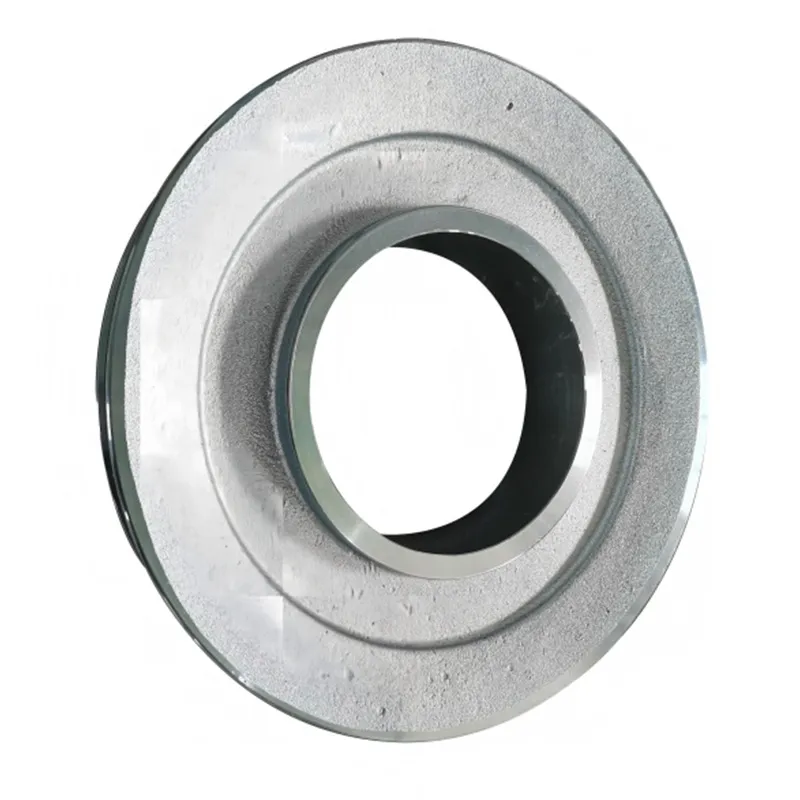
This is why a company's foundational history matters more than its MIM brochure. Take a firm like Qingdao Qiangsenyuan Technology Co., Ltd. (QSY). Their site doesn't lead with flashy MIM tech. Instead, it grounds you in 30 years of casting and machining. That tells me something crucial: they understand metal. They've dealt with the grain structure of stainless steel, the stresses in nickel-based alloys, and the fixturing nightmares of complex, as-cast geometries long before considering MIM. For them, adding MIM isn't a pivot; it's a complementary process in a much longer manufacturing conversation. This background is a buffer against the classic MIM pitfall of treating the green part as the final product.
The material expertise is another silent advantage. When a metal injection molding companies lists special alloys as a capability, you have to dig. Does it mean they've injected a few batches, or do they have metallurgists who understand how cobalt-based alloys behave through sintering's thermal profile? A company rooted in investment casting and machining with these materials already has that institutional knowledge. Their learning curve for MIM with Inconel is about the molding and debinding, not the fundamental metallurgy. That reduces your project's technical risk significantly.
The Integration Imperative: CNC as a Non-Negotiable
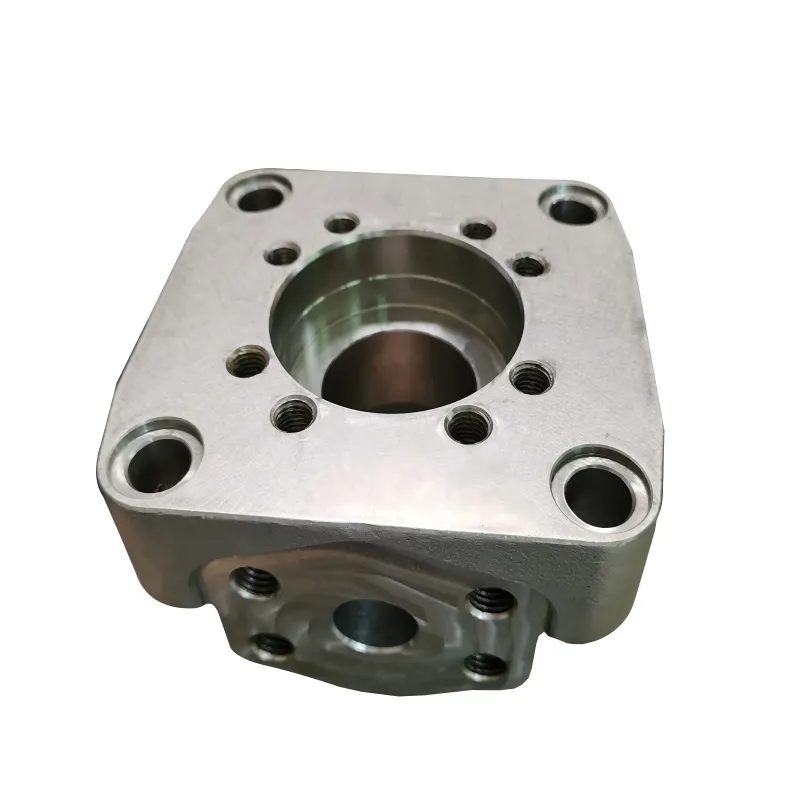
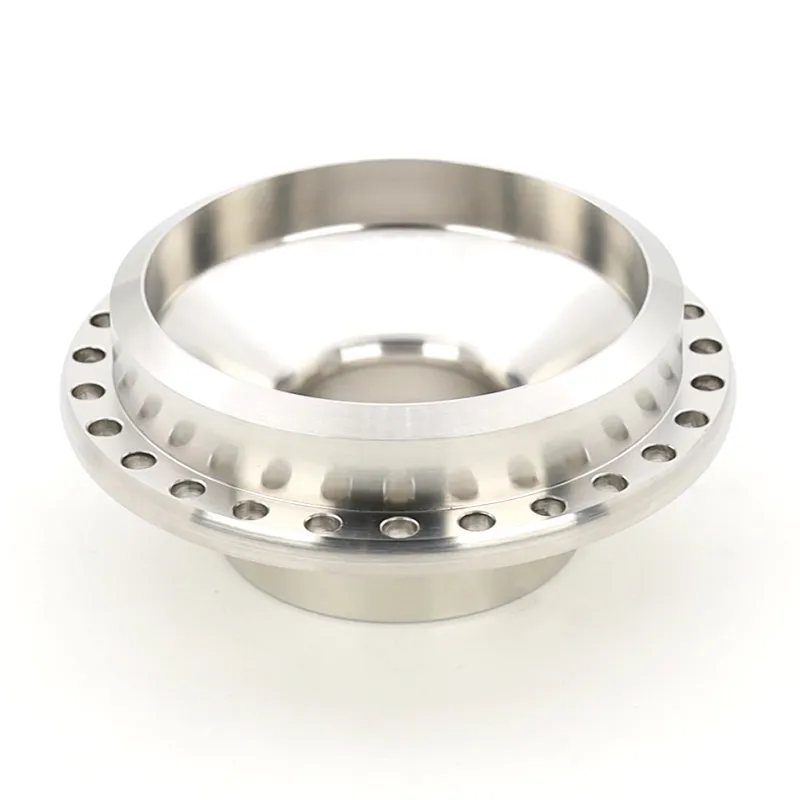
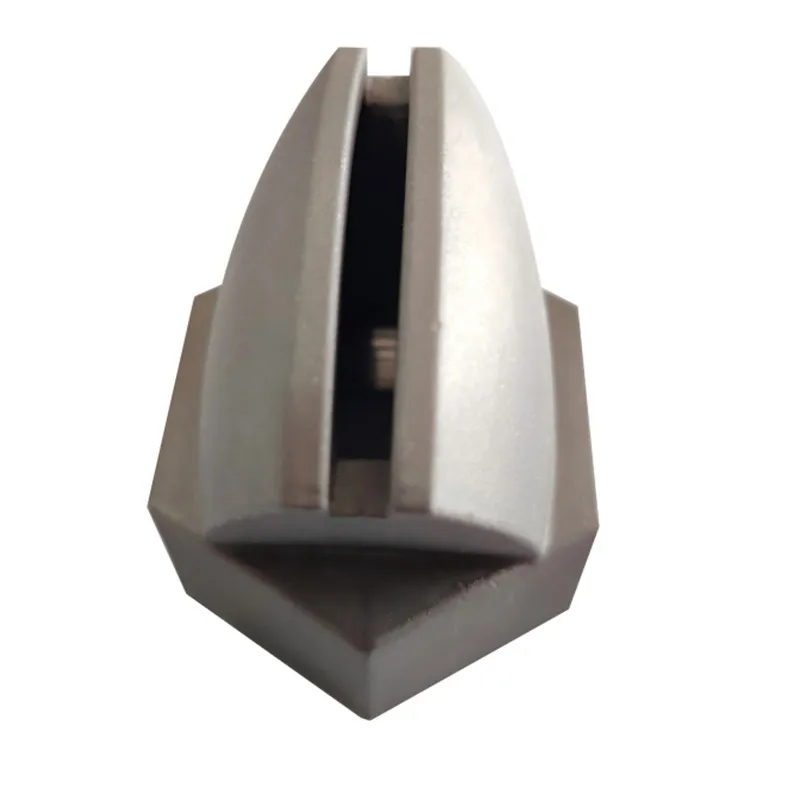
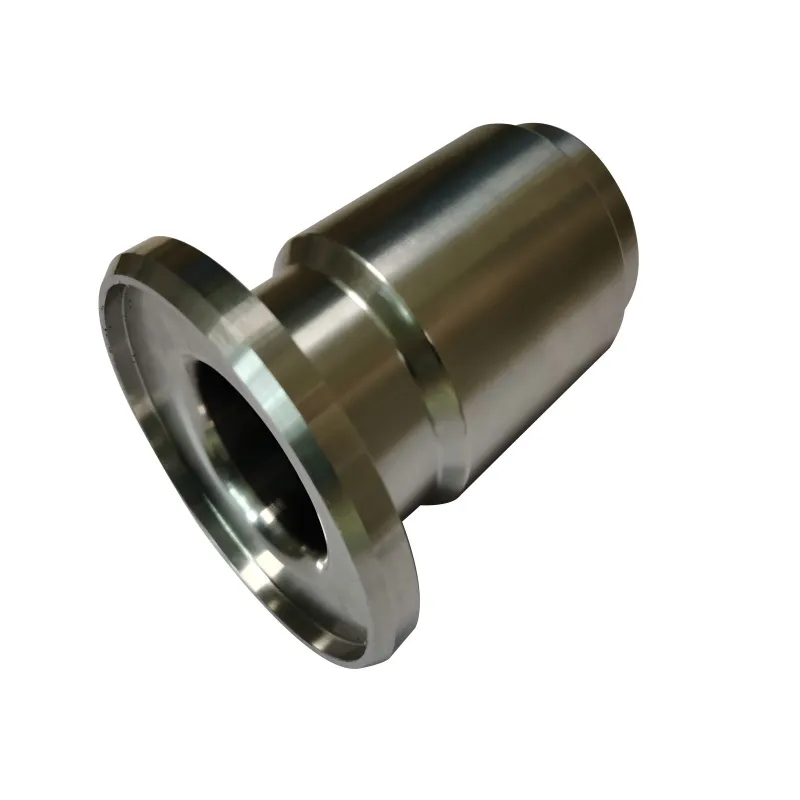
Let's get specific about secondary ops. A surgical instrument component, for instance. The MIM process can form the intricate lever body beautifully, but the pivot holes need a Ra 0.4 finish and a ±0.025mm tolerance that sintering alone won't achieve. If the MIM provider has in-house CNC, like QSY emphasizes, the part never leaves their quality system. The machinist can work directly with the MIM engineer to design sintering fixtures that provide optimal machining datums. They speak the same language. I recall a case with a diesel engine sensor housing where the internal thread quality was failing. The external MACHINE shop blamed porosity from MIM. The MIM shop blamed poor machining technique. With an integrated provider, that blame game collapses into a single engineering team solving the problem, which turned out to be a slight tweak to the feedstock formulation to improve machinability.
This integration also changes the design for manufacturability (DFM) dialogue. It's no longer a sequential handoff. It's a concurrent conversation. You can design a feature knowing it will be molded, sintered, and then machined in a controlled, feedback-rich environment. The cost of a slightly more complex mold might be offset by simplifying the CNC program later. Most standalone metal injection molding companies can't offer that holistic view; their optimization stops at the sintered state.
Furthermore, consider prototyping and bridge tooling. Sometimes, you need functional test units before committing to a full MIM tool. An integrated house can often machine prototypes from bar stock of the intended alloy, giving you near-identical material properties for testing. It's a pragmatic, cost-saving approach that pure-play MIM shops can't easily replicate.
Material Nuances: Beyond the Data Sheet
Everyone has a data sheet for 17-4PH stainless steel. The real knowledge is in the nuances. How does the residual carbon content from the binder system interact with the precipitation hardening heat treat? A company with deep casting background has already wrestled with heat treatment variables for decades. They're not just following a generic MIM sintering cycle; they're adjusting it based on the part's section thickness and the desired final properties, much like they would with a casting's cooling rate.
This is critical for components subject to fatigue or corrosion. I've seen a marine component made from 316L fail prematurely because the MIM process, while achieving density, left interconnected porosity that became a corrosion initiation site. A supplier with a foot in both the forming (casting/MIM) and subtractive (machining) worlds is more likely to catch this. They might specify a slightly higher sintering temperature or a longer hold time, trading off a bit of dimensional control for guaranteed impermeability, because they've seen the failure mode in the field.
Working with special alloys like nickel or cobalt-based ones amplifies this need. They're not just expensive; they're difficult to machine. An integrated provider knows the exact sintered state that offers the best balance between final mechanical properties and machinability. They might even recommend a specific post-sintering anneal before CNC work to ease tool wear, a consideration that lives squarely at the intersection of their two core competencies.
Volume and Viability: The Real Cost Equation
The classic rule is that MIM becomes economical at, say, 10,000+ parts per year. But that's a hollow number without context. The real equation involves tooling cost, part complexity, secondary operation cost, and material. A complex part requiring extensive 5-axis machining after molding might see its breakeven point drop to 5,000 pieces if MIM can eliminate three machining setups. An integrated company can run this total cost analysis more accurately because they control all the variables.
I worked on a project for a firearm sear—a small, high-stress part. The traditional method was CNC from solid bar, with over 60% material waste. A standalone MIM quote looked good, but the secondary machining quotes from third parties were high and volatile. We shifted to a supplier like the model QSY represents. Their quote was for the finished, ready-to-assemble part. It was higher on the MIM line item but 30% lower overall. They had optimized the entire flow, even designing the mold to leave minimal stock for the final CNC contouring. The project was viable because they saw the whole picture.
Conversely, for simple, low-volume parts, MIM is often the wrong choice, and a good integrated supplier will tell you that. They might suggest starting with a precision casting from their shell mold line and a quick CNC finish, saving you the six-figure mold investment. That honesty is a hallmark of a partner, not just a process vendor.
Practical Scrutiny: Questions to Ask Beyond the Capabilities Page
So how do you assess a metal injection molding companies when their websites all look competent? Don't ask about tolerances; ask about tolerance stacking across multiple secondary operations. Don't just ask for material certificates; ask for a report on density distribution across a cross-sectioned part, or data on surface finish after sintering, before any polishing. Inquire about their first article inspection process—is it just a CMM check, or does it include a functional test with the mating component?
Ask about their biggest failure in the last two years and what they learned. The answer is telling. A company with deep roots will have a story about material behavior or a process interaction, not just a mold alignment issue. Probe their supply chain for feedstock. Do they blend in-house or rely on a single external supplier? The latter is a risk point.
Finally, look for evidence of this integration in their case studies. Do they show a finished part with clear machined features and talk about the journey from mold to shipment? Or do they only show the shiny, sintered part? The former indicates a realistic view of production. The latter might be selling a dream. In this field, the most reliable partners are often those who present MIM not as a magic solution, but as a powerful tool in a well-equipped, metal-savvy workshop.