When most people hear 'metal injection molding machine', they picture a single, monolithic unit—a sort of industrial 3D printer for metal. That's the first misconception. In reality, it's a system, and the machine itself, the injection unit, is just the most visible part. The real story happens in the feedstock preparation, the debinding furnace, and the sintering furnace. I've seen too many projects stall because they allocated budget for a high-end metal injection molding machine but forgot the downstream thermal processes. The machine is a precision syringe; it's the chemistry and heat treatment that actually build the part.
The Core of the System: More Than Just Injection
Let's talk about the injection unit. It's not like plastic injection molding, where you just melt and shoot. The feedstock here is a homogenous mix of fine metal powder and a polymer binder. The viscosity is tricky. If your machine's barrel temperature profile is off by even 10°C in a zone, you can get separation—binder bleeding to the surface or powder settling. I recall a run for some small, intricate stainless steel surgical guides. We used a machine from a German manufacturer, robust as anything, but we kept getting laminar flow defects. The issue wasn't the machine's pressure or clamp force; it was the screw design. It was too aggressive for that particular feedstock's shear sensitivity. We had to work with the material supplier to tweak the binder system. The machine's capability is defined by its compatibility with the material, not just its tonnage.
Clamp force is another one. People obsess over it. We need a 50-ton machine! For most MIM parts, you rarely need massive force because you're filling tiny cavities. The precision is in the metering, the shot control, and the ability to hold a consistent, slow injection speed to avoid jetting. A common pitfall is using too fast an injection speed, which traps air and creates voids that only show up after sintering. The machine's control software needs to allow for that slow, multi-stage fill. It's a finesse game.
Then there's the barrel and screw wear. Metal powder is abrasive. Even with hardened components, you're looking at a maintenance schedule that's more rigorous than for plastics. I've pulled screws after a year of running 17-4 PH stainless feedstock that looked sandblasted. It changes the volume of the metering zone, affecting shot weight consistency. You don't learn that from a brochure; you learn it from logging shot weights every shift and seeing the drift.
The Make-or-Break: Debinding and Sintering
This is where the magic and the headaches truly are. You can have a perfect green part from the best metal injection molding machine, and ruin it entirely in the next steps. Catalytic debinding, solvent debinding, thermal debinding—each has its own furnace requirements and dictates the binder system you're locked into. We once tried to switch from a well-known feedstock to a cheaper alternative to cut costs for a client making firearm components. The new feedstock used a different binder. Our debinding furnace cycle, which we'd perfected over years, was now wrong. The parts blistered and cracked because the binder removal rate was too fast. A whole batch, several thousand parts, scrapped. The machine did its job perfectly; the process knowledge failed.
Sintering is the final transformation. The furnace atmosphere (hydrogen, nitrogen-argon mix, vacuum) is critical. For a company like Qingdao Qiangsenyuan Technology Co., Ltd. (QSY), with their deep history in casting and machining special alloys, this is a key intersection. They understand high-temperature metallurgy. Running nickel-based or cobalt-based superalloys through MIM is a different beast than standard stainless. The sintering temperature profile, hold times, and cooling rates directly determine the final mechanical properties and dimensional tolerance. Shrinkage is predictable, around 15-20%, but it's not perfectly isotropic. A long, thin feature will shrink differently than a thick hub. You compensate for that in the tool design, but you need the sintering process to be rock-solid consistent to trust those compensations.
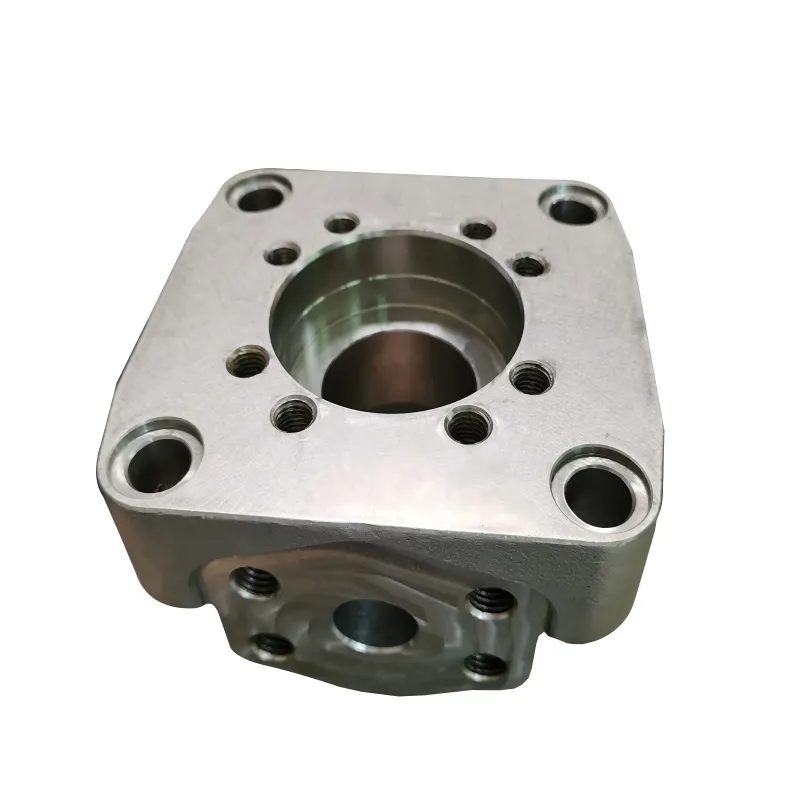
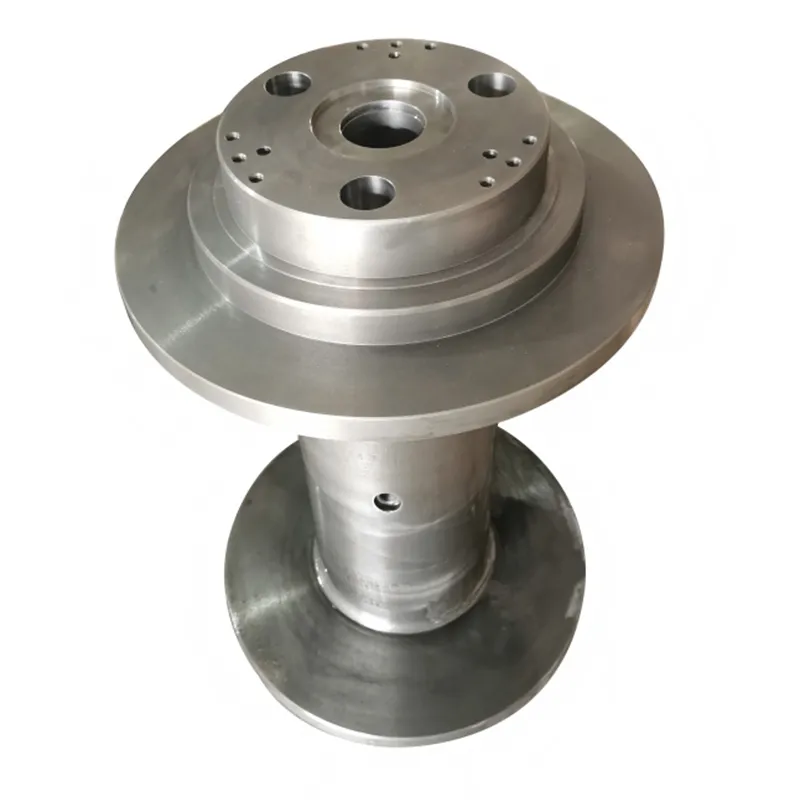
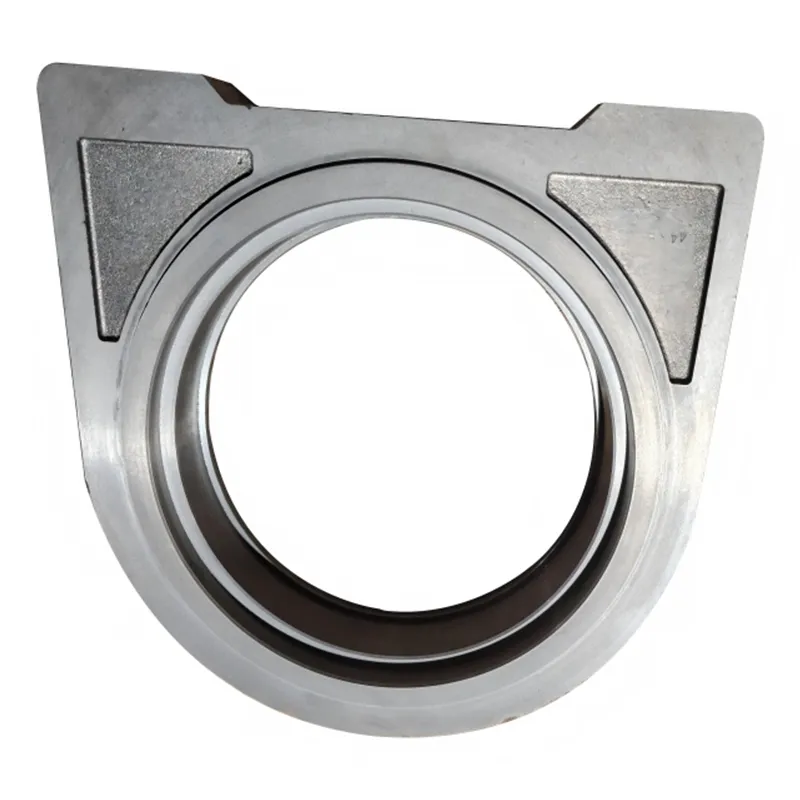
This is where a vertically integrated operation makes sense. QSY's background in investment casting and CNC machining gives them a distinct advantage. They understand near-net-shape forming and precision finishing. A MIM part often comes out of sintering needing a light CNC touch—drilling a true hole, milling a datum face. Having that machining expertise in-house means they can design the MIM process to optimize for the sintered state, knowing exactly how it will be finished. It's a holistic view many pure-play MIM shops lack.
Tooling: The Silent Partner
No discussion of the machine is complete without talking about the mold. MIM tooling is high-precision, often with multi-cavity layouts for these small parts. Venting is crucial. Because the feedstock isn't truly liquid, air evacuation is harder. We've used molds with vacuum-assisted venting connected directly to the platen. The mold steel needs to be hardened, like H13, but polished to a mirror finish. Any tiny scratch will cause drag marks and increase ejection force, potentially distorting the delicate green part.
Cooling channels are another subtle art. You want to set the binder quickly to minimize cycle time, but too rapid cooling can induce stress. I've seen tools where we had to run different coolant temperatures in different zones to balance the fill and cooling of a complex part. It's iterative. You run a design of experiments (DOE) on the metal injection molding machine: adjust melt temp, injection speed, hold pressure, and cooling time, then measure the green part density and dimensions. Then you tweak the tool, maybe add an overflow well to capture last-stage material, and run the DOE again. It's a conversation between the machine parameters and the tool geometry.
Real-World Application and Material Nuances
Look at the industries: medical, dental, firearms, automotive sensors, consumer electronics. The part volumes justify the high upfront cost of tooling and process development. A typical application might be a stainless steel bone screw or a complex nickel-alloy turbine blade for a micro-drone. The material choice, as hinted by QSY's expertise with special alloys, is vast. But each material sinters differently. Titanium MIM requires an ultra-high vacuum furnace. Tungsten heavy alloys have their own protocols.
The beauty of MIM is consolidating multiple parts into one. We worked on a project for an automotive fuel injector—a part that traditionally was made from three separate pieces brazed together. We designed it as a single MIM part in 316L stainless. The challenge was achieving the required surface finish in the internal fuel passages directly from sintering, to avoid post-machining. It took months of tweaking the powder size distribution in the feedstock and the sintering atmosphere to reduce surface porosity to an acceptable level. The machine's role was to produce a flawless green part with absolutely no internal voids that could become pits later.
Failure is a great teacher. Early on, we had a project for ceramic MIM (which uses the same machine principle). We treated it like metal. Wrong. The burnout cycle for the ceramic binder was completely different, and the sintering shrinkage was over 25%. The parts warped terribly. It taught us that the machine is a versatile platform, but the process knowledge—the debinding and sintering recipes—is material-specific and non-transferable. You can't assume expertise in steel translates to alumina or silicon carbide.
Integration and Future Perspective
So where does the metal injection molding machine sit today? It's becoming more connected. Modern machines have integrated process monitoring, tracking shot pressure profiles in real-time and comparing them to a golden curve. If a drift is detected, it can alert the operator before a bad part is made. This is moving towards Industry 4.0, where data from the injection machine, the debinding furnace, and the sintering furnace are all correlated to final part quality.
For a manufacturer like QSY, the integration of MIM alongside their shell mold casting, investment casting, and CNC machining creates a powerful portfolio. A client might come with a component that's too complex for traditional machining, has moderate volume (10k-100k pieces per year), and requires a high-performance material. MIM becomes the ideal solution. They can handle the entire journey: part design for MIM, feedstock selection, tool fabrication, molding, debinding, sintering, and final precision machining—all under one roof. That controls quality and reduces logistical friction.
In the end, the machine is a critical enabler, but it's dumb without the surrounding ecosystem of material science, thermal process engineering, and precision tooling. The real skill isn't in operating the press; it's in knowing how to orchestrate the entire chain from powder to performance part. That's what separates a job shop from a true solutions provider. You learn to respect the entire system, not just the loudest piece of equipment on the floor.