When you search for a 'metal injection molding machine manufacturer', you immediately get bombarded with glossy catalogs boasting about clamping force, shot capacity, and robotic integration. It's easy to think the game is purely about the machine specs. That's the first trap. In reality, the critical factor often isn't the machine itself, but the manufacturer's grasp of the entire process chain—from feedstock behavior to sintering support. A machine is just one expensive component in a system prone to subtle, costly failures.
The Core Misconception: Machine vs. Process Partner
Most inquiries come from companies looking to upgrade or set up a new MIM line. Their focus is laser-sharp on the injection unit. They want to know about screw design, barrel wear resistance, and whether it has a servo-driven plunger. These are valid, but they're secondary. The primary question should be: does this manufacturer understand what happens before the material enters the barrel and after the green part is ejected?
I've seen operations buy a top-tier German machine only to struggle for months with dimensional inconsistencies. The problem wasn't the injection press. It was the feedstock, supplied by a third party, which had a binder formulation that didn't gel with the machine's precise temperature profile. The machine manufacturer, brilliant at mechanics, had zero advice on feedstock compatibility. They sold a tool, not a solution.
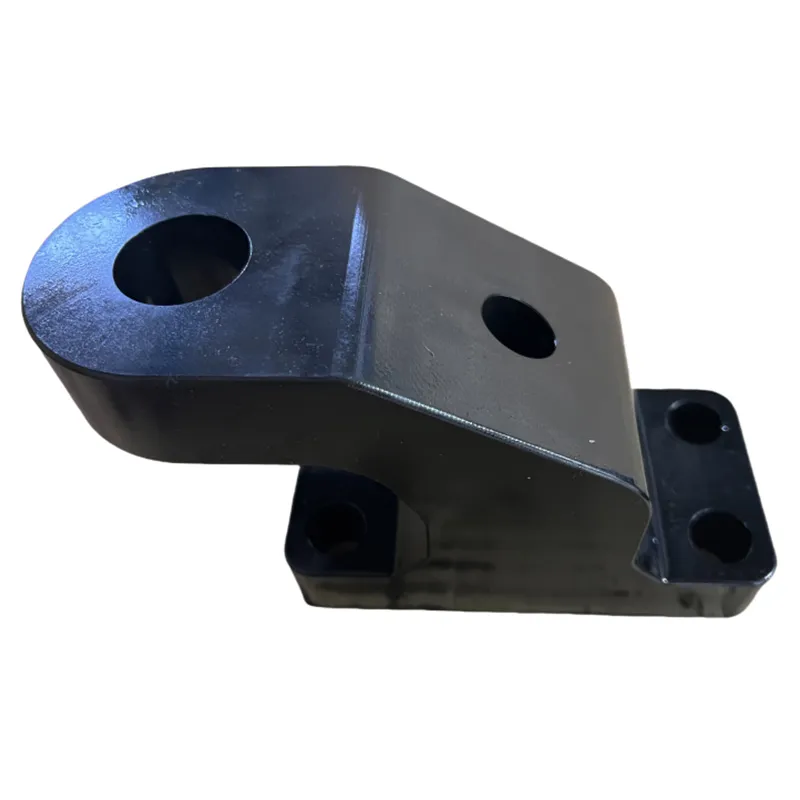
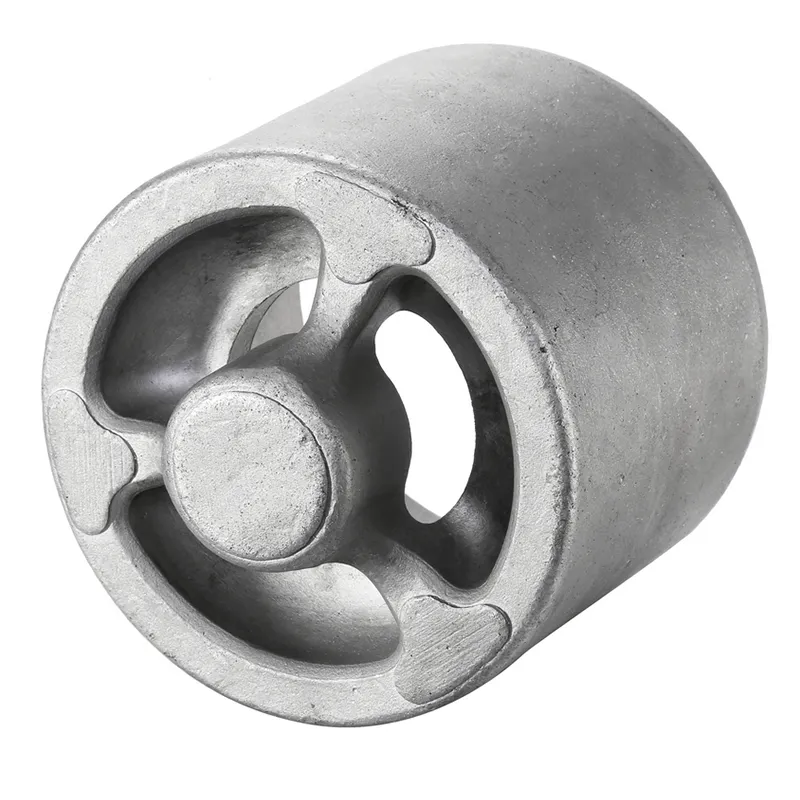
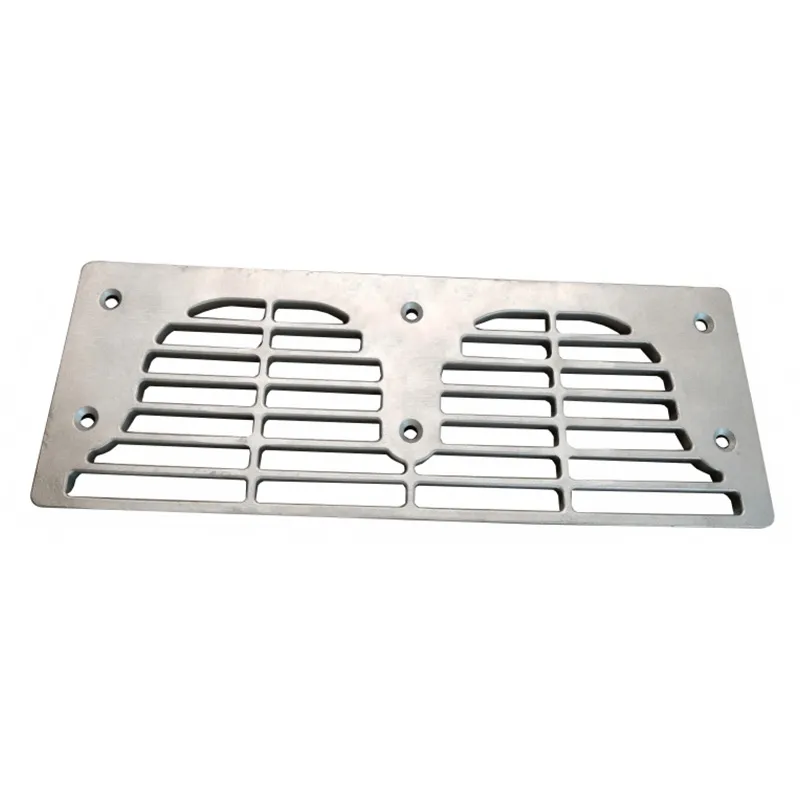
This is where a background in metallurgy and casting becomes invaluable. Take a company like Qingdao Qiangsenyuan Technology Co., Ltd. (QSY). With over 30 years in shell mold and investment casting, their entry into supporting MIM operations makes profound sense. They aren't just machine sellers; they live and breathe material science—stainless steel, cobalt-based alloys, nickel-based alloys. When they look at a metal injection molding machine, they see it as the shaping step in a longer saga of debinding and sintering. That perspective changes everything.
Where the Real Problems Hide: Feedstock and Tooling Interface
Let's get granular. A common pain point is the nozzle and screw wear when processing abrasive feedstocks loaded with hard metal powders. A manufacturer quoting only standard tool steel for these components is a red flag. They either lack experience or are cutting corners. The conversation needs to shift to material pairs: What is your recommended screw head material for 17-4PH feedstock? or What is the expected lifespan of the non-return valve when running tungsten carbide?
I recall a project where we faced catastrophic wear within 50 hours of running. The machine was fine, but the feedstock provider and the machine builder were pointing fingers at each other. A consultant with a foundry background—similar to the team at QSY—solved it. He suggested a minor modification to the screw's compression ratio and a switch to a specialized, hardened liner. The fix came from understanding metal powder's abrasive nature, something innate to a casting specialist. Their website, tsingtaocnc.com, hints at this depth, listing specific alloys they handle, which signals a material-first mindset.
Another subtlety is temperature control. For MIM, we're not talking about a single melt temperature like in plastic injection. It's about managing the thermal profile of a viscous, powder-laden binder system. Zones must be meticulously controlled to prevent separation or premature binder degradation. A good manufacturer will have detailed, non-standard options for zone control and sensor placement, often developed from trial and error with actual materials.
The Sintering Link: The Forgotten Handshake
No discussion about a metal injection molding machine manufacturer is complete without touching on sintering. This is the biggest divergence from plastic injection molding. The green part's geometry, density gradients, and binder distribution—all dictated by the injection phase—directly determine sintering success. A part that looks perfect out of the mold can warp or distort horrifically in the furnace.
A manufacturer worth its salt will have, or will actively collaborate with, sintering expertise. They should be able to discuss typical shrinkage factors for common materials, how gate design affects distortion, and even recommend furnace profiles. This is why a company with QSY's profile is interesting. Their core business in investment casting—a process also heavily reliant on controlled thermal cycles to burn out patterns and sinter shells—gives them an intrinsic understanding of thermal debinding and sintering kinetics. It's a parallel knowledge base that translates powerfully to MIM.
I learned this the hard way. We once produced a complex, thin-walled component. It molded beautifully. But in sintering, it slumped. The machine supplier was useless. It was a sintering furnace technician who deduced that the injection speed was too high, creating density variations invisible to the eye. The fix was in the machine's process parameters, but the diagnosis came from the sintering end. The best machine manufacturers think like this technician; they see the furnace as the final judge of their machine's work.
Practicalities: Service, Customization, and the Good Enough Machine
On the ground, you're not just buying a machine; you're buying a service relationship and the potential for customization. For high-mix shops, quick mold changes are crucial. Does the manufacturer offer a robust quick-clamp system? For R&D or small batches, is a smaller, more flexible shot size available, even if it's not their flagship model?
Many manufacturers push their largest, most automated lines. But for a job shop that might also be doing precision CNC machining on the side—like the services listed on QSY's site—a mid-range, highly adaptable machine might be the smarter capital allocation. The ability to integrate the machine into a broader workflow that includes secondary machining is a tangible advantage. A manufacturer that understands this broader context can provide better guidance.
Then there's service. Can they provide real-time support for process troubleshooting? When a new feedstock batch causes issues, will their engineers help adjust parameters, or just send a mechanic to check the hydraulics? The distinction is vast. The former acts as a process partner, the latter as a vendor.
Conclusion: Shifting the Evaluation Criteria
So, when evaluating a metal injection molding machine manufacturer, move the spec sheet to page two. Start the conversation with material science and sintering. Ask them about their most challenging material success story. Probe their knowledge of binder systems. Inquire about their relationships with feedstock suppliers and furnace builders.
Look for manufacturers embedded in the wider world of metal forming, like those with backgrounds in casting or powder metallurgy. Their approach to machine design is inherently different—more holistic. The machine becomes a precision instrument for shaping a metal-bearing paste, not just a plastic injection press with a heavier frame.
Ultimately, the right manufacturer helps you navigate the entire MIM process, not just sell you a capital asset. They acknowledge that their machine's performance is inextricably linked to upstream and downstream variables. That's the kind of partnership that turns a risky capital investment into a reliable production pillar. It’s less about buying a machine and more about acquiring a piece of a validated, working system.