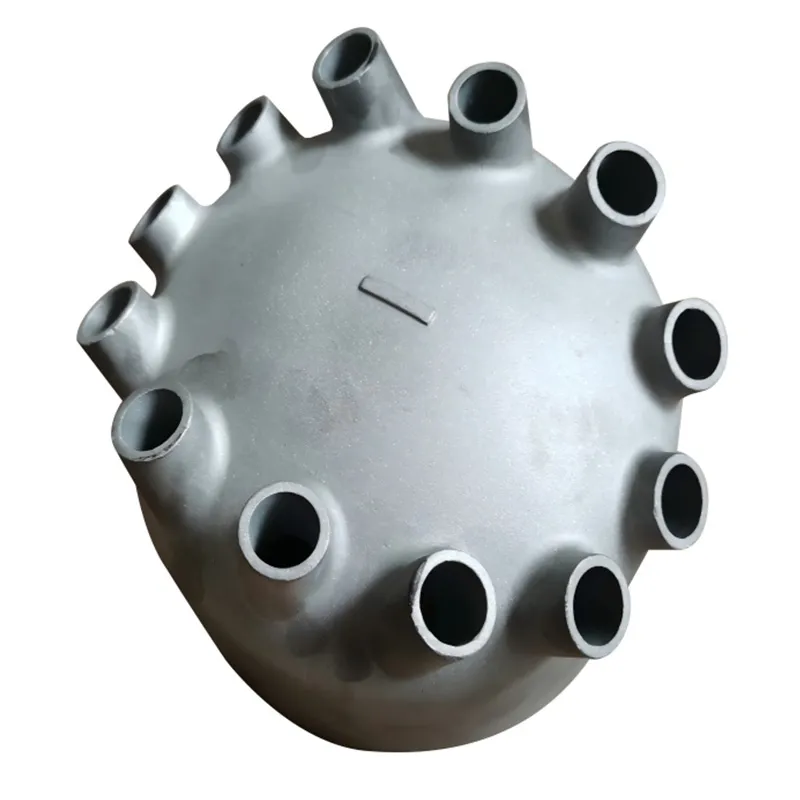
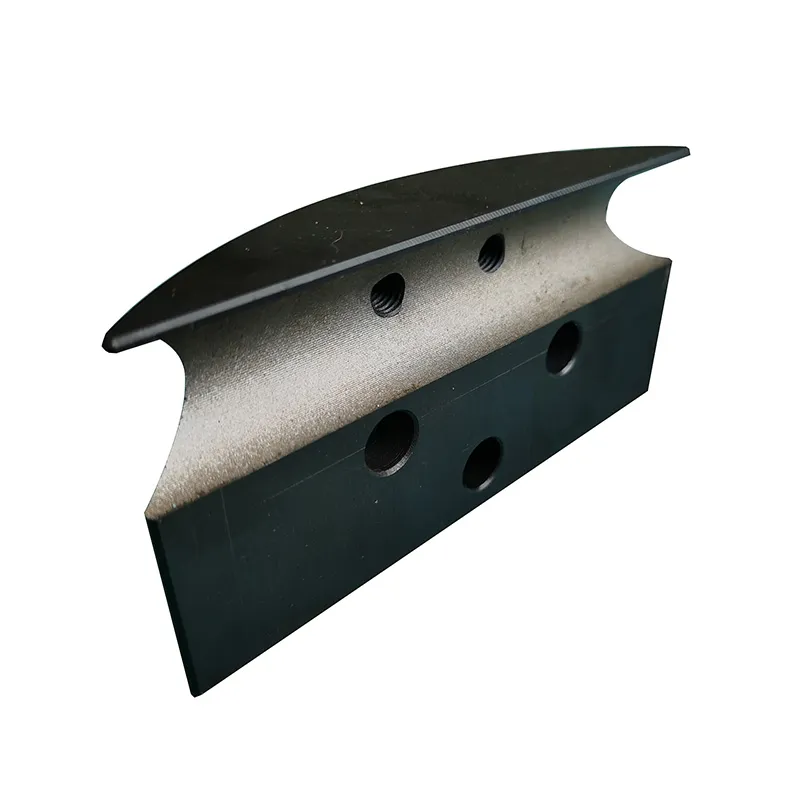
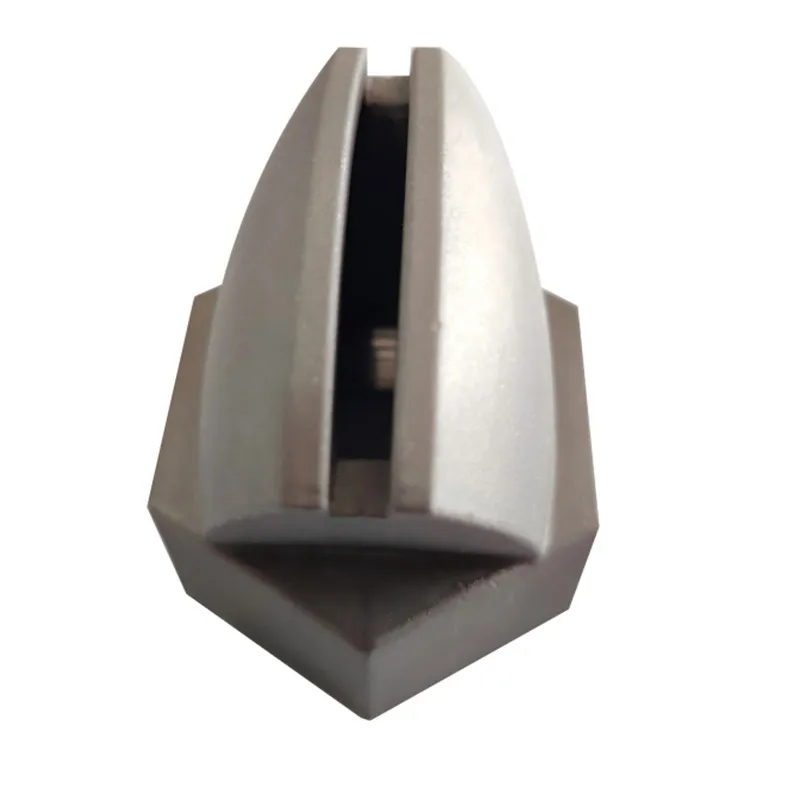
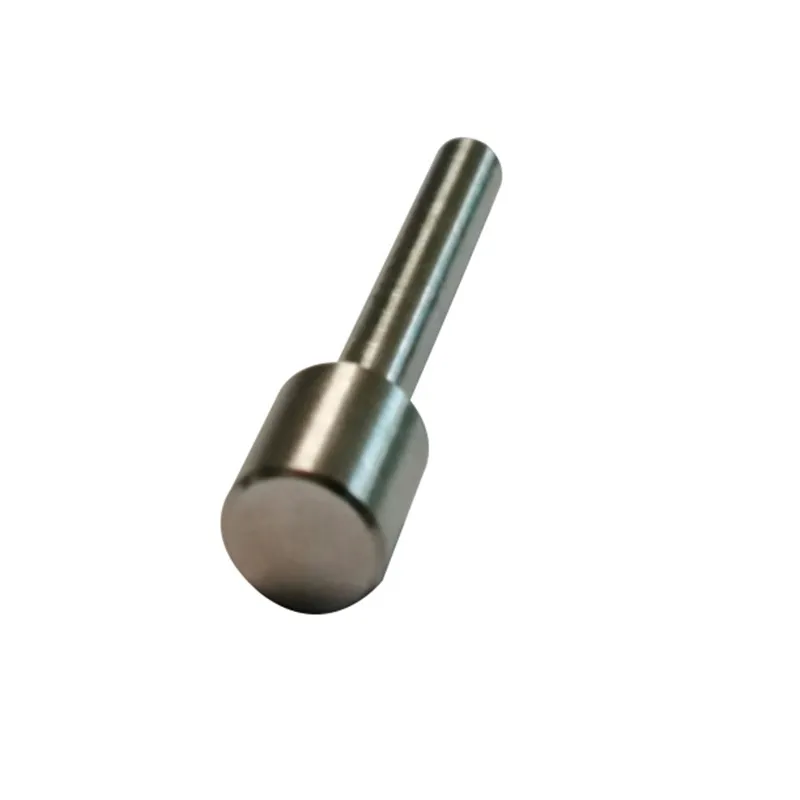
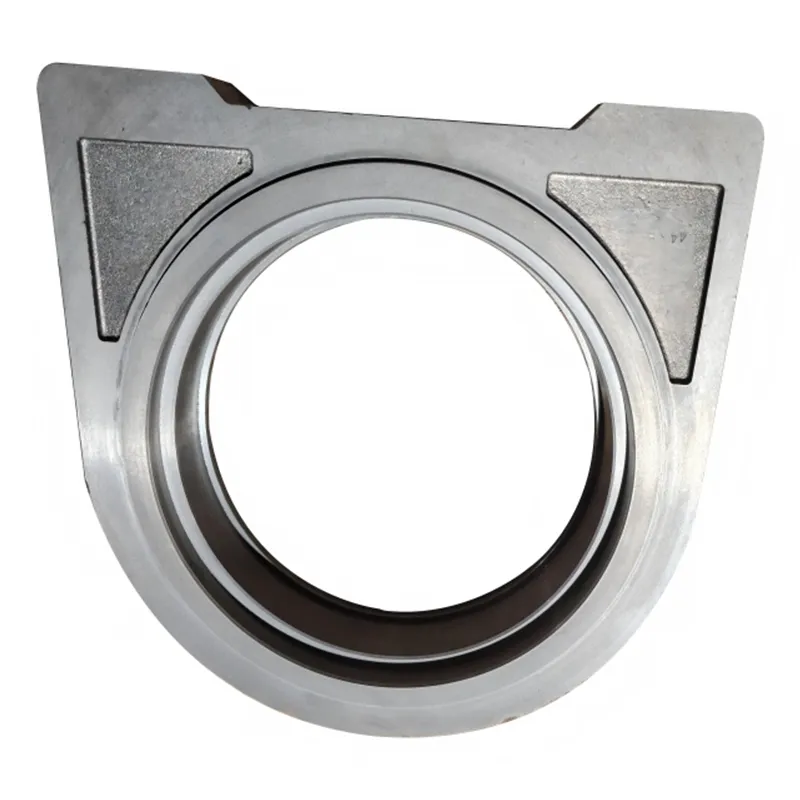
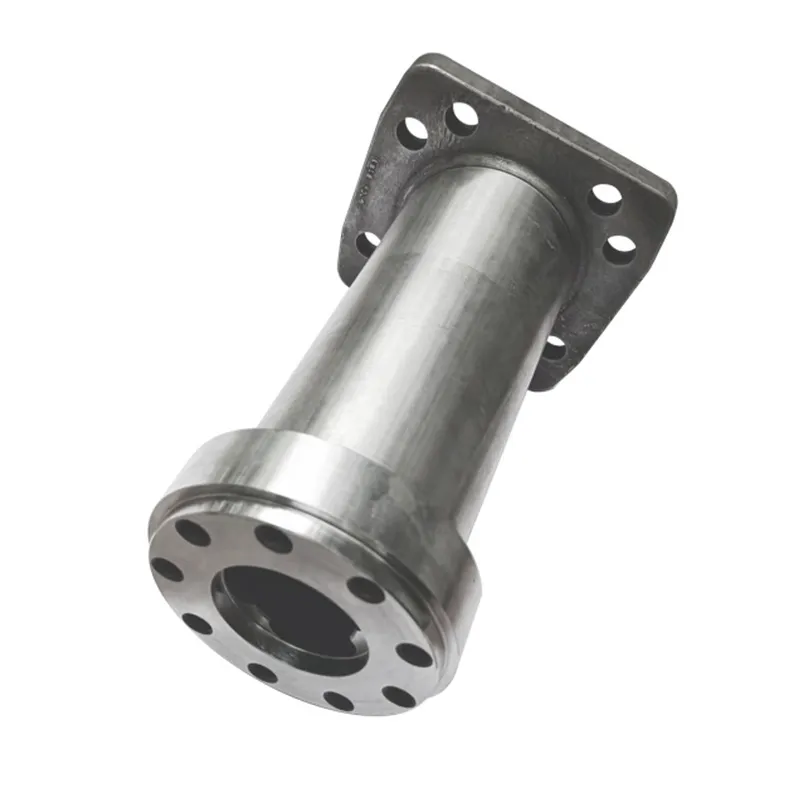
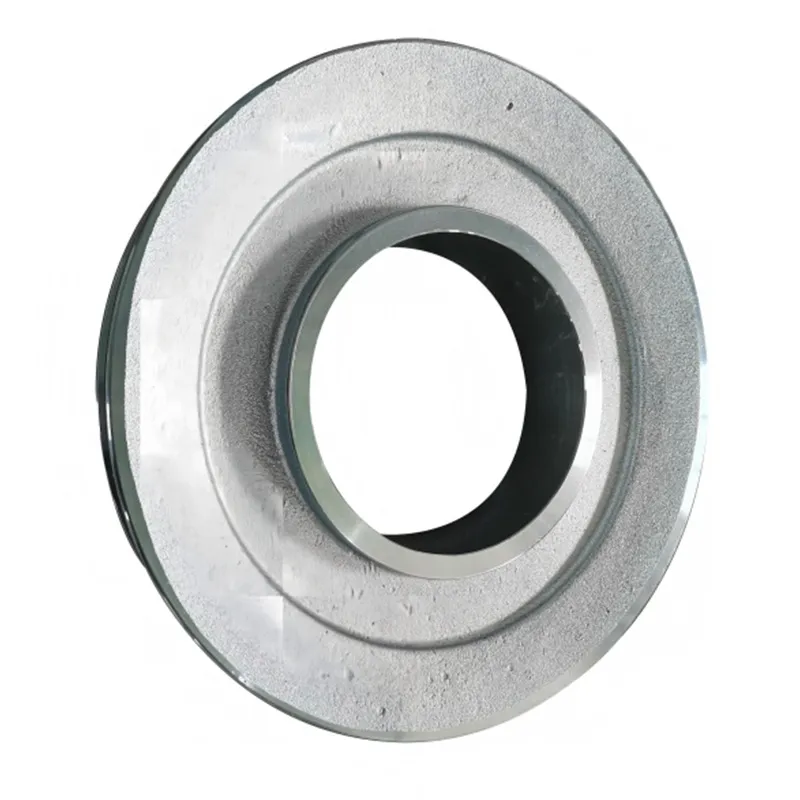
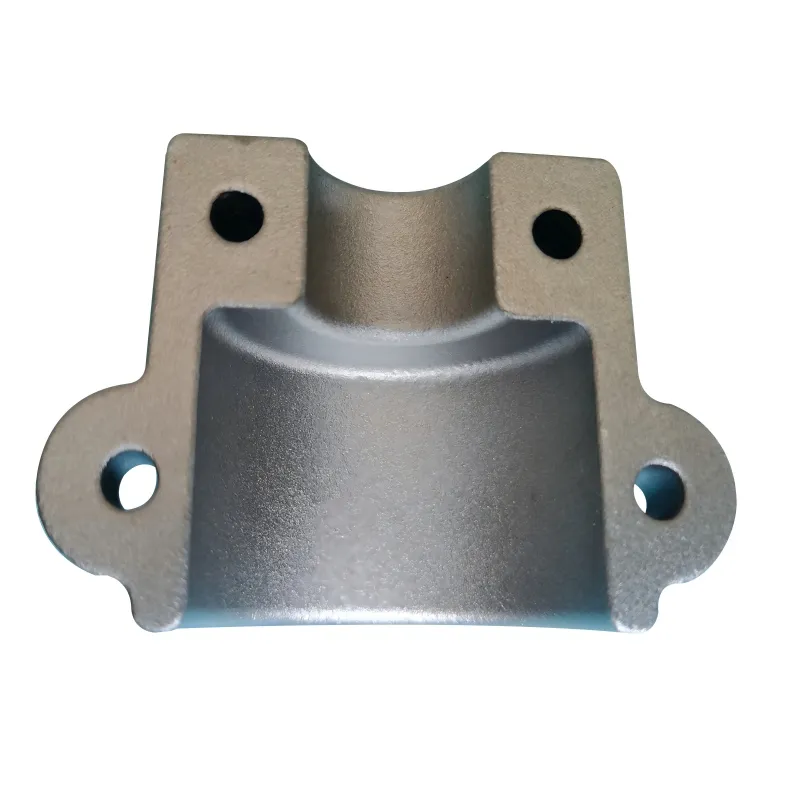
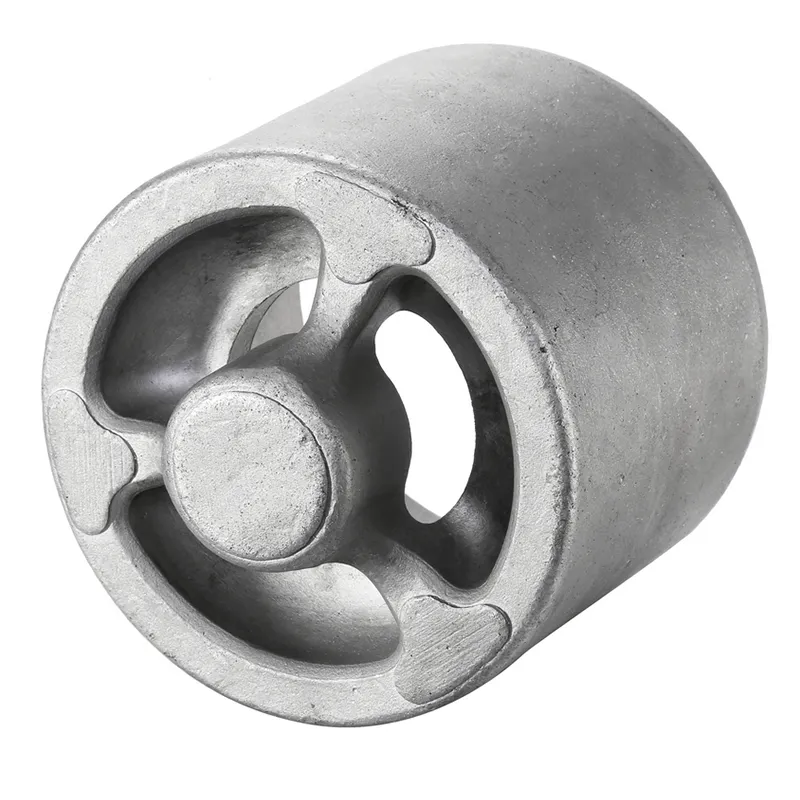
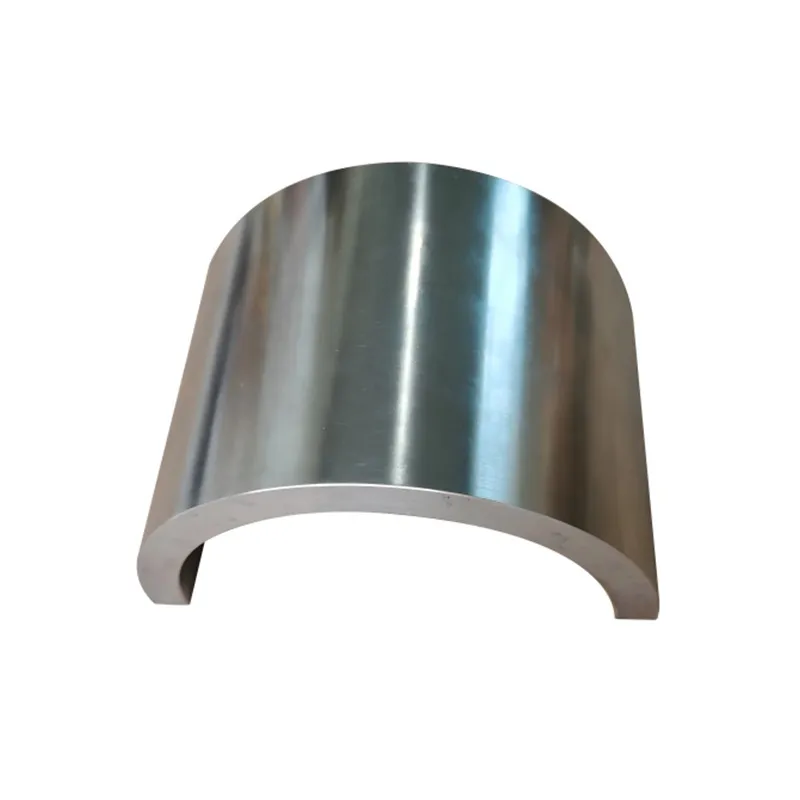
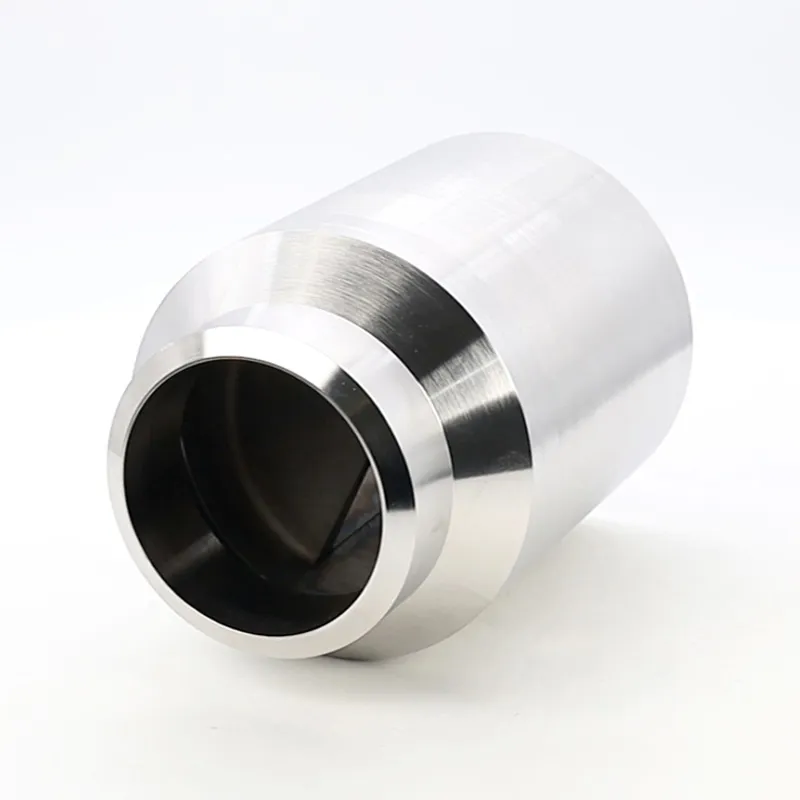
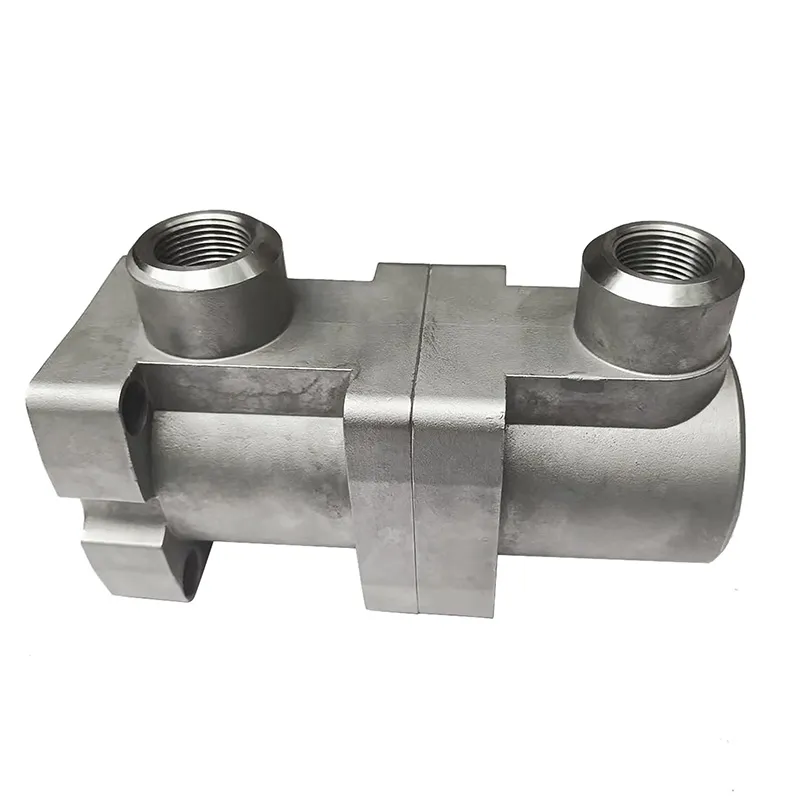
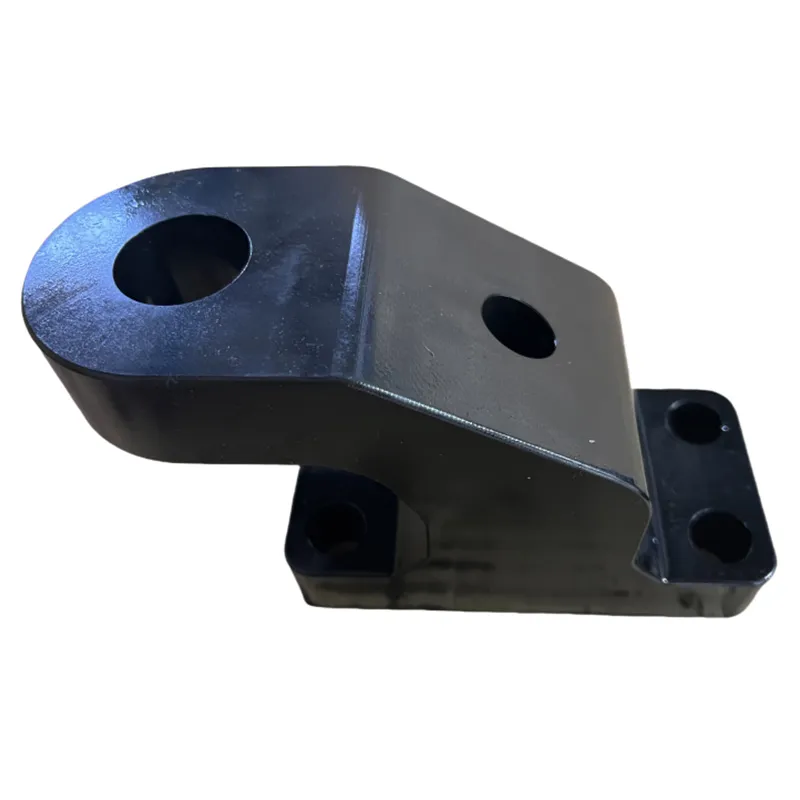
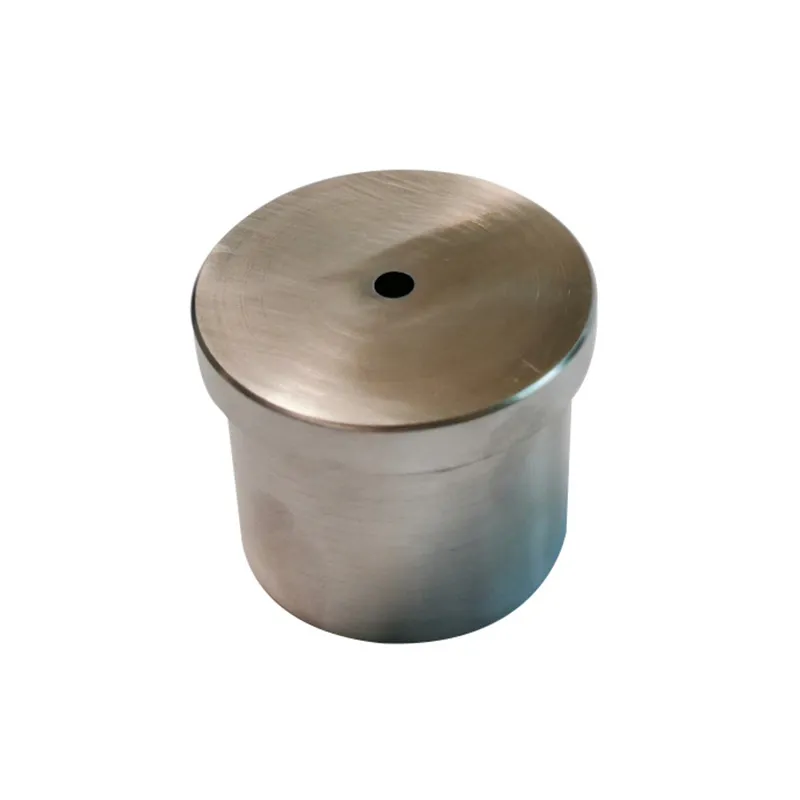
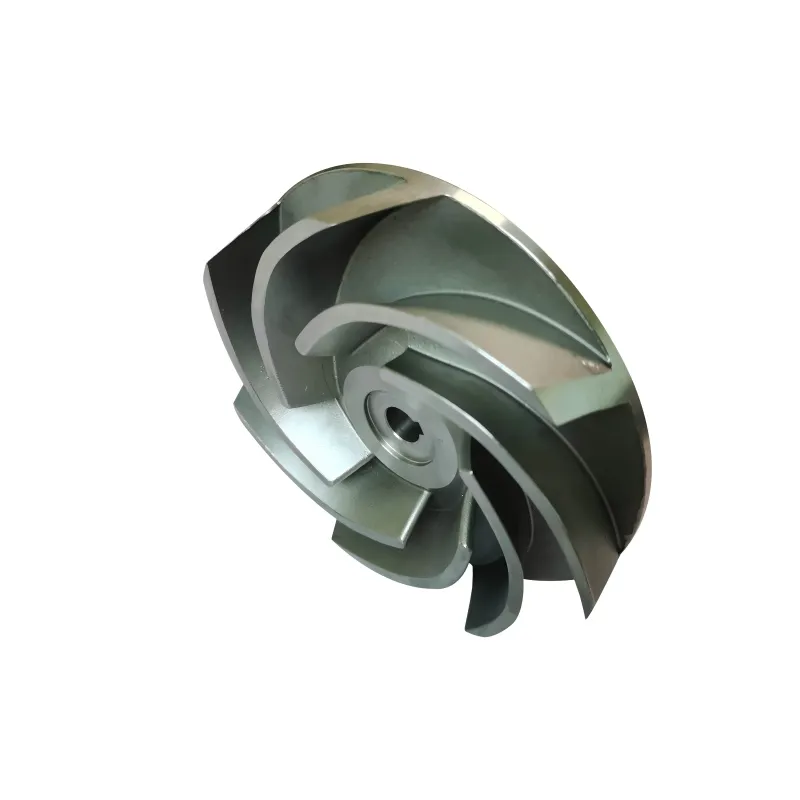
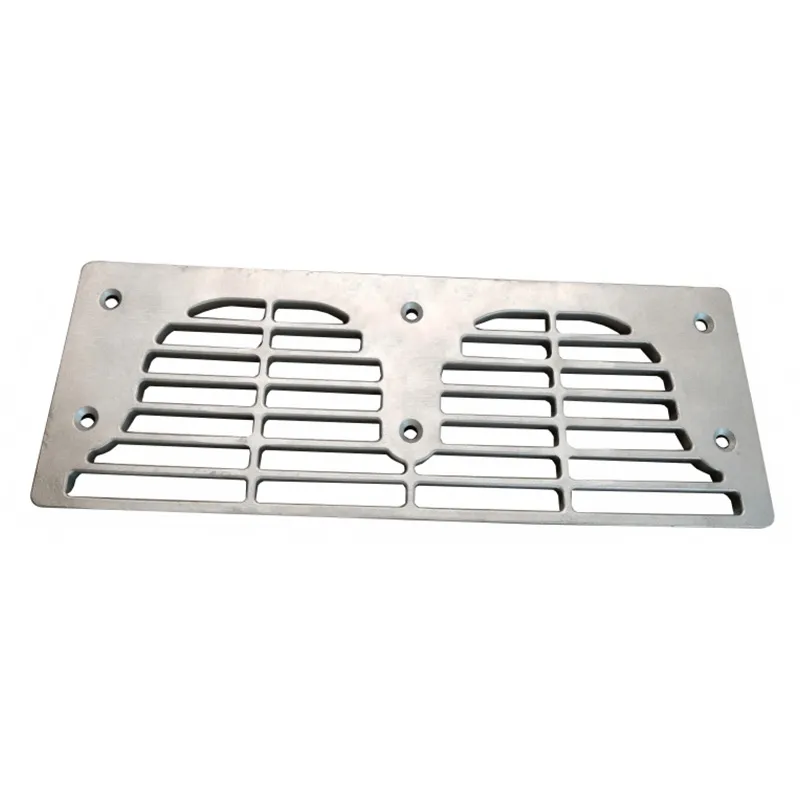
When you hear 'metal injection molding parts', the immediate image is often these perfect, tiny, complex components, almost like magic. The reality, from where I've stood for years, is messier. It's not just pressing metal powder and binder into a mold and calling it a day. The real challenge starts after the green part comes out—the debinding and sintering cycle is where you separate the shops that get it from those that just sell it. A lot of clients come in thinking MIM is just cheaper machining or a direct swap for investment casting, and that's a quick path to a failed prototype or a batch of parts that warp beyond recognition.
The Material Dance: It's Never Just Metal
You can't talk about MIM without getting deep into the feedstock. It's not a commodity. A 17-4PH stainless feedstock from one supplier sinters differently than another's, even if the spec sheet says the same. The particle size distribution, the binder formulation—it all dictates the final shrinkage. We learned this the hard way early on, switching feedstock suppliers for a dental instrument component to save cost. The shrinkage variance shot up to ±0.5% from our usual controlled ±0.3%, causing a nightmare in assembly. Had to scrap the entire batch. Now, we stick with proven feedstocks and treat that formula as part of the core IP for a part.
This is where having a background in broader metallurgy pays off. At a place like Qingdao Qiangsenyuan Technology Co., Ltd. (QSY), with their decades in shell mold and investment casting with special alloys, the understanding of how metals behave under heat is fundamental. That knowledge transfers. When we look at a nickel-based alloy part for MIM, we're not just thinking about filling the mold; we're already mentally modeling the sintering furnace atmosphere and the cooling cycle to prevent carbide precipitation. It's a different process, but the material science principles are cousins.
And special alloys? That's a whole other level. Cobalt-chrome for surgical tools, tungsten-heavy alloys for balances—these aren't your standard stainless steels. The debinding has to be excruciatingly slow to avoid cracking, and sintering temperatures are through the roof. The furnace investment alone filters out many players. You can't fake this stage; the part either comes out with the right density and properties, or it's a very expensive lump of porous metal.
The Geometry Trap: Complexity Isn't Free
The sales pitch is always unlimited complexity. Well, not unlimited. Undercuts? Possible, but they complicate the tooling and can lead to ejection issues with the fragile green part. I remember a gear component with an internal helical spline. Looked perfect on screen. In reality, the core pin to form that spline was so slender it couldn't withstand the injection pressure without deflection, leading to inconsistent wall thickness. We had to go back, thicken the pin, and then machine the spline post-sintering. Added a step, killed the cost benefit for that feature.
Wall thickness uniformity is the unsung hero. A part transitioning from a 2mm wall to a 10mm wall is begging for trouble—differential sintering stresses will warp it. We spend more time in DFM (Design for Manufacturability) reviews convincing engineers to add radii, to avoid sharp transitions, than on any other phase. It's not about making the part simpler; it's about making it survivable through the process. A good partner doesn't just say yes to any drawing; they push back with thermal simulation data.
And then there's tolerance. Holding ±0.05 mm on a critical bore after sintering is achievable, but it's not a given. It requires a locked-down process: consistent feedstock, perfect mold cavity wear management, and a sintering furnace with a tight hot zone. We often plan for a light CNC machining operation on specific datums for parts like valve seats or connector pins. Trying to achieve that purely through MIM sintering is possible, but the yield rate might make it prohibitive. It's a balance.
Sintering: The Make-or-Break Hour
This is the heart of it all. The furnace is the kingdom. You can have a perfect green part, but if your sintering profile is off, it's garbage. The ramp rates, the hold times for debinding, the peak temperature, the atmosphere (hydrogen, argon, vacuum)—every variable is a knob that adjusts final dimensions, tensile strength, and corrosion resistance. For a high-volume part, developing this profile can take months of DOE (Design of Experiments).
We once ran a batch of 316L stainless brackets. The furnace had a thermocouple drift we didn't catch immediately. The actual temperature was about 25°C lower than the display. The parts came out looking okay, but the density was about 92% of theoretical, not the required 96%+. They failed the salt spray test in days. The lesson? Calibration and maintenance of the sintering line are non-negotiable, and you need to destructively test density and microstructure from different furnace loads regularly. It's insurance.
Distortion control is another black art. Fixturing, or sintering setters, are often used. But you have to design them so they don't stick to the part, and they themselves must not warp at temperature. For long, thin parts, sometimes you sinter them hanging vertically. It sounds simple, but getting the suspension right so it doesn't dig into the soft, sintering part is a tactile skill you learn from ruined loads.
Where MIM Fits in the Real Manufacturing Ecosystem
MIM isn't a standalone island. It's a link in the chain. I see its sweet spot as high-volume (think 10k+ pieces per year), complex-shaped parts that would be murder to machine from solid or require multiple assembly steps. Think firearm components, orthodontic brackets, surgical stapler parts, miniature gears for precision drives. For lower volumes, investment casting or even machining might be more economical, even if the geometry is complex.
This is the perspective you gain from a multi-process supplier. Looking at QSY's portfolio at tsingtaocnc.com, which spans from casting to CNC machining, you get a pragmatic view. A client might come with a part drawing. Sometimes, the best solution is a hybrid: MIM the near-net-shape body, then use precision CNC machining to hit the two or three critical tolerances that MIM can't reliably hold. Trying to force-fit every complex metal part into MIM is a mistake. The right question is: What's the most robust and cost-effective route to this finished part?
Post-processing is almost always needed. Tumbling for deburring, heat treatment for specific hardness, plating or passivation for corrosion resistance. You have to factor this in from the start. A brilliant MIM part can be ruined in an aggressive vibratory tumbler if the edges are too sharp.
The Pragmatic Takeaway
So, what's the real score with metal injection molding parts? It's a phenomenal technology when applied correctly. The key is to see it as a process, not a magic bullet. Success hinges on three pillars: a design that respects the process's constraints, a feedstock and sintering profile tailored to the material, and a quality control regime that trusts but verifies every batch.
The companies that do it well, often those with deep foundry and machining roots like QSY, understand it's about metallurgy first and molding second. They have the institutional memory of how metals move and react. They're not just molding; they're thermally processing metal to near-full density.
If you're considering MIM, start with a DFM conversation early. Be prepared to iterate the tooling once or twice. And always, always budget for and plan the sintering development time. The part is born in the mold, but it grows up in the furnace. Getting that right is the difference between a component that works on a spec sheet and one that works in your hand, day after day.