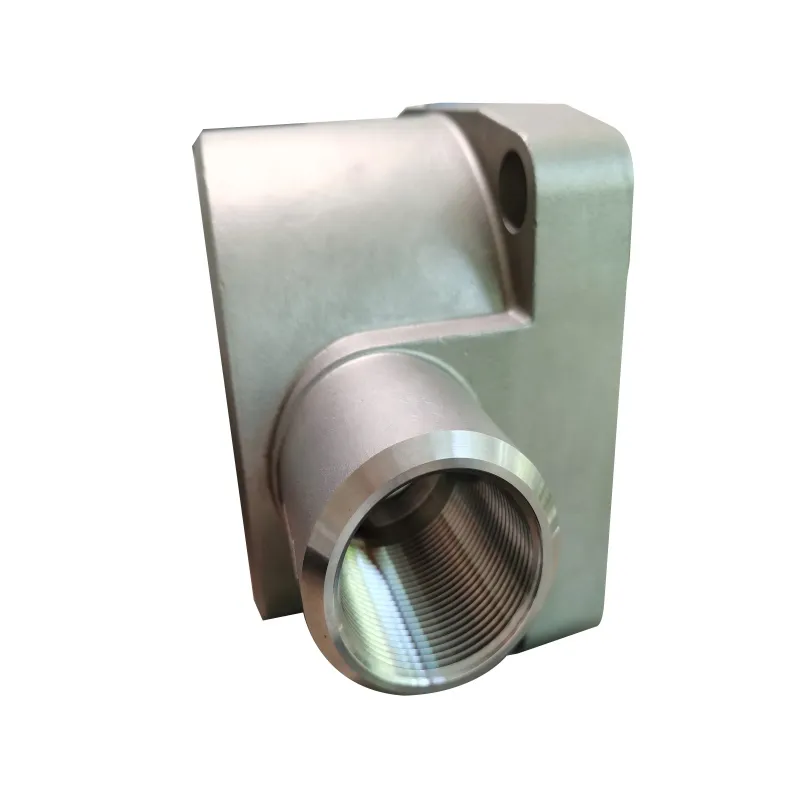
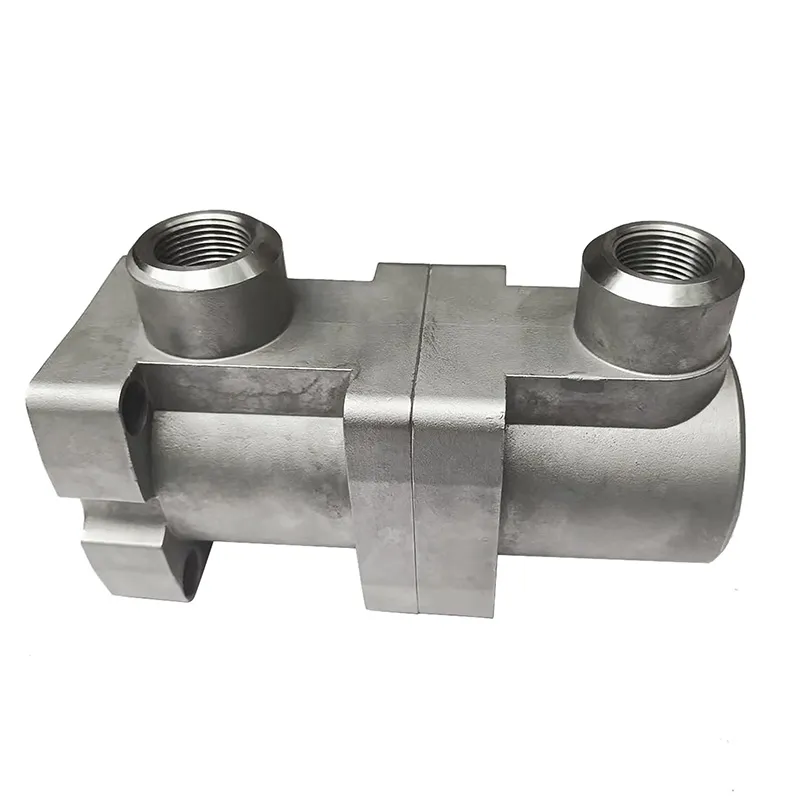
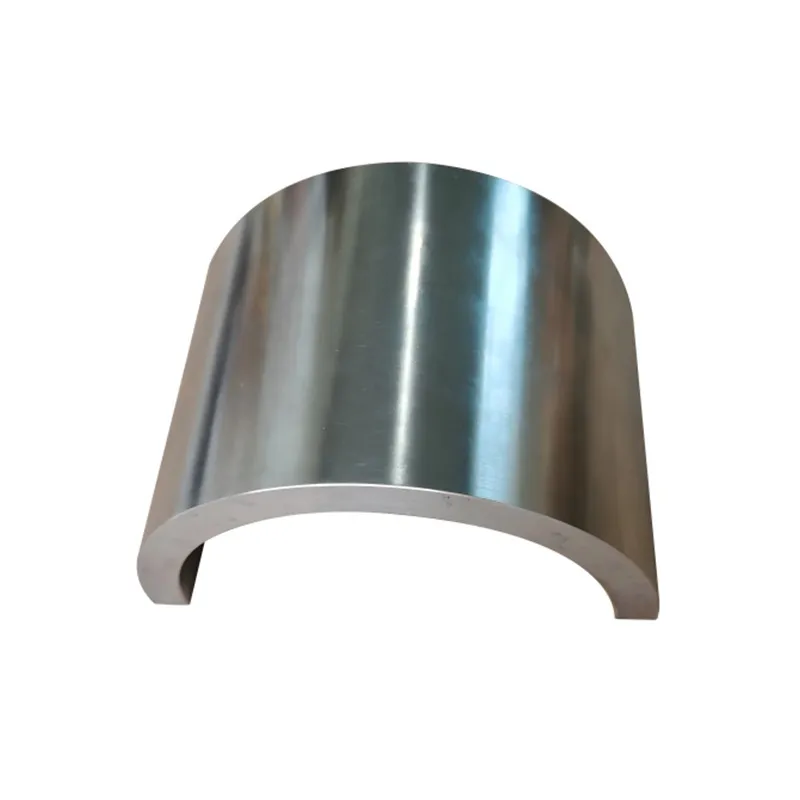
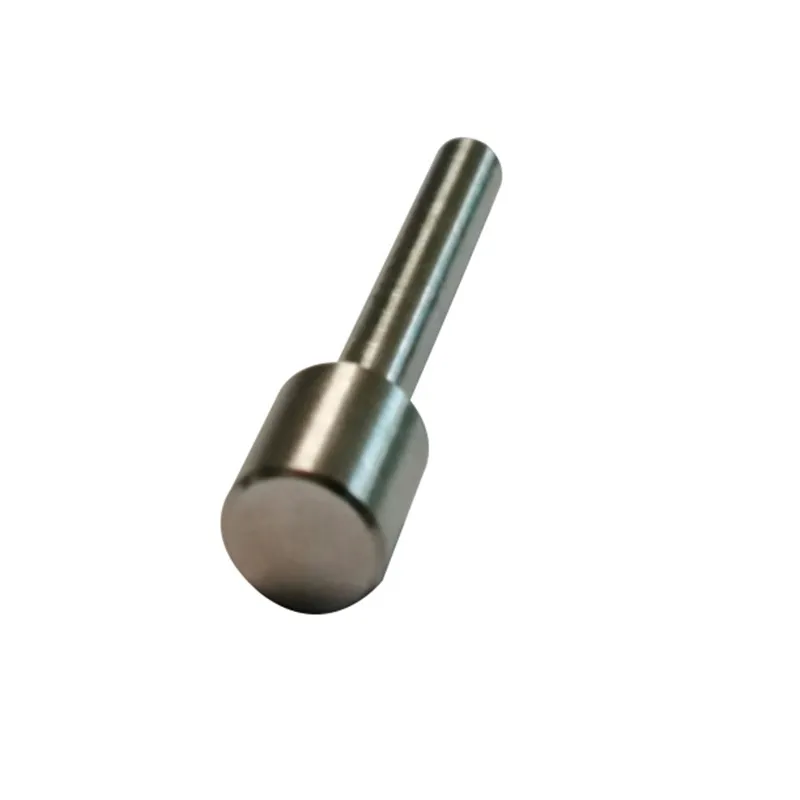
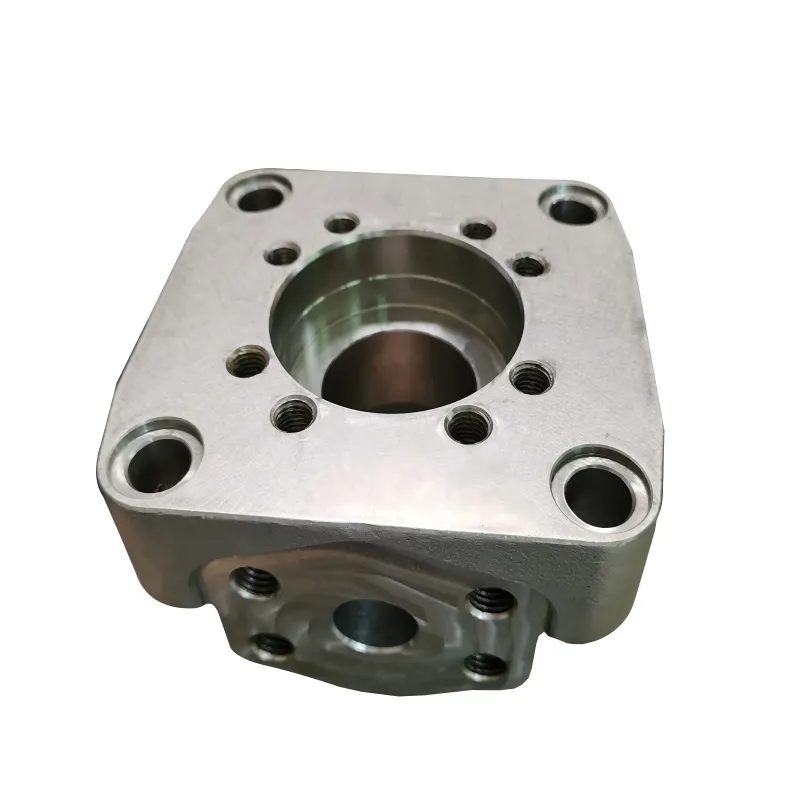
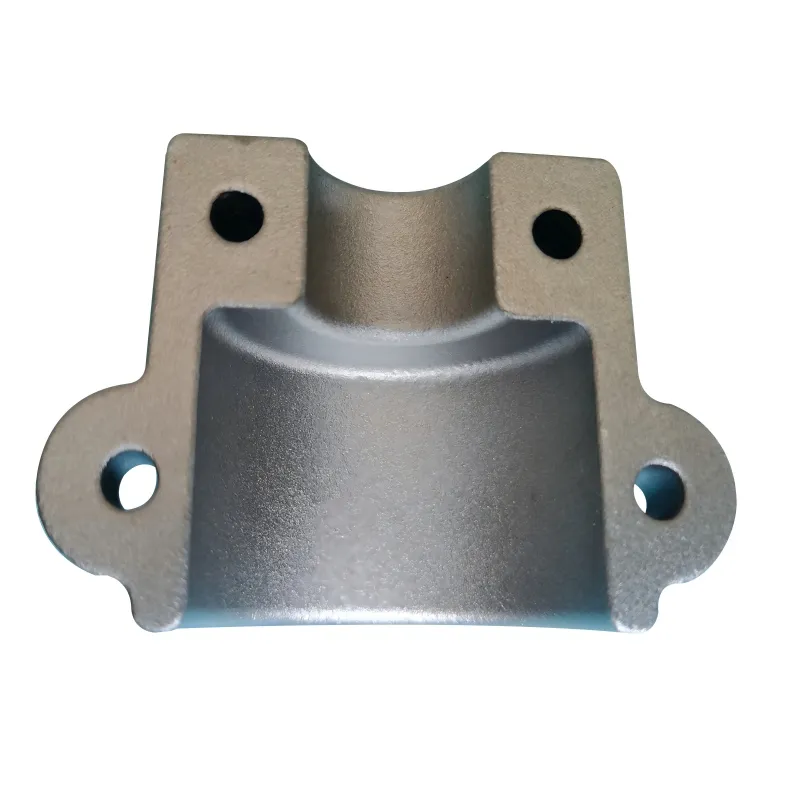
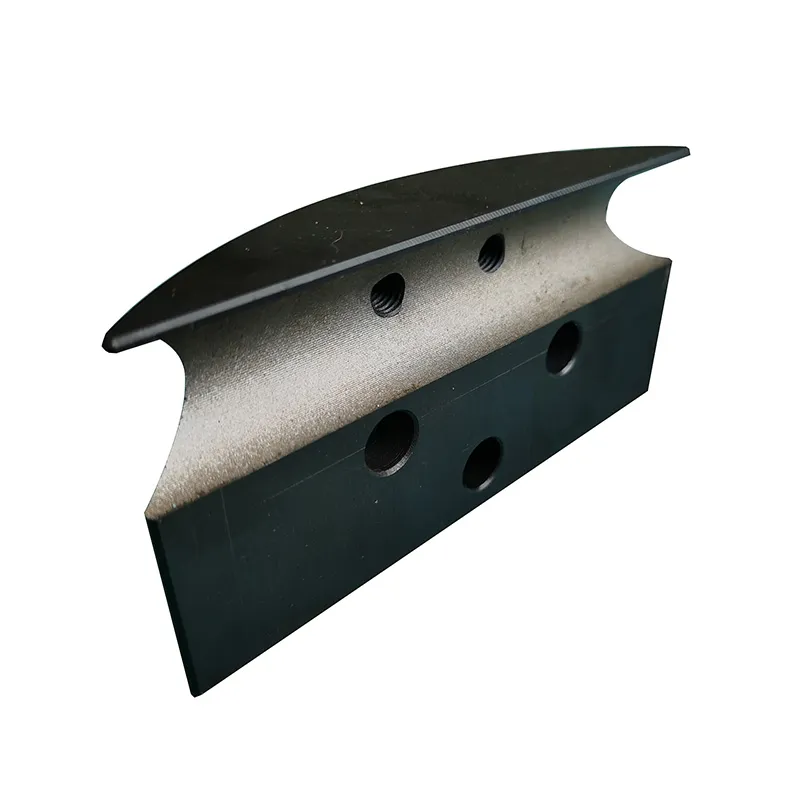
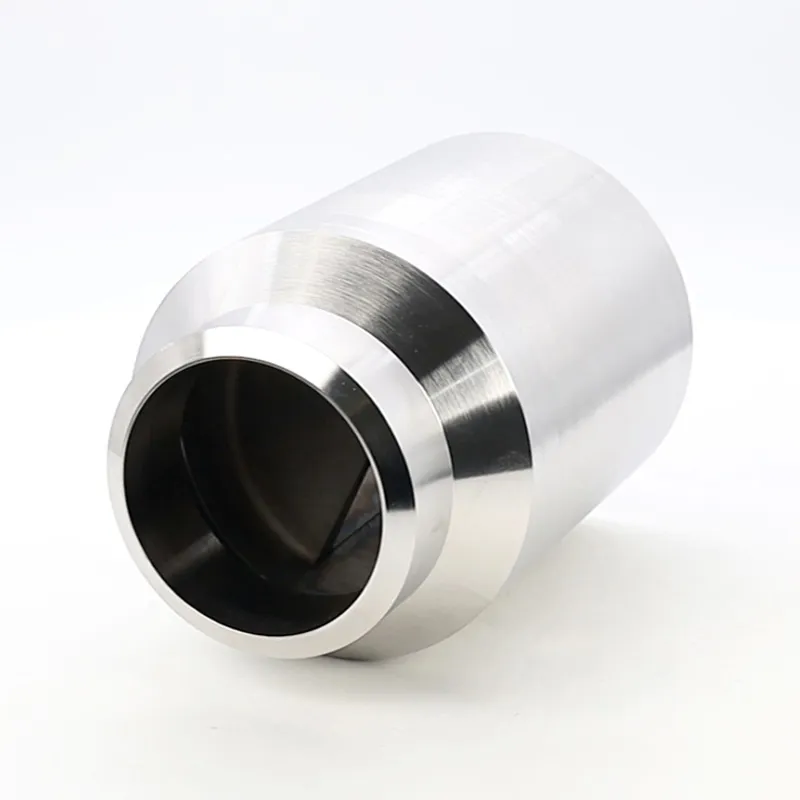
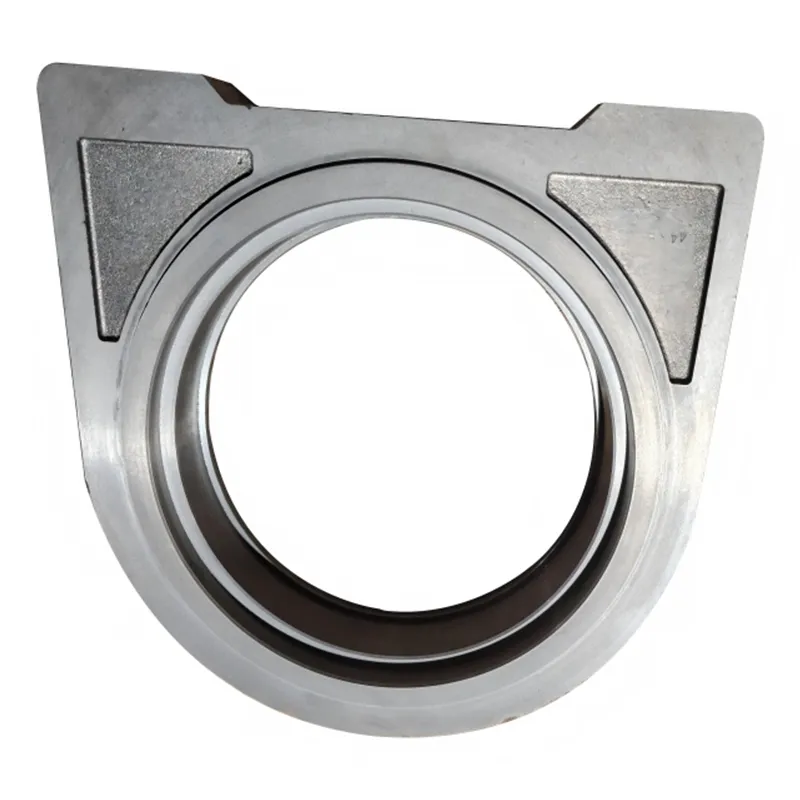
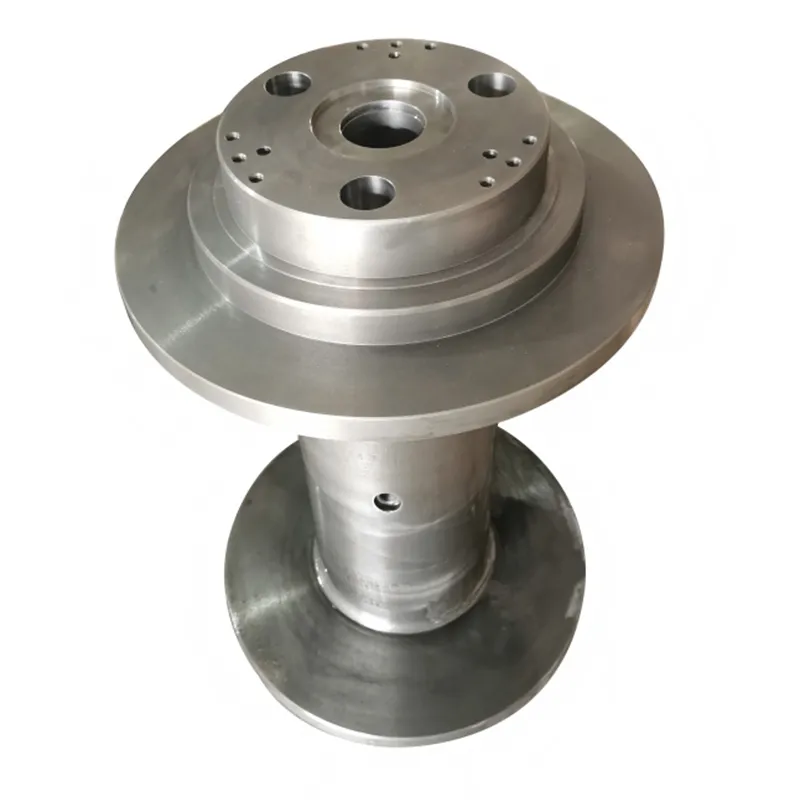
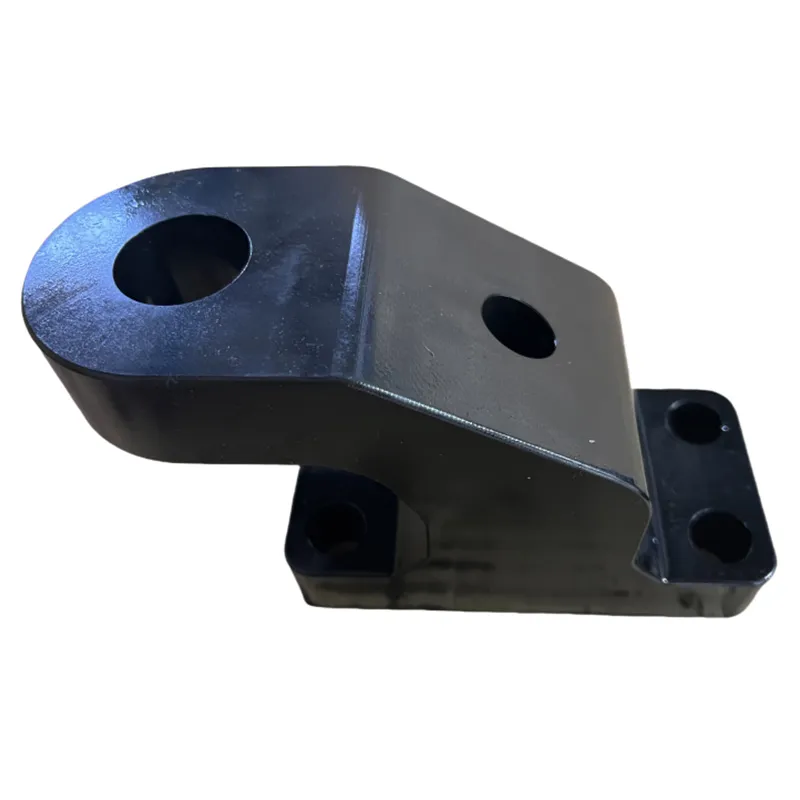
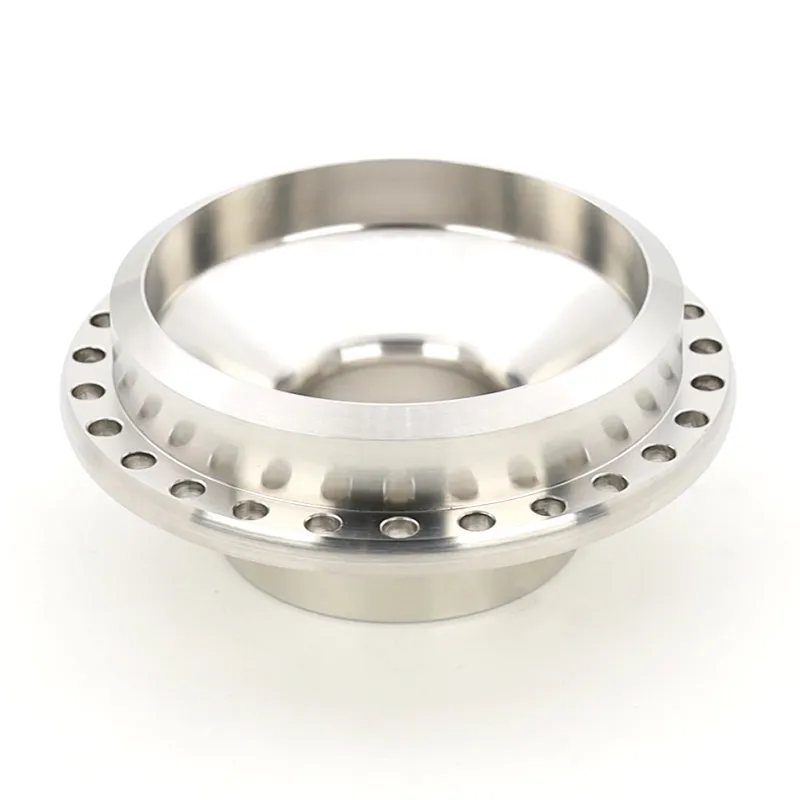
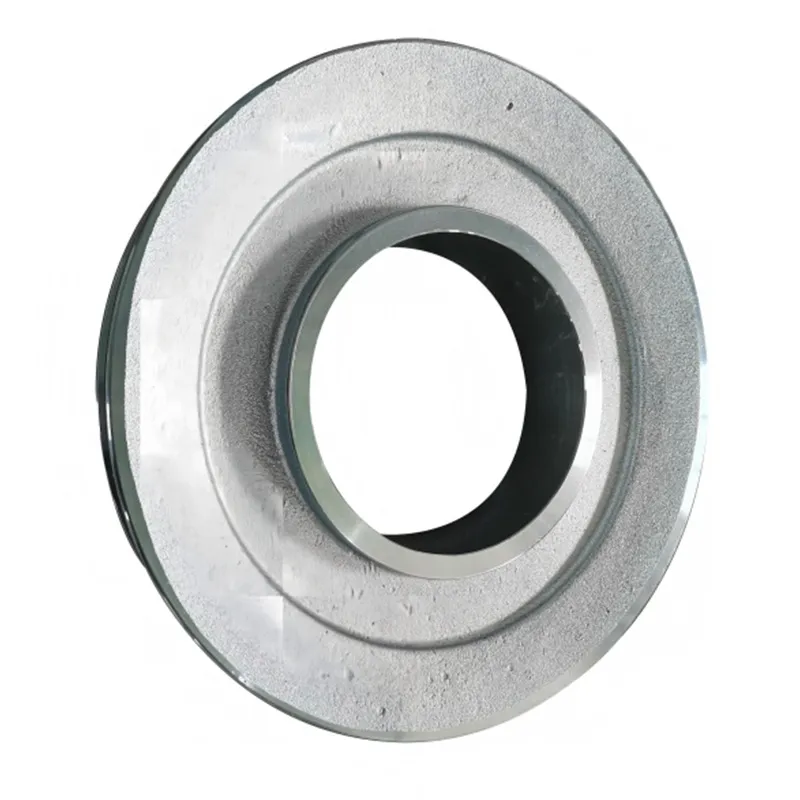
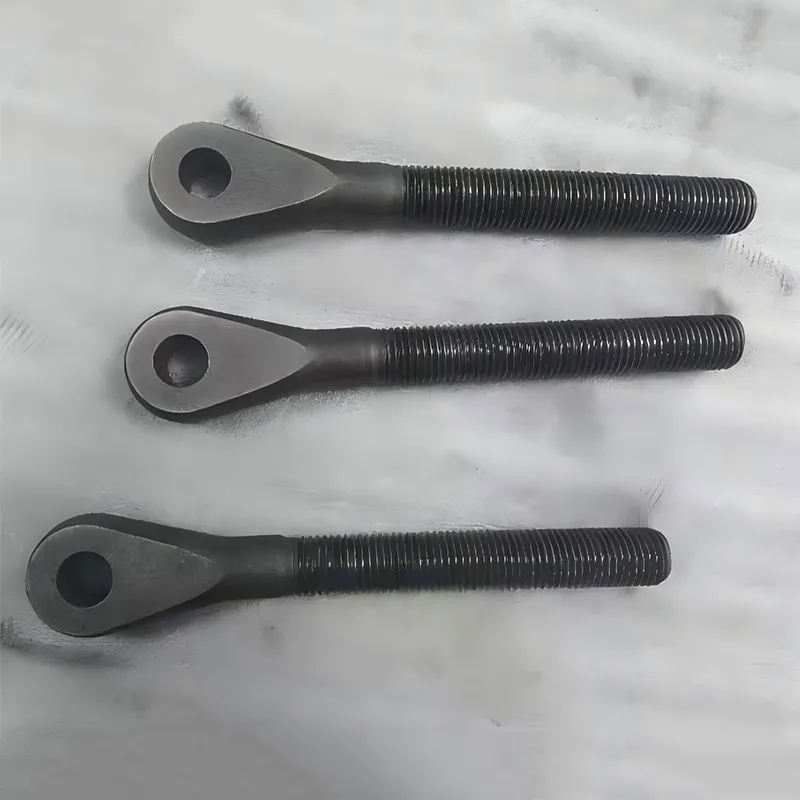
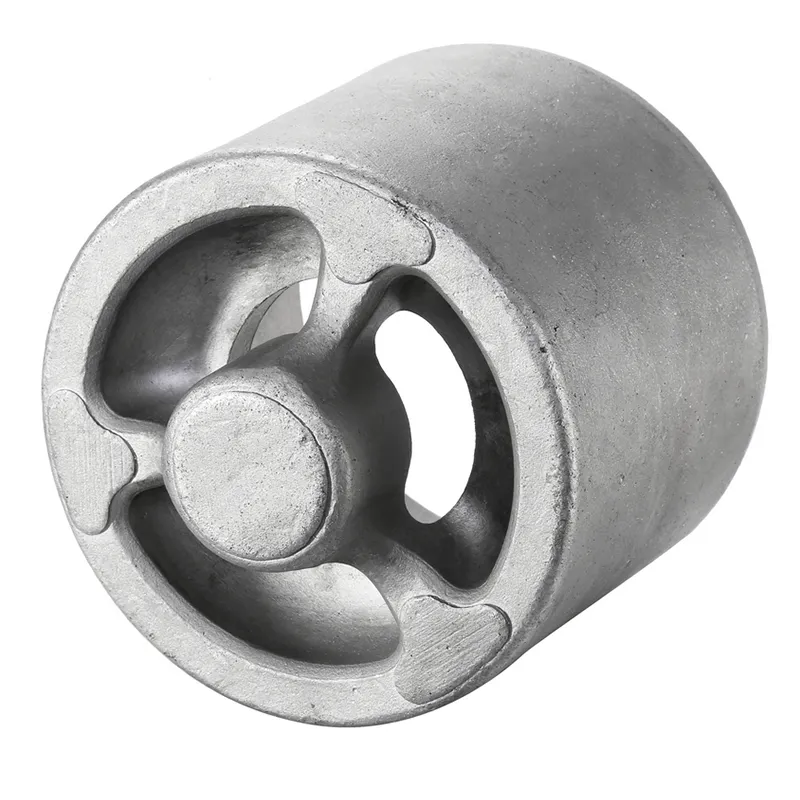
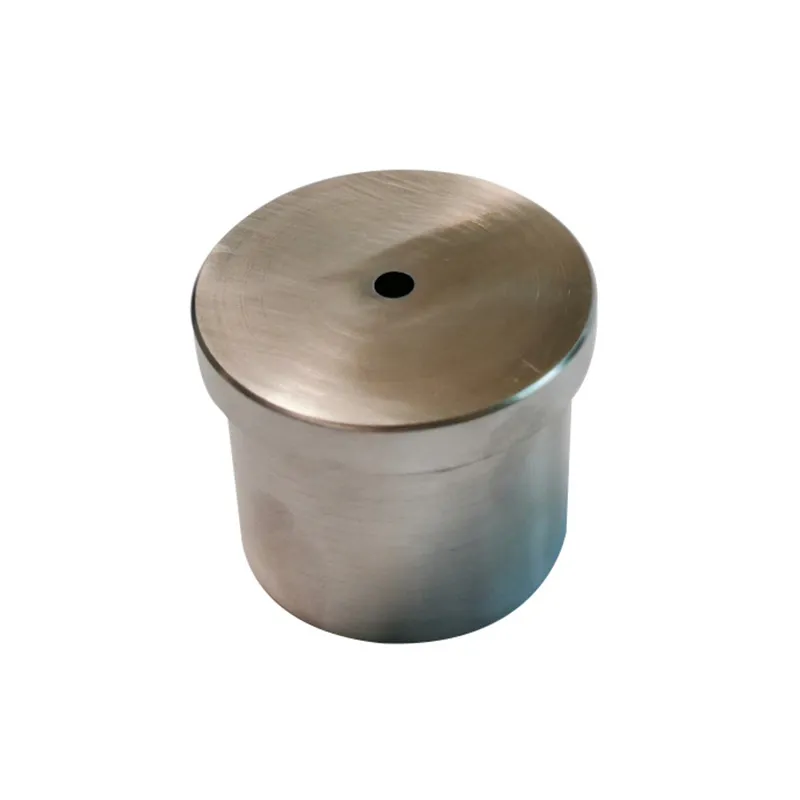
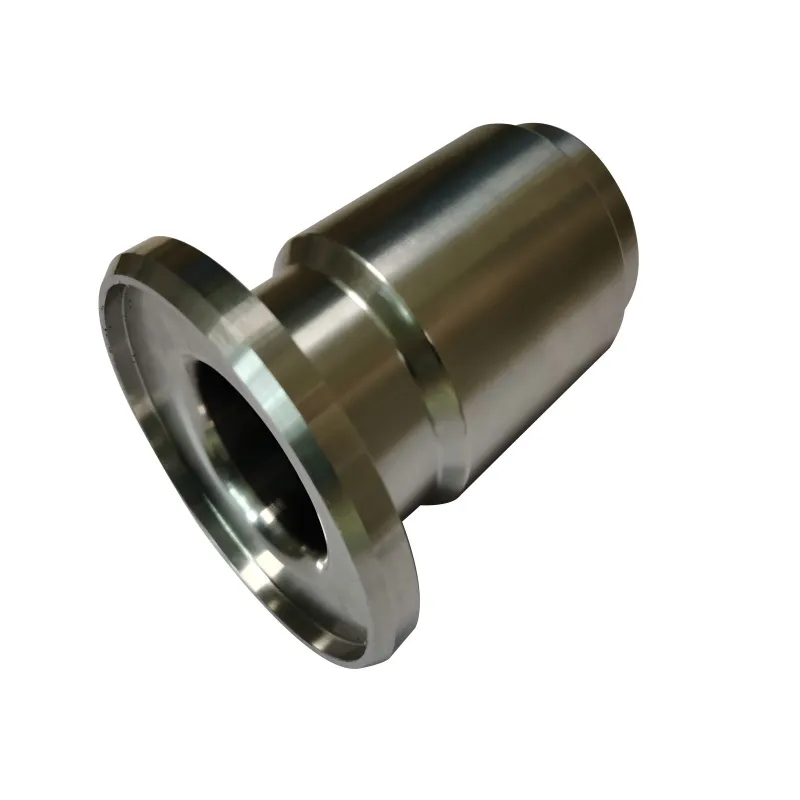
When you hear 'metal injection molding products', the immediate image is often of tiny, complex, high-volume parts—gears, surgical tools, firearm components. That's true, but it's also where the common industry misconception starts. People think MIM is just a cheaper alternative to machining for intricate shapes. In reality, the success hinges on design for manufacturability from the very first sketch, something you only learn after seeing a few expensive batches turn into scrap. It's not a magic process; it's a disciplined chain of feedstock, molding, debinding, and sintering, where each link has to be perfectly calibrated for the material. Get the sintering atmosphere wrong for a stainless steel part, and you're looking at carbon pickup and failed corrosion tests. I've seen it happen.
The Core of MIM: It's a Process, Not Just a Product
Let's break down the reality. The allure is net-shape or near-net-shape production. You can get forms that are impossible with investment casting or prohibitively expensive with CNC machining. But 'near-net-shape' is the operative word. There's shrinkage—predictable but not always perfectly uniform. If your design has thick and thin sections wall-to-wall, you're asking for distortion during sintering. We once worked on a prototype for a locking mechanism, a part with a delicate latch integrated into a heavier base. The first runs came out of the furnace slightly warped, just enough for the latch to bind. The fix wasn't in the MIM process parameters alone; it was a collaborative redesign to add a tiny, temporary support rib in the green state that was later removed in a secondary machining op. That's the real world.
Material choice is another beast. The common ones like 17-4PH stainless or low-alloy steels are well-trodden paths. But when a client comes asking for a metal injection molding part in a nickel-based superalloy for a high-temp aerospace application, the entire game changes. The powder cost skyrockets, the sintering furnace requirements become extreme (high vacuum, precise temperature ramps), and the margin for error vanishes. The mechanical properties are fantastic if you nail it, but the process development cost is substantial. This isn't a quote-you-in-an-hour business.
This is where having a partner with deep foundational metallurgy matters. A company like Qingdao Qiangsenyuan Technology Co., Ltd. (QSY) brings a different perspective. With over 30 years in shell mold casting, investment casting, and CNC machining, they understand metal behavior—phase changes, grain structure, stress—from multiple angles. When such a firm adds MIM capabilities, they're not just buying machines; they're applying decades of material science. Checking their portfolio at tsingtaocnc.com, you see their work with cobalt and nickel alloys in investment casting. That expertise directly translates to managing these tricky materials in the MIM sintering furnace, anticipating how they'll densify and what final properties to expect. It's a huge advantage over a shop that only does MIM.
Where MIM Fits (And Where It Doesn't)
So, what are the sweet-spot metal injection molding products? Medical is a big one. Biopsy forceps jaws, orthodontic brackets, surgical stapler components. The volumes justify the tooling, the complexity is high, and the material (often 316L stainless) is a MIM staple. The surface finish straight from sintering is good enough for many biocompatible applications, sometimes just needing a light tumble or passivation.
But here's a case where it didn't fit. A client wanted a large, structural bracket—about the size of a hand. The geometry was okay, but the critical factor was impact toughness in a specific direction. While MIM can achieve good tensile strength, the isotropic nature of the sintered part (properties being similar in all directions) couldn't match the directional grain flow you get from a forging for that particular toughness requirement. We had to recommend against MIM and point them toward a forging process. Knowing when not to use a technology is as valuable as knowing when to use it.
Automotive sensors are another growing area. Sensor housings, tiny gears for actuators, fuel injector parts. The shift to electric vehicles is changing the part mix, but the demand for small, precision metal components in pumps, sensors, and connectors remains. The pressure here is on cost and consistency across millions of parts. A defect rate that's acceptable for a low-volume aerospace component is a disaster here. This is where process control and statistical process monitoring in the MIM line become non-negotiable.
The Handoff: Secondary Operations and Real-World Integration
Almost no MIM part is truly finished after sintering. Most need secondary operations. This is a critical phase that many overlook in initial costing. You might need CNC machining to hit a tolerance of ±0.01mm on a specific bore, or to create a feature that couldn't be molded, like a perfectly sharp internal corner. You might need grinding, heat treatment, or plating.
This is the hidden benefit of a vertically integrated manufacturer. Take the example of QSY again. If a sintered MIM part comes out and needs a precision CNC milled flat or a tapped hole, they can move it directly to their machining division. There's no shipping delay, no communication gap between the MIM engineer and the machinist about the part's peculiarities (like its slightly porous surface compared to wrought metal). The feedback loop is tight. They can say, This stainless MIM part hardened a bit after sintering, so we'll adjust the tool speed and feed on the CNC. That integration saves time, cost, and headaches.
Another real issue is quality inspection. How do you check the internal density of a complex, small MIM part? Destructive testing is the gold standard—cut it, polish, look at the microstructure under a microscope. For production, you rely on process control: meticulously tracking sintering temperature, time, and atmosphere for every batch. But having the ability to do that metallographic analysis in-house, which a long-standing casting and machining company would have, is a major asset for validating first articles and troubleshooting.
Cost Equation: Tooling, Volume, and the Invisible Factors
The classic rule is that MIM becomes economical at around 10,000+ parts per year, due to tooling costs. That's a decent starting point, but it's too simplistic. The real equation involves part complexity. If a part would require 5 different CNC setups and 80% material waste, MIM might be cheaper at 5,000 pieces. The tooling for MIM is like plastic injection molding—complex, hardened steel cavities. It's a front-loaded cost.
But the invisible costs are in development and qualification. You'll go through several iterations: prototype tool for design validation, initial production tool, then often fine-tuning the tool after the first sintering trials to account for shrinkage nuances. Each cycle takes time and money. For a critical component, you then have to qualify the entire process—not just the final part. Your customer (especially in medical or automotive) will want to audit your feedstock supplier, your sintering furnace logs, your quality control plans. This is a months-long endeavor.
Where companies with a broad manufacturing base like QSY can mitigate this is through parallel process knowledge. Their experience in qualifying an investment casting process for a nickel-based alloy turbine blade involves similar rigor—controlling melt, mold, and solidification. That procedural discipline translates directly to qualifying a MIM line. They understand the paperwork, the traceability, and the process validation needed to serve regulated industries, which is where many MIM jobs with good margins are found.
Looking Ahead: Not a Replacement, a Powerful Option
MIM isn't going to replace investment casting for large, thin-walled components like turbine blades. It won't replace CNC machining for one-off prototypes or parts with extremely tight tolerances on every single feature. And it certainly won't replace stamping for simple, flat washers.
What it does is occupy a crucial and growing niche: high-complexity, small-to-medium-sized metal parts at substantial volumes. The future is in hybridizing it—using MIM to create 95% of the part shape, then applying precision machining or even micro-machining to finalize critical features. It's in developing new feedstocks for materials like titanium, which is still notoriously tricky in MIM due to its reactivity.
Ultimately, successful metal injection molding products come from a marriage of design intent and process capability. It requires the designer to think in terms of powder flow, binder removal, and controlled shrinkage. And it requires the manufacturer to have more than just a MIM press; they need deep metallurgical knowledge, robust process controls, and often, the ability to handle the necessary secondary operations seamlessly. That's the difference between a vendor and a partner. When you evaluate a supplier, look beyond their MIM brochure. Look at their entire material and manufacturing ecosystem—like the decades of casting and machining behind a firm such as QSY—because that foundational knowledge is what ensures your part doesn't just come out of a mold, but performs reliably in the field.