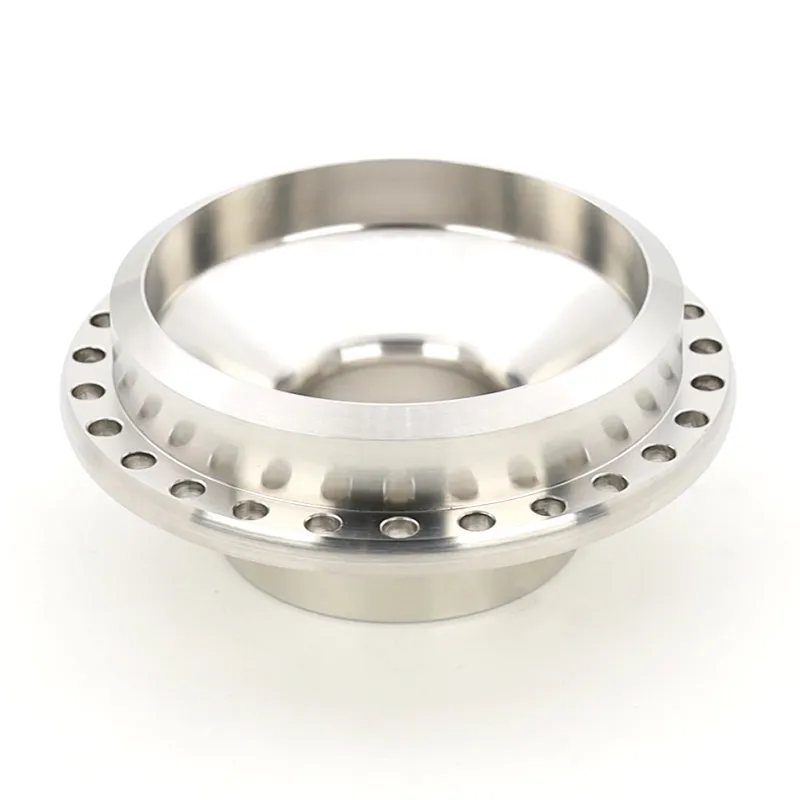
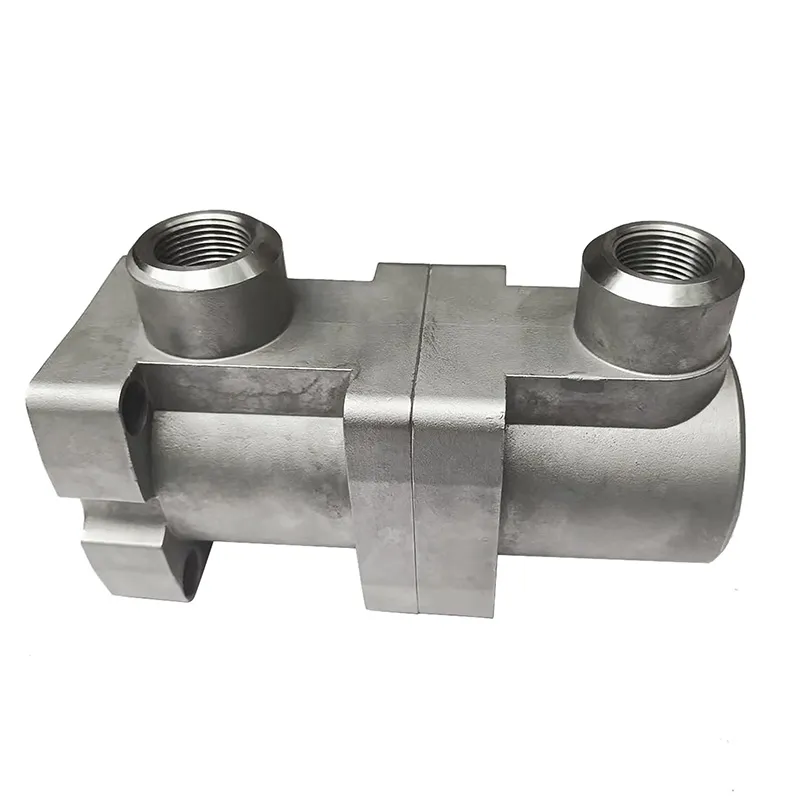
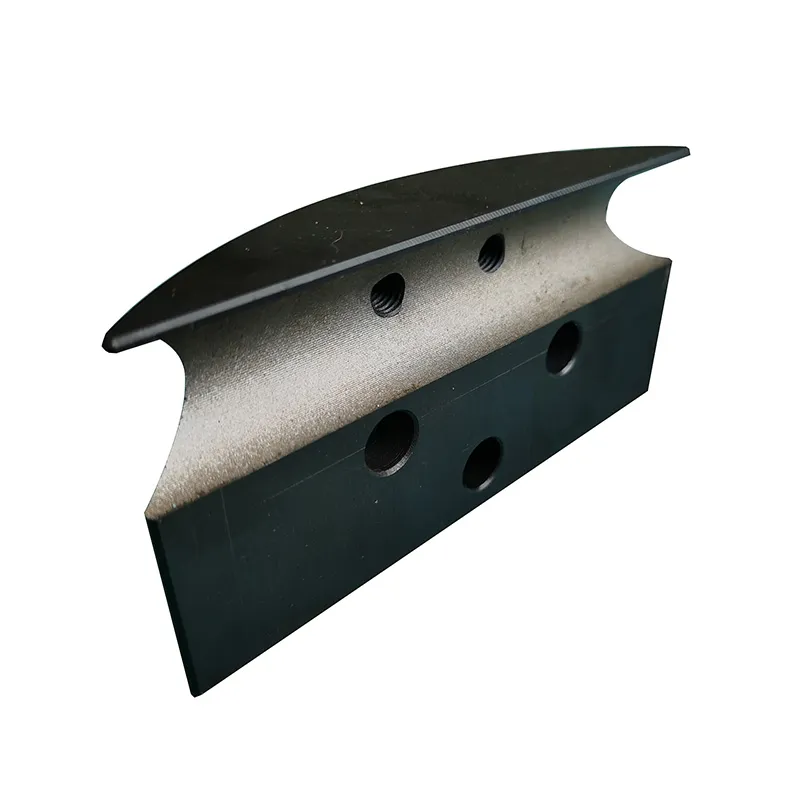
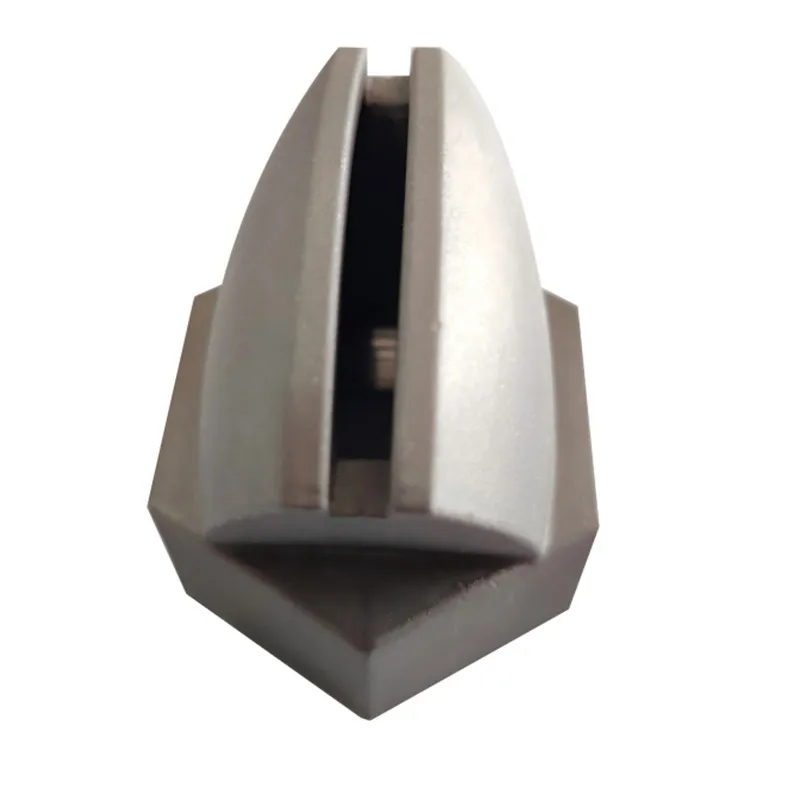
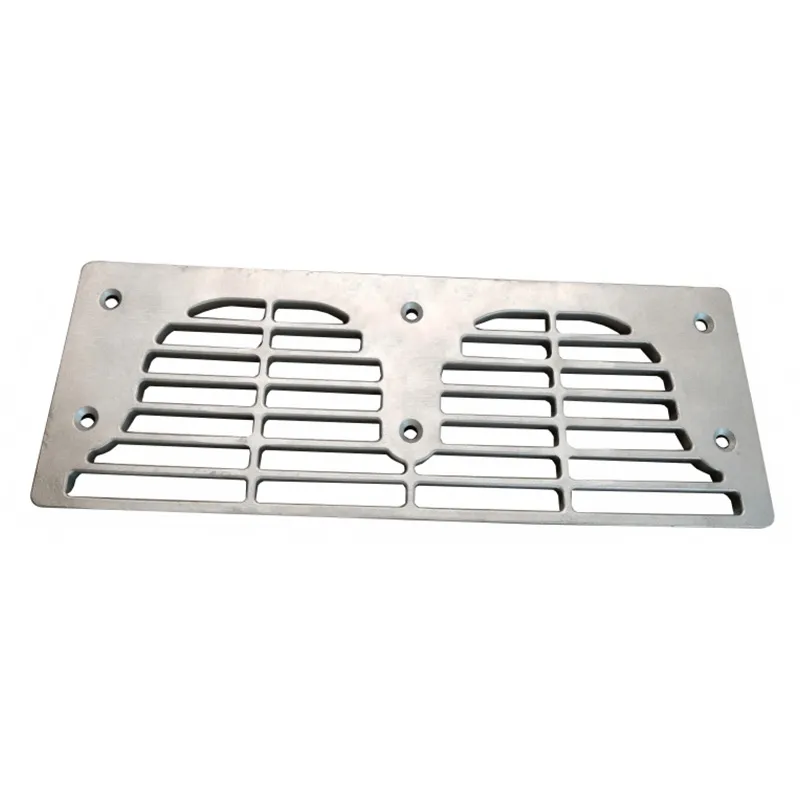
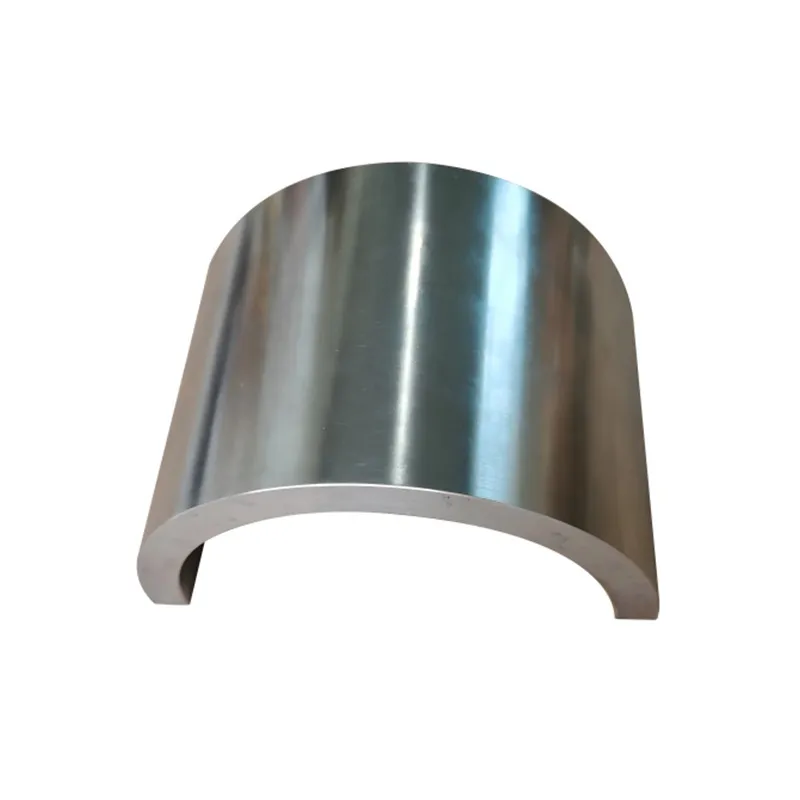
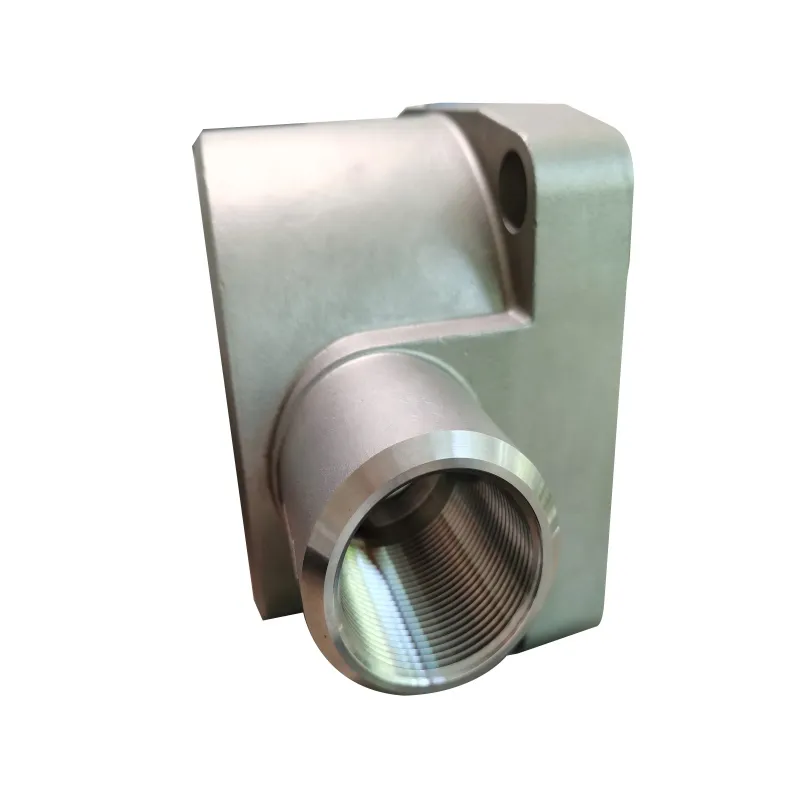
When you hear 'metal injection molding services', a lot of folks immediately think it's just fancy plastic molding with metal powder. That's the first place people get tripped up. It's not an upgrade from plastic injection molding; it's a completely different beast with its own set of rules, headaches, and sweet spots. The promise is incredible: complex, near-net-shape metal parts in high volumes. The reality is a process riddled with tiny variables that can scrap an entire batch if you're not watching like a hawk. I've seen too many projects come in with unrealistic expectations about tolerances or surface finish right out of the mold, forgetting the critical role of sintering. That's where the real magic, and the real warping, happens.
The Core MIM Process Isn't a Black Box
Let's break it down without the textbook fluff. You start with the feedstock, which is about 60% metal powder and 40% binder by volume. This isn't just any mixing; it's a homogenization process that needs to be perfect. Any inconsistency here will show up later as voids or distortion. We work with everything from 17-4 PH stainless to those tricky nickel-based alloys. The injection molding phase itself feels familiar to plastic guys, but the parameters are tighter. You're dealing with a higher viscosity material, and the mold design has to account for much higher shrinkage during the subsequent debinding and sintering—often 15-20% linear shrinkage. You can't just use a plastic mold design and expect it to work.
Then comes debinding. This is a slow, critical step where you remove the binder system. Too fast, and you get cracks or blisters. We use a combination of solvent and thermal debinding for most parts. It's a patience game. The green part is extremely fragile at this stage. I remember one project for a surgical instrument hinge where we rushed the thermal cycle. The parts looked fine coming out of the furnace, but during sintering, they slumped like tired soldiers. The culprit was residual stress from incomplete binder removal. A costly lesson learned in a single batch.
Sintering is the final metamorphosis. The parts are heated in a controlled atmosphere furnace—hydrogen, argon, or vacuum—at temperatures close to the metal's melting point. This is where the particles fuse and the part densifies. The fixturing, or sintering trays, are an art form themselves. They must support the part without sticking to it or causing differential heating. For a high-volume gear component we ran, we spent two weeks just designing and testing different setters to prevent distortion under its own weight at temperature. It's these unsexy details that make or break a metal injection molding services project.
Where MIM Makes Sense (And Where It Doesn't)
MIM isn't a cure-all. Its sweet spot is complex, small-to-medium sized metal parts needed in volumes from 10,000 to millions per year. Think firearm components, dental brackets, surgical tool jaws, or intricate automotive sensors. If you need five pieces, go with CNC machining. If you need a simple washer, go with stamping. The value of MIM is consolidating multiple assembled parts into a single, robust component. We had a client who was assembling a tiny lock mechanism from five separate machined pieces. We redesigned it for MIM, got it down to one part, and cut their assembly cost by 70%. That's the win.
But the material limitations are real. While alloys like 316L stainless or Fe-2Ni are MIM staples, very high-carbon steels or some aluminum alloys are notoriously difficult. The sintering window is too narrow. Also, part size is a constraint. While technology pushes boundaries, a general rule is parts under 250 grams and fits in a palm. Wall thickness uniformity is another big one. Sudden, drastic changes in cross-section are a recipe for sink marks during molding and distortion in sintering. Design for MIM (DFM) is a non-negotiable conversation that has to happen before any tooling is cut.
This is where having a background in both casting and machining is invaluable, like the approach at Qingdao Qiangsenyuan Technology Co., Ltd. (QSY). With over 30 years in shell mold and investment casting, they understand metal flow, solidification, and thermal processes at a fundamental level. That knowledge translates directly to troubleshooting MIM sintering issues. Seeing them handle metal injection molding services alongside their core investment casting and CNC machining work shows a practical understanding of the entire manufacturing ecosystem. You can't just be a MIM shop in isolation; you need to know when to recommend a different process or how to finish a MIM part with precision machining.
The Post-Process Reality: It's Rarely Done After Sintering
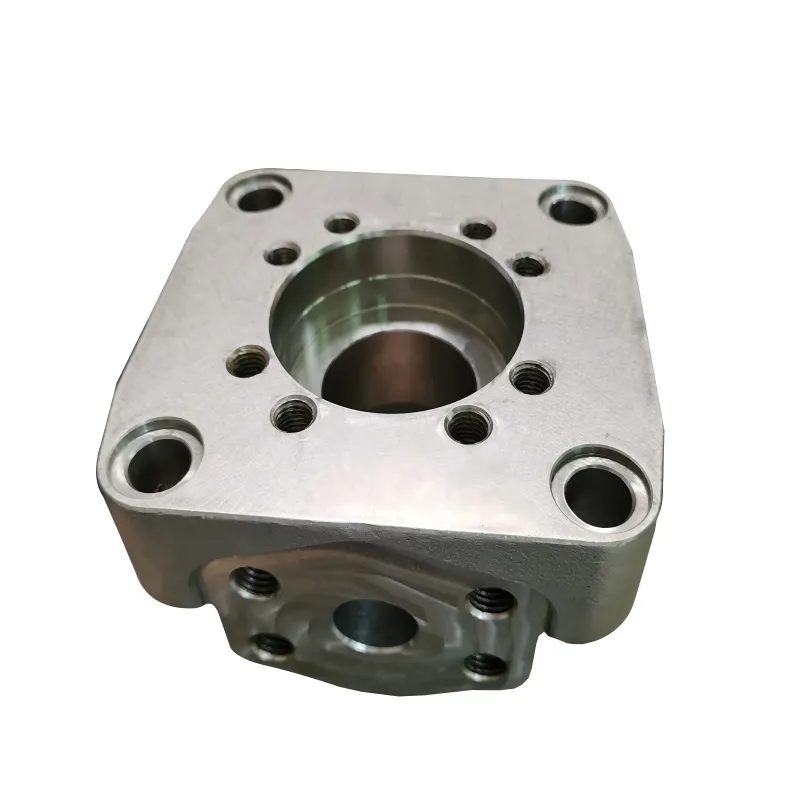
Anyone who tells you a MIM part comes out of the sintering furnace ready to ship is oversimplifying. Dimensional tolerances are typically ±0.3% to ±0.5%, which is great, but for critical features like holes or mating surfaces, you often need secondary operations. That's why many providers, including QSY, integrate CNC machining. A sintered part might need a bore honed to a precise diameter or a thread tapped. The challenge is fixturing these often-delicate, sintered parts without crushing them.
Heat treatment, surface finishing like plating or passivation, and quality inspection are all part of the package. For a cobalt-chromium alloy part for the medical industry, we had to develop a specific sintering cycle to meet ASTM F75 standards, then perform a hot isostatic pressing (HIP) treatment to eliminate any residual porosity, followed by precision grinding on key surfaces. The metal injection molding services was just the first third of the journey. The ability to manage this entire chain under one roof prevents a lot of finger-pointing when issues arise.
Quality control is another beast. We use a mix of statistical process control (SPC) during molding, coordinate measuring machines (CMM) for first articles, and lot sampling for density testing (often via the Archimedes method). Metallographic cross-sections are a must for validating microstructure. It's resource-intensive, but it's the only way to catch subsurface flaws that could lead to field failure.
Navigating the Supplier Landscape
Choosing a metal injection molding services partner isn't about finding the cheapest tooling quote. It's about finding competency. You need to ask about their experience with your specific material. Can they show you micrographs of previous work with 17-4 PH in the H900 condition? What's their typical sintering furnace atmosphere control capability? How do they handle first-article inspection and reporting?
Look for a supplier that asks as many questions as they answer. They should grill you on the part's function, load conditions, and cosmetic requirements. A good partner will push back on design features that are problematic for MIM and suggest alternatives. I've found that shops with a strong foundation in other metal-forming technologies, like the long-standing casting expertise at QSY, tend to have a more holistic and pragmatic view. They're not trying to force every square peg into the MIM round hole because it's the only tool they have.
Finally, visit if you can. See the molding presses, the debinding lines, the sintering furnaces, and the CMMs. Check the organization and cleanliness. MIM is a process sensitive to contamination. A flake of a different material powder can ruin a batch. The shop floor tells you more than any sales brochure ever will.
Wrapping It Up: It's a Tool, Not a Miracle
So, metal injection molding services are powerful, but they demand respect for the process intricacies. It's not a shortcut. Success hinges on a tight collaboration between the designer and the manufacturer from day one, a deep understanding of the material science at play, and a relentless focus on process control. The goal is to leverage its ability to create geometrically complex, strong metal parts efficiently, while knowing its boundaries.
It's fascinating to see how the industry evolves, with new binder systems and faster debinding techniques emerging. But the core principles remain. It's about managing the journey of a metal powder through molding, binder removal, and solid-state sintering into a reliable component. When it clicks, it's brilliant engineering. When it fails, it's a very expensive pile of sintered powder. The difference almost always lies in the depth of experience and the willingness to engage with the gritty details of the process, not just the glossy sales pitch.