When you start looking for metal injection molding suppliers, there's this common trap everyone seems to fall into initially: you get hung up on the machine specs or the base material cost per kilo. It's a numbers game on paper. But after a few projects, you realize the real differentiator isn't just the press capacity; it's the entire ecosystem around it—the feedstock formulation consistency, the debinding process control, and that critical, often overlooked, sintering stage. A lot of shops claim MIM capability, but their expertise might be five years deep in plastic injection molding with metal powder tacked on as an afterthought. That mismatch is where projects stall or fail quietly.
The Core Divide: Process Masters vs. Part Pushers
You can usually tell within one conversation. A true process-centric supplier will immediately steer the talk toward your part's geometry, wall thickness variations, and intended application stress points. They're thinking about how the powder will flow into that tiny cross-section and how the binder will evacuate. The others, the part pushers, lead with their ISO certification and minimum order quantities. I learned this the hard way on an early project for a surgical tool component. We went with a well-marketed supplier who had all the right certificates. The first article samples were perfect. But at production volumes, we saw inconsistent dimensional stability in the cannulated sections. The issue? Their sintering furnace atmosphere control wasn't robust for the 17-4 PH stainless we specified. They were set up for more common grades. The loss wasn't just in scrap; it was in timeline and trust.
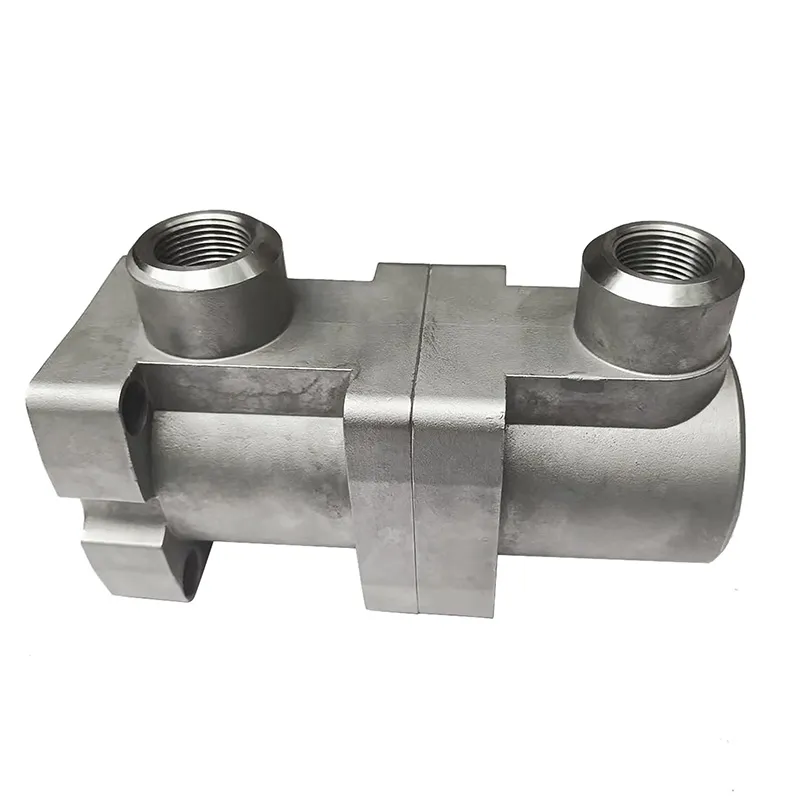
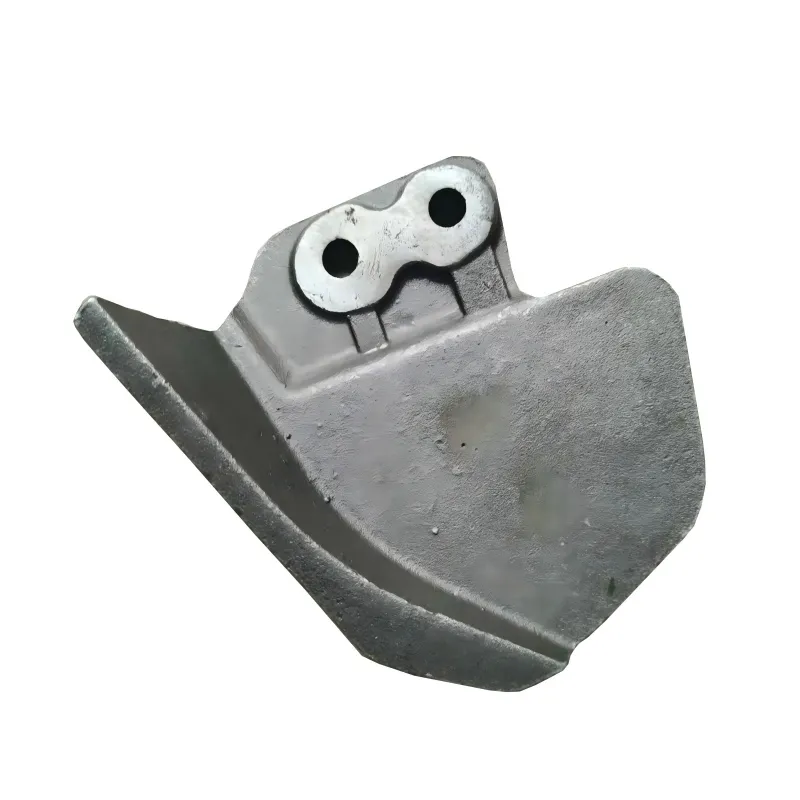
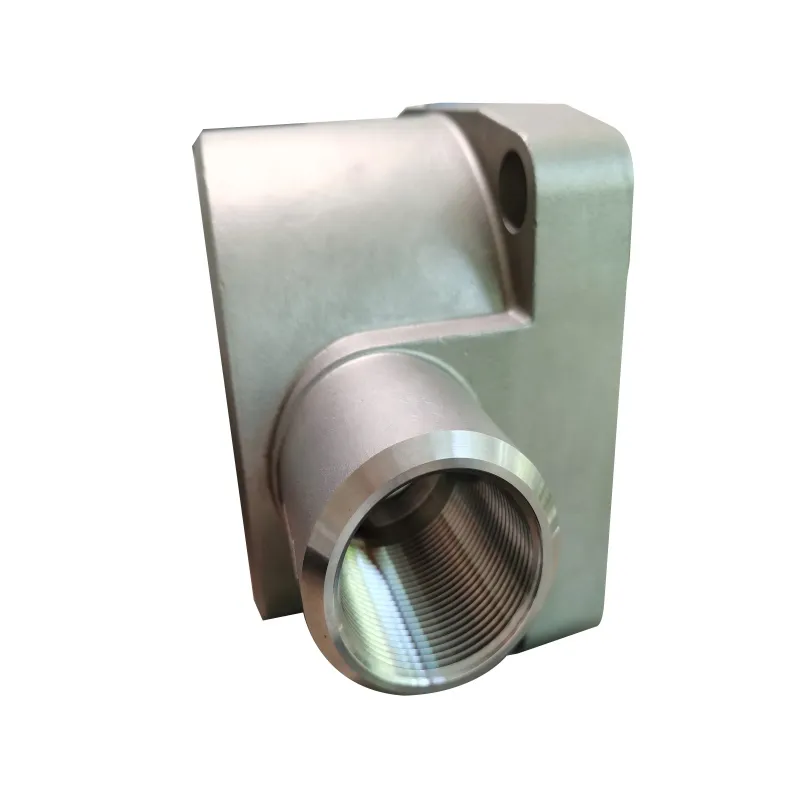
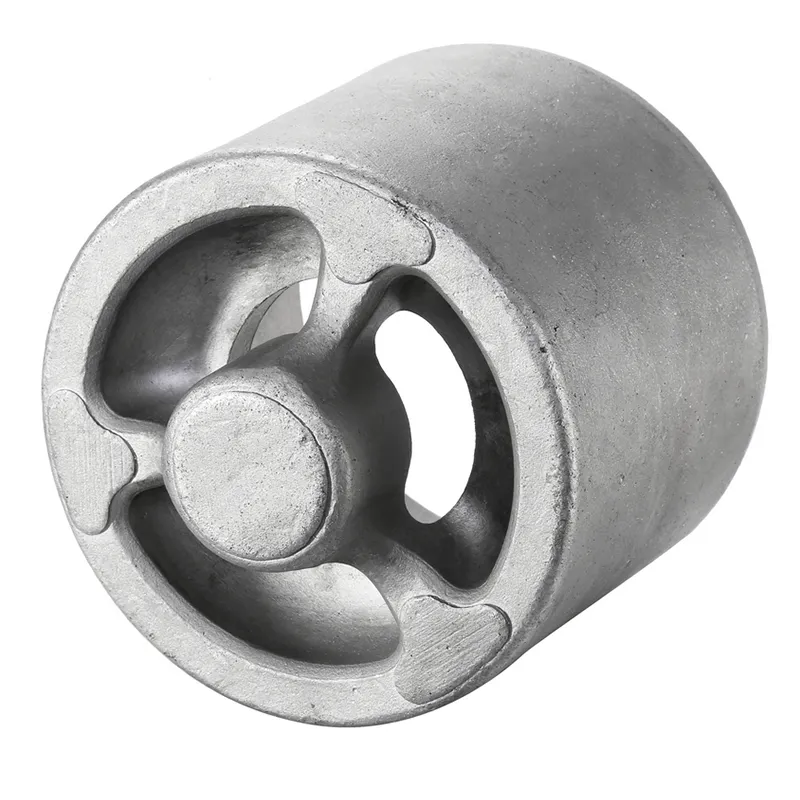
This is where a background in related precision metal-forming processes becomes invaluable. Take a company like Qingdao Qiangsenyuan Technology Co., Ltd. (QSY). You can find them at https://www.tsingtaocnc.com. Now, their public face is over 30 years in shell mold and investment casting, plus CNC machining. For someone just searching for metal injection molding suppliers, they might not pop up first. But that's the interesting part. A firm with deep foundry and machining roots, working with everything from cast iron to nickel-based alloys, brings a fundamentally different material science mindset to the table. For MIM, especially with special alloys, that metallurgical knowledge from the casting side—how grains form, how alloys behave under heat—translates directly into mastering the sintering profile. It's not just about running a furnace; it's about understanding the transformation at a molecular level from the binderless brown part to the final densified metal.
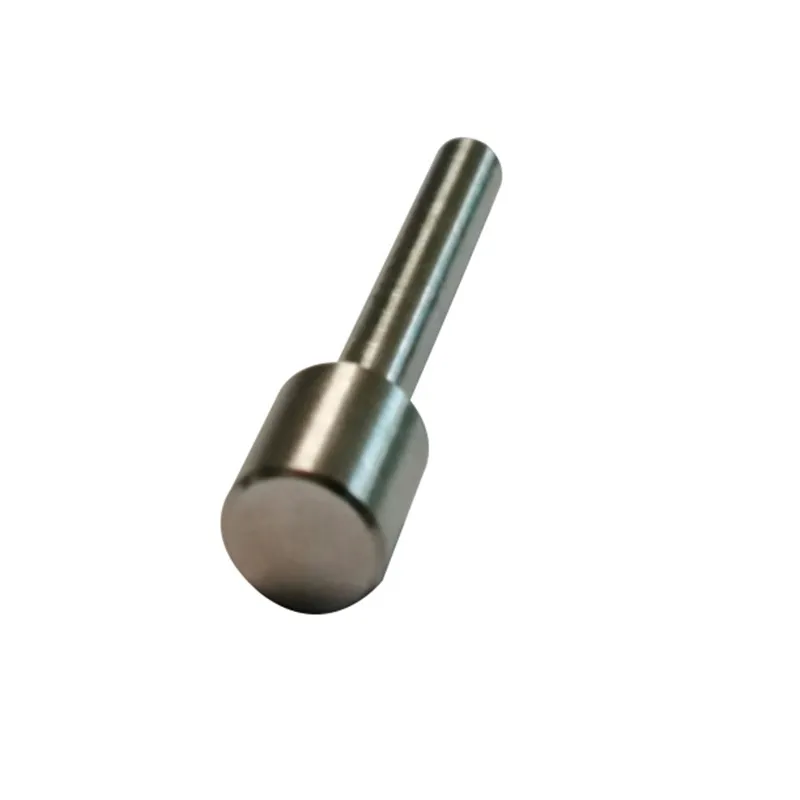
I'm not saying every investment casting house can do MIM. It's a different beast. But when such a supplier decides to offer MIM, their starting point is the material and the final net-shape properties, not just the molding step. They're more likely to see the part as a whole: We can form most of it via MIM, but this critical thread might need post-process CNC machining for integrity, and here's how we manage that interface. That integrated view is gold.
The On-Ground Reality: Auditing Beyond the Brochure
So, how do you vet? The website, like QSY's, tells you the what—the materials, the secondary processes. The audit tells you the how. You have to walk the floor. For MIM, I always head to the feedstock storage first. Is it controlled for temperature and humidity? Is there a clear lot-tracking system? Then, the debinding area. Is it separate from the molding floor to prevent contamination? What's the method—solvent, catalytic, thermal? Each has implications for part size and material. The smell can sometimes tell you more than the manager's presentation.
The sintering area is the heart. Look at the furnace maintenance logs. Ask about the last time the thermocouples were calibrated. For a supplier working with cobalt-chrome or nickel alloys, ask to see the profiles for a recent job. They should be able to pull up a graph showing the precise temperature ramp, hold times, and atmosphere gas flow rates. If they hesitate, that's a red flag. I remember visiting a facility that looked pristine, but their furnace trays were warped. That small detail leads to uneven heat distribution and part warpage. They were so focused on marketing their new molding machines they'd missed the foundational tooling.
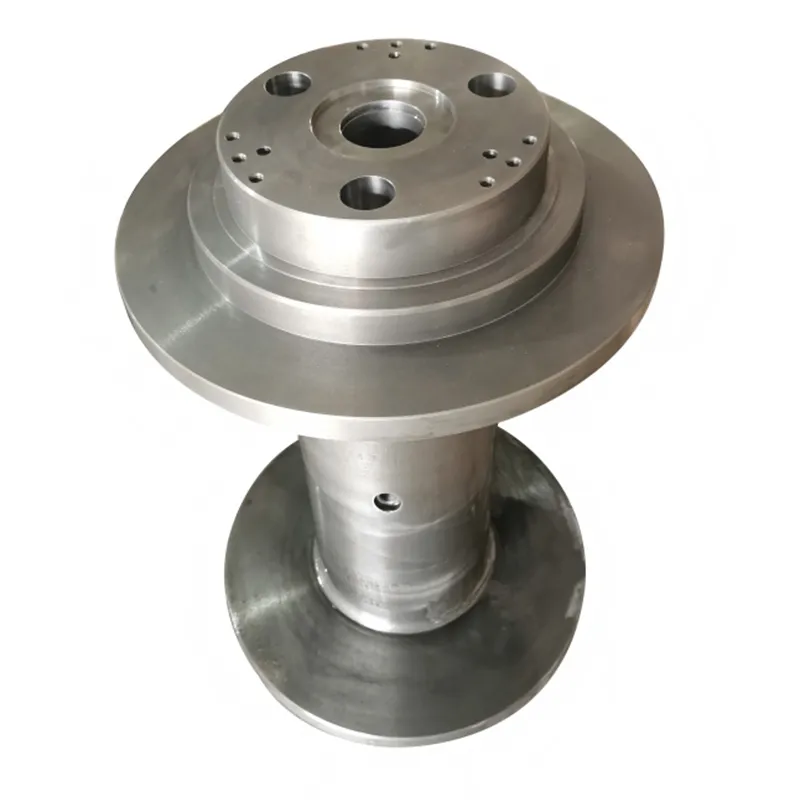
This is where the combined offering of casting, MIM, and machining makes sense. A complex part might have its body made via investment casting for certain internal features, a smaller component made via MIM for finer detail, and all finished on CNC beds. The supplier who can navigate that entire value chain internally, like a company with QSY's profile, reduces the risk of communication gaps and tolerance stack-ups. You're dealing with one metallurgical and engineering team, not three different subcontractors pointing fingers.
Material Nuances: It's Never Just Stainless Steel
A major pitfall in sourcing is generic material specification. Saying you need stainless steel for MIM is like saying you need a vehicle for racing. It's meaningless. Are we talking 316L for corrosion resistance? 17-4 PH for precipitation hardening? The powder morphology, particle size distribution, and binder system are tailored for each. A good supplier will interrogate your material call-out. If you just copied it from a machined part drawing, they should push back. MIM achieves near full density, but the mechanical properties differ from wrought or cast bar stock. The fatigue life or magnetic permeability might be different.
Suppliers with a long history in special alloys, as indicated in the intro for QSY, have an advantage here. They've likely sourced and tested powders from different producers. They know that powder from supplier A might have a slightly different sintering shrinkage than powder from supplier B, even for the same alloy grade. They'll have that data. They'll also be more adept at handling the tricky ones—like nickel-based alloys that are sensitive to carbon content during sintering. This isn't textbook knowledge; it's logged from failed batches and successful runs over years.
I once worked on a sensor housing requiring a controlled magnetic response. We specified a 400-series stainless. The first-tier MIM supplier struggled with achieving consistent permeability. We brought in a consultant from a background similar to the combined casting/MIM world. His first question was about the powder lot's oxygen content and the sintering atmosphere's dew point—factors far more critical than the molding parameters in that case. It was a perspective born from furnace-based processes, not just injection molding.
The Integration Imperative: When MIM Isn't the Whole Answer
This is a critical judgment call. The most successful metal injection molding suppliers are honest about the process limits. MIM is brilliant for complex, small-to-medium sized parts in high volume. But what if your part has a simple base but one incredibly precise, isolated feature? Maybe it's better to MIM the main form and then have a dedicated CNC operation machine that one feature to sub-micron tolerance. Or, what if the part is mostly suitable for MIM but has a internal cavity that's impossible to de-bind? Perhaps a hybrid approach using a soluble core is needed.
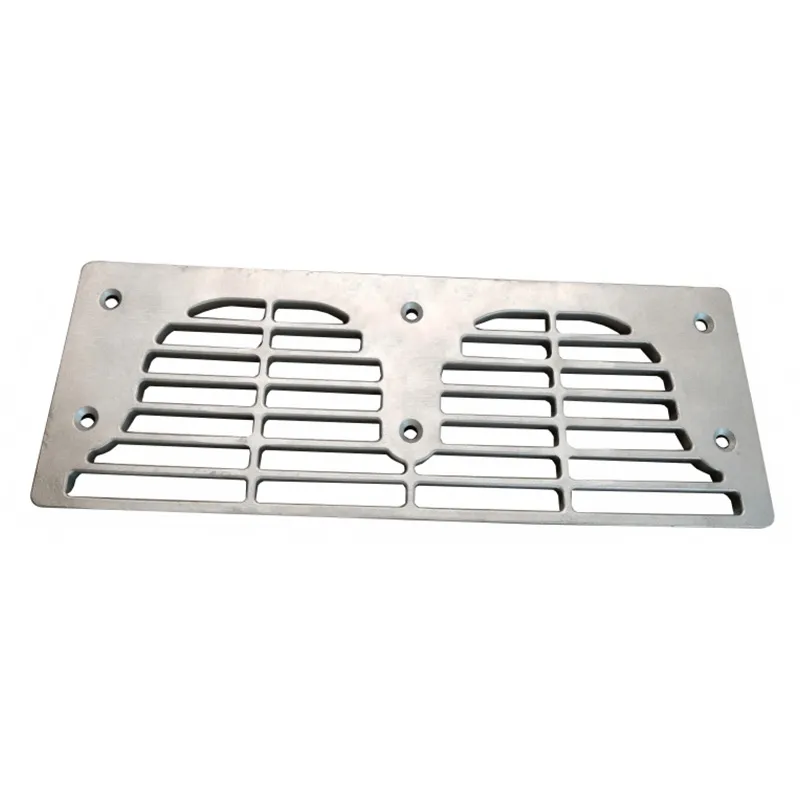
A supplier that only does MIM will try to force the entire part into their process window, sometimes compromising design. A supplier with a broader manufacturing portfolio, like one offering both precision casting and CNC machining, is more likely to propose a hybrid solution. They're agnostic to the process; they care about the most efficient, reliable route to the final spec. On their site, seeing that they offer shell mold casting for larger or simpler shapes and CNC machining for precision features tells me they're equipped to think this way. It signals an engineering-centric culture rather than a single-process sales culture.
For instance, we had a component that included a thin, radial flange. Pure MIM risked warpage. The supplier (not unlike the profile described) suggested creating the main hub via MIM for complexity and sintering it slightly undersized on the flange diameter. They then performed a light CNC turning operation on the flange to bring it to final tolerance and perfect flatness. This leveraged the strength of each process. The proposal came from their production engineering team, who had weekly cross-process meetings. That collaboration is hard to find in a single-process shop.
Final Thoughts: Building the Relationship, Not Just the PO
Selecting a metal injection molding supplier ultimately boils down to partnership depth. It's not a transactional commodity buy. You're buying into their process knowledge, their problem-solving methodology, and their willingness to be transparent about challenges. The initial RFQ phase is just the surface. The real test comes during the design-for-manufacturability (DFM) review and the first production run.
Look for the suppliers who ask more questions than you do. Who want to know the part's function, its assembly mates, its load cases. Who share their own failure analysis reports from similar projects (with client details redacted, of course). The digital footprint, like the QSY website showing a long-term commitment to metal transformation across processes, is a good starting signal. It suggests stability and accumulated, cross-pollinated knowledge.
In the end, forget the glossy brochures with shiny parts. Ask for a tour of their quality lab. Ask to see their Cpk data for a critical dimension on a long-running job. Ask how they handle a deviation in sintered density. Their answers, the hesitation or the quick dive into data, will tell you everything. The right supplier feels less like a vendor and more like an extension of your own engineering department—one that happens to have a few very specialized furnaces and a deep, sometimes hard-won, understanding of how metal powder becomes a reliable part.