When you hear 'metal insert plastic injection molding', the immediate image is often a simple metal bit encased in plastic. But that's where the first misconception lies. It's not just about putting a piece of metal in a mold and shooting plastic around it. The real challenge, and where most projects stumble, is in managing the differential thermal expansion and achieving a bond that lasts under stress, not just looks good on a sample. I've seen too many designs fail because they treated the insert as an afterthought.
The Core Challenge: It's a Marriage, Not a Coincidence
The fundamental issue is the interface. Steel contracts about 0.000006 in/in per °F, while a common plastic like nylon might contract ten times that rate. If you just design a straight knurled insert and mold it in, the plastic will shrink onto it, sure. But will it hold under thermal cycling? Probably not. The stress can cause cracking or, worse, a gradual loss of torque strength if it's a threaded insert. You're not just joining materials; you're marrying their behaviors.
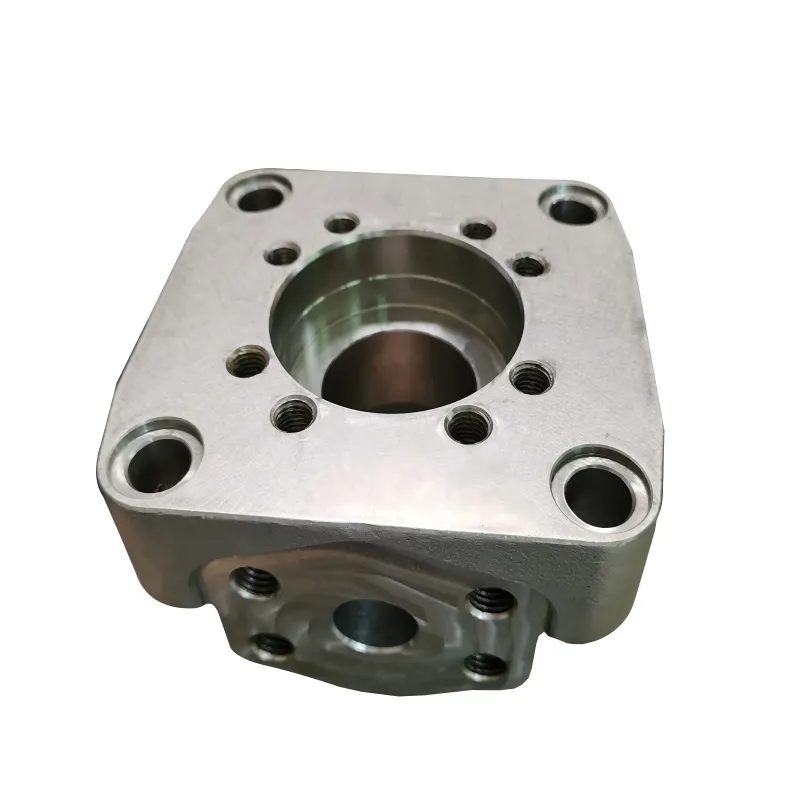
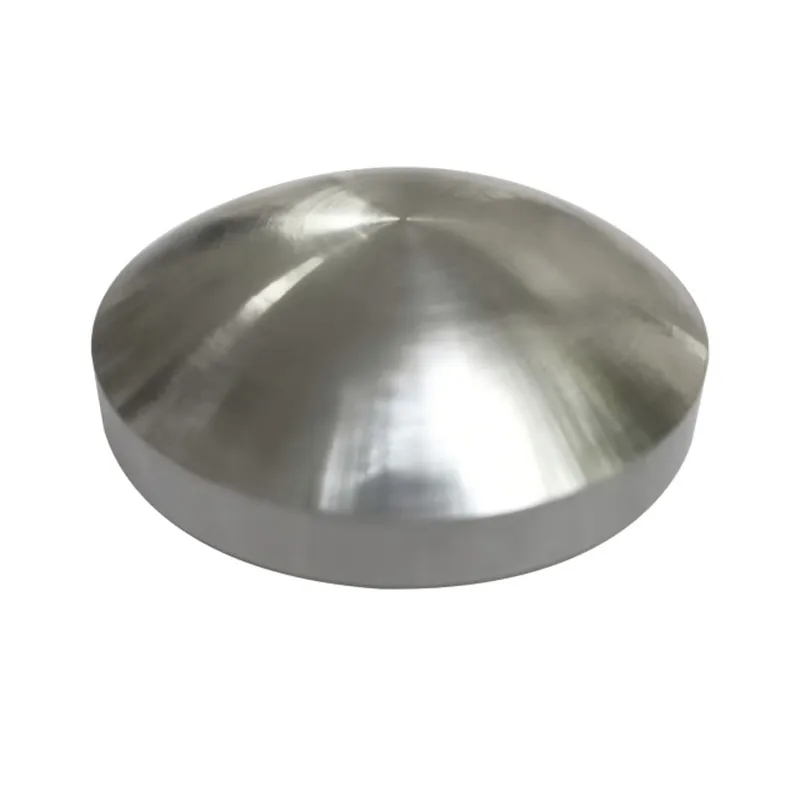
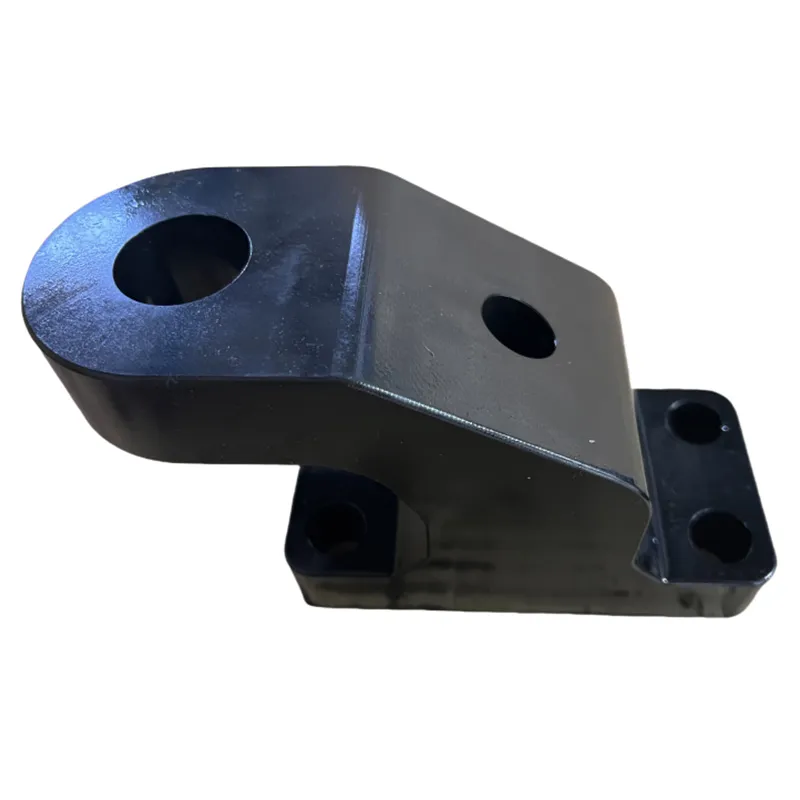
This is where experience from other processes becomes invaluable. Look at a company like Qingdao Qiangsenyuan Technology Co., Ltd.(QSY). With their 30-year background in investment casting and CNC machining of steels and special alloys, they understand metal. That deep material knowledge is critical when specifying the insert. The choice of alloy, its surface finish, and even its thermal history from the casting or machining process affect the final bond. An insert isn't just a commodity part; its pre-conditioning matters.
For instance, we once used a standard 304 stainless insert for a housing that would see outdoor temperature swings. The plastic was a glass-filled PBT. The first batches passed pull-out tests. But after 500 thermal cycles, the housing developed hairline cracks around every single insert. The failure wasn't in the molding; it was in the material pairing and the design of the insert's retention features. We had to go back, switch to an insert with a more aggressive, undercut geometry machined from a different grade, and pre-heat it to a specific temperature before molding. The difference was night and day.
Process Nuances: The Devil is in the Details
Automation sounds great until you're dealing with microscopic burrs. One of the most tedious, yet critical, steps is insert preparation and handling. If you're sourcing inserts from a precision machinist like QSY (you can see their capability portfolio at https://www.tsingtaocnc.com), you get parts with consistent tolerances. But even then, a deburring process is non-negotiable. A tiny burr can act as a stress concentrator, initiating a crack in the plastic as it cools and shrinks.
Then there's placement. Manual loading is error-prone and slow. Robotic arms are better, but they require perfect fixturing in the mold. The mold itself needs precision cavities and often needs thermal management—sometimes you need to heat the insert pocket, sometimes you need to cool it rapidly, depending on the plastic. There's no one rule. I remember a project where we had to use localized induction heaters built into the mold to bring the aluminum inserts to 120°C before injection to prevent weld lines and ensure flow around the complex features.
And flash. Oh, the flash. If the insert isn't seated perfectly, or if the clamping force isn't adequate, plastic will creep into the smallest gap. This creates a flash that's incredibly hard to remove because it's wrapped around metal. It often requires a secondary machining operation, which defeats the purpose of a net-shape process. This is a silent cost killer that many quotes completely miss.
Material Selection: A Symphony, Not a Solo
You can't talk about the process without talking about the plastic. It's a common trap to choose the plastic for the main part's function and then hope the insert works. It has to be a joint decision. Amorphous resins like ABS or PC bond differently than semi-crystalline ones like POM or PA. Glass or mineral fillers increase stiffness but reduce strain-to-failure, making the interface more brittle.
This is where the metal expertise from a partner becomes crucial. QSY's work with cobalt-based and nickel-based alloys for high-stress, high-temperature applications gives them an intrinsic understanding of how metals behave under constraint. When they machine an insert, they're thinking about grain structure, residual stress from cutting, and how that surface will interact with a molten polymer flowing at high pressure. That's not a typical mindset for a general machine shop.
We had a medical device component that needed to be autoclaved. The plastic was a high-temperature PEEK. The obvious insert choice was a machined stainless steel. But standard machining left micro-surface variations that created weak points. Working with a team that understood the entire lifecycle, we ended up specifying a specially etched surface texture on the insert, which was then passivated. The bond strength after sterilization cycles was over 40% higher. That came from a deep, collaborative material conversation, not just a drawing exchange.
When It Goes Wrong: Learning from Failures
Not every project is a textbook success. One of the most humbling experiences was with a large, thin-walled housing that had over 50 brass inserts for connectors. The design looked fine on paper. We molded it. The parts came out visually perfect. But during a drop test, the housing didn't crack—the plastic around half the inserts simply let go. The inserts spun freely inside their pockets.
The post-mortem revealed two things. First, the brass inserts had a smooth, polished surface from tumbling, which offered little for the plastic to grip mechanically. Second, and more subtly, the flow pattern of the plastic created weak weld lines directly behind each insert due to the way the inserts disrupted flow. The solution wasn't just to change the insert texture. We had to redesign the gate and runner system to ensure the flow front would merge before encountering the insert, not around it. It added cost and complexity to the mold, but it was the only way.
Another classic failure mode is corrosion. If you're using a dissimilar metal insert in a part that might see humidity or ionic contamination, galvanic corrosion can occur at the interface, slowly degrading the bond. I've seen this in automotive electronics. It's a failure that takes months or years to show up. Now, we always consider the environment and sometimes specify platin gas or compatible alloys, even if it costs more upfront.
The Bigger Picture: Why It's Worth the Trouble
So why bother with all this complexity? Because when done right, metal insert plastic injection molding creates parts that are simply impossible any other way. You get the localized strength, conductivity, or wear resistance of metal combined with the design freedom, lightness, and cost-effectiveness of plastic molding. It enables integrated assemblies, reduces part count, and often eliminates secondary assembly operations like press-fitting or ultrasonic installation.
It's a process that demands respect for both material sciences. You can't just be a plastics expert or a metals expert. You need to be fluent in both, or work with partners who are. A firm like QSY, bridging shell mold casting for complex metal forms and CNC machining for precision, brings that essential metal-side depth to the table. Their long history means they've likely seen how their metal components fail in the field, which informs better insert design from the start.
In the end, successful metal insert molding is about anticipating the conversation between the two materials over the entire life of the product. It's not a clean, theoretical process. It's messy, empirical, and packed with tiny decisions that have huge consequences. But getting it right—that's where the real engineering satisfaction lies. The part just works, silently and reliably, and that's the ultimate goal.