When most people hear 'metal processing', they picture a lathe or a foundry furnace. That's the first misconception. It's not just about removing material or pouring molten metal. It's the entire chain of decisions, from alloy selection to final surface finish, where the real craft—and the common pitfalls—lie. Many assume tighter tolerances are always better, or that any CNC machine can handle Inconel. That thinking leads to scrapped parts and blown budgets. Having spent years in this field, I've seen the gap between textbook theory and shop floor reality. It's in that gap where you learn.
The Foundation: It Starts with the Casting
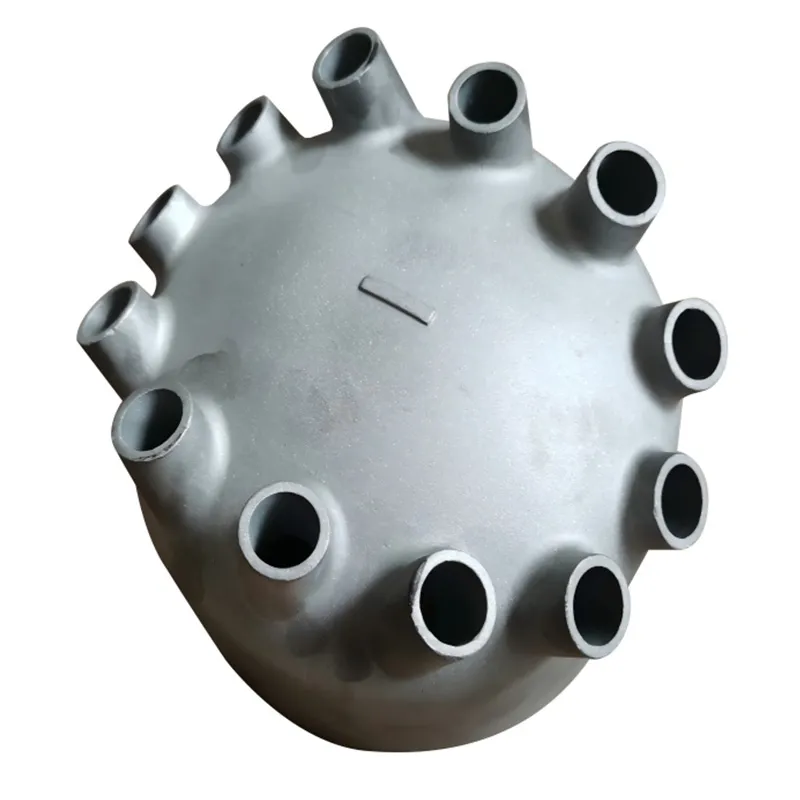
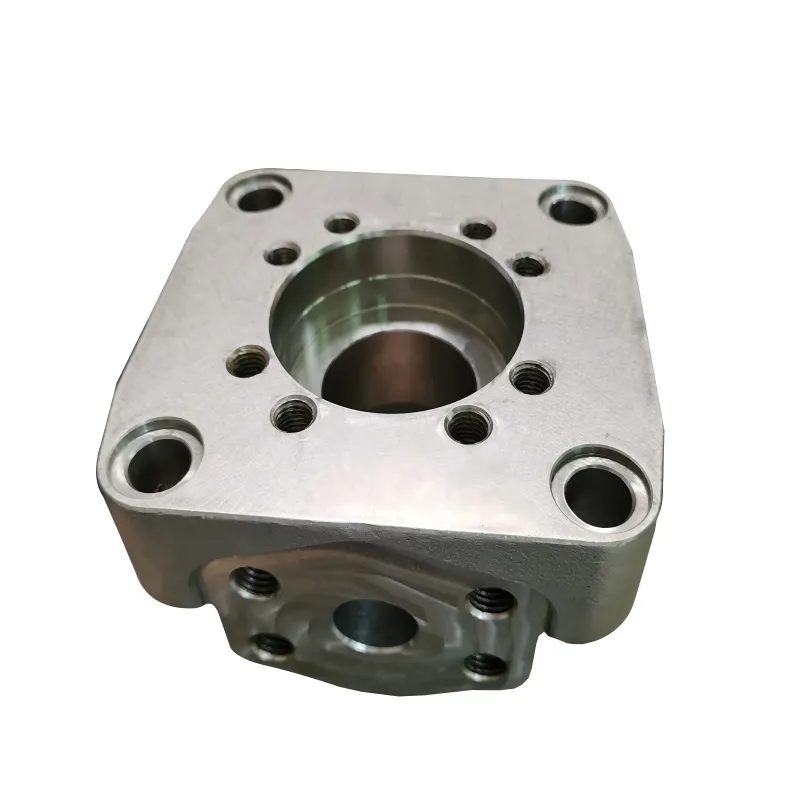
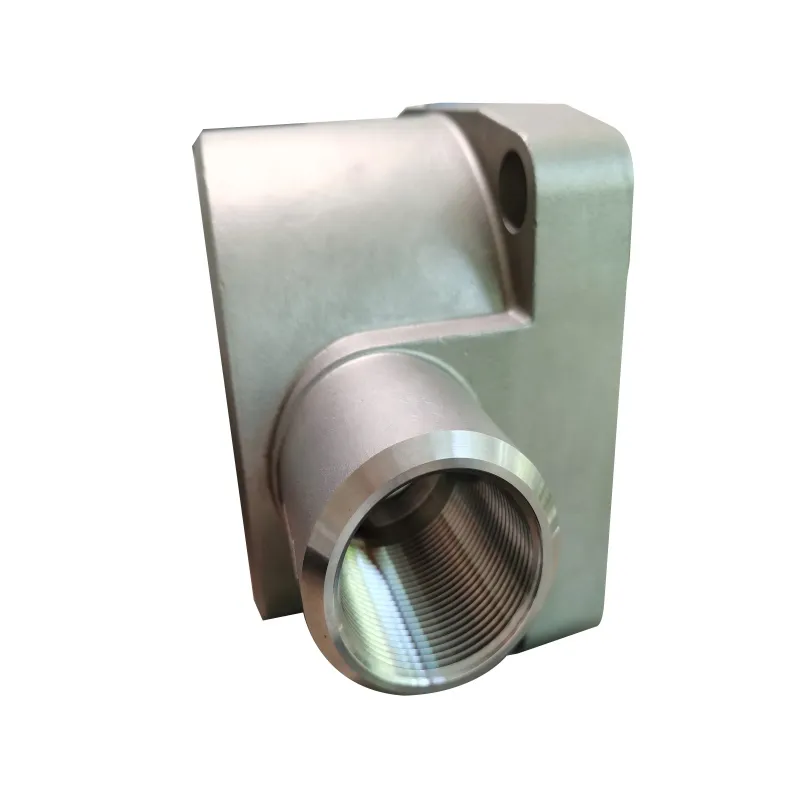
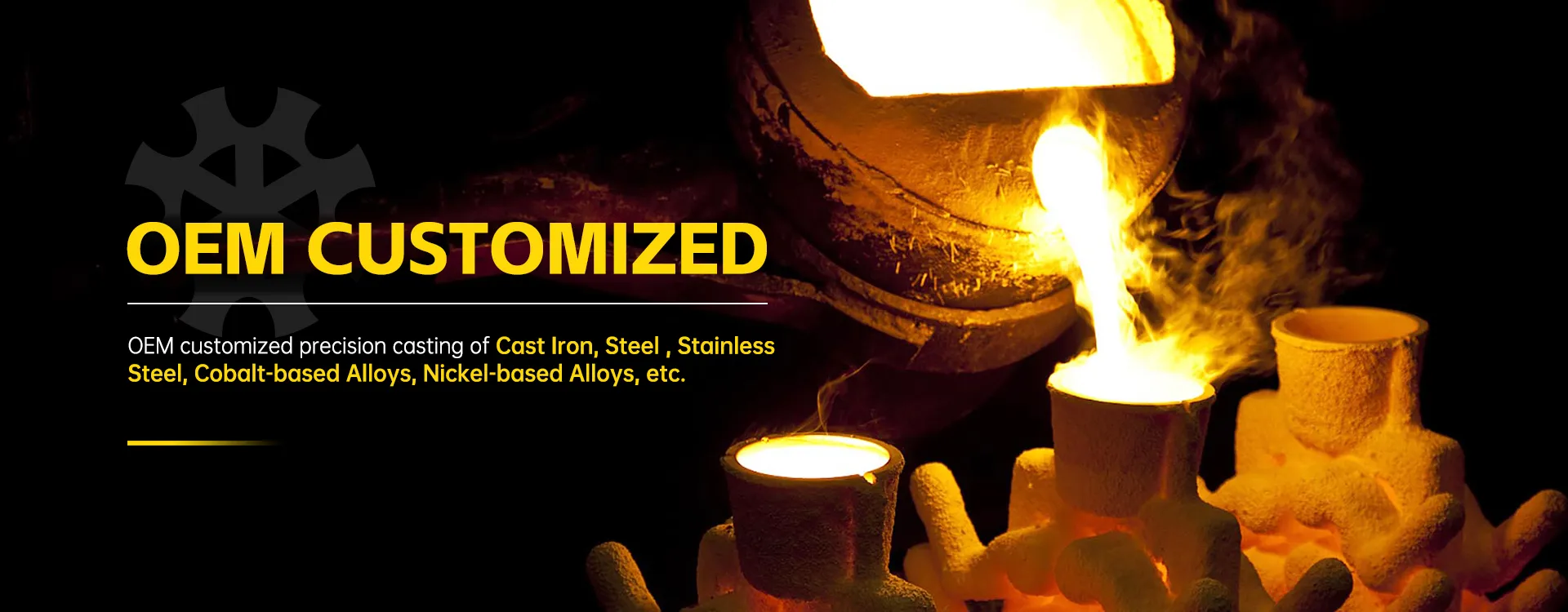
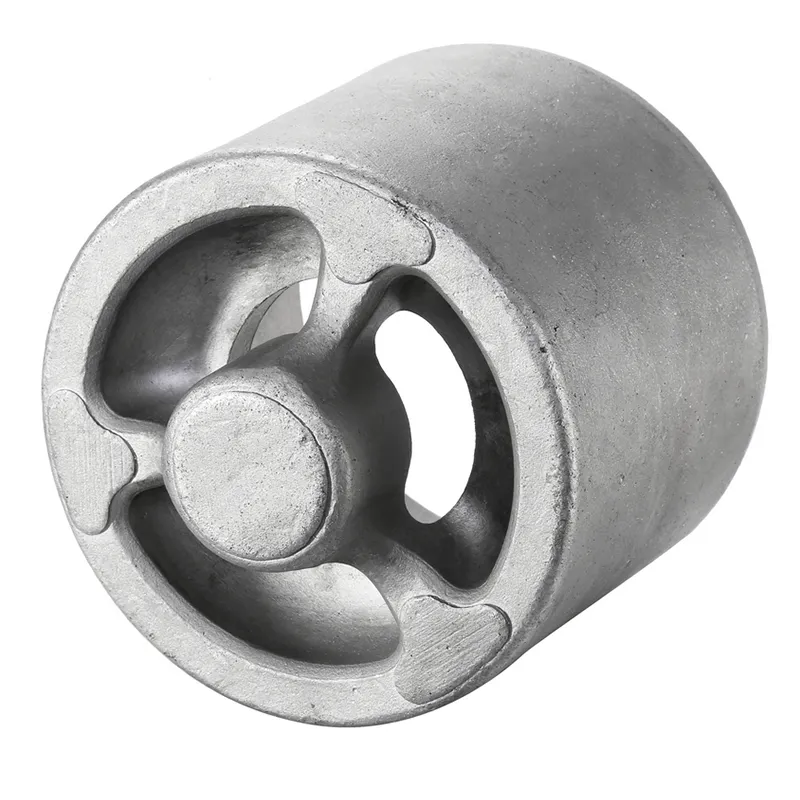
You can't talk about serious metal processing without starting at the beginning: the casting. This is where the part's DNA is set. A flaw here might be invisible until final machining, when you've already sunk hours of work into it. We learned this the hard way early on with a batch of pump housings. The shell mold casting looked perfect, but during boring, we hit a subsurface shrinkage cavity. Total loss. That's when you realize quality control isn't just a final inspection; it's controlling the mold temperature, the pour rate, the gating design. Companies that get this right, like Qingdao Qiangsenyuan Technology Co., Ltd. (QSY), build that 30 years of experience into their process. They don't just sell castings; they sell the certainty that the material integrity is there before any chip is made.
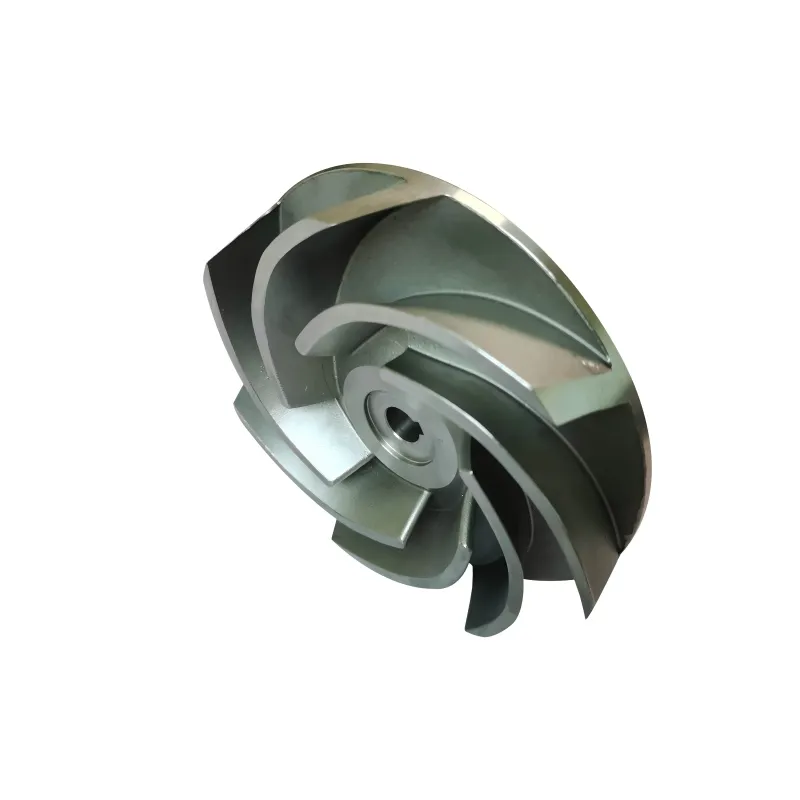
Investment casting is another beast. For complex, thin-walled components in stainless or those special alloys, it's often the only way. But the 'wax tree' assembly and ceramic shell building is more art than science. A slight variation in slurry viscosity or drying time can lead to shell cracking during dewaxing. I remember a project for a turbine component where we switched to a cobalt-based alloy. The standard shell recipe couldn't handle the higher pouring temperature and thermal shock. We ended up collaborating with the foundry—a good one, mind you—to develop a custom zirconia-based face coat. It worked, but it added three weeks to the lead time. That's the trade-off.
This is why the choice of partner matters. A shop that offers both shell mold and investment casting, like QSY's portfolio shows, understands the trade-offs. They can advise you that a simple bracket is overkill for investment casting, or that a valve body with internal channels might need it. That integrated knowledge prevents a lot of misguided RFQs.
The CNC Dance: Where Precision Meets the Material
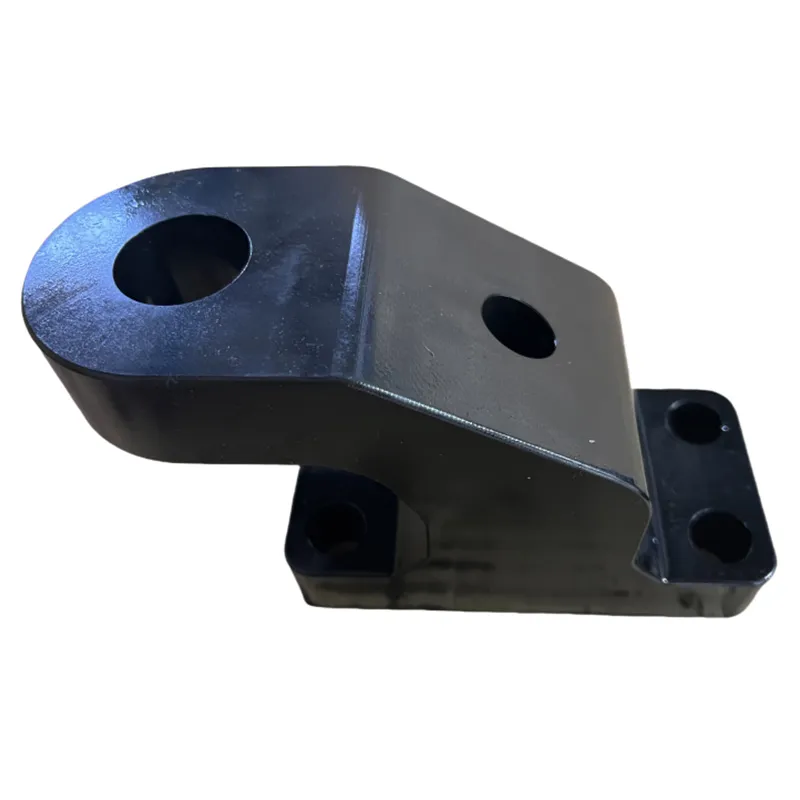
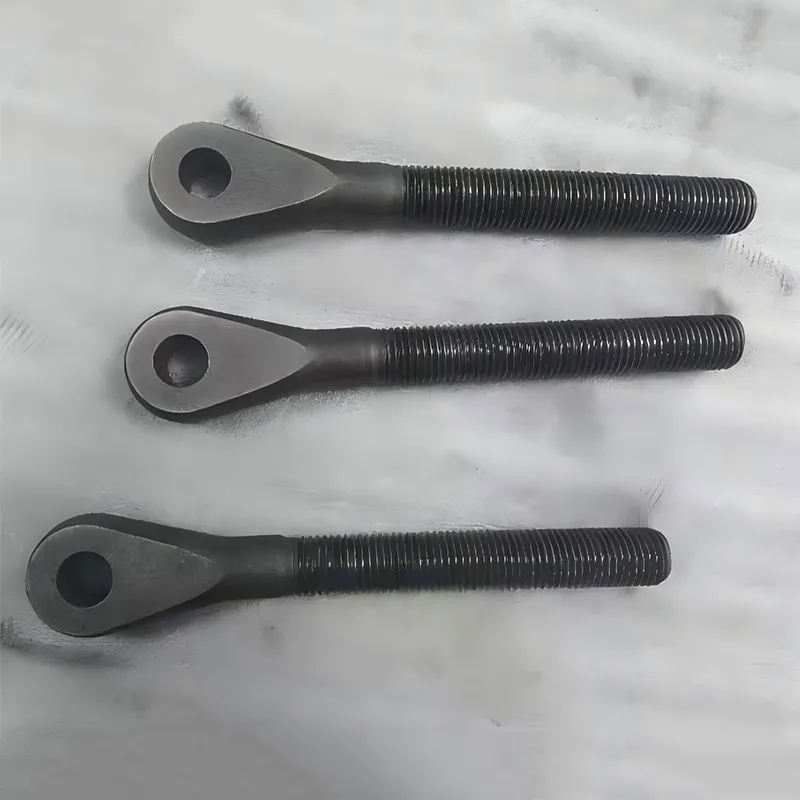
This is where the abstract becomes physical. CNC machining after casting isn't just a clean-up operation. It's a dialogue with the material. Cast iron machines beautifully; it's forgiving. But take a piece of solution-treated 17-4 PH stainless, or worse, a nickel-based alloy like Inconel 718, and everything changes. Your tool geometry, your feeds and speeds, your coolant pressure and type—it all gets recalibrated.
The biggest mistake I see is programmers treating all metals the same. They'll run a tool path optimized for mild steel on a piece of Monel, and then wonder why they're burning through inserts every five minutes and work-hardening the surface into an unmachinable state. For the superalloys, you need rigid setups, positive rake angles, and sometimes even to forget flood coolant in favor of high-pressure air or MQL (minimum quantity lubrication) to avoid thermal cracking. It's counterintuitive.
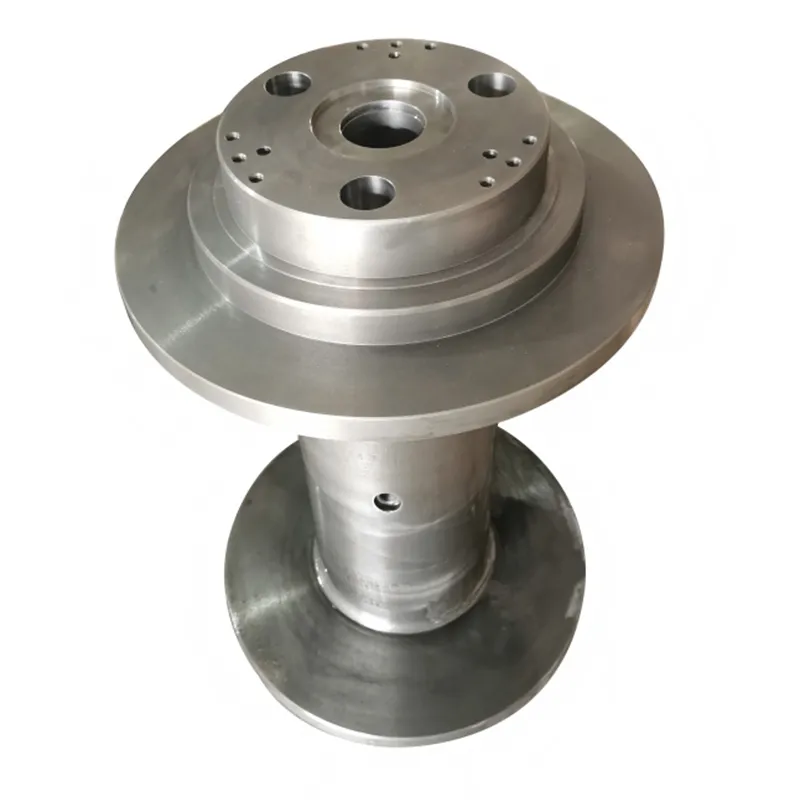
We had a job machining a large flange from a duplex stainless steel casting. The material was tough, and the first operation was a face mill to establish a datum. We used a standard carbide insert. Bad move. The chatter was horrific, and the surface finish looked like a washboard. We stopped, switched to a wiper insert with a sharper cutting edge and reduced the radial depth of cut, increasing the feed slightly. The difference was night and day. It's these minute, on-the-fly adjustments, born from seeing the chips (their color and shape tell you everything), that separate a parts producer from a true metal processing specialist.
The Devil in the Details: Heat, Stress, and Finish
Machining induces stress. Period. If you're making a simple bolt, maybe it doesn't matter. But for a precision manifold or a load-bearing aerospace bracket, residual stress will warp the part over time or in subsequent operations. I always advocate for stress-relief annealing between roughing and finishing passes for critical components. Yes, it adds a step, but it saves you from the heartbreak of a part being in tolerance on the CMM on Friday and out by five thou on Monday.
Then there's heat treatment spec'd by the client. You have to know how that changes the material. A part might come to you annealed, you rough it, then it goes out for quenching and tempering, and comes back to you for finishing. That heat-treated surface is harder, often more abrasive. Your finishing tools need to account for that skin. We once finished a gear before hardening, to a perfect profile. After case hardening, we just needed to polish. But the distortion was uneven, and we lost the profile accuracy. Lesson: sometimes you need to leave stock for a final grind or hard-turn after heat treat, even if the drawing doesn't explicitly call it out. You have to think several steps ahead.
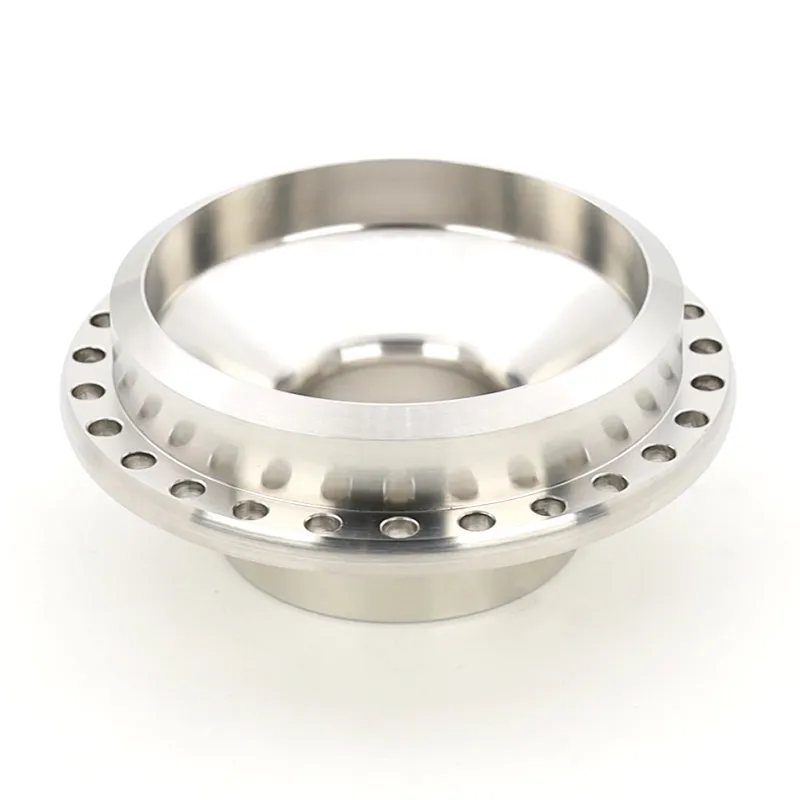
Surface finish requirements are another common point of confusion. A callout of 32 Ra isn't just about running a finer feed. It's about tool nose radius, vibration dampening, and sometimes even spindle speed stability. For a mirror finish on a stainless steel valve seat, we might use a single-point diamond tool on a high-precision lathe, but only after ensuring the part is absolutely free of any abrasive scale from casting or heat treatment. One speck of alumina embedded in the surface can ruin the entire pass.
Material Nuances: Not All Steel is Steel
This is a hill I'll die on. The generic term steel is useless in metal processing. Are we talking about 1018 low-carbon? 4140 chromoly? 316L stainless? Or the precipitation-hardening grades like 15-5 PH? Each has its own personality. 304 stainless, for instance, has a nasty habit of work hardening. You need sharp tools and consistent engagement; letting a tool dwell is a death sentence.
And then you move into the exotic territories—the cobalt and nickel-based alloys. These are often used for extreme environments: high temperature, high corrosion. Machining them is less about cutting and more about controlled shearing. The material doesn't yield easily; it fights back. Tool life expectations must be thrown out the window. Your entire process design, from fixturing to toolpath strategy, is about managing this fight. A company's experience is evident here. When a supplier like QSY lists these alloys as their specialty, it implicitly says they've invested in the right tooling, the right machines with high torque and rigidity, and most importantly, the patience and know-how to run them profitably without cutting corners.
I recall sourcing a Hastelloy C-276 component for a chemical client. Several shops quoted based on the print volume. Only one asked about the application, the required corrosion resistance in specific media, and suggested a slightly different post-machining passivation process to enhance the chromium oxide layer. That shop got the job. It's that material-specific insight that adds value beyond the basic machining quote.
The Integration: From Print to Part, Seamlessly
The final mark of a competent metal processing operation isn't just doing one step well. It's orchestrating the entire journey from raw material to shipped part. This is where the model of integrated services—casting, machining, heat treatment, finishing—proves its worth. When one entity controls the flow, accountability is clear. There's no finger-pointing between the foundry and the machine shop if a dimension is off.
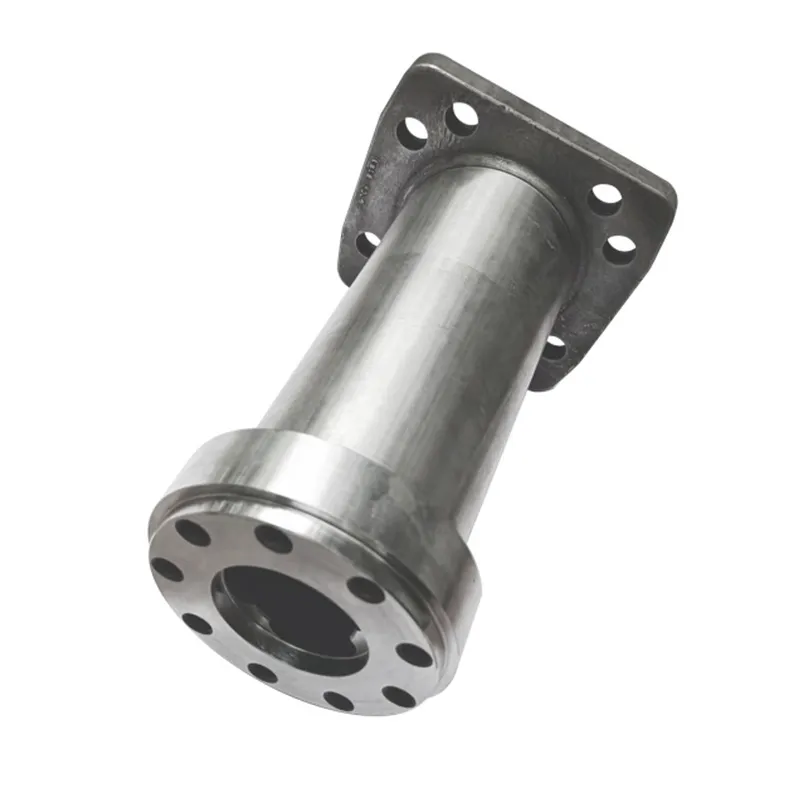
For a complex assembly we worked on, the base was a nodular iron casting, the housing was investment-cast 316L, and the internal shaft was machined from Inconel 625 bar stock. Coordinating three different vendors for material lead times, processes, and quality standards was a logistical nightmare. Contrast that with handing the entire package to a single-source provider. The communication loop is tighter. They can schedule the casting to arrive just as the CNC capacity opens up. They understand how the casting draft angles might affect fixturing for machining. That holistic view eliminates a staggering amount of risk and delay.
This is the subtle shift in the industry. It's moving from being a job shop that performs discrete operations to being a manufacturing partner that owns the process. When you look at a company's offering—like seeing shell mold casting, investment casting, and CNC machining all under one roof at a place like QSY—you're not just seeing a service list. You're seeing a capability to manage the inherent complexities of metal processing from start to finish. That's what delivers reliability, not just parts. And in the end, that's what every engineer and buyer is actually looking for: not just a processor, but a partner who gets their hands dirty in the same way you do, who sees the chips and feels the heat, and who makes the judgment calls that aren't on the drawing.