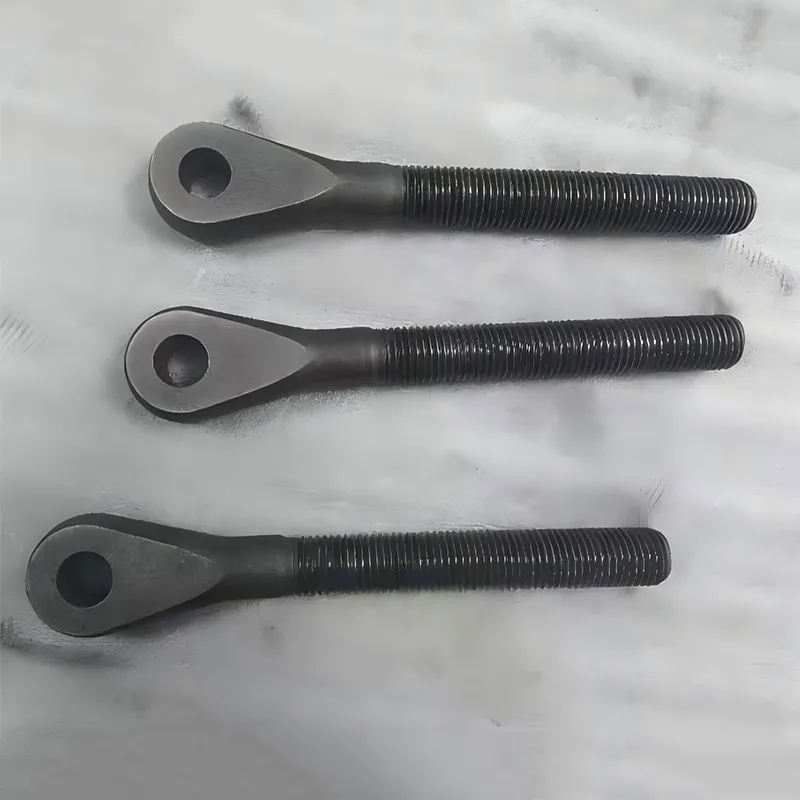
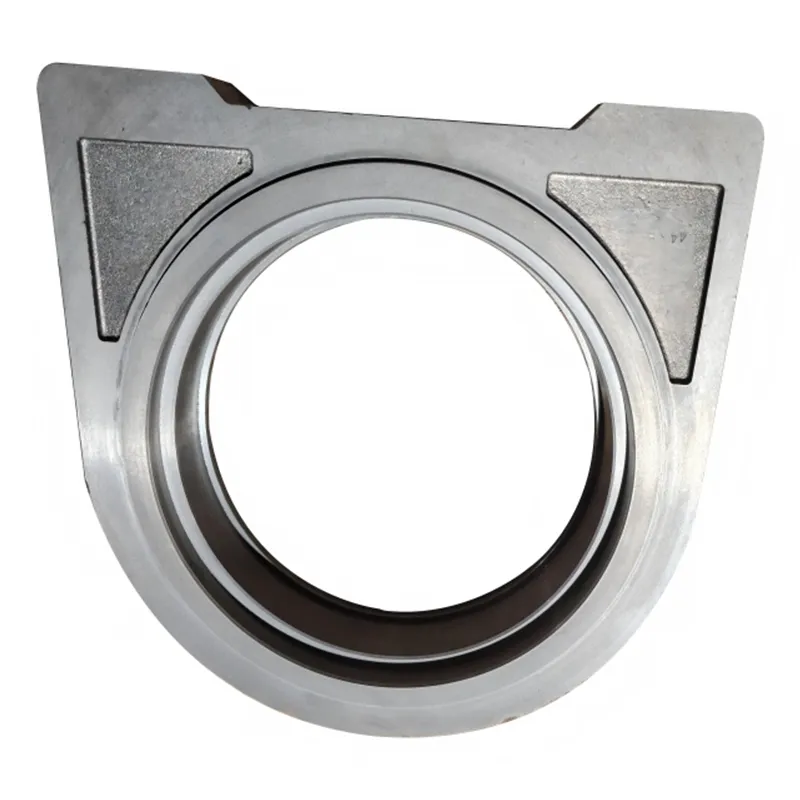
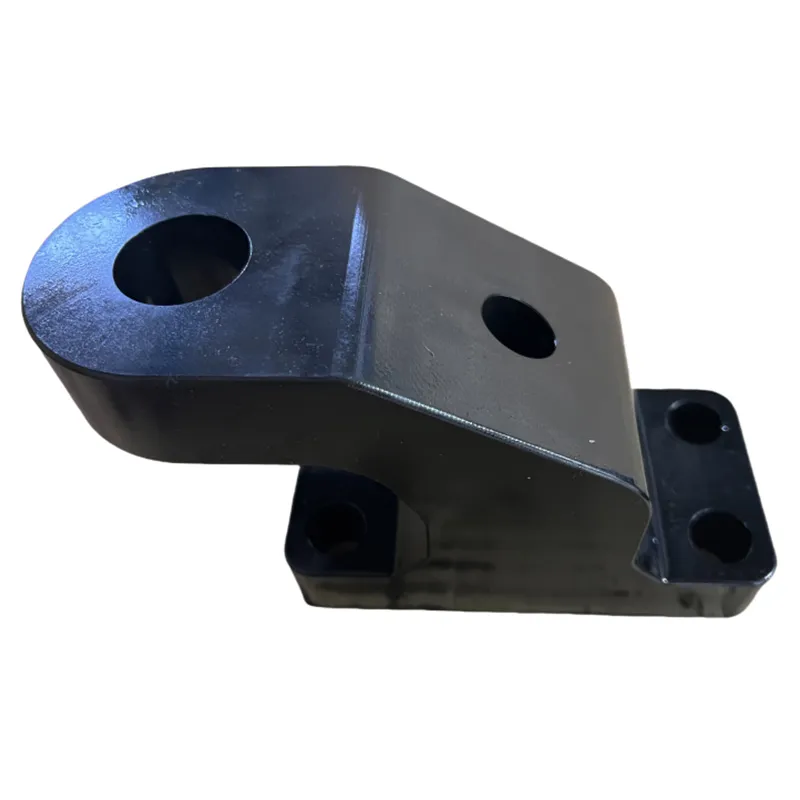
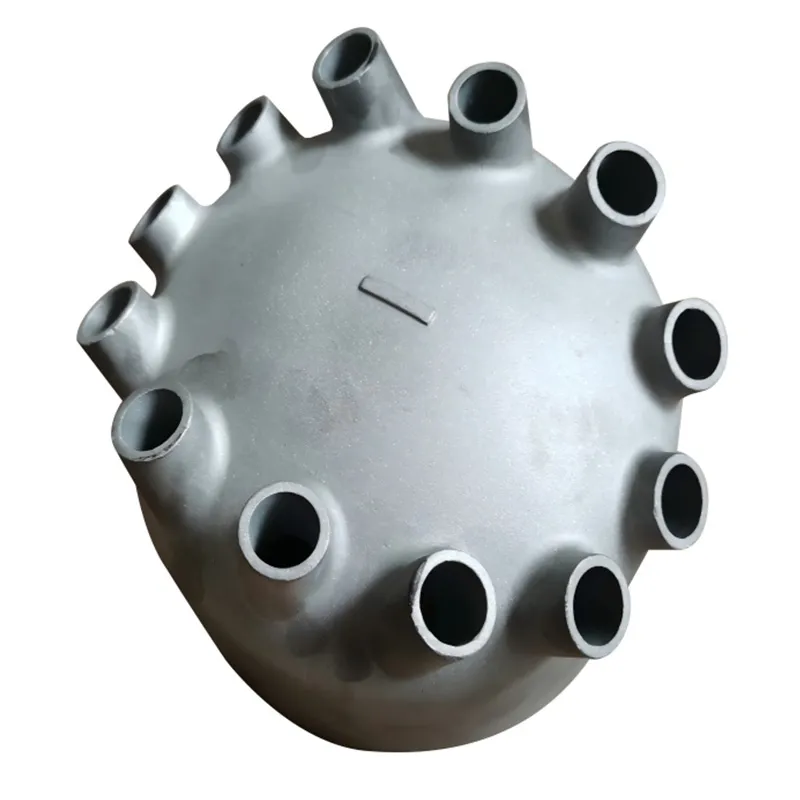
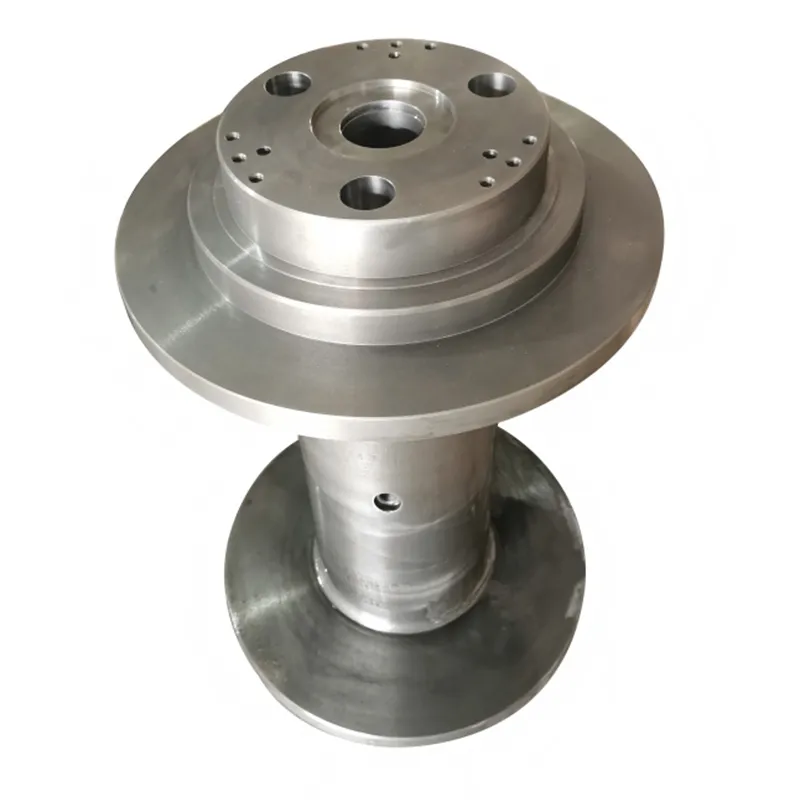
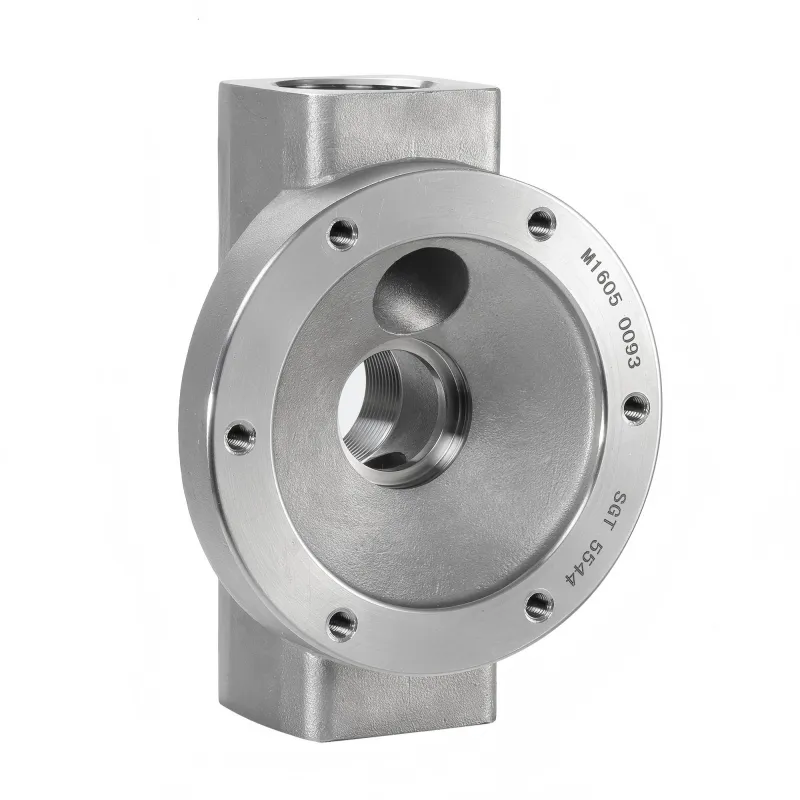
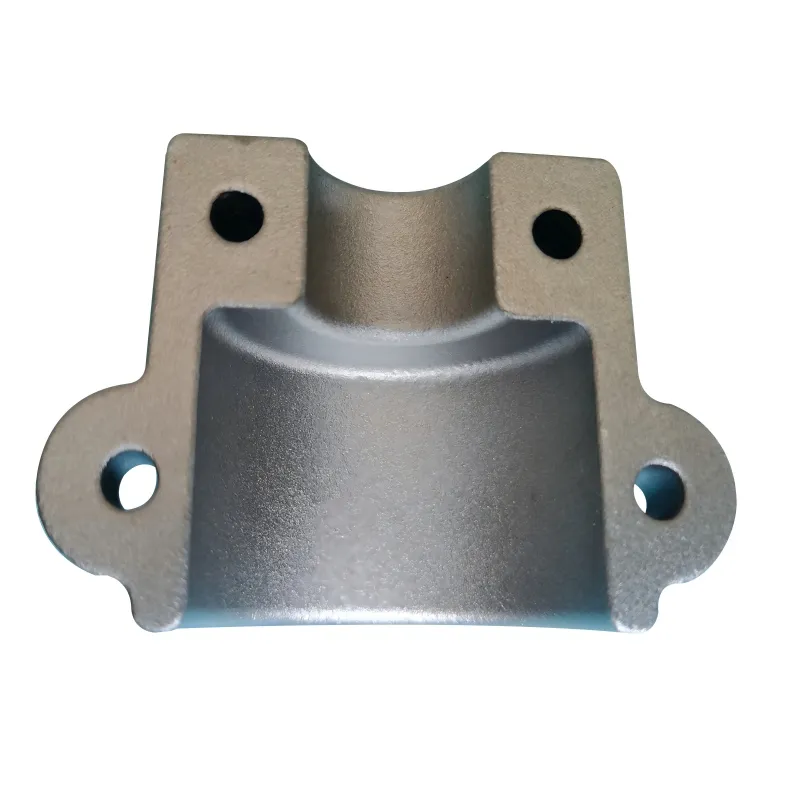
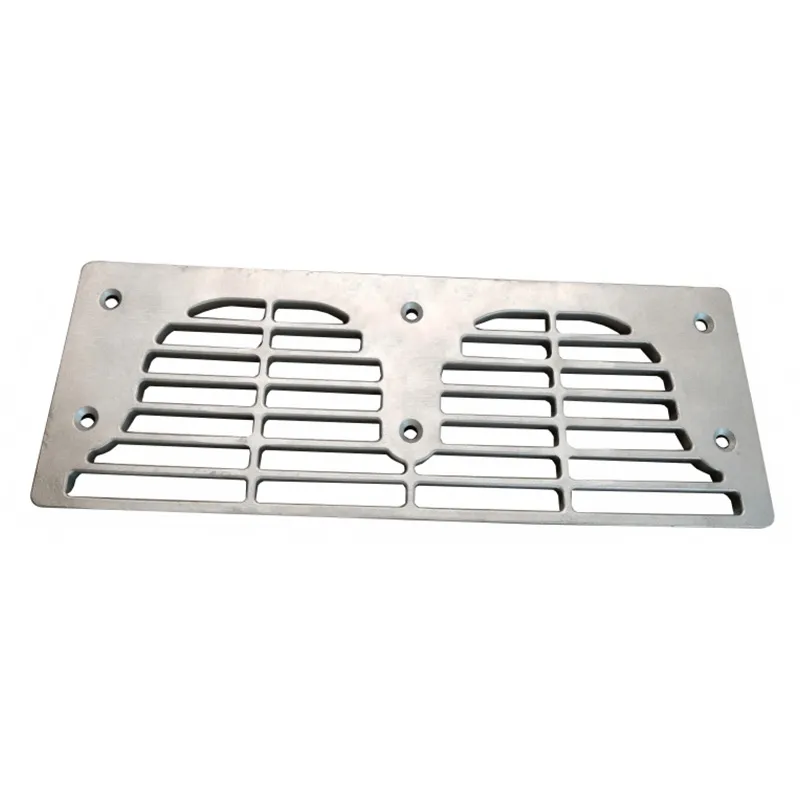
When you hear 'Metal Processing Machinery Parts', most minds jump straight to the shiny, finished gear or a complex CNC-milled housing. That's the polished end of the story. The real narrative, the one that determines if a part lasts a decade or fails in a year, is buried in the choices made long before the first tool touches metal—the alloy selection, the casting integrity, the machining strategy that doesn't just follow a CAD model but understands the part's life in a machine that's pounding away 24/7. It's not just about making a part; it's about engineering a wear component that disappears into the machine's workflow, becoming utterly reliable and forgettable. That's the gap between a catalog item and a critical component.
The Foundation: It All Starts (and Can End) with the Casting
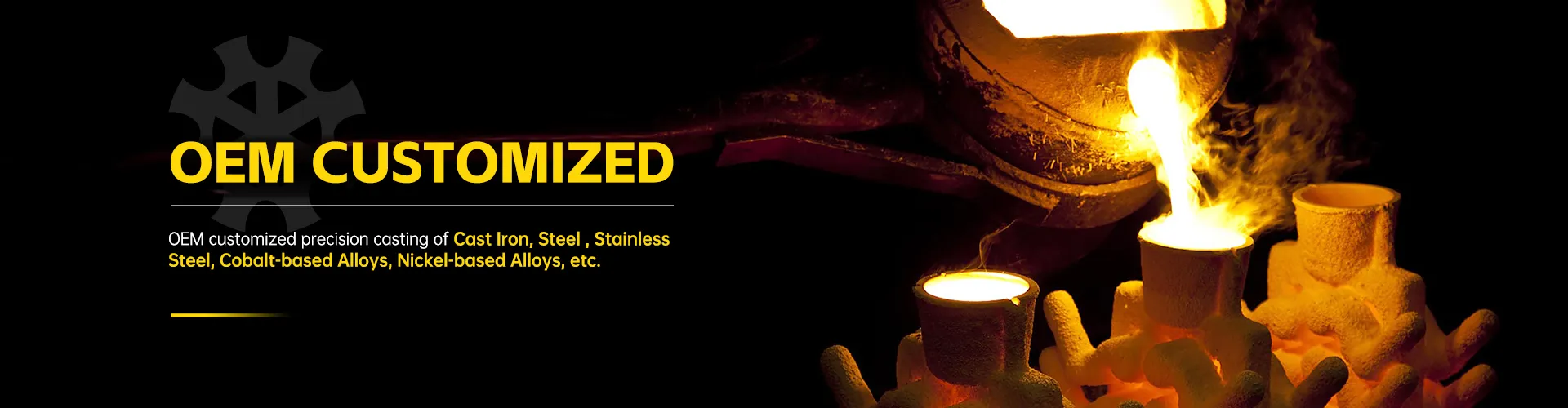
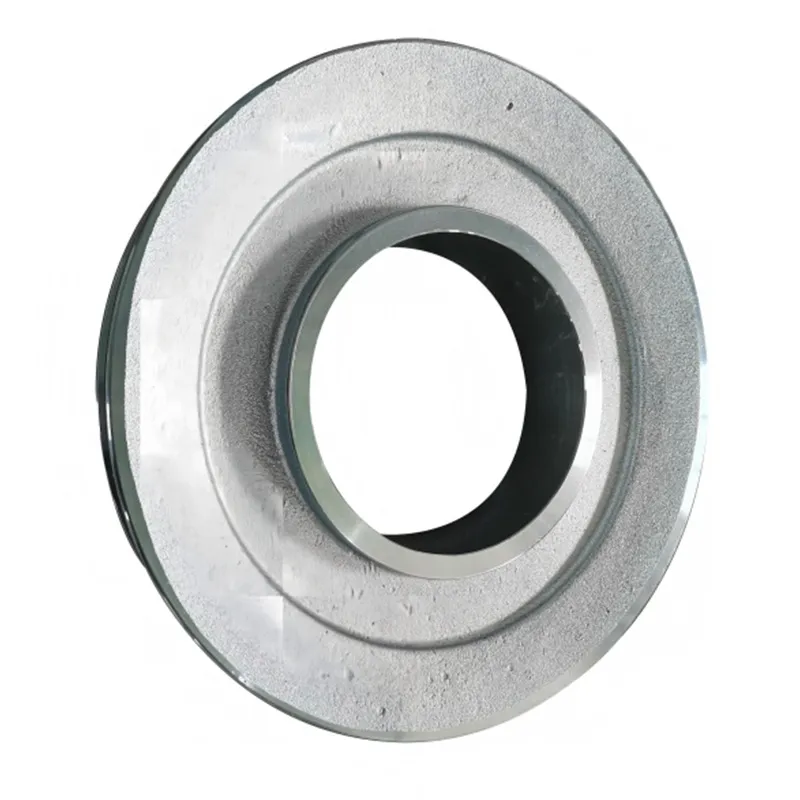
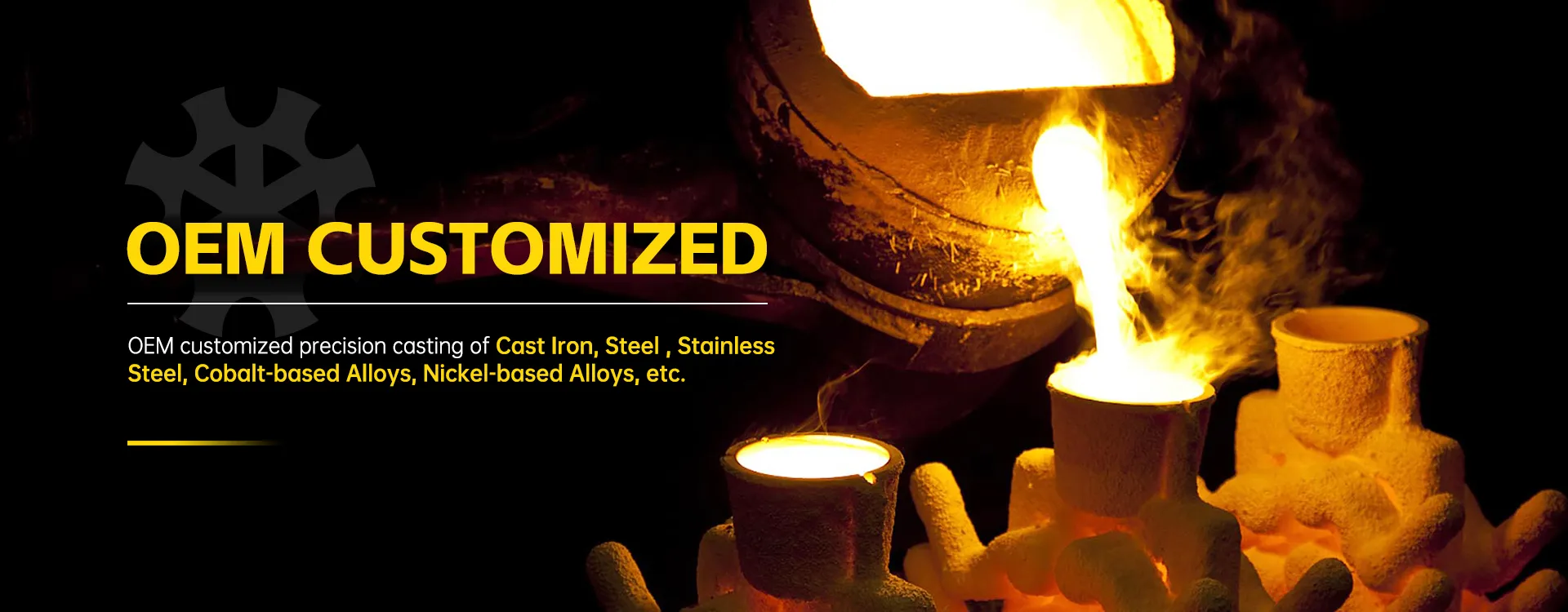
You can have the world's best 5-axis mill, but if your raw casting is porous or has inconsistent grain structure, you're just machining scrap. I've seen too many projects derailed by treating the casting as a commodity. The choice between shell mold and investment casting isn't just about cost or complexity; it's about stress paths and mass. A heavy-duty Metal Processing Machinery Parts like a press frame or a large gear housing needs the dimensional stability and the sheer density of a good resin sand or shell mold casting. For thinner walls, intricate internal channels—think hydraulic valve bodies or impellers—investment casting gets you closer to net shape, saving machining time but demanding a different kind of metallurgical control.
This is where longevity in the field matters. A company like Qingdao Qiangsenyuan Technology Co., Ltd. (QSY), with their 30-year run in casting and machining, has likely seen every kind of casting defect imaginable. That institutional memory is key. It's not just about having the equipment; it's about knowing that for a particular high-chrome iron used in abrasive environments, the pouring temperature needs a tighter window to avoid chilled edges that become crack initiation points later. You can't Google that; you learn it from scrapping a batch or two years ago.
I recall a case with a feed roller for a mining conveyor. The part kept cracking at the hub after about six months of service. The blueprint spec was a standard ductile iron. The failure analysis pointed to fatigue. The solution wasn't a fancier machining process; it was going back to the foundry. We switched to a austempered ductile iron (ADI) for the casting, which offered far better fatigue strength and wear resistance. The machining process remained largely the same, but the part's service life tripled. The critical change happened at the molten metal stage.
CNC Machining: Where Precision Meets Pragmatism
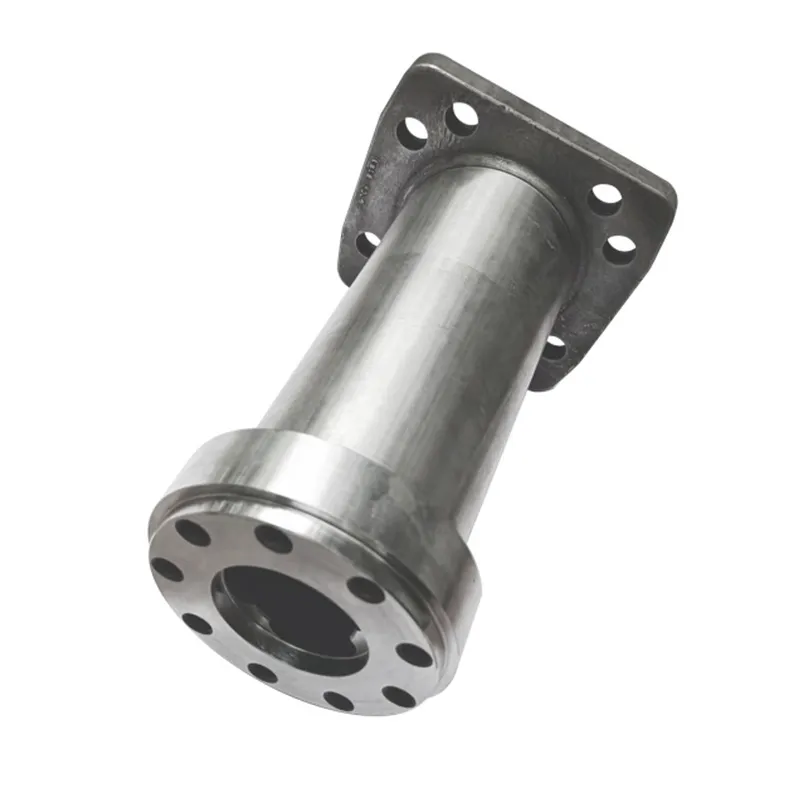
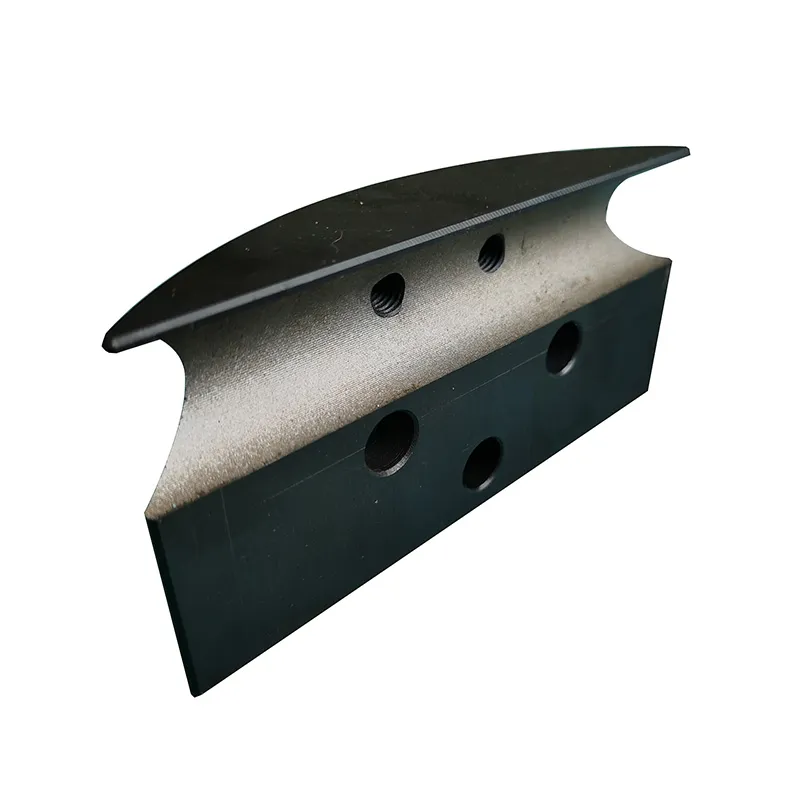
CNC machining is often glorified as the precision stage. True, but for machinery parts, precision without context is wasteful. Tolerances of ±0.01mm on every surface are a luxury for gauges, but for a Metal Processing Machinery Parts like a shaft coupling, maybe only the bore and the keyway need that attention. The rest can be looser, saving cycle time and tool wear. The real skill is in the sequence of operations and the fixturing—how you hold a weirdly shaped casting securely without distorting it, and machining datums that align with how the part will actually be assembled.
Working with hard materials like nickel-based alloys (think Inconel) or cobalt-based stellite for extreme wear surfaces completely changes the game. Your cutting parameters, your tool geometry, even your coolant strategy become hyper-critical. You're not just removing metal; you're managing heat. Let the part get too hot, and you work-harden the surface, making the next pass hell on your inserts and potentially compromising the subsurface integrity. It's a slow, deliberate dance. Companies that claim to machine everything often stumble here. Specialization, like QSY's mention of special alloys, usually indicates hard-won, specific knowledge.
A practical headache: internal stress relief. A large, complex casting will have locked-in stresses from cooling. If you machine it all in one aggressive setup, you unbalance those stresses, and the part warps—sometimes visibly, sometimes subtly, only revealing itself when it's bolted down on the assembly line. The old-school method is to rough machine, then let it sit, or vibrate stress relieve, then finish machine. It kills delivery time but saves you from catastrophic field failures. Modern CAM software can simulate some of this, but there's no substitute for having machined enough similar parts to know which geometries are prone to moving.
The Material Maze: Picking the Right Fighter for the Battle
Spec sheets list properties, but they don't tell the whole story. Choosing between 4140 steel, 316 stainless, or a duplex stainless for a part isn't just about tensile strength or corrosion resistance. It's about the entire processing chain and the operating environment. 4140 is a workhorse, machines beautifully, and is tough when heat-treated. But put it in a wet, slightly acidic environment, and it'll rust. 316 stainless solves the rust but is gummier to machine, wears tools faster, and can gall under high pressure and friction.
For the really punishing jobs—high temperature, severe abrasion, corrosive chemicals—you enter the realm of special alloys. Nickel-based alloys resist heat and corrosion but are famously difficult to machine. Cobalt-based alloys, like those QSY lists, are often used for hard-facing or entire parts subject to severe wear, like valve seats or cutter teeth. They're brutally hard on tools. The decision to use them is a cost-benefit analysis of part life versus manufacturing difficulty. You don't default to them; you resort to them when nothing else lasts.
An example from food processing: a screw conveyor part needed to handle a mildly acidic, abrasive slurry. 304 stainless wore out in 8 months. We moved to a hardened 440C stainless, which lasted longer but was more brittle and tricky to machine without micro-cracks. The final, successful solution was a 17-4 PH stainless, precipitation hardened. It offered a good balance of corrosion resistance, machinability in its annealed state, and then could be heat-treated to a high hardness after machining. The material choice dictated the entire manufacturing route.
Failure as a Teacher: The Parts That Didn't Make It
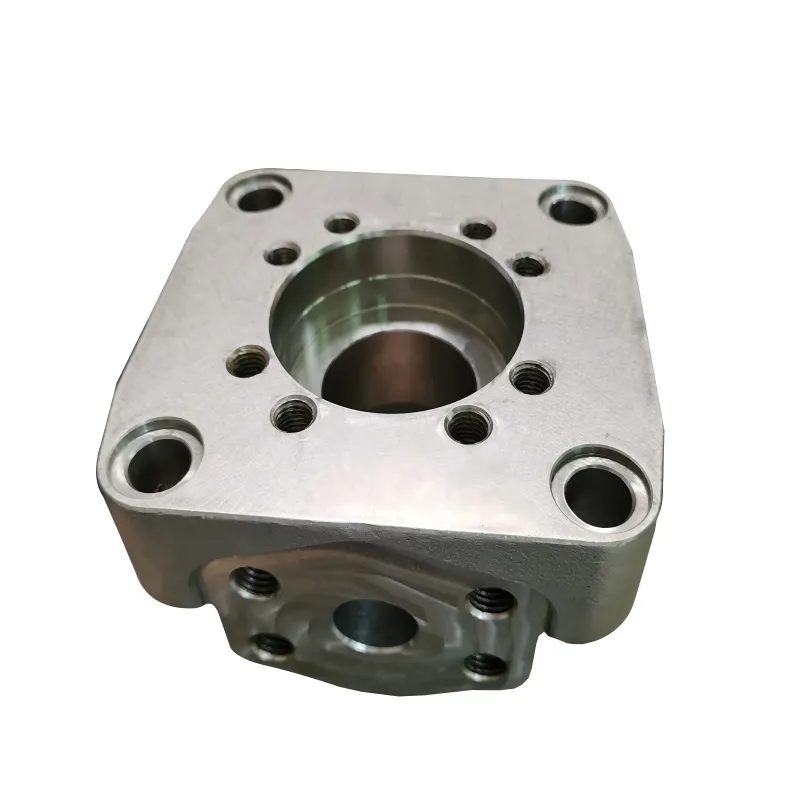
You learn more from a part that broke than from a thousand that succeeded. Early on, I was involved with a batch of hydraulic manifold blocks. They passed all QA checks—dimensions, pressure testing. But in the field, a few developed leaks at the threaded ports after thermal cycling. The culprit? The machining sequence. We had drilled the deep cross-ports after tapping the mounting holes. The drilling operation, even with precise CNC, introduced just enough micro-stress to distort the threads a fraction. Under heat and pressure, that fraction was enough. The fix was simple: tap the holes as the very last operation. It seems obvious in hindsight, but it cost us a customer until we figured it out.
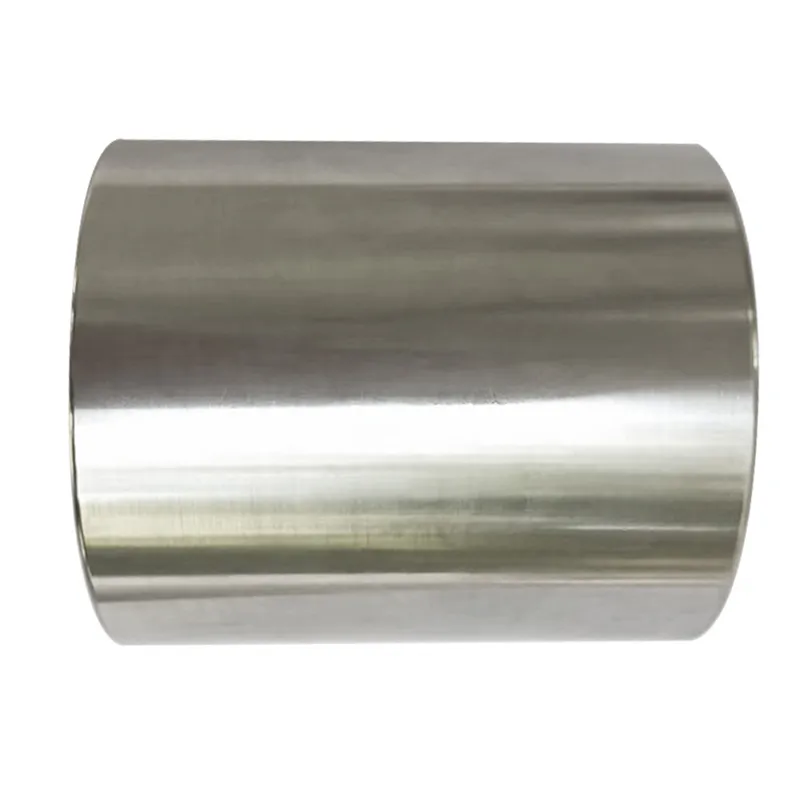
Another classic is fretting corrosion on fitted surfaces. You have a shaft and a sleeve, press-fitted. They're both from good material. But under vibration, microscopic movement occurs. Without the right surface finish or, in some cases, a specific coating or treatment, this leads to fretting wear and eventual seizure. The blueprint didn't call for a surface finish specification beyond Ra; it needed a specific process like superfinishing or a phosphate coating. These are the nuances that separate a functional part from a durable one.
These experiences force you to look at a Metal Processing Machinery Parts not as a static object, but as a dynamic entity in a system. You start asking different questions during design review: Where are the stress concentrators? How will it be installed? What are the thermal gradients in service? What's the maintenance cycle? The answers directly inform the processing steps.
The Integration: From Part to Working Machine
The final test is on the shop floor, not in the QA lab. A perfectly in-spec part that's a nightmare to install is a bad part. This means thinking about features for assembly: chamfers on leading edges, clear marking for orientation, accessibility for standard tools. I've seen beautifully machined components with bolt holes that were impossible to torque because the designer didn't account for the wrench swing. The machinist followed the print, but the part was flawed.
This is where a supplier with integrated capabilities—from casting to Metal Processing Machinery Parts machining—can add real value. They can suggest design for manufacturability (DFM) changes early. For instance, suggesting a slight draft angle on a wall to improve casting quality and reduce machining, or consolidating two parts into one more complex casting to eliminate a leak-prone joint. It requires the machinist to understand the foundry, and the foundry to understand the machining challenges. A portal like tsingtaocnc.com represents that potential gateway—a single point of contact for a process that is inherently multi-stage.
Ultimately, the goal is invisibility. The best machinery parts are the ones you never think about. They just work. Achieving that requires respecting every link in the chain: the metallurgy of the casting, the pragmatism of the machining, the wisdom of material selection, and the humility learned from past failures. It's a craft as much as it is a science, built on specifics, not generalities. When you find a partner who gets that, who talks about grain flow and fixturing stresses with the same ease as delivery dates, you've found someone who doesn't just supply parts, but contributes to the reliability of the machine itself.