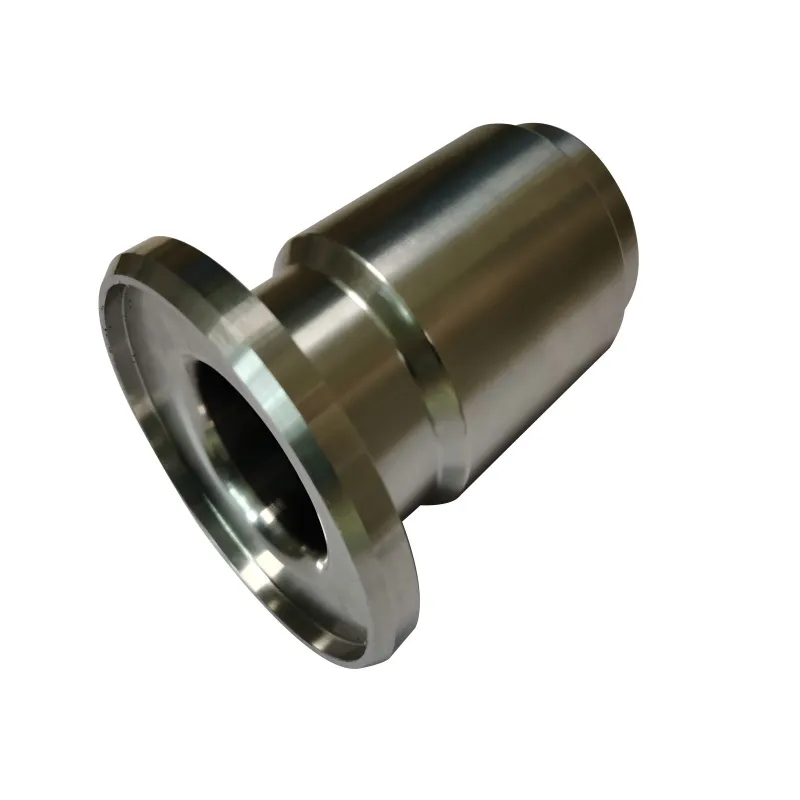
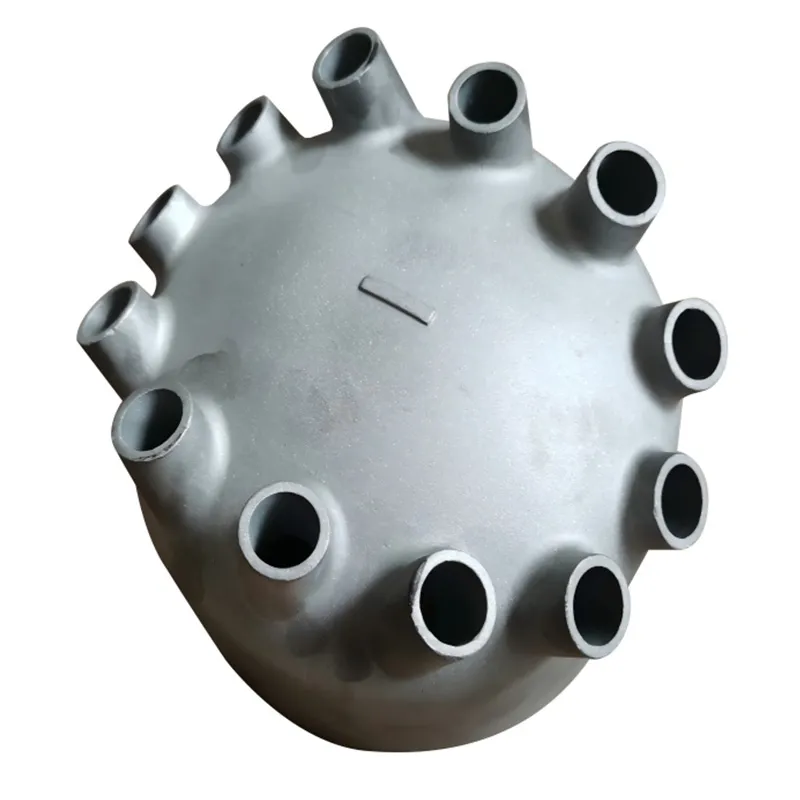
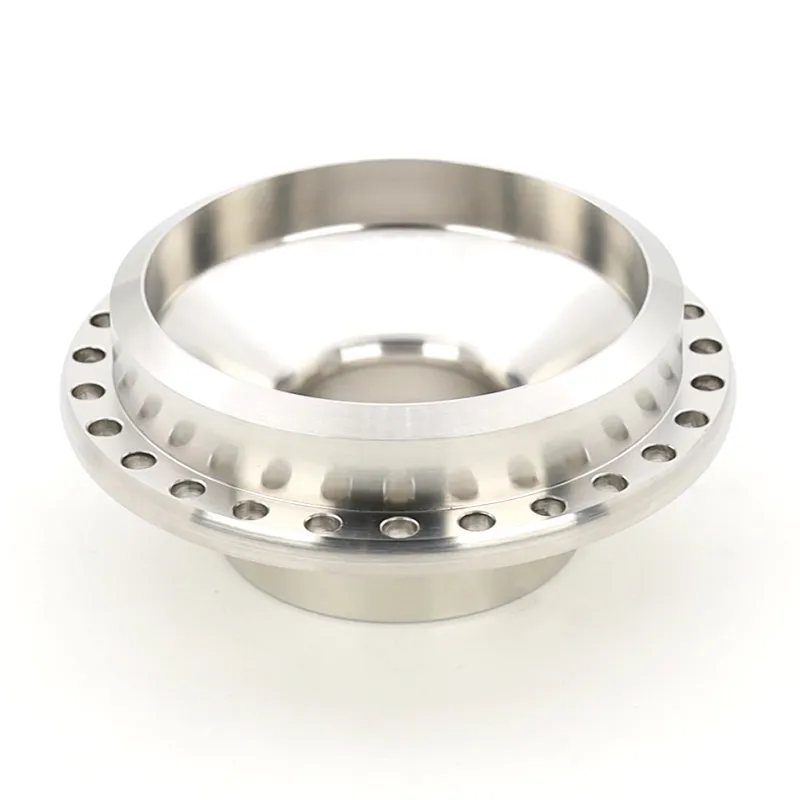
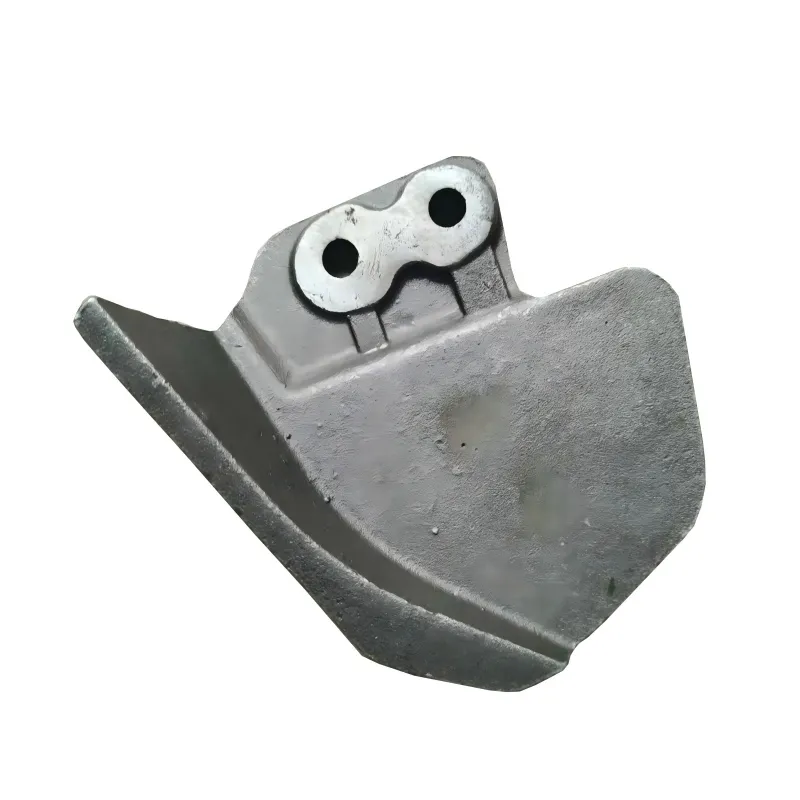
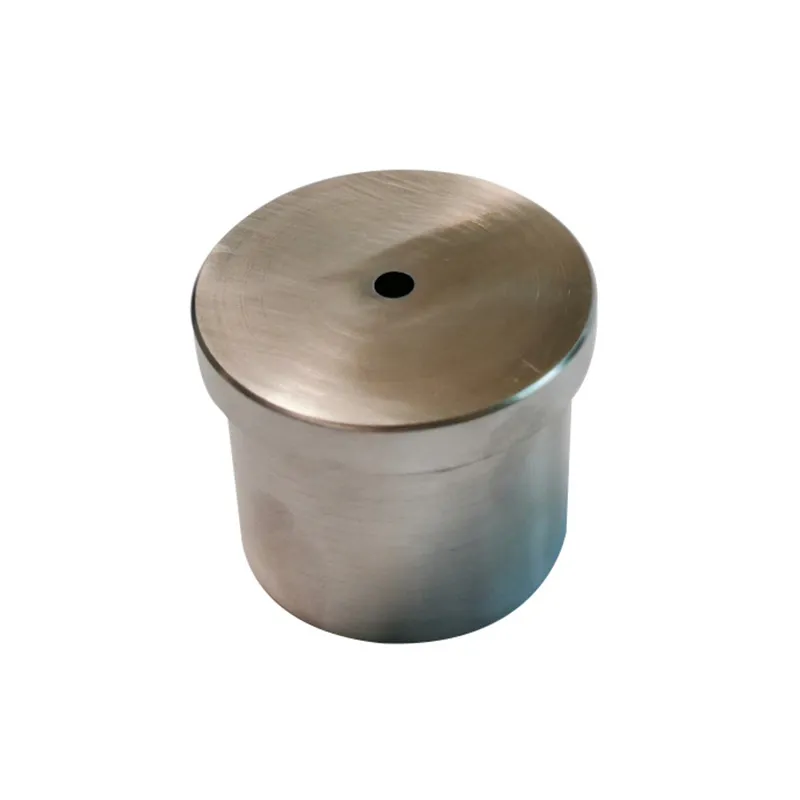
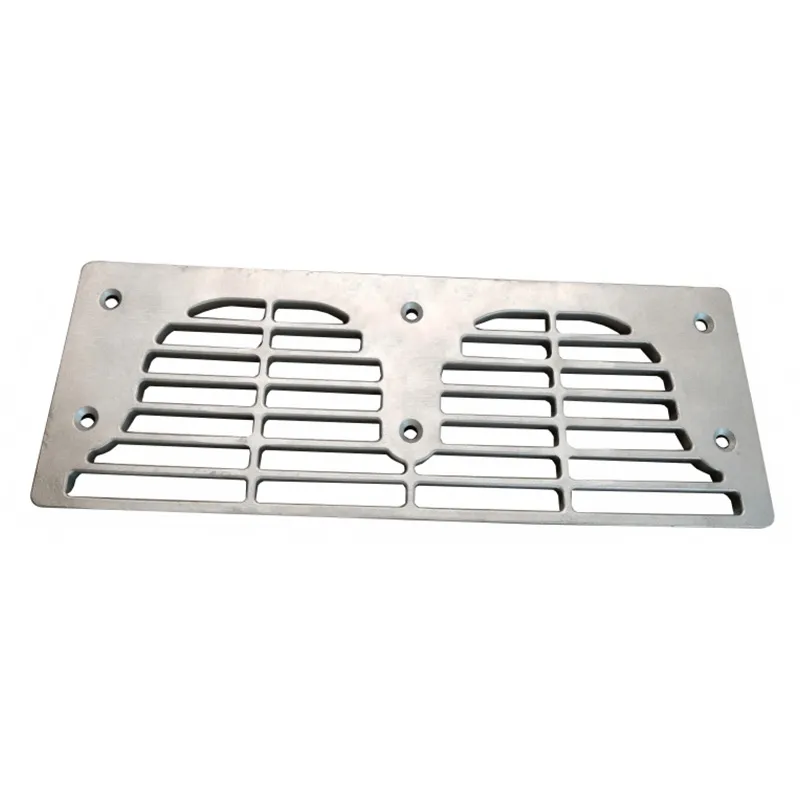
When you hear 'micro precision machining', the immediate image is often of pristine, dust-free rooms and machines making impossibly small parts. That's part of it, but the real story is in the grind—literally. It's less about the scale and more about the accumulated error you're fighting against across every operation. A lot of shops claim they can do it because they have a modern CNC, but holding true positional tolerances under 5 microns on a complex, hardened steel component is a different beast altogether. It's where theoretical precision meets the reality of tool deflection, thermal drift, and material memory.
The Foundation: It Starts with the Casting
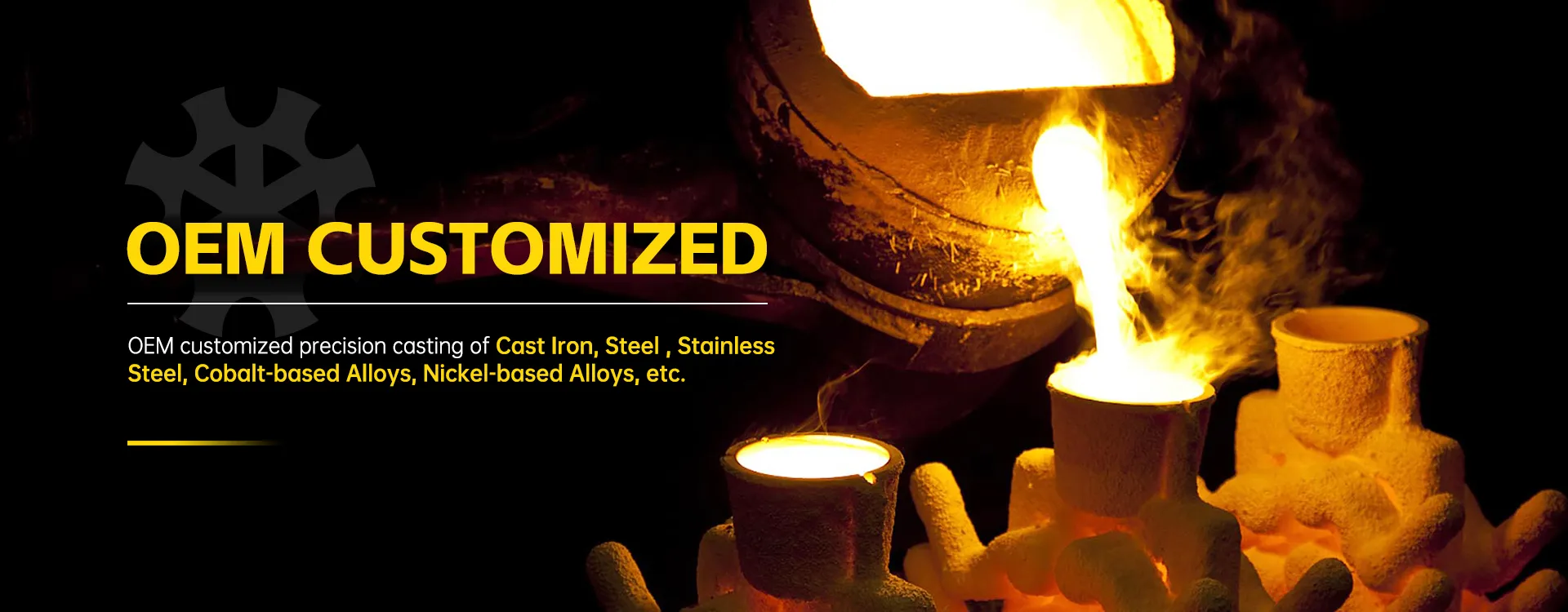
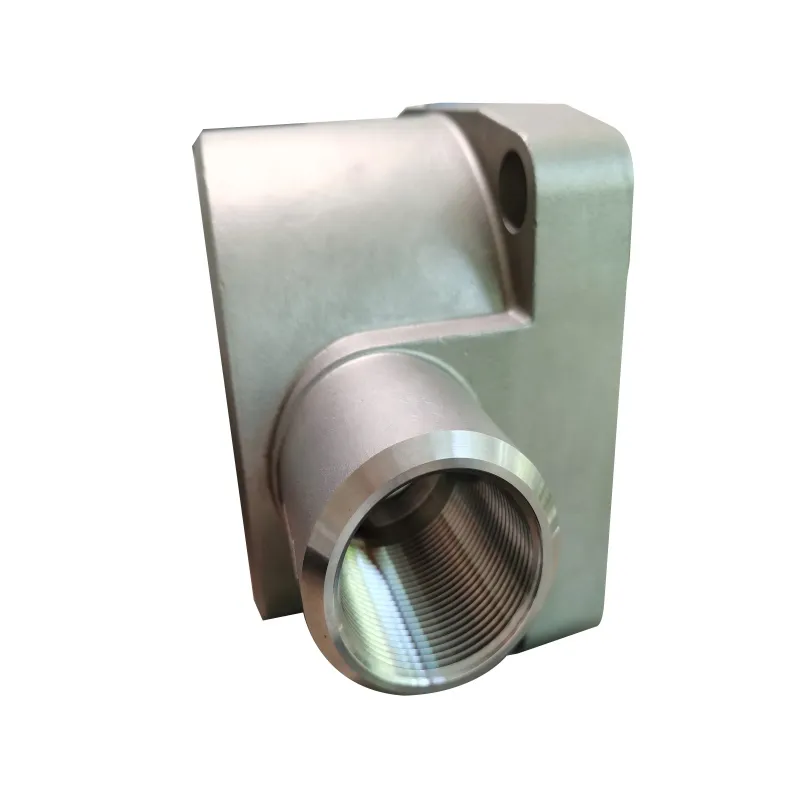
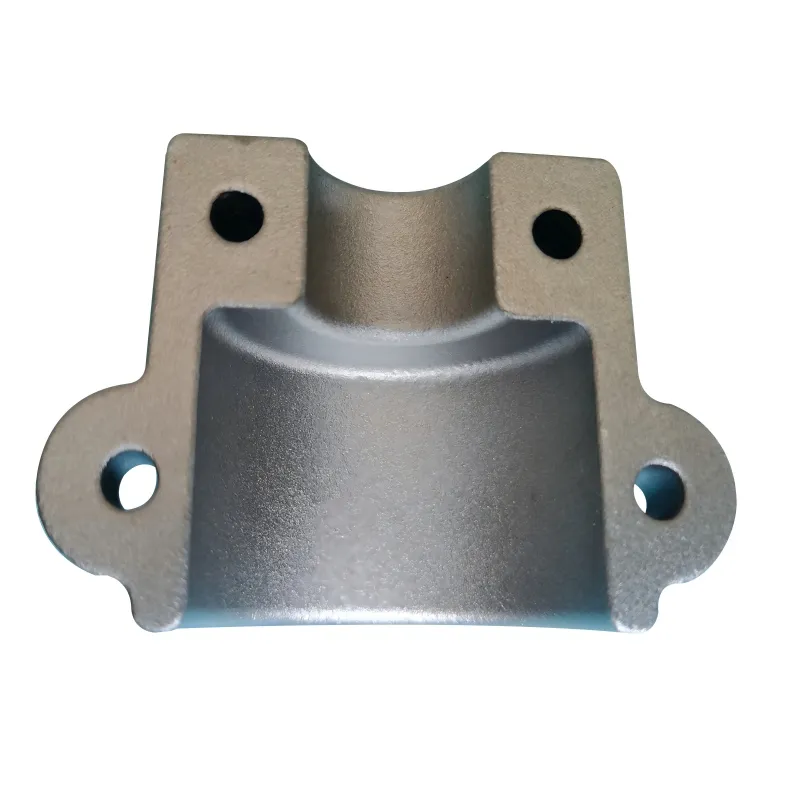
You can't machine precision into a bad foundation. This is a lesson learned the hard way. Early on, we'd receive investment castings from general foundries, beautiful on the outside, but with inconsistent wall thickness or internal shrinkage that only showed up after you'd already spent hours on the fixture and initial milling. The entire process would be scrap. That's why control over the entire chain is non-negotiable. A company like Qingdao Qiangsenyuan Technology Co., Ltd. (QSY) has the right idea—integrating shell and investment casting with their machining operations. When you've been doing casting for 30 years, you understand how the grain structure of a nickel-based alloy forms, and you can orient the part in the mold to minimize machining stress later. That's not something you can just buy; it's baked-in knowledge.
Their focus on special alloys, like cobalt and nickel-based ones, is telling. These aren't your standard aluminum billets. They're tough, abrasive, and expensive. Attempting micro precision machining on them with a standard process is a fast track to ruined tools and out-of-tolerance parts. The pre-machining state of the casting is critical. The surface skin, the residual stress from cooling—if these aren't managed in the foundry phase, the machinist is fighting a losing battle from the first cut.
I recall a project for a fuel system component in Inconel. The spec called for a 0.8mm diameter cross-hole with a positional tolerance of ±0.005mm. We sourced the investment casting externally, and it looked perfect. But during the drilling operation, the micro-drill would consistently walk, ever so slightly. We tried different feeds, speeds, even different brand tools. The failure was consistent. The root cause? Inconsistent material density in that specific area of the casting from the original process. The lesson was expensive: for true micro-scale work, the machinist and the foundry must speak the same language. This is the integrated advantage a one-stop provider has.
The Machine Tool is Just the Beginning
Everyone gets fixated on the machine. Yes, you need a high-precision CNC with a glass scale feedback system, temperature compensation, and a rigid frame. But that's the price of entry. The real differentiators are often the less glamorous things. The workholding, for instance. For a part that's maybe 10mm cubed, a standard vise is useless. You need custom, kinematic mounts or vacuum chucks designed for minimal distortion. The force from clamping can easily distort the part more than your entire tolerance budget.
Then there's tooling. Off-the-shelf carbide end mills from a catalog won't cut it—pun intended. We work with specialty toolmakers who grind tools for us based on the specific alloy and feature. A 0.5mm ball nose end mill for machining a subtle contour on stainless steel versus one for cast iron are fundamentally different in geometry and coating. You develop relationships with these suppliers; you send them samples of the material, and they send back prototypes. It's an iterative, hands-on process.
Coolant and chip evacuation become monumental challenges at this scale. A tiny chip recut can snap a micro-tool. We've moved to high-pressure, through-spindle coolant systems not just for cooling, but primarily to blast those microscopic chips out of the cut zone. It sounds simple, but dialing in the pressure—enough to clear chips but not enough to deflect the tool or the part—is a day's worth of test cuts and inspection under a microscope.
Measurement is the Gatekeeper
This is where the rubber meets the road. Your machine's readout might say it's at X0.000, Y0.000, but is it really? For micro precision machining, in-process probing is helpful but not definitive. Final validation happens off the machine, in a climate-controlled metrology room. We're talking about coordinate measuring machines (CMM) with touch-trigger probes that have tip diameters of 0.3mm or even optical/video systems for non-contact measurement of fragile features.
The data tells the story. You're not just looking for a pass/fail. You're looking at the statistical process control (SPC) charts. Is there a drift in the diameter of that bore as the machine warms up over a 4-hour batch run? Is the surface finish on the flank of a micro-gear tooth consistent, or does it show signs of tool wear starting on part number 50 out of 100? The measurement report isn't just a certificate; it's a diagnostic tool for the entire process.
I've seen beautiful parts fail because the measurement protocol was wrong. Measuring a 1mm feature with a 1mm probe tip is pointless—you're gauging the probe, not the part. You need to right-size the metrology to the feature, which often means investing in an array of specialized probes and fixtures. It's a significant capital and knowledge investment that many shops overlook.
The Human Factor and Iterative Failure
Automation is great, but this field still relies heavily on the technician's intuition. The programmer can simulate all they want, but the person setting up the job hears the cut. A change in the sound—a slight high-frequency harmonic—can be the first sign of tool chatter or wear long before it shows up on the part. This tactile, auditory feedback loop is irreplaceable. It's why you'll see experienced machinists leaning close to the machine, listening, not just watching the screen.
Failure is the best teacher, provided you instrument it. We had a run of miniature titanium connectors where we couldn't hold the perpendicularity between two bores. The machine was calibrated, the tool was new. We spent days checking everything. The culprit turned out to be a barely perceptible amount of play in the tool holder's retention knob—maybe a couple of microns. Under normal machining, it was irrelevant. Under the specific radial forces of this micro-drilling operation, it introduced just enough runout to kill the tolerance. We now have a separate maintenance and inspection schedule for tool holders used in micro-work.
This iterative, problem-solving mindset is what separates a job shop from a precision partner. It's not about having a magic machine; it's about building a documented, refined process for a specific material and geometry. This is where a vertically integrated operation shows its strength. If a problem arises in machining, they can trace it back to the heat lot of the raw material or the pour temperature of the casting at a partner like QSY, and adjust the front-end process accordingly. That feedback loop is incredibly powerful.
Where This All Leads: Real-World Demands
So where is this relentless push for micro-precision actually used? It's not just lab curiosities. It's in the medical field: orthopedic implants with porous surfaces for bone ingrowth, where each tiny pore needs to be within spec. It's in aerospace: fuel injector nozzles for turbines, where the flow characteristics are dictated by geometries machined into incredibly hard alloys. A deviation of a few microns changes the spray pattern, the efficiency, the emissions.
The demand is for more complexity in smaller envelopes. A single component might combine micro-milling, turning, drilling, and even EDM (Electrical Discharge Machining) features. This pushes the logistical challenge of fixturing and datum alignment to the extreme. How do you hold a part to machine its fifth side without distorting the features you've already put on the first four? Often, the solution is a custom fixture that becomes a precision part in its own right.
Looking at a provider's capabilities, you now know what to look for beyond the brochure. Don't just ask if they have a 5-axis micromachining center. Ask about their metrology equipment for parts under 10mm. Ask how they handle workholding for thin-walled castings. Ask for their experience with the specific alloy you need, be it a stainless from QSY's standard stock or a custom cobalt-chrome mix. The answers to those questions will tell you if they understand the grind, or if they're just riding the buzzword. True micro precision machining is a holistic discipline, a marriage of materials science, mechanical engineering, and practiced, patient skill.