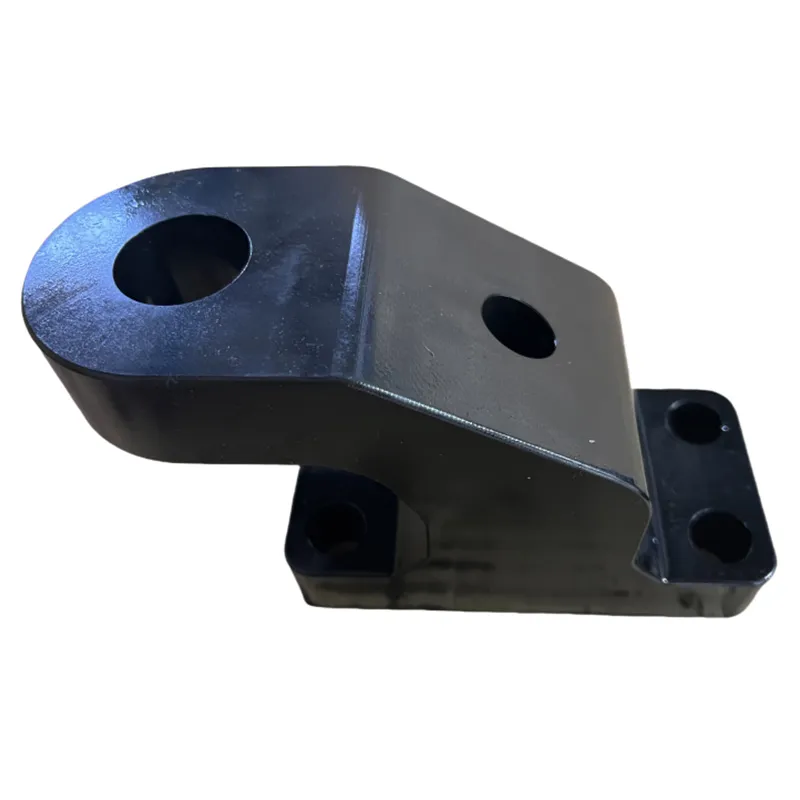
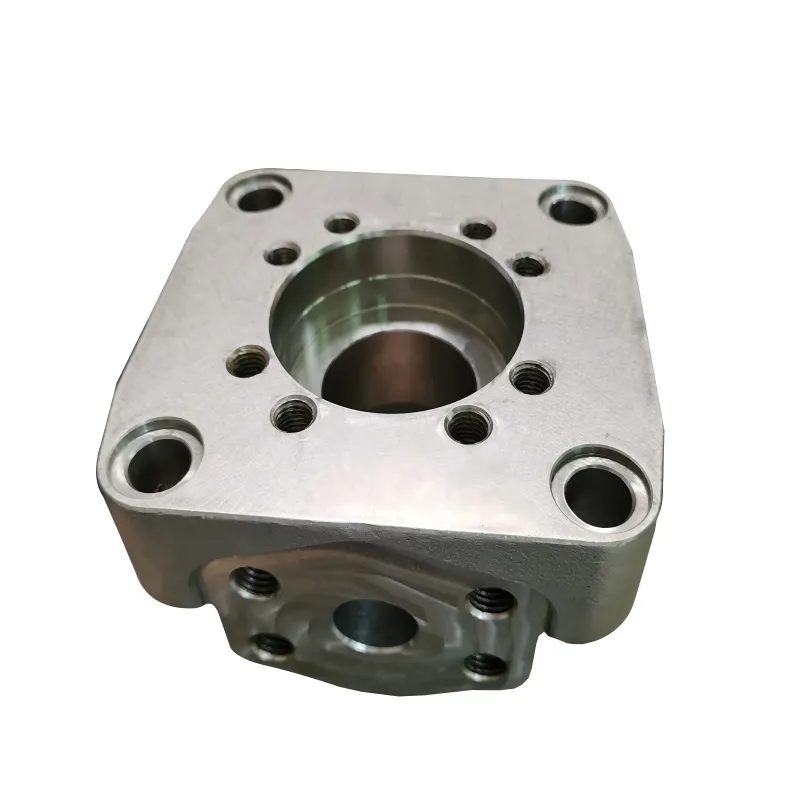
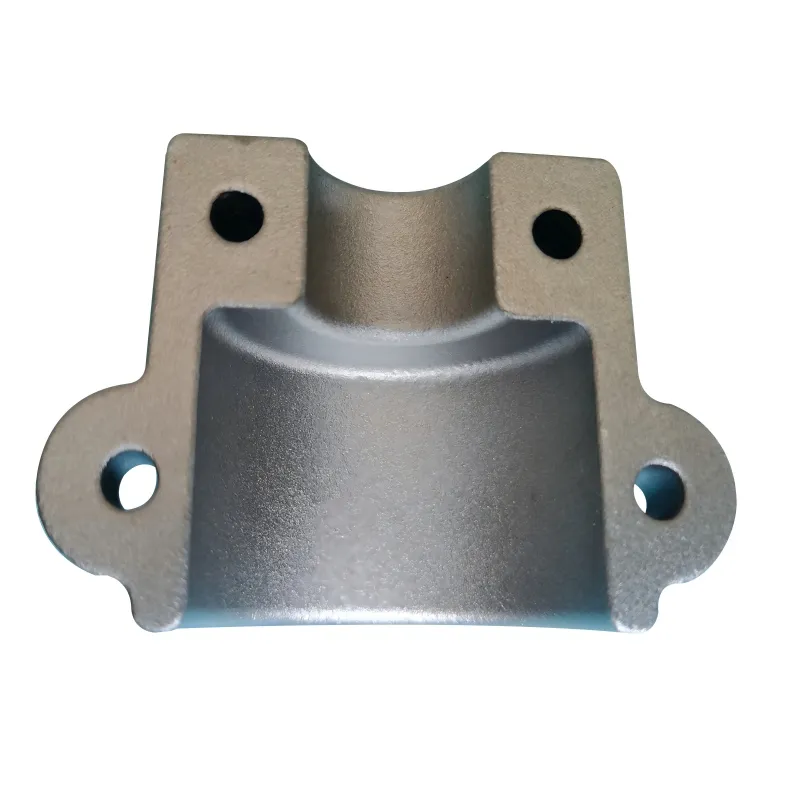
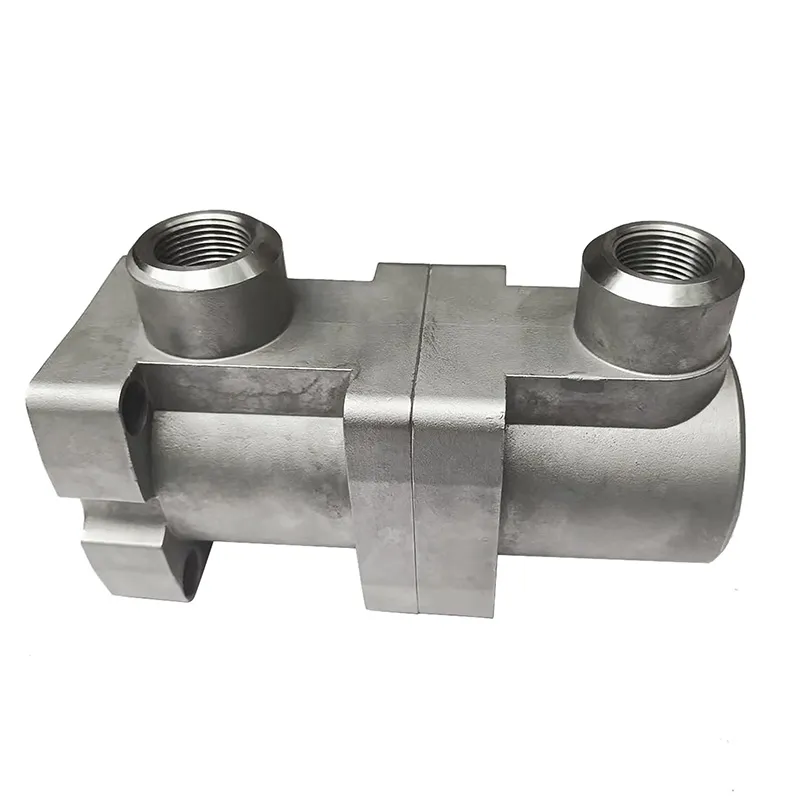
Look, when most people hear 'MIM metal injection molding', they think it's some magic bullet for making complex metal parts cheaply. The brochures make it sound like you just pour powder into a machine and out pops a finished component. That's the biggest misconception. In reality, it's a process of constant compromise and nuanced judgment. It's not always the right answer, and knowing when to walk away is as important as knowing how to run the job. I've seen too many projects fail because someone tried to force MIM where it didn't belong, lured by the promise of high volume and net-shape.
The Core Dance: Feedstock, Tooling, and the Sintering Gamble
The heart of MIM metal injection molding isn't the molding—it's the feedstock. Getting that blend of fine metal powder and binder just right is more alchemy than science. A 2% deviation in powder loading can wreck dimensional stability post-sintering. We once sourced a standard 17-4 PH feedstock from a new vendor for a surgical instrument lever. It molded beautifully, but during debinding, the binder system cracked, causing catastrophic part slumping in the furnace. That was a $40k tooling lesson learned: never assume feedstock is a commodity.
And tooling... it's a different beast than plastic injection molds. You're designing for 20-25% shrinkage, but it's not isotropic. It changes with part geometry, wall thickness, and even how the feedstock flows in the cavity. We had a bracket for an aerospace sensor, a long, thin part. The first shots came out of the mold perfect, but after sintering, it warped like a banana. The fix wasn't in the furnace; it was in adding subtle, counter-intuitive curvature to the mold cavity itself. You're not designing the part, you're designing the distorted pre-sintered version of it.
Sintering is where the metal truly forms, and it's the highest-stakes step. The temperature profile, atmosphere (hydrogen, nitrogen-argon mix), and time are all critical. Too fast a ramp rate, you get binder boil-off defects. Too low a temp, you're left with a porous, weak structure. I recall a batch of stainless steel locking pins for a heavy machinery client. They passed all visual and dimensional checks but failed in field testing—brittle fracture. The root cause? A thermocouple drift in the sintering furnace created a 30°C cold zone. The parts looked metallic but never fully consolidated. That's the insidious part of MIM; a flaw can be buried deep within the microstructure.
Where MIM Shines (And Where It Doesn't)
So when does metal injection molding make sense? It's brilliant for small, highly complex, high-volume parts that would be murder to machine. Think gear assemblies with internal splines, multi-plane linkages, or components with undercuts and thin walls. A classic success was a titanium alloy component for a wearable medical device. Machining it from solid was prohibitively expensive and wasteful. MIM got us to 95% net shape, needing only a critical bore finish-machined. The volume (200k+ annually) justified the NRE for tooling and process development.
But here's the flip side. If your part is simple—a basic spacer or a flat bracket—forget MIM. Stamping or CNC will be cheaper and faster. Also, if you need extreme mechanical properties, like the ultimate tensile strength of wrought material, MIM might fall short. The sintering process, while creating near-full density, still leaves a microstructure that's different from forged metal. We had to talk a client out of using MIM for a critical, high-impact shear pin in a downhole tool. The risk of a rare sintering flaw wasn't worth it, even with 100% MPI inspection.
The Machining Handshake: Why Post-Processing is Often Non-Negotiable
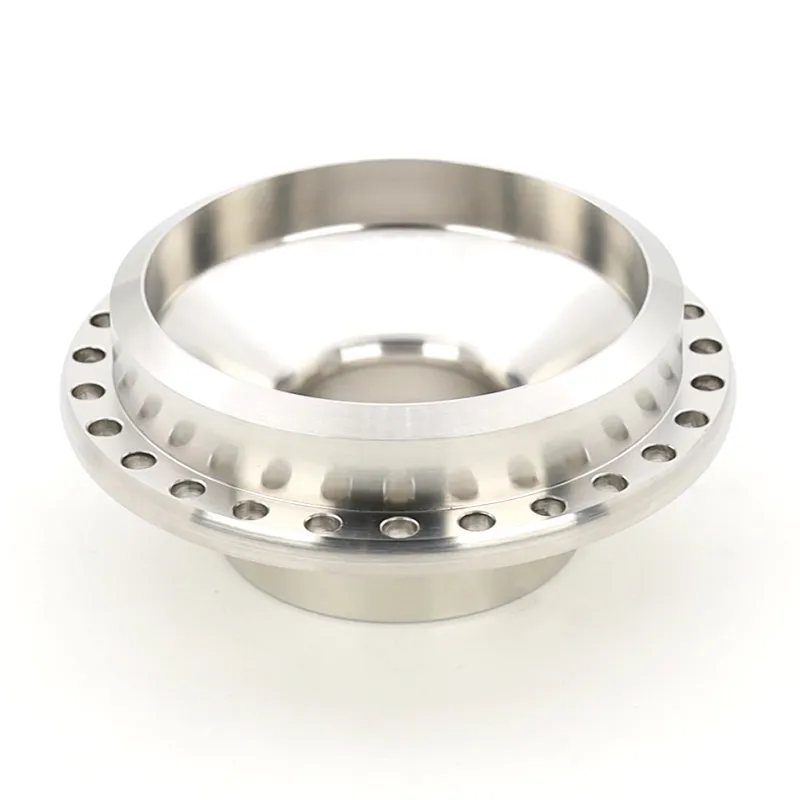
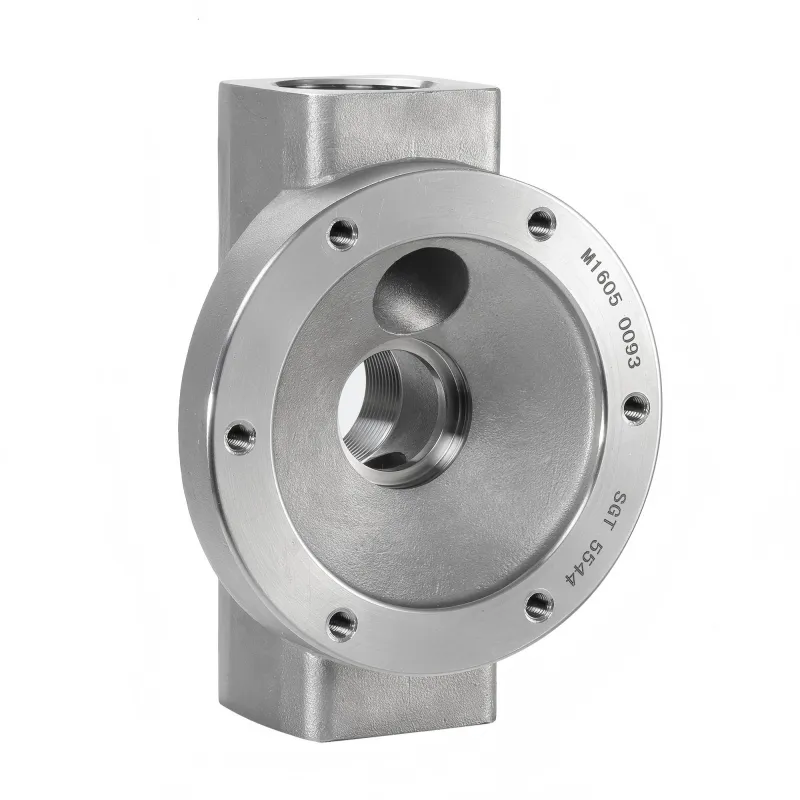
This is where the net-shape promise hits reality. Many MIM parts need secondary operations. A hole might need to be reamed to a precise H7 tolerance, or a sealing surface might need to be ground. That's why a shop's MIM capability is only as good as its downstream support. I've worked with partners like Qingdao Qiangsenyuan Technology Co., Ltd. (QSY). Their background isn't just in MIM; it's in investment casting and precision CNC machining. That's crucial. They get that a sintered part isn't the end. They can look at a MIM component and know which datum to clamp on for machining, how the residual stress might affect a cut, and whether a feature is better achieved in the mold or on a lathe later. For a series of cobalt-chromium alloy valve plates we did, the flatness requirement was beyond sintering capability. QSY's team suggested a simple MIM design with excess stock, which they then precision ground. The result was perfect, and the cost was lower than trying to achieve impossible sintering tolerances.
Material choice plays a huge role here too. MIM handles a wide range—from common stainless steels to exotic nickel-based alloys. But machinability post-sintering varies wildly. A 316L stainless part machines easily. A sintered tungsten heavy alloy? That's a different story, requiring specialized tooling and parameters. You have to plan the entire manufacturing chain, not just the molding step.
Failures and the Lessons They Stamp Into You
You learn more from a scrap bin than a textbook. Early on, we pursued a project for a complex aluminum MIM part. On paper, it was ideal: intricate cooling channels, high volume. But aluminum powder is pyrophoric, its oxide layer is a nightmare for sintering, and the shrinkage is even more unpredictable. The project consumed months and countless batches before we killed it. The client switched to a shell mold casting process for that specific alloy and geometry. It was a humbling reminder that MIM is a subset of powder metallurgy, not a universal replacement for all other forming technologies.
Another subtle failure mode is cosmetic. For a consumer electronics housing component, the as-sintered surface had a slight, orange-peel texture. It was functionally fine, but aesthetically unacceptable for the application. Polishing was too expensive. We had to adjust the powder particle size distribution and the sintering atmosphere to achieve a smoother surface straight out of the furnace, which added cost and cycle time. The takeaway? Surface finish is a specification that must be discussed at the very beginning, not an afterthought.
The Realistic Outlook: Integration and Honest Assessment
Going forward, the value of MIM metal injection molding isn't in existing in a vacuum. Its power is in being one tool in a broader manufacturing portfolio. A shop that can offer MIM for the complex core, CNC machining for critical features, and maybe even investment casting for larger prototypes, provides real strategic value. It allows for honest process selection based on the part's true needs—geometry, material, quantity, and cost—not just on what equipment is in the building.
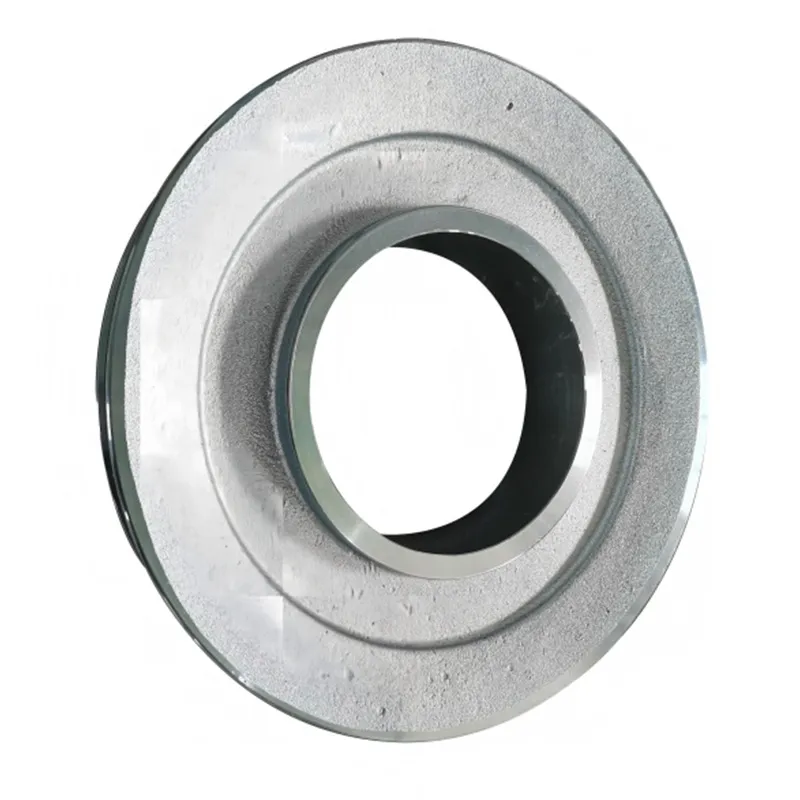
For engineers designing a new part, my blunt advice is this: engage with your manufacturing partner at the concept stage. Bring them a sketch. Be upfront about volumes and performance needs. A good partner, one with deep foundry and machining roots like you see at QSY, will tell you if MIM is a fit or if you're better served by a shell mold casting in cast iron or a machined billet of steel. They've likely seen it all. The goal isn't to sell you on MIM; it's to get you a reliable, cost-effective part. Sometimes, that path leads straight through the injection molding machine. Often, it doesn't. Recognizing the difference is what separates the brochure readers from the people who've spent years getting the smell of warm feedstock and sintering furnace out of their clothes.