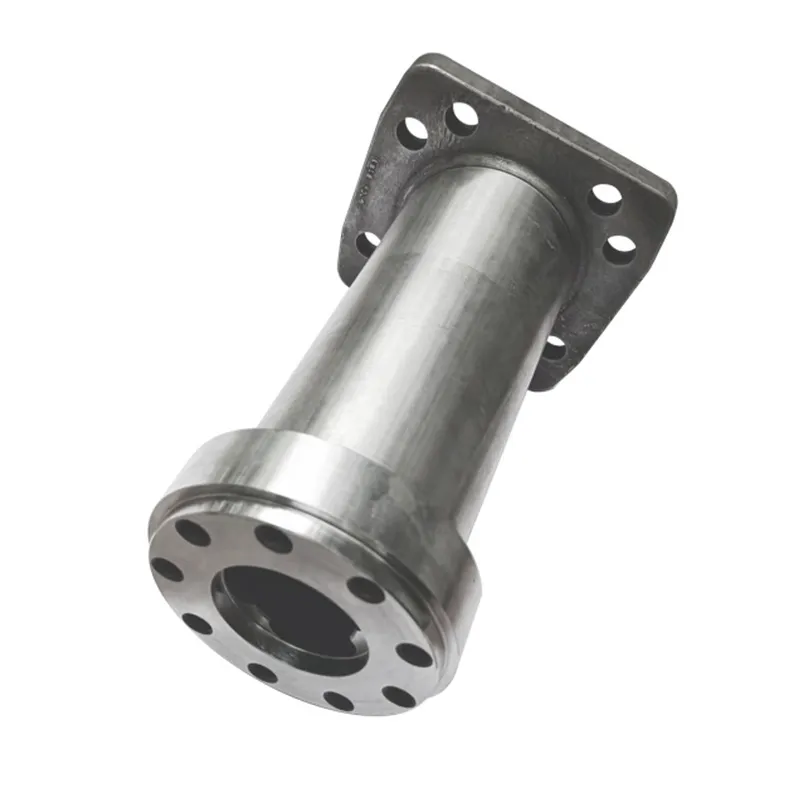
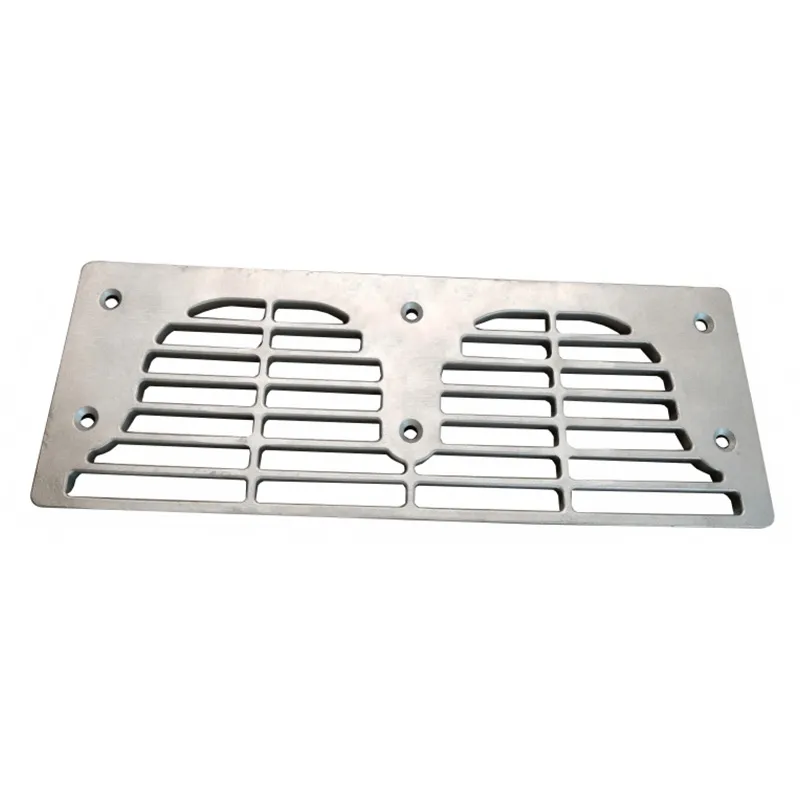
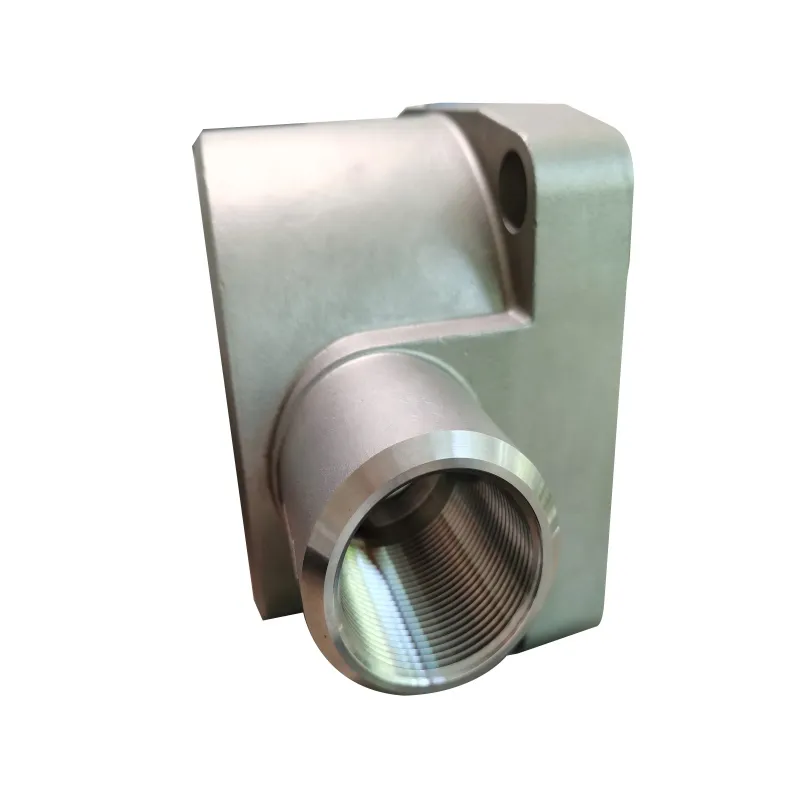
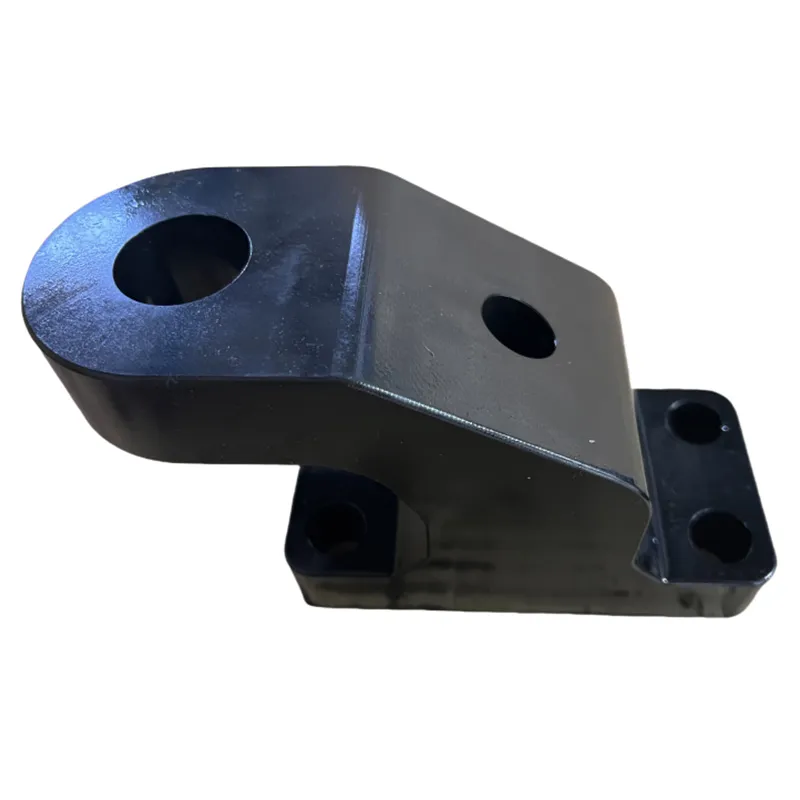
When you hear 'MIM powder metallurgy', the immediate image is often of these perfect, tiny, complex parts rolling off a pristine automated line. That's the brochure talk. The reality, the one I've lived with for years, is messier, more nuanced, and frankly, more interesting. It's not just about pressing and sintering; it's a constant negotiation between feedstock behavior, tooling wear, and the furnace's mood that day. A lot of newcomers, even some buyers, think it's a magic bullet for any complex shape, overlooking the fundamental constraints of particle packing and binder systems. That gap between perception and gritty reality is where the actual work happens.
The Core Dance: Feedstock and Tooling
The heart of MIM isn't the metal powder alone; it's the feedstock—that homogeneous mix of fine powder and a multi-component binder system. Getting that viscosity right is more art than science sometimes. You can have the best gas-atomized 17-4PH powder, but if the binder formulation is off by a fraction, you'll see issues in molding, like jetting or incomplete fills, that only show up during debinding. I recall a project for a surgical instrument hinge where we battled sink marks for weeks. The culprit wasn't the mold temperature or pressure, but a slight inconsistency in the feedstock pellet blending from our supplier. Took us back to square one.
And tooling. People underestimate the wear on MIM molds. Because you're injecting an abrasive slurry, critical features, especially those fine teeth on a miniature gear for a precision actuator, can dull faster than in plastic injection molding. You need to plan for that, build in allowances, or specify harder tool steel from the get-go. It's a cost that often gets missed in initial quotes.
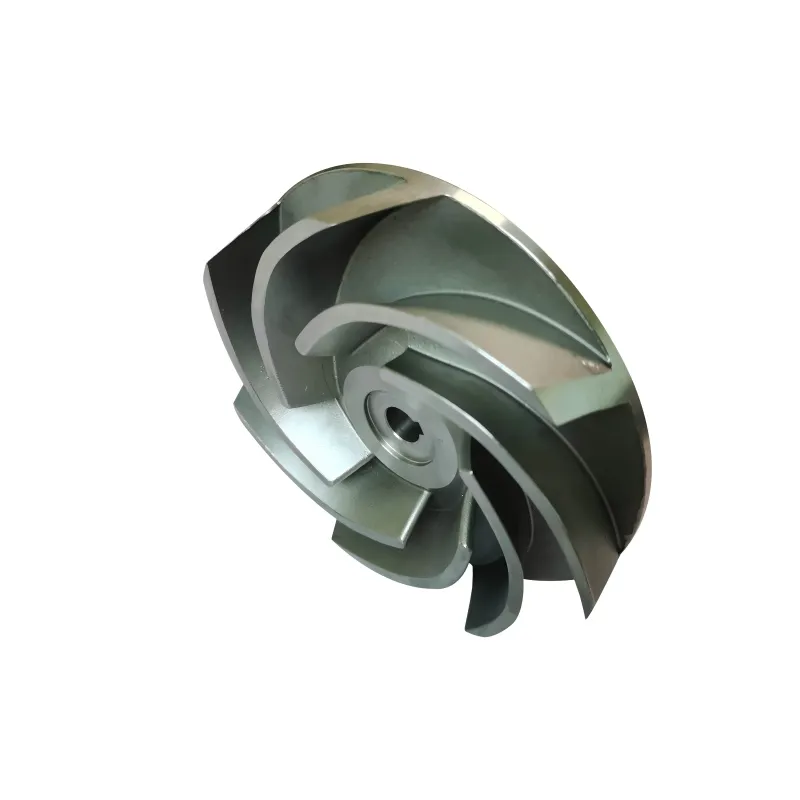
This is where a partner with deep material history matters. A company like Qingdao Qiangsenyuan Technology Co., Ltd. (QSY), for instance, brings decades of metallurgical experience from investment casting and machining to the table. While their main site at tsingtaocnc.com details their work with alloys, that foundational knowledge is crucial. When you've handled molten superalloys, you understand grain structure and phase transformations at a level that informs how you approach sintering a MIM powder metallurgy part made from the same alloy family. It's a different process, but the metallurgical goals are similar.
The Make-or-Break Stages: Debinding and Sintering
This is the real black box of MIM. Catalytic debinding, solvent debinding, thermal—each has its own pitfalls. Too fast, and you get cracks or blistering as the binder tries to escape. Too slow, and your production throughput tanks. I've seen parts come out of a thermal debind looking perfect, only to warp catastrophically in the sintering furnace because a trace of binder residue created internal pressure. It's a heartbreaking sight.
Sintering is where the magic and terror combine. You're not just melting; you're facilitating atomic diffusion across particle boundaries. The temperature profile, atmosphere (hydrogen, nitrogen, vacuum), and time are everything. For a stainless steel part, a few degrees too high or a soak time too long can lead to excessive grain growth, killing the mechanical properties. Getting the sintering support right to prevent distortion is another whole skill set. It's not just putting parts on a flat plate.
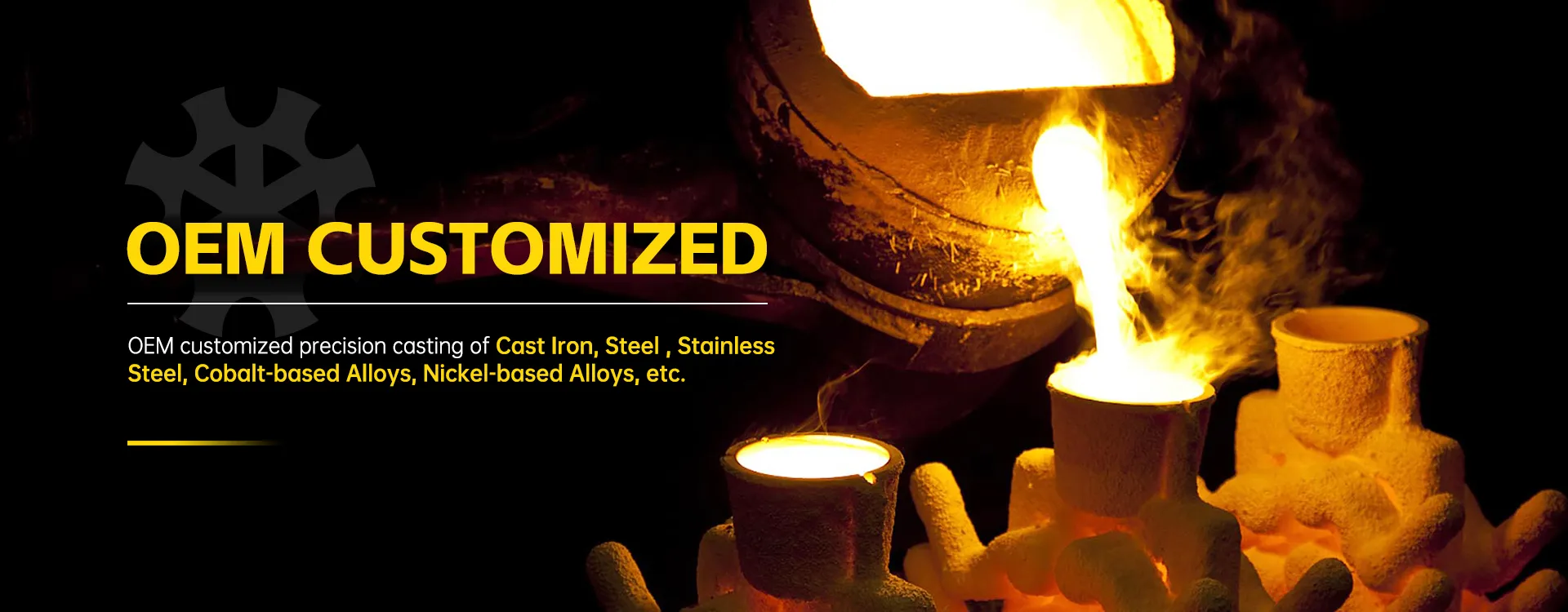
This ties back to material expertise. QSY's background in casting special alloys like cobalt-based and nickel-based ones is directly relevant here. These are tricky materials to sinter in MIM. Knowing their solidus/liquidus temperatures, how they interact with carbon during sintering, and their final heat treatment needs from a casting perspective gives a team a significant head start. It prevents the classic rookie error of treating all metal powders the same in the furnace.
Integration with Secondary Operations
Rarely does a MIM part come off the sintering belt ready to ship. Almost always, you need secondary machining. This is a critical point. The sintering shrinkage, typically 15-20%, is predictable but not perfectly uniform. So, you design for it, leaving critical interfaces like threads or sealing surfaces as sintered surfaces, or you leave stock for a final machining pass.
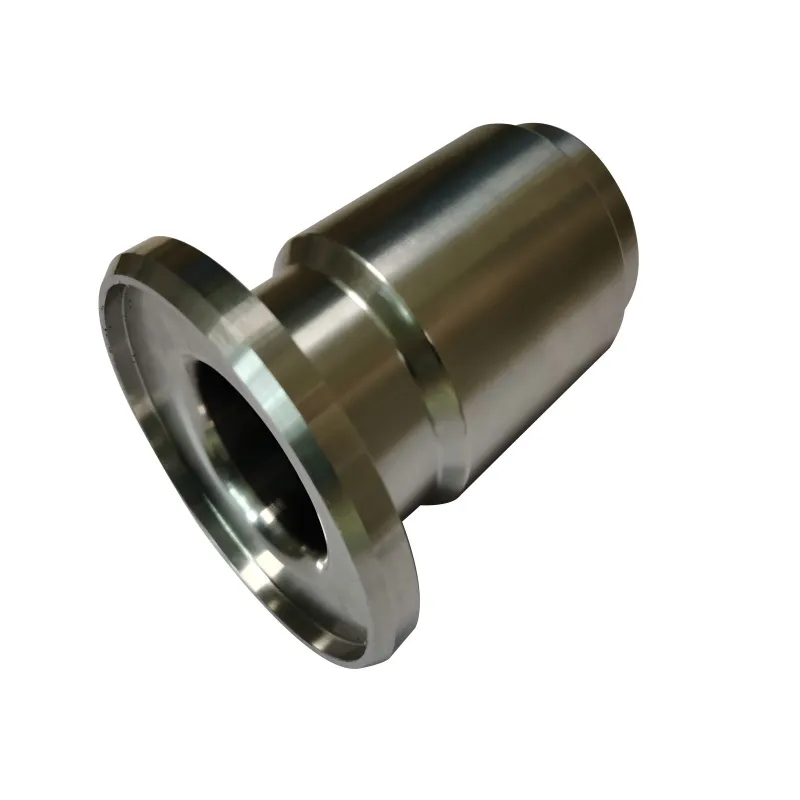
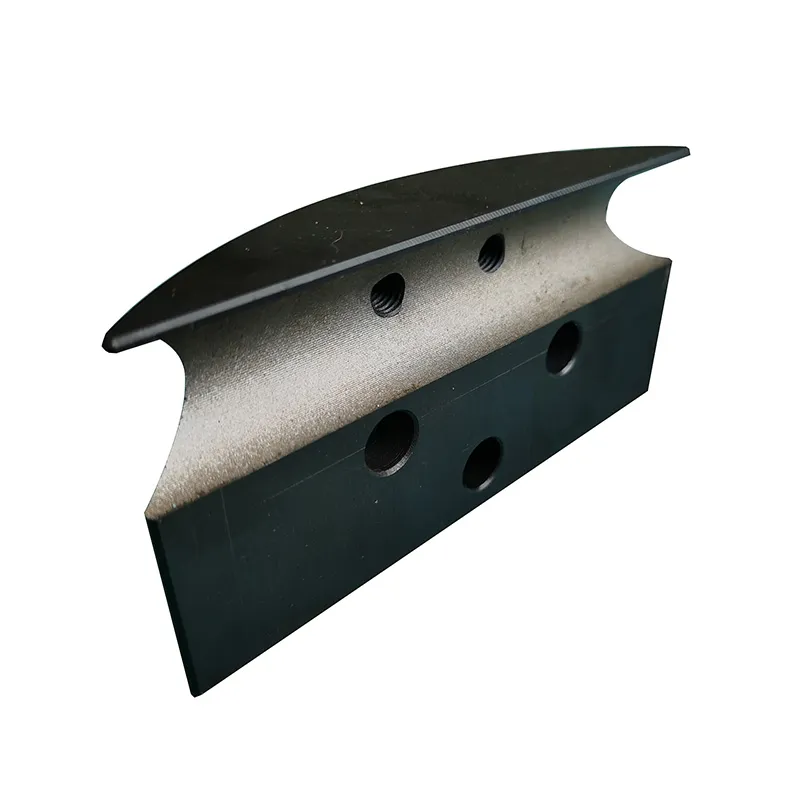
Here's where a vertically integrated operation shows its value. If your MIM provider also has strong CNC capabilities, like QSY highlights with their CNC machining services, the feedback loop is tight. The machining team can tell the MIM team, These locating features are shifting by 0.05mm batch-to-batch, can we adjust the tooling or sintering fixture? That internal collaboration solves problems much faster than shipping green parts to an external machine shop that doesn't understand the process nuances.
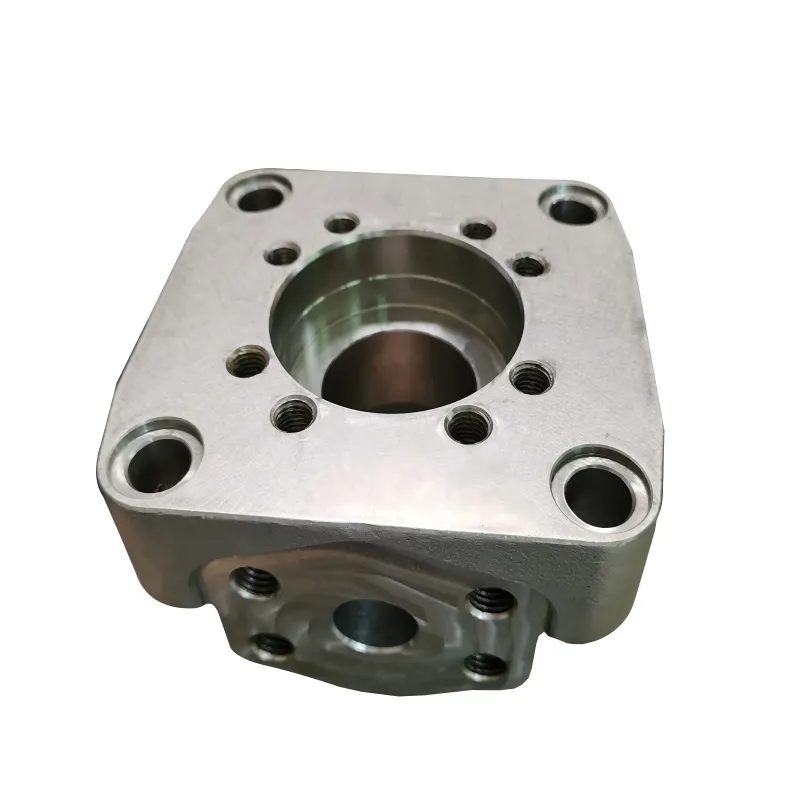
I've worked on connector bodies where the precision pin holes needed a reaming operation post-sinter. Having the machining done in-house, with engineers from both sides talking daily, allowed us to tweak the feedstock formulation slightly to improve machinability without compromising sintered density. It turned a problematic part into a reliable one.
Material Selection: Not Just a Catalog Choice
Choosing the material for a MIM powder metallurgy part isn't like picking from a menu. Yes, you have the standards: 316L, 17-4PH, Fe-Ni alloys. But the powder lot-to-lot consistency, particle size distribution (PSD), and oxygen content matter immensely. A tighter PSD might give better packing and a smoother surface finish but could cost 30% more. For a high-wear application, you might be looking at tool steels like M2, but then your debinding and sintering cycles become far more sensitive.
This is another area where broad alloy experience pays off. A company versed in casting stainless steels and special alloys will have a grounded sense of the final performance requirements. They're less likely to over-spec a costly superalloy for a job that a modified 400-series stainless could handle, or vice-versa. They understand corrosion resistance, high-temperature creep, and wear not just as data sheet values, but as real-world behaviors from their casting history. That judgment is invaluable when advising on MIM material selection.
The Reality Check: When MIM Isn't the Answer
Part of being a professional in this field is knowing when to say no. MIM is brilliant for high-volume, complex, small-to-medium sized parts. But if the geometry is a simple spacer, turn to machining. If you need absolute, isotropic density with no residual porosity for a high-integrity aerospace valve, you might still be in investment casting territory. If the annual volume is only 10,000 pieces, the tooling cost might kill the ROI.
I've been part of projects where we tried to push MIM into applications it wasn't suited for, lured by the complexity. One was a relatively large structural bracket. We managed the sintering distortion, but the part-to-part consistency in mechanical properties wasn't tight enough for the client's fatigue testing. We ended up hybridizing—using MIM for the complex hub and then welding on a wrought bar for the arm. It worked, but it was a lesson in process limits.
Ultimately, successful MIM powder metallurgy is about fit. It's a powerful tool in the manufacturing toolbox, but not the only one. The best outcomes come from partners who understand the entire landscape—from powder to finished component—and can navigate the trade-offs with clear-eyed, shop-floor pragmatism. That's the difference between a theoretical process and a reliable production route.