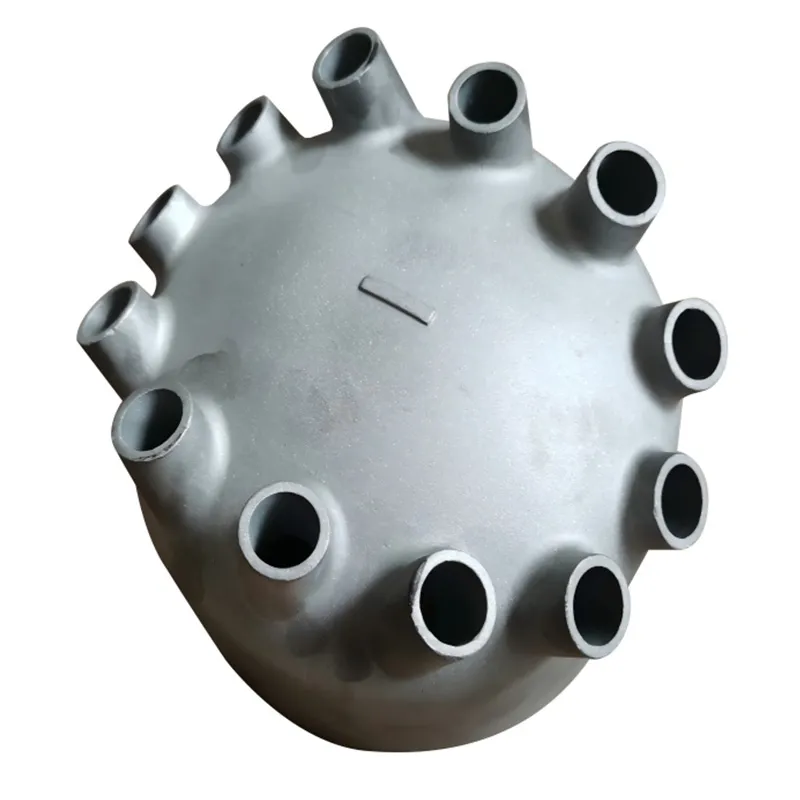
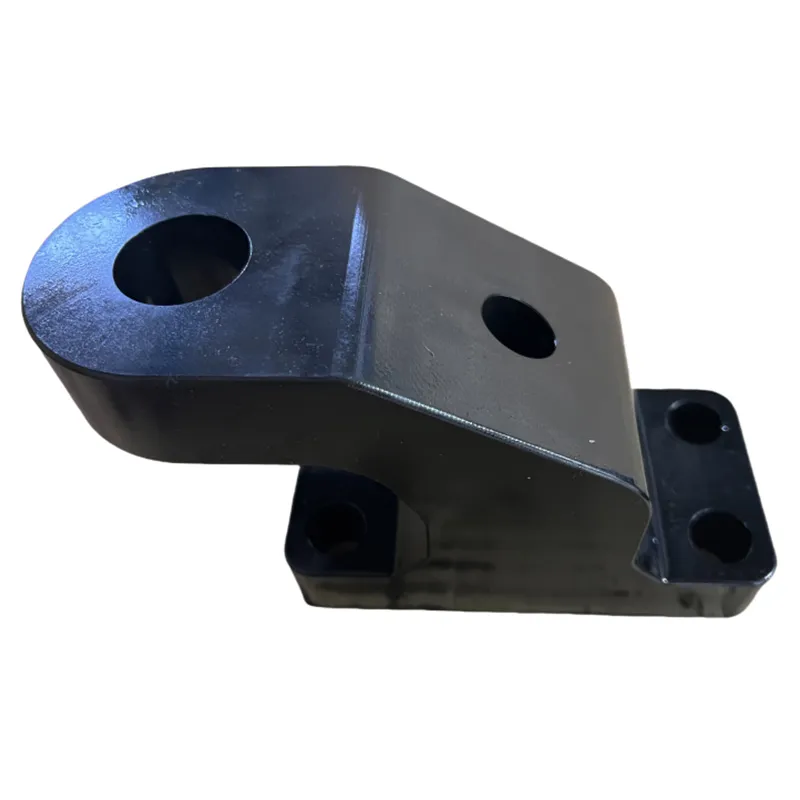
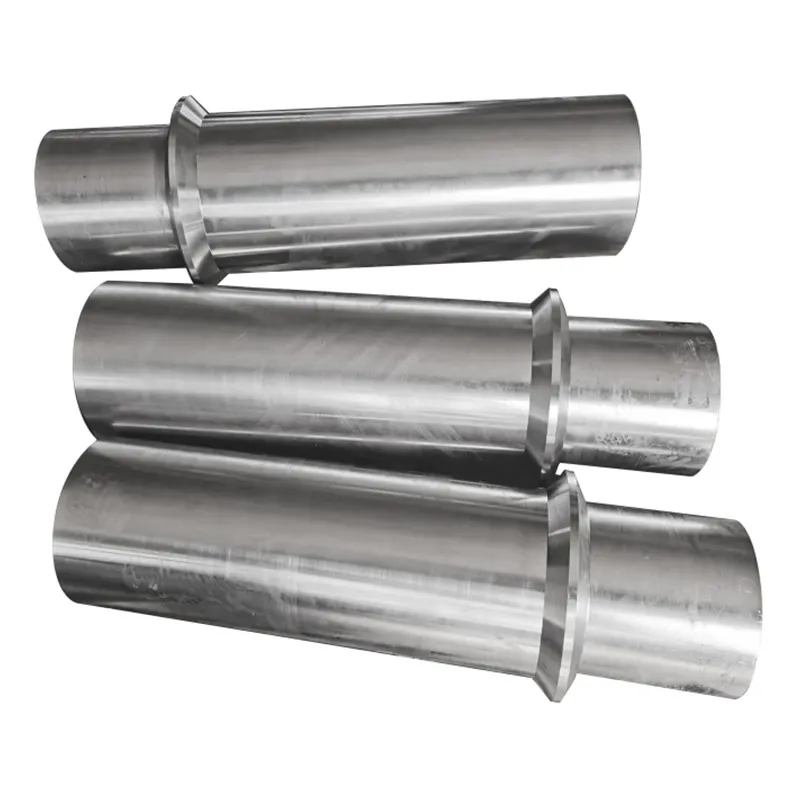
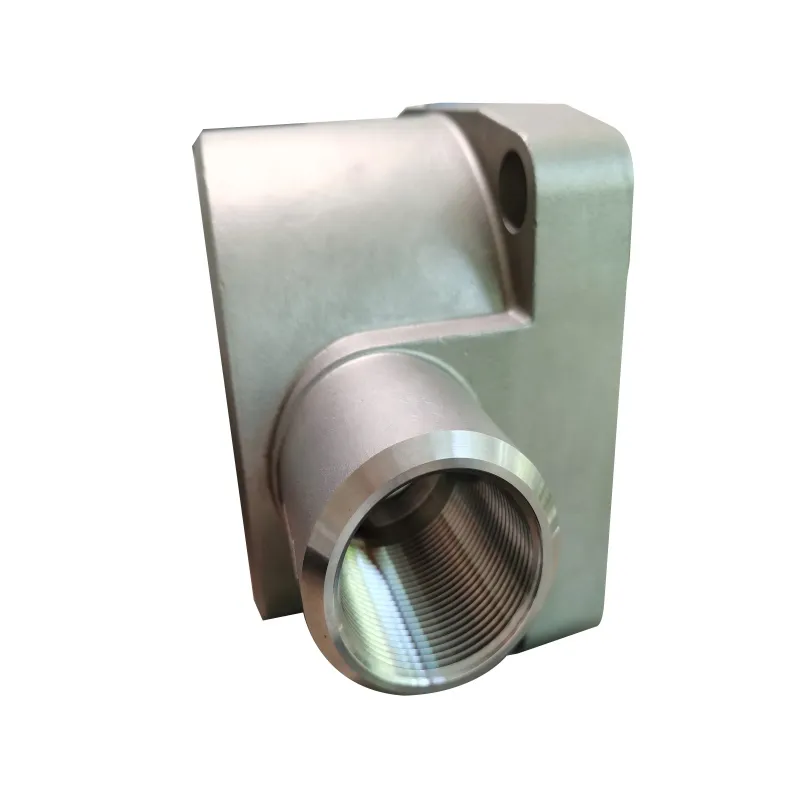
When you hear 'mining equipment parts', most minds jump straight to the big, obvious stuff: buckets, teeth, crusher jaws. That's the surface. The real game, the part that keeps a site running or grinds it to a halt, is often in the less glamorous components. The pins and bushings on a shovel's linkage, the valve blocks in a hydraulic system, the custom adapter plates that nobody stocks. I've seen too many operations focus on the headline wear parts and then lose a week of production because a seemingly minor mining equipment parts casting failed. It's not just about hardness or tensile strength on paper; it's about how that part behaves after six months in abrasive dust, constant impact, and thermal cycling. The spec sheet is the starting line, not the finish.
The Material Misconception
A common trap is over-specifying material. Someone reads 'high abrasion resistance' and immediately calls for T1 steel or a high-chrome iron. That's fine, sometimes necessary, but it's also expensive and can be overkill. More importantly, the wrong heat treatment on that premium alloy can make it more brittle than a cheaper, properly treated alternative. I recall a case with dragline chain links. The client insisted on a specific high-grade alloy steel. The parts met every chemical and mechanical spec on the certs, but they started cracking at the weld points in the field. The issue? The material's hardenability was too high for the section thickness and the in-field repair conditions. A lower-grade, more forgiving steel with a tailored quenching process would have lasted longer. The lesson was that material science isn't just about the lab report; it's about the entire lifecycle, including maintenance and repair.
This is where the foundry's experience becomes critical. A shop that just pours metal to a drawing is a commodity vendor. The real partner is one that asks questions. What's the failure mode of the current part? Is it abrasive wear, impact fracture, or fatigue? What's the operating temperature range? I've worked with suppliers who get this. For instance, Qingdao Qiangsenyuan Technology Co., Ltd. (QSY) has been in casting and machining for decades. When you discuss a mining equipment parts project with them, the conversation quickly moves past the drawing to the application. Their long history with shell and investment casting for industrial machinery means they've seen how different alloys behave under stress over time. They might suggest a tweak—like a slightly different nickel content in a stainless mix for better corrosion-fatigue resistance in a slurry pump component—based on similar past projects. That's the value of 30 years in the trench.
It's also about knowing when to switch processes. A complex, thin-walled impeller for a mine dewatering pump might be a nightmare for sand casting but perfectly suited for their investment casting process, yielding a near-net-shape part with far better surface finish and dimensional consistency, reducing the downstream machining cost on expensive stainless. That decision point, choosing the right manufacturing path, is a subtle but major cost and performance driver.
Precision Where You Least Expect It
There's a perception that mining gear is all about brute force, so tolerances can be loose. Nothing could be further from the truth for certain components. Take the hydraulic manifold for a roof bolter. The internal passageways, the sealing surfaces, the thread engagement—if these aren't machined with precision, you get leaks, pressure drops, and system failure underground. That's a safety issue, not just a downtime one. CNC machining isn't a luxury here; it's a necessity.
We had a project for custom hydraulic valve blocks for continuous miners. The blueprint called for deep, cross-drilled holes with specific surface finishes. A minor misalignment or a poor finish would cause cavitation and rapid erosion. It required a machining partner who understood not just how to run a CNC, but how to plan the tool paths, select the right coolants, and hold tolerances over a batch of several hundred pieces. It's the difference between a part that functions and one that's reliable. Companies that integrate casting and CNC machining, like QSY, have an advantage here. They can cast a near-net-shape valve body in a suitable grade of ductile iron or steel, and then finish it on their own CNC lines. This controls the entire quality chain, from the melt to the final deburring, ensuring the critical sealing surfaces are perfect.
The special alloys they mention—cobalt-based, nickel-based—are a perfect example. These are often used for extreme wear or high-temperature spots, like slurry pump wear plates or turbine blades in auxiliary power units. Machining these is a beast. They work-harden quickly, they're tough on tools. Having the machining capability in-house means the foundry and machine shop are talking the same language, optimizing the casting design for machinability from the start, which saves a huge amount of cost and grief later.
The On-Site Reality Check
All the perfect engineering and manufacturing can still run into the brick wall of reality on a mine site. Logistics and lead time are parts of the mining equipment parts equation. You can have the world's best-designed crawler shoe, but if it's sitting in a port for three weeks, the haul truck isn't moving. I've been involved in projects where we designed a perfect replacement part, only to find the installation required a special tool the maintenance crew didn't have, or the part was 50kg too heavy for their on-site crane. Now, we always try to get a maintenance manual or at least talk to the head mechanic before finalizing a design.
Another reality is the repair and rebuild cycle. Many parts aren't replaced with new; they're rebuilt. A good design considers this. Can the worn surface be built up with hardfacing? Are there features that make alignment during re-assembly foolproof? Sometimes, the most valuable part isn't the OEM piece, but a slightly redesigned aftermarket version that addresses a known failure point or simplifies field service. This is where close collaboration with the end-user and a flexible manufacturer pays off.
I remember sourcing a replacement for a large, obsolete gear case for an old crusher. The OEM didn't make it anymore. We had to reverse-engineer it from a worn-out sample. The casting was complex, with internal ribs and coolant channels. We went with a shell mold casting process for better dimensional accuracy and surface detail reproduction. The partner foundry (it was a company with a profile similar to QSY, focused on precision casting and machining) was crucial. They helped identify areas where we could add a little extra material in non-critical zones to strengthen the part based on observed stress patterns from the old one. The final part outlasted the original. That's the kind of practical, applied knowledge you only get from decades in the business.
Failure as a Data Point
You learn more from a broken part than from one that's working. Every failure is a story. A fractured surface tells you about load direction, stress concentration, and material integrity. Severe abrasive wear in one specific spot tells you about material flow or alignment issues. I keep a small gallery of failed parts in my office. There's a sheared pivot pin that taught us about unaccounted-for side loading. There's a pump volute with a classic erosion pattern that pointed to a design flaw in the original's internal geometry.
When you work with a manufacturing partner, their willingness and ability to participate in this forensic analysis is key. Sending a failed part back to them and having their metallurgist section it, analyze it, and propose a modified material or heat treatment is invaluable. It turns a reactive replacement into a proactive upgrade. This iterative, problem-solving loop is what separates part suppliers from engineering partners. It moves the conversation from make this drawing to solve this problem.
This mindset is essential for the special alloy components. A nickel-based alloy part failing from thermal fatigue looks different from one failing from chloride stress corrosion cracking. Diagnosing that correctly dictates the next step—whether it's a change in alloy composition, a modified coating, or an operational change. It's deep, nitty-gritty work, but it's how you achieve real reliability gains.
The Supply Chain is a Machine, Too
Finally, you have to view the supply of mining equipment parts as a system. It's not a series of discrete purchases. Consistency is king. You need batch-to-batch uniformity in material properties, dimensions, and performance. A haul truck wheel hub that's perfect in batch one can't be marginally different in batch two; it throws off the maintenance schedule and inventory management.
This requires robust quality systems at the manufacturer, but also transparency. Certifications (MTRs) are a baseline. But sometimes, you need more—witnessing a destructive test on a sample from a heat, reviewing SPC data from the machining center. For long-term projects, it's about building a relationship with a manufacturer who has the stability and technical depth to be a consistent node in your supply chain. A company that's been operating for over 30 years, like QSY, inherently brings that stability. They've likely seen raw material markets fluctuate, technology change, and client needs evolve. That institutional memory is a form of risk mitigation.
In the end, it circles back. The best mining equipment parts aren't just pieces of metal. They are embodied solutions to specific, harsh problems. They are the product of correct material science, appropriate manufacturing process choice, precision execution, field-aware design, and a continuous learning loop from failure. The supplier relationship is a technical partnership. The goal is always the same: to keep the machine running, predictably and efficiently, one reliable component at a time.