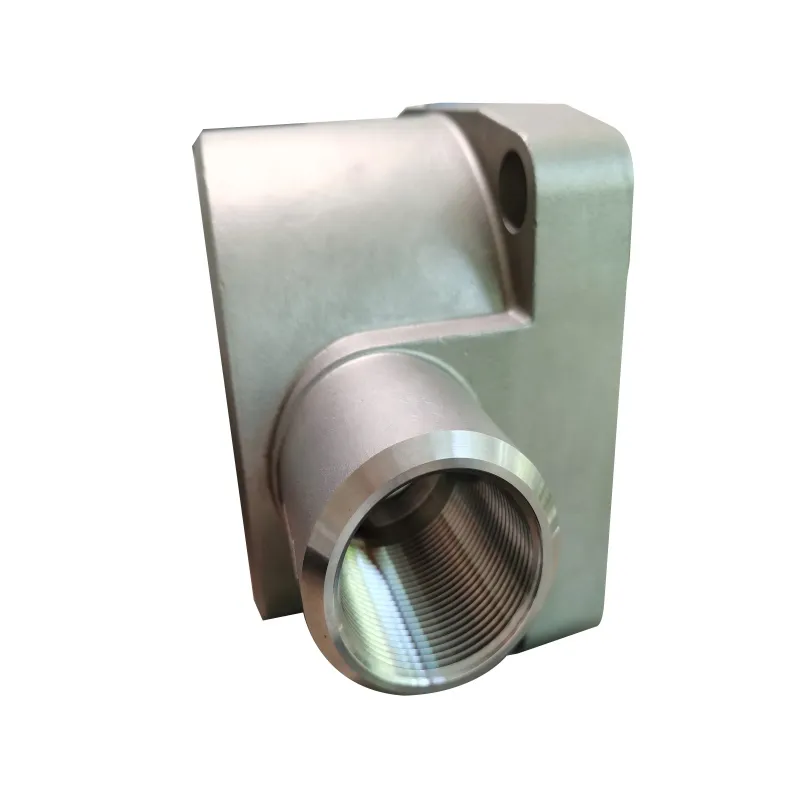
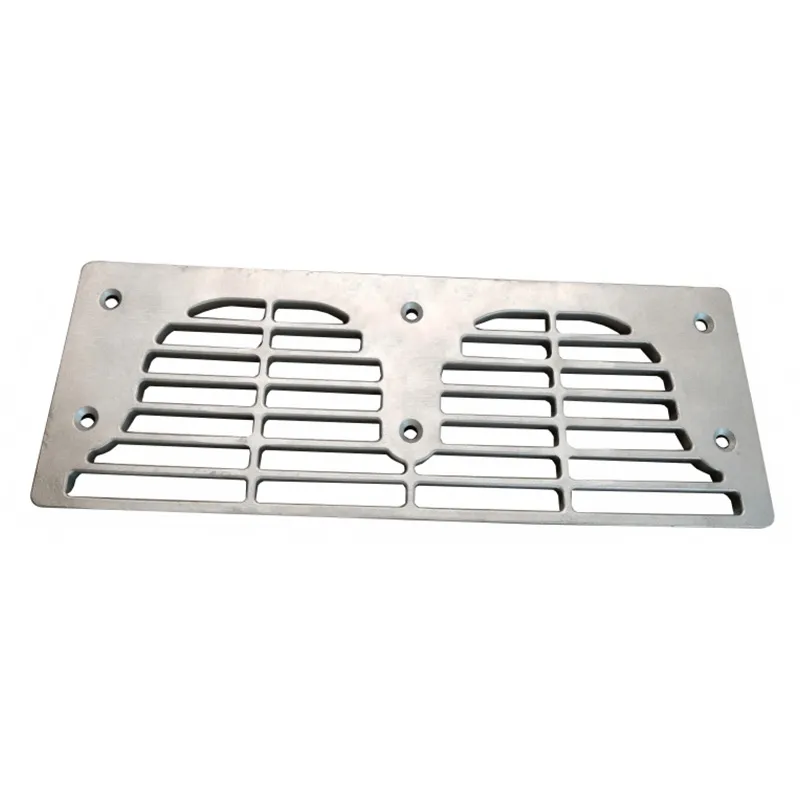
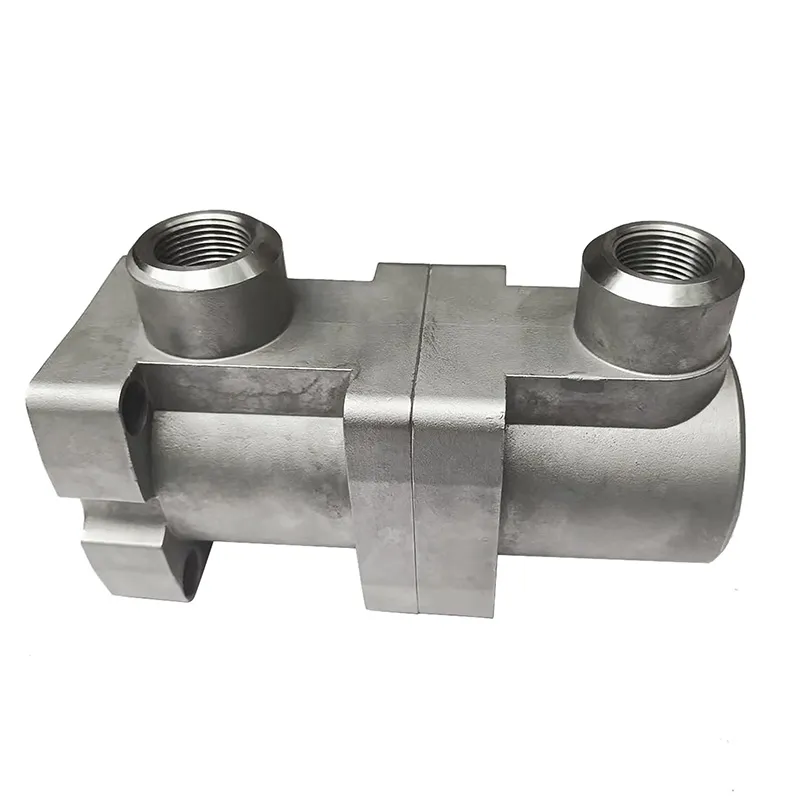
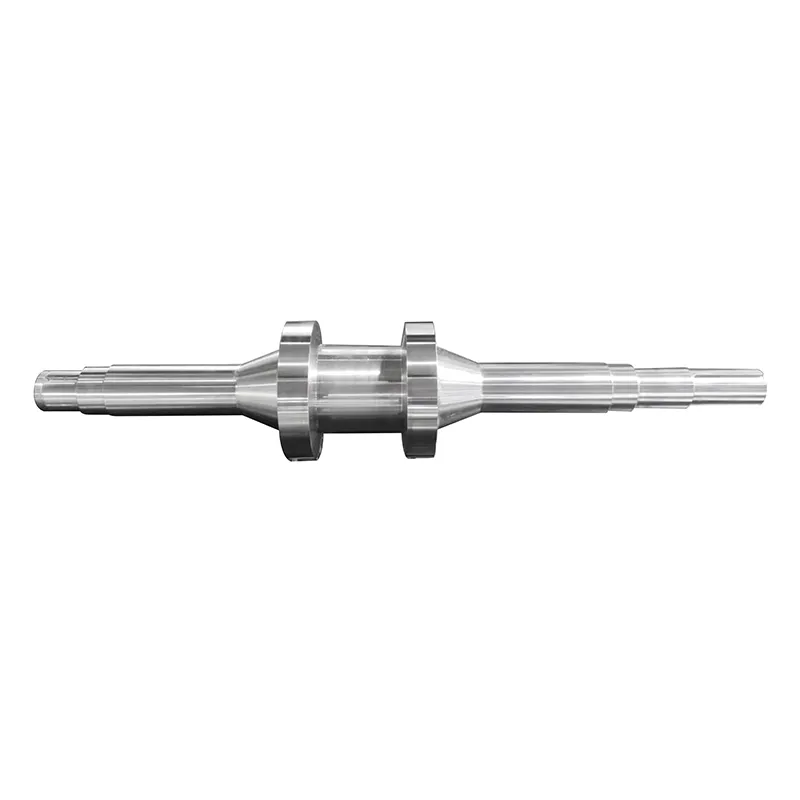
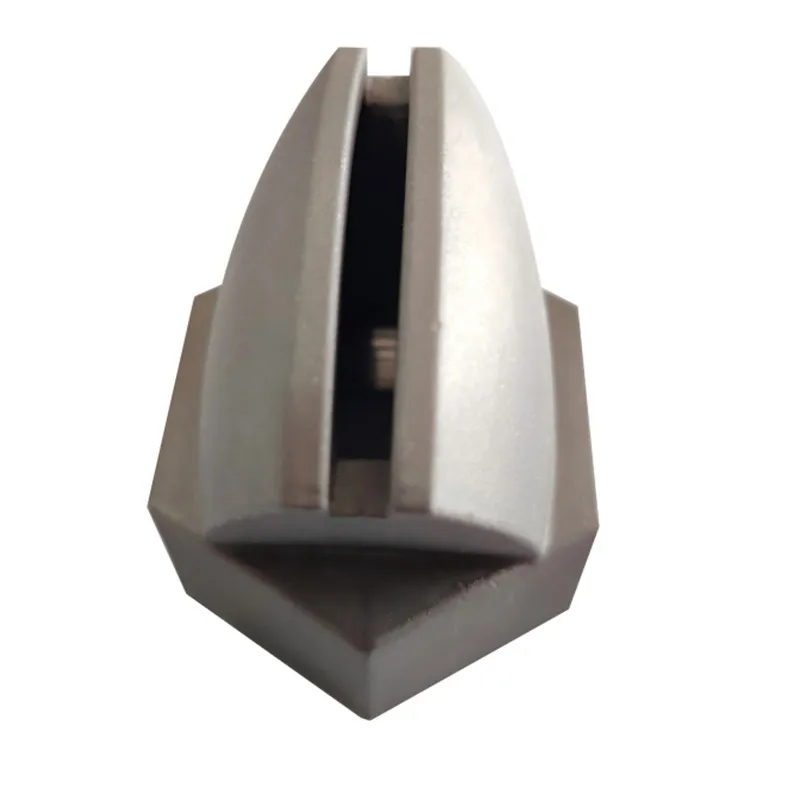
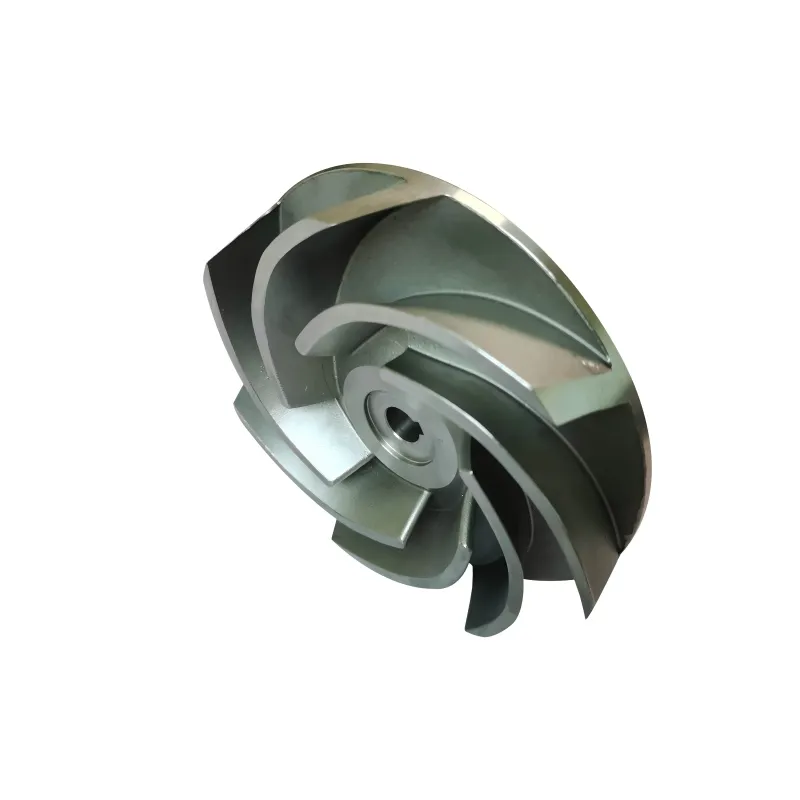
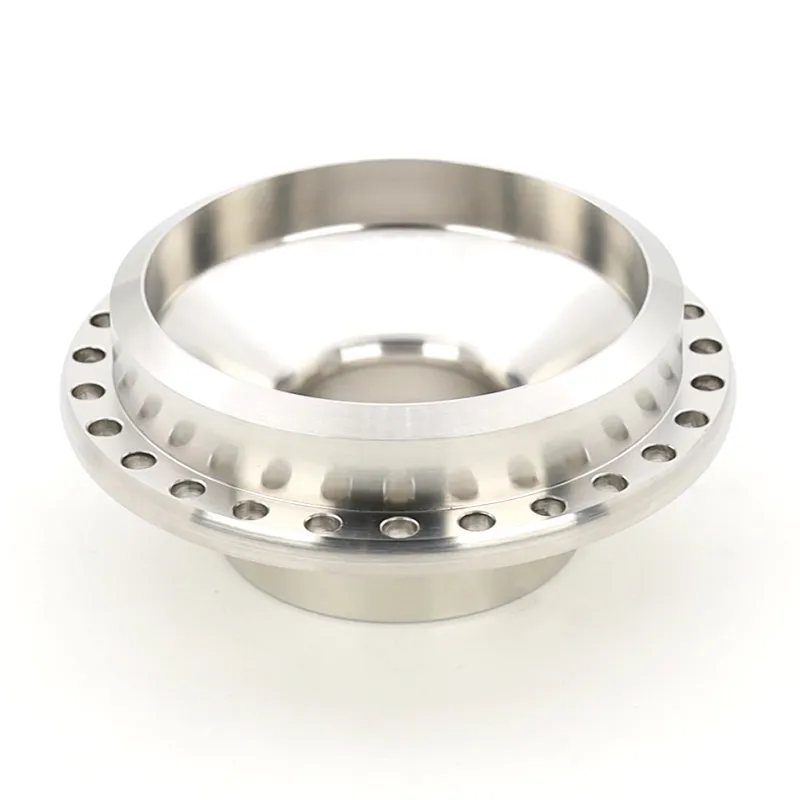
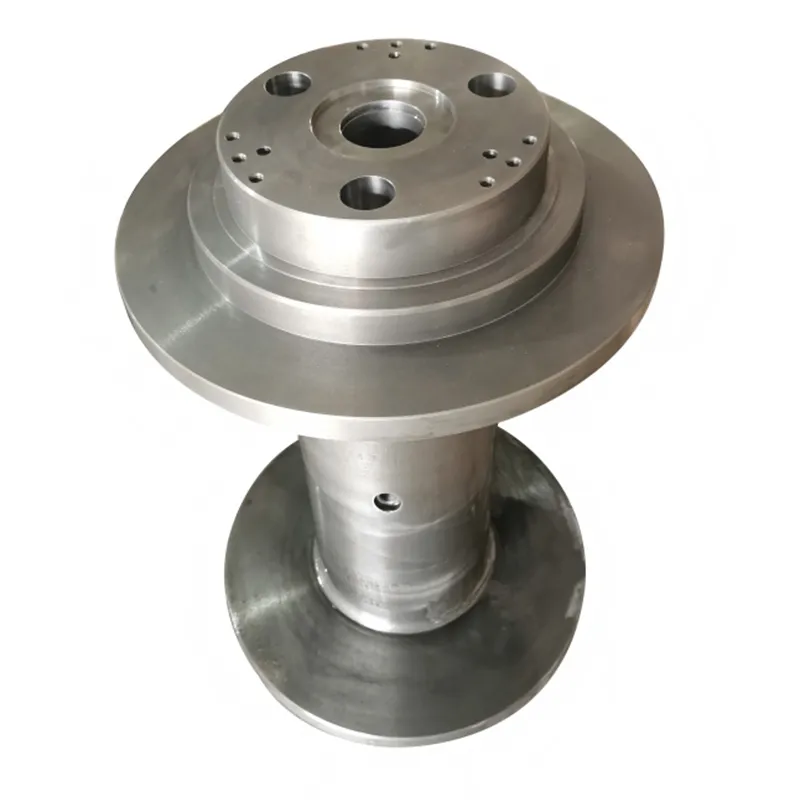
You hear 'Monel 400' and the first thing that comes to mind is seawater, valves, pump shafts. It's the go-to for saltwater corrosion, right? That's true, but it's also where a lot of assumptions start. People spec it in because it's famous, not always because it's optimal. I've seen it used where a duplex stainless might have been cheaper and performed just as well. The real nuance with this alloy isn't just its composition—about 67% Ni, 23% Cu—it's understanding where its specific combination of strength, weldability, and non-magnetic properties actually pays the bills, and where it's just an expensive habit.
The Foundry Floor Reality
Casting Monel 400 isn't like pouring carbon steel. Not even close. The first thing you notice is the heat—it pours at a lower temperature than steel, but the metal seems 'sluggish.' It doesn't flow with the same eager rush. In shell mold casting, which we use heavily at Qingdao Qiangsenyuan Technology Co., Ltd. (QSY), getting that fill right without cold shuts or mist runs requires adjusting the gating system. You can't just copy the design from a 316 stainless job. The alloy's high nickel content means it's prone to gas absorption too, so the mold atmosphere and deoxidation practice are critical. A slight lapse and you get porous castings that might pass a visual but fail under pressure.
Then there's the feeding. The solidification shrinkage is significant. We learned early on that using the same riser size as for a comparable carbon steel casting was a recipe for shrinkage cavities in the thick sections. It took a few failed pours, cutting up scrap pieces to see the internal voids, to dial in the right riser dimensions and placement. It's this kind of hands-on, almost trial-and-error data that you don't get from a spec sheet. The 30-plus years in casting at QSY means we've built a library of these parameters for different geometries, which is the only way to guarantee soundness consistently.
Post-casting, the surface scale is tenacious. A black, adherent oxide layer forms. You can't just blast it off with standard shot; it needs a more aggressive grit blasting or sometimes even an acid pickle to reveal the characteristic dull gray-white surface of the underlying sound metal. Missing this step before machining leads to rapid tool wear. It's a small detail, but skipping it turns a profitable job into a loss-maker.
Machining: Where Theory Meets the Tool Bit
If you think machining stainless is tough, Monel 400 will humble you. It's not the hardness—it's work hardening. The material seems to fight back. You take a cut, and the area just behind the cutting edge hardens immediately. Go in for another pass with the same depth? You'll hear the tool complaining, if it doesn't chip outright.
The trick is sharp tools, positive rake, and no dwelling. You have to keep the cut continuous and deep enough to get under the work-hardened layer from the previous pass. We run it slower than steel, with heavier, controlled feeds. Coolant is non-negotiable, and not just for cooling—it helps with chip breaking. The chips come off stringy and tough, like silvery bird nests that can jam everything up if not managed. Using high-pressure coolant to break and evacuate chips is a standard practice on our CNC setups.
Drilling and tapping are their own special challenge. Peck drilling is essential to clear chips and prevent seizure. For tapping, we oversize the hole more than the standard chart suggests and use premium, coated taps. Even then, tap breakage isn't uncommon on deep holes. The cost of a broken tap in a nearly finished Monel part is painful—sometimes it's cheaper to scrap the part than to try and EDM out the broken tool. It forces you to plan the sequence meticulously, putting risky operations early on.
The Welding Paradox
Monel 400 is described as readily weldable, and metallurgically, that's true. But 'readily' doesn't mean 'easily.' It means you can get a sound joint without preheat or post-weld heat treatment, which is a huge advantage. But the devil is in the technique.
Its high copper content is the main actor here. Copper has high thermal conductivity, so the heat from the arc dissipates quickly. This can lead to lack of fusion if you're not careful—the puddle seems to freeze faster than you expect. You need to maintain a tight arc and maybe a slightly higher amperage than for stainless. But crank it too high, and you increase the risk of hot cracking, especially in restrained joints.
Filler metal choice is another judgment call. Often, you'd use Monel 400 filler (ERNiCu-7). But for dissimilar joints, say to carbon steel, you might go for a nickel-based filler like ENi-1 to dilute the iron migration and prevent a brittle zone. I recall a job for a seawater manifold where the Monel flange was welded to a carbon steel pipe. The first attempt used Monel filler, and the HAZ on the steel side developed micro-cracks after a few thermal cycles. Switched to ENi-1, problem solved. It's these interstitial details that define a successful fabrication.
Post-weld, the color of the oxide can tell you a lot. A straw to brown tint is usually fine. A blue or grey scale means you were too hot, and you might have compromised the corrosion resistance in that zone, requiring a light grinding pass to clean it up.
Application Pitfalls and Misconceptions
Its fame in marine applications is deserved, but it's not a universal superhero. I've seen it specified for hot, concentrated sulfuric acid service because someone saw 'corrosion-resistant nickel alloy.' That's a disaster. Monel 400 has poor resistance to oxidizing acids and salts. In sulfuric acid, it's okay under deaerated, dilute, low-temperature conditions, but throw in some air or heat, and it corrodes rapidly. For that, you'd be looking at Hastelloy B or C.
Another common oversight is galvanic corrosion. Bolt a massive Monel 400 flange to a stainless steel pipe in seawater. The Monel is more noble. It becomes the cathode, and the stainless, the anode, corrodes faster. You need insulating gaskets and sleeves. It seems obvious, but in the rush to get a 'corrosion-resistant' system built, these isolation details are often the first to be value-engineered out, leading to premature failures that get blamed on the material.
Then there's stress corrosion cracking (SCC). In marine environments, it's generally resistant, which is a key selling point. But expose it to moist hydrofluoric acid vapors or hot, concentrated alkalis, and SCC becomes a real threat. We supplied some Monel 400 valve bodies to a chemical plant, and they failed within a year in a hot caustic washdown area. The client was furious, but the spec sheet they relied on only highlighted the marine successes. The post-mortem showed classic transgranular SCC. The fix was switching to Nickel 200 for that specific service. It underscored that material selection is never about a single property; it's a system of service conditions.
Sourcing and the Practical Supply Chain
Getting reliable Monel 400 stock, especially in complex cast forms, isn't like ordering 304 plate. The melt chemistry control is paramount. Trace elements like sulfur and lead, which are tolerable in some steels, are catastrophic here, causing hot shortness during casting or welding. You need a supplier whose foundry has a proven track record with nickel-copper alloys.
This is where a partner like QSY makes a difference. With our focus on special alloys, we don't just pour whatever comes in. We source primary-grade nickel and copper, and the melt is backed by spectrometry for every heat. The certification pack isn't an afterthought; it's the proof of chemistry that allows the part to perform as intended. For a fabricator or OEM, this traceability is insurance. You can find the technical details and material certifications for our processes on our site at https://www.tsingtaocnc.com.
Lead times are another reality. It's not a warehouse alloy for most shapes. For a custom pump casing or a large valve body, you're looking at a production cycle that includes pattern making, molding, pouring, heat treatment (typically stress relieving), and extensive NDE. Rushing it increases risk exponentially. I've had clients demand a 4-week delivery on a complex sand-cast component. The only way to hit that is to have a perfect pattern on the shelf and skip necessary quality steps, which we won't do. Managing those expectations is part of the job.
Cost, of course, is the final gatekeeper. You use Monel 400 where its total lifecycle cost justifies the premium. It's rarely the cheapest option on the drawing board. But when you calculate the cost of a shutdown to replace a corroded carbon steel part in a critical seawater cooling line, or the environmental risk of a leak, the math changes. The value isn't in the pound price of the alloy; it's in the decades of uneventful service it can provide when applied correctly.