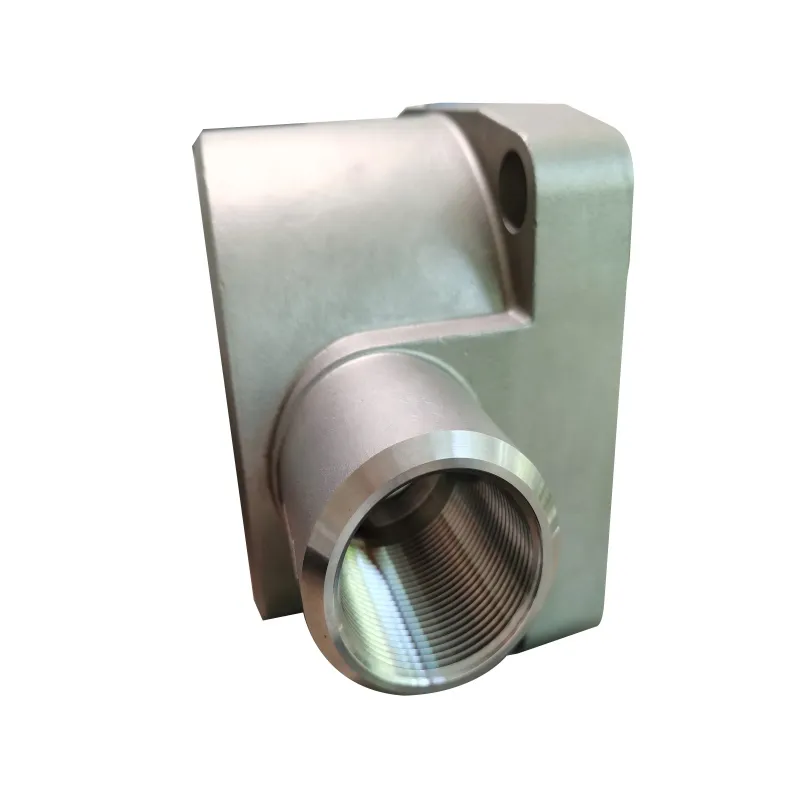
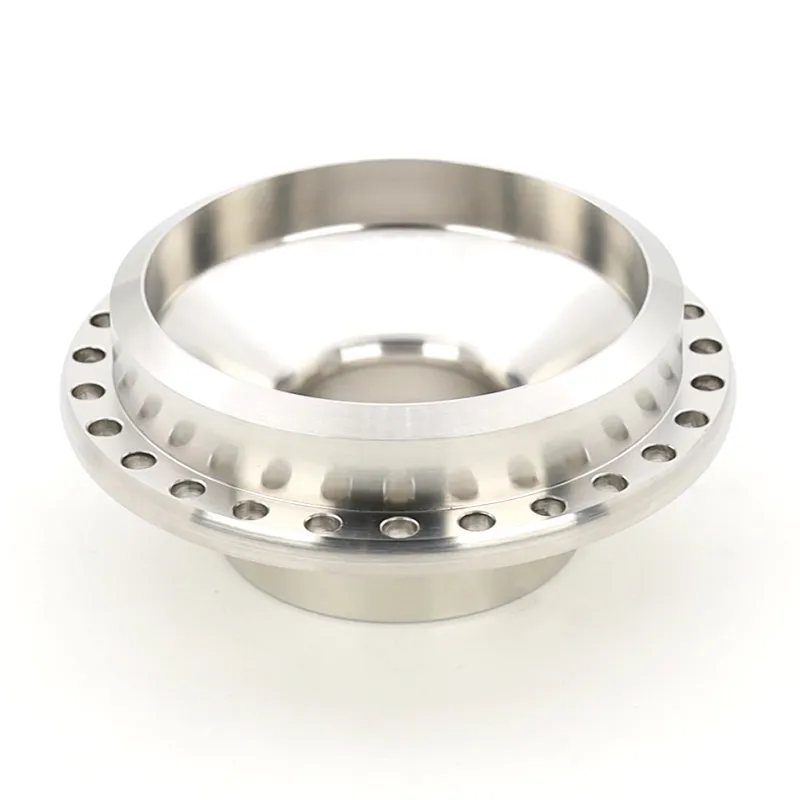
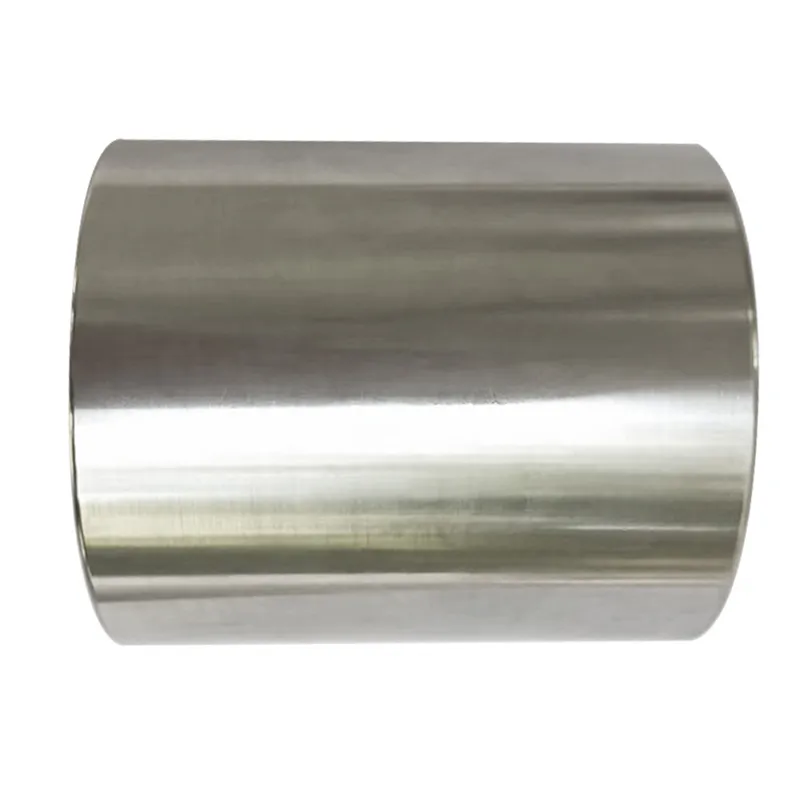
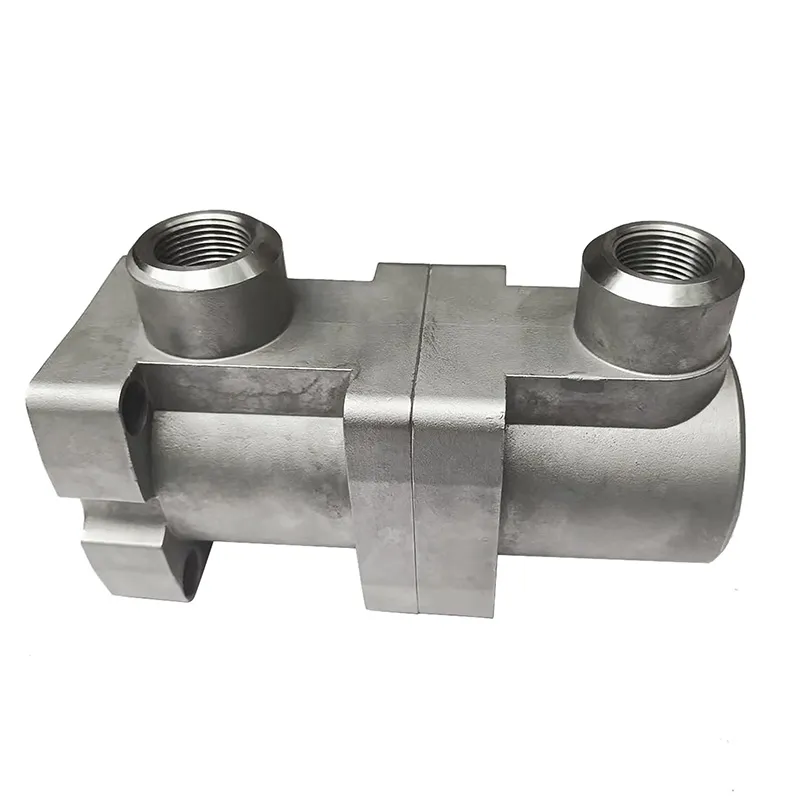
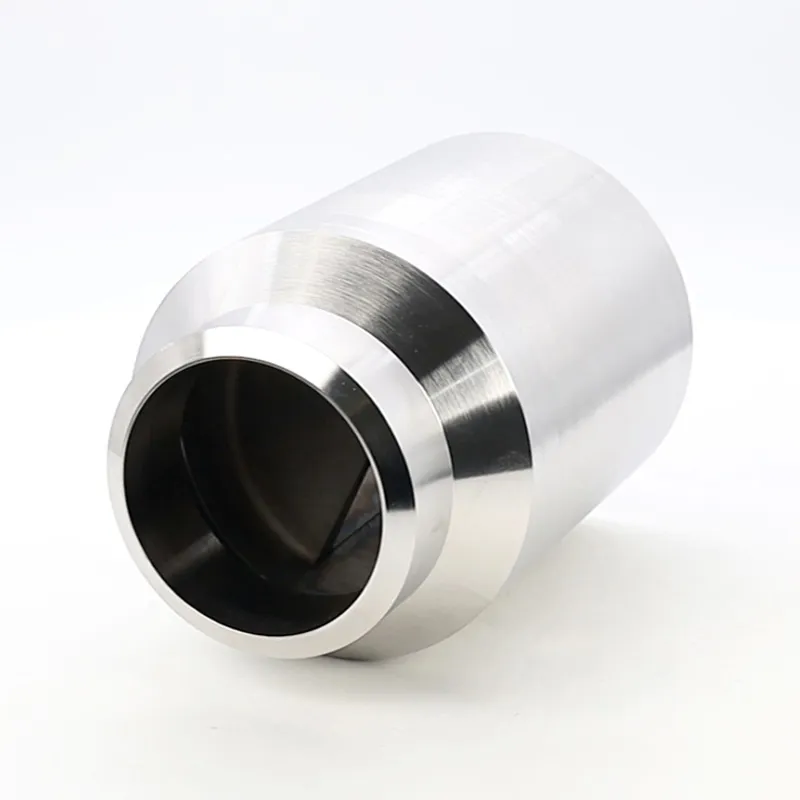
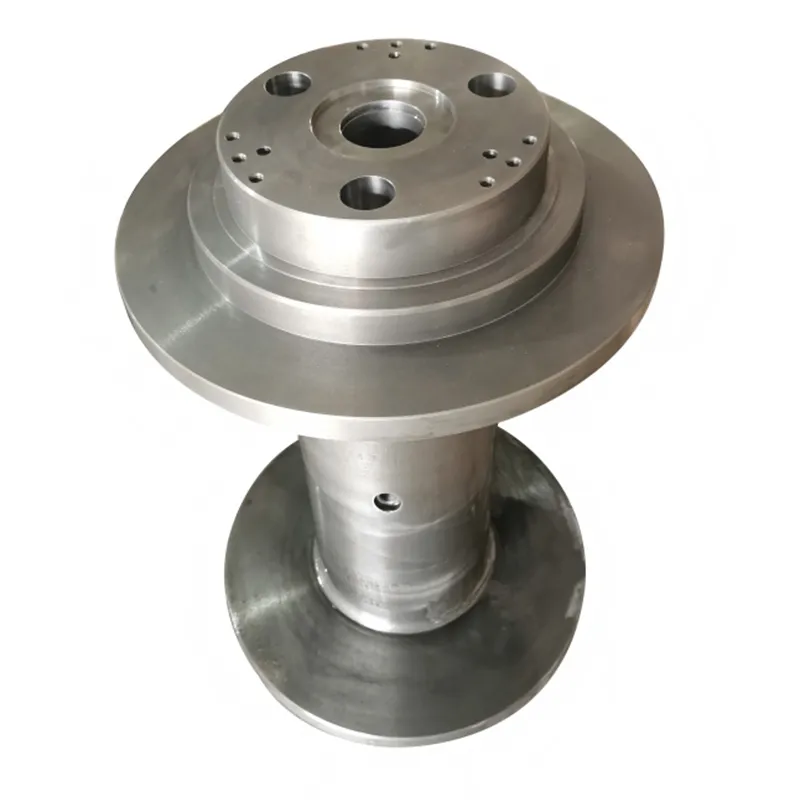
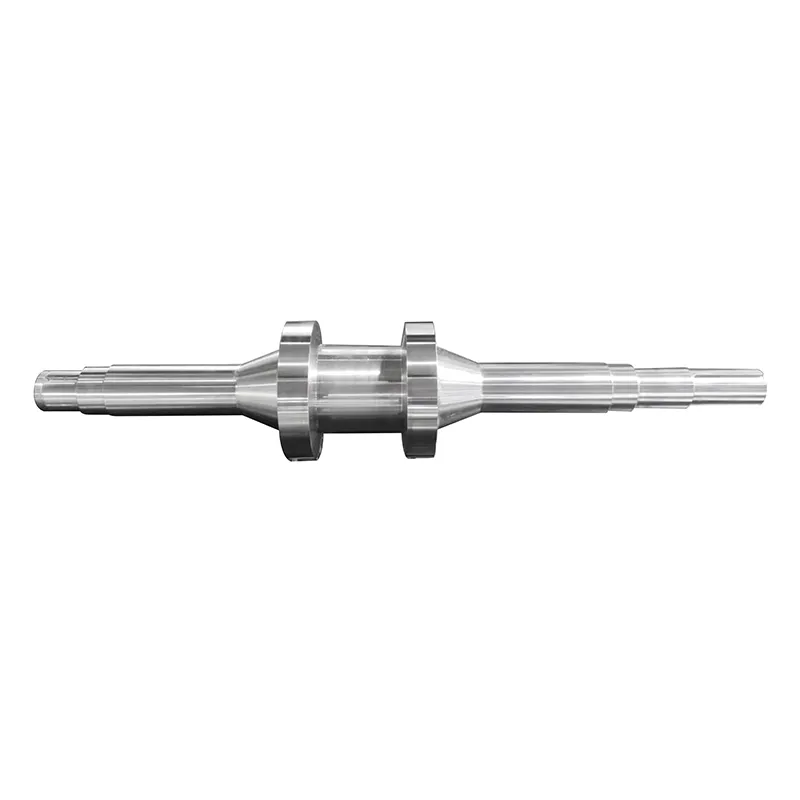
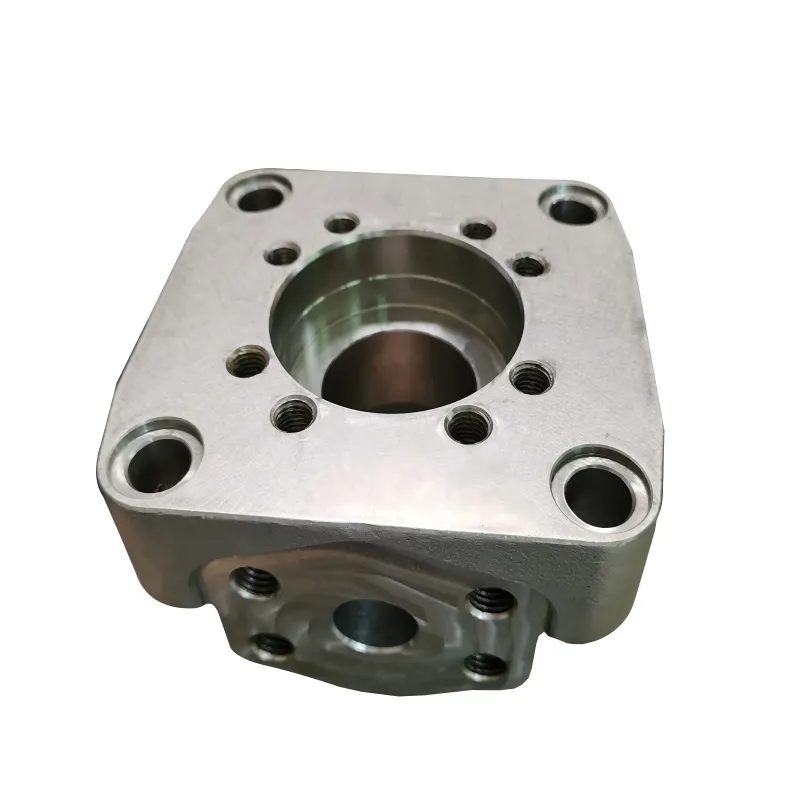
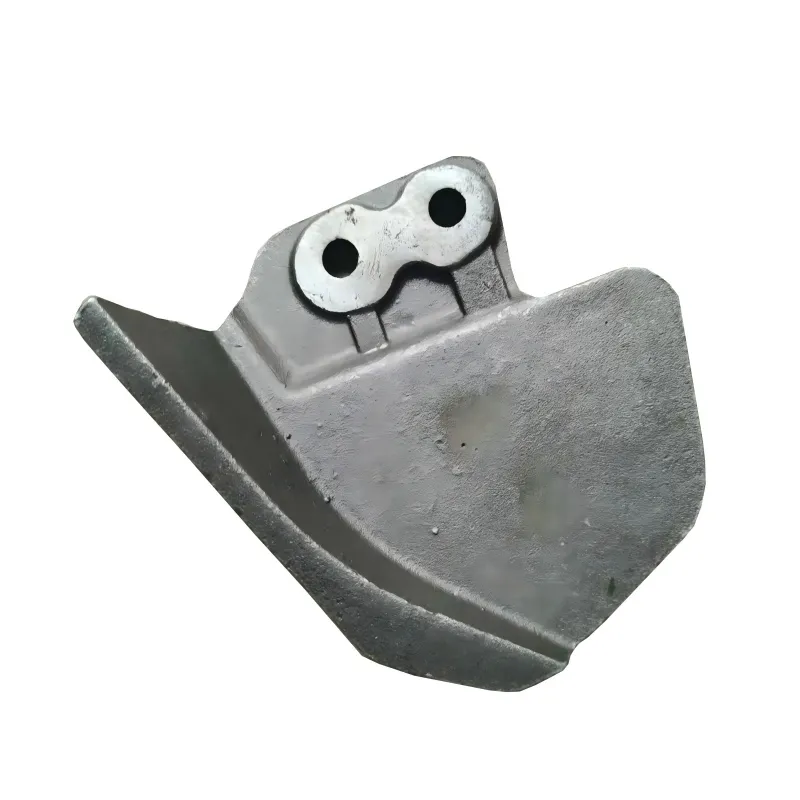
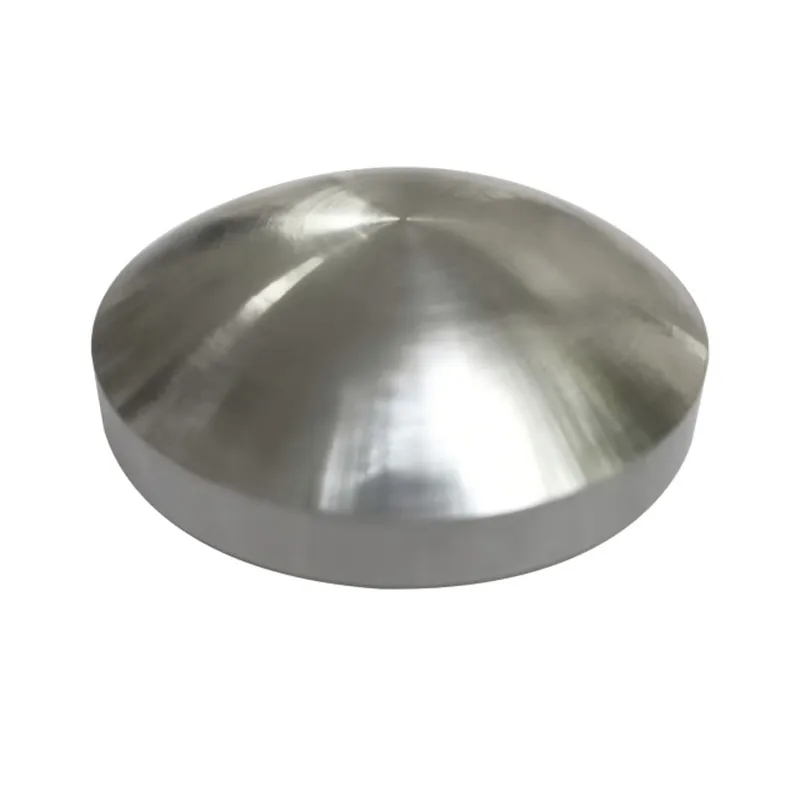
When you hear 'Monel alloy parts,' most procurement sheets just list the ASTM B164 UNS N04400 and move on. That's the first mistake. In reality, specifying Monel—whether it's 400, K-500, or the less common R-405—is just the starting line. The real challenge begins when you need a component that not only resists seawater corrosion or caustic attack but also holds a true position tolerance under load, or has a reliable fatigue life in a valve stem application. I've seen too many designs fail because the focus was solely on the material grade, not on how it transitions from a certified ingot to a finished, functioning part. The gap between the alloy's legendary reputation and the practical reality of manufacturing it is where projects are won or lost.
The Deceptive Simplicity of Corrosion Resistance
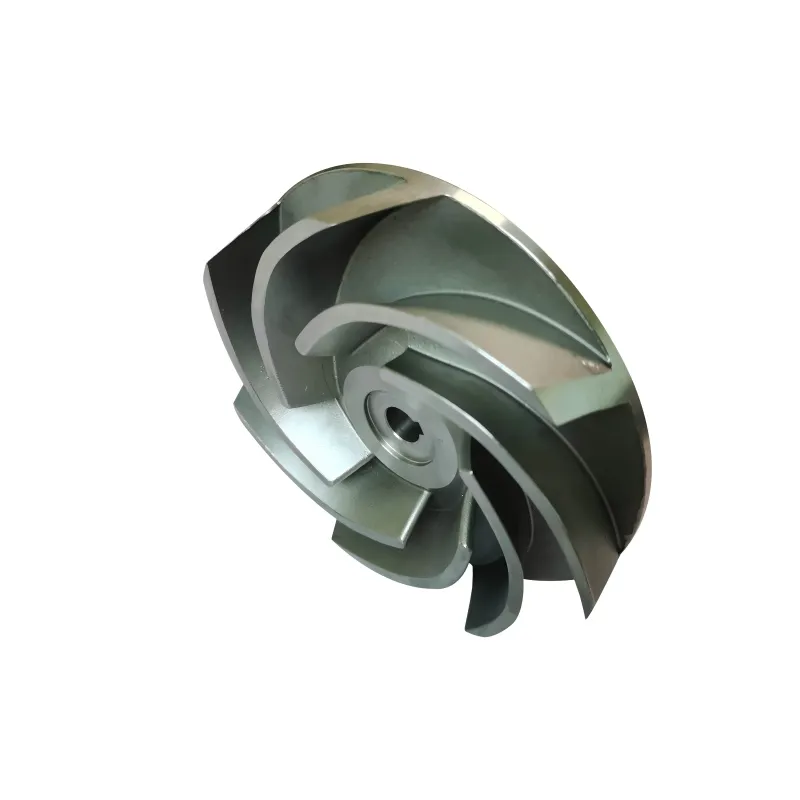
Everyone knows Monel is for corrosive environments. But corrosive is a dangerously broad term. We had a client in offshore oil & gas who needed impellers. They specified Monel 400 for seawater resistance, which was correct. The first batch passed all standard ASTM salt spray tests. Yet, they failed in the field within six months. The issue? The service wasn't just quiet, ambient seawater; it was seawater laden with abrasive sand particles, flowing at high velocity. The material resisted general corrosion beautifully, but we witnessed severe erosion-corrosion at specific leading edges. The lesson wasn't that Monel was wrong, but that its application needed a different approach—perhaps a harder grade like K-500 through aging, or a design change to alter flow dynamics. This is where a foundry's experience matters more than their brochure.
This ties into machining. Monel work-hardens. If your machining vendor treats it like 316 stainless, they're in for a world of hurt. Tools wear out three times faster if you don't get the feeds, speeds, and coolant just right. I recall a batch of Monel alloy valve bodies where the shop used a slightly incorrect insert geometry. The result wasn't immediate tool failure, but a subtle work-hardened layer on the sealing surface. It passed pressure tests initially, but under thermal cycling, micro-cracks initiated from that layer. The failure was subtle and costly. It’s these invisible process details that separate a functional part from a reliable one.
That's why partnering with a manufacturer who gets the full chain—from melt to machine—is non-negotiable. A company like Qingdao Qiangsenyuan Technology Co., Ltd. (QSY), with their three decades in casting and machining, typically has this ingrained knowledge. You can find their approach detailed at their site, https://www.tsingtaocnc.com. It's not just about having a CNC machine; it's about knowing that the machining parameters for a shell-molded Monel casting might need adjustment compared to one from an investment casting due to subtle differences in grain structure and surface scale.
Casting Method: The Unspoken Performance Driver
Choosing between shell mold and investment casting for Monel parts isn't just a cost exercise. For a simple, bulky pump housing, a well-designed shell mold casting from a reliable foundry is perfectly adequate and more economical. The integrity of the melt and the quality of the molding sand are critical. Any sulfur contamination in the sand will ruin the part's corrosion resistance at the surface.
However, for complex, thin-walled components like aerospace fuel system parts or intricate chemical reactor internals, investment casting is often the only viable path. The dimensional accuracy and surface finish are superior, reducing the amount of subsequent machining on this tough material. But here's the catch: Monel's high nickel content makes it prone to certain investment casting defects like micro-porosity if the pouring temperature and mold pre-heat aren't dialed in with extreme precision. A shop new to high-nickel alloys might produce a part that looks perfect but fails in X-ray inspection.
QSY's long-term operation in both shell mold casting and investment casting, as noted in their introduction, suggests they've likely navigated these pitfalls. This dual capability is a significant advantage. They can recommend the most technically and economically sensible process rather than pushing the one they only have. For a designer, this consultative input is invaluable during the DFM (Design for Manufacturability) stage.
The Machining Finish: Where Specs Meet Reality
CNC machining is where the theoretical properties of the alloy are finally validated. A Monel part can be perfectly cast and still be ruined on the machining floor. The first rule is absolute toolpath discipline. No dwelling, no interrupted cuts unless absolutely necessary. We always insisted on new, dedicated tooling for Monel jobs—no re-ground end mills from a carbon steel job.
Surface finish requirements are another critical point. A 32 Ra microinch finish might be specified for a sealing surface. Achieving that on Monel requires a meticulous multi-step process: roughing, semi-finishing, then finishing with a very sharp, positive-rake tool using high surface speed and low feed. Then, often, a final honing or polishing step. Skipping any stage or trying to take too much material in the finish pass will induce work hardening and leave a visually acceptable but functionally compromised surface.
Furthermore, stress relief after rough machining is a step many shops try to omit to save time. For high-integrity parts, especially in Monel K-500, this is a gamble. The residual stresses from aggressive roughing can distort the part during final machining or later in service. It's a classic cost vs. risk decision that a seasoned machinist will flag immediately.
Material Certification and Traceability: The Paper Trail
This is the boring, essential part. For commercial-grade applications, a standard MTR (Mill Test Report) might suffice. But for ASME, API, or military specs, you need full traceability. That means the certificate for the Monel alloy bar or ingot should follow the material through every step. A competent manufacturer like QSY, dealing in special alloys regularly, will have systems for this. You should be able to trace a finished flange back to the heat number of the original melt.
I've been involved in a failure analysis where the part chemistry was off-spec on copper content—it was at the very low end of the range. While technically within spec, it altered the phase stability slightly, reducing ductility in a specific thermal environment. Without full traceability, pinpointing the root cause as a material batch issue versus a manufacturing issue would have been impossible. Now, we always review the actual MTR numbers, not just the stamp.
Failed Attempts and Pragmatic Compromises
Not every Monel story is a success. Early on, we tried to push the limits with a monolithic, investment-cast Monel 400 assembly for a chemical mixer. The design was elegant, reducing multiple welded parts into one. It cast well, but during hydro-test, it cracked at a stress-concentrating internal corner we'd overlooked. The fix wasn't to change the material, but to go back to a two-part design joined with Monel-compatible weld wire. The weld procedure qualification alone took two weeks. The elegance of the design was sacrificed for reliability. Sometimes, the best application of a high-performance alloy is knowing when to segment the design to make it actually manufacturable and inspectable.
Another common compromise is on tolerances. Designers often call out machining tolerances fit for a precision ground steel shaft on all features of a Monel part. This can triple the machining time and cost due to the need for multiple, delicate finishing passes. The practical approach is to identify the critical functional features—the sealing diameters, the mating faces—and apply tight tolerances there. For non-critical envelope dimensions, opening up the tolerance to a more reasonable level for casting and rough machining can cut cost by 30% or more with no performance loss. It's a conversation that needs to happen early.
Conclusion: It's a Process, Not a Purchase
Ultimately, sourcing reliable Monel alloy parts is about engaging with the manufacturing process, not just issuing a PO. It starts with a technically honest conversation with your supplier about the actual service environment, not just the material spec. It involves reviewing their process plan for casting and machining, and understanding their quality gates. Companies that have weathered the learning curve, like QSY with its 30-year history, offer a reservoir of tacit knowledge that isn't on any data sheet. They've probably seen the erosion-corrosion failure, battled the work-hardening, and refined their investment casting parameters through trial and error. The goal is to leverage that experience, so your component isn't the site of their next learning experience, but a testament to the lessons they've already learned. The part that arrives on your dock should feel like the inevitable, reliable result of that deep-seated process knowledge.