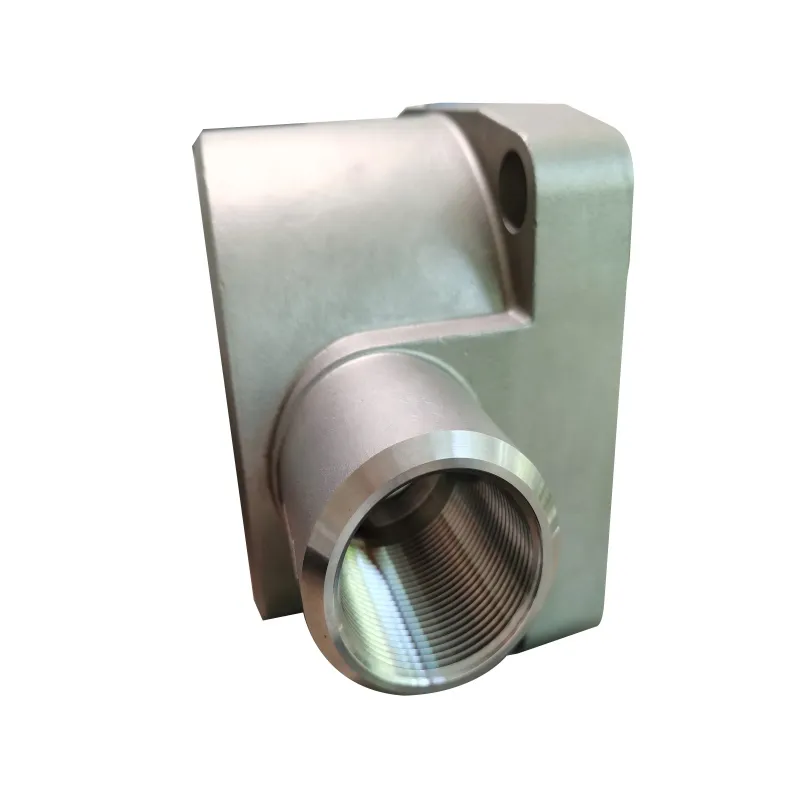
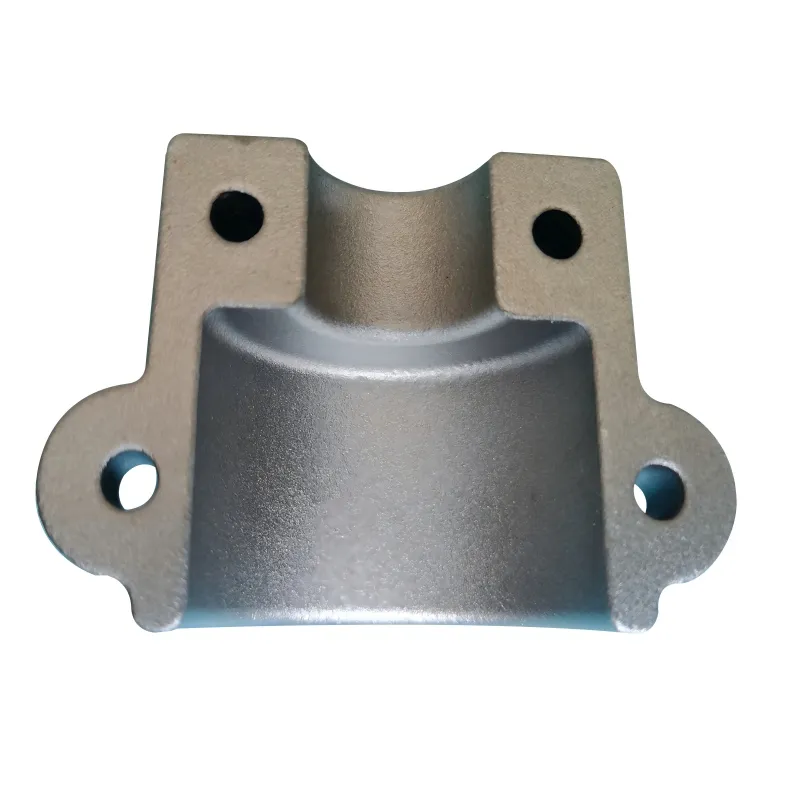
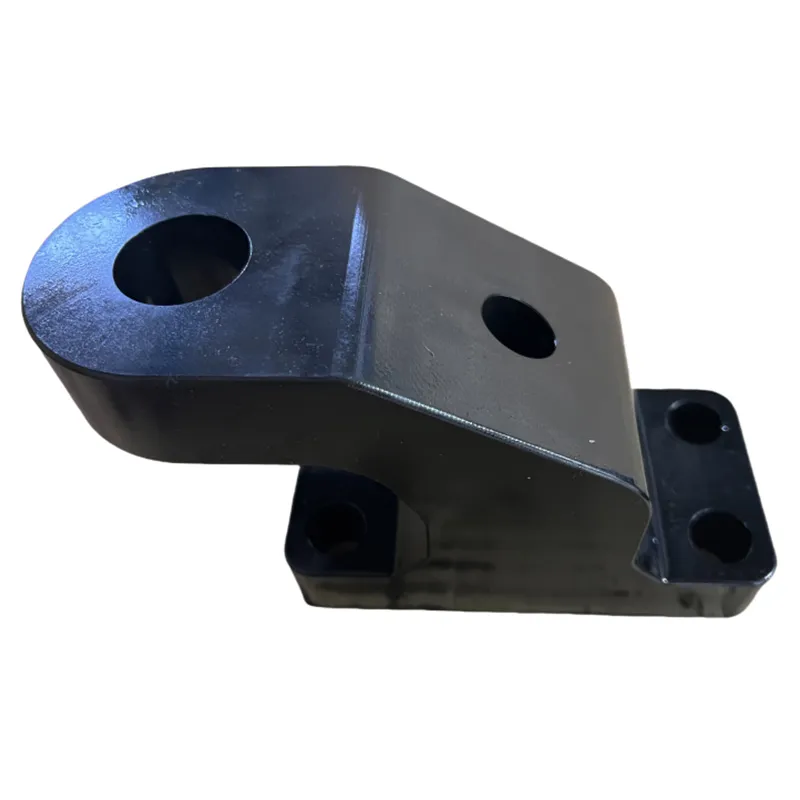
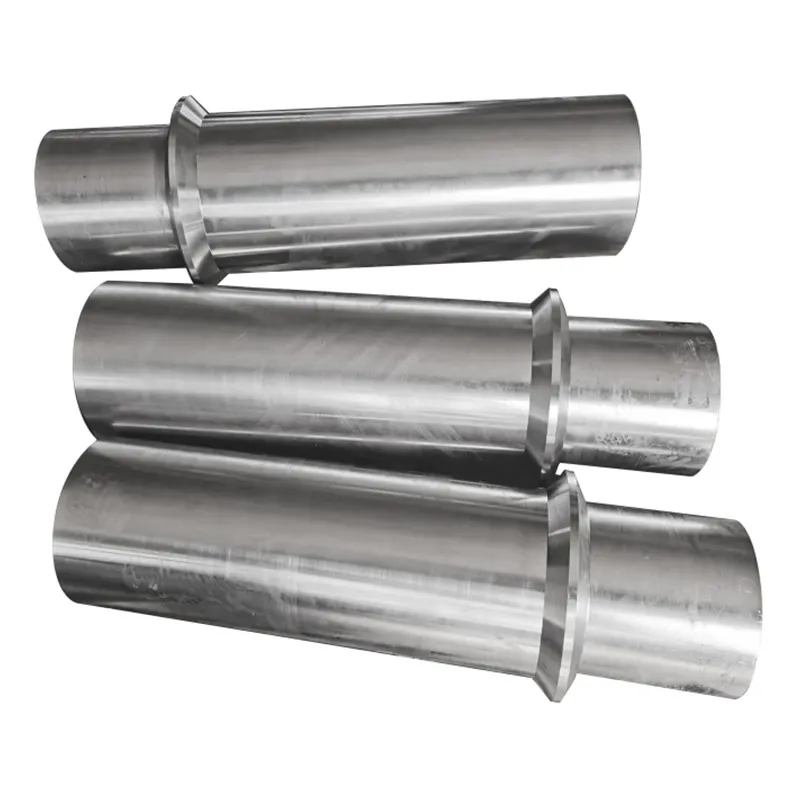
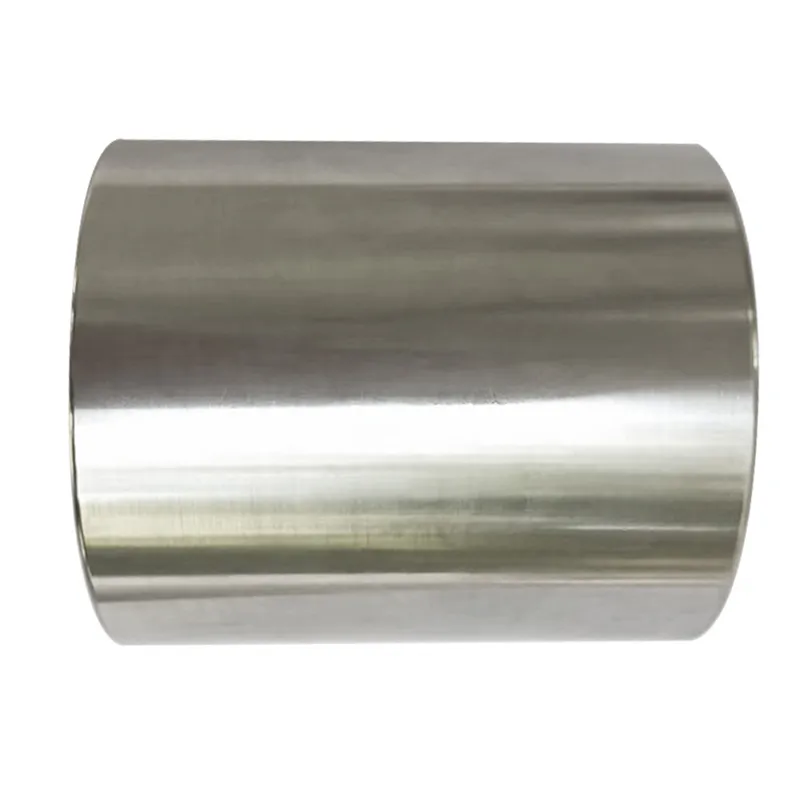
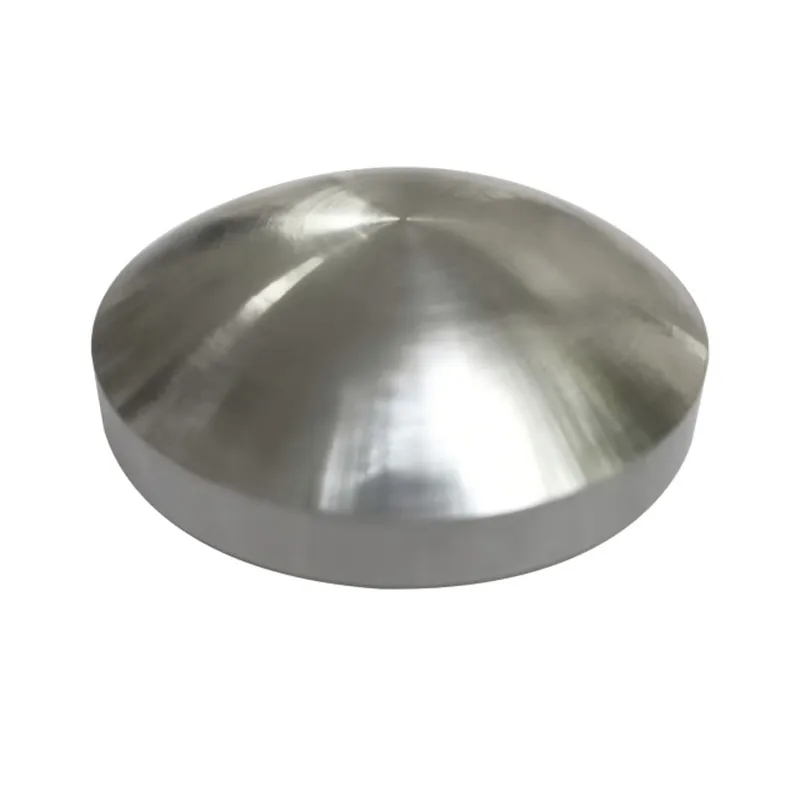
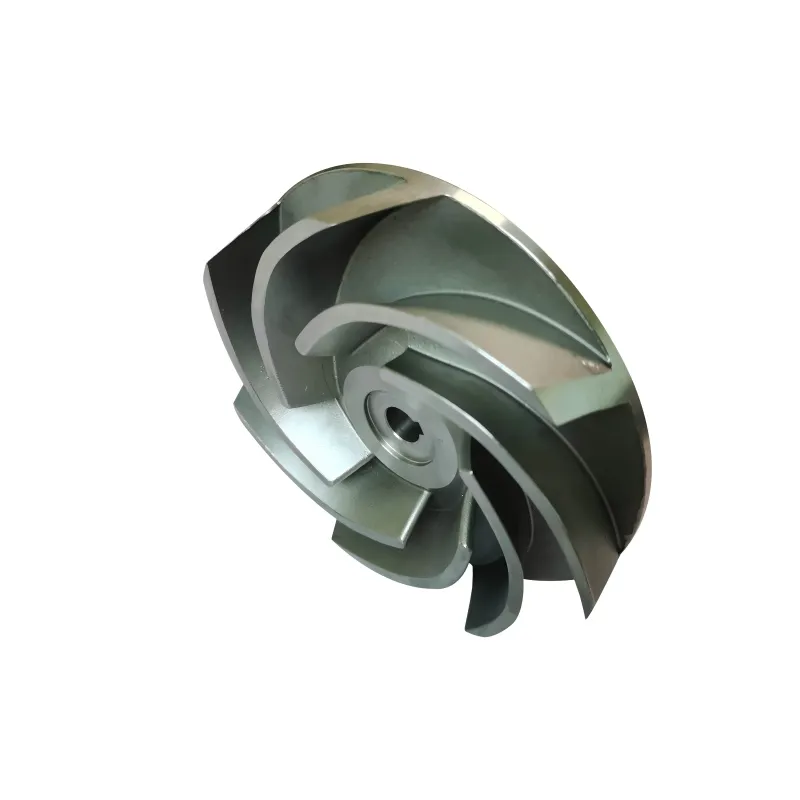
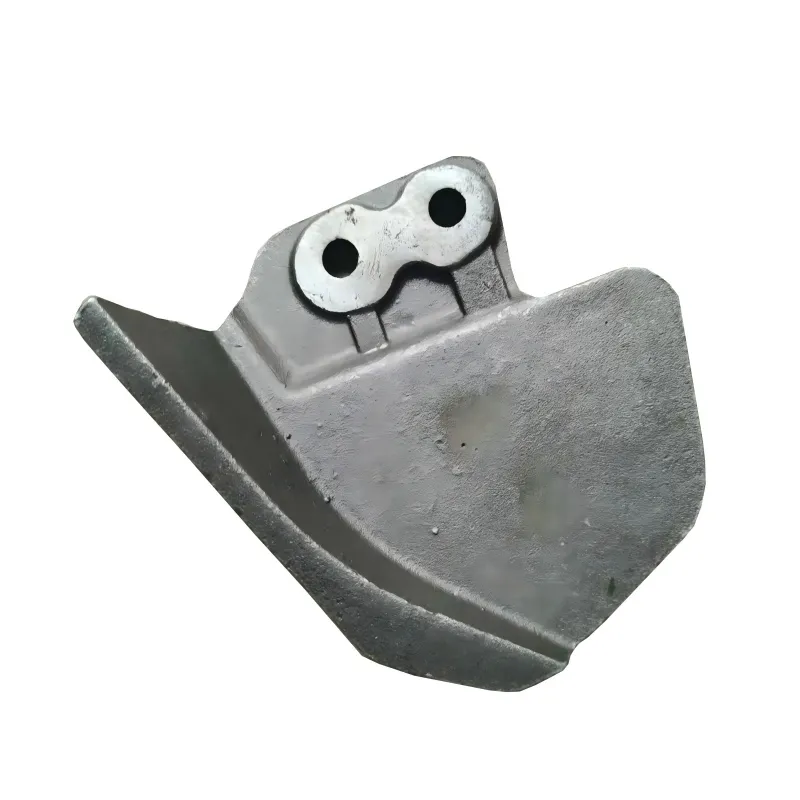
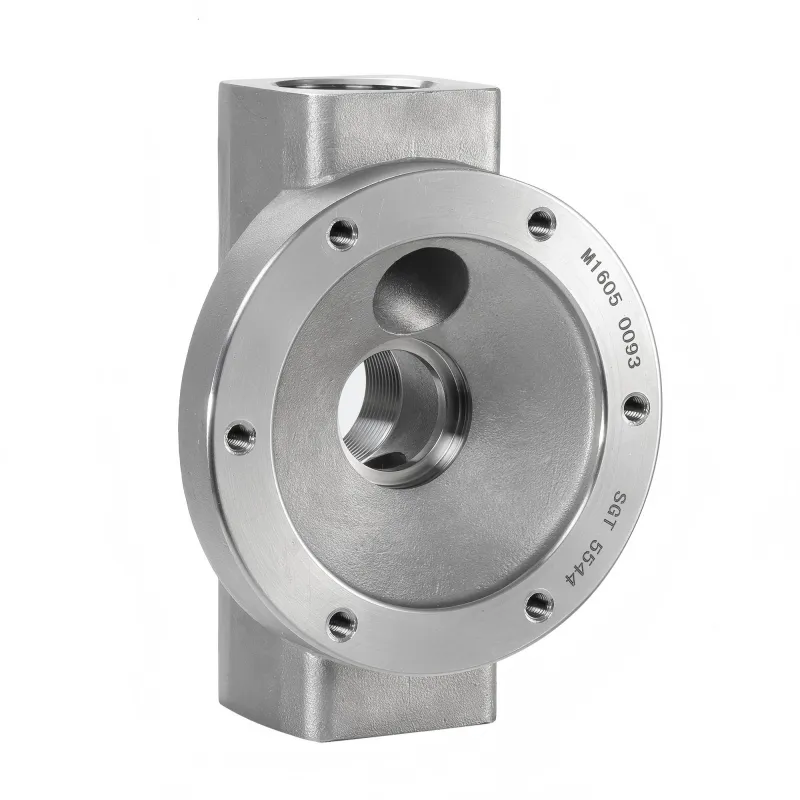
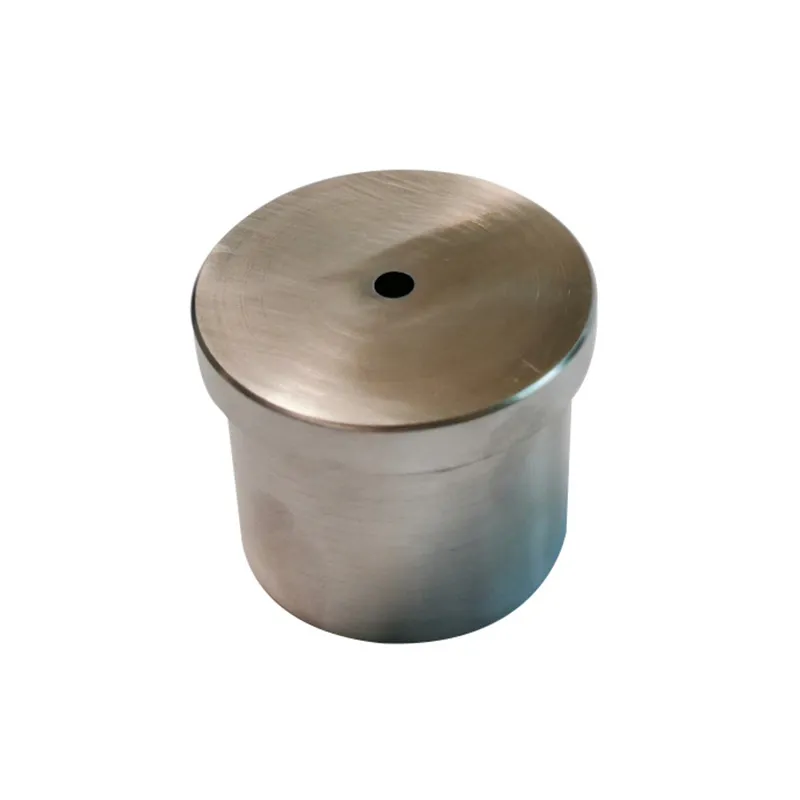
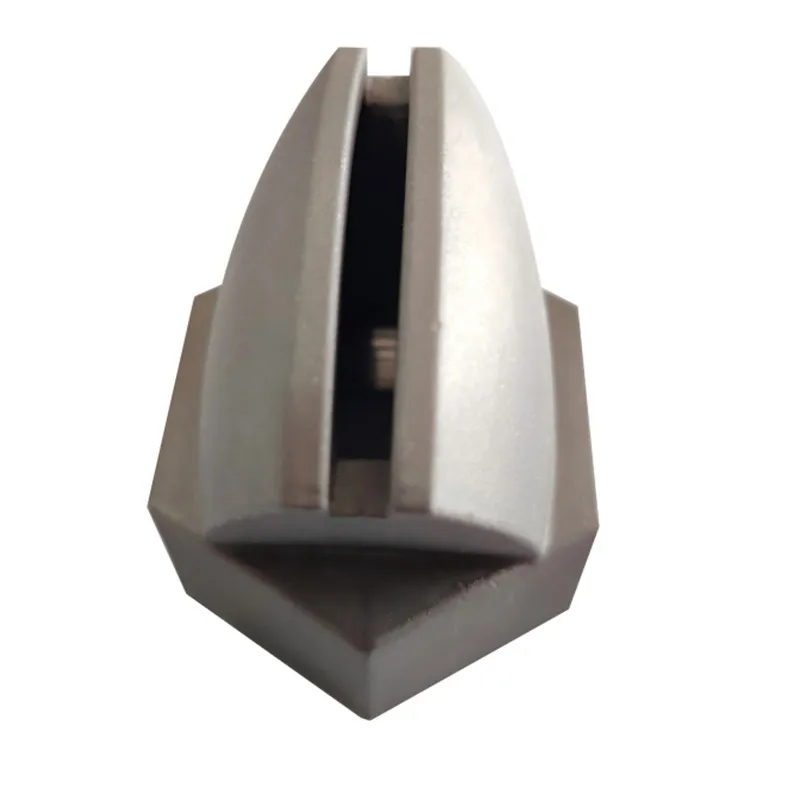
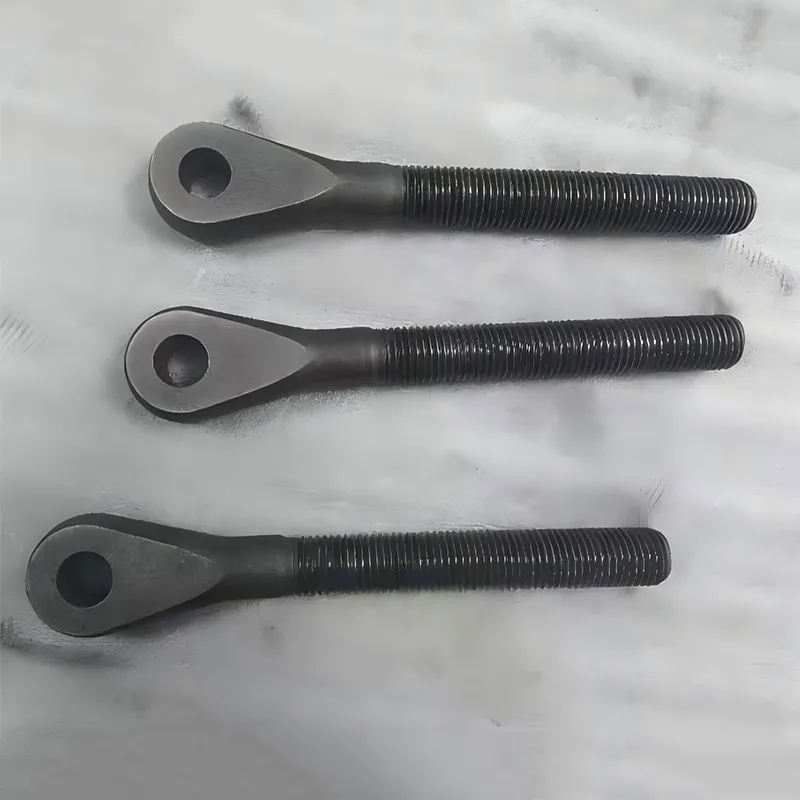
When you hear mountain cutter, most folks picture a colossal, rumbling beast tearing through rock faces. That's not wrong, but it's a surface-level view. In our line of work—precision casting and machining for heavy industrial components—the term carries a different weight. It's not just about the primary excavation machine itself, but the entire ecosystem of mountain cutter support systems: the massive hydraulic manifolds, the wear-resistant track links, the custom gear housings that see stresses most components never will. The real challenge isn't building something big; it's building something big that lasts under relentless, gritty punishment. I've seen too many projects fail because they sourced a critical pin or valve block from a shop that only understood size, not material science under extreme abrasion.
The Anatomy of Endurance
Let's talk about the cutting head assembly. It's the business end. Everyone focuses on the teeth, the carbide tips, and they should. But the failure point I've seen repeatedly is the mounting block that holds those teeth. It looks like a simple forged piece, but the heat treatment and the alloy selection make or break it. We had a client years back who was going through these blocks every six weeks. They were using a standard 4140 steel, quenched and tempered. It worked for a while, then just... shattered. The problem wasn't the hardness; it was the impact toughness at low temperatures in high-altitude operations. The material became brittle.
That's where our experience with special alloys, like nickel-based ones, comes into play. It's not about swapping in a better material like a magic bullet. It's a trade-off. A nickel-based alloy might have phenomenal wear and corrosion resistance, but it's a nightmare to machine, costs a fortune, and you have to be incredibly precise with your pre-heat and interpass temps during welding repairs in the field. Sometimes, the more practical solution is a modified high-grade steel with a specific microstructure, not jumping straight to the exotic stuff. It's a judgment call based on the actual duty cycle, not the spec sheet.
I remember a project for a large dragline bucket tooth adapter—a cousin to the mountain cutter world. The print called for a standard manganese steel. We pushed back, suggesting a modified composition with trace elements to refine the grain size. The client was skeptical. We ran a small batch, tested it alongside the standard. Ours showed a 40% improvement in service life before catastrophic wear. The cost increase was about 15%. That's the kind of value we at Qingdao Qiangsenyuan Technology Co., Ltd. (QSY) aim for. It's not about selling the most expensive material; it's about engineering the most cost-effective solution over the component's entire life. You can see some of our approach to these durable solutions on our site at https://www.tsingtaocnc.com.
Precision Where You Least Expect It
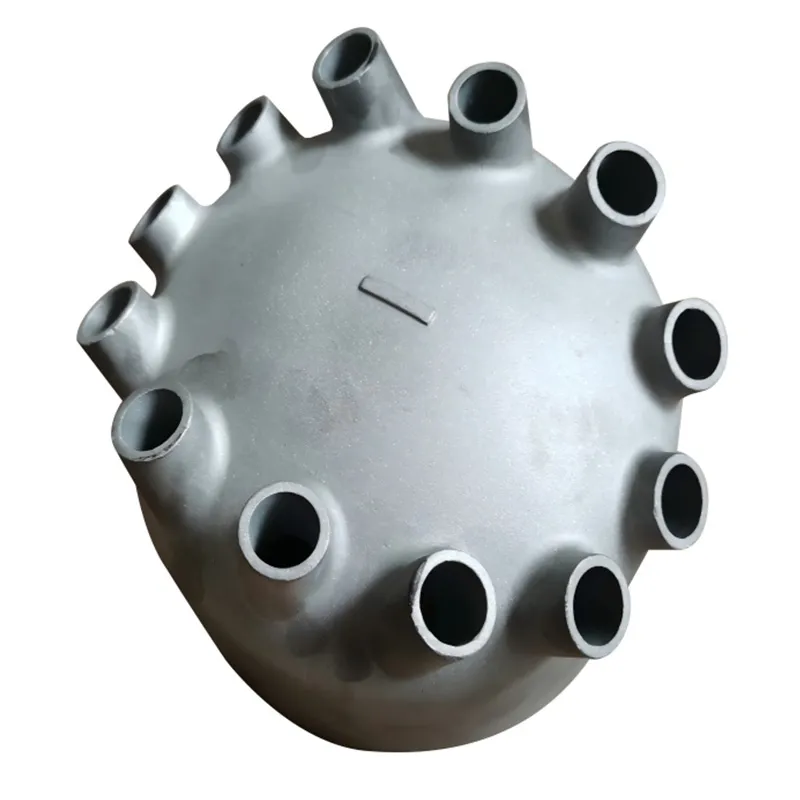
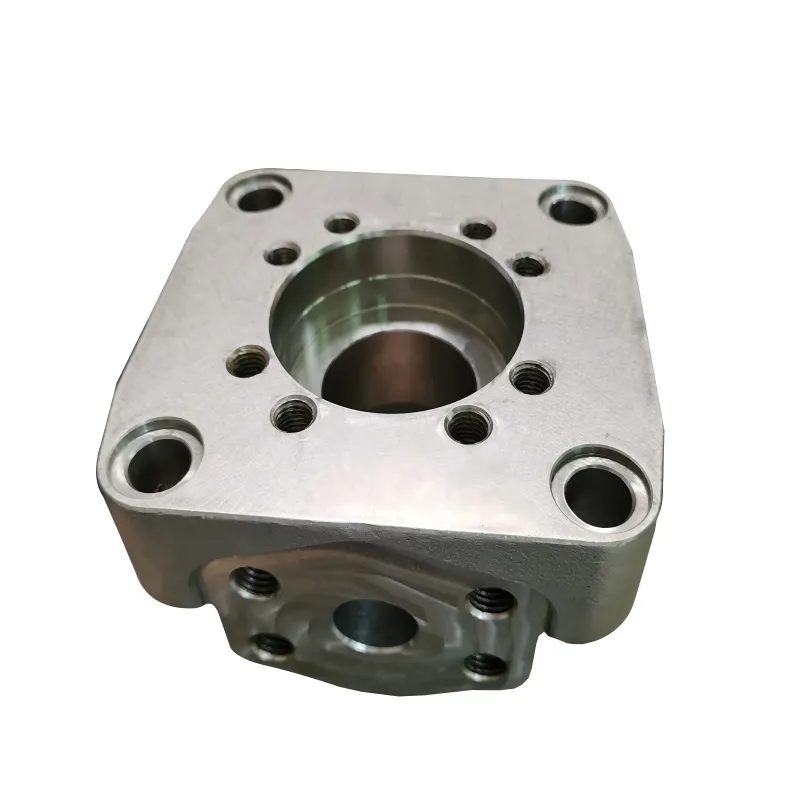
Here's a common industry misconception: components for heavy earthmoving are rough work. Tolerances are loose, finish doesn't matter. Nothing could be further from the truth. Take the hydraulic valve bodies that control the swing and tilt of a cutter boom. These are labyrinths of intersecting bores and galleries. If the surface finish in those passages is too rough, you create turbulence, generate heat, and accelerate oil degradation. If the geometry is off by a few tenths, you get internal leakage, sluggish response, and a massive loss of efficiency.
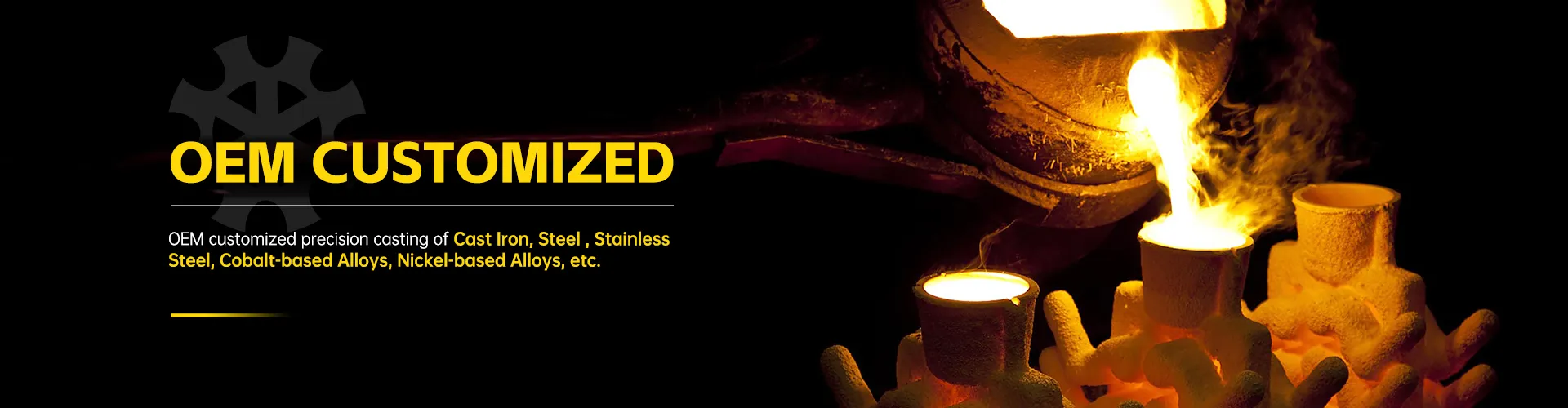
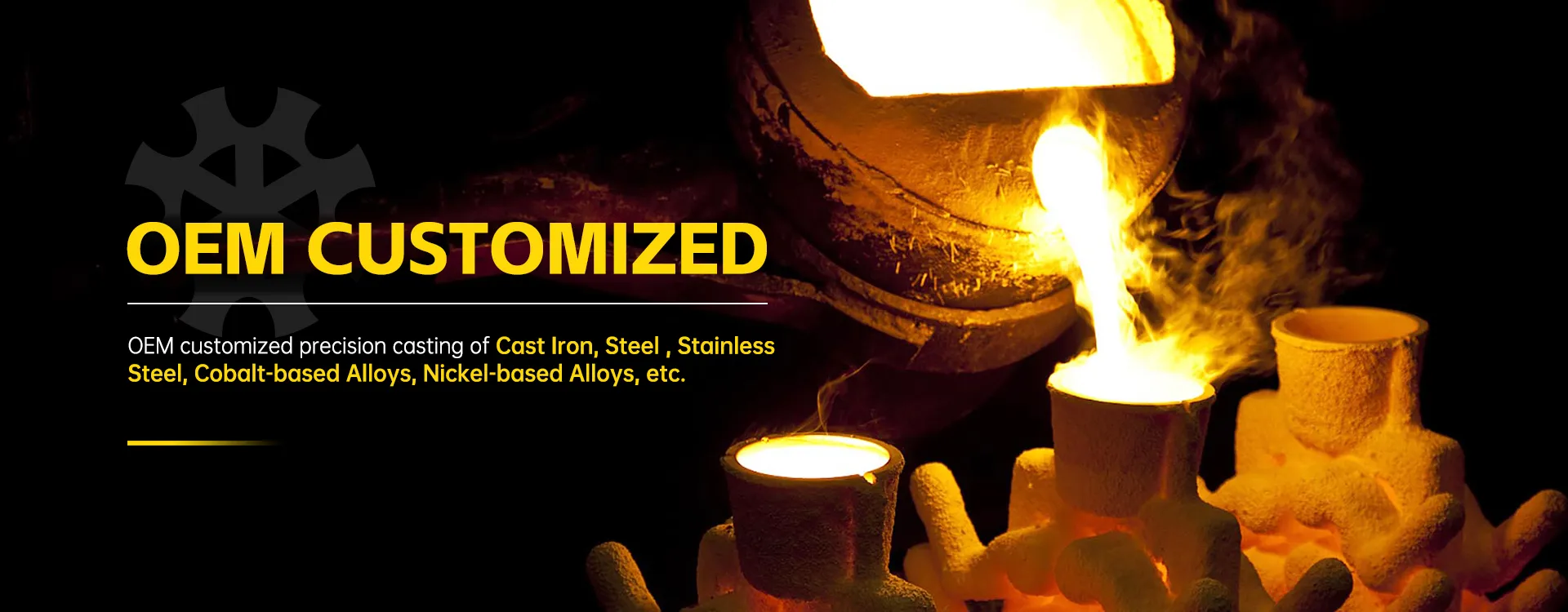
This is where our CNC machining division earns its keep. It's one thing to pour a good casting via shell mold or investment casting—which we've done for over three decades. It's another to machine it to a level where it performs like a precision instrument inside a dust-choked, vibrating machine. We machined a set of main pump housings for a cutter's hydraulic system last year. The alignment of the bearing seats to the port faces was critical. We had to account for potential thermal distortion during operation. The final machining was done in a climate-controlled room, and we used in-process verification. It felt like machining a part for an aerospace application, not a mining tool. But that's what it takes now.
The feedback from the field was telling. The maintenance crew noticed the system ran cooler and the pumps were quieter. That's the payoff for that unnecessary precision. It's a detail most end-users never see, but they feel it in reduced downtime and fuel bills. QSY's focus has always been on that link between the foundry and the finished, performing part. It's a full-process control mindset.
The Failure That Taught Us About Vibration
Not every call is a win. We learned a hard lesson early on with a bracket for a cutter's dust suppression system. It was a straightforward weldment, or so we thought. We fabricated it from stainless steel for corrosion resistance, machined the mounting points, and shipped it. It failed in three months. Not from corrosion, but from fatigue. A high-cycle vibration we hadn't accounted for—a harmonic from the cutting drum—was working on it constantly.
We had treated it as a static load component. It was a dynamic one. The fix wasn't to make it thicker; that could have made it worse by changing its natural frequency. We had to go back, analyze the vibration spectrum from the OEM (which was rough data), and redesign with different stiffening ribs and a slight change in the alloy's grade to improve its damping capacity. It was a humble bracket, but it taught us to always ask, What's shaking it, and at what frequency? for any component, no matter how ancillary it seems to the main mountain cutter function.
This is the unglamorous side of the job. It's forensic engineering on broken parts. It's listening to field mechanics complain about how hard something is to replace. That practical feedback loop is as valuable as any finite element analysis. We keep that channel open, which is why long-term partnerships with OEMs and rebuild shops are crucial. They trust us with their pain points.
Material Selection: The Core Judgment
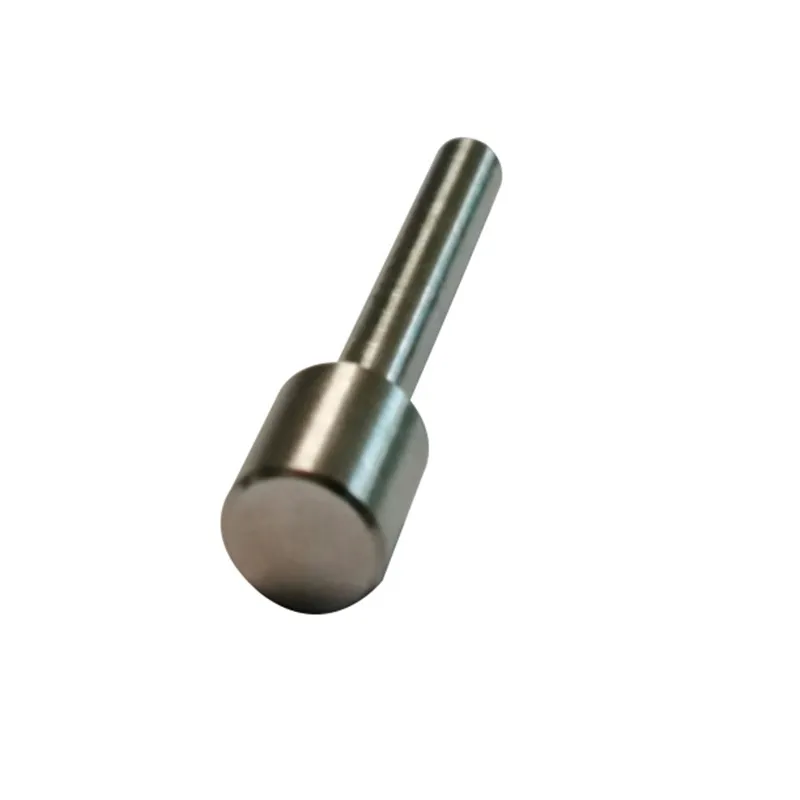
With our background in casting everything from cast iron to cobalt-based alloys, the material matrix for a single machine can be dizzying. The frame needs high yield strength and good weldability for repairs—often a low-alloy steel. The wear plates on the feed chute might need a through-hardened steel or even a ceramic composite overlay. The pins and bushings? Often a case-hardened steel with a tough core.
The trend I'm seeing is toward more localized material optimization. Instead of making the whole side plate from an expensive abrasion-resistant steel, we design it with pockets or liners where the wear is actually concentrated. It's a more complex casting and machining job, but it saves tonnage and cost on the total component. This kind of design-for-manufacture thinking requires the casting and machining teams to be in sync from the CAD model stage. You can't just throw a print over the wall.
For instance, we worked on a cutter drive sprocket. The teeth needed extreme hardness, but the hub and web needed toughness. A monolithic material couldn't do both. The solution was a composite approach: a high-carbon steel rim for the teeth, welded to a forged alloy steel center. Making that weld joint reliable, with full penetration and no stress risers, was the real task. It's these hybrid constructions that are becoming the norm for critical mountain cutter components.
Looking Ahead: The Data Connection
The next frontier, in my view, isn't just about better metals or tighter tolerances. It's about instrumentation and data. We're starting to get requests to embed sensor ports or even prototype with integrated strain gauges in cast components. The goal is to move from preventative maintenance (changing parts on a schedule) to predictive maintenance (changing parts just before they fail).
This creates new challenges for us as a manufacturer. How do you cast-in a conduit for wiring without creating a weak spot? How do you ensure a sensor survives the casting process's heat and solidification? We're not there yet on production parts, but we're running trials. It's a fascinating shift from being just a parts supplier to being a contributor to the machine's overall health monitoring system.
It circles back to the original point. A mountain cutter is evolving from a brute-force tool into a connected, optimized system. And every component, from the largest forged beam to the smallest machined bushing, plays a role in that. The shops that will thrive are the ones, like QSY, that understand the entire chain—from the metallurgy of the pour, to the stress in the cut, to the data from the sensor. It's no longer enough to just be a machine shop or a foundry. You have to be an engineering partner. That's the real cut through the mountain of challenges in this field.