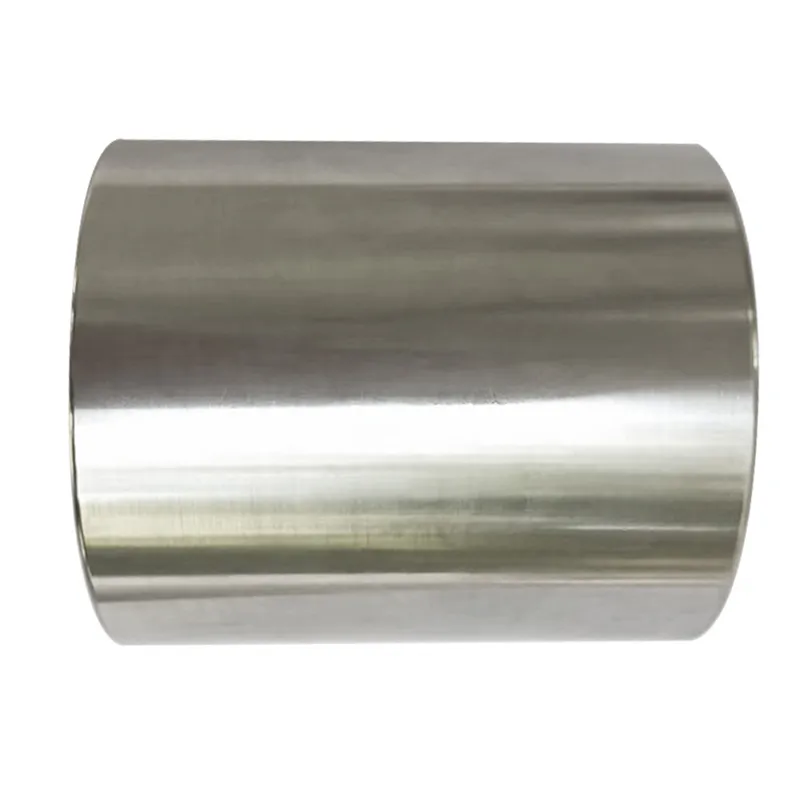
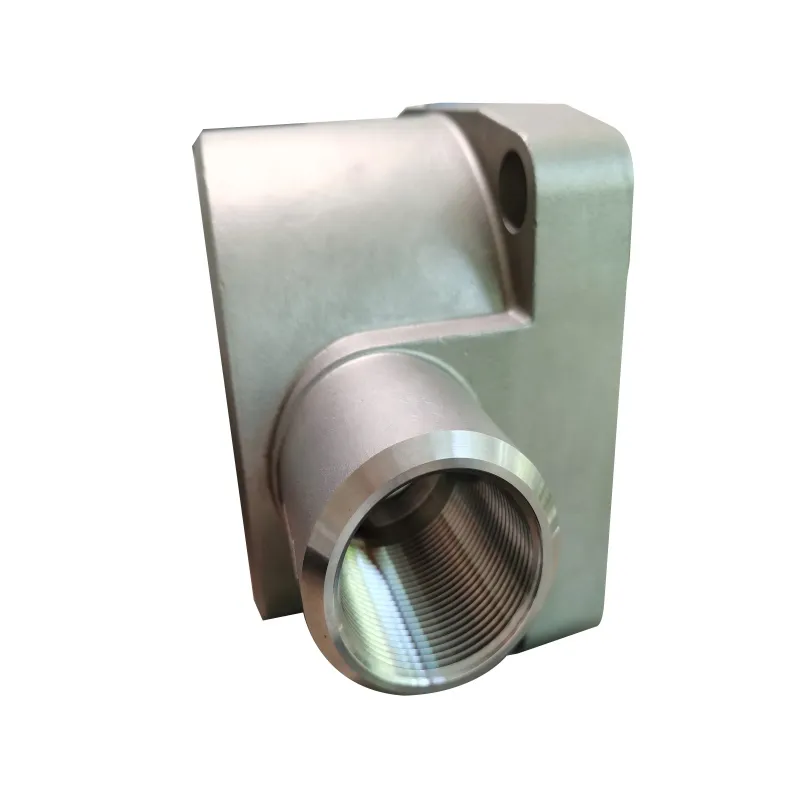
You see N04400, or Monel 400 as most shops call it, pop up on a spec sheet, and there's a collective, quiet sigh. It's not the exotic one that makes engineers' eyes light up, but the reliable one that makes production managers nod. The common misconception? Treating it like just another nickel-copper blend. It's not. Its behavior, from the foundry floor to the CNC chuck, has a personality all its own that flat specs don't capture.
The Casting Conundrum: Fluidity vs. Integrity
In our shell mold and investment casting lines at QSY, N04400 presents a classic split. The alloy has decent fluidity, better than some super duplex grades we handle, which is good for filling complex thin-walled investment cast parts. But here's the catch no datasheet highlights: its solidification range. It's... finicky. Pour too cool, and you risk mist runs; too hot, and grain growth can get aggressive, which later bites you in machining.
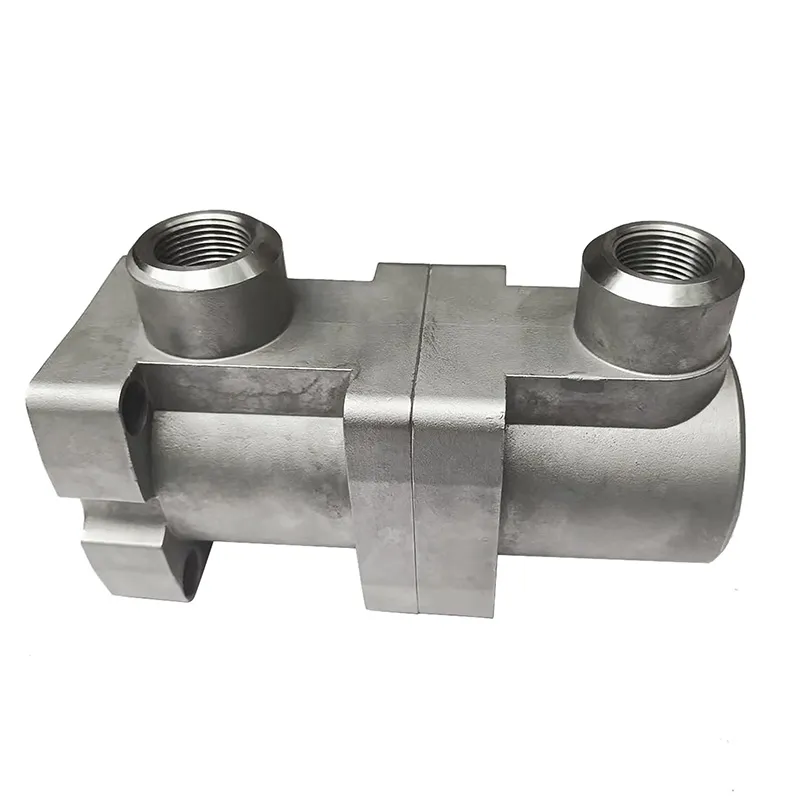
We learned this the hard way on a batch of valve bodies years back. The parts looked perfect off the tree, passed initial PT. But during hydro-testing at the client's site, a few showed seepage. Not catastrophic failure, but a leak is a leak. Post-mortem showed not porosity, but subtle micro-shrinkage in a thermally isolated section of the casting. The fix wasn't a recipe change, but a gating and risering redesign specific to that part geometry for N04400. It taught us that with this alloy, the pattern engineering is half the battle.
That's where the 30-odd years in casting pays off. You develop a feel. For N04400, we now run the melt a specific window hotter than the theoretical optimum, but then use accelerated mold cooling for certain sections. It's a dance between the furnace and the cooling tunnel. You can't automate that intuition from a manual; it's scribbled notes on process sheets and operator experience.
Machining: The Deceptive Softness
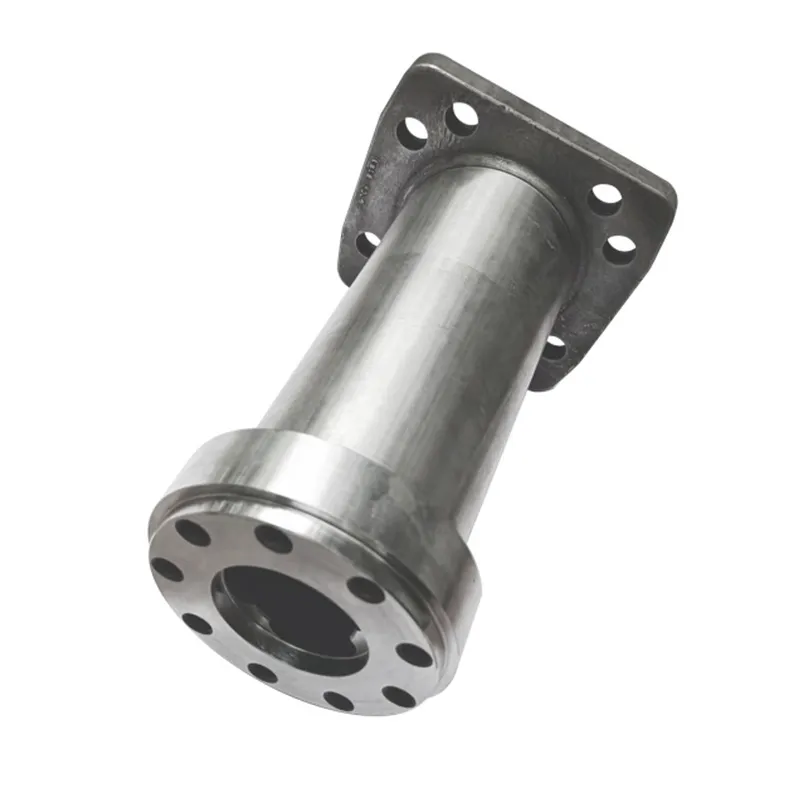
Send a N04400 casting to our CNC machining division, and the first feedback is always It cuts nicely. And it does, initially. It's not gummy like 316L, not hard like Hastelloy. But its work-hardening tendency is sneaky. If you treat it like mild steel and let a tool dwell even for a split second during an interrupted cut—like on a valve flange with cast-in bolt holes—you've just created a local patch harder than the tool's cutting edge.
We standardized on rigid toolholders and a strict no dwell rule for this material. Coolant isn't just for cooling; it's a lubricant to prevent material adhesion on the insert. The sweet spot we found for finishing is higher surface speed with a moderate feed, which sounds counter-intuitive for a material that work-hardens. But a sharp, positive-rake insert slicing through it cleanly generates less heat and less hardening than a slower, rubbing cut. It's one of those adjustments you make after scrapping a few expensive, nearly-finished parts.
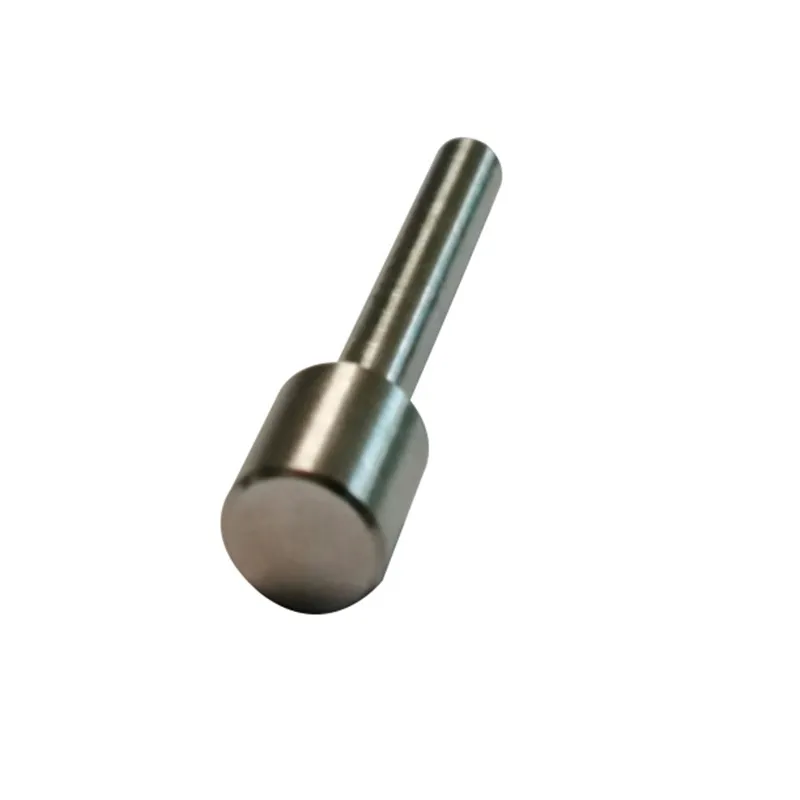
I recall a pump shaft job where the print called for a tight-tolerance diametrical grind after turning. The turning went fine, but the grinding wheel loaded up constantly, burning the surface. The solution wasn't a harder wheel, but a softer, more open-structured one and a flood of soluble oil. The material's nickel content just wanted to weld to anything under pressure and heat. Small detail, major stoppage.
The Alloy's Dual Nature: Corrosion vs. Cost
Why do designers specify N04400? Ninety percent of the time, it's for that unique resistance to chloride-ion stress corrosion cracking and hydrofluoric acid. It's the go-to for marine shafting, chemical valve trim, and sour service. But it's not a universal stainless upgrade. In oxidizing acids, it falls apart. We had a client once want to substitute it for a platinum-cured pharmaceutical reactor part, thinking nickel alloy meant better. We had to push back hard. It would have corroded in weeks.
This is where a partner like Qingdao Qiangsenyuan Technology (QSY) adds value beyond just making the part. It's about material guidance. We've seen the full lifecycle of these components. N04400 has great overall corrosion performance, but its cost sits in a middle zone. It's more expensive than duplex steels but less than C-276 or titanium. So the engineering decision often hinges on whether the environment is reducing (where it shines) or oxidizing (where it doesn't). Getting that wrong is a failure that happens on the drawing board, not the factory floor.
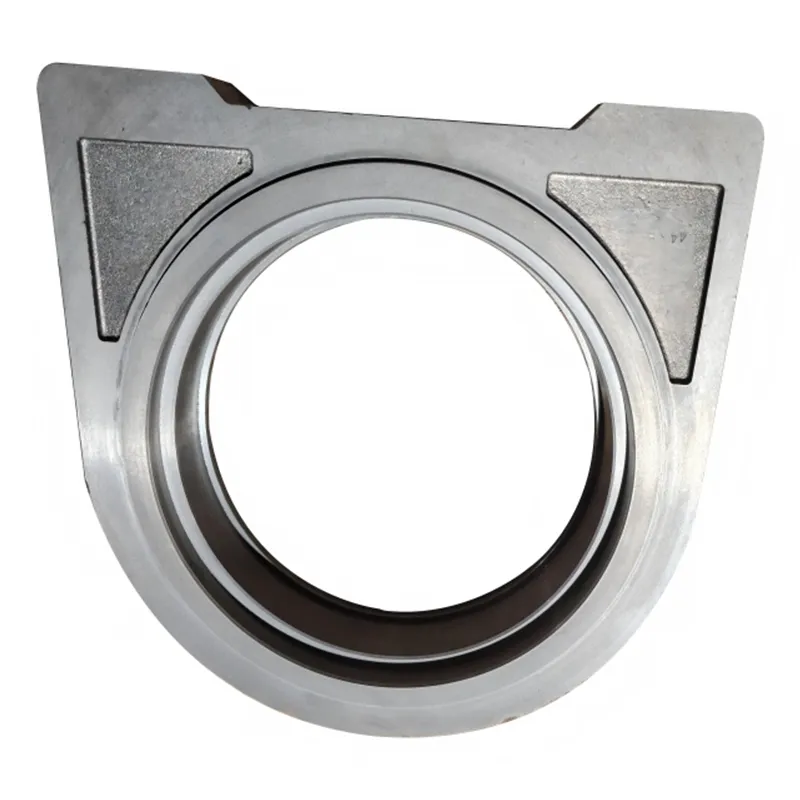
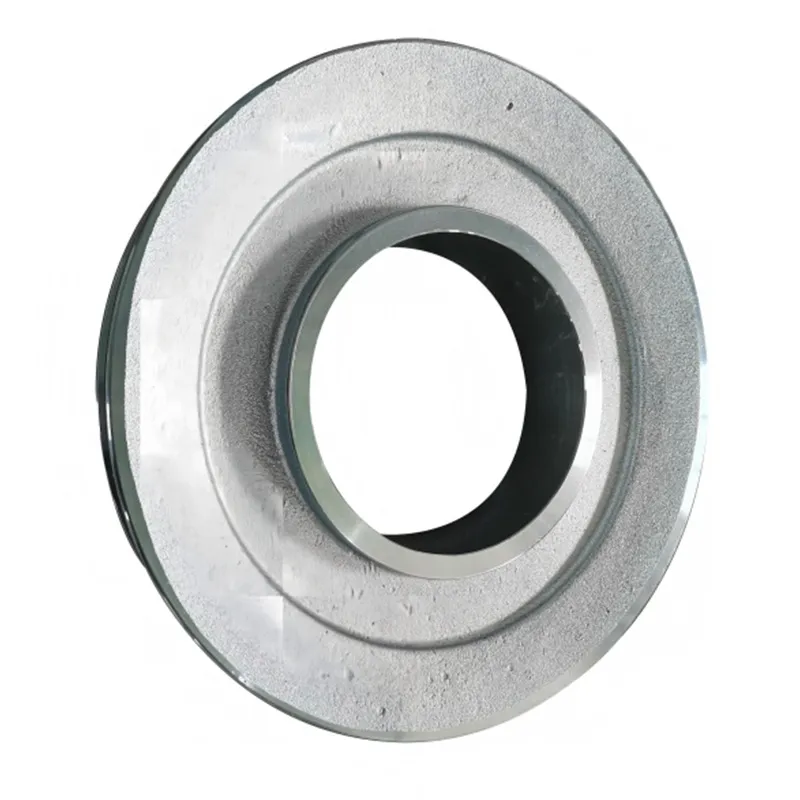
Our long-term involvement in casting and machining special alloys means we've built an archive of failure analyses and success stories. For a seawater pump casing we produce, N04400 was chosen not for the whole body, but as a cast-in insert for the critical wear ring area—a classic cost-performance optimization we helped the client model.
Welding and Fabrication Pitfalls
Fabricators love to weld it, but they shouldn't get complacent. N04400 is considered readily weldable, true. But its hot cracking sensitivity is higher than carbon steel. The intergranular precipitation of nickel-copper phases in the heat-affected zone (HAZ) is a real concern if you don't control heat input. We don't do heavy fabrication at QSY, but we do repair castings and weld assemblies.
The rule is low heat, stringer beads, and never, ever weave the torch. We use ENiCu-7 electrodes almost exclusively. Pre-heat? Usually not necessary for thin sections, but for thick castings, a uniform 100-150°C pre-heat is mandatory to prevent cracking from thermal stress. Post-weld heat treatment is rarely needed for corrosion performance, but sometimes we do a stress relief for dimensional stability on complex machined assemblies. It's another one of those it depends judgments.
I've seen a beautiful, fully machined manifold ruined because a fitter decided to tack a support bracket on with a standard stainless filler rod. The resulting crack wasn't immediate; it showed up after pressure cycling. The metallurgy doesn't forgive shortcuts.
Sourcing and Traceability: Not All Billets Are Equal
This might be the most critical, under-discussed point. The consistent quality of N04400 stock you start with dictates everything downstream. We've sourced from mills worldwide over the decades. The chemistry might meet ASTM B164 on paper, but the minor element control—things like sulfur, lead, and even trace bismuth—varies. These trace elements dramatically affect hot workability and final mechanical properties.
For critical rotating components, we now insist on mill test reports that include not just chemistry and tensile data, but also Charpy impact values at the service temperature. A batch with marginally higher lead might turn fine but have terrible low-temperature toughness. We learned this after a series of cryogenic bolt failures traced back to a single heat of material. Since then, our procurement specs for N04400 are tighter than the ASTM standard.
This level of scrutiny is part of the integrated service at QSY. Controlling the process from melt to machined part means we can trace any issue back to its root. For a job shop just doing machining, that's impossible. They get a blank and hope for the best. We make the blank, so we have to know its soul.
Concluding Without a Conclusion
So, N04400. It's not glamorous. It won't be the subject of the next materials science breakthrough. But in the gritty world of making things that last in harsh environments, it's a cornerstone. Its value isn't in exotic properties, but in predictable, reliable performance when applied correctly. The trick is respecting its quirks—the casting shrinkage, the machining work-hardening, the welding sensitivity.
The real expertise with an alloy like this isn't just about following a spec; it's about accumulating the tacit knowledge of when to deviate from standard practice. It's the furnace operator knowing the exact sheen of the molten metal, the CNC programmer tweaking a feed rate by 5%, the QC manager knowing which micro-etch reveals grain boundary precipitates. That's the stuff you don't get from a datasheet. That's what three decades of handling materials like N04400, from raw alloy to finished component, builds into a company's DNA. It's why projects get sent to shops that have lived with the material, not just ordered it from a catalog.
In the end, Monel 400 is a testament to the idea that the most mature materials are often the ones that demand the most respect, precisely because we think we know them inside out. There's always another nuance, another lesson waiting in the next heat, the next complex casting, the next tight-tolerance bore. And that's what keeps this job interesting.