When you hear N06625, or Inconel 625 as most folks on the shop floor call it, the first thing that comes to mind is often just 'high temperature' or 'corrosion resistant'. That's the common trap. It's so much more nuanced than that. I've seen projects stall because someone specified it thinking it's a one-size-fits-all super material for anything aggressive. It's not. The real story is in its behavior during fabrication and under specific service conditions, not just on the datasheet. The devil, as always, is in the details of actually working with it.
The Fabrication Reality Check
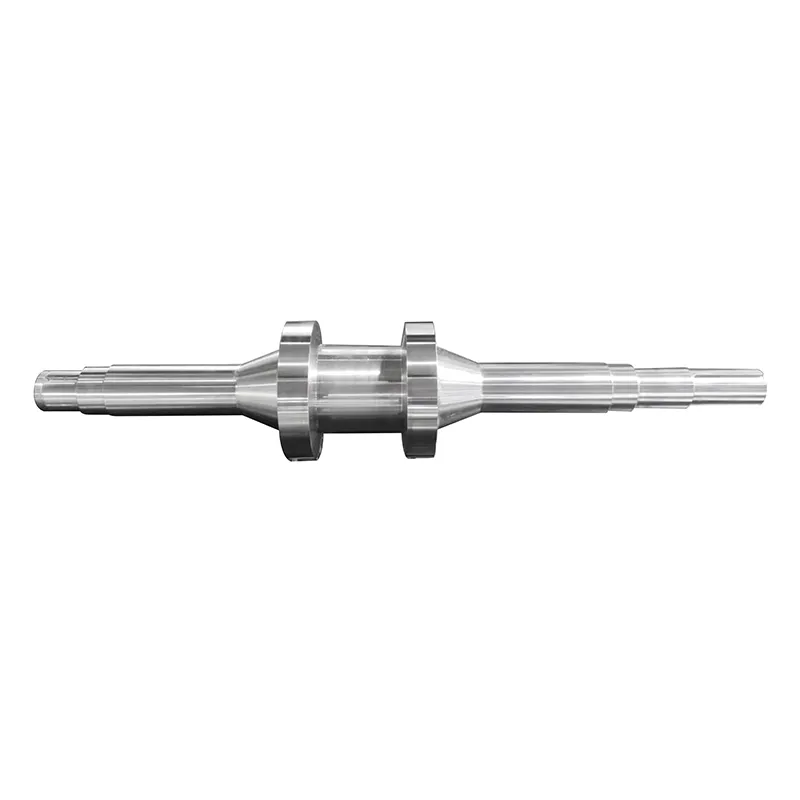
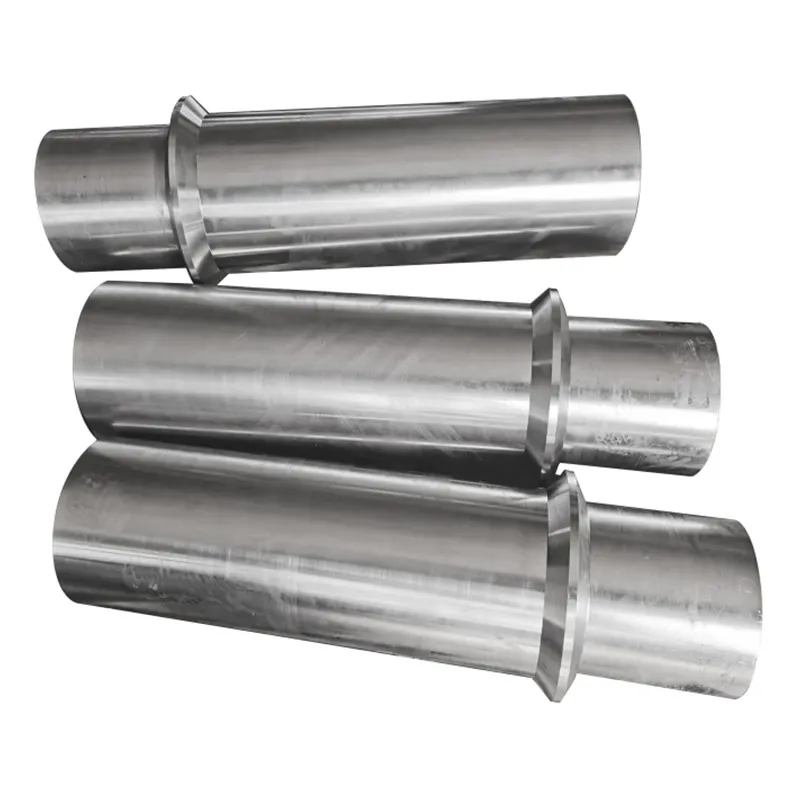
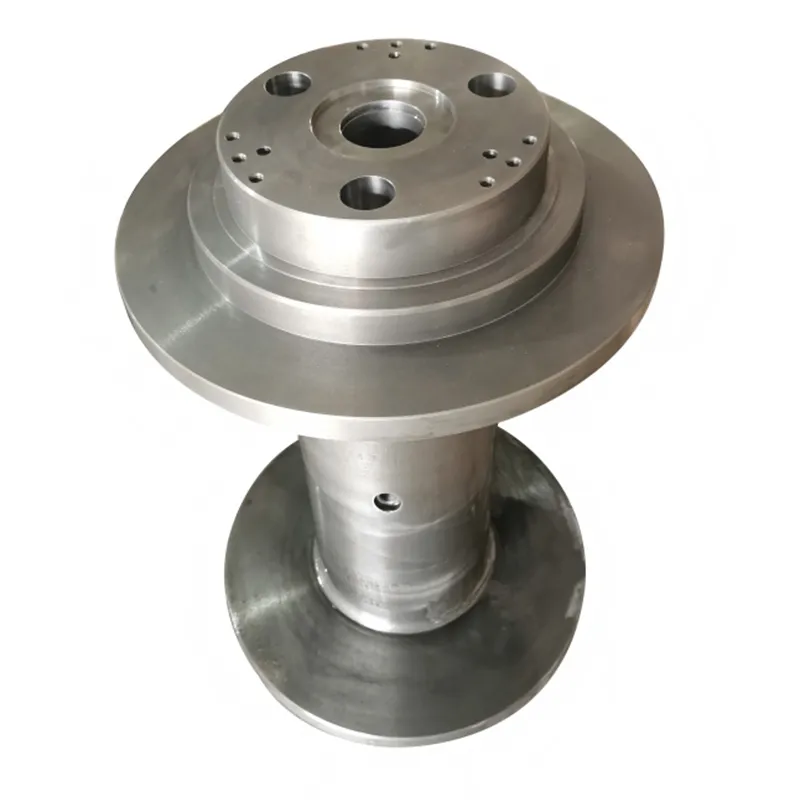
Let's talk machining. Anyone who's run a lathe or mill on 625 knows the initial 'oh, this cuts okay' feeling quickly gives way to respect. It work-hardens. Fast. If you don't get your feeds and speeds right from the get-go, you're not just wearing out an insert; you're creating a surface layer so hard that the next pass becomes a nightmare. I learned this the hard way early on, trying to take a light finishing cut on a turned shaft only to have the tool skate and burnish the surface. The part was scrap. You need rigid setups, positive rake geometries, and the discipline to keep the tool engaged and cutting, not rubbing. Coolant? Flood it. Not for lubrication so much as to pull heat away from the cut zone to minimize that hardening effect.
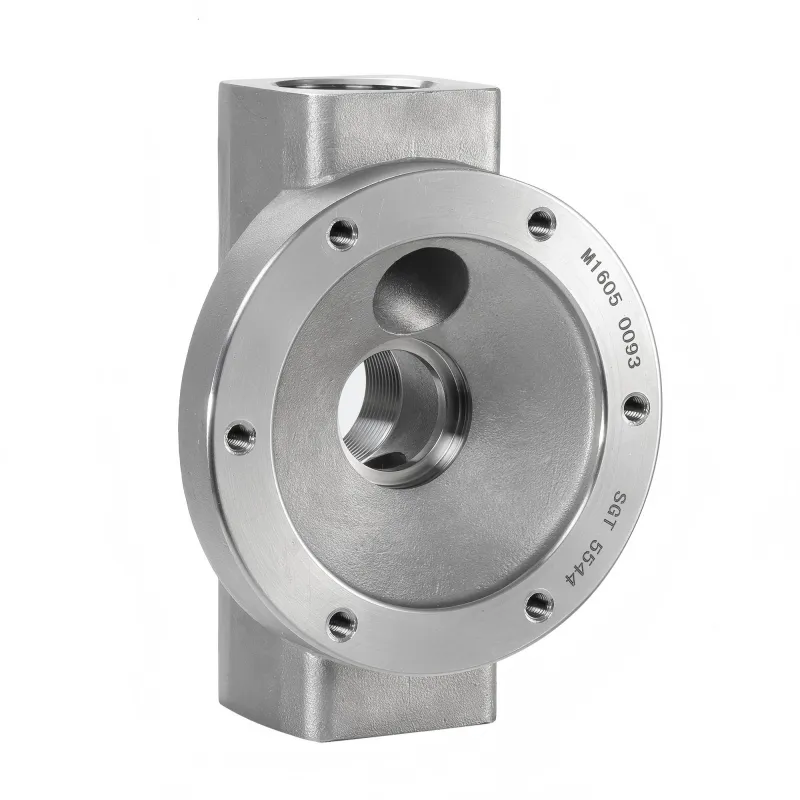
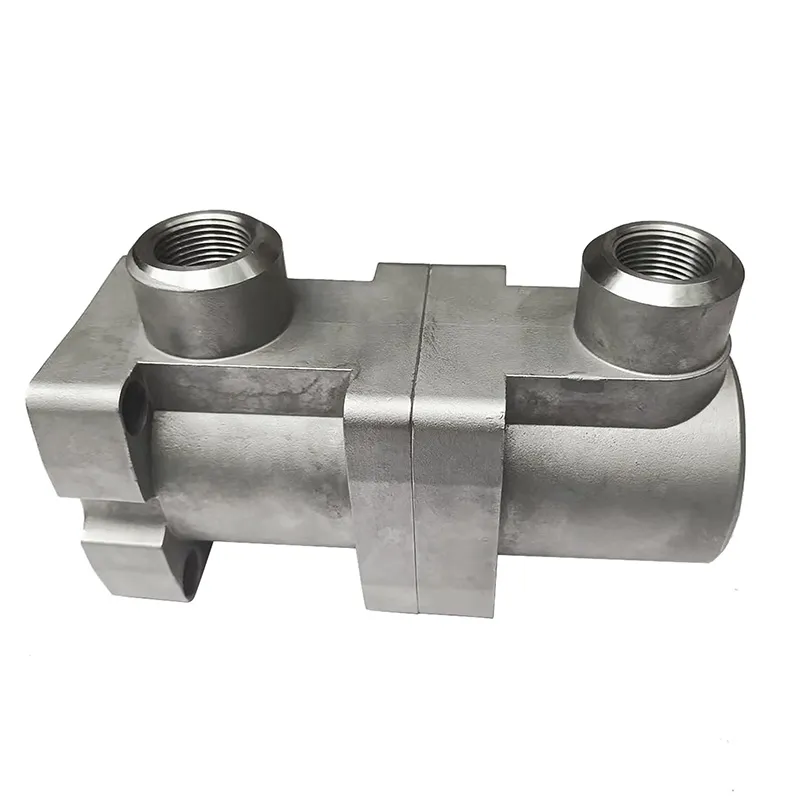
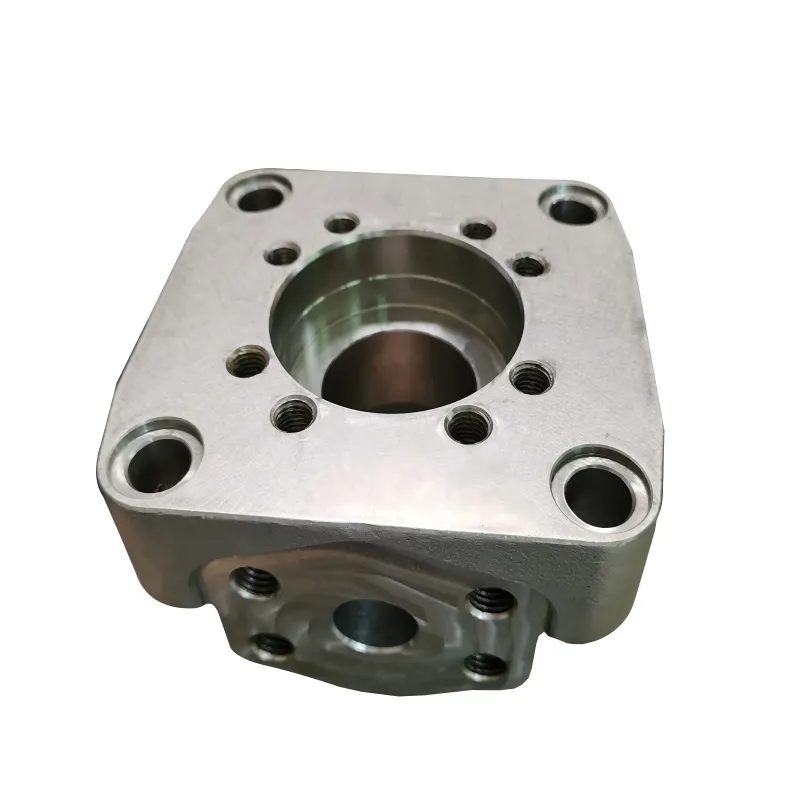
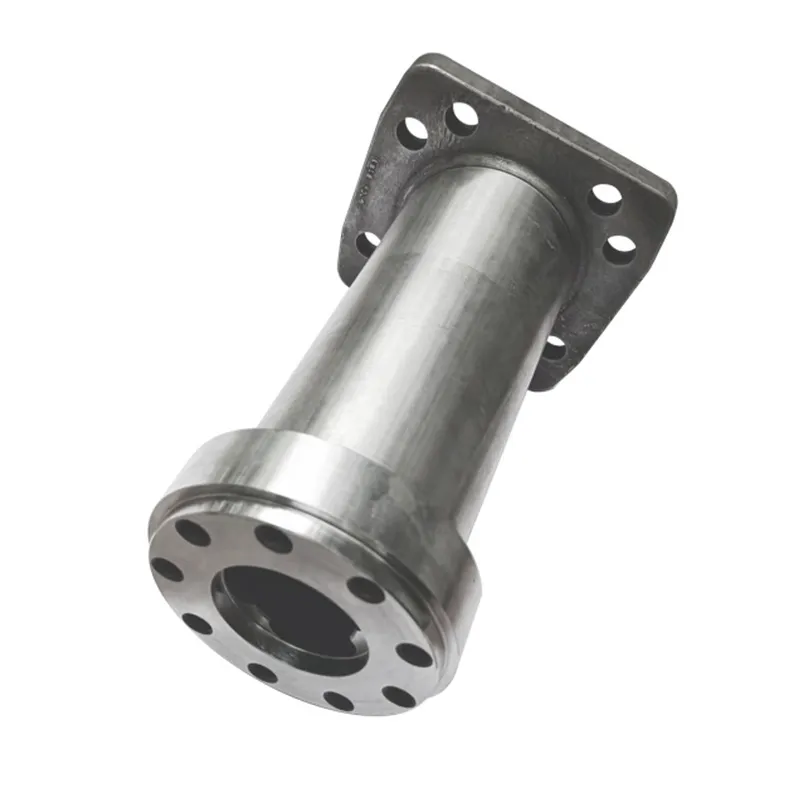
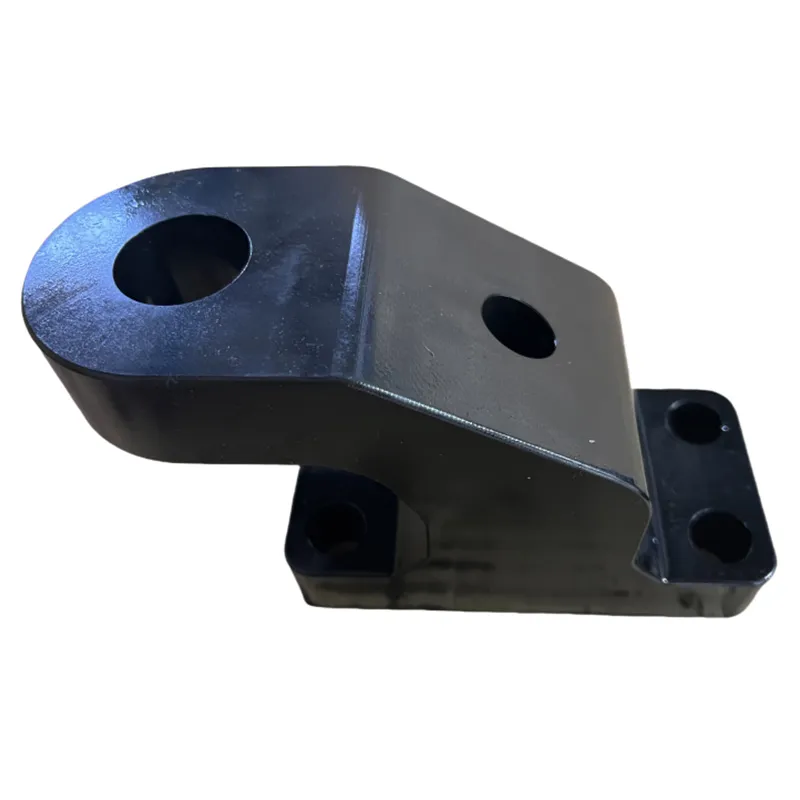
This is where partnering with a shop that has real mileage on these materials makes a difference. I've reviewed work from places like Qingdao Qiangsenyuan Technology Co., Ltd.(QSY). Their long-term focus on CNC machining special alloys isn't just a bullet point. You can see it in their process sheets – they get into the specifics of toolpath strategies for nickel-based alloys to manage heat and stress, which is exactly what 625 demands. It's a practical understanding that comes from making parts, not just quoting them.
Then there's welding. The laves phase. That's the boogeyman for 625 welders. Too much heat input, or improper filler, and you get these brittle intermetallic compounds in the weld zone. I recall a pressure vessel nozzle where the weld passed all visual and X-ray but failed in a stress test. Microanalysis showed laves formation. The fix wasn't just changing parameters; it was switching to a filler metal specifically balanced to suppress that formation, like 625 Plus. It added cost, but it was the difference between a repair and a failure in the field. This material teaches you that procedure qualification isn't a formality; it's the core of integrity.
Beyond Corrosion: The Specificity of Performance
Yes, it's brilliant in oxidizing environments. But its star performance, in my view, is in chloride-ion stress-corrosion cracking (SCC) resistance. We used it for brackish water pump shafts where 316L would have cracked in a season. But here's the nuance: that resistance isn't infinite. I've seen pitting initiate under stagnant, fouling conditions where chlorides concentrated. The alloy resisted the crack, but we still got localized attack. The lesson? Material selection is a system design choice. You still need to consider flow, cleaning access, and pairing it with the right sealing materials.
Its high-temperature strength is another area of mild misconception. People look at the 1000°F+ tensile numbers and think it's for hot sections in turbines. While it's used there, its niche is often the intermediate zone – say, exhaust systems or heat treatment fixtures – where you need good creep strength but also that phenomenal oxidation resistance. The chromium content forms that stable, protective scale. We used it for radiant tubes in a carburizing furnace. They outlasted the previous material by a factor of three, not because they were stronger at temperature, but because they didn't scale and degrade. The failure mode changed from gradual wall thinning to eventual thermal fatigue cracking after years more service.
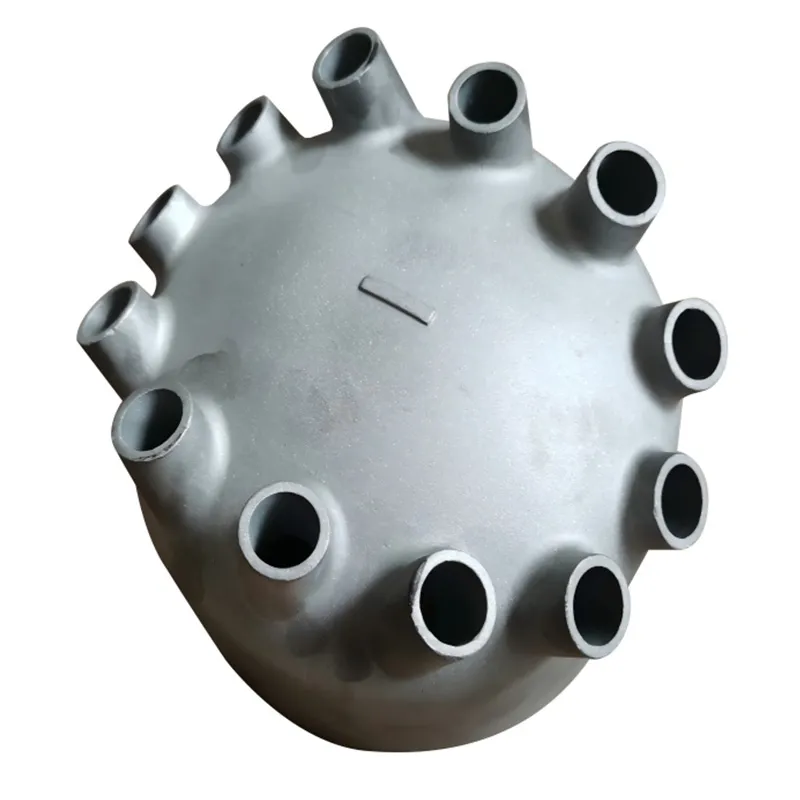
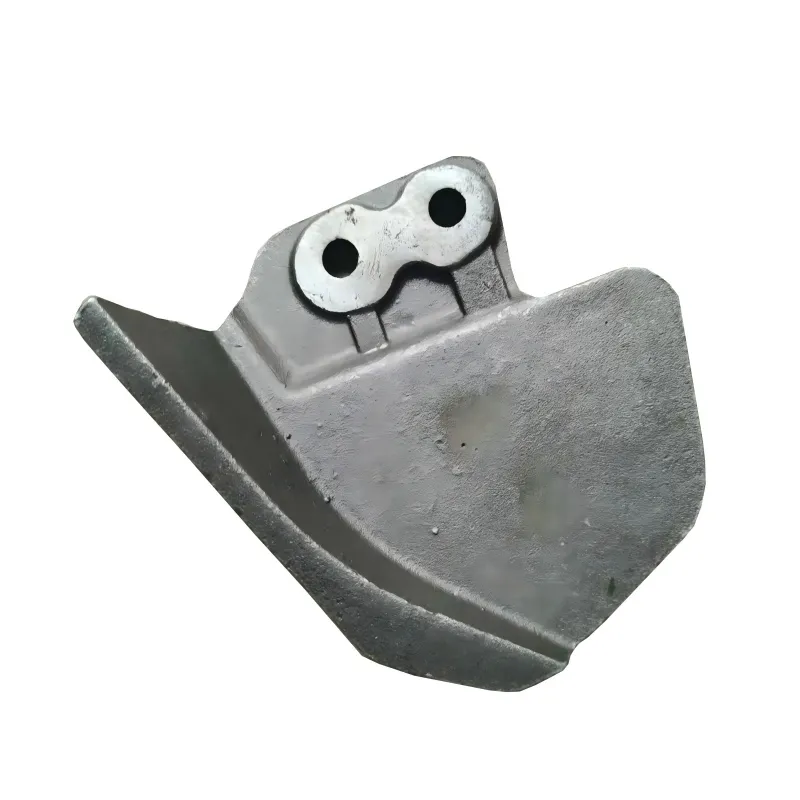
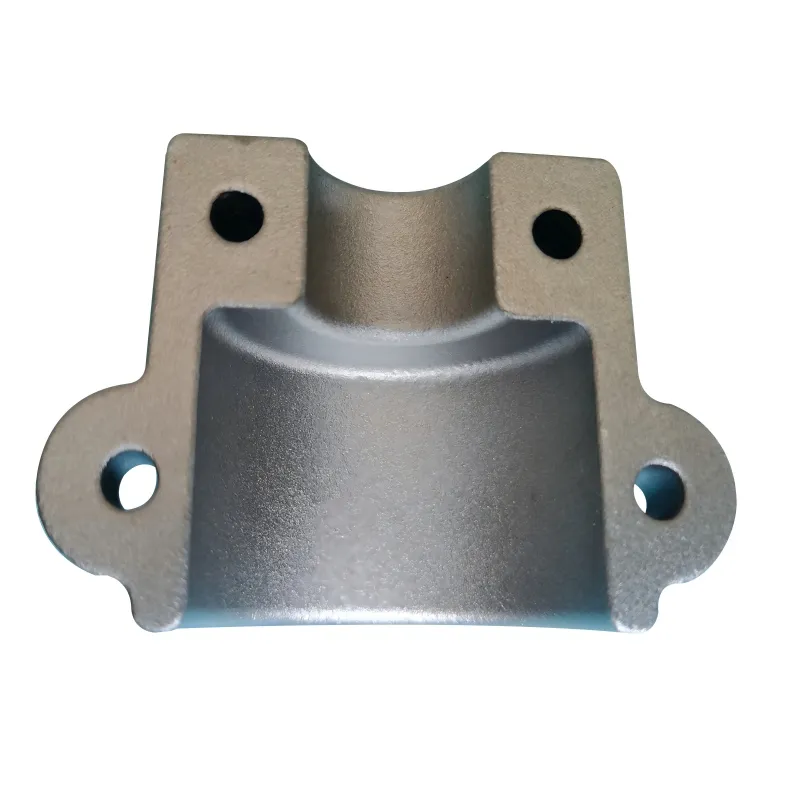
This connects back to the foundry side. The casting characteristics of N06625 are… particular. It's prone to microporosity and segregation if the pouring temp and mold preheat aren't tightly controlled. A shop that does investment casting or shell mold casting with this alloy successfully isn't just pouring metal; they're managing a thermal drama from furnace to shakeout. The QSY website mentions their work with special alloys, which implicitly includes this level of process control. When you're sourcing a cast 625 component, you're really buying that foundry's disciplined thermal protocol.
The Supply Chain and Formability Quirk
Sourcing consistent 625 bar or plate is easier now than a decade ago, but you must watch the mill certs like a hawk. Not just for chemistry, but for the hot-working and annealing history. We once received a plate that met AMS and ASTM specs on paper but exhibited wild variation in machinability across its length. Investigation pointed to an uneven final anneal at the mill, leaving some areas with a harder, less ductile structure. The mill made it right, but it cost us a week of downtime. Now, we specify not just the standard, but often a particular processing route or even a preferred producer for critical applications.
Forming it cold is a bear. It has high springback. If you're bending it, you're over-bending it on the tool and hoping it comes back to spec. For complex shapes, hot forming is often the only sane path. We fabricated some custom expansion bellows from thin sheet. The first attempt cold-worked the material so much that it lost ductility and cracked during hydrotesting. The solution was to form at around 1200°F, which required specialized tooling and atmosphere control to prevent excessive oxidation. It was a classic case of the material dictating the entire manufacturing method.
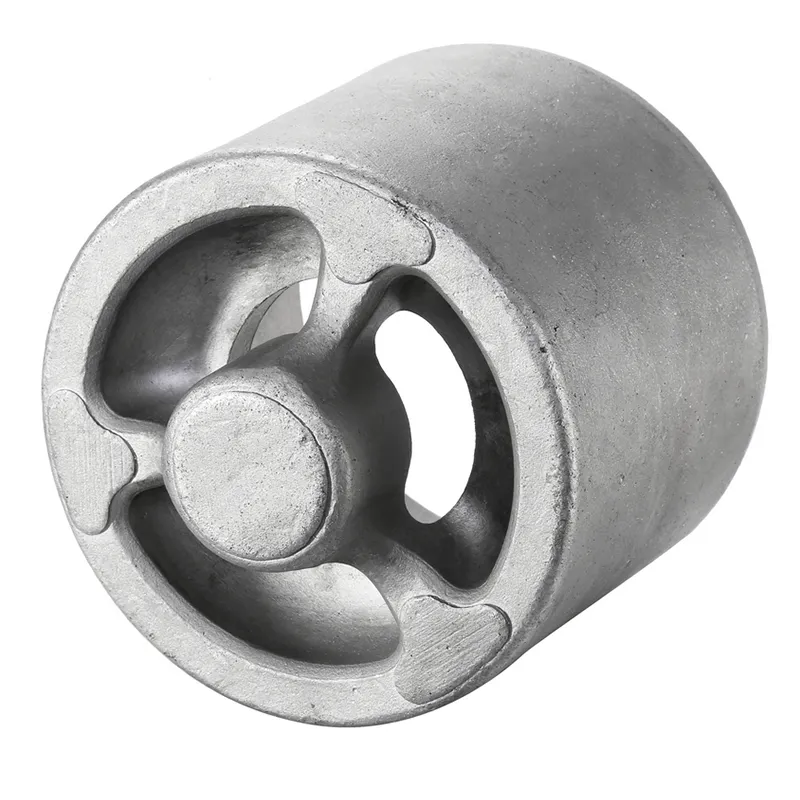
This is why the full-service model of some suppliers is valuable. If a single source, like the aforementioned QSY, can handle the investment casting to create a near-net shape and then follow through with the precise CNC machining on the same alloy, they eliminate a lot of the handling, requalification, and traceability risks. You're not shipping a raw casting to a machine shop that might not understand its idiosyncrasies. The knowledge stays in one ecosystem.
Cost vs. Value: The Real Calculation
Let's be blunt: N06625 is expensive. The nickel and niobium content see to that. The justification never comes from it being 'nice to have' or 'premium.' It comes from a total cost-of-ownership analysis that includes downtime, replacement labor, and safety factors. We replaced a carbon steel quench tank agitator shaft with one made from 625. The steel one lasted 8 months in the caustic, chloride-laden environment. The 625 shaft is still in service after 7 years. The upfront cost was 5x, but the avoidance of five shutdowns to replace it paid for itself in 18 months. The value is in relentless service, not the initial price tag.
However, you must guard against over-application. It's not always the answer. For a mildly corrosive environment where 2205 duplex stainless steel would suffice, using 625 is an economic and sometimes technical misstep. Duplex has higher strength, so you might use less of it, and it's often easier to weld. The choice needs a dispassionate review of the actual chemical exposure, temperatures, stresses, and desired lifespan. I've been part of value engineering sessions where we successfully argued to downgrade from 625 to a super duplex, saving 30% on material cost with no performance loss for that specific case.
This circles back to the expertise of the fabricator. A good partner doesn't just say 'yes' to a material spec. They question it. They might look at a drawing for a 625 part and ask, 'What's it seeing? Have you considered alloy X for this section?' That dialogue, born from hands-on experience with the successes and failures of these materials, is where the real engineering happens. It's the difference between buying a piece of metal and developing a solution.
Concluding Without a Bow on It
So, N06625. It's a workhorse, but a temperamental one. Its value isn't inherent; it's realized only through precise, informed fabrication and correct application. The data sheets give you the boundaries, but the knowledge of how it moves under a tool, how it flows into a mold, how it reacts under a torch – that's the craft. That's what separates a functional component from a reliable one.
When you're looking at suppliers, that craft is the key metric. Can they discuss the challenges of interpass temperature on a multi-pass weld? Do they have a documented approach to mitigating work hardening during machining? For cast components, do they demonstrate control over the entire melt-pour-solidification cycle? These are the tangible signs of competency.
In the end, working with this alloy is a continuous learning process. Every project adds a data point. A successful run teaches you what works. A failure, often a more powerful teacher, shows you where the hidden limits are. The goal is to build up that internal library of experience, so the next time N06625 comes across the desk, your judgment on how to process and apply it is just that little bit sharper, more grounded, and more effective. That's the real professional background with this material.