You see a spec like N08028 come across the desk, and the first instinct for a lot of shops is to treat it like any other super austenitic stainless. That's where the trouble starts. It's not just better 316L. It's a different beast entirely, built for severe chloride environments, and if you don't respect its quirks—especially during machining and post-casting treatment—you're setting yourself up for costly rework or, worse, a field failure. I've seen it happen. This is less a textbook definition and more a collection of observations from actually making parts with it.
The Alloy Itself: More Than Just Numbers
On paper, N08028 (or Alloy 28, if you prefer the common name) is a high-nickel, high-chromium, low-carbon stainless with significant molybdenum and copper additions. The copper is key—it's what really pushes the corrosion resistance in sulfuric and phosphoric acid services beyond what 904L offers. But the spec sheet doesn't tell you about the stringy, tough chips it produces during turning, or how its low thermal conductivity means heat concentrates right at the cutting edge. You can't run tools as fast as with 316, and coolant choice becomes critical. A shop that's been around, like Qingdao Qiangsenyuan Technology Co., Ltd.(QSY), with their three decades in casting and machining, would have built up this tactile knowledge. You learn to listen to the machine, watch the chip color.
One common pitfall is assuming its weldability is straightforward. It's not terrible, but it demands high-purity shielding gases and strict interpass temperature control to avoid hot cracking. We once had a batch of large valve bodies, cast via their shell mold casting process, that developed fine microfissures in the HAZ after welding. The root cause? Traces of moisture in the argon line. A small thing, devastating result. It forced a review of every gas line and cylinder in the welding bay.
Where this alloy truly shines is in environments that would eat other stainless steels alive. Think flue gas desulfurization scrubber internals, or piping for offshore systems where chlorides and CO2 are both present. It's a solution for a specific, nasty set of problems. You don't specify it because it's premium, you specify it because nothing else will last.
Casting Challenges: From Molten Metal to Sound Casting
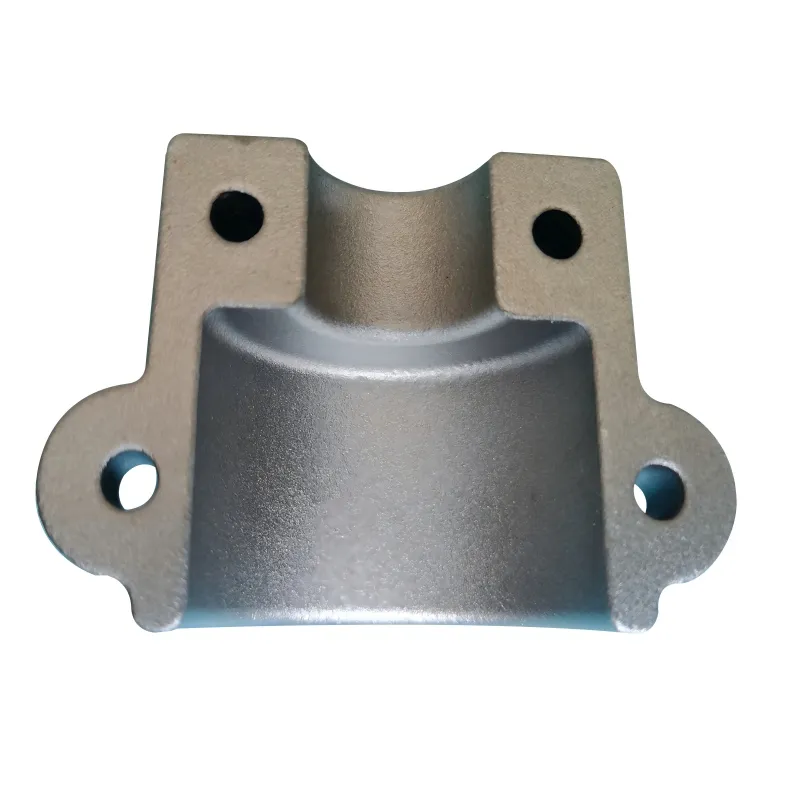
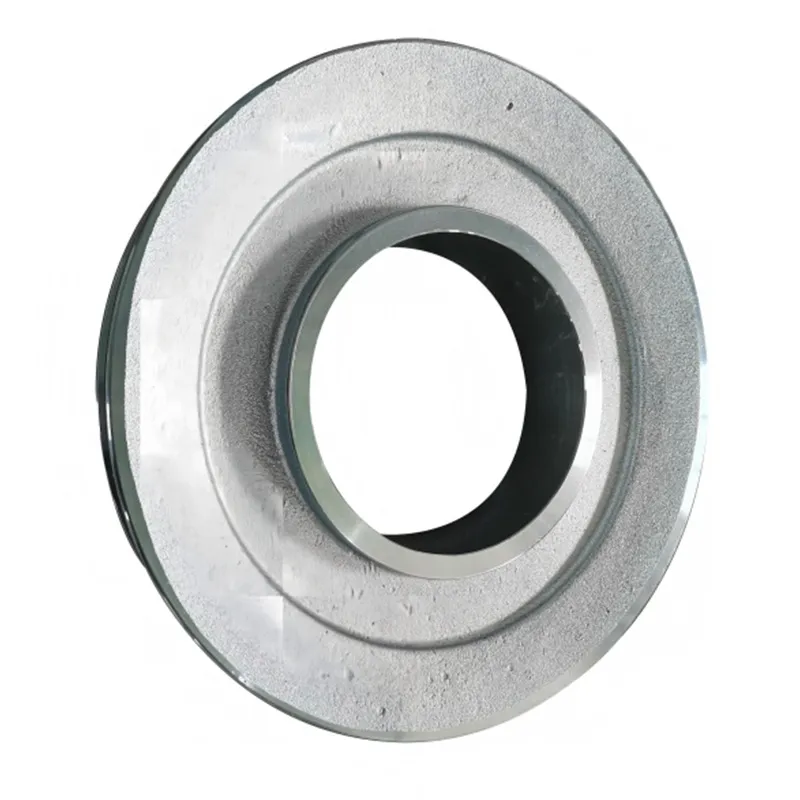
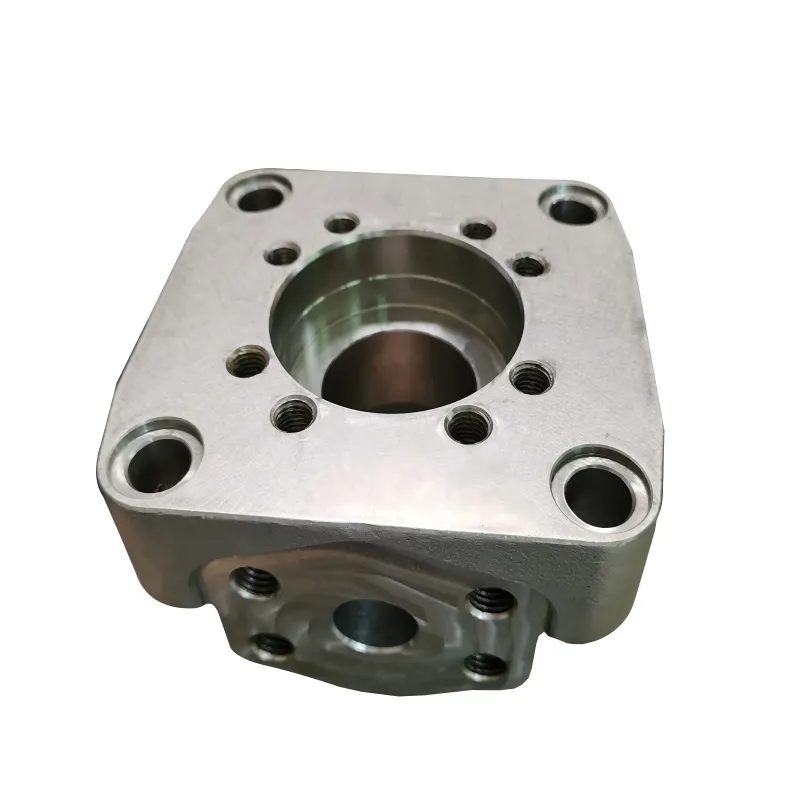
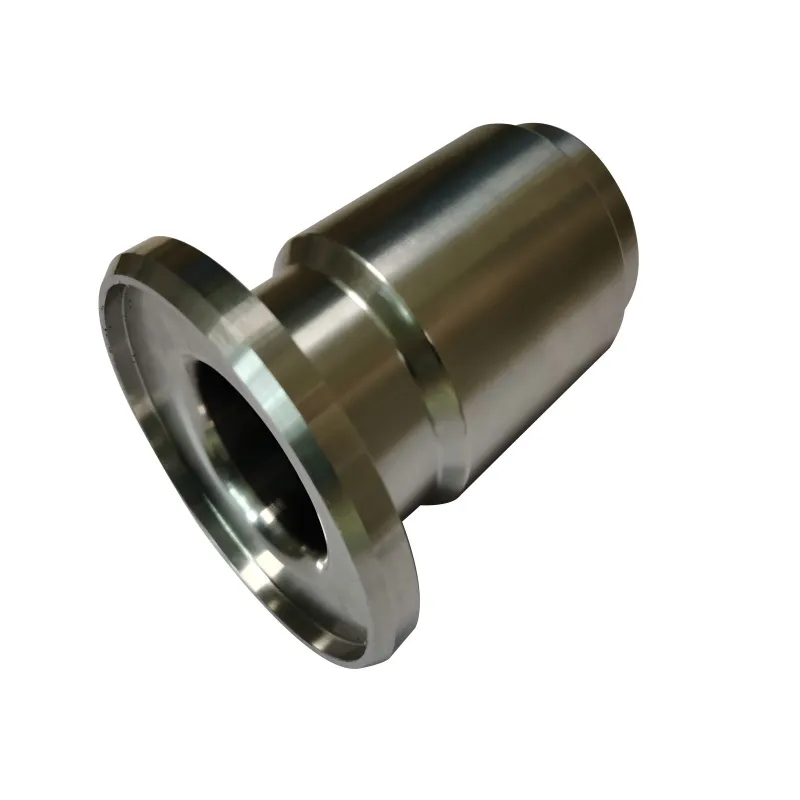
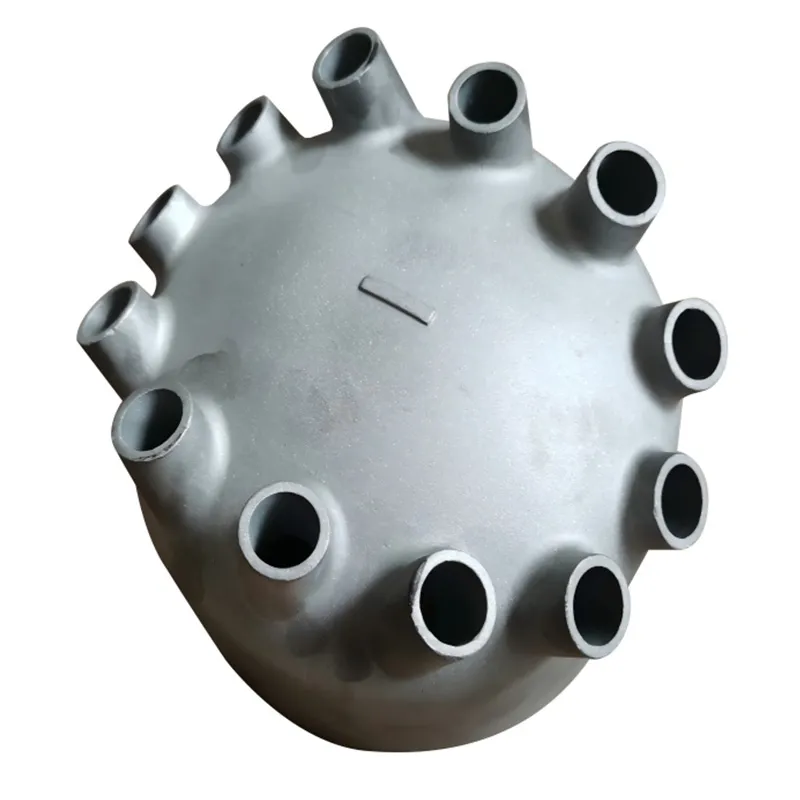
Investment casting is often the go-to for complex N08028 special stainless steel parts, especially those with intricate internal passages. The dimensional accuracy is a must. But N08028 has a high thermal expansion coefficient and a tendency toward micro-shrinkage. The gating and risering design has to be spot-on to feed the casting properly and prevent centerline porosity. It's an art backed by simulation software these days, but experience is irreplaceable. A foundry's pattern library and historical data on similar geometries are worth their weight in gold.
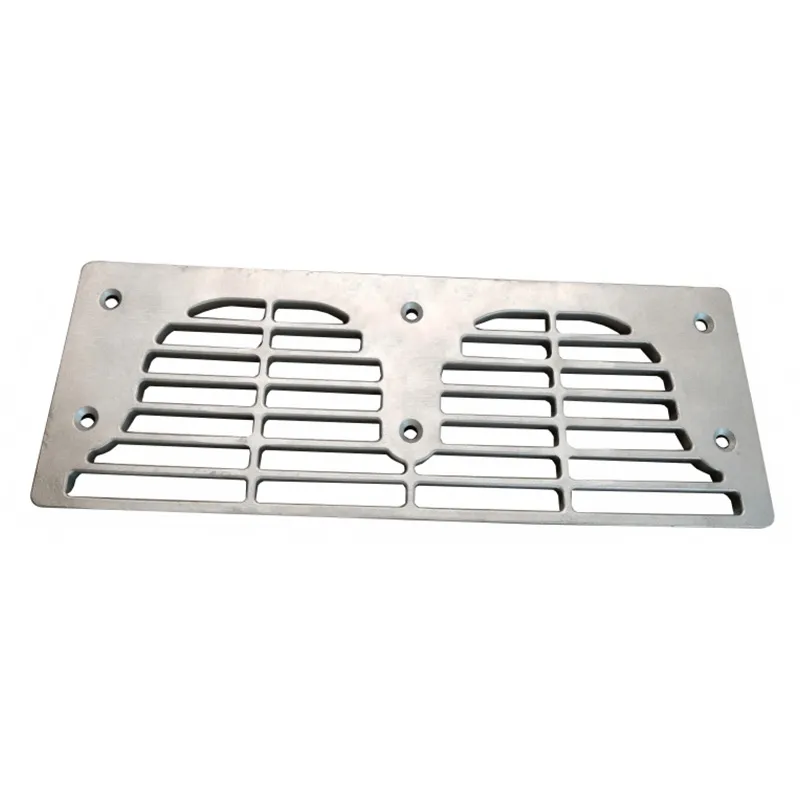
Shell mold casting, another of QSY's listed methods, can be excellent for slightly less intricate but still dimensionally critical parts. The key here is the mold material and the metal-mold interaction. With N08028's high nickel content, any sulfur in the mold sand can lead to catastrophic hot tearing. You need high-purity, chemically bonded sands. It's a detail that separates a shop that can pour it from one that can produce a reliable, sound casting ready for machining.
The heat treatment is non-negotiable: solution annealing followed by rapid quench. The goal is to get all those expensive alloying elements—the chromium, molybdenum, copper—back into solid solution and keep them there. Slow cooling or, heaven forbid, air cooling from an intermediate temperature can precipitate secondary phases in the grain boundaries, utterly destroying the corrosion resistance you paid for. I've seen parts fail a simple ferric chloride test because someone thought they could skip the water quench on a thick-section casting to reduce stress. They reduced the part's service life to months instead of years.
Machining: Where Theory Meets the Toolbit
This is where the rubber meets the road. As mentioned, N08028 work-hardens significantly. Your feeds and speeds need to be aggressive enough to get under that work-hardened layer from the previous cut. Light, timid machining is the worst thing you can do—it just hammers the surface and burns up tools. Positive rake geometry, sharp tools, and rigid setups are mandatory. We standardized on specific grades of carbide with reinforced chipbreakers for roughing and finishing.
Coolant isn't just for cooling; it's for lubrication at the cutting interface and for flushing those stringy chips away before they weld themselves to the workpiece or tool. High-pressure, through-tool coolant delivery became a standard requirement for our CNC machining centers running this material. A shop's CNC machining capability isn't just about the brand of the machine; it's about these auxiliary systems and the parameter databases they've built up over jobs.
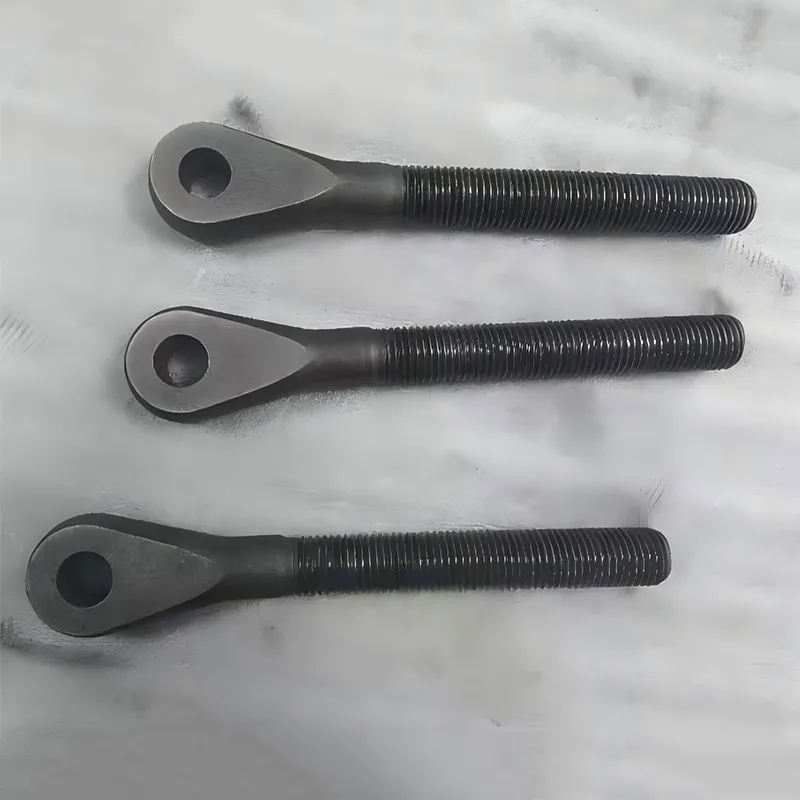
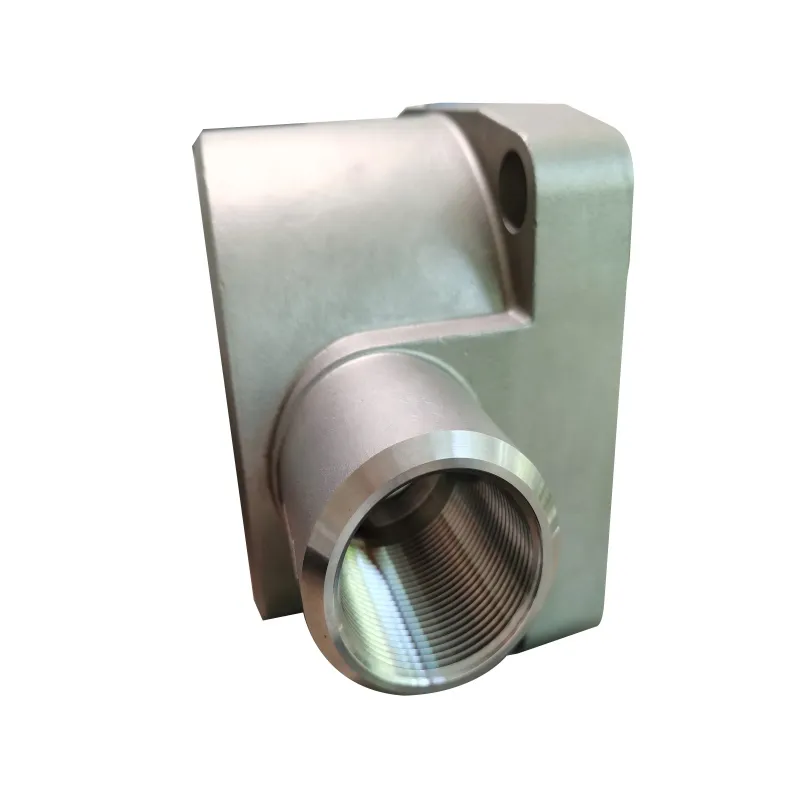
Threading and tapping are particularly delicate operations. The material's toughness loves to grab and gall. For critical threads, we often moved to thread milling instead of tapping, which gives better control and breaks chips more effectively. For through-holes, spiral-flute taps with extreme pressure (EP) additive in the coolant were the only thing that worked consistently without chipping the tap or seizing it in the hole.
Quality Verification: It's Not Just a PMI Gun
Positive Material Identification (PMI) is the bare minimum. You scan the billet or casting and confirm the major elements are in range. But that's just the start. For critical service parts, you need to verify the microstructure. A standard etch will show if you've achieved a fully austenitic structure free of harmful precipitates. More advanced techniques like electrochemical potentiokinetic reactivation (EPR) testing can quantify the degree of sensitization, which is crucial for parts destined for welded assemblies.
Non-destructive testing takes on extra importance. Dye penetrant testing is good for surface defects, but for the internal soundness you're worried about from the casting process, radiography (X-ray) is often specified. The acceptance criteria are typically stricter than for standard stainless steels. A single cluster of porosity that might be acceptable in a 304 part could be a reject for an N08028 part in chloride service, as it's a potential initiation site for pitting.
Finally, functional testing. For valve components or pump parts, this might involve assembly testing and seat leakage checks. The material's performance only matters if the final part performs its function. This end-to-end control, from melt to final inspection, is what a capable supplier provides. It's the difference between buying metal and buying a functional component.
Practical Sourcing and Collaboration
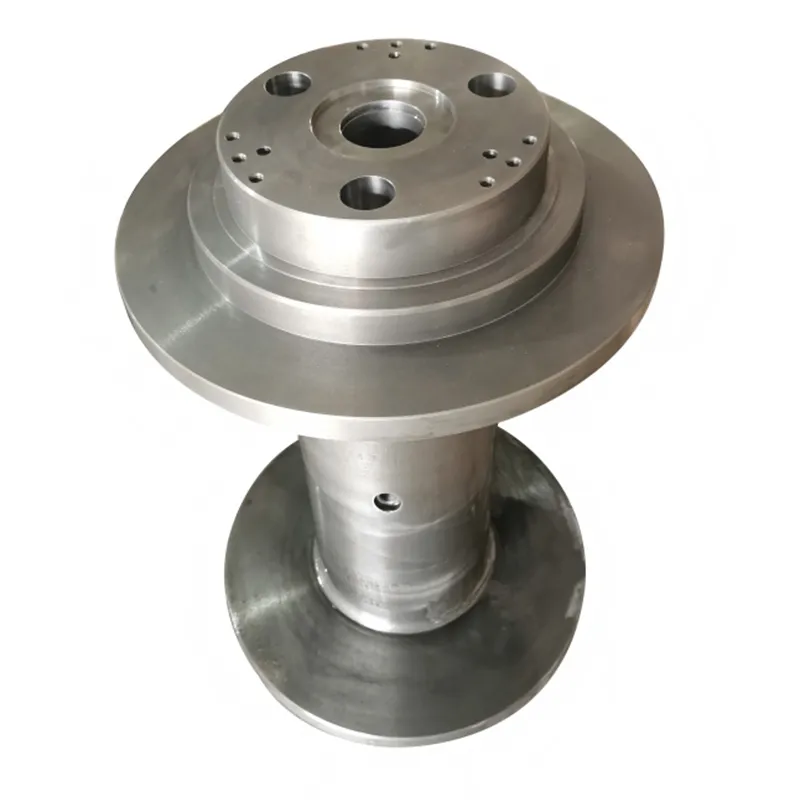
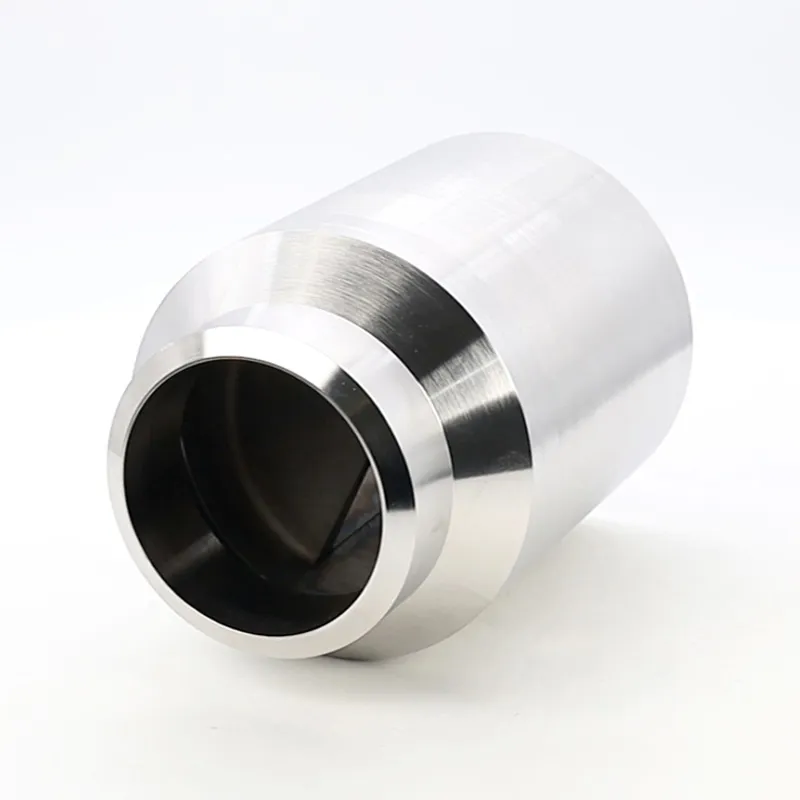
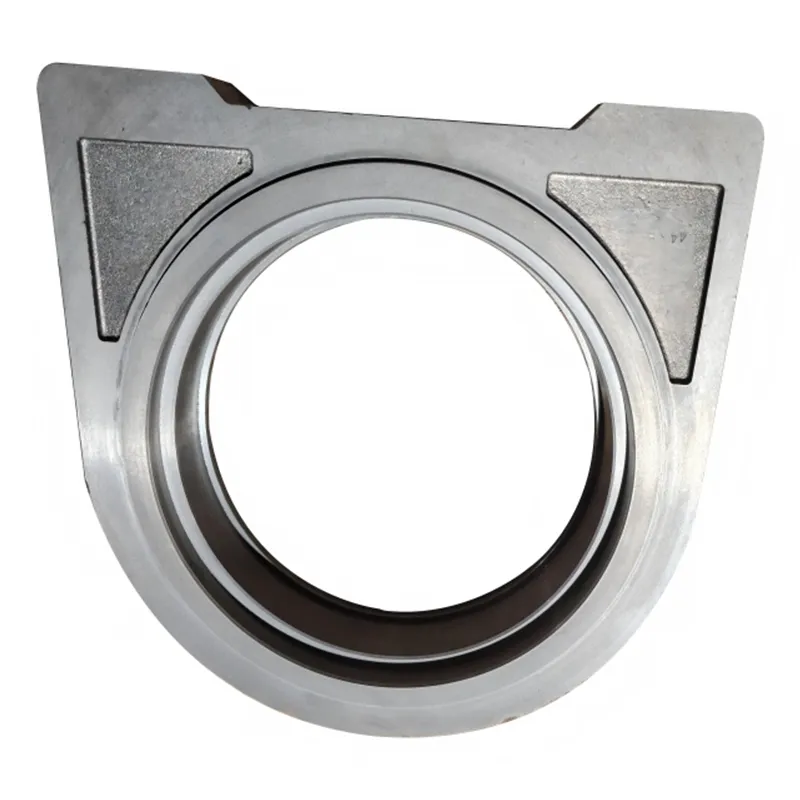
You don't just order N08028 parts from a catalog. It's a collaborative process. The initial design consultation is vital. Can a slight radius increase here avoid a thin section that's hard to feed in casting? Can this internal feature be achieved through machining rather than casting, for better surface integrity? A partner with integrated shell mold casting, investment casting, and CNC machining under one roof, like the capabilities shown on https://www.tsingtaocnc.com, has an advantage here. The machining team can talk to the foundry team before the pattern is even made, optimizing the process chain.
Prototyping is wise. Making a single part or a small batch first to validate the manufacturing route, the tooling, and the final properties can save immense cost and time on the full production run. It's an investment in de-risking the project.
Ultimately, working with special alloys like this is about partnership and shared knowledge. The supplier needs to understand the end application's stresses to advise on details like surface finish (a polished finish can improve corrosion resistance) or passivation treatments. The buyer needs to understand the material's limitations to set realistic expectations on cost and lead time. It's not a commodity transaction. When it's done right, you get a part that solves a major engineering problem. When it's done wrong, you get a very expensive lesson.