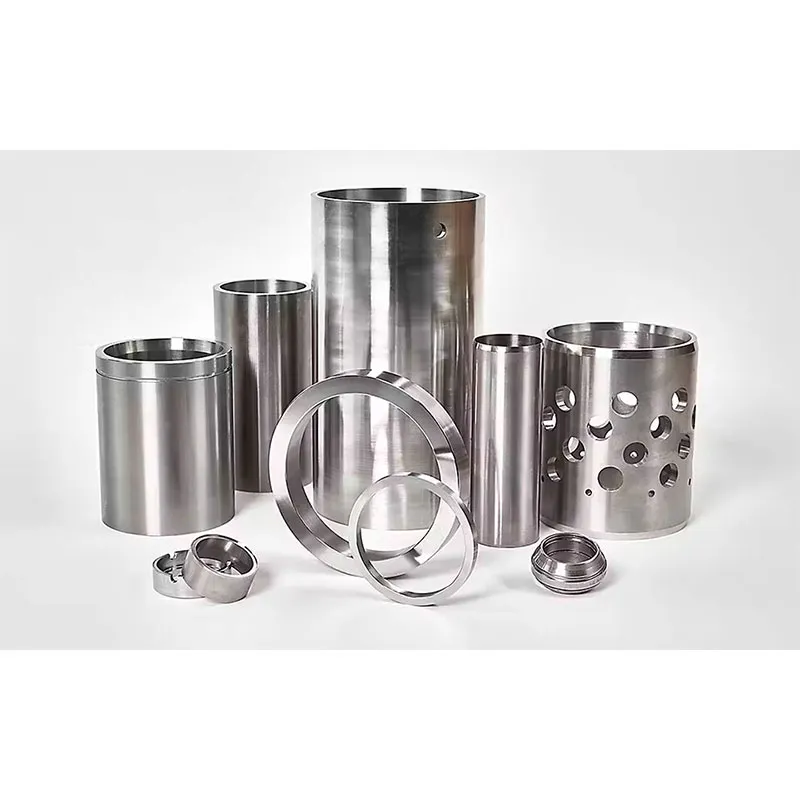
Cast iron parts are essential components in heavy-duty machinery, automotive systems, and infrastructure, prized for their exceptional durability, heat retention, and cost-effectiveness. These parts are manufactured by melting iron with carbon and silicon, then pouring the molten metal into molds to create complex shapes. Understanding the specific types of cast iron parts, their distinct properties, and critical buyer considerations is vital for engineers and procurement specialists seeking reliable industrial solutions.
What Are Cast Iron Parts and How Are They Made?
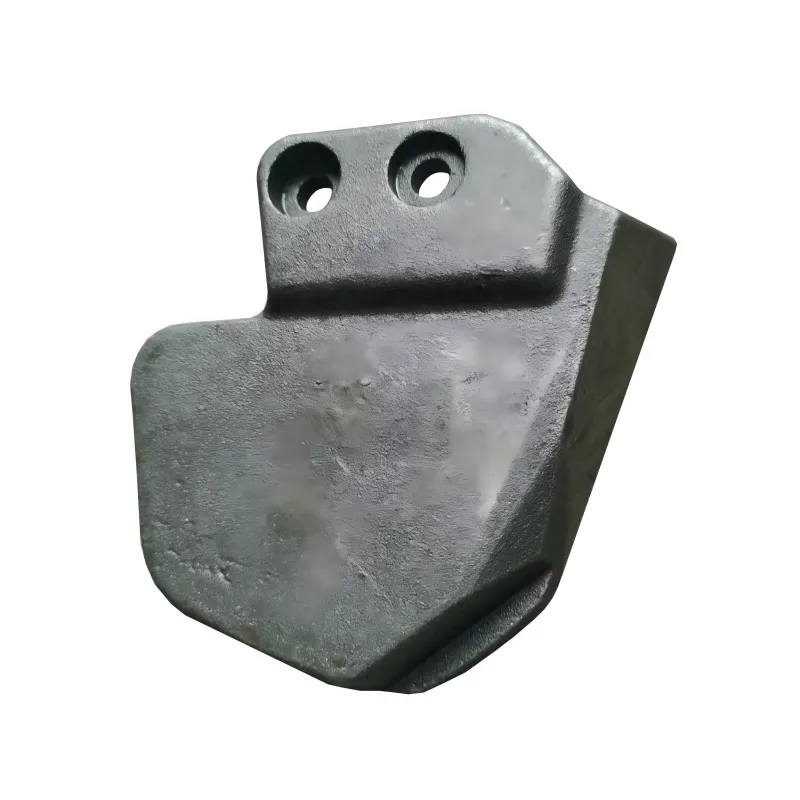
Cast iron parts refer to metallic components produced through a casting process where molten iron alloy is poured into a pre-formed mold. Unlike steel, which is forged or machined from solid billets, cast iron allows for the creation of intricate geometries that would be impossible or prohibitively expensive to achieve through other manufacturing methods.
The fundamental composition includes iron, carbon (typically 2% to 4%), and silicon. This high carbon content lowers the melting point, improving fluidity during the casting process. Once cooled, the material exhibits unique microstructures that define its mechanical properties.
Key characteristics of these parts include excellent compressive strength, superior vibration damping, and remarkable wear resistance. These traits make them indispensable in applications ranging from engine blocks to manhole covers.
The manufacturing process generally involves pattern making, mold preparation, melting, pouring, cooling, and finishing. Each step requires precise control to ensure the final cast iron parts meet rigorous industry standards for dimensional accuracy and structural integrity.
The Role of Microstructure in Performance
The performance of any cast iron part is dictated by its microstructure, specifically how the carbon exists within the iron matrix. Whether the carbon forms flakes, nodules, or carbides determines whether the part will be brittle, ductile, or hard.
Engineers must select the appropriate grade based on the operational stresses the component will face. Misidentifying the required microstructure can lead to premature failure, making technical expertise crucial during the specification phase.
Primary Types of Cast Iron Parts
The industry categorizes cast iron parts into several distinct families, each engineered for specific environmental and mechanical demands. Selecting the right type is the first step in ensuring project success.
- Gray Cast Iron: The most common variety, characterized by graphite flakes that provide excellent machinability and vibration damping.
- Ductile (Nodular) Cast Iron: Features spherical graphite nodules, offering superior tensile strength and impact resistance compared to gray iron.
- White Cast Iron: Contains cementite instead of graphite, resulting in extreme hardness and wear resistance but low toughness.
- Malleable Cast Iron: Heat-treated white iron that offers a balance of ductility and strength, suitable for thin-walled components.
Each type serves a unique role in the industrial ecosystem. Understanding these differences prevents costly mismatches between material properties and application requirements.
Gray Cast Iron Components
Gray cast iron parts are ubiquitous in the automotive and machinery sectors. The flake graphite structure acts as a natural lubricant during machining and absorbs vibrational energy effectively.
Common applications include engine blocks, cylinder heads, brake discs, and pump housings. These parts thrive in environments where compression loads are high, but tensile stresses are moderate.
While not suitable for high-impact scenarios, their cost-efficiency and ease of fabrication make them the default choice for many static or low-dynamic load applications.
Ductile Iron Solutions
Ductile iron parts represent a significant technological advancement over traditional gray iron. By adding magnesium or cerium during the melting process, the graphite forms into spheres rather than flakes.
This structural change dramatically improves elongation and impact toughness. Consequently, ductile iron parts are frequently used in crankshafts, gears, heavy-duty valves, and wind turbine hubs.
Industries requiring components that can withstand shock loading without fracturing often specify ductile iron as the primary material. It bridges the gap between the castability of gray iron and the strength of steel.
Specialized White and Malleable Variants
White cast iron parts are specialized tools for abrasive environments. Their hard, brittle nature makes them ideal for crusher jaws, mill liners, and slurry pump components where wear is the primary failure mode.
Malleable cast iron parts, though less common today due to the rise of ductile iron, are still valued for small, intricate fittings and electrical conduit bodies. The annealing process converts brittle cementite into temper carbon, enhancing ductility.
Selecting between these variants requires a deep understanding of the operational lifecycle and failure modes expected in the specific application context.
Key Applications Across Industries
The versatility of cast iron parts ensures their presence in nearly every major industrial sector. From transportation to civil engineering, these components form the backbone of critical infrastructure.
In the automotive industry, cast iron remains dominant for engine blocks and exhaust manifolds due to its thermal stability and ability to dampen engine noise. The material’s capacity to retain heat also improves combustion efficiency.
The construction sector relies heavily on cast iron for pipe fittings, manhole covers, and structural supports. These parts must endure harsh weather conditions and heavy physical loads over decades of service.
In manufacturing and agriculture, machinery frames, gearboxes, and tractor components utilize cast iron for its rigidity and vibration absorption. This reduces wear on connected moving parts and extends equipment lifespan.
Thermal and Fluid Management Systems
Cast iron parts are extensively used in heating and plumbing systems. Radiators, boilers, and large-diameter water pipes leverage the material’s corrosion resistance and thermal mass.
The ability to cast complex internal passages allows for efficient fluid dynamics in pumps and valves. This is critical in chemical processing plants where leak prevention is paramount.
Furthermore, the material’s resistance to thermal shock ensures longevity in systems experiencing rapid temperature fluctuations, a common scenario in industrial processing.
Heavy Machinery and Mining Equipment
Mining operations demand components that can resist severe abrasion and impact. White cast iron parts are often deployed in crushing and grinding circuits to handle ore and rock.
Excavator counterweights and base frames also utilize cast iron to provide the necessary mass for stability. The density of the material contributes to the overall balance of heavy earth-moving equipment.
Reliability in these extreme environments is non-negotiable. High-quality cast iron parts minimize downtime and maintenance costs, directly impacting operational profitability.
Comparison of Cast Iron Types
Choosing the correct material requires a clear comparison of mechanical properties. The following table outlines the primary differences between the main types of cast iron parts available in the current market.
| Property |
Gray Cast Iron |
Ductile Cast Iron |
White Cast Iron |
Malleable Cast Iron |
| Graphite Form |
Flakes |
Spheroids (Nodules) |
Cementite (None) |
Temper Carbon Aggregates |
| Tensile Strength |
Low to Moderate |
High |
Very Low |
Moderate to High |
| Ductility |
Very Low (Brittle) |
High |
None |
Moderate |
| Wear Resistance |
Moderate |
Good |
Excellent |
Good |
| Machinability |
Excellent |
Good |
Poor |
Good |
| Vibration Damping |
Excellent |
Moderate |
Poor |
Moderate |
| Primary Use Case |
Engine Blocks, Bases |
Gears, Crankshafts |
Crusher Liners |
Fittings, Hinges |
This comparison highlights that no single type is superior in all aspects. The optimal choice depends entirely on the specific mechanical stresses and environmental conditions the part will encounter.
For instance, while white iron offers unmatched wear resistance, its brittleness makes it unsuitable for applications involving shock loads. Conversely, ductile iron provides strength but may not dampen vibrations as effectively as gray iron.
Advantages and Limitations of Cast Iron Parts
Like any engineering material, cast iron parts come with a distinct set of advantages and limitations. A balanced evaluation is necessary for informed decision-making.
Major Advantages:
- Cost-Efficiency: Raw materials are abundant, and the casting process allows for near-net-shape production, reducing machining waste and labor costs.
- Design Flexibility: Complex internal cavities and external shapes can be cast in a single piece, eliminating the need for assembly of multiple components.
- Thermal Stability: High heat capacity and resistance to thermal deformation make these parts ideal for high-temperature applications.
- Corrosion Resistance: Certain grades exhibit better resistance to oxidation and rust compared to standard carbon steels, especially in soil or water environments.
Notable Limitations:
- Weight: Cast iron is dense and heavy, which can be a disadvantage in applications where weight reduction is critical, such as aerospace or portable equipment.
- Tensile Weakness: With the exception of ductile iron, most cast irons have poor tensile strength and are prone to sudden fracture under tension.
- Brittleness: Standard gray and white irons lack ductility, meaning they cannot deform plastically before breaking, posing risks in dynamic load scenarios.
- Quality Variability: The casting process is sensitive to variables like cooling rates and impurity levels, requiring strict quality control to avoid defects like porosity or shrinkage.
Understanding these trade-offs helps buyers align their expectations with the material’s inherent capabilities. Proper design can often mitigate limitations, such as adding ribs to increase stiffness without adding excessive weight.
Critical Buyer Considerations
Purchasing cast iron parts is a strategic decision that impacts long-term operational reliability. Buyers must evaluate several factors beyond the initial unit price to ensure value and performance.
1. Specification Accuracy: Clearly define the required grade (e.g., ASTM A48 for gray iron or ASTM A536 for ductile iron). Ambiguous specifications can lead to the delivery of substandard materials that fail under load.
2. Manufacturing Capabilities: Assess the supplier’s foundry technology. Modern facilities utilize simulation software to predict filling patterns and solidification, minimizing defects before production begins.
3. Quality Assurance Protocols: Inquire about testing procedures. Reputable manufacturers perform spectral analysis, tensile testing, and non-destructive testing (NDT) like ultrasonic or X-ray inspection on critical batches.
4. Lead Times and Scalability: Casting involves tooling creation and thermal cycles that take time. Ensure the supplier can meet project timelines and scale production if demand increases.
Evaluating Supplier Expertise
The expertise of the manufacturer plays a pivotal role in the quality of cast iron parts. Experienced foundries understand how to adjust chemistry and cooling rates to achieve desired microstructures consistently.
Look for suppliers with a proven track record in your specific industry. An automotive-focused foundry may not have the specialized knowledge required for mining-grade white iron components.
Transparency in communication is also key. A trustworthy partner will discuss potential design challenges openly and suggest modifications to improve castability and reduce costs without compromising function.
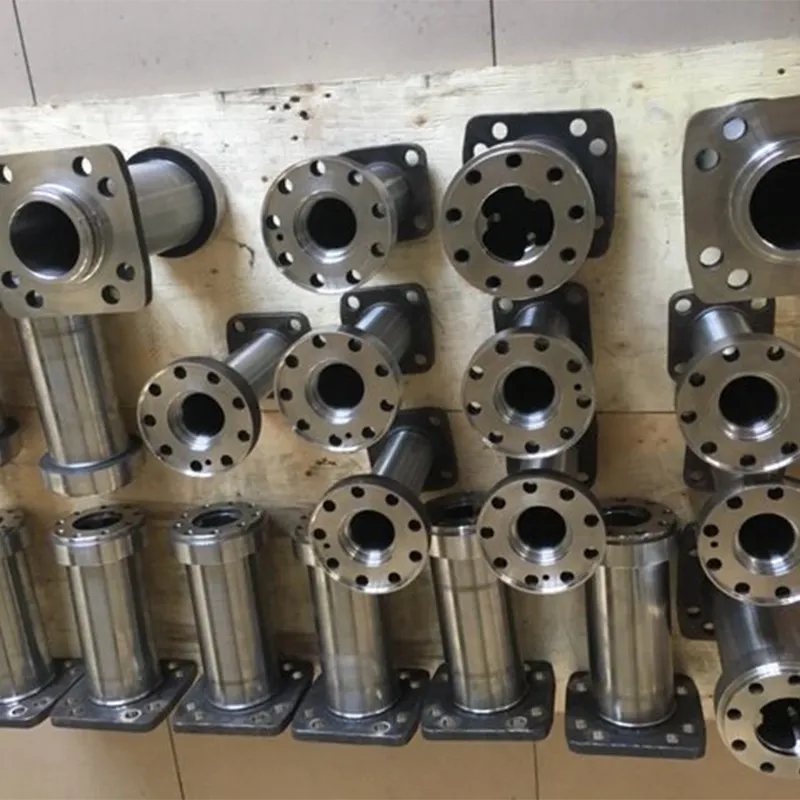
For organizations seeking a partner with decades of proven reliability, Qingdao Qiangsenyuan Technology Co., Ltd. (QSY) stands out as a premier example of industry excellence. With over 30 years of experience in the casting and machining sector, QSY has evolved into a comprehensive solution provider specializing in shell mold casting, lost wax casting, and precision CNC machining. Their expansive 50,000-square-meter facility integrates dedicated production lines for shell mold and investment casting alongside advanced CNC machining, quality inspection, and packaging workshops. This one-stop approach ensures seamless transitions from raw casting to finished component, covering a wide spectrum of materials including various grades of cast iron, steel, stainless steel, and special alloys like cobalt and nickel-based superalloys. Serving clients in over 20 countries across diverse sectors such as agricultural machinery, medical equipment, food processing, mining, and petrochemicals, QSY exemplifies the kind of technical depth and global scalability that modern procurement strategies demand.
Cost vs. Lifecycle Value
While initial cost is important, the total cost of ownership (TCO) is a more accurate metric. A cheaper part that fails prematurely results in higher replacement costs, downtime, and potential safety hazards.
Investing in higher-grade materials or superior surface treatments often yields better long-term economics. For example, a ductile iron gear may cost more upfront than a gray iron equivalent but last significantly longer under cyclic loading.
Buyers should request lifecycle data or case studies from suppliers to validate claims regarding durability and performance in real-world scenarios.
Common Defects and Quality Control
Even with advanced processes, cast iron parts can suffer from defects. Recognizing these issues is essential for maintaining quality standards and preventing field failures.
Porosity: Gas pockets trapped during solidification can weaken the structure. This is often caused by improper venting in the mold or excessive moisture in the sand.
Shrinkage: As molten iron cools, it contracts. Without proper riser design to feed liquid metal into shrinking areas, voids can form internally, compromising structural integrity.
Inclusions: Non-metallic particles like sand or slag can become embedded in the casting. These act as stress concentrators and initiation points for cracks.
Cold Shuts: Occur when two streams of molten metal meet but fail to fuse properly, often due to low pouring temperatures. This creates a visible seam that weakens the part.
Rigorous quality control measures, including visual inspection, dimensional checking, and metallurgical analysis, are mandatory to detect and reject defective parts before they reach the customer.
Non-Destructive Testing Methods
Modern foundries employ various non-destructive testing (NDT) techniques to verify the internal soundness of cast iron parts without damaging them.
- Ultrasonic Testing (UT): Uses high-frequency sound waves to detect internal flaws like cracks or voids.
- Magnetic Particle Inspection (MPI): Effective for finding surface and near-surface discontinuities in ferromagnetic materials.
- Radiographic Testing (RT): Utilizes X-rays or gamma rays to visualize internal structures and identify density variations caused by defects.
- Liquid Penetrant Testing (PT): Highlights surface-breaking defects using a colored or fluorescent dye.
Specifying the appropriate NDT method in the purchase order ensures that critical components undergo the necessary scrutiny to guarantee safety and reliability.
Maintenance and Longevity of Cast Iron Parts
To maximize the service life of cast iron parts, proper maintenance practices are essential. While durable, these components are not immune to wear and environmental degradation.
Lubrication: For moving parts like gears and bearings, consistent lubrication reduces friction and wear. The graphite in gray iron provides some self-lubrication, but external lubricants are still necessary for high-speed applications.
Corrosion Protection: Although cast iron has some natural resistance, exposure to acidic or saline environments can cause rust. Protective coatings, paints, or galvanization can extend the lifespan of outdoor or marine components.
Stress Monitoring: Regular inspections for signs of fatigue, such as hairline cracks or deformation, can prevent catastrophic failures. Early detection allows for scheduled replacements rather than emergency repairs.
Temperature Management: Avoid subjecting cast iron parts to rapid thermal cycling beyond their design limits. Thermal shock can induce cracking, particularly in thicker sections where heat distribution is uneven.
Repair vs. Replacement
When damage occurs, deciding between repair and replacement depends on the severity and location of the defect. Minor surface wear can often be machined away, while deeper cracks may require welding.
However, welding cast iron is challenging due to its tendency to crack upon cooling. Specialized procedures, including pre-heating and controlled cooling, are required to ensure a successful repair.
In many cases, replacing the component is more cost-effective and reliable than attempting a complex repair, especially for critical safety-related parts.
Frequently Asked Questions (FAQ)
Addressing common queries helps clarify uncertainties surrounding cast iron parts and aids in the decision-making process for buyers and engineers.
What is the difference between cast iron and steel parts?
The primary difference lies in carbon content and manufacturing method. Cast iron contains more than 2% carbon and is formed by pouring molten metal into molds, allowing for complex shapes. Steel has lower carbon content and is typically forged or rolled, offering higher tensile strength and ductility but less design flexibility for intricate geometries.
Are cast iron parts recyclable?
Yes, cast iron is highly recyclable. Scrap cast iron parts can be melted down and reused indefinitely without losing their inherent properties. This makes them an environmentally friendly choice in terms of material lifecycle management.
How do I identify the type of cast iron?
Visual inspection alone is often insufficient. Identification usually requires spectrographic analysis to determine chemical composition or microscopic examination of the microstructure to observe the shape of the graphite (flakes vs. nodules).
Can cast iron parts be welded?
Welding is possible but difficult. It requires specific filler materials, pre-heating of the part to reduce thermal shock, and slow post-weld cooling to prevent cracking. Ductile iron is generally easier to weld than gray or white iron.
Why do engine blocks use cast iron instead of aluminum?
While aluminum is lighter, cast iron offers superior wear resistance for cylinder bores, better heat retention for efficient combustion, and higher strength at elevated temperatures. It is also more cost-effective for heavy-duty applications where weight is less critical than durability.
Future Trends in Cast Iron Technology
The cast iron industry continues to evolve, driven by demands for higher performance and sustainability. Emerging trends are shaping the future of how these parts are designed and manufactured.
Advanced Alloys: Researchers are developing new alloy formulations that enhance strength and heat resistance while maintaining castability. These “high-performance” cast irons aim to compete with steel in more demanding applications.
Simulation Software: The use of computational fluid dynamics (CFD) and finite element analysis (FEA) during the design phase allows engineers to optimize gating systems and predict stress points, reducing trial-and-error in production.
Sustainable Foundry Practices: There is a growing emphasis on reducing energy consumption and emissions in foundries. Innovations in binder systems for sand molds and more efficient melting furnaces are becoming standard practice.
These advancements ensure that cast iron parts remain a relevant and competitive solution in the modern engineering landscape, adapting to the rigorous demands of next-generation machinery.
Conclusion and Selection Guide
Cast iron parts remain a cornerstone of industrial manufacturing, offering an unparalleled combination of durability, versatility, and cost-efficiency. From the vibration-damping capabilities of gray iron to the high-strength attributes of ductile iron, there is a solution for nearly every mechanical challenge.
Who should use these parts? Engineers designing heavy machinery, automotive systems, or infrastructure projects where load-bearing capacity and thermal stability are paramount will find cast iron to be the optimal choice. Procurement specialists looking for long-term value and reduced maintenance costs should also prioritize high-quality cast components.
To ensure success, always begin with a clear definition of operational requirements. Match the specific grade of cast iron to the anticipated stresses and environmental conditions. Partner with reputable manufacturers who demonstrate technical expertise and robust quality control protocols.
By understanding the nuances of material properties and manufacturing processes, you can leverage the full potential of cast iron parts to build safer, more efficient, and longer-lasting systems. Evaluate your current specifications today and consider whether a switch to a more suitable cast iron grade could enhance your project’s performance.