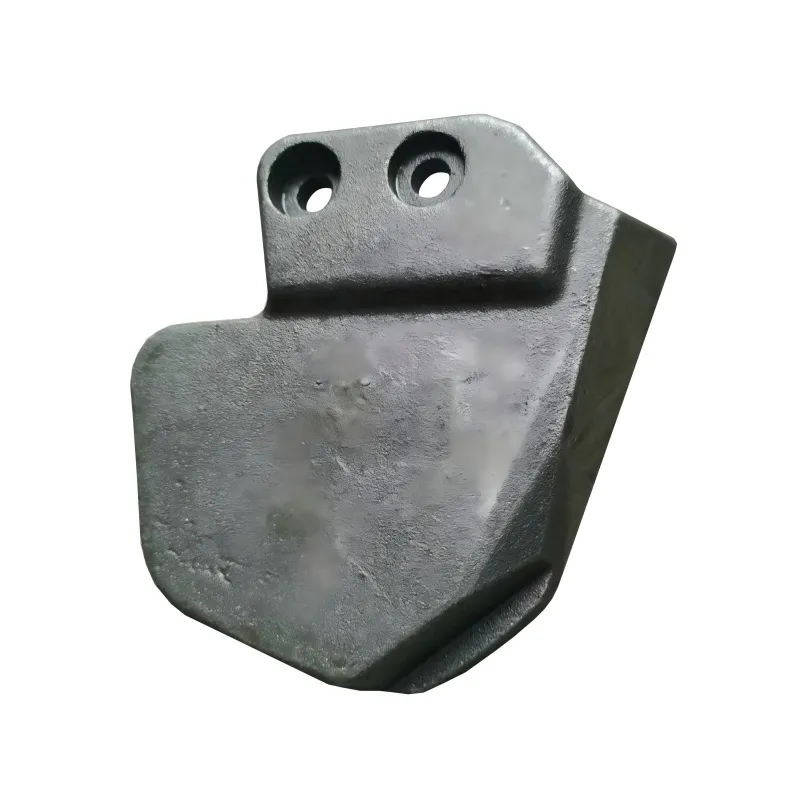
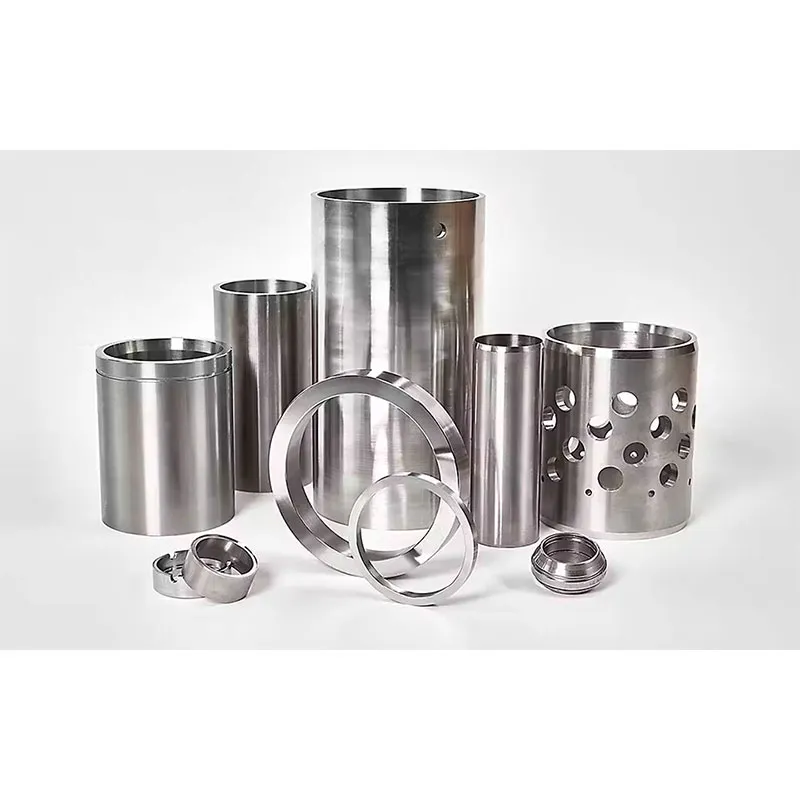
Ductile iron investment casting is a specialized manufacturing process that combines the superior mechanical properties of nodular iron—such as high tensile strength and impact resistance—with the dimensional precision and complex geometric capabilities of the lost-wax casting method. Unlike traditional sand casting, which often requires extensive secondary machining, investment casting produces near-net-shape components with superior surface finishes and tighter tolerances. This hybrid approach is critical for industries requiring mission-critical parts that must withstand high pressure, wear, and dynamic loads, such as hydraulic systems, oil and gas equipment, and heavy engineering vehicles.
What Is Ductile Iron Investment Casting?
Ductile iron, also known as nodular iron or spheroidal graphite iron, is characterized by spherical graphite inclusions within its microstructure. This structure provides significantly higher ductility and toughness compared to gray cast iron. When produced via investment casting (also known as precision casting), the material benefits from a refined grain structure due to faster cooling rates associated with the ceramic shell mold.
The process involves creating a wax pattern of the desired part, assembling it into a tree, dipping it in ceramic slurry, and stuccoing it with refractory materials. After the shell hardens, the wax is melted out (“lost”), and molten ductile iron is poured into the cavity. The result is a component that offers:
- High Strength-to-Weight Ratio: Ideal for moving parts in engineering vehicles where mass reduction is crucial without sacrificing structural integrity.
- Complex Geometries: Ability to cast intricate internal passages, thin walls, and undercuts that are impossible or prohibitively expensive to machine from solid stock.
- Excellent Machinability: Despite its strength, ductile iron remains relatively easy to machine for final finishing operations.
- Vibration Damping: Superior ability to absorb vibrations, making it perfect for pump housings and engine components.
The Manufacturing Process: Step-by-Step
Understanding the production workflow is essential for engineers and procurement specialists evaluating suppliers. At QINGDAO QIANGSENYUAN TECHNOLOGY CO., LTD., the manufacturing of ductile iron investment castings follows a rigorous, ISO-compliant protocol designed to ensure metallurgical consistency and dimensional accuracy.
1. Pattern Creation and Assembly
The process begins with the injection of wax into aluminum molds to create precise patterns. These patterns are then assembled onto a central wax sprue to form a “tree.” This stage is critical for determining the final dimensional accuracy of the part. Advanced CAD/CAM software is used to optimize gating systems, ensuring proper metal flow and minimizing turbulence.
2. Ceramic Shell Building
The wax assembly is dipped into a silica-based ceramic slurry and then coated with fine refractory sand. This dipping and stuccoing process is repeated multiple times to build a shell of sufficient thickness and strength. Each layer must dry thoroughly to prevent delamination or cracking during the subsequent heating phases.
3. Dewaxing and Firing
The coated trees are placed in autoclaves or steam ovens to melt out the wax, leaving a hollow ceramic mold. The shells are then fired at high temperatures (typically above 1000°C) to remove any residual wax and moisture, while simultaneously strengthening the ceramic structure for metal pouring.
4. Melting and Pouring
Raw materials, including certified pig iron, steel scrap, and ferroalloys, are melted in induction furnaces. Strict control over chemical composition is maintained to ensure the formation of nodular graphite. Spheroidizing agents (such as magnesium or rare earth elements) are added to treat the molten iron. The liquid metal is then poured into the pre-heated ceramic shells under controlled conditions to prevent oxidation and ensure complete filling.
5. Cooling, Knockout, and Cutting
After solidification, the ceramic shell is broken away (knockout), and the individual castings are cut from the gating system. Shot blasting is performed to clean the surface and remove any remaining refractory material.
6. Heat Treatment and Finishing
Depending on the application requirements, parts may undergo heat treatment processes such as annealing, normalizing, or quenching and tempering to achieve specific mechanical properties. Finally, CNC machining is performed to meet tight tolerance specifications for critical interfaces.
Why Choose Ductile Iron Over Other Materials?
Selecting the right material for industrial components involves balancing cost, performance, and manufacturability. Ductile iron investment casting offers a unique value proposition compared to alternative materials and processes.
| Feature |
Ductile Iron Investment Casting |
Gray Iron Sand Casting |
Steel Investment Casting |
CNC Machining from Bar Stock |
| Tensile Strength |
High (400-900 MPa) |
Low to Medium |
Very High |
Very High |
| Ductility/Toughness |
Excellent |
Poor (Brittle) |
Excellent |
Excellent |
| Dimensional Precision |
High (CT4-CT6) |
Low (CT8-CT12) |
High (CT4-CT6) |
Highest |
| Surface Finish |
Smooth (Ra 3.2-6.3) |
Rough |
Smooth |
Very Smooth |
| Complex Geometry |
Excellent |
Limited |
Excellent |
Limited by Tool Access |
| Cost Efficiency (Medium Vol) |
High |
High (for simple parts) |
Medium |
Low (High Waste) |
| Vibration Damping |
Superior |
Good |
Poor |
Poor |
As demonstrated in the comparison, ductile iron investment casting bridges the gap between the low cost of sand casting and the high precision of steel casting. It is particularly advantageous for components like piston pump cylinder housings and pressure valves, where the combination of pressure resistance and vibration damping is non-negotiable.
Key Applications in Industrial Sectors
The versatility of ductile iron investment casting makes it indispensable across several high-demand industries. QINGDAO QIANGSENYUAN TECHNOLOGY CO., LTD. leverages its vertically integrated capabilities to serve sectors where failure is not an option.
Hydraulic Systems and Pump Assemblies
Hydraulic components operate under extreme pressures and continuous cyclic loading. Ductile iron’s high yield strength and fatigue resistance make it ideal for:
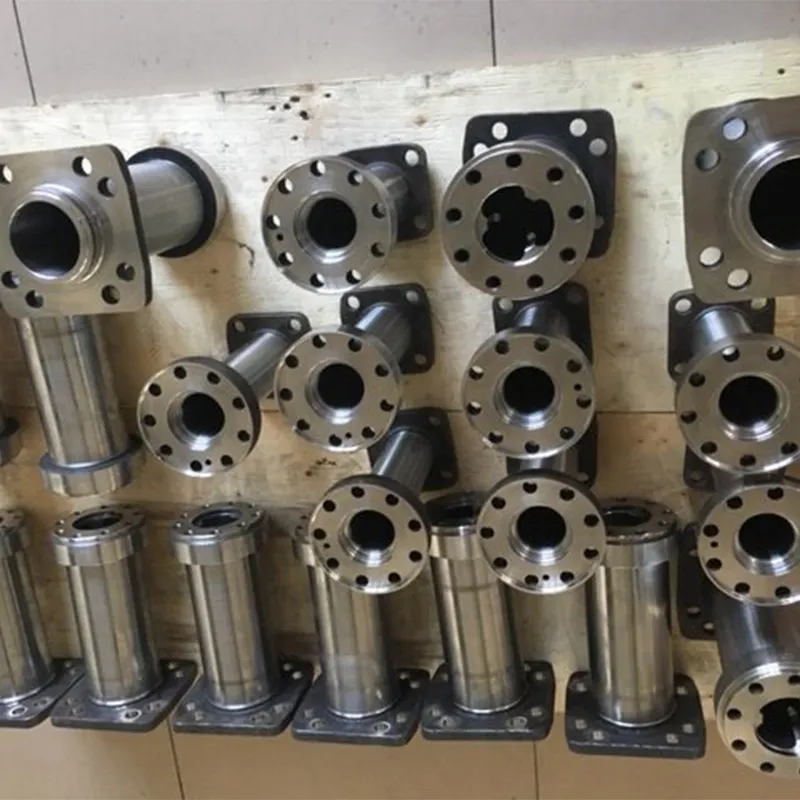
- Piston Pump Cylinder Housings: These components require precise bore dimensions and high structural integrity to prevent leakage and maintain efficiency.
- Pressure Valves: Complex internal geometries required for flow control are easily achieved through investment casting, reducing the need for multiple assembled parts.
- Pump Foundations: The vibration-damping properties of ductile iron help stabilize pumping systems, reducing noise and wear on connected piping.
Engineering Vehicles and Heavy Machinery
In the construction and mining sectors, equipment is subjected to shock loads and abrasive environments. Key applications include:
- Onboard Winch Center Shaft Rollers: These parts must withstand significant tensile and shear forces. The toughness of ductile iron prevents catastrophic brittle failure under shock loading.
- Suspension Components: Brackets and linkages benefit from the weight savings and strength offered by precision casting.
Oil and Gas Equipment
Components in this sector must resist corrosion and high pressure. While superalloys are used for the most extreme conditions, ductile iron is widely used for valve bodies, flanges, and fittings where cost-effectiveness and reliability are balanced. The ability to apply specialized surface coatings further enhances corrosion resistance.
Technical Expertise: Handling Complex Alloys and Quality Control
While ductile iron is a core competency, modern industrial demands often require manufacturers to handle a broader spectrum of materials. QINGDAO QIANGSENYUAN TECHNOLOGY CO., LTD. distinguishes itself through deep technical competence in processing not only iron but also high-performance alloys.
The company’s operational model integrates design support, material selection, and precision manufacturing. This is evident in their handling of difficult-to-machine superalloys. For instance, their expertise extends to cobalt-nickel alloy components, including AMS 5387 cobalt alloy 6 pump parts and non-standard components fabricated from T800 cobalt-based materials. These materials are often used in conjunction with ductile iron assemblies in high-wear environments, such as nozzles and plugs.
This multi-material capability ensures that customers can source complex assemblies from a single partner. Whether it is a ductile iron housing mating with a cobalt alloy valve seat, the manufacturer ensures consistent metallurgical properties and dimensional compatibility.
Quality Assurance and Traceability
Trustworthiness in B2B manufacturing is built on transparent quality control. The facility employs a disciplined quality management approach with documented inspection protocols. Key measures include:
- Incoming Material Verification: All raw materials, including pig iron and ferroalloys, are sourced from certified suppliers and tested for chemical composition.
- In-Process Inspection: Dimensional checks are performed using Coordinate Measuring Machines (CMM) and optical measuring instruments at critical stages of production.
- Metallurgical Testing: Microstructure analysis ensures proper nodularity and graphite distribution. Mechanical testing verifies tensile strength, yield strength, and elongation.
- Full Traceability: Every batch retains full traceability, allowing for root cause analysis if issues arise. This is crucial for mission-critical parts in oil and gas or aerospace-adjacent applications.
Common Challenges and Solutions in Ductile Iron Casting
Even with advanced processes, challenges can arise. Understanding these helps buyers evaluate supplier expertise.
Challenge 1: Shrinkage Defects
Ductile iron expands slightly during graphitization, which can lead to shrinkage porosity if not managed. Solution: Proper gating design and the use of rigid ceramic shells in investment casting help counteract this expansion, ensuring dense, defect-free castings.
Challenge 2: Surface Roughness
Investment casting generally offers better surface finish than sand casting, but reactions between the metal and the ceramic shell can cause roughness. Solution: Using high-quality zircon-based slurries for the primary coat and controlling pouring temperatures minimizes surface defects, reducing the need for extensive post-cast machining.
Challenge 3: Machining Hard Spots
Inconsistent cooling can lead to hard spots that damage cutting tools. Solution: Controlled cooling rates and appropriate heat treatment (annealing) ensure uniform hardness across the component, facilitating efficient CNC machining.
FAQ: Frequently Asked Questions
What is the typical tolerance for ductile iron investment casting?
Standard tolerances for investment casting typically range from CT4 to CT6 according to ISO standards. For critical features, tighter tolerances can be achieved through secondary CNC machining. At QINGDAO QIANGSENYUAN, GD&T interpretation and drawing validation ensure that functional requirements are met cost-effectively.
Can ductile iron be welded?
Yes, ductile iron can be welded, but it requires specific procedures to prevent cracking in the heat-affected zone. Pre-heating and the use of nickel-based filler metals are common practices. However, for complex repairs or assemblies, design modifications to avoid welding are often preferred.
How does investment casting compare to sand casting for ductile iron?
Investment casting offers superior surface finish, tighter tolerances, and the ability to produce more complex shapes with thinner walls. Sand casting is generally more economical for very large, simple parts. For medium-sized, high-precision components like valve bodies and pump parts, investment casting is often more cost-effective when total lifecycle costs (including machining) are considered.
What industries benefit most from this process?
Industries requiring high reliability and complex geometries benefit most. This includes hydraulic manufacturing, oil and gas, automotive (especially heavy-duty trucks and engineering vehicles), and industrial pump manufacturing. The ability to integrate features like internal channels directly into the casting reduces assembly time and potential leak points.
Does QINGDAO QIANGSENYUAN offer custom design support?
Yes. The company’s service philosophy centers on responsive technical consultation. Project management support includes drawing validation, feedback on manufacturability, and early risk mitigation. This collaborative approach enables cost-effective design realization and ensures that the final product meets both functional and economic goals.
Selecting the Right Manufacturing Partner
Choosing a manufacturer for ductile iron investment casting is a strategic decision. It requires a partner who not only possesses the technical equipment but also the engineering insight to optimize designs for manufacturability.
QINGDAO QIANGSENYUAN TECHNOLOGY CO., LTD. positions itself as a reliable partner for complex, mission-critical parts. Headquartered in Qingdao, China, the company serves global markets including North America, Europe, and Southeast Asia. Their strength lies in their vertically integrated capabilities, spanning casting, CNC machining, and finishing. This integration allows for tight control over dimensional stability, microstructure integrity, and surface quality.
For buyers sourcing components like engineering vehicle onboard winch center shaft rollers or specialized pump assemblies, the ability to validate designs and ensure material traceability is paramount. The company’s focus on high-performance machining and casting solutions tailored to demanding industrial applications ensures that each component meets strict international standards.
Key Considerations for Procurement
- Technical Competence: Look for a supplier with experience in your specific industry segment. QINGDAO QIANGSENYUAN’s portfolio includes proven applications in pump and valve systems.
- Quality Certifications: Ensure the facility operates under ISO-compliant standards and maintains documented inspection protocols.
- Supply Chain Stability: Structured production planning and lean workflow practices ensure stable delivery timelines for both prototype and medium-volume production orders.
- Material Expertise: If your assembly involves mixed materials (e.g., ductile iron with cobalt alloys), verify the supplier’s capability to handle diverse metallurgies.
Conclusion
Ductile iron investment casting represents a sophisticated solution for modern industrial challenges. By combining the robust mechanical properties of nodular iron with the precision of the lost-wax process, manufacturers can produce components that are strong, durable, and dimensionally accurate. This process is particularly valuable for hydraulic systems, engineering vehicles, and oil and gas equipment, where performance under pressure is critical.
For businesses seeking a reliable manufacturing partner, QINGDAO QIANGSENYUAN TECHNOLOGY CO., LTD. offers a compelling blend of technical expertise, vertical integration, and quality assurance. From initial design validation to final inspection, their approach ensures that every component—from standard pressure valves to custom cobalt-alloy hybrids—meets the highest standards of performance and reliability.
If you are looking to optimize your supply chain for precision metal components, consider partnering with a manufacturer that prioritizes engineering collaboration and transparent quality control. Explore how our integrated casting and machining solutions can enhance your product’s performance and reduce total manufacturing costs.
Explore Our Precision Casting Solutions and Request a Technical Consultation