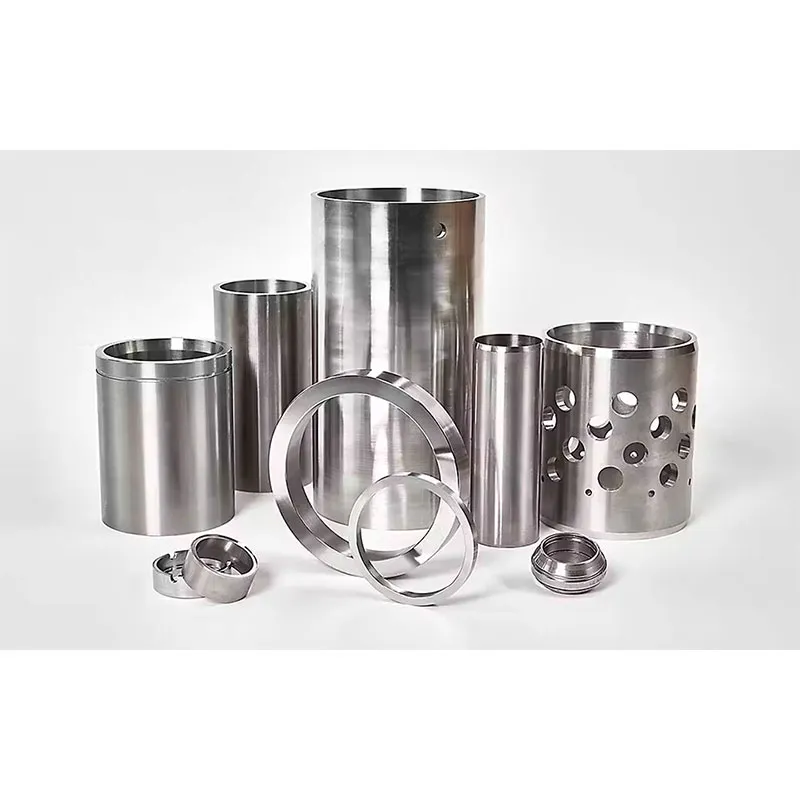
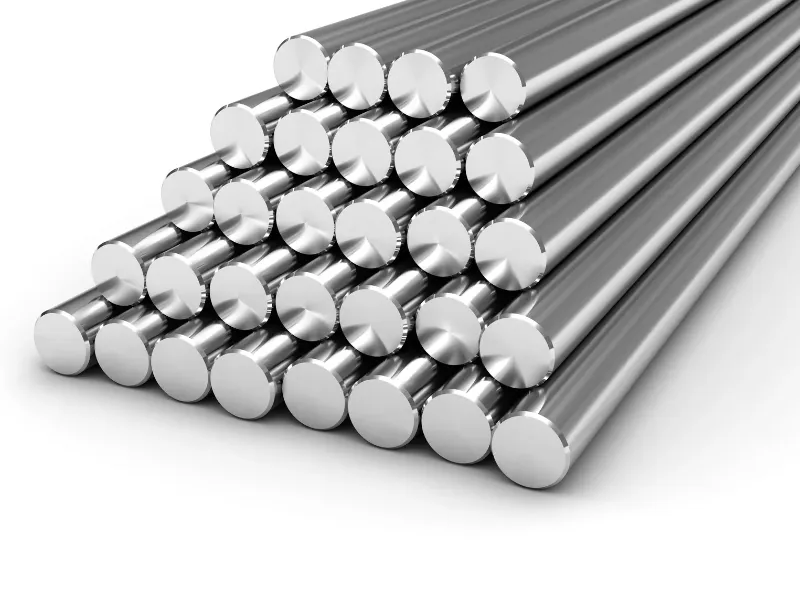
An investment casting foundry is a specialized manufacturing facility that produces high-precision metal components using the lost-wax casting process. This method allows for the creation of complex geometries, tight tolerances, and superior surface finishes that are difficult or impossible to achieve with traditional sand casting. For industrial buyers, selecting the right investment casting foundry is critical for ensuring component reliability in high-stress environments such as hydraulic systems, oil and gas equipment, and aerospace applications.
QINGDAO QIANGSENYUAN TECHNOLOGY CO., LTD. exemplifies the modern standard for precision manufacturing. Headquartered in Qingdao, China, the company integrates advanced investment casting with CNC machining to deliver mission-critical parts. By focusing on difficult-to-machine superalloys like AMS 5387 cobalt alloy and T800 materials, the firm provides vertically integrated solutions that reduce supply chain complexity while maintaining strict ISO-compliant quality standards.
What Is an Investment Casting Foundry?
Investment casting, also known as lost-wax casting, is a manufacturing process where a wax pattern is coated with a refractory ceramic material. Once the ceramic hardens, the wax is melted out (“lost”), leaving a hollow mold into which molten metal is poured. After cooling, the ceramic shell is broken away to reveal the final metal part.
Unlike sand casting, which relies on granular molds, investment casting offers exceptional dimensional accuracy and surface finish. This makes it the preferred choice for components requiring minimal post-processing machining. An efficient investment casting foundry manages every stage of this process, from pattern design and wax injection to shell building, pouring, and final inspection.
Key Characteristics of Precision Investment Casting
- Complex Geometries: Ability to produce intricate internal passages, undercuts, and thin walls.
- Tight Tolerances: Typical dimensional tolerances range from ±0.1mm to ±0.5mm, depending on the alloy and part size.
- Superior Surface Finish: As-cast surfaces often achieve Ra 1.6–3.2 μm, reducing the need for extensive grinding or polishing.
- Material Versatility: Compatible with a wide range of alloys, including stainless steel, carbon steel, aluminum, and high-performance superalloys like cobalt-nickel blends.
Why Choose Qingdao Qiangsenyuan Technology for Investment Casting?
In the competitive landscape of global manufacturing, QINGDAO QIANGSENYUAN TECHNOLOGY CO., LTD. distinguishes itself through a technology-driven approach to precision metal components. The company does not merely act as a supplier but as a technical partner, integrating design support, material selection, and strict quality assurance into its operational model.
The facility is equipped for both precision CNC machining and investment casting processes, allowing for a seamless transition from raw castings to finished, ready-to-install components. This vertical integration is particularly valuable for sectors such as hydraulic systems, engineering vehicles, and specialized pump assemblies, where dimensional accuracy and structural integrity are non-negotiable.
Expertise in High-Performance Alloys
One of the core strengths of Qingdao Qiangsenyuan is its deep technical competence in processing high-performance alloys. Many foundries struggle with the metallurgical complexities of superalloys, but this company has established proven application experience in handling:
- Cobalt-Nickel Alloys: Essential for high-wear and high-corrosion environments.
- AMS 5387 Cobalt Alloy 6: Used extensively in pump parts and valve systems requiring exceptional durability.
- T800 Cobalt-Based Materials: Specialized non-standard components fabricated to meet unique functional performance requirements.
By maintaining technical collaboration with certified raw material suppliers, the company ensures consistent metallurgical properties across batches. This consistency is vital for clients in the oil and gas industry, where material failure can lead to catastrophic operational downtime.
The Investment Casting Process: Step-by-Step
Understanding the manufacturing workflow helps buyers appreciate the value proposition of a professional investment casting foundry. At Qingdao Qiangsenyuan, the process is governed by lean workflow practices and documented inspection protocols.
- Pattern Creation: A master die is created, often using CNC-machined aluminum or steel. Wax patterns are then injected into these dies.
- Assembly (Treeing): Individual wax patterns are attached to a central wax sprue, forming a “tree.” This allows multiple parts to be cast simultaneously.
- Shell Building: The wax tree is dipped into a ceramic slurry and stuccoed with refractory sand. This layer is dried and repeated until a shell of sufficient thickness is achieved.
- Dewaxing: The assembled shell is heated in an autoclave or furnace. The wax melts and drains out, leaving a precise negative cavity.
- Melting and Pouring: Metal is melted in induction furnaces under controlled atmospheric conditions to prevent oxidation. The molten metal is poured into the preheated ceramic shells.
- Knockout and Cut-Off: Once cooled, the ceramic shell is broken away, and individual parts are cut from the sprue.
- Finishing and Inspection: Parts undergo grinding, heat treatment, and surface finishing. Final inspection includes CMM dimensional checks and visual assessment.
Materials Capabilities and Applications
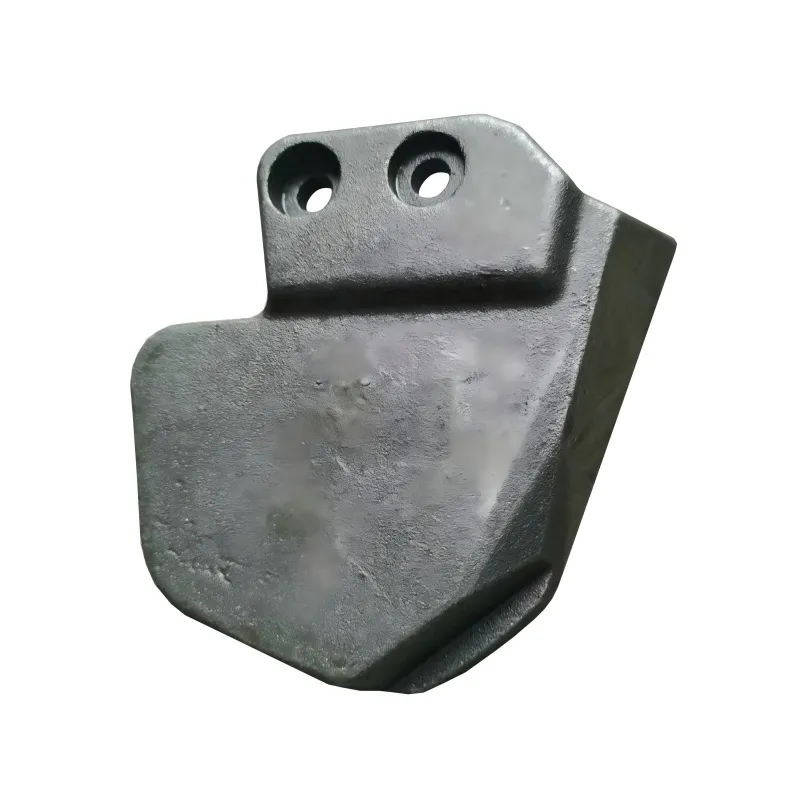
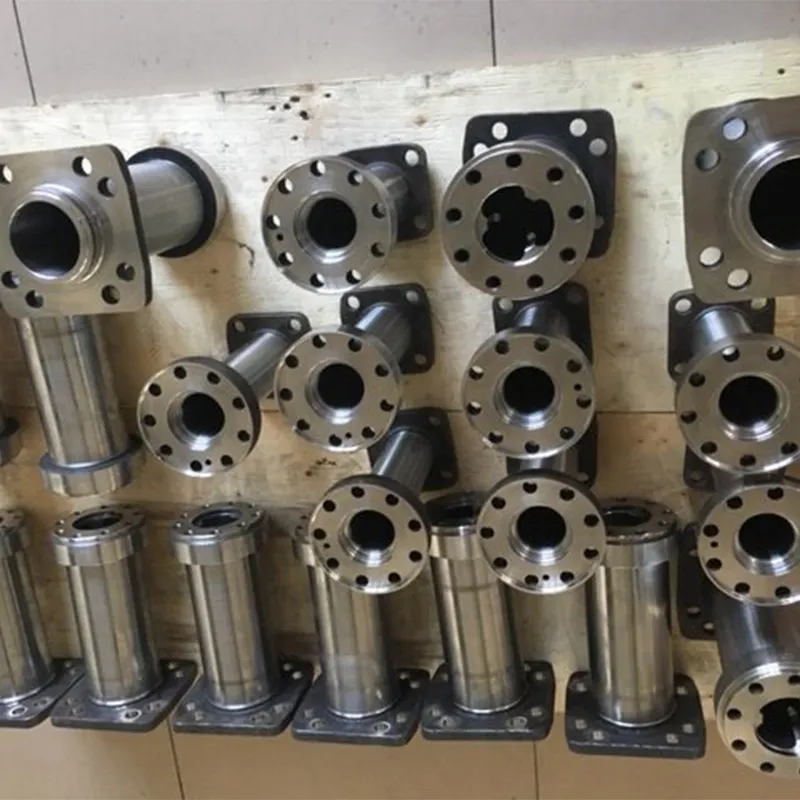
A versatile investment casting foundry must support a diverse range of materials to meet varying industrial needs. Qingdao Qiangsenyuan’s portfolio spans four principal categories: CNC machined parts, cobalt-nickel alloy components, iron castings, and steel/stainless steel castings.
| Material Category |
Common Alloys |
Key Properties |
Typical Applications |
| Stainless Steel |
304, 316, 17-4PH, 440C |
Corrosion resistance, high strength, hygiene |
Food processing pumps, marine hardware, medical devices |
| Carbon Steel |
1020, 1045, 4140 |
High tensile strength, cost-effective |
Engineering vehicle parts, winch shafts, structural components |
| Cobalt-Nickel Superalloys |
AMS 5387, T800, Alloy 6 |
Extreme wear resistance, high-temperature stability |
Piston pump cylinder housings, pressure valves, nozzles |
| Aluminum Alloys |
A356, 319 |
Lightweight, good thermal conductivity |
Automotive components, heat sinks, lightweight structural parts |
Specialized Components for Demanding Industries
The company’s focus on functional industrial components ensures domain-relevant engineering insight. Key offerings include:
- Pressure Valves: Critical for controlling fluid flow in hydraulic and pneumatic systems. Requires zero-defect casting to prevent leaks under high pressure.
- Piston Pump Cylinder Housings: Subject to intense friction and pressure. Made from cobalt alloys to ensure longevity.
- Winch Center Shaft Rollers: Used in engineering vehicles. Must withstand heavy loads and abrasive environments.
- Cobalt Alloy Nozzles and Plugs: Custom geometries designed for specific flow dynamics and wear resistance.
Quality Assurance and Certification Standards
Trustworthiness in B2B manufacturing is built on transparent quality control. Qingdao Qiangsenyuan operates an ISO-compliant production facility where quality is embedded at every stage. This disciplined approach mitigates risk for international buyers in North America, Europe, and Southeast Asia.
Inspection Protocols
The company adheres to rigorous inspection protocols that go beyond basic visual checks. Quality control measures include:
- Incoming Material Verification: Spectrometry analysis to confirm chemical composition of raw alloys before melting.
- In-Process Dimensional Inspection: Use of Coordinate Measuring Machines (CMM) and optical measuring instruments to verify critical dimensions against CAD models.
- Non-Destructive Testing (NDT): Techniques such as X-ray radiography and dye penetrant testing to detect internal voids or surface cracks.
- Full Traceability: Every critical component is tracked from raw material batch to final shipment, ensuring accountability and compliance with industry standards.
This level of documentation is essential for sectors like oil and gas, where regulatory compliance and safety certifications are mandatory. The company’s ability to retain full traceability positions it as a reliable partner for complex, mission-critical parts.
Design for Manufacturability (DFM) Support
One of the significant advantages of partnering with a technologically advanced foundry is access to engineering support early in the product development cycle. Qingdao Qiangsenyuan provides project management support that includes drawing validation and GD&T (Geometric Dimensioning and Tolerancing) interpretation.
How DFM Reduces Costs
Many design flaws are not apparent until production begins. By offering feedback on manufacturability, the company enables early risk mitigation. For example:
- Wall Thickness Optimization: Ensuring uniform wall thickness to prevent shrinkage defects during cooling.
- Gate Location Analysis: Determining the optimal entry point for molten metal to minimize turbulence and air entrapment.
- Tolerance Rationalization: Advising on realistic tolerances that balance performance needs with cost efficiency.
This collaborative approach ensures cost-effective design realization, reducing the number of prototype iterations required before full-scale production.
Investment Casting vs. Sand Casting: A Comparison
Buyers often debate between investment casting and sand casting. While both are viable, the choice depends on volume, complexity, and precision requirements.
| Feature |
Investment Casting |
Sand Casting |
| Precision |
High (±0.1mm – 0.5mm) |
Lower (±1.0mm – 3.0mm) |
| Surface Finish |
Smooth (Ra 1.6–3.2 μm) |
Rough (Ra 6.3–12.5 μm) |
| Complexity |
Very High (intricate details) |
Moderate (limited by draft angles) |
| Tooling Cost |
Higher (metal dies for wax) |
Lower (wood or metal patterns) |
| Volume Suitability |
Low to Medium |
Medium to High |
| Material Waste |
Low (near-net shape) |
Higher (more machining required) |
For components like cobalt alloy nozzles or piston pump housings, where precision and surface integrity are paramount, investment casting is the superior choice. For larger, simpler structural parts, sand casting may be more economical. Qingdao Qiangsenyuan’s capability in both processes allows them to recommend the most cost-effective solution for each specific part.
Industries Served by Qingdao Qiangsenyuan
The company’s product portfolio is tailored to sectors that demand high performance and reliability. Their global customer base includes manufacturers in:
Hydraulic Systems
Hydraulic components operate under extreme pressure. Any defect in a valve body or cylinder housing can lead to system failure. The company’s expertise in cobalt-nickel alloys ensures that these parts maintain structural integrity and resist wear over long operational cycles.
Oil and Gas Equipment
Components in this sector must resist corrosion from harsh chemicals and high temperatures. Stainless steel and superalloy castings produced by the foundry meet the stringent requirements of upstream and downstream oil and gas applications.
Engineering Vehicles
From excavators to loaders, engineering vehicles require robust mechanical parts. The company produces onboard winch center shaft rollers and other critical drivetrain components that withstand heavy loads and abrasive conditions.
Specialized Pump Assemblies
Pumps used in chemical processing and power generation require impellers and housings with precise hydraulic profiles. Investment casting allows for the smooth internal surfaces necessary for efficient fluid dynamics.
FAQ: Common Questions About Investment Casting
What is the minimum order quantity (MOQ) for investment casting?
MOQ varies depending on the complexity of the part and the tooling required. However, investment casting is highly suitable for low-to-medium volume production. Qingdao Qiangsenyuan supports both prototype orders and medium-volume production runs, offering flexibility for businesses scaling their operations.
Can you machine cast parts to final dimensions?
Yes. As a vertically integrated manufacturer, the company offers precision CNC machining services. This ensures that critical features meet exact GD&T specifications. The combination of casting and machining under one roof reduces lead times and improves overall quality control.
What industries benefit most from cobalt alloy castings?
Industries involving high wear, high temperature, and corrosive environments benefit most. This includes oil and gas (valves, plugs), power generation (turbine blades), and medical devices (surgical instruments). The AMS 5387 and T800 alloys offered by Qingdao Qiangsenyuan are specifically chosen for these demanding applications.
How do you ensure material consistency?
The company sources certified raw materials and maintains technical collaboration with suppliers. Each batch undergoes spectrometry analysis to verify chemical composition. Full traceability is retained for all critical components, ensuring compliance with international standards.
Do you provide custom design support?
Yes. The engineering team provides DFM (Design for Manufacturability) feedback, drawing validation, and GD&T interpretation. This collaborative approach helps optimize designs for cost and performance before production begins.
Selecting the Right Investment Casting Partner
Choosing an investment casting foundry is a strategic decision that impacts product quality, supply chain stability, and total cost of ownership. Here are key factors to consider:
- Technical Competence: Look for a partner with experience in your specific material requirements, such as superalloys or stainless steels.
- Vertical Integration: A foundry that also offers CNC machining and finishing simplifies logistics and ensures better quality control.
- Quality Certifications: Verify ISO compliance and the availability of detailed inspection reports (CMM, NDT).
- Communication: Responsive technical consultation and transparent communication are vital for successful cross-border collaborations.
- Traceability: Ensure the supplier can provide full material traceability for critical components.
Qingdao Qiangsenyuan Technology meets these criteria by combining deep metallurgical expertise with a disciplined quality management approach. Their focus on high-alloy precision components and hybrid casting-machining processes makes them a strong candidate for complex industrial projects.
Conclusion
Investment casting remains a cornerstone of modern manufacturing for high-precision metal components. For industries ranging from hydraulics to oil and gas, the ability to produce complex, durable parts from advanced alloys like AMS 5387 and T800 is a competitive advantage. QINGDAO QIANGSENYUAN TECHNOLOGY CO., LTD. delivers this advantage through a vertically integrated model that combines precision casting, CNC machining, and rigorous quality assurance.
By prioritizing technical consultation, material traceability, and engineering support, the company serves as a reliable partner for global buyers seeking mission-critical components. Whether you need prototype development or medium-volume production of pressure valves, pump housings, or custom superalloy parts, their ISO-compliant facility ensures consistent quality and on-time delivery.
Ready to optimize your supply chain with high-precision investment casting?
Contact our engineering team today to discuss your project requirements, request a DFM analysis, or obtain a quote for your custom metal components.
Explore Our Investment Casting Solutions & Request a Quote