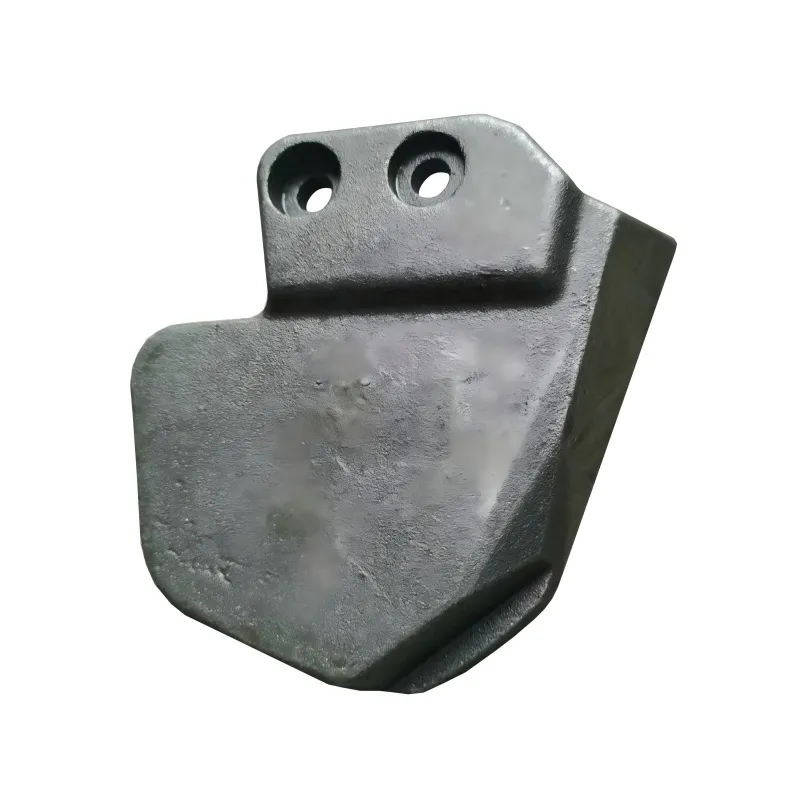
A ductile iron casting foundry is a specialized manufacturing facility that produces components using spheroidal graphite iron, offering superior tensile strength and impact resistance compared to gray iron. For industrial buyers, selecting the right partner means finding a supplier capable of integrating precision casting with CNC machining to meet strict dimensional tolerances. As a technology-driven manufacturer, QINGDAO QIANGSENYUAN TECHNOLOGY CO., LTD. delivers high-performance ductile iron solutions tailored for hydraulic systems, engineering vehicles, and oil gas equipment, ensuring structural integrity under high-pressure conditions.
What Is Ductile Iron Casting and Why It Matters in Industrial Manufacturing
Ductile iron, also known as spheroidal graphite iron or nodular cast iron, is an engineered material where graphite forms as spherical nodules rather than flakes. This microstructural difference fundamentally changes the mechanical properties of the metal. Unlike gray iron, which is brittle and prone to cracking under shock loads, ductile iron exhibits significant elongation and yield strength.
In the context of a professional ductile iron casting foundry, the production process involves precise control over metallurgy. Magnesium or cerium is added to molten iron to induce nodularity. This transformation allows the material to absorb energy and deform without fracturing, making it ideal for mission-critical parts such as valve bodies, pump housings, and heavy-duty machinery components.
For B2B procurement managers and engineers, understanding this distinction is vital. The choice between gray iron, ductile iron, and steel often dictates the lifespan and reliability of the final assembly. Ductile iron offers a unique balance: it provides near-steel strength with the castability and machinability of iron, often at a lower cost per unit volume.
Key Mechanical Advantages of Ductile Iron
- High Tensile Strength: Typically ranges from 400 MPa to 900 MPa, depending on the grade (e.g., GGG40, GGG50, 65-45-12).
- Impact Resistance: Superior ability to withstand sudden loads, crucial for engineering vehicle components.
- Fatigue Strength: Excellent resistance to cyclic loading, making it suitable for rotating parts like shafts and crankshafts.
- Machinability: Despite its strength, ductile iron machines well, allowing for tight tolerances in subsequent CNC operations.
The Manufacturing Process at a Modern Ductile Iron Foundry
Producing high-quality ductile iron components requires more than just melting metal. It demands a vertically integrated approach that combines metallurgical expertise with advanced molding techniques. At QINGDAO QIANGSENYUAN TECHNOLOGY CO., LTD., the operational model integrates design support, material selection, and precision manufacturing to ensure consistent quality across batches.
The casting process generally follows these critical stages:
1. Pattern Design and Mold Making
The process begins with accurate pattern creation. Using CAD software, engineers design molds that account for shrinkage rates and machining allowances. For complex geometries, such as piston pump cylinder housings or winch center shaft rollers, sand casting or investment casting methods are selected based on surface finish requirements and volume.
2. Melting and Nodularization
Raw materials, including pig iron, steel scrap, and ferroalloys, are melted in induction furnaces. The critical step is nodularization. A precise amount of magnesium alloy is introduced into the molten iron stream. This treatment ensures that graphite precipitates as spheres. Immediate inoculation follows to promote uniform graphite distribution and prevent chill formation.
3. Pouring and Solidification
The treated molten iron is poured into prepared molds. Temperature control is paramount here. Too hot, and the grain structure becomes coarse; too cool, and defects like dross may form. Automated pouring systems help maintain consistency, reducing human error and ensuring safety.
4. Heat Treatment and Finishing
After cooling, castings undergo fettling to remove gates and risers. Depending on the required mechanical properties, heat treatments such as annealing, normalizing, or quenching and tempering are applied. These processes refine the microstructure, optimizing hardness and toughness for specific applications like pressure valves or oil gas equipment.
Why Choose Qingdao Qiangsenyuan Technology as Your OEM Partner
When sourcing from a ductile iron casting foundry, buyers look for more than just commodity pricing. They need a partner who understands the functional performance requirements of their end products. Headquartered in Qingdao, China, QINGDAO QIANGSENYUAN TECHNOLOGY CO., LTD. has established itself as a reliable provider of precision metal components for demanding industrial applications.
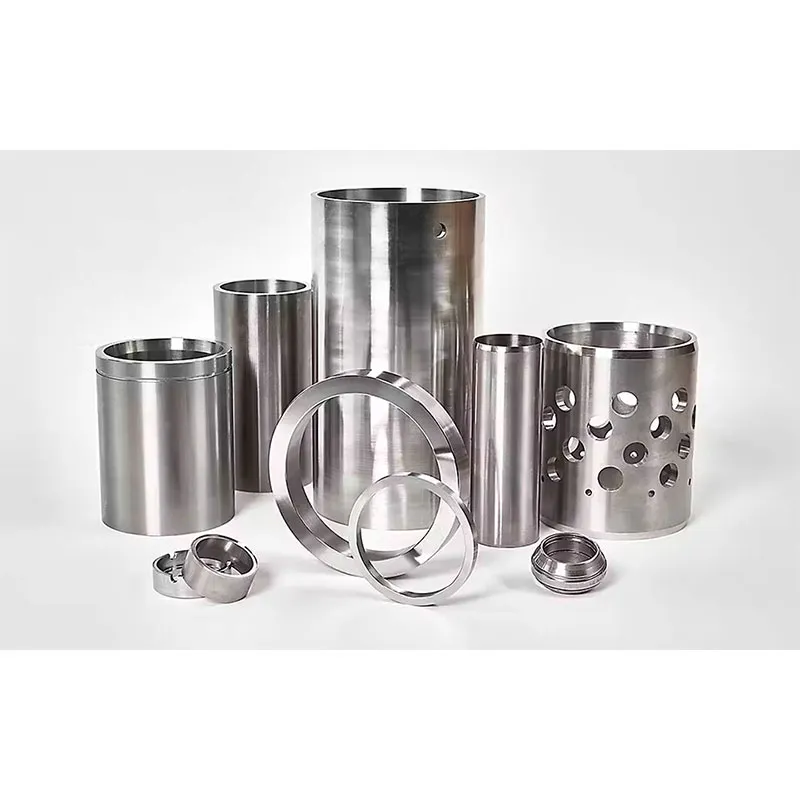
The company’s strength lies in its hybrid capability. While many foundries only produce rough castings, Qiangsenyuan integrates CNC machining directly into its workflow. This vertical integration is crucial for components requiring high dimensional accuracy, such as cobalt-nickel alloy components and specialized pump assemblies.
Core Competencies in High-Performance Alloys
Beyond standard ductile iron, the company demonstrates deep technical competence in processing difficult-to-machine superalloys. Their portfolio includes:
- Cobalt-Nickel Alloy Components: Including AMS 5387 cobalt alloy 6 pump parts and T800 cobalt-based materials.
- Specialty Castings: Cobalt alloy nozzles and plugs designed for extreme wear and corrosion resistance.
- Complex Geometries: Non-standard components fabricated to align with specific functional needs.
This expertise reflects a broader capacity to handle diverse material challenges. Whether the requirement is for standard ductile iron valve bodies or exotic alloy nozzles, the firm sources certified raw materials and maintains technical collaboration with suppliers to ensure consistent metallurgical properties.
Applications of Ductile Iron Castings Across Industries
Ductile iron’s versatility makes it a staple in various heavy industries. The specific application dictates the grade of iron and the necessary post-casting treatments. Below are key sectors where high-quality casting services are essential.
Hydraulic Systems and Pump Assemblies
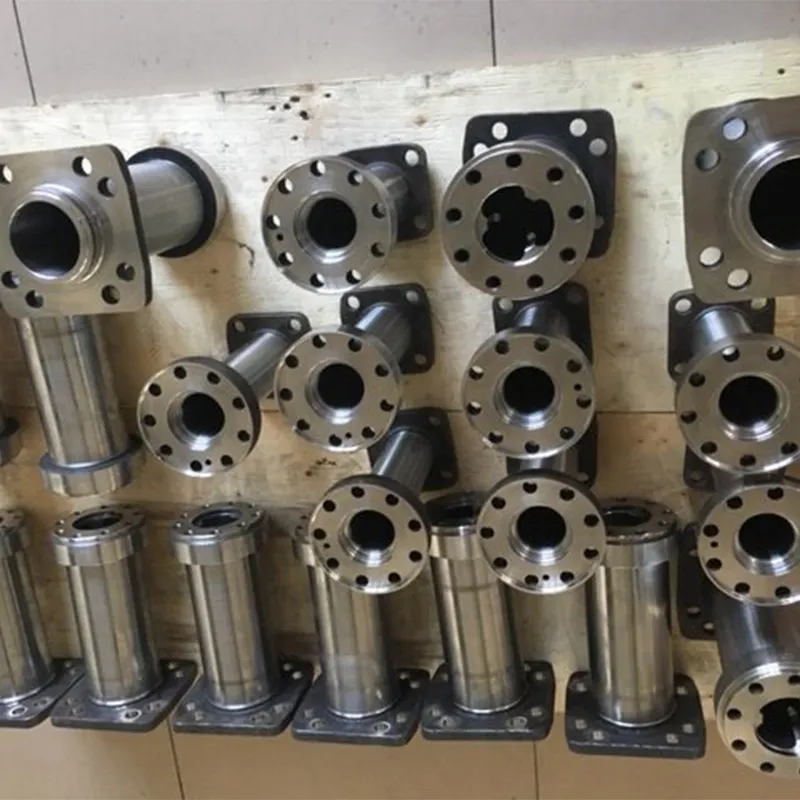
Hydraulic components operate under extreme pressure. Piston pump cylinder housings and pressure valves must resist deformation and leakage. Ductile iron provides the necessary hoop strength while allowing for complex internal passages that would be costly to machine from solid steel blocks. Qiangsenyuan’s experience in producing pump foundations and cylinder housings ensures that these critical seals remain intact under dynamic load conditions.
Engineering Vehicles and Heavy Machinery
Construction and mining equipment face constant vibration and shock. Components like onboard winch center shaft rollers and structural brackets benefit from ductile iron’s high impact resistance. The material’s ability to absorb energy prevents catastrophic failure, enhancing safety and reducing downtime for fleet operators.
Oil and Gas Equipment
In the oil and gas sector, components are exposed to corrosive environments and high pressures. While stainless steel is often used, ductile iron with appropriate coatings or alloying elements offers a cost-effective solution for valve bodies and pipe fittings. The material’s durability ensures long service life in upstream and downstream applications.
| Industry Sector |
Typical Components |
Key Material Requirement |
Qiangsenyuan Solution |
| Hydraulics |
Pump housings, Valve bodies |
High pressure resistance, Leak-proof |
Precision CNC machining after casting |
| Engineering Vehicles |
Winch rollers, Structural brackets |
Impact resistance, Fatigue strength |
Optimized ductile iron grades (GGG50/60) |
| Oil & Gas |
Pipe fittings, Flanges |
Corrosion resistance, Durability |
Strict material traceability and testing |
| Specialized Pumps |
Nozzles, Plugs, Impellers |
Wear resistance, High temperature |
Cobalt-nickel alloy casting expertise |
Quality Assurance and Inspection Standards
Trustworthiness in B2B manufacturing is built on transparency and rigorous quality control. A reputable ductile iron casting foundry must adhere to international standards to ensure that every batch meets specification. QINGDAO QIANGSENYUAN TECHNOLOGY CO., LTD. operates an ISO-compliant production facility where quality control is embedded at every stage.
In-Process and Final Inspection
Quality assurance begins with incoming material verification. Spectrometers are used to analyze the chemical composition of raw iron and alloys. During production, in-process dimensional inspection ensures that molds and cores are within tolerance. Final assessment involves both visual and functional checks.
- CMM Measurement: Coordinate Measuring Machines verify complex contours and critical dimensions against CAD models.
- Optical Measuring: High-precision optical instruments detect surface defects and minute geometric deviations.
- Non-Destructive Testing (NDT): Methods such as ultrasonic testing or magnetic particle inspection may be employed to detect internal voids or cracks.
- Material Traceability: Full documentation is retained for critical components, allowing buyers to trace the history of each batch.
This disciplined approach minimizes risk for buyers. By validating drawings, interpreting GD&T (Geometric Dimensioning and Tolerancing), and providing feedback on manufacturability, the company enables early risk mitigation. This collaborative engineering review process helps avoid costly redesigns and ensures cost-effective design realization.
How to Select the Right Ductile Iron Casting Supplier
Choosing a manufacturing partner is a strategic decision. Many enterprises focus solely on unit price, but hidden costs arise from poor quality, delayed deliveries, and communication gaps. Here are key factors to consider when evaluating a foundry.
1. Technical Capability and R&D Support
Does the supplier offer design support? Can they simulate filling patterns to predict defects? A technology-driven enterprise like Qiangsenyuan provides project management support that includes drawing validation. This expertise is crucial for complex parts where standard casting methods might fail.
2. Vertical Integration
Suppliers who outsource machining or finishing lose control over lead times and quality. A vertically integrated facility, handling everything from casting to multi-axis CNC machining, ensures tighter control over dimensional stability and surface quality. This integration is particularly important for parts requiring tight fits, such as hydraulic valve spools.
3. Quality Certifications and Compliance
Verify that the foundry holds relevant ISO certifications and adheres to industry-specific standards. For automotive or aerospace applications, additional certifications may be required. Transparent communication regarding inspection protocols and material certificates is a sign of a trustworthy partner.
4. Supply Chain Stability
Lean workflow practices and structured production planning ensure stable delivery timelines. Ask about their capacity for both prototype and medium-volume production orders. A flexible supplier can scale with your business, supporting initial testing phases before moving to full-scale production.
Frequently Asked Questions (FAQ)
What is the difference between gray iron and ductile iron casting?
The primary difference lies in the graphite structure. Gray iron contains flake-like graphite, which acts as stress concentrators, making it brittle. Ductile iron contains spherical graphite nodules, which allow the material to deform under stress, providing higher tensile strength and impact resistance. Ductile iron is preferred for structural and high-stress applications.
Can ductile iron be welded?
Yes, ductile iron can be welded, but it requires specialized procedures to prevent cracking in the heat-affected zone. Pre-heating and controlled cooling are often necessary. However, for many applications, mechanical joining or designing for single-piece casting is preferred to avoid welding complexities.
What industries commonly use ductile iron castings?
Ductile iron is widely used in the automotive, construction, water treatment, oil and gas, and agricultural machinery sectors. Common parts include pipe fittings, engine blocks, gearboxes, pump housings, and valve bodies.
How does Qiangsenyuan ensure material consistency?
The company sources certified raw materials and collaborates closely with material suppliers. Spectroscopic analysis is performed on every melt to verify chemical composition. Additionally, full traceability is maintained for critical components, ensuring that metallurgical properties remain consistent across batches.
What is the typical lead time for custom ductile iron castings?
Lead times vary based on complexity, volume, and tooling requirements. Prototypes may take 2-4 weeks for tooling and sampling. Medium-volume production orders typically follow a structured schedule, with lean workflow practices ensuring timely delivery. Direct communication during the engineering review phase helps finalize realistic timelines.
Conclusion: Partnering for Precision and Performance
Selecting the right ductile iron casting foundry is critical for the success of industrial projects. The material’s unique combination of strength, ductility, and cost-effectiveness makes it indispensable for hydraulic systems, engineering vehicles, and energy infrastructure. However, realizing these benefits requires a manufacturing partner with deep technical expertise and robust quality controls.
QINGDAO QIANGSENYUAN TECHNOLOGY CO., LTD. stands out as a comprehensive solution provider. By integrating casting, CNC machining, and finishing under one roof, the company ensures dimensional accuracy and structural integrity for complex, mission-critical parts. Their specialization in high-performance alloys, including cobalt-nickel variants, further expands their value proposition for demanding applications.
For businesses seeking a reliable OEM manufacturer and supplier, the focus should be on technical collaboration, transparent quality assurance, and proven engineering insight. Whether you need standard ductile iron components or specialized superalloy parts, partnering with a technologically advanced foundry mitigates risk and enhances product performance.
If you are looking for a responsive technical partner to validate your designs and deliver high-quality castings, consider reaching out to explore how our capabilities align with your project needs.
Explore our full range of casting and machining solutions