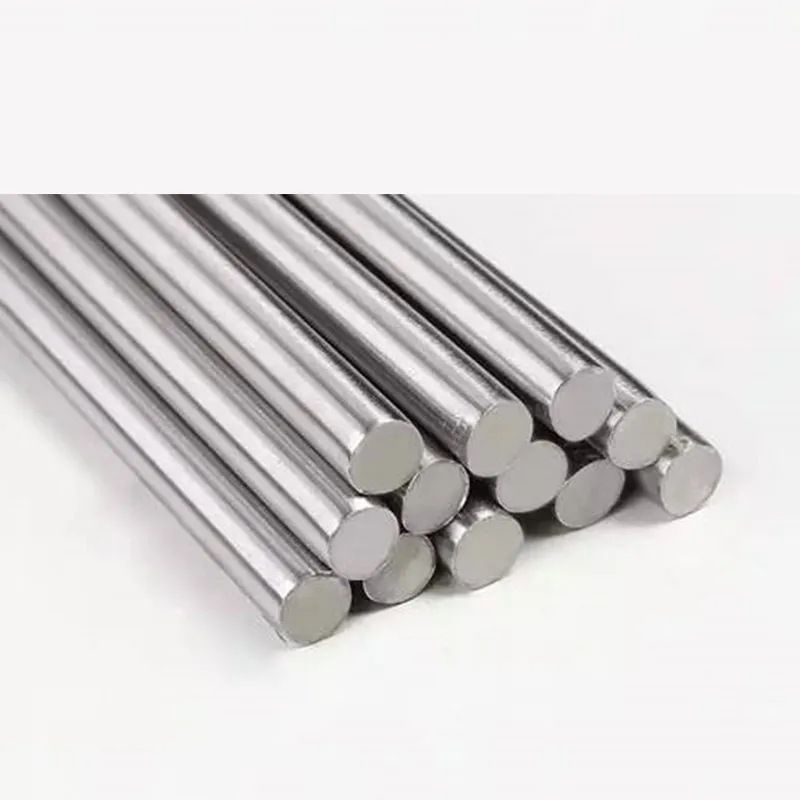
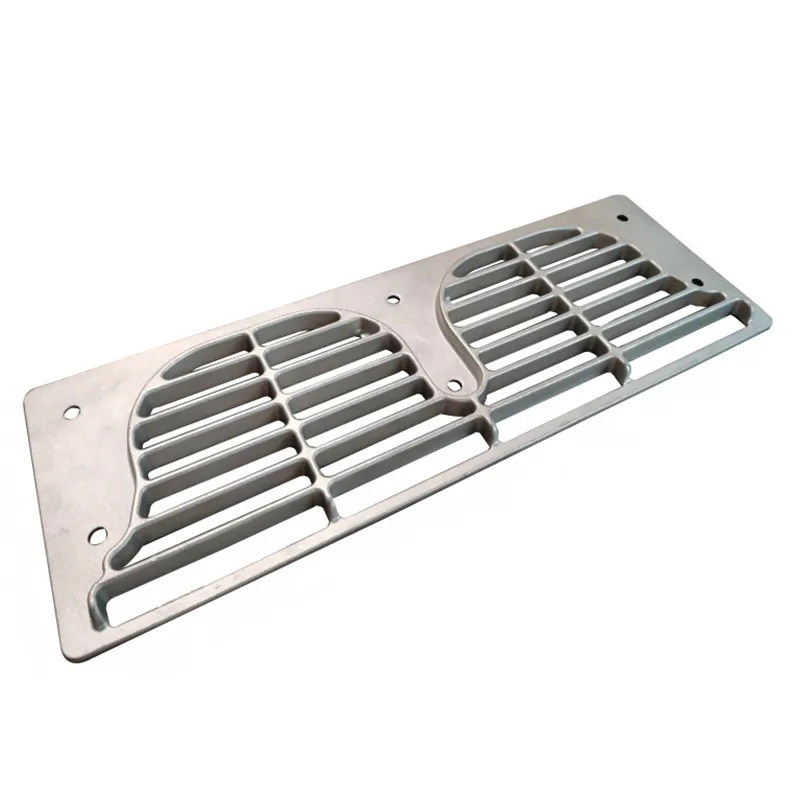
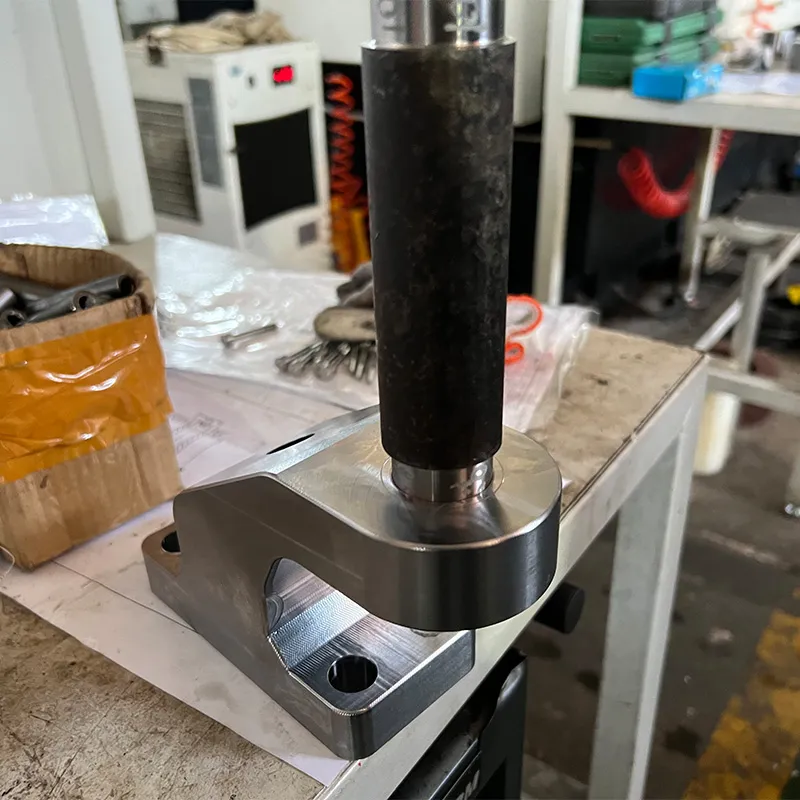
Stainless Steel 304 (commonly written as SUS304 or AISI304) is the most commonly used and versatile austenitic stainless steel in the world. Its Chinese grade is 06Cr19Ni10. The following provides a detailed explanation of the chemical composition, mechanical properties, and application fields of Stainless Steel 304.
I. Core Chemical Composition
The corrosion resistance and mechanical properties of Stainless Steel 304 are determined by its precise chemical composition. The main composition ranges (according to the ASTM A240standard) are as follows:
| Element |
Content Range (wt%) |
Main Function |
| Chromium (Cr) |
18.0–20.0% |
Core element: Forms a dense chromium oxide passive film, providing "stainless" properties and fundamental corrosion resistance. |
| Nickel (Ni) |
8.0–10.5% |
Key element: Stabilizes the austenitic structure, providing excellent toughness, non-magnetism, weldability, and enhanced corrosion resistance. |
| Carbon (C) |
≤0.08% |
Enhances strength. However, high carbon content can easily lead to intergranular corrosion after welding, leading to the development of low-carbon version 304L. |
| Manganese (Mn) |
≤2.0% |
Improves strength and partially substitutes for the role of nickel. |
| Silicon (Si) |
≤0.75% |
Acts as a deoxidizer and improves high-temperature strength. |
| Phosphorus (P) |
≤0.045% |
Impurity element, requires control (reduces toughness). |
| Sulfur (S) |
≤0.030% |
Impurity element, requires control (affects hot workability). |
| Nitrogen (N) |
≤0.10% |
Can improve strength, especially for 304L. |
| Iron (Fe) |
Balance |
Base metal. |
Differences in chemical composition of derivative grades:
304L: Carbon (C) ≤ 0.03%, significantly reducing the risk of weld sensitization.
304H: Carbon (C) 0.04–0.10%, designed to improve high-temperature strength and creep performance.
II. Typical Mechanical Properties
The typical room-temperature mechanical properties of Stainless Steel 304 in the solution-annealed condition (the most common supplied condition) are as follows:
| Performance Indicator |
Typical Value |
Explanation |
| Tensile Strength |
≥515 MPa |
The maximum tensile force the material can withstand before fracturing. |
| Yield Strength
(0.2% offset) |
≥205 MPa |
The stress point at which the material begins to undergo permanent deformation. |
| Elongation
(50mm gauge length) |
≥40% |
A key indicator: Extremely high elongation indicates excellent plasticity and toughness, making it easy to perform cold forming processes like deep drawing and bending. |
| Hardness
(Brinell Hardness HB) |
≤201 HB |
Relatively low hardness, indicating a significant tendency for work hardening (it becomes harder during machining). |
| Modulus of Elasticity |
~193 GPa |
Similar to carbon steel, a measure of material stiffness. |
| Density |
~7.93 g/cm³ |
Slightly lower than carbon steel. |
Important Characteristics:
Non-magnetic: Non-magnetic in the fully annealed state. However, after cold working (such as cutting, bending, stamping), some austenite may transform into martensite, resulting in weak magnetism. Authenticity should not be judged solely by magnetism.
Work Hardening: Rapidly becomes harder and stronger during cold working, but plasticity decreases. Complex forming may require intermediate annealing.
III. Main Application Fields
Thanks to its excellent overall performance, Stainless Steel 304 is used in almost all industrial and everyday life fields:
| Application Field |
Specific Application |
Reasons for Choosing 304 |
| Cookware & Food Industry |
Pots, bowls, basins, sinks, countertops; food processing equipment, storage tanks, pipelines, catering utensils. |
Safety & Hygiene: Corrosion-resistant, easy to clean, no harmful substance leaching (food-grade). |
| Architecture & Decoration |
Curtain walls, door/window hardware, handrails, elevator decorations, roofing, structural components. |
Aesthetic & Durable: Variety of surface finishes (brushed, mirror, sandblasted), good atmospheric corrosion resistance, long lifespan. |
| Industrial Equipment & Chemicals |
Storage tanks, heat exchangers, piping, reactor vessels (for non-highly corrosive media), textile/paper machinery. |
General Corrosion Resistance: Good resistance to a wide range of chemicals and industrial environments, good workability. |
| Household Appliances |
Washing machine drums, water heater liners, microwave oven casings, refrigerator liners, dishwasher interiors. |
Resistant to moisture/steam corrosion, aesthetically pleasing, high strength. |
| Transportation |
Vehicle trim, rail transit interiors, container components, exhaust system components. |
Good weather resistance, convenient for forming and welding. |
| Medical & Pharmaceutical |
(Requires specific surface treatment) Surgical instrument bases, non-sterile equipment housings, non-core contact parts in pharmaceutical equipment. |
Easy to clean and sterilize, resistant to common disinfectants. |
| Energy & Environmental |
Flue gas desulfurization units, non-core components in nuclear power plants, solar panel mounting brackets. |
Reliable performance in moderately corrosive environments. |
IV. Summary
Stainless Steel 304, due to its balanced chemical composition (18/8 chromium-nickel), offers excellent corrosion resistance, unparalleled formability, and weldability, making it a veritable "universal steel." It is the most economical and reliable choice in the vast majority of conventional environments. Only when facing high-chloride environments (such as seawater, de-icing salt) or strongly corrosive chemical media, is it necessary to consider upgrading to molybdenum-containing 316 stainless steel.