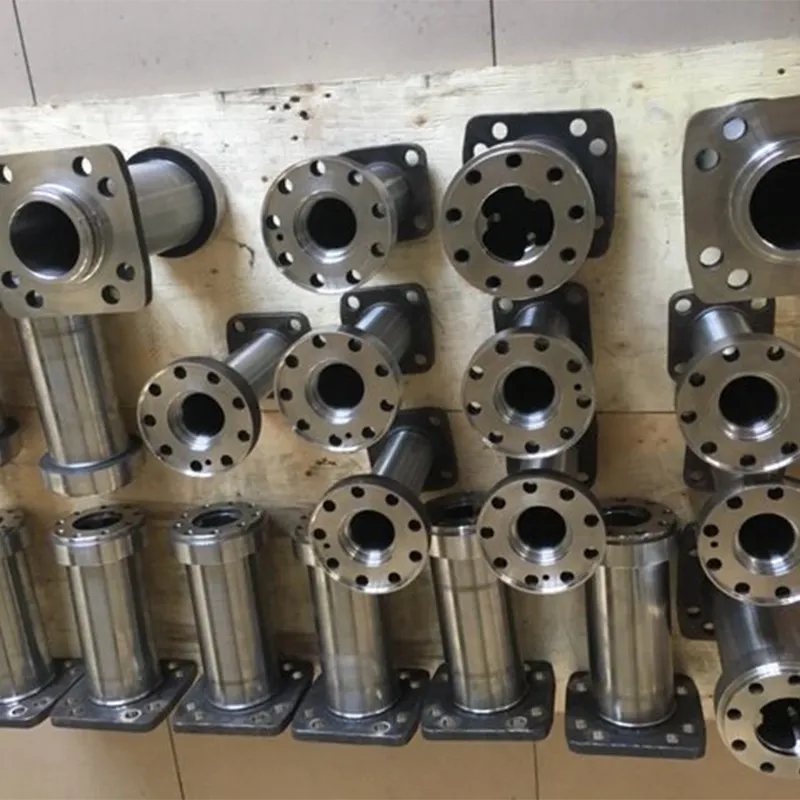
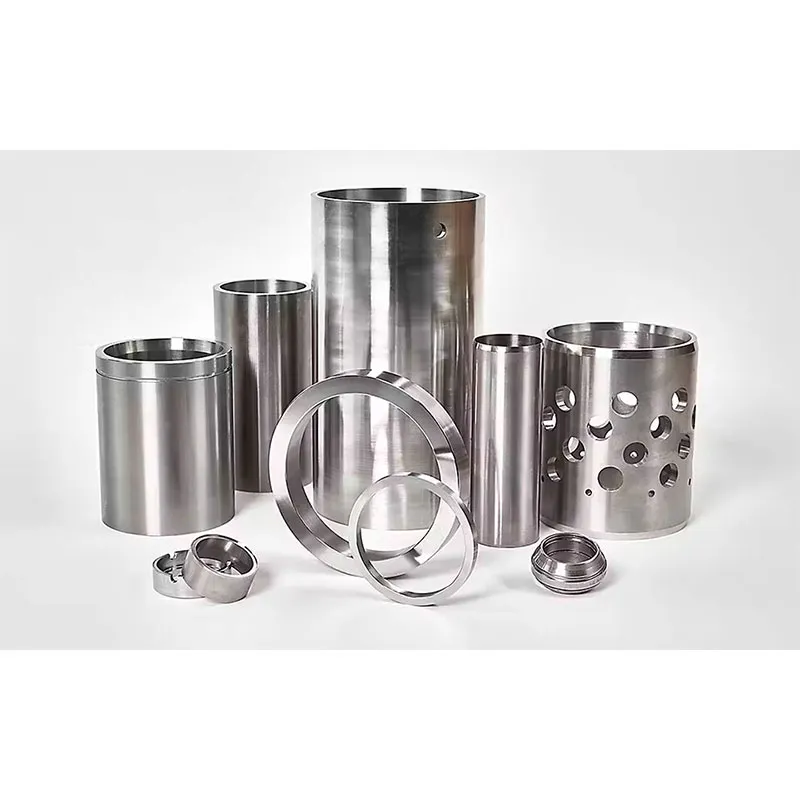
A metal casting foundry is a specialized industrial facility where molten metal is poured into molds to create complex shapes and components used across diverse sectors. These facilities transform raw materials into critical parts for automotive, aerospace, construction, and machinery industries through precise thermal and chemical processes. Understanding the capabilities, types, and operational standards of a modern foundry is essential for engineers and procurement specialists seeking reliable manufacturing partners.
What Defines a Modern Metal Casting Foundry?
The core function of any metal casting foundry revolves around the transformation of liquid metal into solid forms with specific geometries. This process involves melting base metals, preparing molds, pouring, cooling, and finishing the final castings. Unlike simple fabrication shops, a dedicated foundry possesses specialized infrastructure including induction furnaces, sand reclamation systems, and rigorous quality control laboratories.
Industry professionals recognize that not all facilities operate with the same level of sophistication. A true industrial partner integrates advanced simulation software to predict shrinkage and porosity before production begins. This proactive approach minimizes waste and ensures dimensional accuracy. The environment within these plants is strictly controlled to manage temperature, humidity, and particulate matter, ensuring both product quality and worker safety.
Current mainstream operations emphasize sustainability and efficiency. Modern facilities often employ closed-loop water systems and advanced filtration to reduce environmental impact. The shift towards automation has also streamlined repetitive tasks, allowing skilled technicians to focus on process optimization and defect analysis. This evolution marks the difference between traditional workshops and high-capacity industrial foundries.
Core Operational Workflows
The workflow in a professional setting follows a logical sequence designed to maintain integrity throughout the lifecycle of the part. Each stage requires distinct expertise and equipment calibration.
- Pattern Making: Creating the physical or digital model that defines the external shape of the casting.
- Mold Preparation: Forming the cavity using sand, ceramic, or metal dies that can withstand extreme temperatures.
- Melting and Pouring: Heating alloys to precise liquidus temperatures and transferring them safely into the mold cavity.
- Solidification and Cooling: Allowing the metal to freeze in a controlled manner to prevent internal stresses.
- Fettling and Finishing: Removing gates, risers, and surface imperfections to meet final specifications.
Each step influences the mechanical properties of the final component. For instance, improper cooling rates can lead to brittle structures, while inaccurate pattern dimensions result in parts that fail assembly requirements. Therefore, the integration of these workflows under one roof is the defining characteristic of a competent metal casting foundry.
Primary Types of Casting Processes
Selecting the right manufacturing method is critical for balancing cost, precision, and material properties. Different projects demand different approaches, and a versatile facility will offer multiple techniques to suit varying needs. The choice often depends on the complexity of the geometry, the required surface finish, and the production volume.
Engineers typically evaluate options based on the trade-offs between tooling costs and per-unit pricing. High-volume runs justify expensive permanent molds, whereas low-volume prototypes benefit from expendable mold techniques. Understanding these distinctions helps stakeholders make informed decisions about their supply chain strategy.
Sand Casting: The Versatile Standard
Sand casting remains the most widely used method globally due to its flexibility and cost-effectiveness for large or complex parts. This process uses silica sand mixed with binders to form the mold cavity. It is particularly effective for ferrous alloys like iron and steel, which have high melting points.
The primary advantage lies in the ability to produce very large components that other methods cannot accommodate. From engine blocks to massive pump housings, sand casting handles scale effectively. However, the surface finish is generally rougher than other techniques, often requiring additional machining. Recent advancements in binder chemistry have improved dimensional stability and reduced gas defects significantly.
Investment Casting: Precision for Complex Geometries
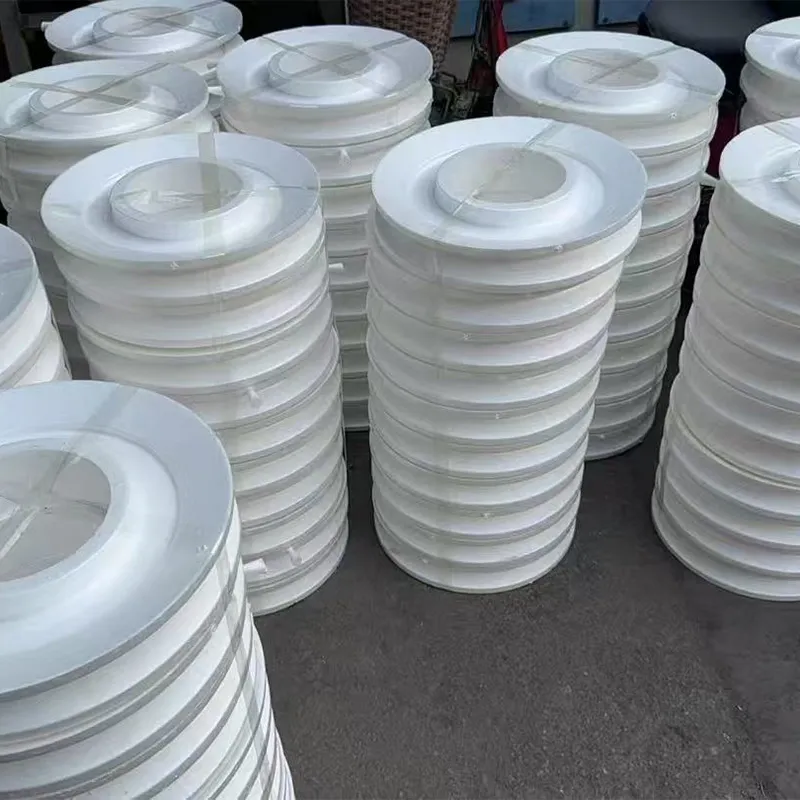
Also known as lost-wax casting, this technique is ideal for parts requiring tight tolerances and intricate details. A wax pattern is coated with a ceramic slurry to create a shell, which is then heated to melt out the wax before pouring metal. This method eliminates the need for parting lines, allowing for seamless organic shapes.
Industries such as aerospace and medical devices rely heavily on investment casting for turbine blades and surgical instruments. The process supports a wide range of alloys, including superalloys and titanium. While the per-unit cost is higher and lead times longer, the reduction in secondary machining often makes it economically viable for high-value components.
Die Casting: Efficiency for Mass Production
Die casting involves forcing molten metal under high pressure into reusable steel molds. This method is predominantly used for non-ferrous metals like aluminum, zinc, and magnesium. It offers the fastest cycle times and excellent repeatability, making it the go-to solution for automotive and consumer electronics sectors.
The high initial cost of hard tooling is offset by the low marginal cost per part in high-volume scenarios. Parts produced via die casting exhibit smooth surfaces and thin wall capabilities. However, the process is less suitable for very large parts or materials with extremely high melting points due to mold life constraints.
Comparative Analysis of Casting Methods
To assist in decision-making, the following table contrasts the key attributes of the three dominant casting technologies. This comparison highlights where each method excels regarding tolerance, surface finish, and economic feasibility.
| Feature |
Sand Casting |
Investment Casting |
Die Casting |
| Typical Tolerance |
± 0.8 mm to ± 1.5 mm |
± 0.1 mm to ± 0.4 mm |
± 0.05 mm to ± 0.2 mm |
| Surface Finish (Ra) |
Rough (Requires machining) |
Smooth (Near net shape) |
Very Smooth (Minimal finishing) |
| Production Volume |
Low to Very High |
Low to Medium |
Very High |
| Tooling Cost |
Low |
Medium |
High |
| Part Size Range |
Grams to Tons |
Grams to ~50 kg |
Grams to ~30 kg |
| Common Materials |
Iron, Steel, Aluminum |
Steel, Superalloys, Titanium |
Aluminum, Zinc, Magnesium |
This data illustrates that no single method is universally superior. The optimal choice depends entirely on the specific engineering requirements and budgetary constraints of the project. A knowledgeable partner will guide clients toward the process that aligns best with their functional goals.
Materials Processed in Industrial Foundries
The versatility of a metal casting foundry is often defined by the range of alloys it can handle. Different materials possess unique thermal and mechanical characteristics that dictate their application. Mastery over these materials requires precise control over melting atmospheres and chemical composition.
Ferrous Alloys: Strength and Durability
Iron and steel constitute the backbone of heavy industry. Gray iron is favored for its excellent damping capacity and machinability, making it ideal for machine bases and brake discs. Ductile iron offers superior tensile strength and elongation, bridging the gap between cast iron and steel.
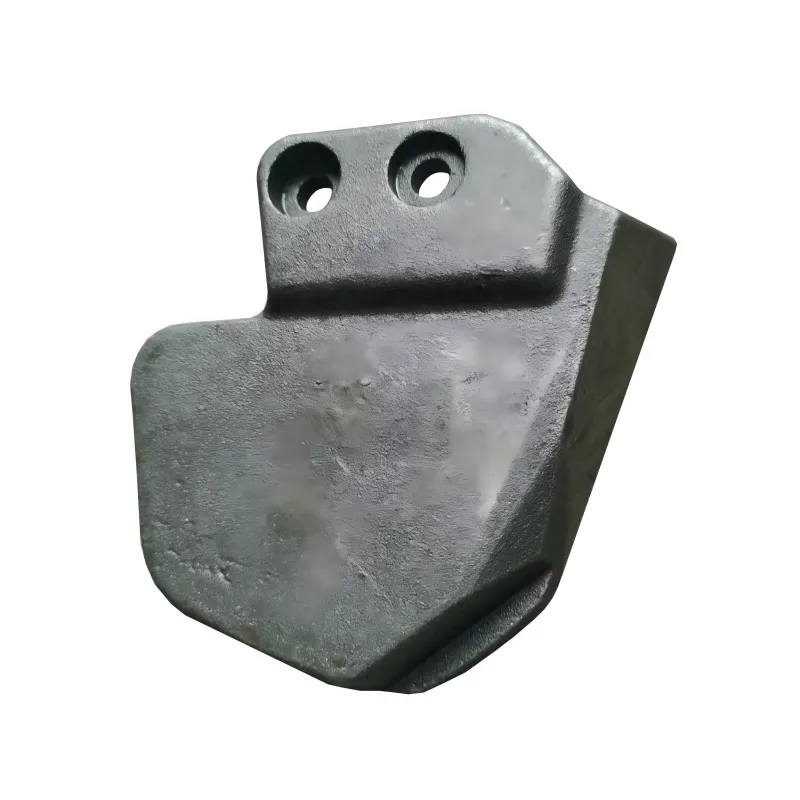
Cast steels are utilized when higher strength and impact resistance are necessary. These alloys are common in mining equipment and structural applications. Processing ferrous metals demands furnaces capable of reaching temperatures exceeding 1500°C, along with robust refractory linings to contain the heat.
Non-Ferrous Alloys: Weight and Corrosion Resistance
Aluminum alloys are increasingly popular due to their high strength-to-weight ratio. They are ubiquitous in the automotive sector for engine components and chassis parts, contributing to fuel efficiency. Aluminum also offers good corrosion resistance and thermal conductivity.
Copper-based alloys, such as bronze and brass, are selected for their anti-friction properties and resistance to seawater corrosion. These materials are standard in marine propellers, valves, and electrical connectors. Magnesium, though more challenging to cast due to flammability risks, provides the lightest structural option available for specialized aerospace applications.
Step-by-Step Guide to the Casting Lifecycle
Understanding the chronological flow of production helps clients anticipate timelines and identify potential bottlenecks. While specific steps vary by process, the fundamental lifecycle of a casting project generally adheres to the following structure.
- Design and Simulation: Engineers analyze CAD models using fluid dynamics software to optimize gating systems and predict solidification patterns.
- Pattern or Tooling Fabrication: Physical patterns for sand casting or steel dies for die casting are manufactured to exact specifications.
- Mold Assembly: Cores are inserted, and mold halves are clamped together to form the complete cavity ready for pouring.
- Melting and Treatment: Raw materials are melted, degassed, and chemically adjusted to meet alloy specifications before transfer.
- Pouring and Solidification: Molten metal is introduced into the mold and allowed to cool under controlled conditions to ensure grain structure integrity.
- Shakeout and Cleaning: The casting is removed from the mold, and excess material like runners and risers is cut away.
- Heat Treatment: Parts may undergo annealing, quenching, or tempering to achieve desired hardness and stress relief.
- Quality Inspection: Final components are measured and tested using NDT methods to verify compliance with drawings.
Adherence to this structured approach ensures consistency. Deviations at any stage, such as improper gating design or inadequate heat treatment, can compromise the entire batch. Therefore, strict protocol enforcement is a hallmark of reputable operations.
Quality Control and Assurance Standards
In the realm of industrial manufacturing, reliability is paramount. A professional metal casting foundry implements multi-layered quality assurance protocols to detect defects early and prevent non-conforming parts from reaching the customer. These measures are often aligned with international standards such as ISO 9001.
Non-Destructive Testing (NDT) Methods
NDT allows inspectors to evaluate the integrity of a component without causing damage. Common techniques include radiographic testing (X-ray) to reveal internal voids or inclusions. Ultrasonic testing is employed to detect subsurface cracks and measure wall thickness accurately.
Liquid penetrant inspection and magnetic particle inspection are surface-level methods used to identify fine cracks or laps. These tests are critical for safety-critical applications in aviation and power generation, where failure is not an option. The frequency and extent of testing are usually dictated by the end-user’s specifications.
Metrology and Dimensional Verification
Beyond internal integrity, dimensional accuracy is verified using coordinate measuring machines (CMM) and laser scanners. These tools compare the physical part against the original digital model to ensure all tolerances are met. Statistical process control (SPC) charts are maintained to monitor trends and prevent drift in the manufacturing process.
Chemical analysis via spectrometry ensures that the alloy composition falls within the specified range. Mechanical testing, including tensile and hardness tests, confirms that the material properties match the required grade. Comprehensive documentation of all test results provides traceability for every batch produced.
Key Applications Across Industries
The output of a metal casting foundry permeates nearly every sector of the global economy. From the vehicles we drive to the infrastructure we rely on, cast components play a pivotal role in functionality and durability.
Automotive and Transportation
This sector represents one of the largest consumers of castings. Engine blocks, cylinder heads, transmission cases, and suspension components are predominantly cast. The push for electrification has shifted focus toward lightweight aluminum housings for battery packs and electric motors, driving innovation in thin-wall casting techniques.
Aerospace and Defense
Requirements here are stringent, focusing on high-performance alloys that can withstand extreme temperatures and stresses. Turbine blades, structural brackets, and landing gear components are typical products. The emphasis is on consistency, traceability, and the ability to produce complex internal cooling channels within the parts.
Industrial Machinery and Energy
Heavy equipment for mining, agriculture, and construction relies on durable cast iron and steel parts to endure abrasive environments. In the energy sector, wind turbine hubs, valve bodies for oil and gas, and components for nuclear reactors demonstrate the critical nature of casting in maintaining global infrastructure.
Advantages and Limitations of Casting
Like any manufacturing process, metal casting offers distinct benefits alongside certain constraints. Recognizing these factors enables engineers to design parts that leverage the strengths of the medium while mitigating potential drawbacks.
Strategic Advantages
- Geometric Freedom: Casting allows for the creation of complex internal cavities and organic shapes that are impossible or prohibitively expensive to machine from solid stock.
- Material Efficiency: Near-net-shape production minimizes material waste compared to subtractive manufacturing methods.
- Isotropic Properties: Unlike forged or rolled materials, castings can be engineered to have uniform properties in all directions, or tailored directional properties through controlled solidification.
- Cost-Effectiveness: For medium to high volumes, casting offers a lower cost per unit, especially for large or heavy components.
Operational Limitations
- Surface Finish: Depending on the method, some casting processes yield rougher surfaces that necessitate secondary machining operations.
- Defect Risks: Issues like porosity, shrinkage, and inclusions can occur if process parameters are not tightly controlled, requiring robust QA measures.
- Lead Time: Pattern and tooling development can extend the initial timeline before mass production can commence.
- Size Constraints: While sand casting handles large parts, other methods like die casting are limited by the capacity of available machines.
Frequently Asked Questions (FAQ)
Addressing common inquiries helps clarify misconceptions and provides quick access to essential information for those exploring manufacturing options.
What is the typical lead time for a new casting project?
Lead times vary significantly based on complexity and process. Simple sand casting projects may take 4-6 weeks including pattern making, while high-precision investment casting or die casting with hard tooling can require 8-12 weeks or more. Prototyping services can sometimes accelerate this timeline.
How does a foundry ensure material consistency?
Reputable facilities use spectrographic analysis for every melt to verify chemical composition before pouring. Combined with standardized melting procedures and certified raw materials, this ensures that each batch meets the specified alloy grade requirements consistently.
Can castings be welded or repaired?
Yes, many castings can be welded to repair minor defects or join assemblies, provided the correct filler materials and pre-heating procedures are used. However, weldability depends on the specific alloy; for example, some high-carbon cast irons are difficult to weld without cracking.
What is the minimum order quantity (MOQ) for custom castings?
MOQs depend on the casting method. Sand casting often has low MOQs, sometimes accepting single prototypes, making it flexible for R&D. Die casting typically requires higher volumes to amortize the high cost of steel tooling, often starting in the thousands.
Are environmentally friendly practices adopted in modern foundries?
Yes, the industry has made significant strides. Modern plants utilize sand reclamation systems to recycle up to 90% of used sand, employ energy-efficient induction furnaces, and install advanced emission control systems to minimize environmental impact.
Selecting the Right Manufacturing Partner
Choosing a metal casting foundry is a strategic decision that impacts product quality, time-to-market, and overall profitability. It requires more than just comparing price quotes; it involves evaluating technical capability, quality culture, and long-term reliability.
Prospective partners should demonstrate a clear understanding of your specific application requirements. Look for facilities with relevant industry certifications and a proven track record in processing the specific alloys you need. Their ability to provide engineering support during the design phase is often a differentiator that saves costs downstream.
Transparency in communication and supply chain visibility are also crucial. A reliable partner will offer regular updates, detailed inspection reports, and proactive solutions to potential challenges. Building a collaborative relationship rather than a transactional one fosters continuous improvement and innovation.
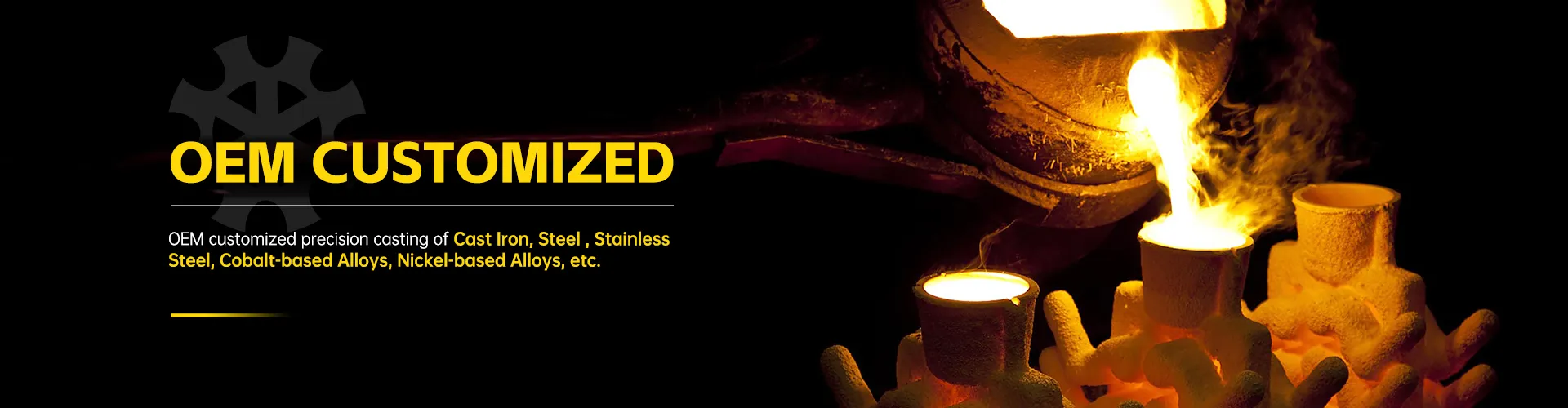
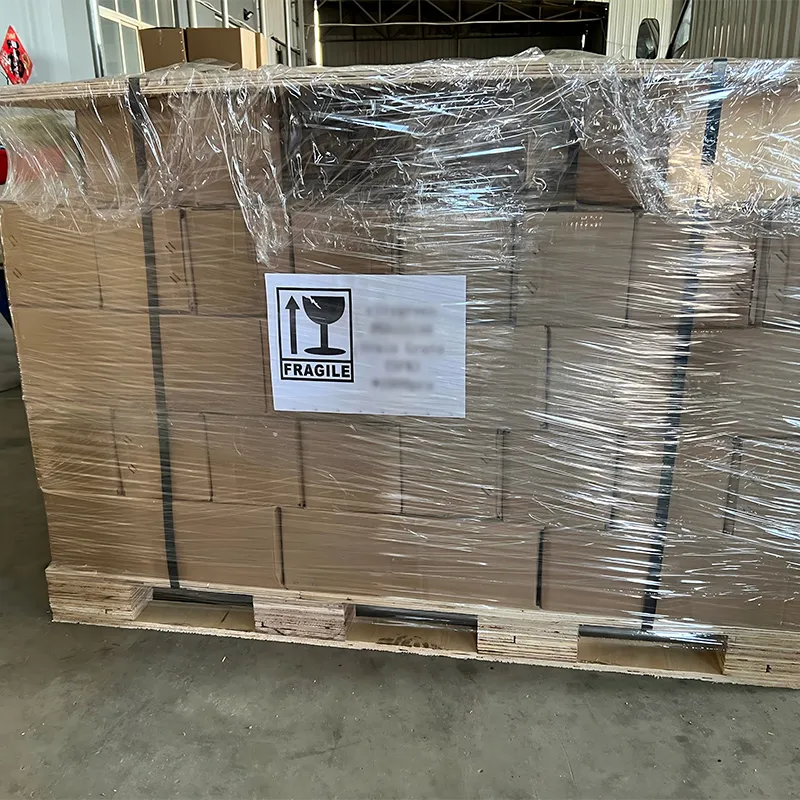
For organizations seeking a partner that embodies these qualities, Qingdao Qiangsenyuan Technology Co., Ltd. (QSY) stands out as a prime example of industrial excellence. With over 30 years of experience in the casting and machining industry, QSY has evolved into a comprehensive one-stop service provider. Their expansive 50,000-square-meter facility houses dedicated production lines for shell mold casting and lost wax (investment) casting, alongside a fully equipped CNC machining workshop, quality inspection center, and packaging department. This integrated infrastructure allows QSY to deliver seamless, customized solutions from raw material to finished component.
QSY’s expertise spans a broad spectrum of materials, including cast iron, various grades of steel, stainless steel, and specialized high-performance alloys such as cobalt-based and nickel-based superalloys. This material versatility enables them to serve diverse sectors ranging from agricultural and mining machinery to medical equipment, food processing, and petrochemical industries. Having successfully collaborated with clients in over 20 countries, QSY combines deep technical knowledge with a global perspective, ensuring that every project meets rigorous international standards while optimizing cost and efficiency.
Conclusion and Next Steps
Metal casting remains a cornerstone of modern manufacturing, enabling the production of complex, durable, and cost-effective components essential to global industry. From the versatility of sand casting to the precision of investment and die casting, each method offers unique advantages tailored to specific engineering needs. Understanding these nuances empowers businesses to make informed decisions that optimize performance and value.
This guide is particularly valuable for design engineers, procurement managers, and product developers seeking to integrate cast components into their systems. Whether developing a new prototype or scaling mass production, selecting the appropriate process and partner is the first step toward success.
To move forward, evaluate your project’s specific requirements regarding volume, material, and tolerance. Engage with experienced facilities that can provide comprehensive engineering support and rigorous quality assurance. By partnering with a capable metal casting foundry like Qingdao Qiangsenyuan Technology Co., Ltd., you ensure that your components meet the highest standards of reliability and performance, leveraging decades of expertise to bring your vision to life.