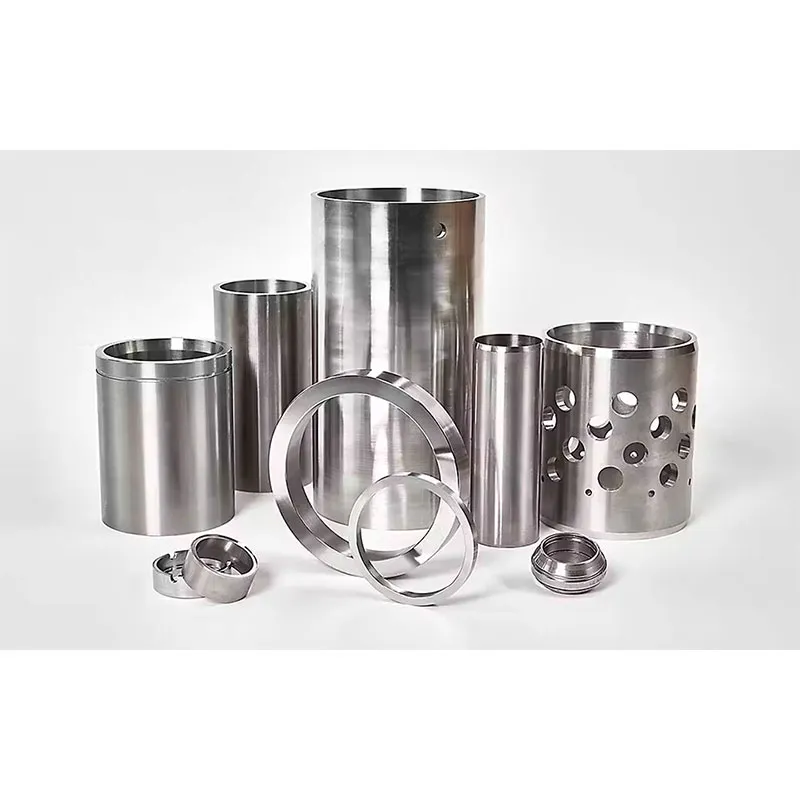
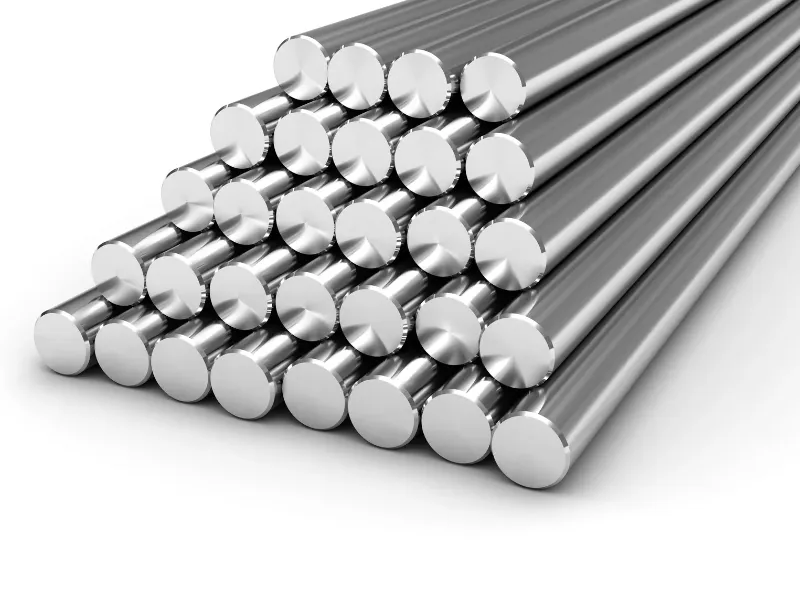
Agricultural machinery casting refers to the manufacturing process of creating durable metal components for farming equipment, such as tractors, harvesters, and irrigation systems. These castings must withstand extreme mechanical stress, vibration, and corrosive environments. As a specialized OEM partner, QINGDAO QIANGSENYUAN TECHNOLOGY CO., LTD. delivers high-precision iron, steel, and superalloy castings that ensure structural integrity and operational longevity for global agricultural manufacturers. This guide details material selection, manufacturing processes, and quality standards essential for sourcing reliable agricultural components.
What Is Agricultural Machinery Casting?
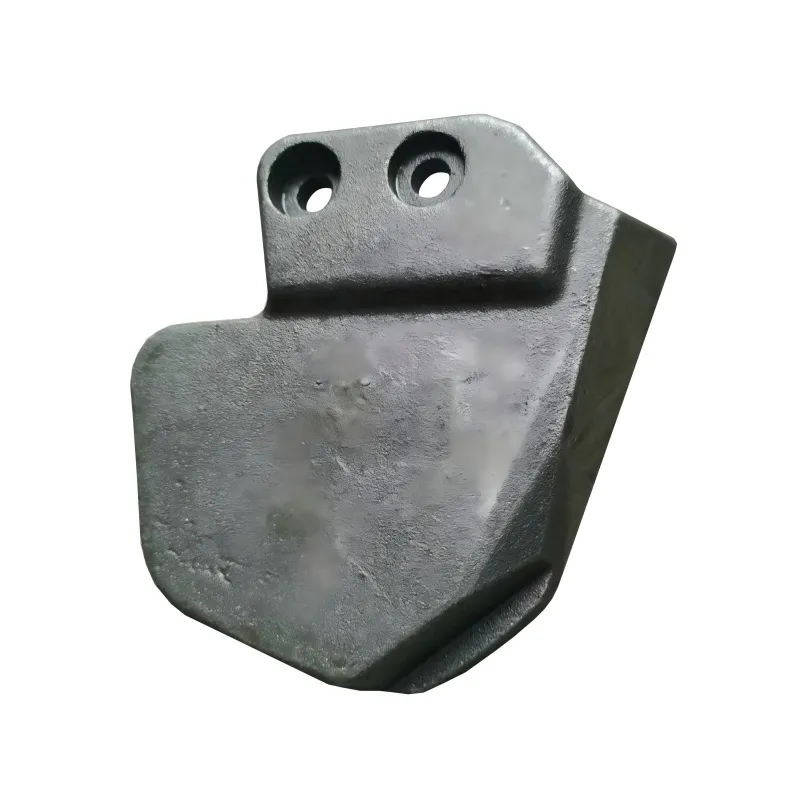
Agricultural machinery casting involves shaping molten metal into specific geometries required for farm equipment. Unlike standard industrial parts, agricultural components face unique challenges: exposure to soil abrasion, chemical fertilizers, moisture, and heavy dynamic loads. The casting process allows for the creation of complex shapes—such as gearbox housings, hydraulic valve bodies, and wheel hubs—that would be difficult or cost-prohibitive to machine from solid blocks.
The primary goal of these castings is to balance weight reduction with structural strength. Modern agricultural equipment demands higher efficiency, which requires lighter yet stronger components to improve fuel economy and payload capacity. Consequently, manufacturers increasingly rely on advanced casting techniques like investment casting and precision sand casting to achieve tight tolerances and superior surface finishes.
Key Functions of Cast Components in Agriculture
- Structural Support: Frames and chassis components that bear the weight of the machine and its load.
- Power Transmission: Gearbox housings and differential cases that protect internal gears and bearings.
- Hydraulic Control: Valve bodies and pump housings that manage fluid pressure for lifting and steering mechanisms.
- Wear Resistance: Parts like tiller blades and plow shares that directly interact with soil and rocks.
Common Materials Used in Agricultural Castings
Selecting the right material is critical for performance. The choice depends on the component’s function, exposure to elements, and required mechanical properties. QINGDAO QIANGSENYUAN TECHNOLOGY specializes in a diverse range of materials, ensuring each part meets specific engineering requirements.
1. Gray Iron and Ductile Iron
Iron castings are the backbone of agricultural machinery due to their excellent damping capacity and cost-effectiveness.
- Gray Iron: Ideal for components requiring vibration damping, such as engine blocks and transmission housings. Its graphite microstructure provides natural lubricity and wear resistance.
- Ductile Iron (Nodular Iron): Offers higher tensile strength and impact resistance than gray iron. It is commonly used for wheel hubs, axle housings, and structural brackets that endure shock loads.
2. Carbon Steel and Stainless Steel
Steel castings provide superior strength and toughness, making them suitable for high-stress applications.
- Carbon Steel: Used for heavy-duty structural parts like hitch points and loader arms. It offers excellent weldability and machinability.
- Stainless Steel: Essential for components exposed to corrosive environments, such as fertilizer spreaders and irrigation systems. Grades like 304 and 316 resist rust and chemical degradation.
3. Cobalt-Nickel Superalloys
For specialized, high-performance agricultural applications involving extreme heat or wear, superalloys are indispensable. QINGDAO QIANGSENYUAN TECHNOLOGY possesses deep technical competence in processing cobalt-nickel alloys, including AMS 5387 and T800 cobalt-based materials.
While less common in standard tractors, these materials are critical for:
- High-pressure pump components in precision agriculture systems.
- Wear-resistant nozzles and plugs in chemical application equipment.
- Components requiring exceptional hardness and thermal stability under continuous operation.
The company’s ability to handle difficult-to-machine superalloys ensures that even the most demanding custom geometries align with functional performance requirements.
Manufacturing Processes: Sand Casting vs. Investment Casting
Two primary methods dominate agricultural casting production. Understanding the differences helps buyers choose the right supplier for their volume and precision needs.
| Feature |
Sand Casting |
Investment Casting (Lost Wax) |
| Surface Finish |
Rougher; requires secondary machining |
Smooth; near-net shape accuracy |
| Tolerances |
Looser (±0.5mm – ±1.0mm) |
Tight (±0.1mm – ±0.3mm) |
| Part Complexity |
Moderate; limited by mold removal |
High; intricate internal passages possible |
| Volume Suitability |
Low to High volumes |
Medium to High volumes |
| Tooling Cost |
Lower initial cost |
Higher initial mold cost |
| Typical Applications |
Engine blocks, large housings |
Hydraulic valves, turbine parts, nozzles |
QINGDAO QIANGSENYUAN TECHNOLOGY operates an ISO-compliant facility equipped for both processes. This vertical integration allows the company to recommend the most cost-effective method based on the component’s design. For instance, large structural frames may utilize sand casting, while precision hydraulic valve bodies benefit from investment casting.
Critical Quality Standards for Agricultural Components
Agricultural machinery operates in unforgiving conditions. A single casting failure can lead to significant downtime during critical harvesting or planting windows. Therefore, adherence to strict quality standards is non-negotiable.
Dimensional Accuracy and GD&T
Geometric Dimensioning and Tolerancing (GD&T) ensures that cast parts fit correctly with mating components. QINGDAO QIANGSENYUAN TECHNOLOGY employs advanced Coordinate Measuring Machines (CMM) and optical measuring instruments to verify dimensions at every stage. This rigorous inspection protocol minimizes assembly issues and reduces scrap rates.
Material Integrity and Traceability
Metallurgical consistency is vital. The company sources certified raw materials and maintains technical collaboration with suppliers to ensure consistent properties across batches. Full traceability is retained for critical components, allowing customers to verify material grades and heat treatment records.
Non-Destructive Testing (NDT)
To detect internal defects such as porosity or cracks, reputable manufacturers employ NDT methods:
- X-Ray Inspection: Reveals internal voids in critical safety components.
- Dye Penetrant Testing: Identifies surface-breaking defects.
- Magnetic Particle Inspection: Detects subsurface flaws in ferromagnetic materials.
These tests are integrated into the quality control workflow, ensuring that only defect-free parts reach the customer.
Applications of Precision Castings in Modern Agriculture
The scope of agricultural casting extends beyond traditional tractors. As farming becomes more technologically advanced, the demand for precision components grows.
1. Hydraulic Systems
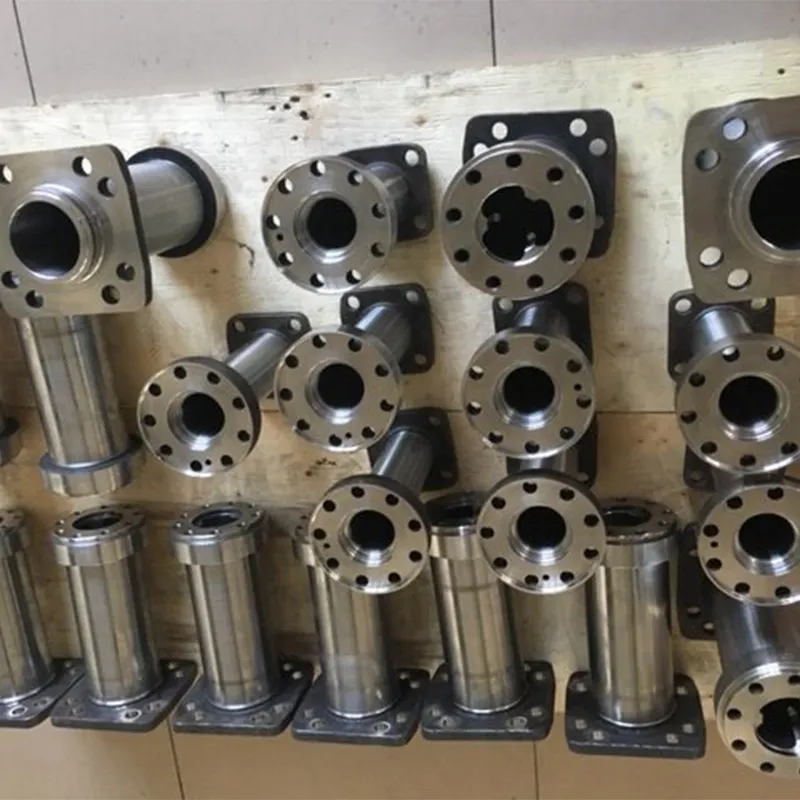
Modern farms rely on hydraulics for lifting, steering, and implement control. Cast components like piston pump cylinder housings and pressure valves must withstand high pressures without leaking or deforming. QINGDAO QIANGSENYUAN TECHNOLOGY specializes in these high-integrity parts, leveraging its expertise in cobalt-nickel alloys for enhanced wear resistance in valve seats and plugs.
2. Powertrain and Drivetrain
The transmission and differential systems transfer power from the engine to the wheels. Cast housings protect delicate gears from dust and moisture. Ductile iron is often preferred here for its combination of strength and vibration damping.
3. Soil Engagement Tools
Plows, harrows, and tillers interact directly with the earth. These parts require high abrasion resistance. Specialized alloy castings extend the service life of these tools, reducing replacement frequency for farmers.
4. Precision Irrigation and Spraying
Automated irrigation systems use complex networks of pipes and nozzles. Stainless steel and cobalt alloy castings resist corrosion from water and fertilizers, ensuring consistent flow rates and preventing contamination.
Why Choose QINGDAO QIANGSENYUAN TECHNOLOGY as Your OEM Partner?
In a competitive global market, selecting the right manufacturing partner impacts product reliability and supply chain stability. Headquartered in Qingdao, China, QINGDAO QIANGSENYUAN TECHNOLOGY CO., LTD. has established itself as a reliable partner for complex, mission-critical parts in the agricultural sector.
Vertically Integrated Capabilities
Unlike suppliers who outsource key steps, QINGDAO QIANGSENYUAN TECHNOLOGY controls the entire production chain. From design support and material selection to precision CNC machining and surface finishing, this integration ensures tight control over dimensional stability and microstructure integrity. This approach significantly reduces lead times and enhances quality consistency.
Expertise in High-Performance Alloys
Many foundries struggle with superalloys. However, QINGDAO QIANGSENYUAN TECHNOLOGY excels in processing AMS 5387 cobalt alloy 6 and T800 cobalt-based materials. This capability is particularly valuable for agricultural components that operate under high-wear or high-temperature conditions, such as specialized pump assemblies and engineering vehicle onboard winch center shaft rollers.
Responsive Technical Consultation
The company’s service philosophy centers on transparent communication. Their project management team provides drawing validation, GD&T interpretation, and feedback on manufacturability. This early engagement enables risk mitigation and cost-effective design realization, helping clients avoid expensive redesigns later in the production cycle.
Global Reach and Compliance
Serving customers across North America, Europe, and Southeast Asia, the company adheres to international standards. Its ISO-compliant facility and disciplined quality management approach ensure that every shipment meets the rigorous expectations of global agricultural OEMs.
How to Select the Right Agricultural Casting Supplier
When evaluating potential suppliers, consider the following factors to ensure a successful partnership:
- Technical Capability: Does the supplier have experience with your specific material requirements? Can they handle complex geometries?
- Quality Certifications: Look for ISO compliance and documented inspection protocols.
- Production Capacity: Can they meet your volume demands, from prototypes to medium-volume production?
- Communication: Is the supplier responsive? Do they offer engineering support during the design phase?
- Traceability: Can they provide material certificates and inspection reports for each batch?
QINGDAO QIANGSENYUAN TECHNOLOGY meets all these criteria, offering a blend of technical expertise, quality assurance, and customer-centric service.
Frequently Asked Questions (FAQ)
What is the typical lead time for agricultural machinery castings?
Lead times vary based on complexity and volume. Prototypes may take 2-4 weeks, while medium-volume production orders typically require 4-8 weeks. QINGDAO QIANGSENYUAN TECHNOLOGY uses lean workflow practices to ensure stable delivery timelines.
Can you customize materials for specific agricultural applications?
Yes. The company supports custom material selection, including gray iron, ductile iron, stainless steel, and specialized cobalt-nickel alloys. Technical collaboration with material suppliers ensures consistent metallurgical properties.
Do you provide CNC machining services after casting?
Yes. The facility is equipped for precision CNC machining, allowing for the production of finished, ready-to-assemble components. This includes multi-axis machining of complex contours and hole drilling.
What industries besides agriculture do you serve?
While agricultural machinery is a key focus, the company also serves hydraulic systems, engineering vehicles, oil and gas equipment, and specialized pump assemblies. This cross-industry experience brings broader engineering insights to agricultural projects.
How do you ensure the durability of castings in corrosive environments?
We recommend appropriate materials such as stainless steel or coated iron castings. Additionally, surface finishing capabilities are integrated into the production process to enhance corrosion resistance.
Conclusion: Elevating Agricultural Equipment with Precision Castings
The reliability of agricultural machinery hinges on the quality of its components. High-performance agricultural machinery casting is not just about shaping metal; it is about engineering durability, efficiency, and precision into every part. From robust iron housings to specialized cobalt-alloy valves, the right casting solution can significantly enhance equipment lifespan and operational efficiency.
QINGDAO QIANGSENYUAN TECHNOLOGY CO., LTD. stands out as a premier OEM partner, combining deep technical competence in superalloys with vertically integrated manufacturing capabilities. By prioritizing quality assurance, transparent communication, and engineering support, the company empowers agricultural equipment manufacturers to deliver superior products to farmers worldwide.
Whether you need prototype development or medium-volume production of complex castings, partnering with an experienced manufacturer ensures your supply chain remains resilient and your products remain competitive.
Ready to optimize your agricultural component supply chain?
Contact QINGDAO QIANGSENYUAN TECHNOLOGY today to discuss your specific casting requirements. Our engineering team is prepared to validate your designs, recommend optimal materials, and provide a comprehensive quote tailored to your project needs.
Explore Our Agricultural Casting Solutions & Request a Quote