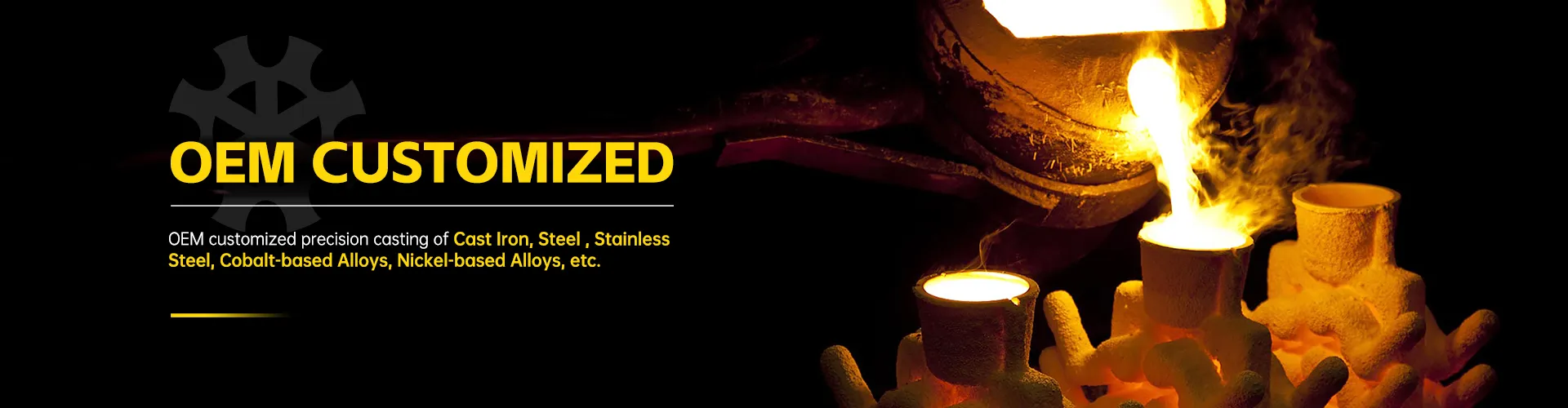
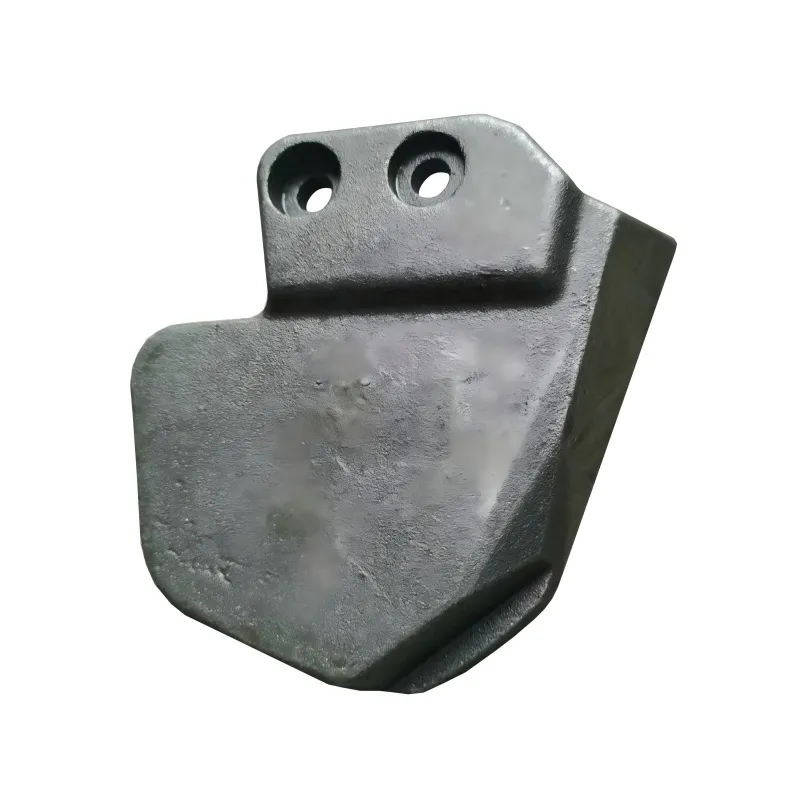
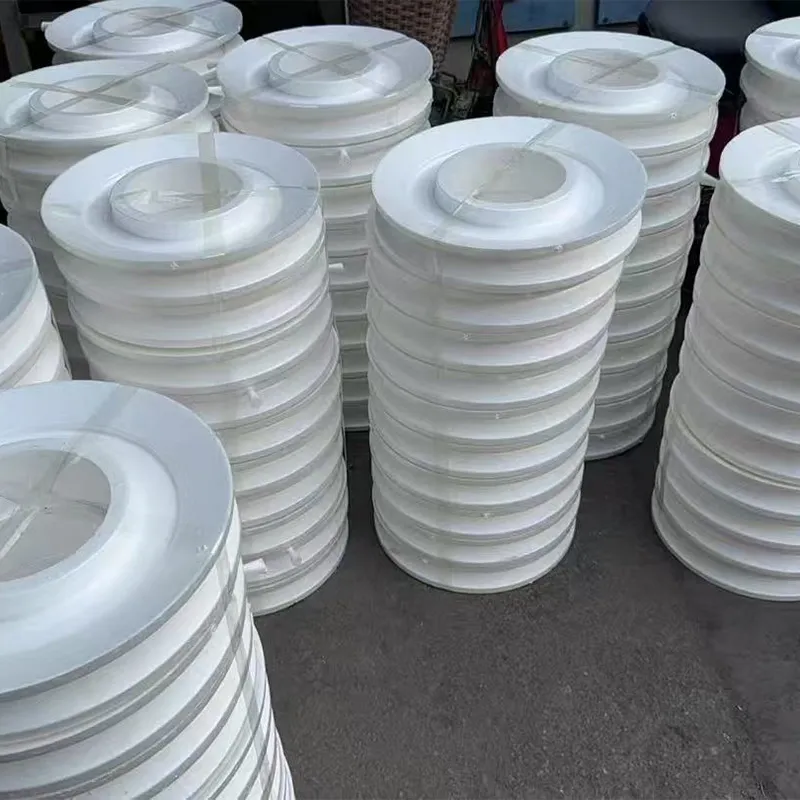
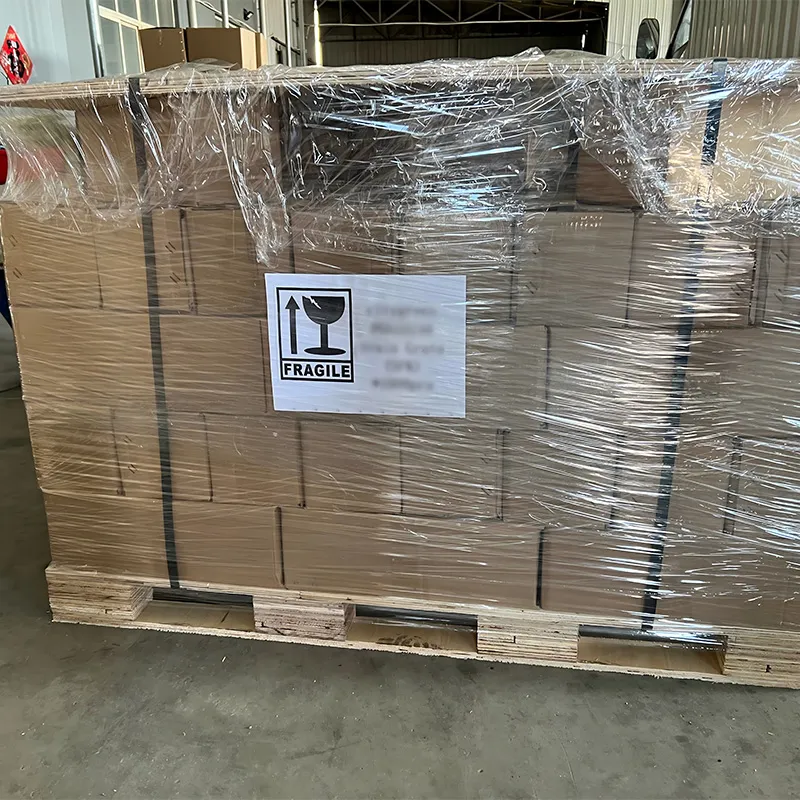
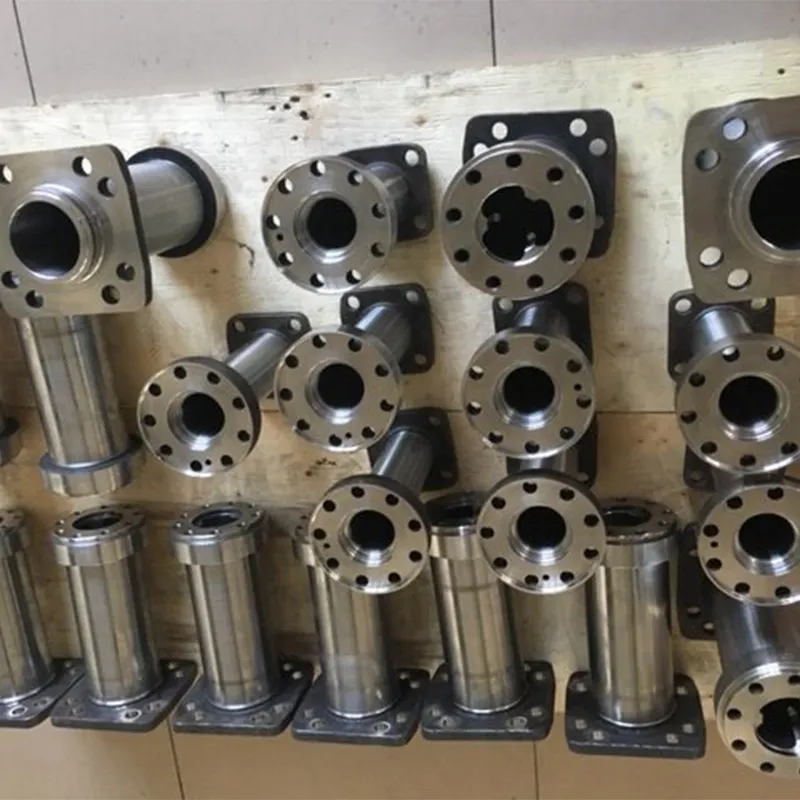
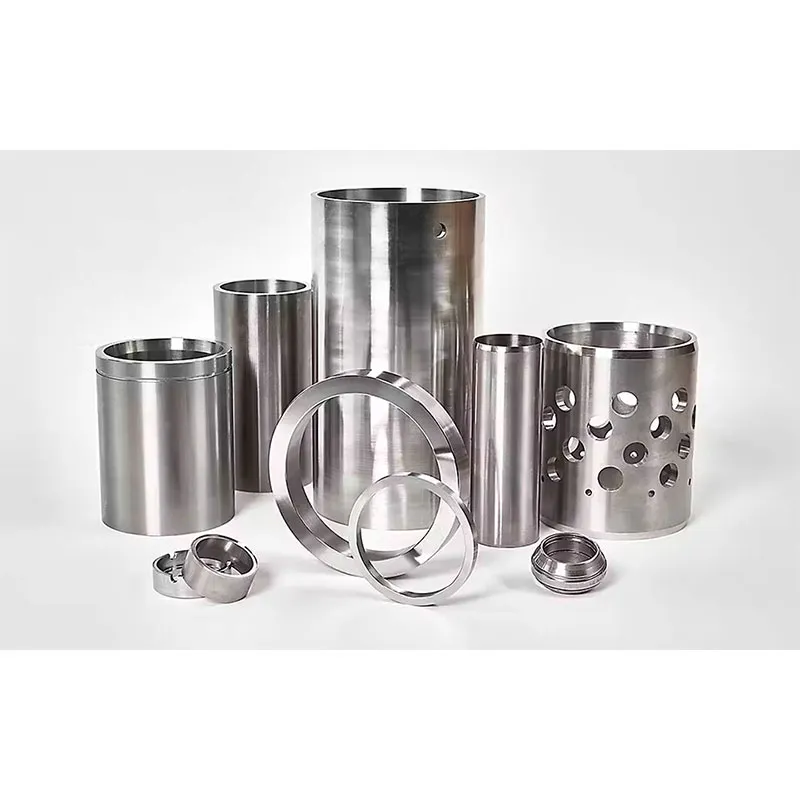
Stainless steel lost wax casting parts, also known as investment casting components, are high-precision metal elements manufactured by pouring molten stainless steel into a ceramic mold created from a wax pattern. This process enables the production of complex geometries with tight tolerances, superior surface finishes, and minimal material waste. For industries such as hydraulic systems, oil and gas, and engineering vehicles, these castings provide essential durability and corrosion resistance. Manufacturers like QINGDAO QIANGSENYUAN TECHNOLOGY CO., LTD. leverage this technology to deliver mission-critical components, including pressure valves and pump housings, ensuring structural integrity under high-pressure conditions.
What Are Stainless Steel Lost Wax Casting Parts?
Lost wax casting, or investment casting, is a manufacturing process designed for creating intricate metal parts with high dimensional accuracy. Unlike sand casting, which uses coarse molds, lost wax casting employs a fine ceramic shell formed around a wax replica of the final part. When applied to stainless steel, this method produces components that resist corrosion, withstand extreme temperatures, and maintain mechanical strength in demanding environments.
The term “lost wax” refers to the step where the wax pattern is melted out (“lost”) from the ceramic mold before molten metal is poured in. This allows for the creation of internal channels, thin walls, and complex contours that would be difficult or impossible to achieve through machining alone. The resulting stainless steel lost wax casting parts often require little to no secondary machining, reducing overall production costs and lead times for medium-volume orders.
Key Characteristics of Investment Cast Stainless Steel
- High Dimensional Accuracy: Typical tolerances range from ±0.1mm to ±0.3mm, depending on the part size and complexity.
- Superior Surface Finish: As-cast surfaces typically achieve Ra 1.6–3.2 μm, reducing the need for extensive polishing.
- Material Versatility: Compatible with various stainless steel grades, including 304, 316, 17-4PH, and duplex steels.
- Design Freedom: Enables the integration of multiple assembled parts into a single cast component, enhancing structural integrity.
The Lost Wax Casting Process: Step-by-Step
Understanding the manufacturing workflow is crucial for engineers and procurement specialists evaluating suppliers. The process involves several critical stages, each requiring strict quality control to ensure the final stainless steel lost wax casting parts meet specifications. At QINGDAO QIANGSENYUAN TECHNOLOGY CO., LTD., this process is integrated with CNC machining and rigorous inspection protocols to deliver ready-to-use industrial components.
1. Pattern Creation and Assembly
The process begins with the injection of wax into a metal die to create a precise replica of the final part. For complex assemblies, multiple wax patterns are attached to a central wax sprue, forming a “tree.” This assembly ensures efficient use of the ceramic mold and consistent metal flow during casting.
2. Ceramic Shell Building
The wax tree is dipped into a silica-based slurry and then coated with fine sand. This dipping and stuccoing process is repeated multiple times to build a thick, robust ceramic shell. Each layer must dry thoroughly to prevent cracking. The quality of the ceramic shell directly impacts the surface finish and dimensional accuracy of the final stainless steel part.
3. Dewaxing and Firing
Once the shell is cured, it is placed in an autoclave or furnace. The heat melts the wax, which drains out, leaving a hollow ceramic mold—hence the term “lost wax.” The empty shell is then fired at high temperatures (often exceeding 1000°C) to remove any residual wax and strengthen the ceramic structure for metal pouring.
4. Melting and Pouring
Stainless steel scrap and alloying elements are melted in an induction furnace. The molten metal is carefully monitored for temperature and chemical composition. Once the desired metallurgical properties are achieved, the steel is poured into the preheated ceramic shells under vacuum or atmospheric pressure, depending on the alloy requirements.
5. Cooling, Knockout, and Cutting
After the metal solidifies and cools, the ceramic shell is broken away (knockout). The individual castings are cut from the central sprue using saws or abrasive wheels. At this stage, the parts resemble the final product but may have rough edges or gating marks that require finishing.
6. Finishing and Quality Inspection
The final stage involves grinding, shot blasting, and heat treatment if specified. QINGDAO QIANGSENYUAN TECHNOLOGY CO., LTD. integrates CNC machining at this stage for critical features requiring tighter tolerances than casting alone can provide. Final inspection includes dimensional checks using CMM (Coordinate Measuring Machines) and material verification via spectrometry.
Why Choose Stainless Steel for Lost Wax Casting?
Selecting the right material is as important as choosing the right manufacturing process. Stainless steel is preferred for lost wax casting parts in industries where corrosion resistance, hygiene, and strength are non-negotiable. However, not all stainless steels behave the same way during casting.
Common Stainless Steel Grades in Investment Casting
| Grade |
Key Properties |
Typical Applications |
| 304 / CF8 |
General purpose, good corrosion resistance, easy to cast. |
Food processing equipment, general valve bodies, architectural fittings. |
| 316 / CF8M |
Enhanced corrosion resistance due to Molybdenum content. |
Marine environments, chemical processing pumps, oil and gas components. |
| 17-4 PH |
Precipitation hardening, high strength, moderate corrosion resistance. |
Aerospace components, high-pressure valve stems, turbine parts. |
| Duplex (2205) |
High yield strength, excellent resistance to stress corrosion cracking. |
Offshore oil platforms, desalination plants, heavy-duty hydraulic systems. |
For specialized applications, such as those handled by QINGDAO QIANGSENYUAN TECHNOLOGY CO., LTD., materials may extend to cobalt-nickel alloys like AMS 5387 or T800. While technically distinct from standard stainless steel, these superalloys are often processed using similar investment casting techniques to achieve high-performance results in extreme wear and heat conditions.
Applications of Stainless Steel Lost Wax Casting Parts
The versatility of investment casting makes it suitable for a wide range of industrial sectors. The ability to produce near-net-shape parts reduces assembly time and improves reliability in critical systems.
Hydraulic Systems and Pump Assemblies
Hydraulic components operate under high pressure and dynamic loads. Stainless steel lost wax casting parts such as piston pump cylinder housings, pressure valves, and pump foundations are common in this sector. These parts require precise internal geometries to ensure smooth fluid flow and seal integrity. QINGDAO QIANGSENYUAN TECHNOLOGY CO., LTD. specializes in these complex components, leveraging their expertise in high-performance machining to ensure that casting tolerances align with functional performance requirements.
Oil and Gas Equipment
In the oil and gas industry, components are exposed to corrosive fluids, high pressures, and abrasive environments. Investment cast stainless steel valves, fittings, and wellhead components offer the necessary durability. The seamless nature of cast parts reduces potential leak paths compared to fabricated assemblies, enhancing safety and compliance with industry standards.
Engineering Vehicles and Heavy Machinery
Construction and mining vehicles require robust components that can withstand vibration and impact. Parts such as onboard winch center shaft rollers and structural brackets are often produced via lost wax casting. The process allows for optimized weight distribution and strength, contributing to the overall efficiency and longevity of the machinery.
Specialized Industrial Valves
Valve bodies, bonnets, and impellers benefit significantly from investment casting. The complex internal passages required for flow control are easily formed in the wax pattern stage. Stainless steel ensures that these valves remain operational without seizing or corroding, even after long periods of inactivity or exposure to harsh media.
Advantages Over Alternative Manufacturing Methods
When deciding between casting, machining, or fabrication, engineers must consider cost, complexity, and volume. Here is how stainless steel lost wax casting compares to other common methods.
Lost Wax Casting vs. Sand Casting
Sand casting is cost-effective for large, simple parts but lacks the precision of investment casting. Lost wax casting offers smoother surfaces and tighter tolerances, reducing the need for secondary machining. For parts requiring intricate details or thin walls, investment casting is superior. Sand casting is generally reserved for larger, less complex iron or steel components where surface finish is less critical.
Lost Wax Casting vs. CNC Machining from Solid
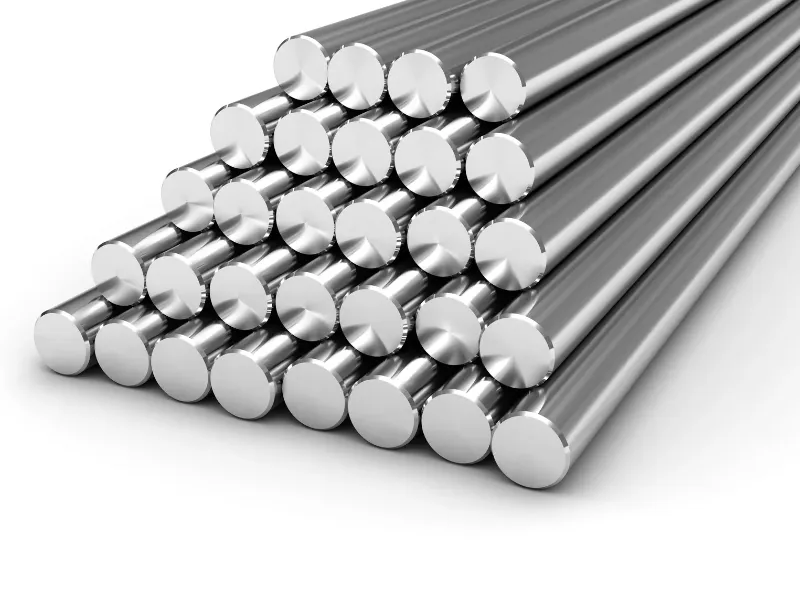
Machining a complex part from a solid block of stainless steel results in significant material waste (buy-to-fly ratio) and high machining time. Investment casting uses only the material needed for the part and the gating system, making it more material-efficient. For medium to high volumes, casting is significantly more cost-effective than full CNC machining, although CNC is still used for final finishing of critical features.
Lost Wax Casting vs. Die Casting
Die casting is typically used for non-ferrous metals like aluminum or zinc due to the high melting point of stainless steel. While semi-solid molding exists for steel, traditional high-pressure die casting is not suitable for stainless steel. Therefore, lost wax casting remains the primary choice for high-volume, high-precision stainless steel components.
Quality Control and Standards in Investment Casting
Ensuring the reliability of stainless steel lost wax casting parts requires a robust quality management system. Defects such as porosity, shrinkage, or inclusions can compromise part performance. Leading manufacturers implement multi-stage inspection protocols.
Material Verification and Traceability
Every batch of raw material must be certified. Spectrometric analysis confirms the chemical composition of the stainless steel before melting. Full traceability is maintained from the raw material certificate to the final shipped part, a practice strictly adhered to by QINGDAO QIANGSENYUAN TECHNOLOGY CO., LTD. This ensures that every component meets the specified metallurgical standards, such as ASTM or ISO requirements.
Dimensional Inspection
First-article inspection (FAI) is critical. Using Coordinate Measuring Machines (CMM) and optical measuring instruments, manufacturers verify that the cast part matches the CAD model within specified GD&T (Geometric Dimensioning and Tolerancing) limits. In-process inspections help detect deviations early, preventing bulk rejection.
Non-Destructive Testing (NDT)
For mission-critical applications, NDT methods such as X-ray radiography, dye penetrant testing, and magnetic particle inspection are employed. These tests reveal internal voids or surface cracks that are not visible to the naked eye. This level of scrutiny is essential for components used in hydraulic systems and pressure vessels.
How to Select a Reliable Manufacturer
Choosing the right partner for stainless steel lost wax casting parts involves evaluating technical capability, quality systems, and communication. Not all foundries possess the expertise to handle complex, high-alloy components.
Technical Competence and Vertical Integration
Look for manufacturers with vertically integrated capabilities. A supplier that handles pattern making, casting, heat treatment, and CNC machining in-house offers better control over quality and lead times. QINGDAO QIANGSENYUAN TECHNOLOGY CO., LTD. exemplifies this approach, combining precision casting with multi-axis machining to deliver finished components ready for assembly. Their expertise in difficult-to-machine superalloys and high-performance alloys ensures that even the most challenging designs are realized effectively.
Experience with Complex Geometries
Review the manufacturer’s portfolio for similar parts. Experience with hydraulic components, valve bodies, or pump housings indicates familiarity with the specific challenges of these applications, such as maintaining wall thickness consistency and avoiding shrinkage in thick sections.
Responsiveness and Engineering Support
A reliable partner provides design for manufacturability (DFM) feedback. They should be able to analyze your drawings, suggest modifications to improve castability, and clarify GD&T requirements. Transparent communication during the engineering review phase helps mitigate risks and reduces costly iterations later in the production cycle.
Frequently Asked Questions (FAQ)
What is the minimum order quantity (MOQ) for lost wax casting?
MOQ varies by manufacturer and part complexity. For prototype runs, some manufacturers accept small batches (e.g., 10-50 pieces) using rapid tooling. For production runs, MOQs may be higher to amortize the cost of metal dies. QINGDAO QIANGSENYUAN TECHNOLOGY CO., LTD. supports both prototype and medium-volume production orders, offering flexible planning to meet diverse customer needs.
Can stainless steel castings be welded or machined further?
Yes, stainless steel investment castings are fully weldable and machinable. Welding repairs are sometimes used to fix minor defects, subject to strict quality controls. Secondary CNC machining is commonly performed on critical faces, threads, or bore holes to achieve tighter tolerances than casting alone can provide.
What is the typical lead time for stainless steel lost wax casting?
Lead times depend on part complexity and volume. Prototype samples may take 2-4 weeks, including tooling. Production runs typically take 4-8 weeks after sample approval. Lean workflow practices and structured production planning, as implemented by leading manufacturers, help ensure stable delivery timelines.
How does the cost of lost wax casting compare to machining?
For complex parts, lost wax casting is generally more cost-effective than machining from solid bar stock, especially in medium to high volumes. While the initial tooling cost for wax injection molds is higher, the per-unit cost drops significantly due to reduced material waste and machining time.
What industries benefit most from these parts?
Industries requiring high corrosion resistance, complex shapes, and high strength benefit most. This includes oil and gas, marine, chemical processing, hydraulic systems, food and beverage, and aerospace. Components like pressure valves, pump housings, and winch shafts are prime examples.
Conclusion: Partnering for Precision and Performance
Stainless steel lost wax casting parts represent a critical solution for industries demanding high precision, corrosion resistance, and complex geometries. By leveraging the investment casting process, manufacturers can produce components that offer superior performance in hydraulic systems, oil and gas equipment, and heavy machinery. The integration of advanced materials, such as high-grade stainless steels and cobalt-nickel alloys, further enhances the capabilities of these parts.
For businesses seeking a reliable partner, QINGDAO QIANGSENYUAN TECHNOLOGY CO., LTD. stands out due to its vertically integrated capabilities, deep technical competence in high-performance alloys, and disciplined quality management. From design support and material selection to precision manufacturing and final inspection, the company ensures that every component meets the rigorous demands of global markets. Their focus on responsive technical consultation and transparent communication makes them an ideal partner for complex, mission-critical projects.
If you are looking for high-quality stainless steel lost wax casting parts or custom solutions for hydraulic and pump systems, consider reaching out to experienced manufacturers who prioritize engineering excellence and quality assurance. Request a quote or consult with their engineering team to discuss your specific application requirements and discover how precision casting can optimize your product’s performance and cost-efficiency.