Prototype sand casting is a rapid manufacturing process used to produce metal parts from 3D patterns, typically for design validation and functional testing. Unlike traditional methods requiring hard tooling, this approach utilizes 3D-printed molds or loose sand setups to deliver castings in days rather than weeks. It supports low MOQs (often starting at 1 unit) and accommodates complex geometries in alloys like aluminum, iron, and steel. This method significantly reduces upfront costs for engineers and product developers needing fast iterations before committing to mass-production tooling.
What Is Prototype Sand Casting and Why It Matters in 2026
In the modern product development lifecycle, speed and flexibility are critical. Prototype sand casting has emerged as a pivotal bridge between digital design and final mass production. Traditionally, sand casting was viewed solely as a high-volume manufacturing method due to the high cost and long lead time associated with creating permanent metal patterns and core boxes. However, advancements in additive manufacturing (3D printing) and rapid mold-making techniques have transformed this legacy process into an agile prototyping solution.
For engineering teams in 2026, the ability to hold a physical metal part within days of finalizing a CAD model is invaluable. It allows for immediate fit-checks, thermal testing, and structural analysis using the actual intended material. This contrasts sharply with other prototyping methods that may use substitute materials (like plastics in SLA printing) which do not accurately represent the mechanical properties of the final metal component.
The Evolution from Traditional to Rapid Sand Casting
The core difference lies in how the mold is created. In traditional foundry work, a wooden or metal pattern is crafted, which can take weeks. In prototype sand casting, we bypass this step by using:
- 3D-Printed Sand Molds: Binder jetting technology prints the sand mold directly from CAD data, eliminating the need for a pattern entirely.
- 3D-Printed Patterns: High-resolution resin or plastic patterns are printed and used in conventional sand molding. These patterns are cheaper and faster to produce than metal ones.
- CNC-Machined Foam Patterns: For larger prototypes, foam blocks are machined to shape and used as lost-pattern molds.
This shift enables manufacturers to offer low MOQ sand casting services economically. Without the amortization of expensive hard tooling, the cost per unit for a single prototype becomes manageable, making it accessible for startups and R&D departments alike.
How Prototype Sand Casting Works: Step-by-Step Process
Understanding the workflow helps engineers optimize their designs for manufacturability. The process for rapid prototype sand casting differs slightly from mass production, focusing on speed and digital integration. Here is the typical workflow employed by specialized manufacturers:
Step 1: Digital Design and DFM Analysis
The process begins with your 3D CAD file (STEP, IGES, or STL format). Before any physical work begins, experienced engineers perform a Design for Manufacturability (DFM) review. This step is crucial for sand casting. We analyze:
- Draft Angles: Ensuring vertical walls have sufficient angle for pattern removal (if using patterns).
- Wall Thickness: Verifying uniformity to prevent shrinkage defects.
- Radii and Fillets: Adding necessary radii to reduce stress concentrations and improve metal flow.
- Parting Lines: Determining the optimal split line for the mold to minimize flash and machining later.
Feedback is provided quickly, often within 24 hours, allowing for immediate design adjustments if necessary.
Step 2: Pattern or Mold Creation
Depending on the geometry complexity and quantity, one of two paths is chosen:
- Path A (Direct Sand Printing): For highly complex internal geometries, a binder jetting printer deposits a binding agent onto layers of sand. This creates the mold cavity directly. No pattern is needed. This is ideal for intricate cores that would be impossible to withdraw from a traditional pattern.
- Path B (Printed Pattern): A 3D printer produces the positive pattern of the part using high-temperature resistant resin or PLA. This pattern is then placed into a flask, and sand is packed around it. The pattern is removed, leaving the cavity.
Step 3: Mold Assembly and Gating System
The gating system (channels where metal flows) is designed digitally and either printed as part of the mold or cut manually into the sand. Proper gating is essential to prevent turbulence and air entrapment. The core (if the part has internal voids) is placed, and the mold halves are clamped together securely.
Step 4: Melting and Pouring
The selected alloy (e.g., A356 Aluminum, Gray Iron, Stainless Steel) is melted in an induction furnace. Temperature control is precise to ensure proper fluidity. The molten metal is poured into the mold. In automated facilities, this might be done via robotic pouring for consistency; in job-shop settings, skilled foundry workers perform the pour manually.
Step 5: Cooling and Shakeout
After pouring, the mold is left to cool. Once solidified, the sand mold is broken away (shakeout). Since this is a prototype run, the sand is often reclaimed and recycled immediately for the next job, supporting sustainable manufacturing practices.
Step 6: Cleaning and Finishing
The raw casting undergoes fettling. This involves:
- Cutting off gates and risers.
- Shot blasting to remove residual sand and oxide scale.
- Grinding any rough edges or flash.
- Optional CNC machining if tight tolerances are required on specific faces.
Finally, the part is inspected and shipped. The entire cycle, from file receipt to shipping, can be as short as 5-7 days for standard complexities.
Key Advantages of Choosing Prototype Sand Casting
Why choose sand casting for prototypes over investment casting or die casting? The answer lies in the balance of cost, speed, and material versatility.
1. Unmatched Material Versatility
Unlike die casting, which is limited mostly to zinc, aluminum, and magnesium, sand casting can handle almost any metal alloy. This is critical for functional prototyping where the material properties must match the final product. Common alloys include:
- Aluminum Alloys (A356, 319): Lightweight, good corrosion resistance, excellent for automotive and aerospace components.
- Gray Iron (G250, G300): Excellent damping properties, ideal for machine bases and engine blocks.
- Ductile Iron: Higher strength and toughness than gray iron, suitable for gears and pipes.
- Stainless Steel (304, 316): For corrosive environments or high-temperature applications.
- Carbon Steel: For high-strength structural components.
2. Low Cost for Low Volumes
Die casting requires expensive steel molds that can cost tens of thousands of dollars. Investment casting requires wax patterns and ceramic shells, which are labor-intensive. Sand casting uses sand, which is inexpensive and reusable. For runs of 1 to 50 units, sand casting is often the most cost-effective metal forming process available.
3. No Tooling Lead Time
The elimination of hard tooling means you do not wait 4-8 weeks for mold fabrication. Your “tool” is a digital file. This accelerates the time-to-market significantly, allowing for more design iterations within the same budget and timeframe.
4. Size Flexibility
Sand casting has virtually no upper limit on part size. Whether you need a small bracket weighing 100 grams or a large pump housing weighing 500 kg, the process remains fundamentally the same. Other methods like die casting are constrained by machine tonnage and mold size.
Prototype Sand Casting vs. Other Prototyping Methods
Selecting the right manufacturing process depends on your specific requirements for tolerance, surface finish, volume, and material. The following table compares prototype sand casting with other common methods.
| Feature |
Prototype Sand Casting |
Investment Casting |
Die Casting |
CNC Machining |
| Best For Volume |
1 – 50 units |
1 – 100 units |
500+ units |
1 – 10 units |
| Lead Time |
5 – 10 Days |
10 – 15 Days |
4 – 8 Weeks (for tooling) |
3 – 5 Days |
| Tooling Cost |
Very Low / None |
Low (Wax Mold) |
Very High |
None |
| Material Options |
Very Wide (Fe, Al, Steel, etc.) |
Wide (Most Metals) |
Limited (Zn, Al, Mg) |
Wide (Metals & Plastics) |
| Tolerance |
+/- 0.5mm to 1.5mm |
+/- 0.1mm to 0.5mm |
+/- 0.1mm |
+/- 0.01mm |
| Surface Finish |
Rough (Ra 6.3 – 12.5) |
Good (Ra 1.6 – 3.2) |
Excellent (Ra 0.8 – 1.6) |
Excellent (Ra 0.4 – 1.6) |
| Complex Internal Geometries |
Excellent (with 3D printed cores) |
Good |
Limited (requires slides) |
Limited (tool access) |
Selection Guide:
- Choose CNC Machining if you need extremely tight tolerances and only 1-2 parts, but accept higher material waste and limitations on internal hollow structures.
- Choose Investment Casting if you need smoother surface finishes and tighter tolerances than sand casting can provide, and are willing to wait slightly longer.
- Choose Die Casting only if you are committed to high volumes (thousands of units) and need thin walls with high dimensional stability.
- Choose Prototype Sand Casting for the best balance of cost, speed, and material fidelity for functional testing of medium-to-large parts.
Design Guidelines for Successful Sand Casting Prototypes
To ensure your prototype sand casting project succeeds without costly revisions, adhere to these engineering best practices. These guidelines help minimize defects and reduce post-casting machining costs.
1. Uniform Wall Thickness
Avoid drastic changes in wall thickness. Thick sections cool slower than thin sections, leading to shrinkage porosity or sink marks. If thickness variation is necessary, use gradual transitions. Ideally, keep wall thickness between 3mm and 10mm for aluminum, depending on part size.
2. Draft Angles
If using a removable pattern, draft angles are mandatory. A minimum of 1-2 degrees is recommended for external surfaces and 2-3 degrees for internal surfaces. If using direct 3D-printed sand molds (binder jetting), draft is less critical but still helpful for sand removal during shakeout.
3. Radii and Fillets
Sharp corners create stress points in the mold and the final part, leading to cracking and hot spots. Always add fillets to internal corners and radii to external corners. A general rule is to make the internal radius half the wall thickness and the external radius equal to the wall thickness.
4. Parting Line Placement
The parting line is where the two halves of the mold meet. Place it in a location that minimizes the visual impact and simplifies the mold design. Ideally, the part should be split symmetrically. Avoid placing the parting line through critical sealing surfaces or areas requiring tight tolerances, as slight misalignment (flash) can occur.
5. Cores and Undercuts
Internal features require cores. In prototype sand casting, complex cores can be 3D printed directly. However, ensure cores are properly supported to prevent shifting during pouring. If designing undercuts, consider whether they can be formed by the core or if they require special mold segments, which increases cost.
Common Defects in Sand Casting and How to Avoid Them
Even with advanced processes, sand casting is prone to certain defects. Understanding these helps in quality inspection and design optimization.
- Porosity: Caused by trapped gas or shrinkage. Solution: Improve venting in the mold design and optimize gating to reduce turbulence. Use chills to control cooling rates.
- Sand Inclusions: Sand particles trapped in the metal. Solution: Ensure high-quality sand bonding and careful mold handling. Shot blasting effectively removes surface inclusions.
- Misruns/Cold Shuts: Metal solidifies before filling the mold. Solution: Increase pouring temperature or modify gate size to improve flow. Ensure the mold is pre-heated if necessary.
- Flash: Excess metal at the parting line. Solution: Ensure mold halves are clamped tightly and patterns are worn-free. Flash is easily removed during finishing.
Industries and Applications for Prototype Sand Casting
Prototype sand casting is versatile across various sectors. Its ability to produce large, strong, and complex metal parts makes it indispensable for heavy industry and high-performance engineering.
Automotive and Electric Vehicles (EV)
EV manufacturers use prototype sand casting for battery housings, motor casings, and suspension components. The lightweight nature of aluminum sand castings helps offset battery weight. Rapid prototyping allows for quick iteration of cooling channel designs within battery packs.
Aerospace and Defense
For aerospace, sand casting produces structural brackets, engine mounts, and housing units. The ability to cast high-performance alloys like titanium (in specialized facilities) or high-grade aluminum ensures parts meet strict strength-to-weight ratios. Low volume fits perfectly with the limited production runs of specialized aircraft.
Industrial Machinery and Robotics
Heavy machinery requires robust frames, gearboxes, and pump housings. Gray and ductile iron sand castings provide the necessary vibration damping and wear resistance. Prototyping allows engineers to test fitment with motors and sensors before committing to expensive production tooling.
Energy and Oil & Gas
Valves, pipe fittings, and turbine components often operate in harsh environments. Sand casting allows for the use of corrosion-resistant stainless steels and superalloys. Prototype runs verify pressure containment and seal integrity under real-world conditions.
Consumer Products and Hardware
High-end lighting fixtures, architectural hardware, and artistic sculptures often utilize sand casting for its aesthetic texture and form freedom. Prototype runs allow designers to evaluate the look and feel of the metal finish before mass production.
FAQ: Frequently Asked Questions About Prototype Sand Casting
What is the minimum order quantity (MOQ) for prototype sand casting?
There is effectively no minimum order quantity. You can order a single unit. However, setup costs (pattern printing, mold preparation) are fixed, so the cost per unit decreases significantly as quantity increases. For 1-5 units, expect a higher per-part price due to these setup amortizations.
How accurate is prototype sand casting?
Standard sand casting tolerances are typically ISO 8076 CTG 11-14, which translates to roughly +/- 0.5mm to 1.5mm depending on part size. If tighter tolerances are needed, secondary CNC machining is recommended for critical features. Direct 3D-printed sand molds can sometimes achieve slightly better consistency due to reduced human error in mold packing.
Can I get a smooth surface finish?
Sand casting inherently produces a textured surface due to the grain structure of the sand. Typical surface roughness is Ra 6.3 to 12.5 microns. If a smoother finish is required, you can specify post-processing options such as grinding, polishing, or powder coating. Alternatively, consider investment casting for smoother as-cast surfaces.
What file formats do you accept?
We accept standard 3D CAD formats including STEP (.stp), IGES (.igs), and STL. STEP files are preferred as they contain solid body data which is easier to analyze for DFM. Please include 2D drawings (PDF) if you have specific tolerance requirements for certain features.
How long does it take to get a prototype?
Typical lead times are 5 to 10 business days. This includes DFM review, pattern/mold creation, casting, cooling, cleaning, and inspection. Rush services may be available for simpler geometries, potentially reducing lead time to 3-4 days.
Is prototype sand casting environmentally friendly?
Yes, compared to many other processes. Sand is highly recyclable; over 90% of the sand used in the process can be reclaimed and reused for future molds. Additionally, the lack of hard tooling reduces material waste associated with mold manufacturing. Modern binder systems are also becoming increasingly eco-friendly with lower emissions.
What is the maximum size for a sand cast prototype?
The size is largely limited by the foundry’s equipment capacity. Industrial sand casting can handle parts weighing several tons. For prototype purposes, most facilities can easily handle parts ranging from a few grams up to 500kg or more. Large-format 3D printers for sand molds can print molds up to 2 meters in length.
Quality Control and Inspection Standards
Ensuring the prototype meets design specifications is paramount. Reputable manufacturers employ rigorous QC protocols:
- Visual Inspection: Checking for surface defects like cracks, cold shuts, and major porosity.
- Dimensional Inspection: Using CMM (Coordinate Measuring Machines) or laser scanners to verify critical dimensions against the CAD model.
- Material Certification: Spectrometry analysis to verify the chemical composition of the alloy matches the specified grade (e.g., confirming A356 aluminum content).
- X-Ray/NDT: For critical internal structures, Non-Destructive Testing (NDT) like X-ray can detect internal voids or inclusions without destroying the part.
Requesting a First Article Inspection (FAI) report is a best practice when ordering prototypes. This document provides evidence that the part meets all specified requirements.
Cost Factors in Prototype Sand Casting
Understanding what drives cost helps in budgeting. Key factors include:
- Part Complexity: Complex shapes require more intricate cores and longer 3D printing times for molds/patterns.
- Part Size: Larger parts consume more material (sand and metal) and require larger furnaces.
- Alloy Type: Aluminum is generally cheaper than stainless steel or nickel superalloys due to material cost and melting energy.
- Surface Finish Requirements: Standard as-cast finish is included. Polishing or specialized coatings add cost.
- Quantity: While MOQ is low, ordering 10 units is significantly cheaper per unit than ordering 1, as the setup cost is spread out.
The Role of Experienced Manufacturing Partners
While the principles of prototype sand casting are straightforward, executing them with precision requires deep industry expertise. This is where established manufacturers like Qingdao Qiangsenyuan Technology Co., Ltd. (QSY) bring significant value. With over 30 years of experience in the casting and machining industry, QSY has evolved from traditional high-volume production to supporting agile, customized solutions.
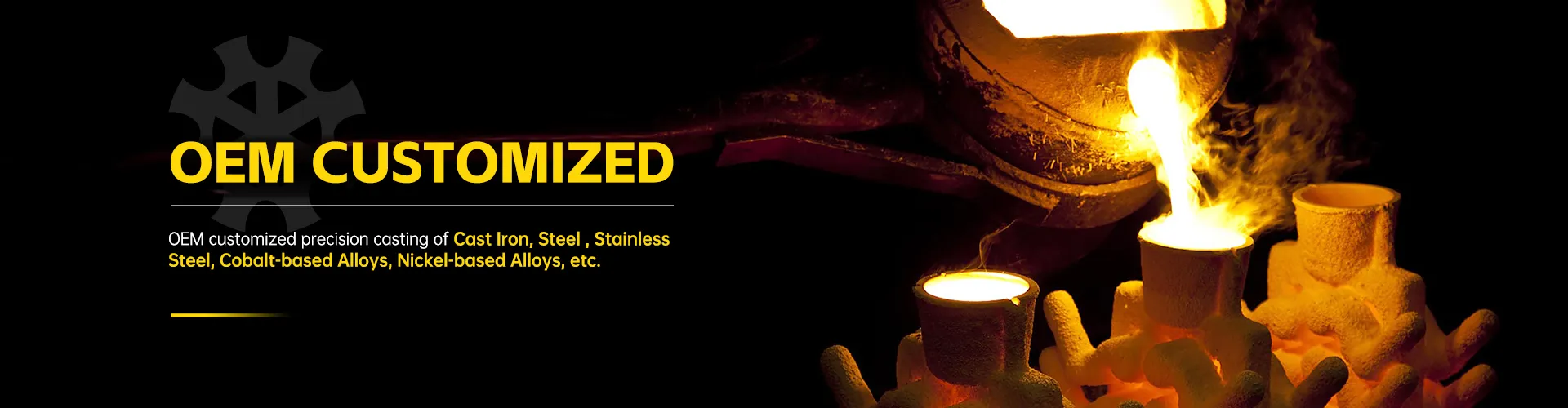
Although QSY specializes in shell mold casting, lost wax (investment) casting, and CNC machining, their extensive infrastructure—including a 50,000 square meter production workshop—supports a comprehensive understanding of metallurgy and mold dynamics. Their capabilities span across cast iron, steel, stainless steel, and special alloys (such as cobalt-based and nickel-based alloys), ensuring that even when prototyping with exotic materials, the foundational knowledge of material behavior is present.
For clients serving industries such as agricultural machinery, medical equipment, industrial machinery, mining, and petrochemicals, QSY offers a one-stop customized service model. Having cooperated with clients in over 20 countries, they understand the global standards required for quality and delivery. Whether you are bridging the gap between prototype and mass production or requiring complex CNC finishing on your cast parts, partnering with an experienced entity ensures that the transition from digital design to physical part is seamless, reliable, and held to the highest quality standards.
Conclusion: Accelerate Your Product Development with Rapid Sand Casting
Prototype sand casting offers a strategic advantage for engineers and product developers in 2026. By combining traditional metallurgy with modern digital manufacturing, it delivers functional metal parts with unprecedented speed and flexibility. Whether you are validating a new EV battery housing, testing an industrial pump impeller, or creating a custom architectural feature, this process provides the material fidelity and geometric freedom needed to succeed.
The ability to iterate quickly without the burden of high tooling costs allows for better design optimization, reducing risks before mass production. With low MOQs and fast lead times, you can move from concept to physical reality in just days.
Who Should Consider This Service?
- R&D Engineers: Needing functional metal parts for testing.
- Startups: Looking to validate hardware with minimal upfront capital.
- Manufacturers: Requiring bridge production while waiting for permanent tooling.
- Designers: Creating complex, organic metal forms for aesthetic applications.
Ready to start your next project? Ensure your designs are optimized for manufacturability and get your parts faster. Contact our engineering team today for a free DFM review and instant quote.
Get a Quote for Prototype Sand Casting