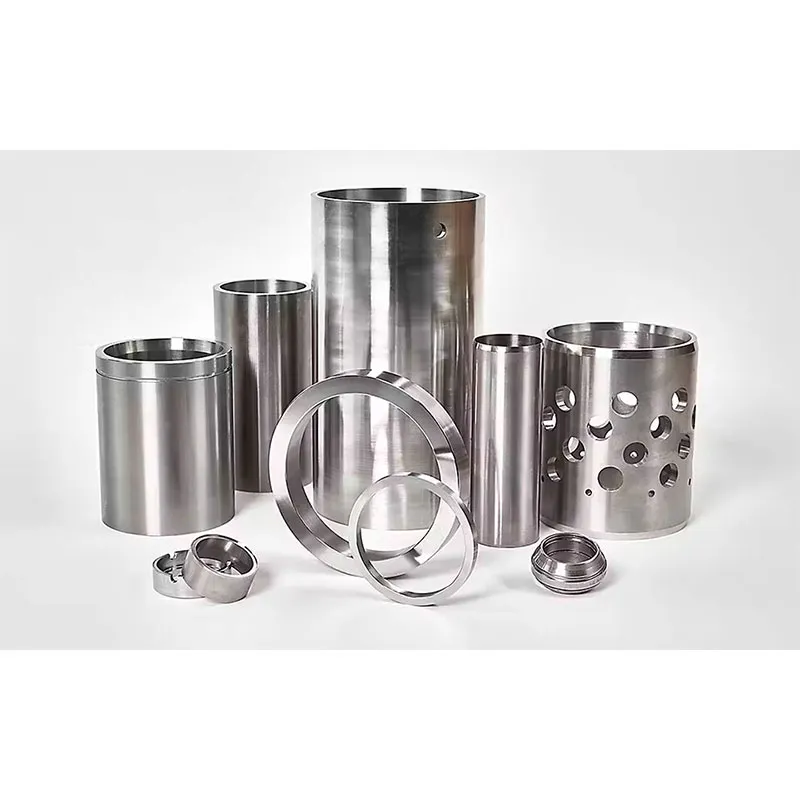
When you hear ‘sustainable sand casting,’ most minds jump straight to recycling sand. That’s part of it, but if you’ve spent any time on a foundry floor, you know it’s a surface-level answer. The real conversation is messier, more technical, and hinges on whether century-old processes can genuinely adapt without losing their economic soul. It’s not just about being green for the brochure; it’s about survival in a market that’s starting to price in waste and energy. Let’s dig into where the pressure points are and what actually moves the needle.
Beyond the Sand Reclaimer: Energy and the Mold
The reclaimer gets all the glory. Sure, reusing 90-95% of your sand is foundational—it cuts landfill costs and raw material intake dramatically. But the energy footprint of making the mold itself is a quieter, bigger beast. Drying those large clay-bonded molds? Massive gas ovens. Curing resin-bonded sands? Exothermic reactions help, but the initial binder chemistry and the off-gassing, that’s where the environmental ledger gets complicated. I’ve seen shops get laser-focused on sand reclamation rates while their natural gas consumption per ton of casting stayed stubbornly high. The sustainability gain was only partial, a classic case of optimizing one visible metric while ignoring a systemic cost.
This is where innovations in binder systems get interesting, but not always successful. We trialed a low-odor furan resin a few years back, touted as a greener alternative. It did reduce the pungent smell on the floor, which was a win for worker environment. But the bench life was shorter, and the shakeout properties were worse, leading to more aggressive mechanical cleaning later—which meant more energy use and potential damage to thin sections. The trade-off wasn’t worth it for our precision work. It taught me that a sustainable innovation has to work holistically; improving one aspect can’t degrade three others.
The mold’s journey doesn’t end at pouring. Consider the coating, the paint applied to the mold cavity. Traditional zircon-based coatings require high-temperature sintering to adhere properly. Now, some R&D is going into water-based, lower-temperature curing alternatives. The catch? They must withstand the thermal shock of molten metal without peeling or causing gas defects. A supplier like Qingdao Qiangsenyuan Technology Co., Ltd. (QSY), with their deep background in shell mold casting and investment casting, understands this balance intimately. Their work with intricate molds means coating integrity is non-negotiable. Any shift to a more sustainable coating process has to first pass the defect test—scrap metal is the ultimate form of waste.
The Alloy Equation: Sourcing and Scrap Integration
Sustainability isn’t confined to the sand. The melt shop is the heart of the energy and material flow. More foundries are looking at charge compositions, increasing the percentage of internal returns (gates, risers, scrap castings) and carefully sourced external scrap. The trick is maintaining chemistry, especially for special alloys like nickel-based or cobalt-based ones. Contamination is the enemy. You can’t just throw any old stainless scrap into a melt for a high-integrity valve component.
We had a project aiming for a 70% recycled content mix on a batch of ductile iron housings. Sourcing consistent, traceable scrap was a logistical headache, and the variance in trace elements like titanium or copper meant our metallurgist was constantly adjusting the inoculant. It worked, but the margin was thinner due to the extra lab analysis and tighter process control needed. The sustainable product was more expensive to make, challenging the commercial premise. This is the real grind: making closed-loop material flows economically viable, not just technically possible.
This is where long-term partnerships in the supply chain matter. A company’s approach to material stewardship becomes part of its product. When you look at a firm like QSY (you can find their specific capabilities at https://www.tsingtaocnc.com), their 30-year operation suggests they’ve navigated these material sourcing cycles repeatedly. Working with cast iron, steel, stainless steel, and those tricky special alloys, they’ve likely built robust channels for quality scrap, which is a form of industrial sustainability that never gets a press release.
Digital Shadows and Process Efficiency
Here’s a trend that’s less about new materials and more about information: simulation and digital process control. Pouring simulation software has been around, but now it’s getting integrated with real-time sensor data. The goal? First-time-right casting. Every rejected casting is a waste of all the energy and material that went into the sand, mold, melting, and pouring. I’ve seen simulation cut defect rates by 30% on complex geometries, which is a massive sustainability win, albeit an indirect one.
But the implementation isn’t plug-and-play. You need people who can interpret the simulation results and translate them into practical mold or gating system adjustments. We once simulated a part perfectly, only to have it fail because the simulation’s assumed sand permeability didn’t match the actual batch from our supplier that week. The digital tool is only as good as the physical data it’s fed. It forces a more disciplined control over your entire raw material intake, which, again, circles back to systemic thinking.
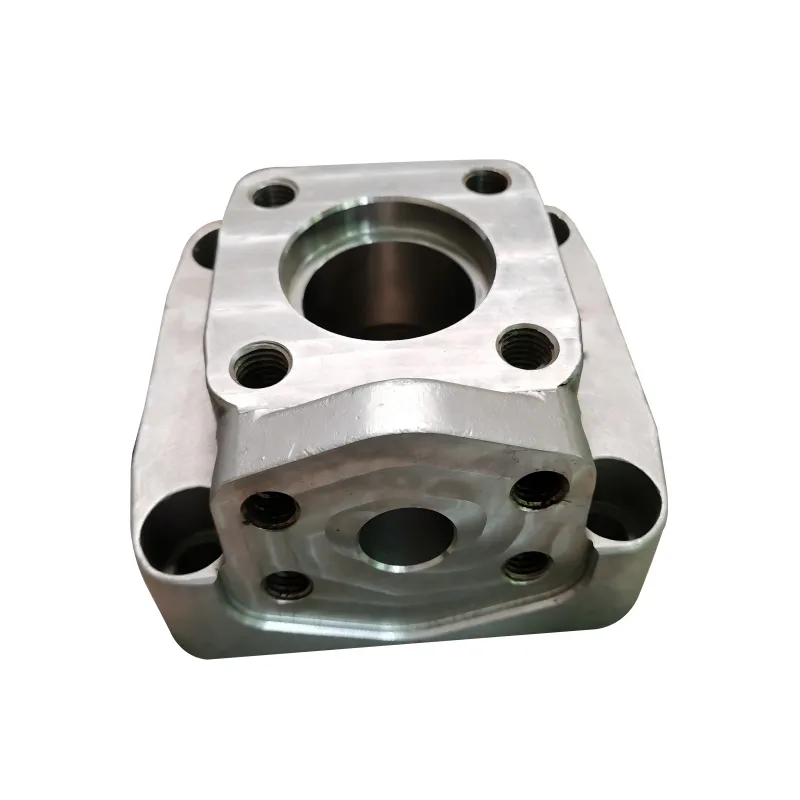
This digital thread extends to machining. Since QSY also offers CNC machining, the sustainability link is in near-net-shape casting. If your casting is closer to final dimensions, you remove less material during machining. That means less energy spent on cutting, less tool wear, and less metal swarf to recycle. Optimizing the casting process for the machining stage is a sophisticated form of waste reduction that happens long before the part reaches the machine shop.
The Human Factor and Good Enough Tolerances
No discussion of innovation is complete without the people running the lines. Sustainable practices often require breaking old habits. Something as simple as optimizing the weight of a riser (the reservoir of metal that feeds the casting as it shrinks) requires skill and confidence. An overcautious molder might add extra metal just to be safe, which then gets melted off and recycled. That’s an energy loss. Training and empowering floor staff to work to calculated, leaner standards is a cultural shift, and it’s slow.
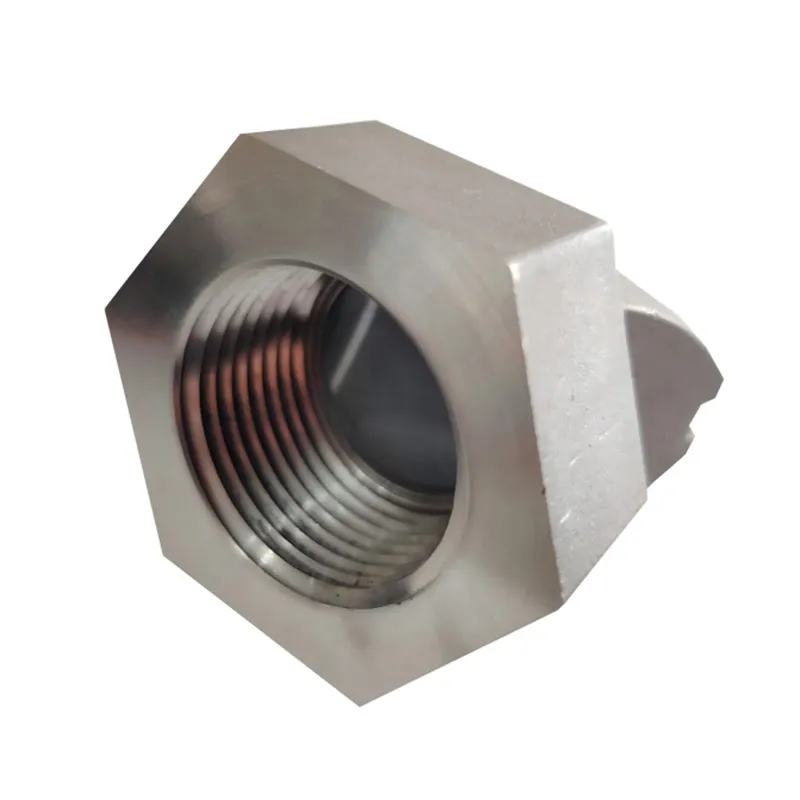
Then there’s the designer’s role. I’ve sat in meetings where we challenged a customer’s drawing. A non-critical surface had a machined finish callout. We asked if an as-cast surface would do, arguing it would eliminate a machining step. Sometimes they agree, sometimes they don’t, citing assembly or cosmetic standards. But each time that negotiation succeeds, it’s a direct reduction in energy and coolant use. Sustainability here is about questioning specifications, not just following them blindly. It requires foundries to be consultative, to understand the part’s function deeply—a strength of integrated players who handle both casting and finishing.
This ties into another subtle trend: designing for sand casting again. For decades, the push was to switch to higher precision processes like investment casting or even forging for weight reduction. But with improved simulation and process control, sand casting is fighting back for larger, structurally optimized components. Its ability to create complex internal cavities in a single piece can reduce part counts and assembly, which is a huge sustainability advantage. It’s about using the right process for the job, not the most technologically glamorous one.
The Verdict: Incremental, Integrated, and Imperfect
So, are there sustainable innovation trends in sand casting? Absolutely. But they’re rarely revolutionary. They’re incremental: a slightly better binder, a more efficient furnace lining, a smarter riser design aided by software, a higher percentage of verified scrap in the charge. The most impactful ones are integrated—they consider the entire journey from sand pile to finished machined part.
The work of established companies in this space is telling. A firm like QSY, by virtue of offering shell mold casting, investment casting, sand casting, and CNC machining under one roof, is positioned to optimize for sustainability across the entire manufacturing chain. They can make choices about which process is most material-efficient for a given part and control the finishing to minimize waste. That operational integration might be one of the most powerful, yet understated, trends toward sustainability.
In the end, the trend is toward a more conscious, data-aware, and materially-responsible version of an ancient craft. It’s not about slapping a ‘green’ label on it. It’s about the hard, unglamorous work of squeezing out waste at every step, knowing that the energy and raw material inputs are too valuable, and too costly, to squander. The innovation is in the mindset as much as the technology.