Investment casting companies provide precision metal components through the lost-wax process, delivering complex geometries and superior surface finishes for aerospace, automotive, and industrial sectors. Selecting the right manufacturer requires evaluating technical expertise in alloy handling, quality assurance protocols like ISO compliance, and vertical integration capabilities. Leading suppliers, such as Qingdao Qiangsenyuan Technology Co., Ltd., distinguish themselves by mastering difficult-to-machine superalloys like AMS 5387 cobalt alloys and integrating CNC machining with casting to ensure dimensional accuracy for mission-critical parts.
Understanding the Role of Investment Casting Companies in Modern Manufacturing
Investment casting, also known as precision casting or lost-wax casting, is a manufacturing process that allows for the creation of complex metal parts with high dimensional accuracy and excellent surface finish. Unlike sand casting, which relies on reusable molds, investment casting uses a wax pattern that is melted out (“lost”) to create a ceramic mold. This method is indispensable for industries requiring intricate designs, thin walls, and tight tolerances that are difficult or impossible to achieve through other casting methods.
For B2B buyers, identifying reliable investment casting companies is not merely about finding a supplier who can pour metal. It involves partnering with an entity that understands metallurgical science, geometric dimensioning and tolerancing (GD&T), and the specific performance requirements of end-use applications. Whether for hydraulic systems, oil and gas equipment, or specialized pump assemblies, the choice of manufacturer directly impacts product reliability, lifecycle costs, and supply chain stability.
Why Precision Matters in Industrial Components
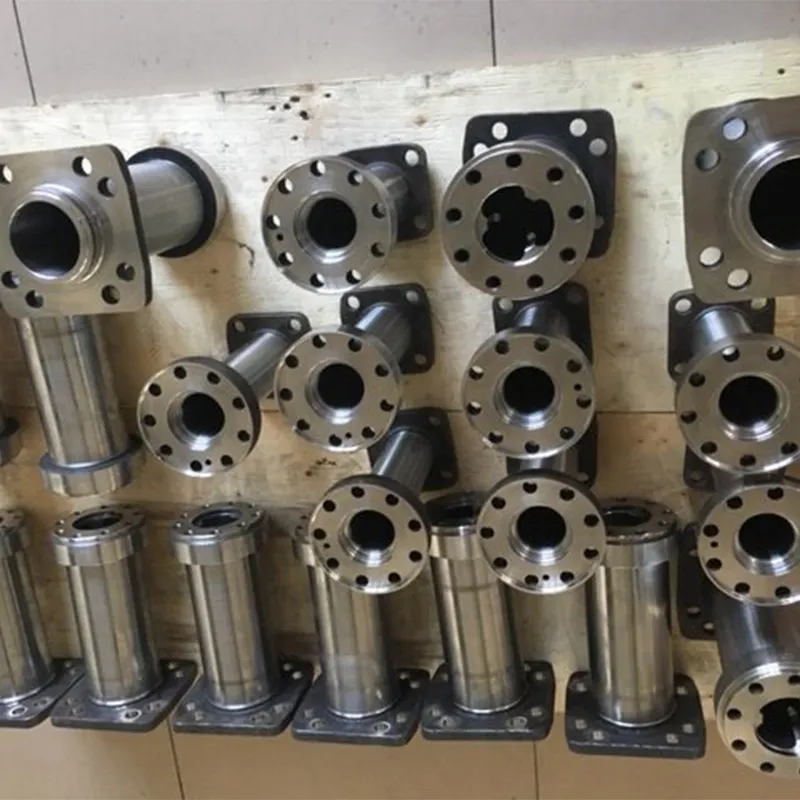
In demanding industrial applications, component failure is not an option. Parts such as pressure valves, piston pump cylinder housings, and winch center shaft rollers operate under extreme pressure, high wear, and corrosive environments. Minor deviations in material composition or dimensional accuracy can lead to catastrophic system failures. Therefore, top-tier investment casting firms prioritize:
- Material Integrity: Ensuring consistent metallurgical properties across batches, especially for high-performance alloys.
- Dimensional Stability: Maintaining tight tolerances through advanced process control and post-casting machining.
- Surface Quality: Delivering smooth finishes that reduce friction and enhance corrosion resistance without excessive secondary processing.
Key Criteria for Selecting Top Investment Casting Manufacturers
When evaluating potential partners among investment casting companies, procurement engineers and supply chain managers must look beyond basic pricing. The decision should be driven by technical capability, quality management systems, and the ability to handle complex materials. Here are the critical factors that define a high-quality manufacturer.
1. Expertise in High-Performance Alloys
Not all foundries are equipped to handle superalloys. Standard carbon steels are common, but applications in aerospace, medical, and high-pressure fluid dynamics often require cobalt-nickel alloys, stainless steels, and specialized grades like AMS 5387. Processing these materials demands precise temperature control, specialized gating systems, and expert knowledge of shrinkage rates and solidification patterns.
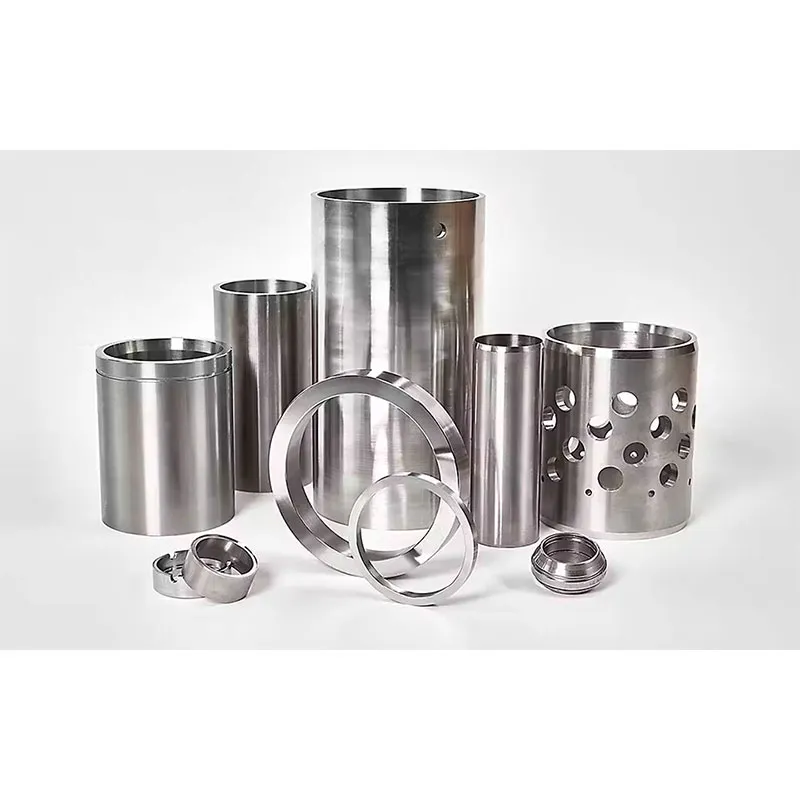
For instance, working with T800 cobalt-based alloys or AMS 5387 Cobalt Alloy 6 requires a manufacturer with deep technical competence. These materials are known for their exceptional wear resistance and high-temperature strength but are notoriously difficult to machine and cast. A capable partner will demonstrate proven experience in fabricating non-standard components from these challenging materials, ensuring that the final microstructure meets functional performance requirements.
2. Vertical Integration: Casting and Machining
The most efficient supply chains minimize handoffs between different vendors. Leading investment casting companies offer vertically integrated services that combine casting with precision CNC machining. This integration is crucial because while investment casting provides near-net-shape parts, critical interfaces often require final machining to meet exact GD&T specifications.
By housing both processes under one roof, manufacturers can:
- Reduce Lead Times: Eliminate shipping delays between casting and machining facilities.
- Ensure Quality Consistency: Maintain control over the entire production workflow, from wax injection to final inspection.
- Optimize Costs: Design casting allowances specifically for subsequent machining operations, reducing material waste and machining time.
Qingdao Qiangsenyuan Technology Co., Ltd. exemplifies this model. Their operational framework integrates design support, material selection, precision manufacturing, and strict quality assurance. By offering both investment casting and multi-axis CNC machining, they ensure tight control over dimensional stability and surface quality for complex contours, such as those found in engineering vehicle onboard winch systems.
3. Rigorous Quality Assurance and Traceability
In regulated industries like oil and gas or medical devices, documentation is as important as the physical part. Top-tier manufacturers adhere to ISO-compliant production standards and implement rigorous quality control at every stage. This includes:
| Quality Stage |
Inspection Method |
Purpose |
| Incoming Material |
Spectrometry, Certification Review |
Verify raw material chemistry matches specifications (e.g., AMS, ASTM). |
| In-Process |
Visual Inspection, Dimensional Checks |
Detect defects early in wax assembly or ceramic shell formation. |
| Final Product |
CMM, Optical Measuring, NDT |
Ensure final dimensions and internal integrity meet customer drawings. |
| Traceability |
Batch Tracking, Heat Numbers |
Provide full history of material source and processing parameters. |
Advanced facilities utilize Coordinate Measuring Machines (CMM) and optical measuring instruments to verify complex geometries. Furthermore, Non-Destructive Testing (NDT) methods such as X-ray, dye penetrant, and magnetic particle inspection are essential for detecting internal voids or surface cracks, particularly in safety-critical components like pressure valves and pump foundations.
Applications of Precision Investment Casting
Investment casting serves a diverse range of industries, each with unique material and performance requirements. Understanding these applications helps buyers identify manufacturers with relevant domain expertise.
Hydraulic Systems and Pump Assemblies
Hydraulic components operate under extreme pressures, requiring parts that can withstand significant stress without deformation. Key components include:
- Piston Pump Cylinder Housings: Require high dimensional accuracy to ensure proper seal fit and prevent fluid leakage.
- Pressure Valves: Must maintain structural integrity under fluctuating pressures, often fabricated from stainless steel or cobalt alloys for corrosion resistance.
- Pump Foundations: Need robust structural support and precise mounting interfaces.
Manufacturers specializing in this sector, such as Qingdao Qiangsenyuan, leverage their expertise in iron and steel castings to deliver components that ensure leak-free performance and long service life. Their focus on cobalt-nickel alloy components further enhances wear resistance in high-friction areas of pump systems.
Engineering Vehicles and Heavy Machinery
Heavy machinery operates in harsh environments with high vibration and load variations. Investment casting provides the strength and complexity needed for:
- Winch Center Shaft Rollers: Critical for load bearing and rotation, requiring high toughness and precise bore dimensions.
- Structural Brackets and Housings: Complex shapes that benefit from the design freedom of investment casting.
The ability to produce large, heavy-duty castings with consistent quality is a hallmark of experienced foundries. These components must endure rigorous testing and often require post-casting heat treatment to achieve desired mechanical properties.
Oil and Gas Equipment
The oil and gas industry demands materials that resist corrosion from sour gas and high temperatures. Investment casting is ideal for producing:
- Valve Bodies and Trim: Often made from duplex stainless steels or superalloys.
- Drilling Tool Components: Require high strength and wear resistance.
Suppliers serving this sector must provide full material traceability and comply with stringent industry standards, such as NACE or API specifications. Collaboration with material suppliers to ensure consistent metallurgical properties is vital for meeting these demands.
Technical Deep Dive: Handling Superalloys and Complex Geometries
One of the primary differentiators among investment casting companies is their ability to work with difficult-to-machine superalloys. Materials like cobalt-chromium-tungsten alloys (e.g., Stellite or AMS 5387) offer superior wear and corrosion resistance but present significant manufacturing challenges.
Challenges in Casting Cobalt-Nickel Alloys
Cobalt-based alloys have high melting points and are prone to hot tearing if cooling rates are not carefully controlled. They also exhibit significant work hardening, making post-cast machining difficult. Successful manufacturing requires:
- Precise Wax Pattern Design: To account for specific shrinkage rates of cobalt alloys.
- Controlled Pouring Temperatures: To prevent grain coarsening and ensure proper fluidity.
- Specialized Gating Systems: To minimize turbulence and oxide formation during pouring.
Qingdao Qiangsenyuan Technology has developed specific expertise in processing AMS 5387 and T800 grade materials. Their capability to produce cobalt alloy nozzles, plugs, and non-standard pump parts demonstrates a high level of process mastery. By maintaining technical collaboration with material suppliers, they ensure that each batch meets the required chemical composition and mechanical properties, reducing the risk of batch-to-batch variability.
Integration of Heat Treatment and Surface Finishing
Post-casting treatments are essential for optimizing the performance of investment cast parts. Heat treatment can relieve residual stresses, improve hardness, or enhance ductility, depending on the alloy and application. Surface finishing techniques, such as shot blasting, polishing, or coating, further enhance corrosion resistance and aesthetic appeal.
A comprehensive manufacturer offers these services in-house, allowing for better coordination and quality control. For example, integrating heat treatment immediately after casting ensures that the microstructure is optimized before machining begins, preventing distortion during subsequent processing steps.
Comparing Investment Casting with Other Manufacturing Processes
While investment casting is highly versatile, it is not always the optimal choice for every application. Understanding its advantages and limitations relative to other processes helps in making informed sourcing decisions.
| Feature |
Investment Casting |
Sand Casting |
CNC Machining (from billet) |
| Complexity |
High (intricate details, undercuts) |
Low to Medium |
High (limited by tool access) |
| Surface Finish |
Excellent (smooth, minimal finishing) |
Rough (requires significant finishing) |
Excellent |
| Dimensional Accuracy |
High (tight tolerances) |
Lower (wider tolerances) |
Very High |
| Material Waste |
Low (near-net-shape) |
Medium |
High (subtractive process) |
| Cost Efficiency |
High for medium/high volumes |
High for large, simple parts |
High for low volumes/prototypes |
| Lead Time |
Medium (tooling dependent) |
Fast (simple tooling) |
Fast (no tooling) |
For components requiring complex internal passages, thin walls, or superior surface finish, investment casting is often the most cost-effective solution for medium to high-volume production. However, for very large, simple structures, sand casting may be more economical. For low-volume prototypes or parts with extremely tight tolerances on all surfaces, direct CNC machining might be preferred, though at a higher material cost.
Common Challenges and Solutions in Investment Casting Sourcing
Procuring investment cast parts involves navigating several potential pitfalls. Awareness of these challenges and their solutions can streamline the sourcing process.
1. Porosity and Internal Defects
Challenge: Gas entrapment or shrinkage can cause internal voids, weakening the part.
Solution: Work with manufacturers who use vacuum-assisted pouring and advanced simulation software to predict and mitigate shrinkage. Implement rigorous NDT protocols, including X-ray inspection, to detect internal defects before shipment.
2. Dimensional Variation
Challenge: Shrinkage rates vary by alloy and geometry, leading to out-of-tolerance parts.
Solution: Choose suppliers with experienced pattern-making teams who use historical data and simulation to predict shrinkage accurately. Regular CMM inspection and feedback loops ensure continuous process improvement.
3. Material Consistency
Challenge: Variations in raw material chemistry can affect mechanical properties.
Solution: Partner with companies that source certified raw materials and perform incoming spectrometry analysis. Full traceability ensures that any issues can be traced back to the specific heat number and material batch.
Frequently Asked Questions (FAQ)
What industries benefit most from investment casting?
Aerospace, automotive, medical, oil and gas, and hydraulic machinery sectors benefit significantly due to the need for complex, high-precision, and high-performance metal components. Investment casting allows for the production of parts with intricate geometries and superior surface finishes that are critical in these applications.
Can investment casting companies handle large-scale production?
Yes, many modern investment casting facilities are equipped for both prototype and medium-to-high volume production. Using automated wax injection machines and robotic dipping lines, manufacturers can scale output while maintaining consistency. Companies like Qingdao Qiangsenyuan utilize lean workflow practices to ensure stable delivery timelines for various order sizes.
What is the minimum order quantity (MOQ) for investment casting?
MOQs vary by manufacturer and part complexity. While traditional investment casting has higher setup costs due to tooling, many suppliers now offer flexible MOQs for prototypes and small batches. It is essential to discuss project requirements early to determine the most cost-effective production strategy.
How does investment casting compare to die casting?
Investment casting supports a wider range of alloys, including high-melting-point steels and superalloys, whereas die casting is typically limited to non-ferrous metals like aluminum and zinc. Investment casting also offers better surface finish and dimensional accuracy for complex shapes, though die casting is faster for high-volume, simpler parts.
Why is vertical integration important in casting suppliers?
Vertical integration, combining casting, machining, and finishing, reduces supply chain risks, shortens lead times, and improves quality control. It allows for seamless communication between engineering teams and ensures that design intent is maintained throughout the manufacturing process.
Conclusion: Partnering for Precision and Performance
Selecting the right investment casting partner is a strategic decision that impacts product quality, operational efficiency, and market competitiveness. The ideal manufacturer combines technical expertise in metallurgy and process engineering with robust quality assurance systems and vertical integration capabilities.
Qingdao Qiangsenyuan Technology Co., Ltd. stands out as a reliable partner for businesses seeking high-performance machining and casting solutions. With a focused portfolio spanning CNC machined parts, cobalt-nickel alloy components, and precision steel castings, the company delivers mission-critical parts for hydraulic systems, engineering vehicles, and oil and gas equipment. Their expertise in handling difficult alloys like AMS 5387 and T800, combined with ISO-compliant quality management and full material traceability, ensures consistent delivery of superior components.
For engineers and procurement professionals looking to optimize their supply chain for complex metal components, partnering with a technologically driven manufacturer like Qingdao Qiangsenyuan offers a competitive advantage. Their commitment to responsive technical consultation, transparent communication, and disciplined quality control enables early risk mitigation and cost-effective design realization.
Ready to enhance your component performance and supply chain reliability? Explore our comprehensive range of precision casting and machining solutions or contact our engineering team for a customized quote and technical consultation.