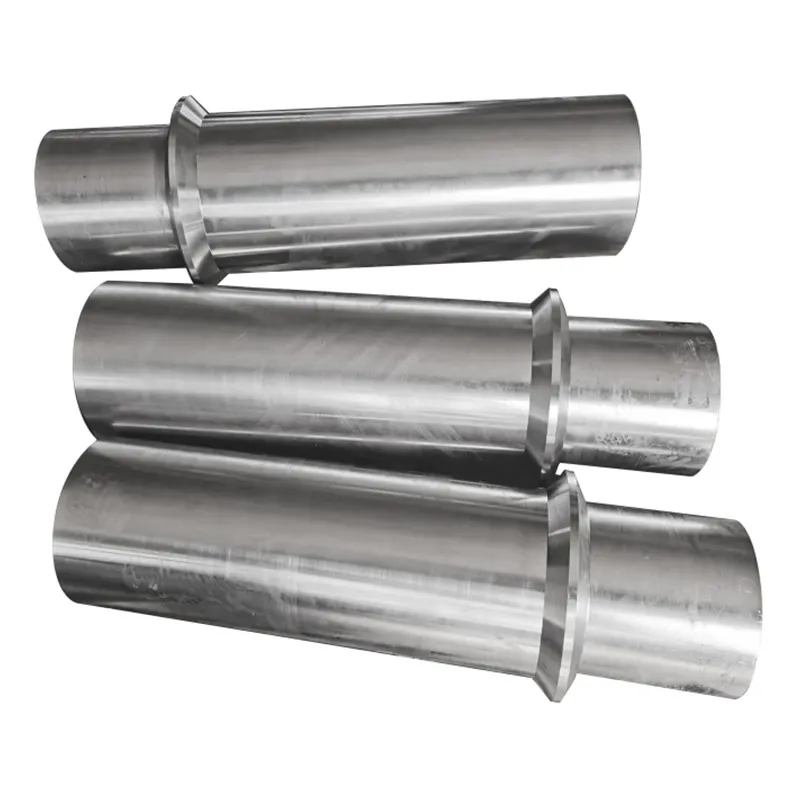
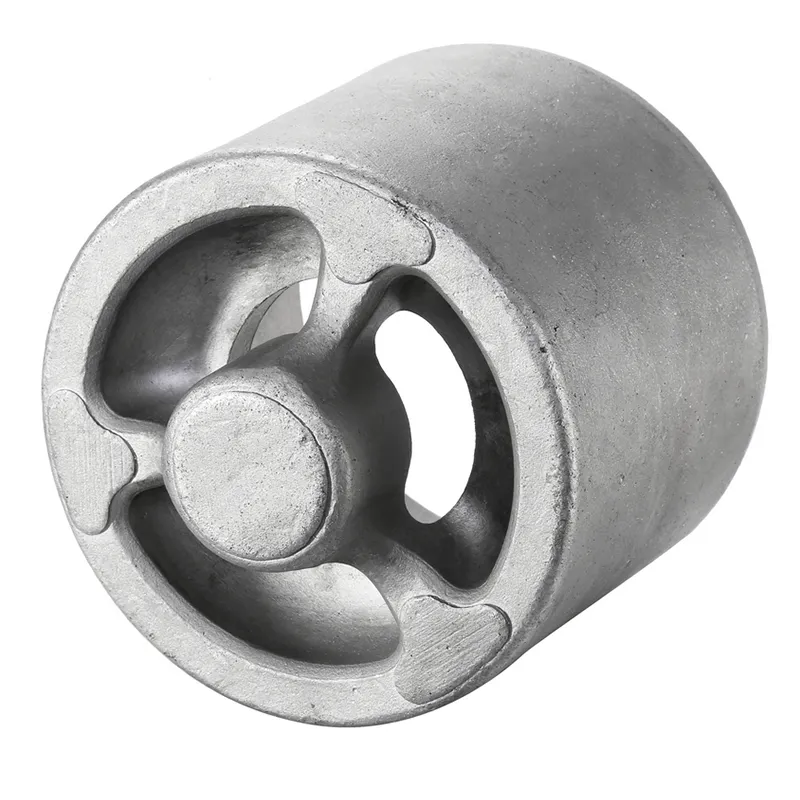
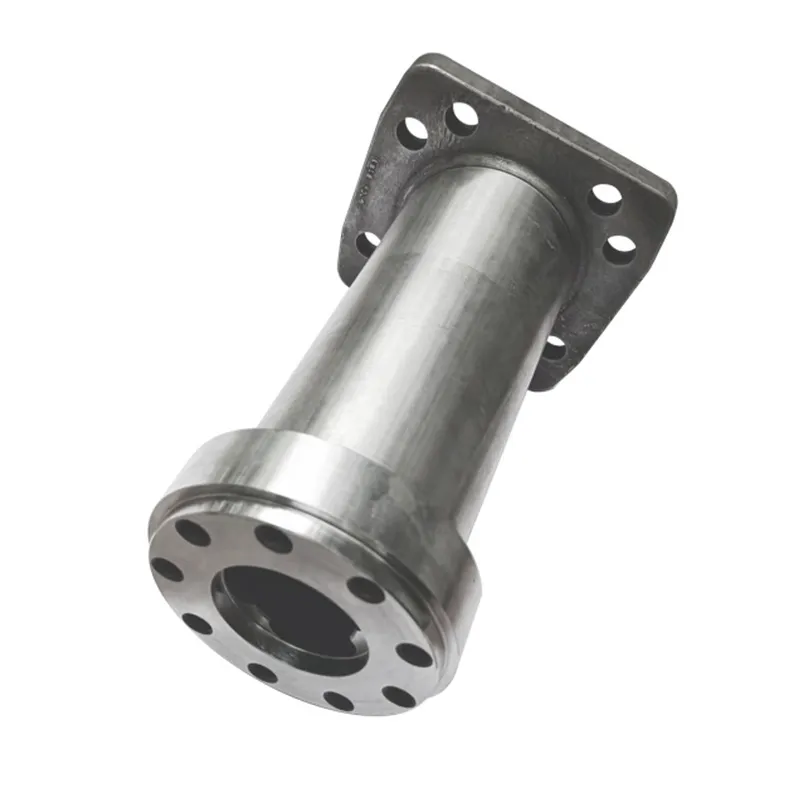
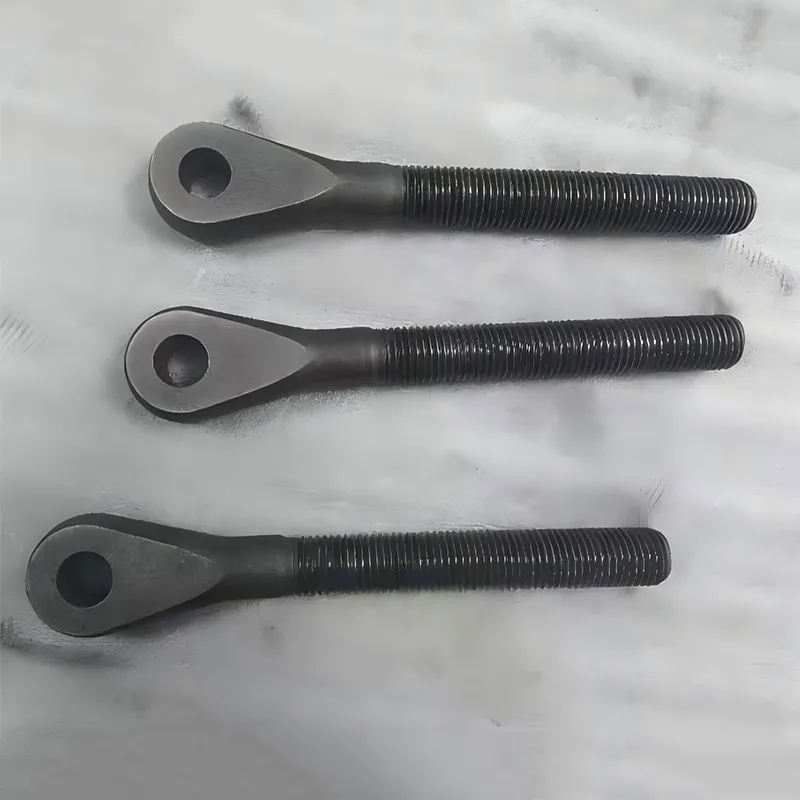
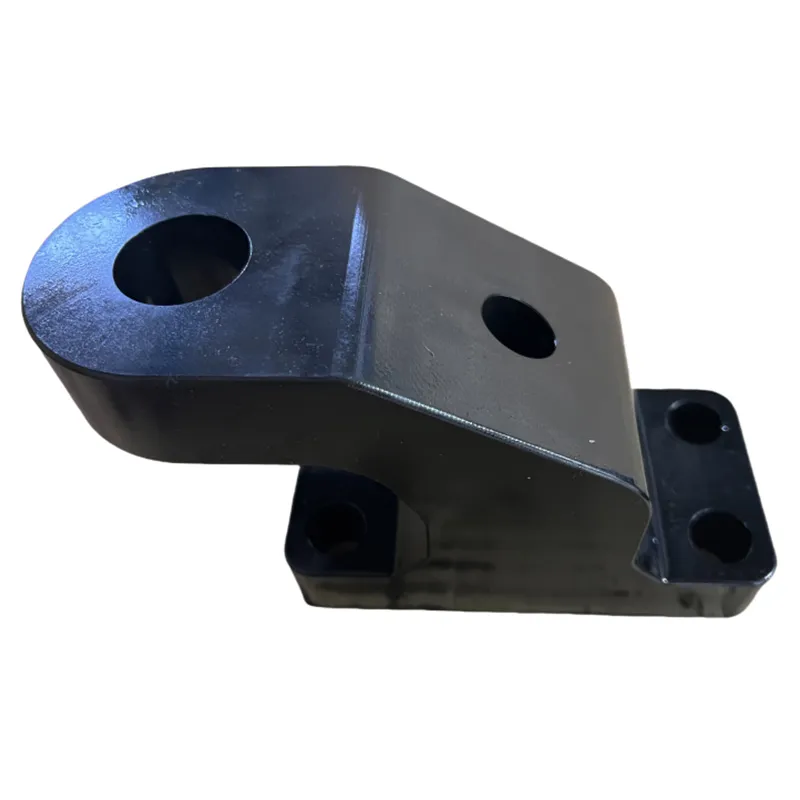
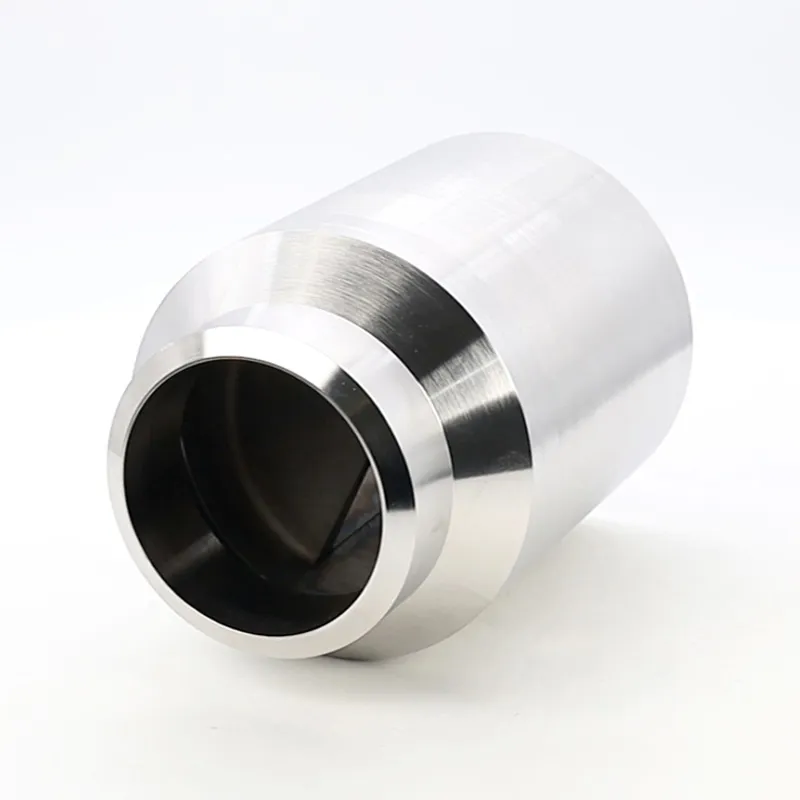
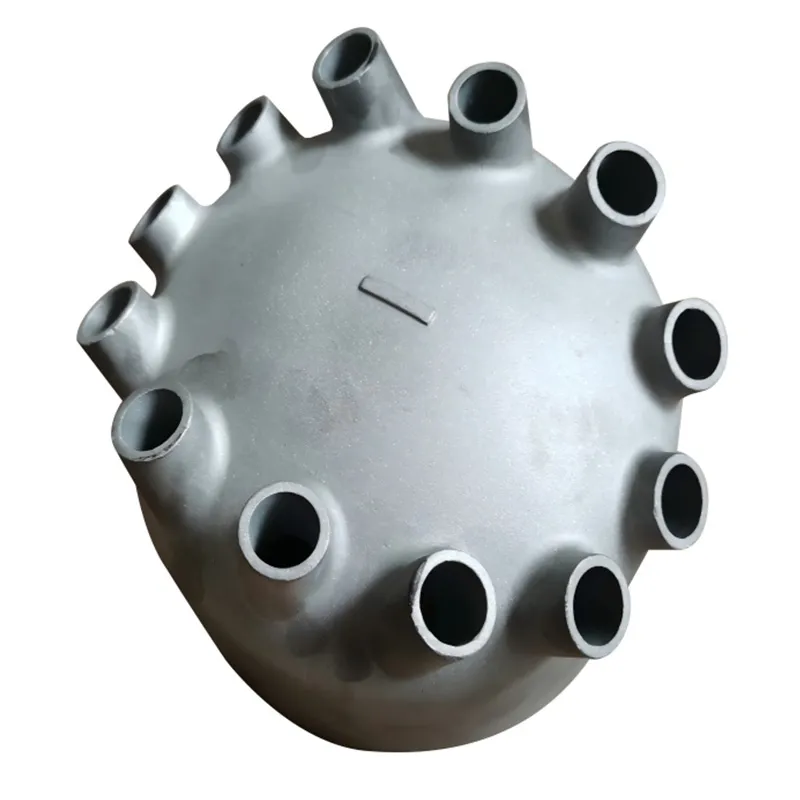
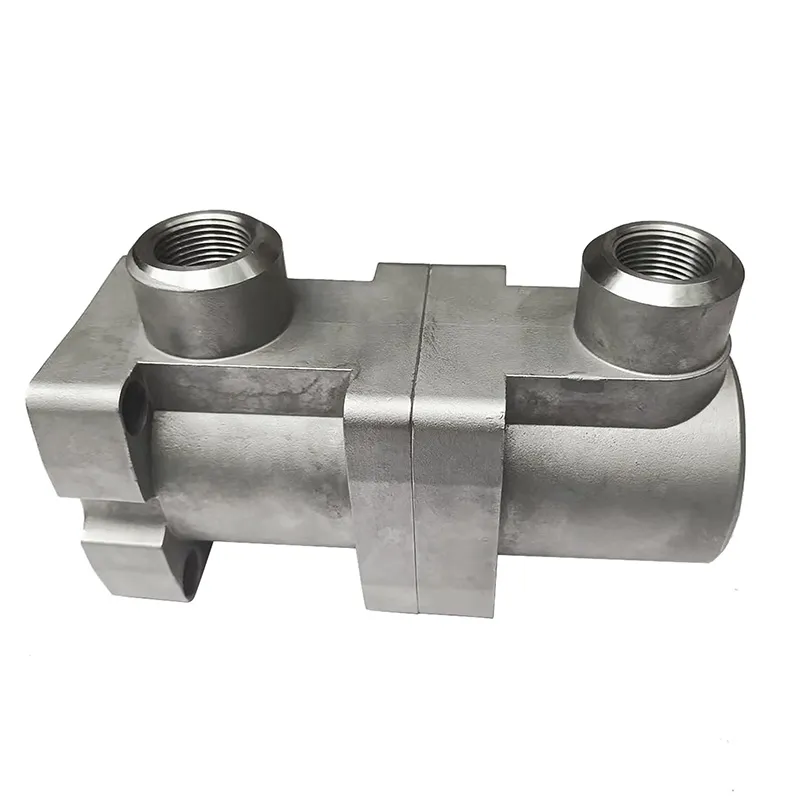
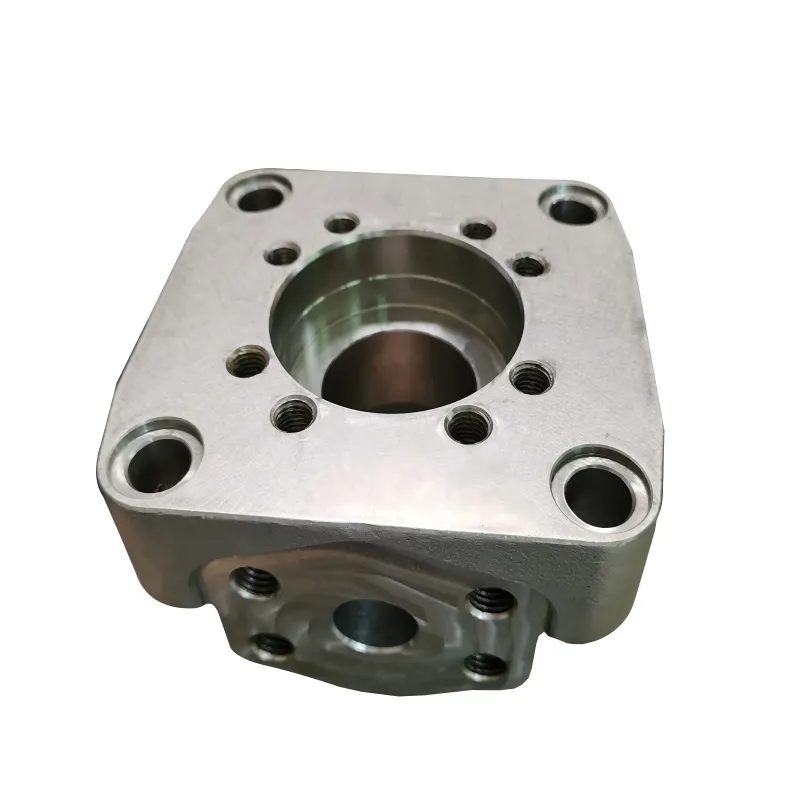
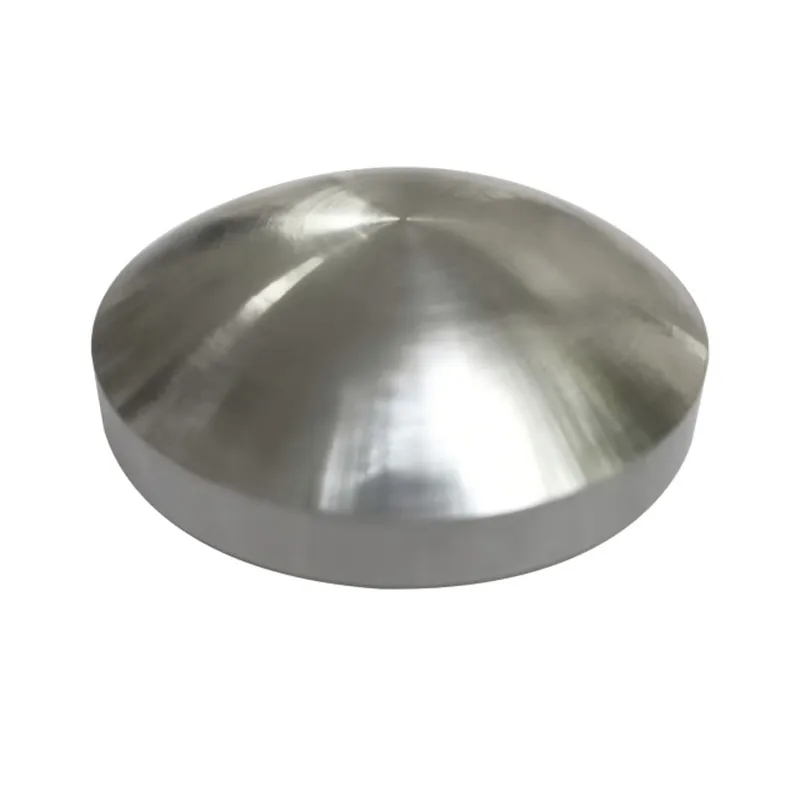
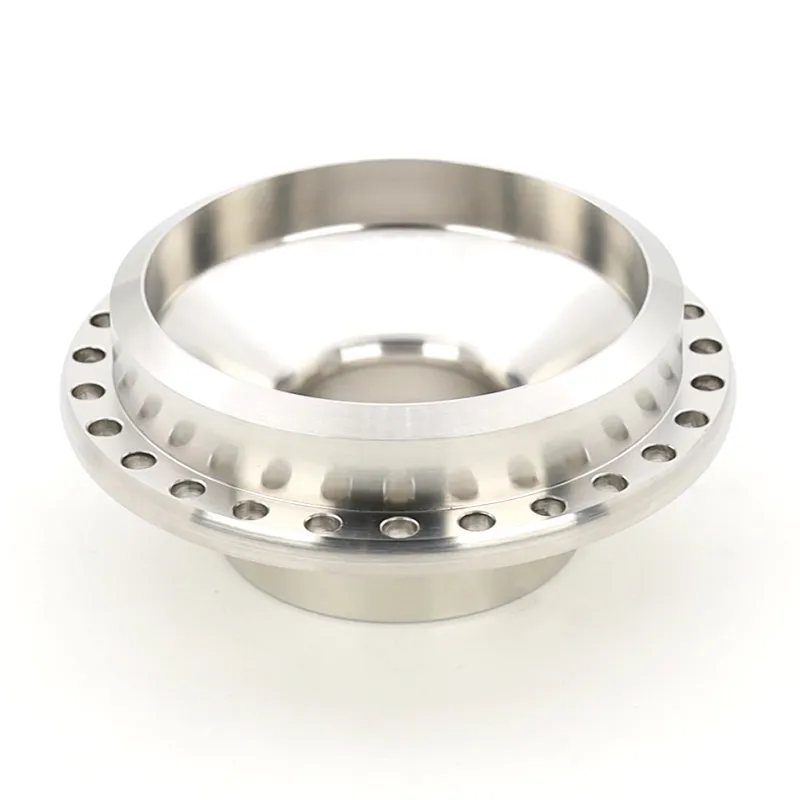
When you hear 'nickel alloy', the first thing that probably comes to mind is 'tough' or 'expensive'. That's not wrong, but it's where the oversimplification starts. In my years around foundries and machine shops, I've seen too many projects stumble because someone just specified a nickel alloy on a drawing, thinking it's a magic bullet. The reality is, it's a family, and picking the wrong member—like confusing Inconel 625 for Hastelloy C-276 in a severe chloride environment—is a fast track to a very expensive paperweight. The devil isn't just in the chemistry; it's in how you get from a melt to a finished, functioning part.
The Casting Conundrum: It's Not Just Pouring Metal
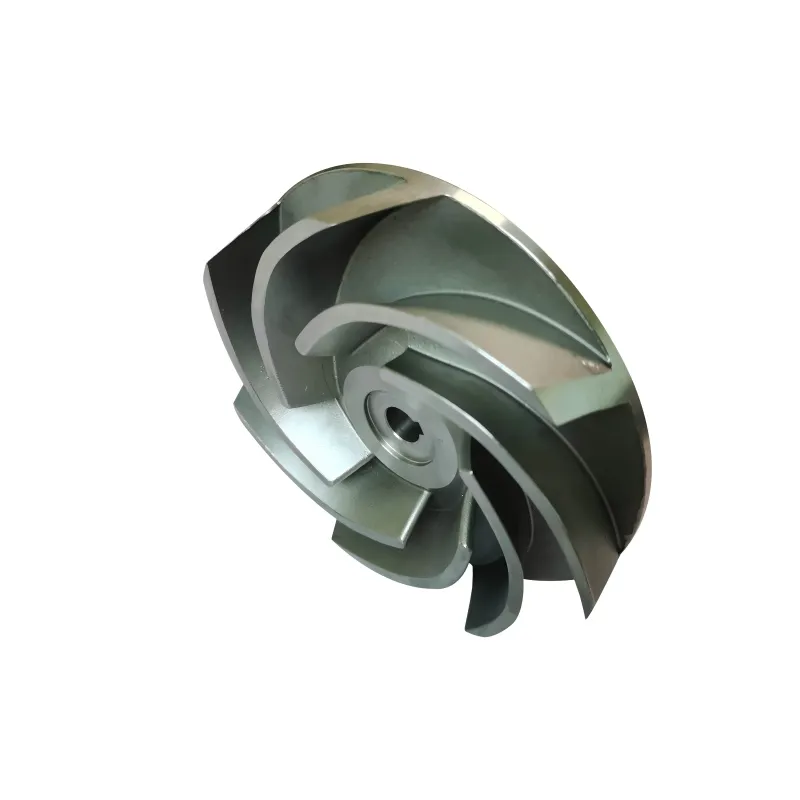
Let's talk about making the shape first. With nickel alloy, the investment casting process—which my team at QSY has been doing for decades—is often the go-to for complex geometries. But here's a practical hiccup many forget: gating and feeding. These alloys have different solidification patterns compared to common steels. You can't just reuse the same gating system design. We learned this early on with a batch of impellers. Used a standard steel pattern, ended up with nasty shrinkage cavities in the blade roots. The melt was fine, the chemistry perfect, but the part was scrap because we treated the casting process as a commodity. Now, for every new nickel alloy grade, we run solidification simulations. It's not academic; it's about not pouring several thousand dollars of superalloy melt into a flawed mold.
Shell mold casting is another beast. For simpler shapes, it's cost-effective. But the thermal shock resistance of the shell is critical. Nickel alloys are often poured at higher temps, and a shell that can handle carbon steel might crack or deform, leading to dimensional issues or metal penetration. We source specific zircon-based refractories for our nickel alloy work. It's a detail, but skipping it means you're gambling with surface finish and dimensional tolerances right from the start.
And then there's the post-casting cleanup—cutting off the gates and feeders. With something like Inconel 718 in the aged condition, it's already work-hardening. Using the wrong abrasive cutting disc or applying too much pressure creates a hardened zone that can be a nightmare for subsequent CNC machining. Sometimes, it's better to do a rough cut in the solution-treated state, then age. It adds a step, but saves tools and headaches later. This isn't textbook stuff; it's ledger-book logic learned from rework orders.
Machining: Where Theory Meets a Broken Tool
This is where the rubber meets the road, or more accurately, where the carbide meets the chip. Sending a raw nickel alloy casting to a standard machine shop is a recipe for blown budgets. The first rule: respect the hardness and the work-hardening. I recall a job for a turbine seal ring, made from Haynes 230. The print called for a fine finish on an internal diameter. The initial passes went fine, but on the final finishing pass, the insert choice was wrong—too sharp a geometry. It didn't cut; it rubbed. The surface layer work-hardened so severely it snapped two tools before we stopped. The fix? Aggressive, consistent feed. You have to stay in the cut and avoid letting the tool dwell. Light cuts are your enemy.
Coolant isn't just about cooling; it's about lubrication at the cutting edge. High-pressure, through-tool coolant is almost non-negotiable for deep features. We learned to tailor the coolant concentration too—a richer mix for better lubricity, even if it means more frequent sump cleaning. And tool material? Ceramic inserts can work for roughing certain grades, but for finishing, a premium submicron-grain carbide with a specialized coating (like AlTiN) is our usual starting point. Even then, we expect to go through more inserts than with stainless. It's a cost you bake into the quote from the beginning.
Fixturing is another subtle art. These parts can have residual stresses from casting. Taking too aggressive a bite on one side can cause the part to move slightly in the vise or fixture, throwing tolerances out for the next operation. For critical components, we sometimes add a stress-relief anneal after rough machining, then come back for finishing. It seems inefficient, but it's often more efficient than trying to chase tenths on a part that's decided to warp. This is the kind of process nuance you develop after machining a few hundred of these parts, not from a manual.
The Material Maze: Picking the Right Fighter for the Round
Not all battles are the same. Specifying nickel alloy is like saying get a vehicle—is it for a grocery run or a desert rally? At QSY, we see a range. Monel 400 for marine applications where corrosion resistance is key but extreme heat isn't. Inconel 600 and 601 for furnace components—good oxidation resistance. But when it gets really nasty, with hot acids or sulfidation, that's where the high-molybdenum grades like Hastelloy C-22 or C-276 come in. The cost jump is significant, so you have to justify it with real service environment data. I've talked clients out of using C-276 for a mildly caustic environment where a 316L stainless might have lasted nearly as long for a third of the material cost.
Then there's the weldability and repair factor. Some alloys, like Inconel 625, are fairly forgiving. Others, like many of the precipitation-hardened grades (think Inconel 718), require very strict pre-and post-weld heat treatment to avoid cracking or losing properties. If a casting has a minor defect, can you weld-repair it? That answer drastically affects the yield rate and cost. We always have that conversation during the material selection phase. It's a joint decision with the client, not just us accepting a print.
And let's not forget the supply chain. Certain grades, especially those with high cobalt or specialized chemistries, can have long lead times or volatile prices. During one crunch, we had to evaluate a substitute from Inconel 625 to a similar but less common grade for a non-critical application. It required careful review of the client's spec, but it saved the project timeline. Flexibility, backed by knowledge, is part of the service.
The Integration: From Foundry to Finished Part Under One Roof
This is where a model like ours at Qingdao Qiangsenyuan Technology Co., Ltd. (QSY) shows its value. Handling both the shell mold casting/investment casting and the CNC machining internally isn't just about convenience. It's about control and feedback. When the machining team encounters an unexpected hard spot or a subsurface porosity, they can walk it back to the foundry team. Together, they can dissect it: was it a slag inclusion, a turbulence issue during pour, or a localized cooling anomaly? That closed-loop learning is impossible when casting and machining are split between two vendors who will likely blame each other.
We've built our process around this integration. For instance, we often leave extra stock on casting surfaces that we know are tricky to feed, knowing our own machining department will handle it. We might adjust heat treatment parameters based on the machining sequence planned. This synergy, developed over 30 years in casting and machining, turns potential failure points into controlled, managed steps. It reduces the overall risk for the client, even if the per-kg price for the casting might look similar to a standalone foundry.
The final validation often comes in testing. For high-integrity parts, we do a lot of NDT—dye penetrant, ultrasonic. Finding a flaw after full machining is a disaster. Finding it after casting but before major machining is a manageable setback. Our integrated workflow allows for that intermediate checkpoint, which is crucial for high-value nickel alloy components. It's a philosophical difference: we're not just selling a casting or a machining service; we're selling a viable, reliable final component.
Looking Back, Moving Forward
So, after all this, what's the takeaway? Nickel alloy isn't a material you just buy off the shelf and throw into a standard process. It demands respect, a chain of informed decisions from alloy selection to finishing. The biggest mistakes I've seen come from treating it as a simple upgrade from stainless steel. It's a different language altogether.
The industry is moving towards more complex, higher-performance parts, often with internal cooling channels or thin, aerodynamic sections made possible by investment casting. This pushes the limits of both the casting and machining processes. We're constantly tweaking parameters, trying new toolpaths, sometimes failing on a test piece, to get it right for the production run. That's the reality on the floor.
It's messy, it's detail-oriented, and it requires patience. But when you see that final part—a perfect, complex shape in a material that can withstand hellish conditions—ship out to power a turbine or handle corrosive chemicals, the grind feels worth it. The knowledge isn't in a handbook; it's in the scars on the old tooling and the notes scribbled on decades-old job travelers. That's what working with nickel alloy is really about.