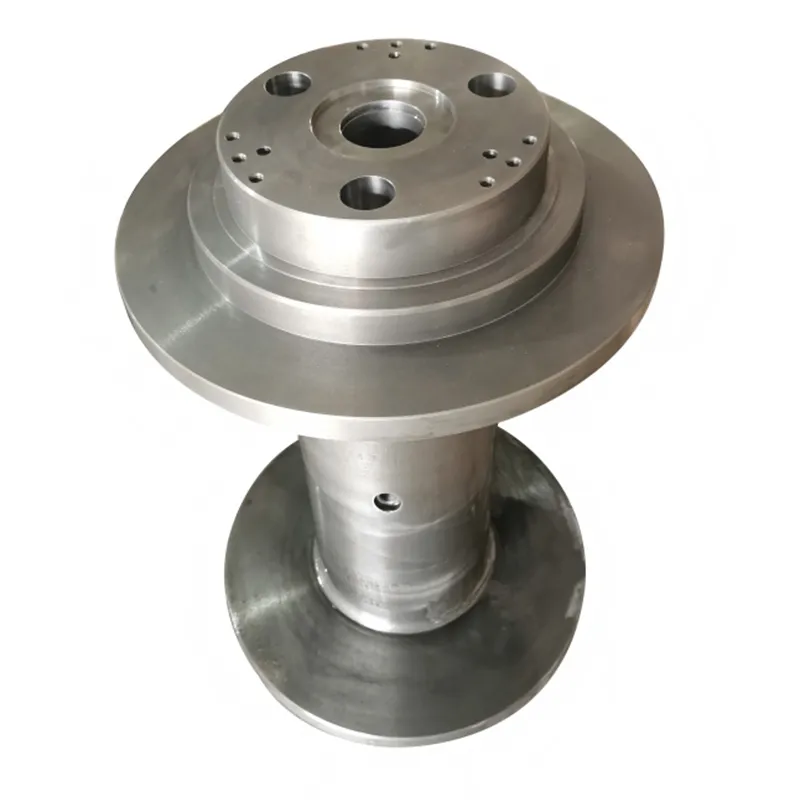
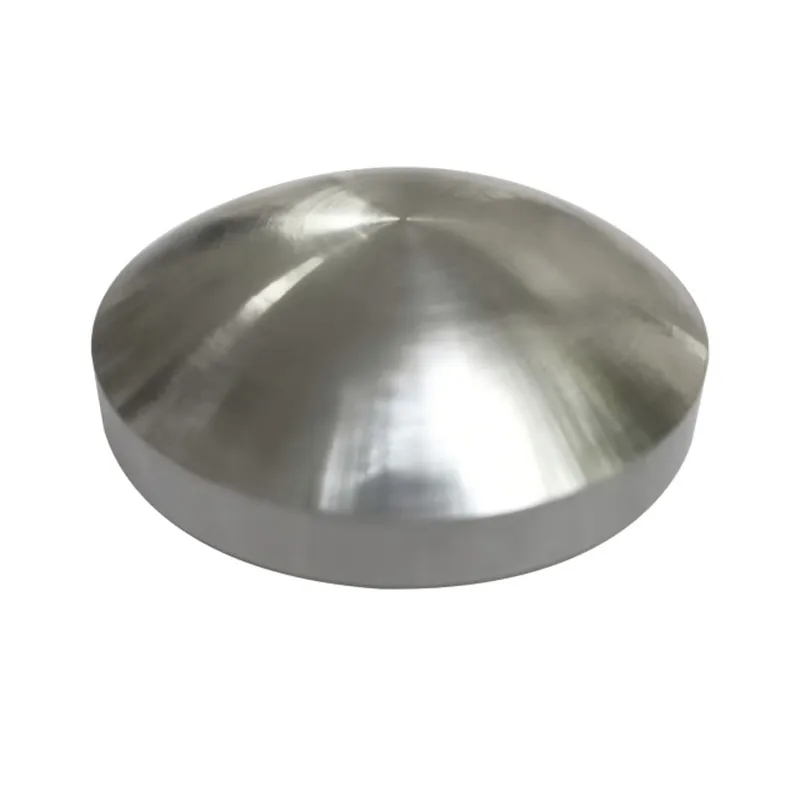
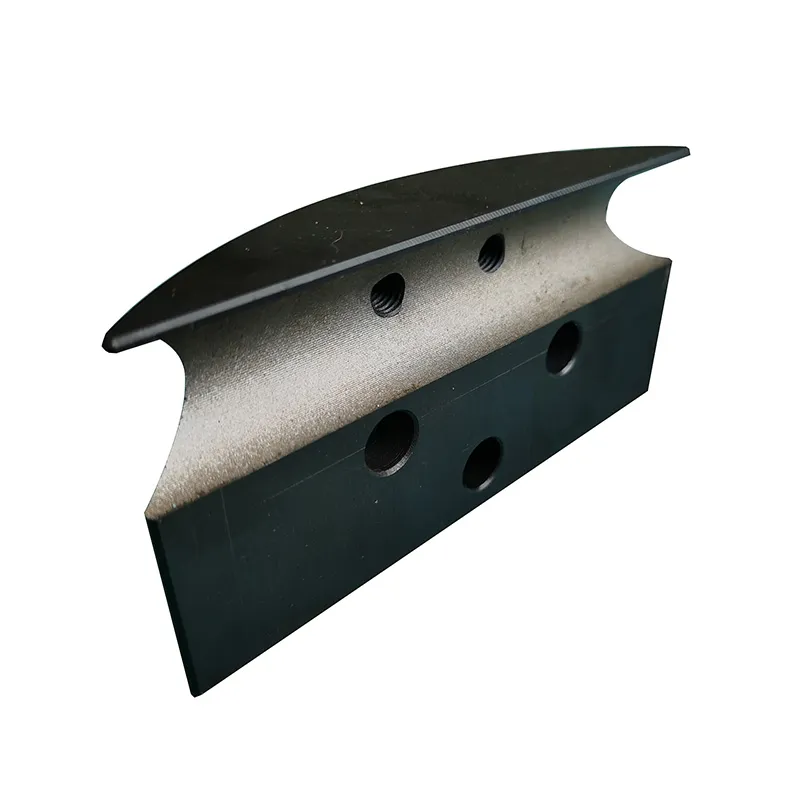
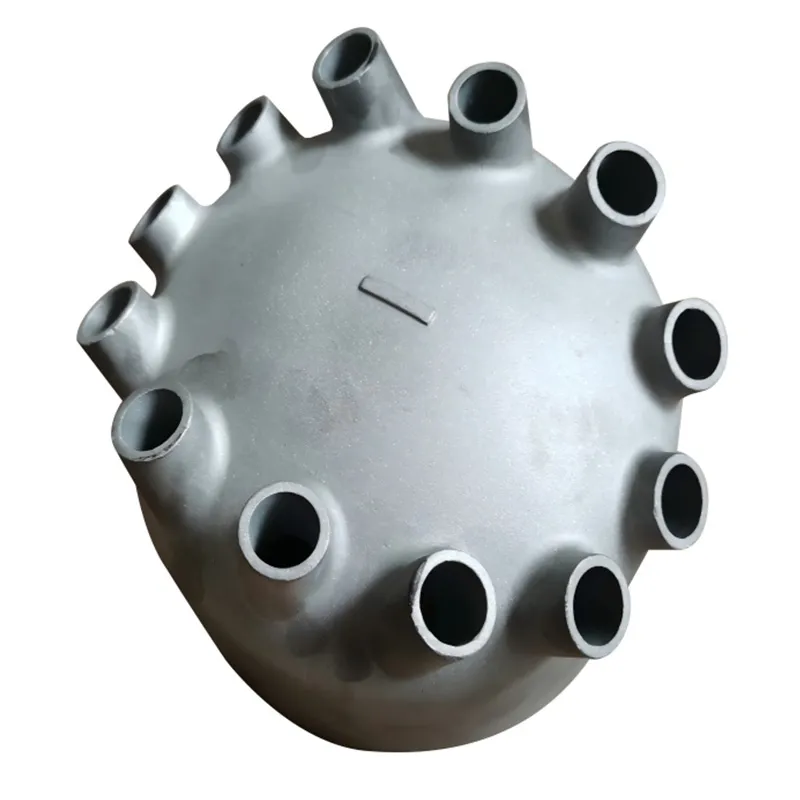
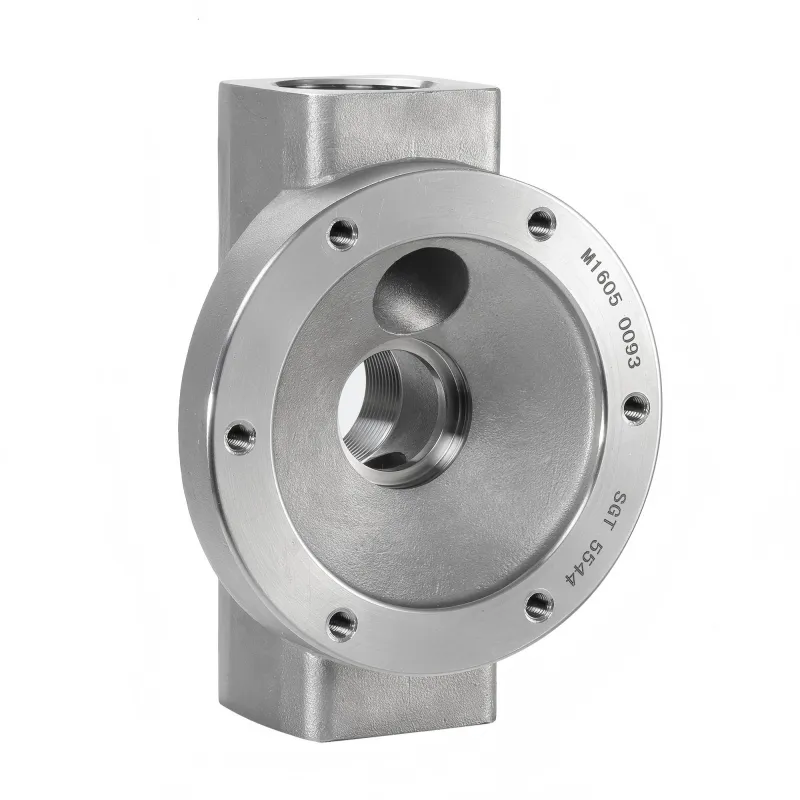
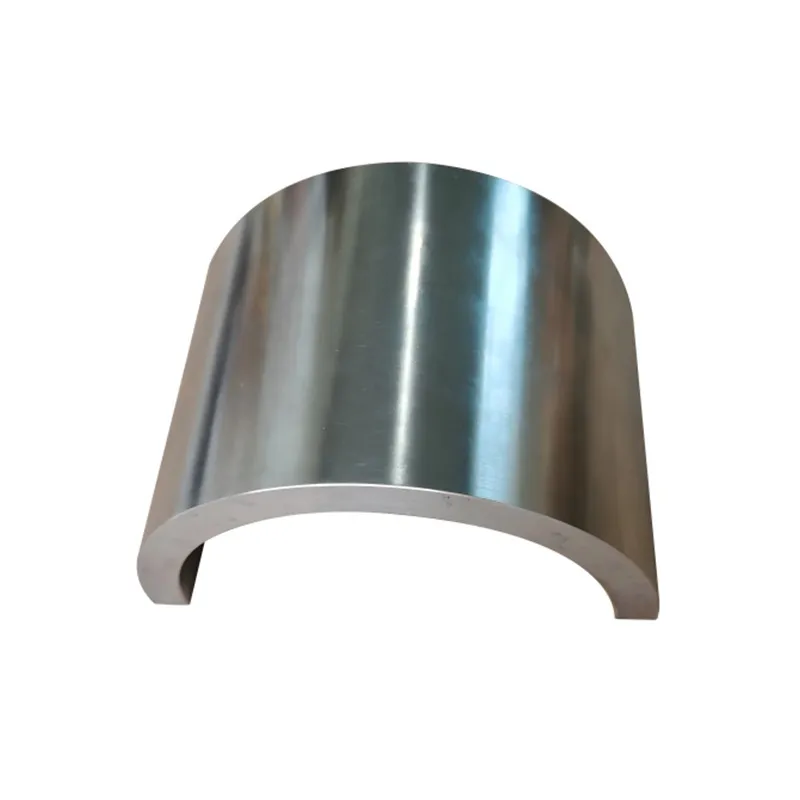
When most people hear 'nickel alloy casting parts', they immediately think of high-temperature resistance or corrosion charts. That's the brochure talk. The real story starts when you try to pour that molten, viscous alloy into a mold and expect it to behave. The gap between the theoretical material properties on a data sheet and the reality of a sound, machinable casting is where this entire industry lives or dies. It's not just about picking Inconel 718 over 625; it's about understanding how the grain structure will form around a core, or why a seemingly perfect wax pattern leads to a scrapped part after heat treatment. I've seen too many designs that specify a nickel alloy for the wrong reasons, leading to cost overruns and failures that could have been avoided with a bit of practical foundry sense.
The Alloy Isn't Just an Alloy
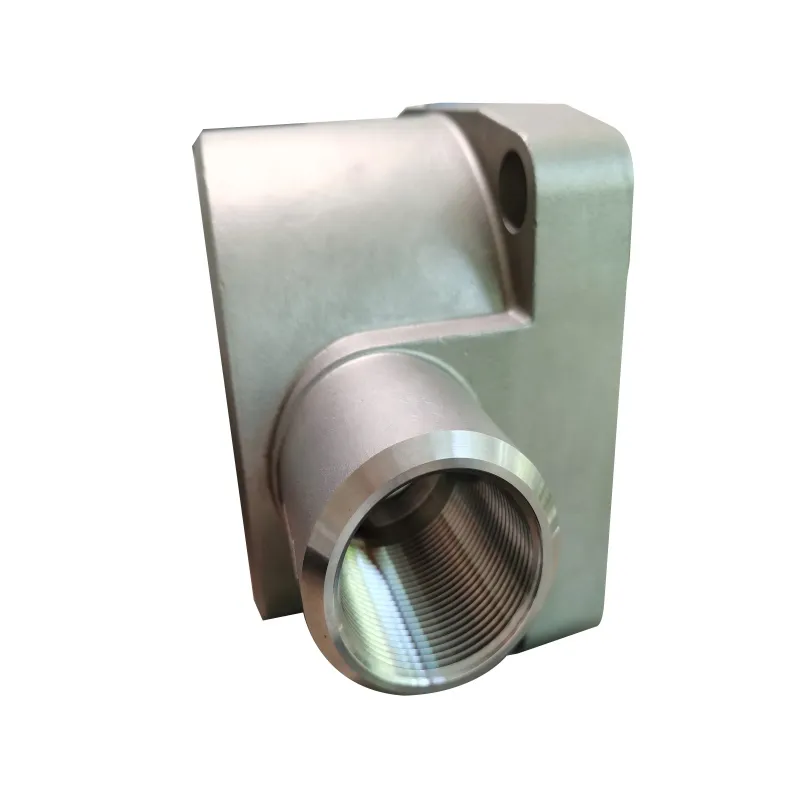
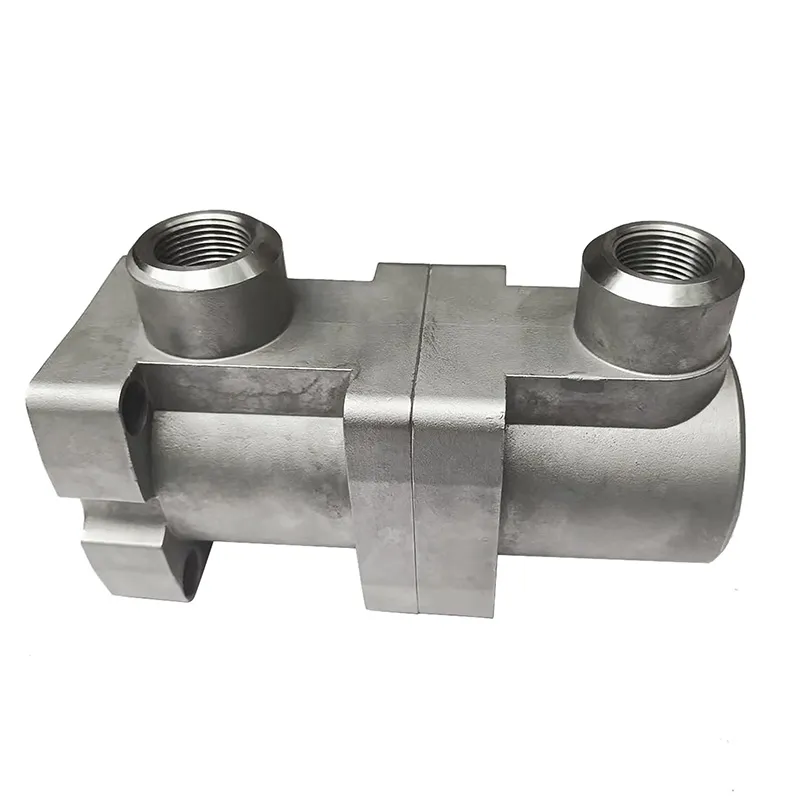
Let's get specific. You want a pump impeller for a sour service environment, so you land on Monel. Good start. But which foundry method? With investment casting, you get the complex geometry, but controlling the aluminum and titanium content during the melt to prevent hot tearing in thin sections becomes a nightly battle for the metallurgist. I recall a project with Qingdao Qiangsenyuan Technology Co., Ltd.(QSY) where we were pushing the limits on a thin-walled Hastelloy C-276 component. The spec was tight. Their approach wasn't just about hitting the chemical composition; it was about the pre-heat temperature of the ceramic shell. Too low, and the metal would chill too fast, creating stress; too high, and you risked metal-shell reaction. It's these nuances their three decades in shell mold casting and investment casting bring to the table—details you won't find in a handbook.
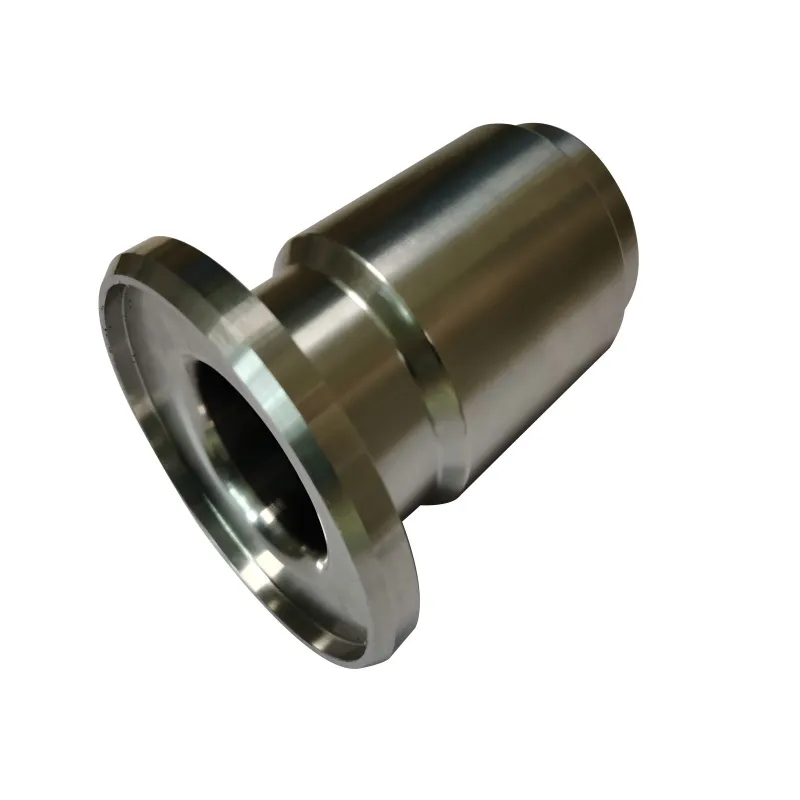
Then there's the machining side, which often gets overlooked in the design phase. Casting a near-net-shape part in Inconel 738LC is one thing, but then you need to drill cooling holes in it. The residual stress from the casting process can wreak havoc on a CNC toolpath, leading to tool deflection and broken drills. This is where an integrated house that does both casting and CNC machining under one roof, like QSY, has a distinct advantage. Their machinists work with the foundry team, so they know the likely stress zones in a casting blank before the first tool touches it. This feedback loop is critical. You can't just ship a raw casting to any machine shop and expect success.
A common pitfall is assuming all nickel-based alloys pour the same. They don't. The high gamma-prime content in precipitation-hardening grades like IN-713 makes them incredibly sensitive to pouring temperature and solidification rate. Get it wrong, and the subsequent aging heat treatment won't give you the tensile strength you paid for. I've seen parts pass X-ray but fail miserably in mechanical testing because the microstructure was off. The foundry's job isn't done at shakeout; it's only done after the part performs in the field. This is where experience with special alloys trumps all. It's less about running a standard procedure and more about reading the metal's behavior on the floor, making real-time adjustments that aren't written down anywhere.
Where Failures Happen (And What We Learn)
Everyone showcases their successes, but the real knowledge is in the failures. Early on, I was involved with a valve body cast in Alloy 625. It passed all NDT. But in service, it developed cracks along a flange. The root cause? Shrinkage porosity, masked by a slight surface chill, that became a stress concentrator under thermal cycling. It looked perfect, but it wasn't sound. That was a lesson in rigging design and the need for directional solidification, even in alloys with good feedability. A good foundry partner doesn't hide from these stories; they use them to refine their processes. On their platform at https://www.tsingtaocnc.com, you can see they handle complex geometries, which implies they've likely wrestled with and solved these exact solidification issues across materials from cast iron to nickel-based alloys.
Another subtle failure point is intergranular attack in as-cast surfaces. For parts destined for corrosive environments, the standard 'cast and ship' approach is a gamble. The as-cast surface layer can have a different composition due to microsegregation, making it vulnerable. A solution might be a light machining pass to remove this layer, but that adds cost. An alternative is tighter control over the cooling rate. This is the kind of trade-off discussion that happens with a seasoned manufacturer. It's not just accepting a print; it's collaborating on how to make the part survive.
Then there's weld repair. It's often a necessary evil for castings. But with nickel alloys, it's a specialty. Using the wrong filler wire or pre-heat can ruin the base metal's properties. A foundry that offers machining will often have a certified weld shop on site too, because they know the repair will need to be machined afterwards. This vertical integration is key for high-integrity parts. Seeing a company's long-term operation in both casting and machining suggests they've built this ecosystem to control quality from melt to final inspection.
The Machining Handoff: A Critical Interface
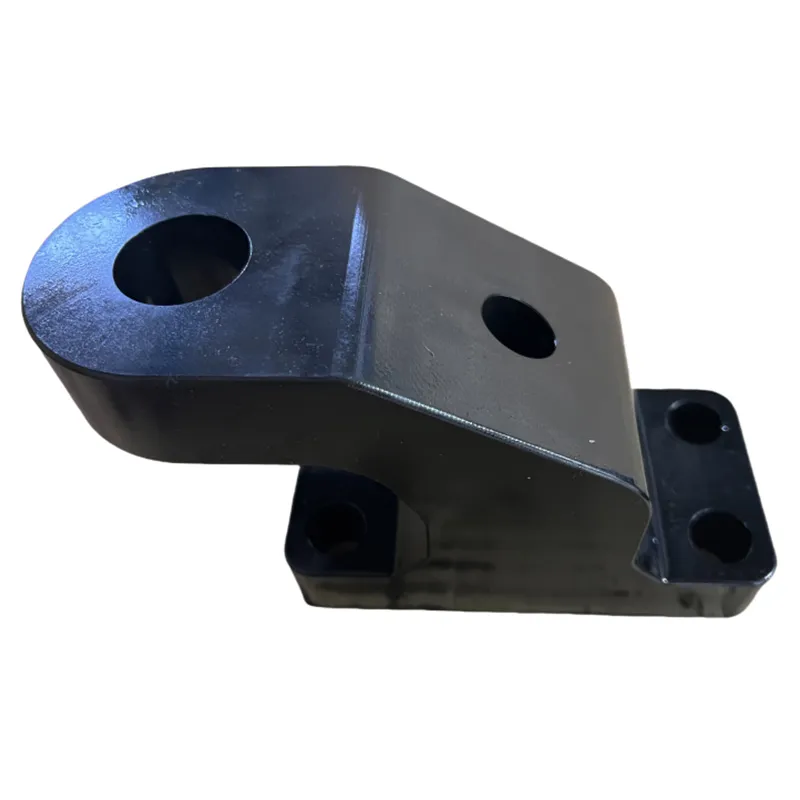
This might be the most overlooked aspect. You get a beautiful raw casting. Now what? The machining drawings come out, and the first question is: where do we clamp it? For a nickel alloy casting, which is often expensive and near-net-shape, you can't just brute-force it in a vise. You need strategic clamping points, often on non-critical surfaces, that were planned for during the casting design stage. This is where concurrent engineering between the foundry and machine shop is non-negotiable.
I remember a turbine shroud segment where the initial casting design had no dedicated machining pads. The result was that the machinist had to design a complex, expensive fixture, and we still got chatter on the final cut because the part wasn't rigidly supported. The second iteration, we added small, sacrificial pads to the casting in locations that would be machined off later. It added a trivial amount of material cost but saved a fortune in fixturing and improved finish quality. A partner who does both processes internally naturally designs for this.
Tool wear is another economics killer. Machining a hardened steel is one thing; machining a work-hardening nickel alloy like Hastelloy X is another. The cutting parameters need to be dialed in, and the tools need to be changed before they're completely dull, or you induce surface stress. A machine shop that exclusively works with external castings treats every job as a new mystery. An integrated shop builds a database: This is how we machine our own Inconel 718 castings from Heat Lot XYZ. That institutional knowledge cuts trial-and-error time and improves surface integrity.
Material Selection: It's Not Always Nickel
This sounds heretical, but sometimes the best nickel alloy part is the one you don't make. The drive to specify a high-end nickel alloy for every harsh environment can be a costly mistake. I've been part of value-engineering sessions where we stepped back and asked: what is the actual failure mode? Is it uniform corrosion? Is it thermal fatigue? Sometimes a well-designed duplex stainless steel casting, with its lower material and machining cost, can do the job for 80% of the cases. A good manufacturer won't blindly accept your material spec; they'll question it, based on the application details you provide. That's a sign of a true engineering partner.
That said, when you truly need it—for jet engine components, deep-well drilling tools, or severe chemical processing—there's no substitute. The key is precision in the specification. Nickel-based alloy is too vague. You need the specific grade, the relevant ASTM or AMS spec, and any supplementary requirements for grain size, HIPping, or NDT. This clarity prevents misunderstandings. A company like QSY, listing their work with cobalt-based alloys and nickel-based alloys, is signaling they're equipped for these precise, high-spec conversations, not just commodity casting.
The economics finally make sense at a certain volume or criticality. The high upfront tooling cost for investment casting gets amortized over a production run. And for one-off or low-volume prototypes, techniques like 3D-printed sand molds are changing the game, even for nickel alloys. The point is, the landscape is always shifting. The foundries that survive are those, like a 30-year operation, that have adapted their shell mold casting and machining techniques across eras, from manual drawings to digital prototypes.
Final Thoughts: The Human Factor in the Process
At the end of the day, all this technology and these processes are run by people. The feel of a seasoned furnace operator who knows by the look of the melt when it's ready to tap, or the machinist who hears a change in the cut sound—these are irreplaceable. Automation is great for consistency, but the judgment calls come from experience. This is the intangible asset of a long-standing manufacturer. It's not something you can put on a website, but you can sense it in how they troubleshoot a problem.
When evaluating a source for nickel alloy casting parts, you're not just buying a material and a shape. You're buying into a depth of process knowledge, a history of solved problems (and unseen failures), and an integrated approach that considers the part's entire lifecycle from molten metal to finished component. The technical specs on https://www.tsingtaocnc.com tell one story—capabilities in casting and machining various alloys. The real story is in the unwritten playbook of how they manage the journey of a superalloy from a CAD model to a part that survives in the field. That's what you're really procuring.
So, next time you're looking at a drawing for a nickel alloy part, think beyond the chemistry. Think about the solidification, the stress, the machining, and the people who will shepherd it through each stage. That perspective will lead you to better partners and, ultimately, more reliable parts. It's never just a casting; it's the culmination of a hundred small decisions, each one critical.