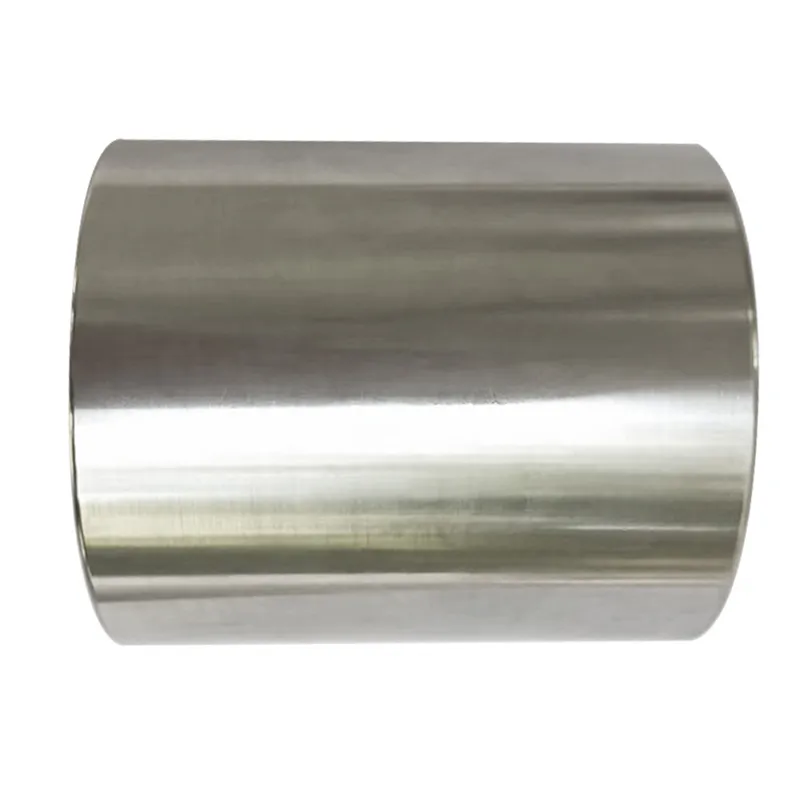
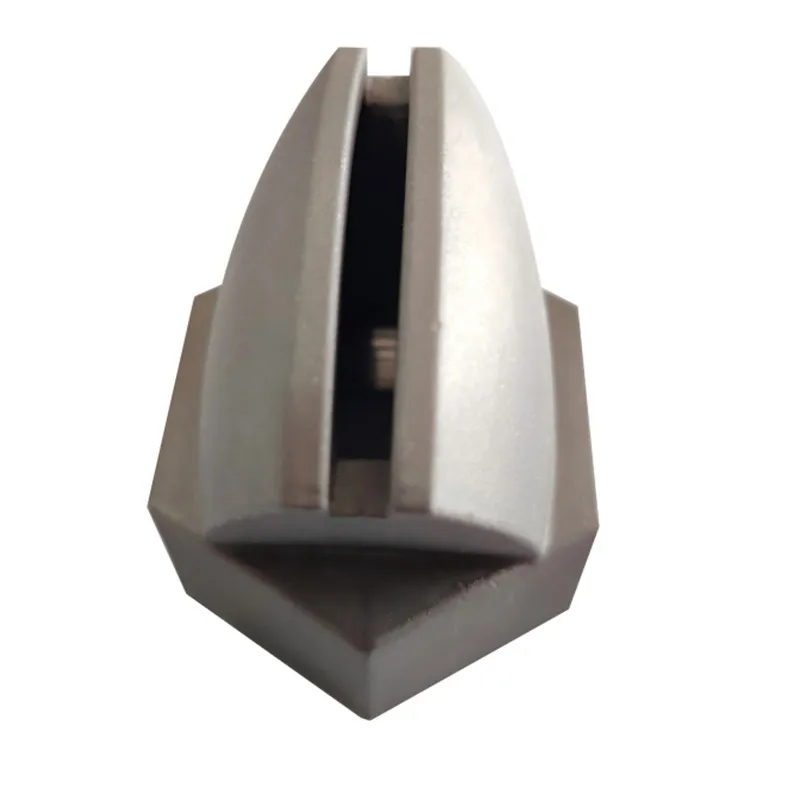
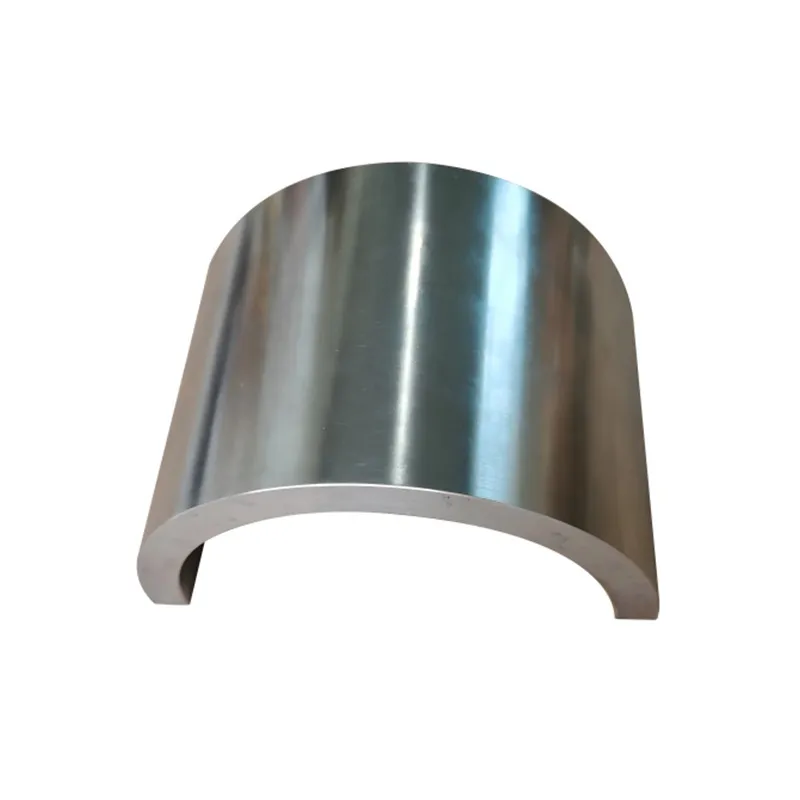
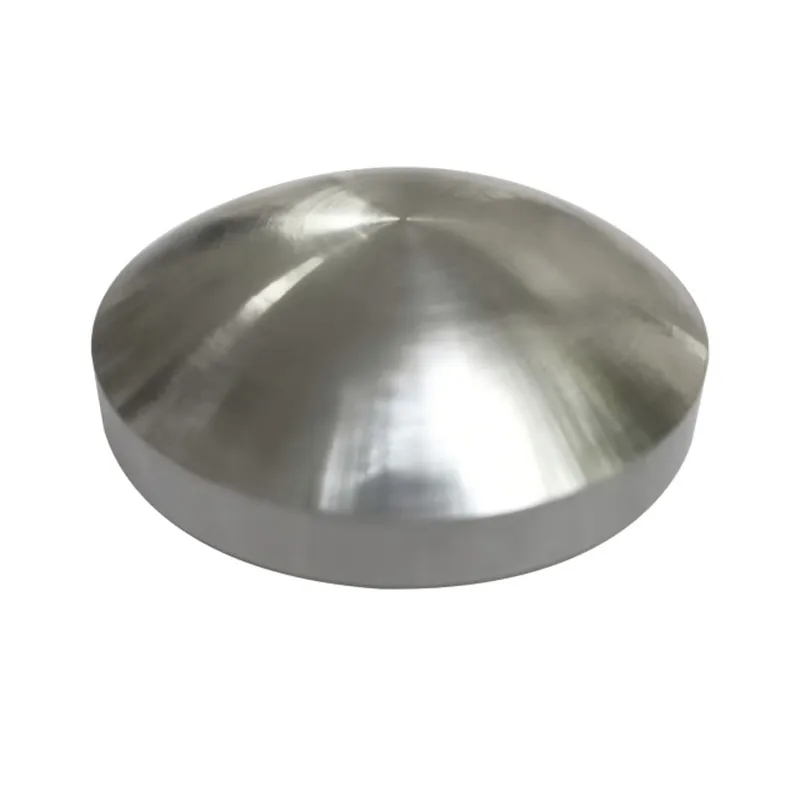
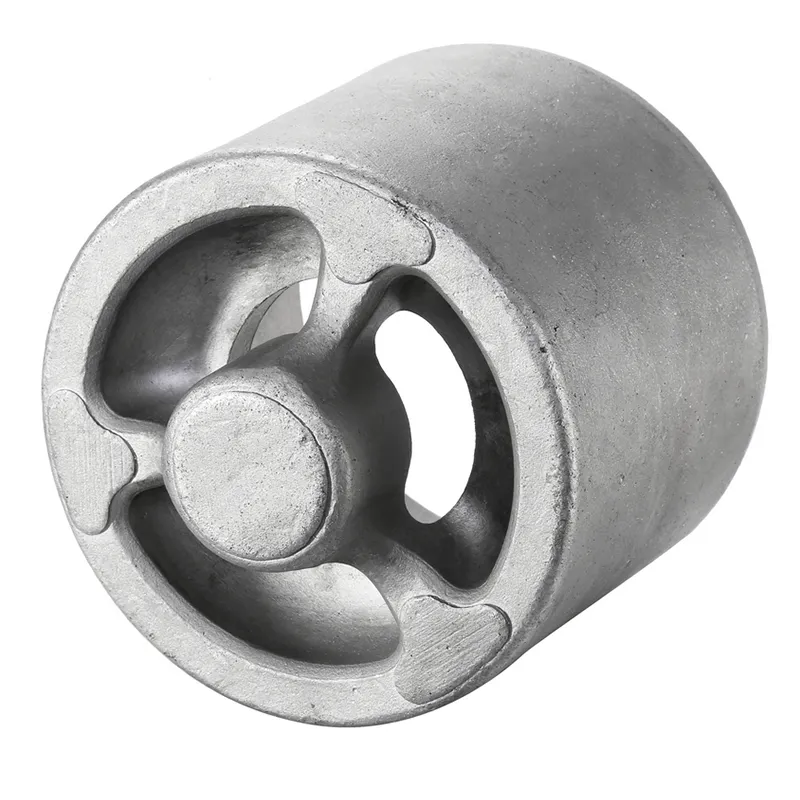
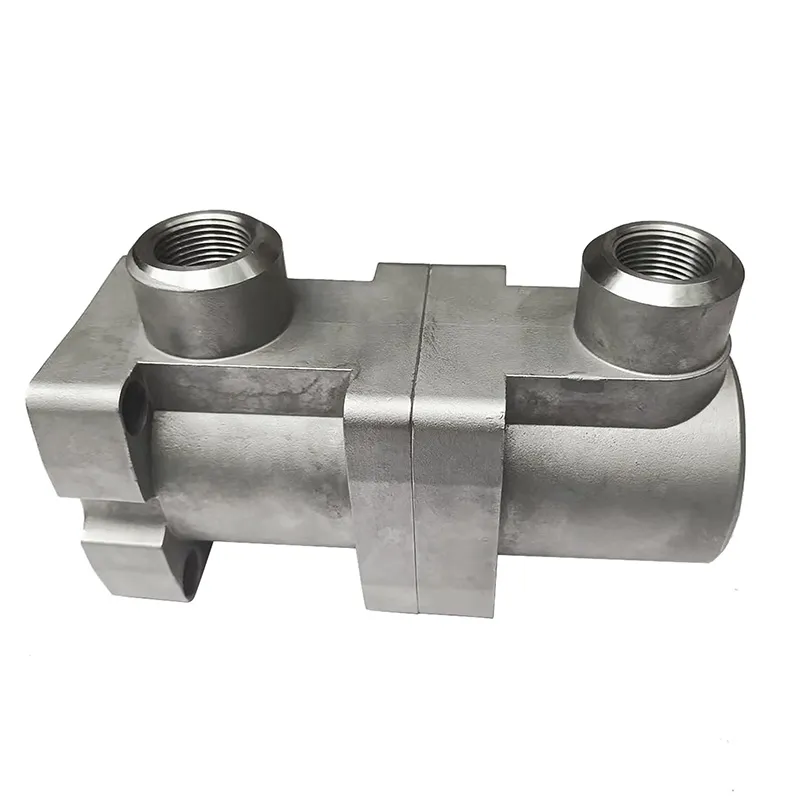
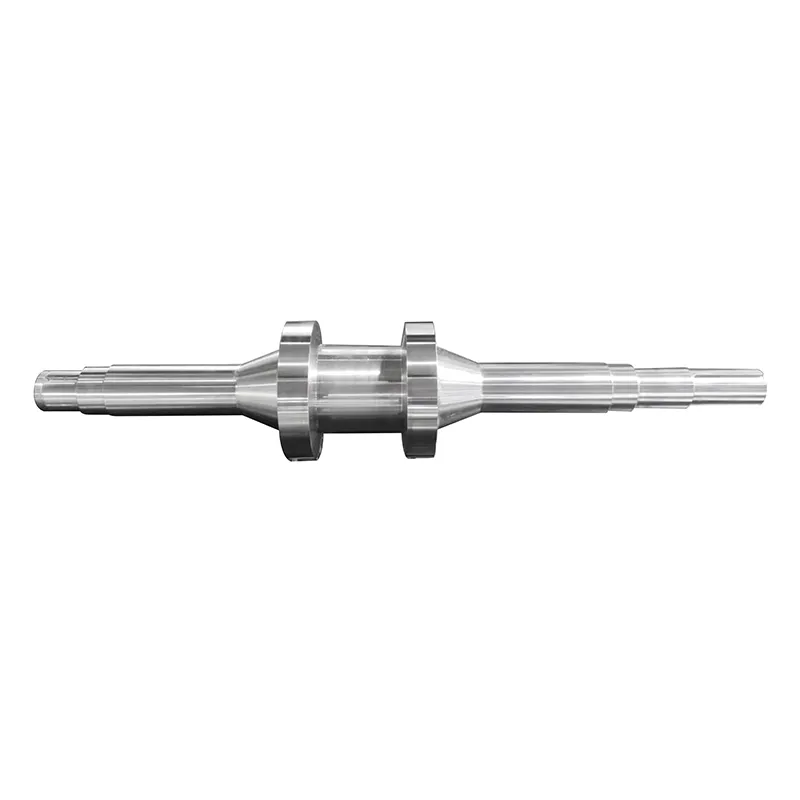
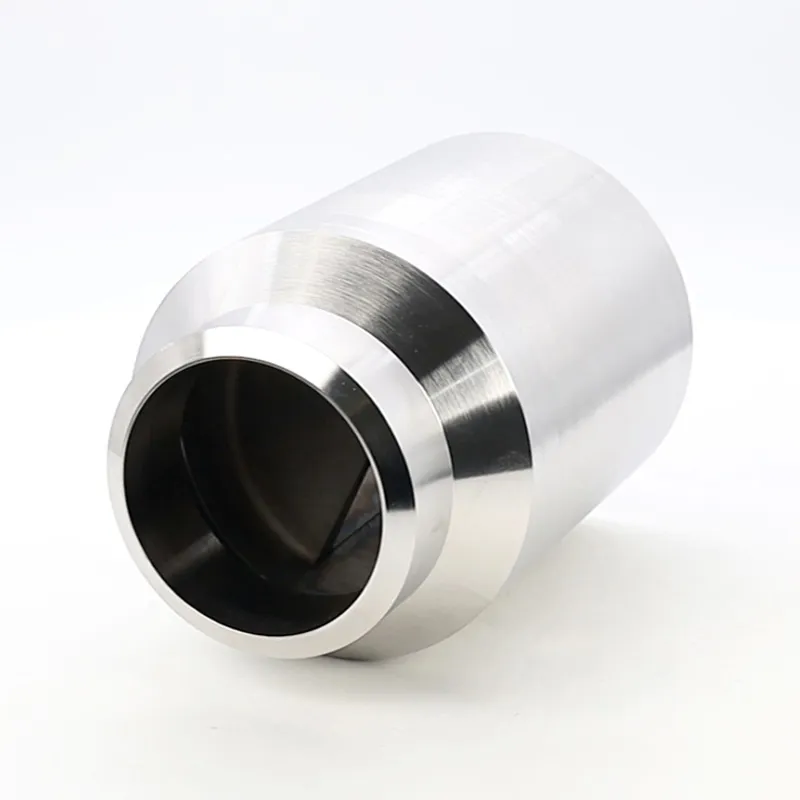
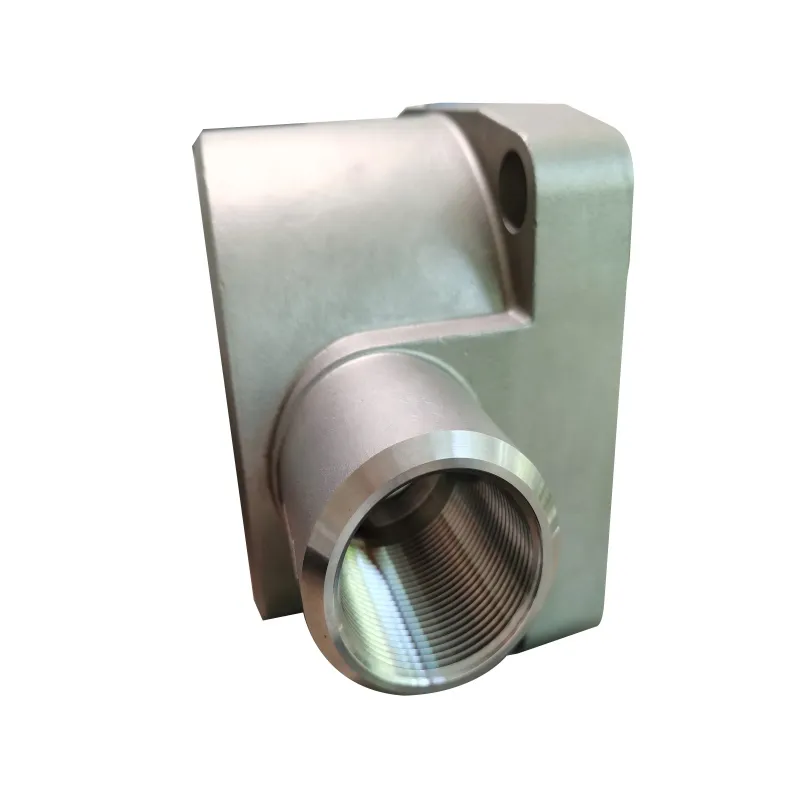
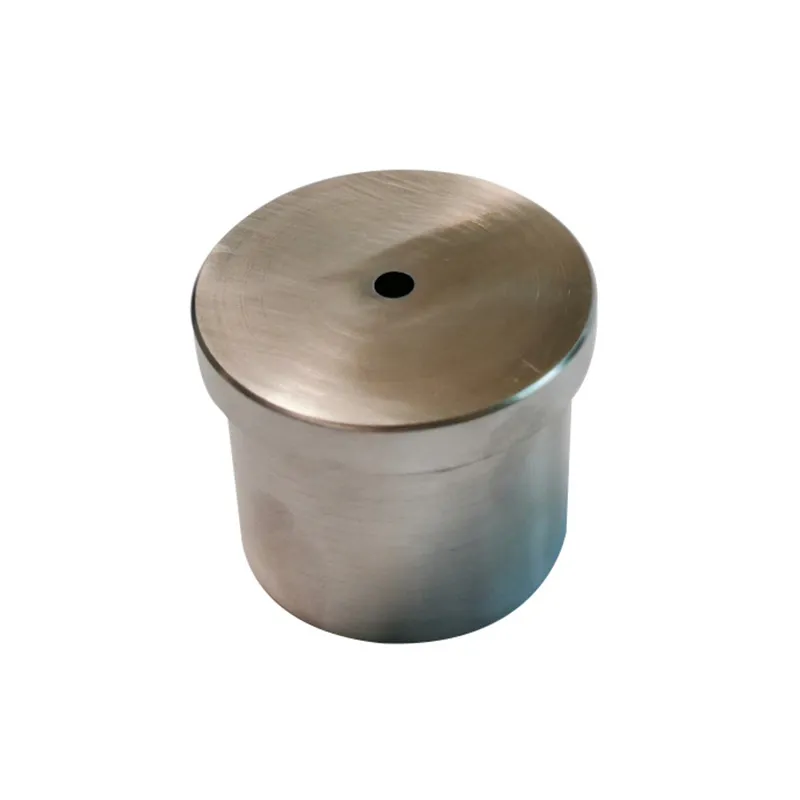
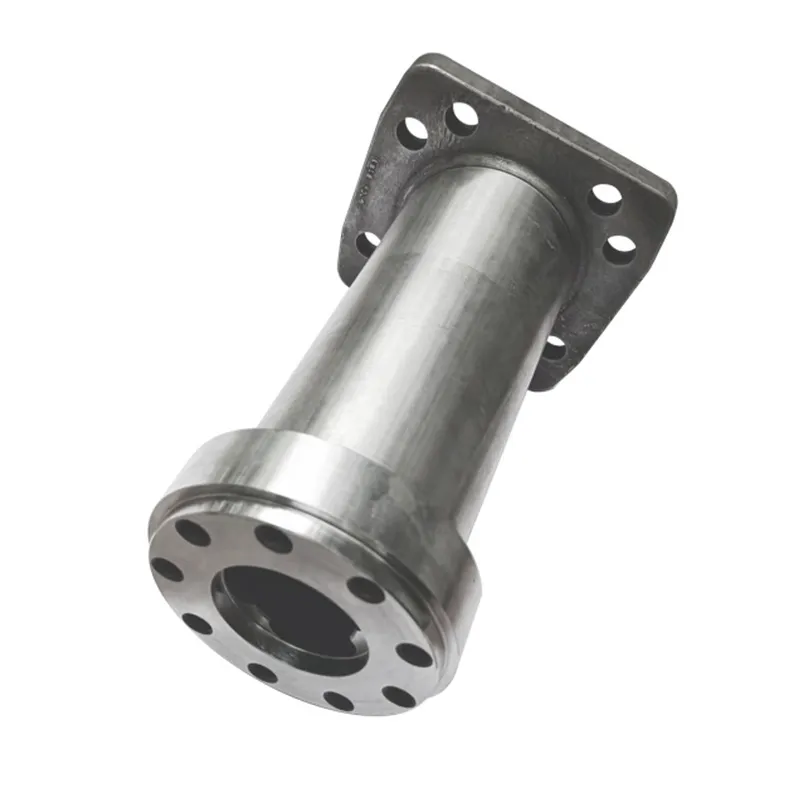
When someone says 'nickel alloy machining parts', the first image that often pops up is just a tough material on a CNC bed. But that's where the oversimplification starts. It's not just about hardness; it's about the material's personality under stress, its thermal dance, and the way it can quietly eat a tool if you're not paying attention. Having run parts from Inconel 718 to Hastelloy C-276, the real challenge isn't just making the cut—it's managing the entire conversation between the machine, the toolpath, and the alloy's own stubborn will.
The Misconception of Just Slower Feeds
You'll hear it a lot: For nickel alloys, just drop your speeds and feeds. That's a starting point, but a dangerous one if it's your only strategy. I've seen shops take this to heart, running everything painfully slow, only to end up with work-hardened surfaces and tools failing from excessive heat buildup in the cut zone, not from abrasion. The alloy doesn't just get hard; it gets angry. It wants to gall, to weld onto the tool tip. So, running too slow can sometimes be worse than being a bit too aggressive. The key is consistent, controlled chip removal. If you see those chips coming off a dull purple instead of a silver-gold, you're already in the work-hardening territory. It's a visual cue that's saved more jobs than any preset parameter table.
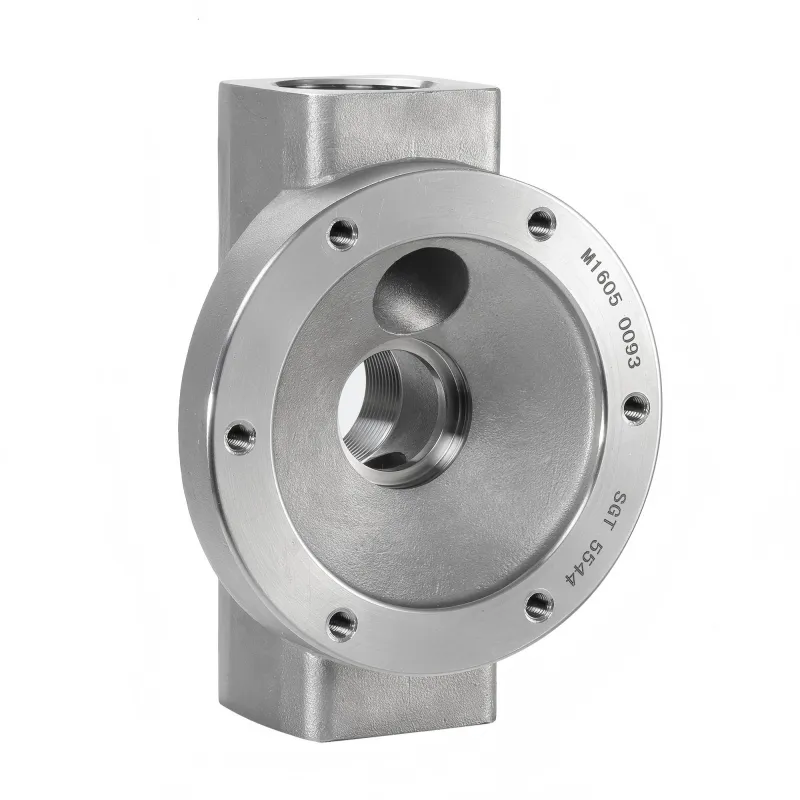
Coolant pressure and delivery become non-negotiable here. Flood coolant isn't enough. You need it right at the cutting edge, penetrating the chip-tool interface. We moved to high-pressure through-tool coolant systems years ago for our deep pocket milling on valve bodies, and it wasn't a luxury—it was the only way to maintain tool integrity and get a finish that didn't require a week of grinding. The material's low thermal conductivity is the root of the evil; the heat stays right at the tip. If you can't evacuate it, you lose.
Tool selection stops being about brand and becomes about geometry and substrate. A generic carbide end mill is a consumable item here. You need sharp, polished flutes to reduce adhesion, and a rigid core to handle the pressures. We standardized on specific geometries with reinforced necks for our longer-reach profiling work. And even then, tool life is measured in minutes, not hours. You plan for it. You budget for it. Anyone promising otherwise hasn't machined much of the stuff.
Where Casting Meets Machining: The Dimensional Handoff
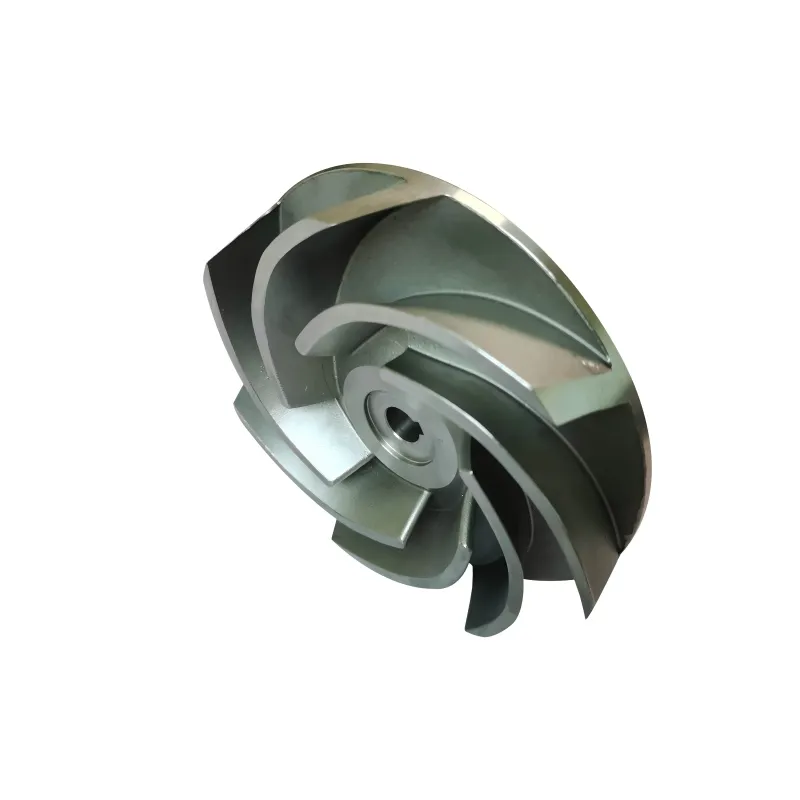
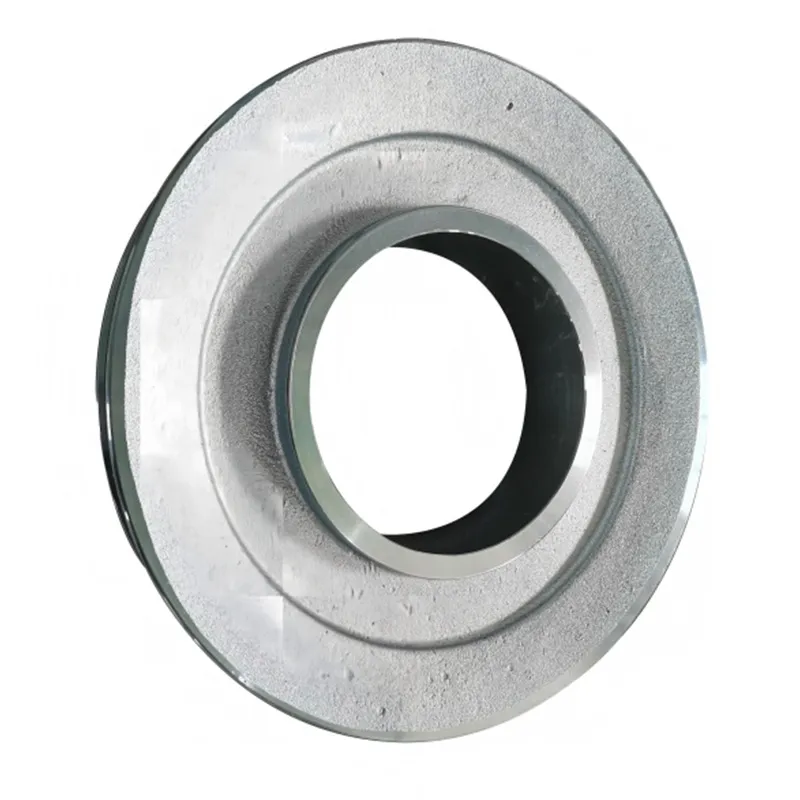
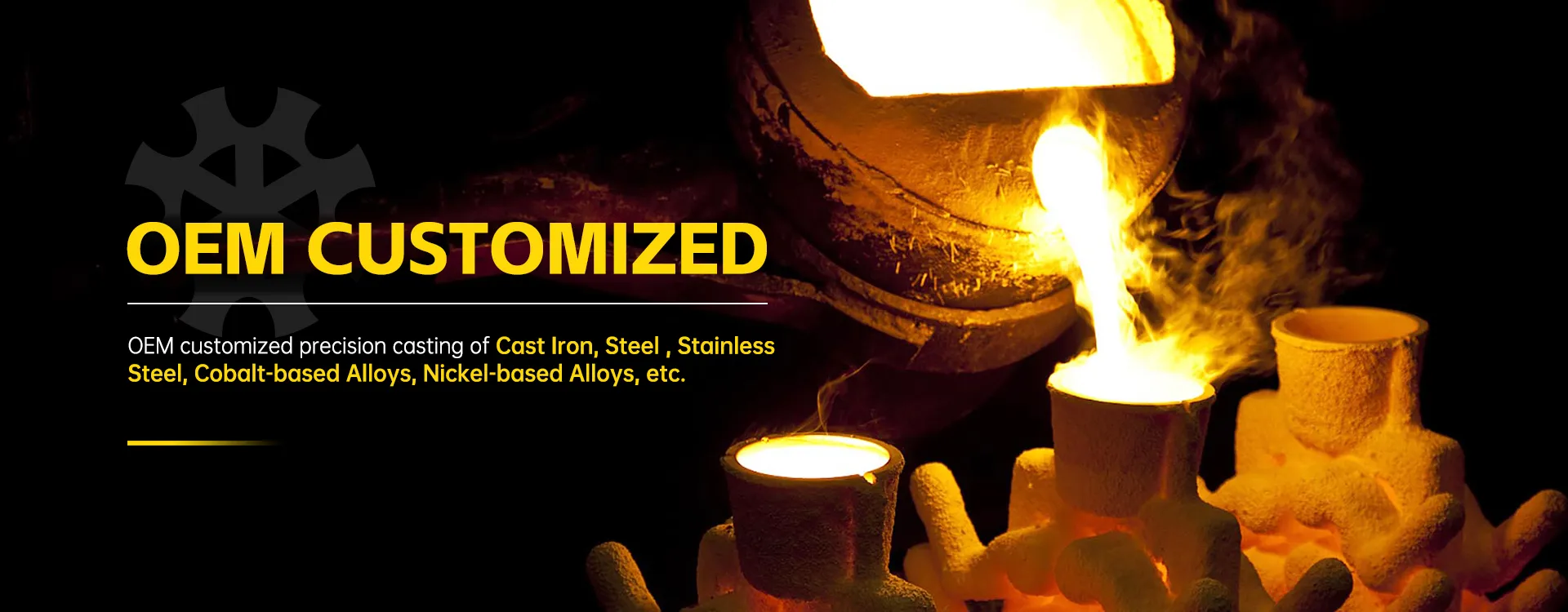
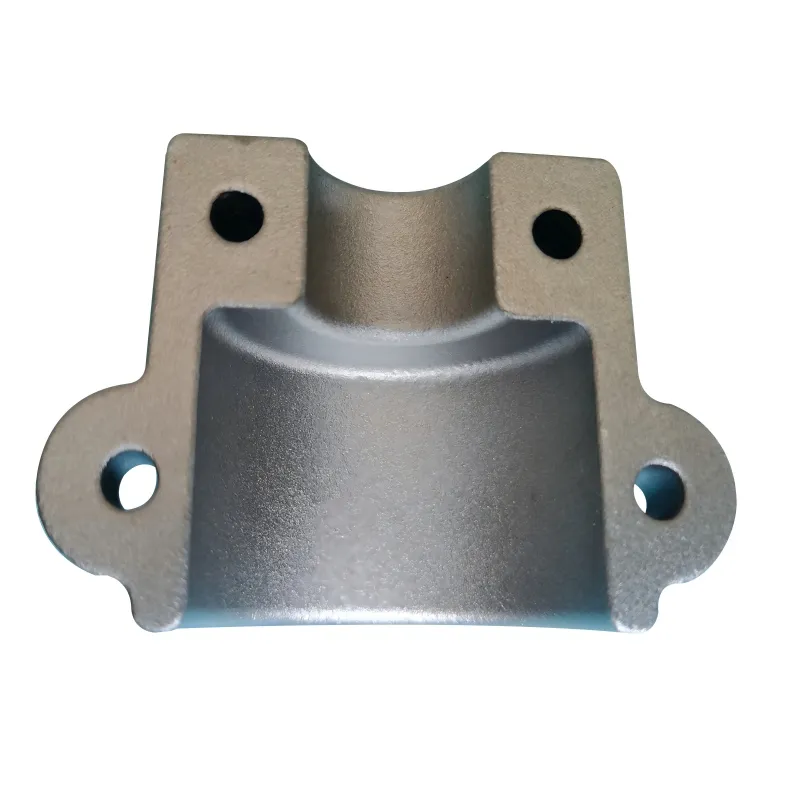
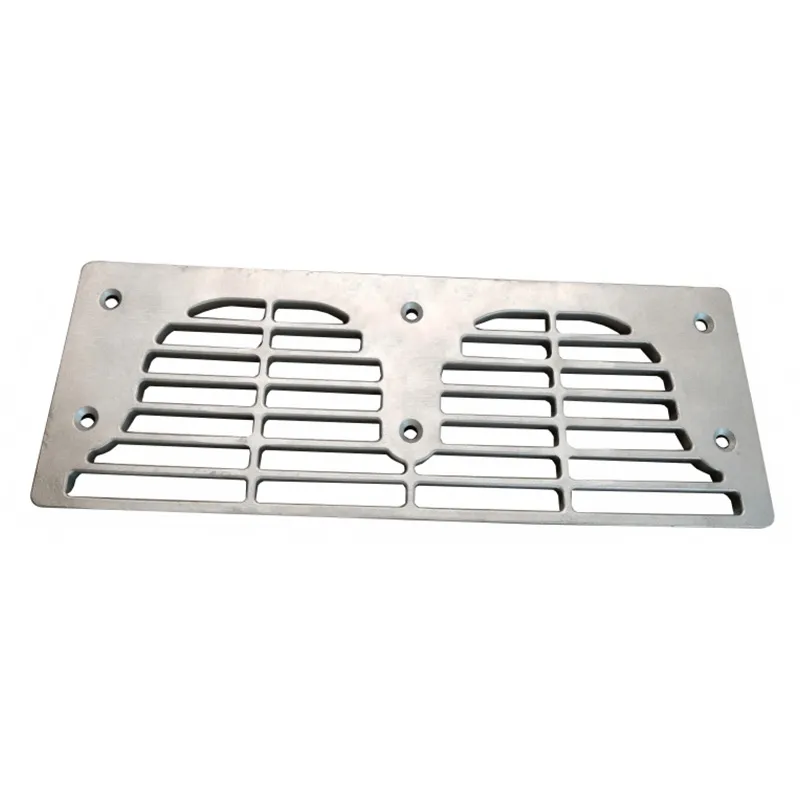
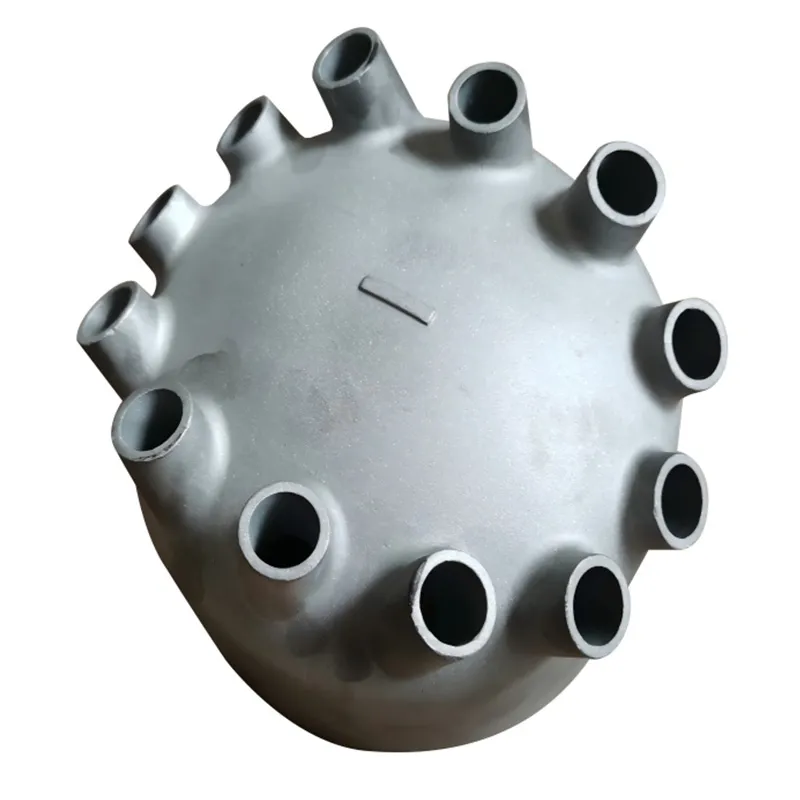
This is a nuance that gets lost if your shop only does machining or only does casting. When you start with a near-net-shape casting, like the shell mold or investment castings we produce at Qingdao Qiangsenyuan Technology Co., Ltd.(QSY), the machining strategy has to acknowledge the casting's history. You can't treat a cast nickel alloy blank the same as a wrought billet. The skin might have slight variations in hardness, there could be remnant ceramic shell material (though a good foundry process minimizes this), and the internal stress state is different.
We learned this through a painful batch of pump housings a while back. The castings (Inconel 625) measured fine on the CMM after casting. But once we took the first heavy roughing pass, the whole thing moved. Not much, but enough to scrap the part's critical flange face. The issue wasn't the machining; it was the residual stress in the casting releasing asymmetrically. The fix was a multi-step process: a stress-relief anneal after casting (even if the spec didn't explicitly call for it), then a very light skin cut to establish a new, stable datum frame before the real roughing began. It added a step, but it eliminated scrap. This kind of process integration is what a shop with both foundry and machine shop under one roof, like QSY, has to get right. You can see our approach to this integrated workflow on our site at tsingtaocnc.com.
The point is, the machining blueprint can't exist in a vacuum. The machinist needs to know, or infer, the part's previous life. Was it sand cast? Investment cast? Each leaves a different starting surface and stress profile. A good first operation is often just cleaning up and finding true from the as-cast condition, even if it means sacrificing a bit more stock allowance.
The Grind (Literally) of Post-Processing
You rarely get a final finish right off the mill with these alloys. Grinding, EDM, or abrasive flow machining often come into play. And here's another trap: assuming you can grind it like tool steel. Nickel alloys are notorious for loading up grinding wheels, creating heat-affected zones, and even inducing micro-cracks if you're too aggressive. I remember trying to hit a 32 Ra on a sealing surface of a Hastelloy X component. The mill left it at about 125. Jumping in with a coarse wheel to get there fast just burned the surface. We had to step back, use a softer, more open-structured wheel specifically designed for nickel alloys, and take light, patient passes with ample coolant. It felt inefficient, but it was the only way to get a clean, crack-free finish that would pass penetrant testing.
Deburring is its own special hell. The material's toughness means it doesn't snap off cleanly; it smears. Manual deburring with files or stones can actually work-harden the burr itself, making it harder than the parent material. We've had success with thermal energy methods for smaller, complex internal channels, but it's an added cost that has to be factored in early. If you design a part with a sharp internal corner in a nickel alloy, you are, frankly, designing in a machining problem.
When Special Means More Than Just Chemistry
Working with nickel alloy machining parts for industries like aerospace or chemical processing means the paperwork is as critical as the physical part. Traceability is absolute. You need certs for the raw material (cast ingot or bar), you need to document every heat treat cycle, and your machining process sheets need to be detailed enough that someone could, in theory, replicate the part exactly. This isn't bureaucratic overhead; it's how you ensure a part in a jet engine or a sour gas reactor won't fail. A mix-up between 718 and 725, or an undocumented tool change that led to a micro-notch, can have consequences far beyond the shop floor.
This regulatory environment shapes the entire business. It's why companies that last in this space, like QSY with its three decades in casting and machining, build systems, not just machine parts. The expertise isn't just in the programmer's G-code or the foundryman's pour; it's in the quality management system that ties it all together. You learn to think in terms of the entire part lifecycle from melt to final inspection, because any weak link breaks the chain. It forces a certain discipline that you don't always see in job shops running mild steel all day.
In the End, It's About Respect for the Material
After all these years, I don't see nickel alloys as enemies, just difficult partners. They demand respect. You can't bully them. You have to listen—to the sound of the cut, to the look of the chip, to the data from the tool wear sensors. The successful runs are quiet, with a steady, crisp sound and a continuous flow of chips. The failures are loud, or smell hot, or end with a dull thunk.
The real takeaway for anyone getting into this isn't a magic speed/feed chart. It's an attitude. Start conservative, yes, but be prepared to experiment within a window. Document what works and what doesn't. Understand that your biggest cost driver might be tooling, not machine time. And partner with suppliers who get it—from the foundry that provides a stable casting to the tooling rep who brings you grades and geometries that actually work in this arena. It's a niche, and it's unforgiving, but getting it right is incredibly satisfying. There's no faking it when the part is on the CMM and the NDT report comes back clean. That's the proof, right there.