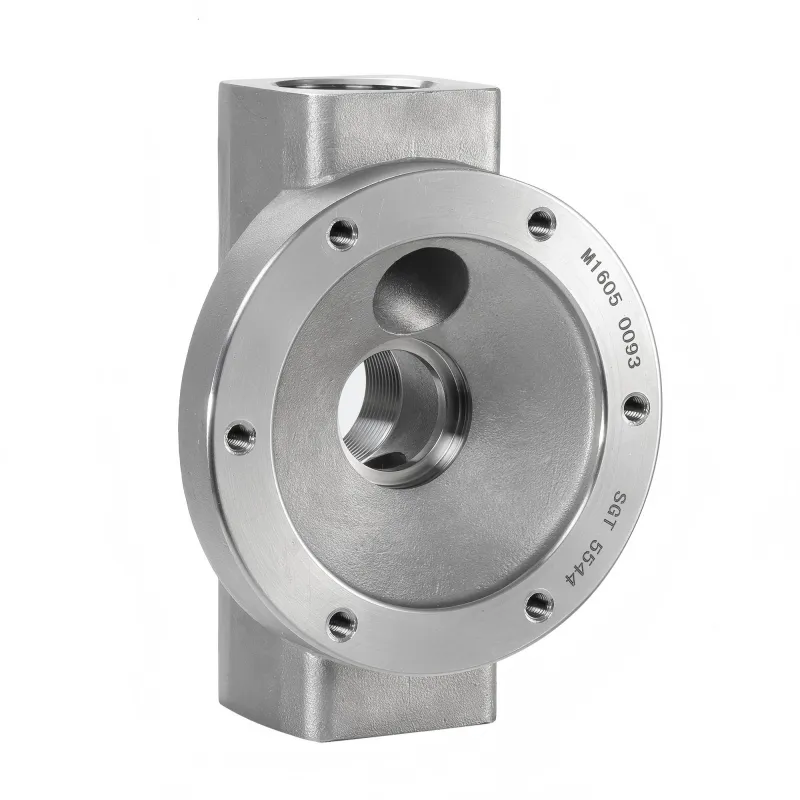
When someone says 'nickel base', half the room thinks of jet engines, the other half thinks of a pricey, problematic material that's more trouble than it's worth. The truth, as usual, is stuck somewhere in the messy middle. It's not a magic bullet, but dismissing it as just 'expensive stainless' is a quick way to end up with a failed component. The real challenge isn't just in specifying it on a drawing; it's in the thousand little decisions from the melt shop to the final machining pass.
The Core Misconception: It's All About Heat
Most spec sheets lead with high-temperature performance, and that's not wrong. But focusing solely on that 1200°F tensile strength is where projects start to drift. I've seen designs that slapped on a nickel base alloy like Inconel 718 because the operating temp was high, only to fail from chloride-induced stress corrosion cracking at a lower, unexpected temperature cycle. The alloy was 'overqualified' for heat but underqualified for the actual chemical environment. The lesson? The thermal profile is just chapter one. You need the whole corrosion and mechanical story.
Then there's the weldability myth. Ask a fabricator if they can weld it, they'll say yes. But can they weld it and have the heat-affected zone retain the properties you designed for? That's a different conversation. Post-weld heat treatment for these alloys isn't a suggestion; it's often the difference between a sound assembly and a field crack waiting to happen. We learned this the hard way on a manifold project years back, assuming the vendor's standard PWHT would suffice. It didn't. The thermal cycle was off, and we ended up with premature grain boundary oxidation.
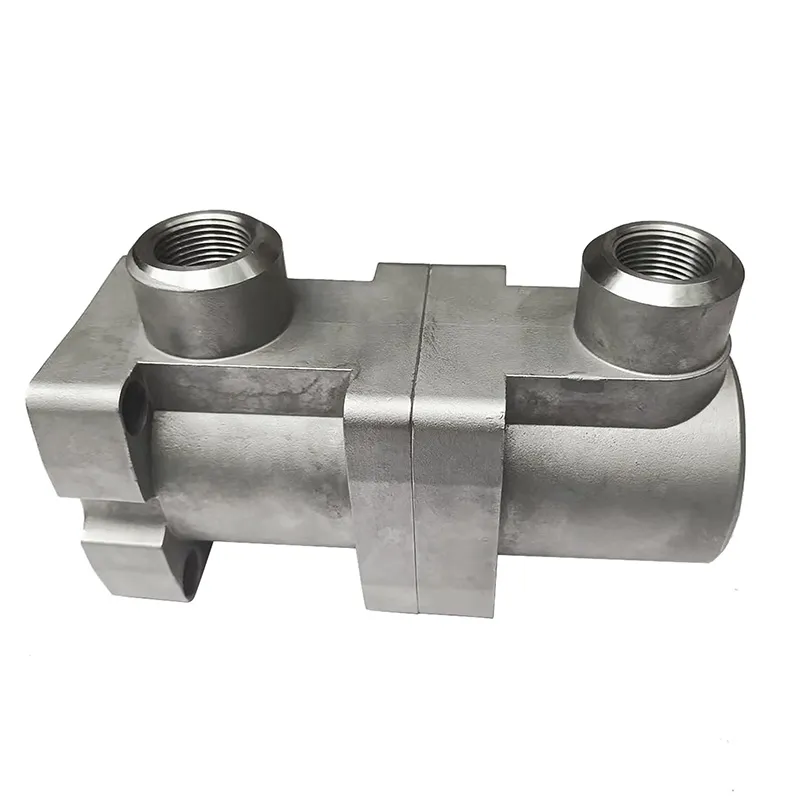
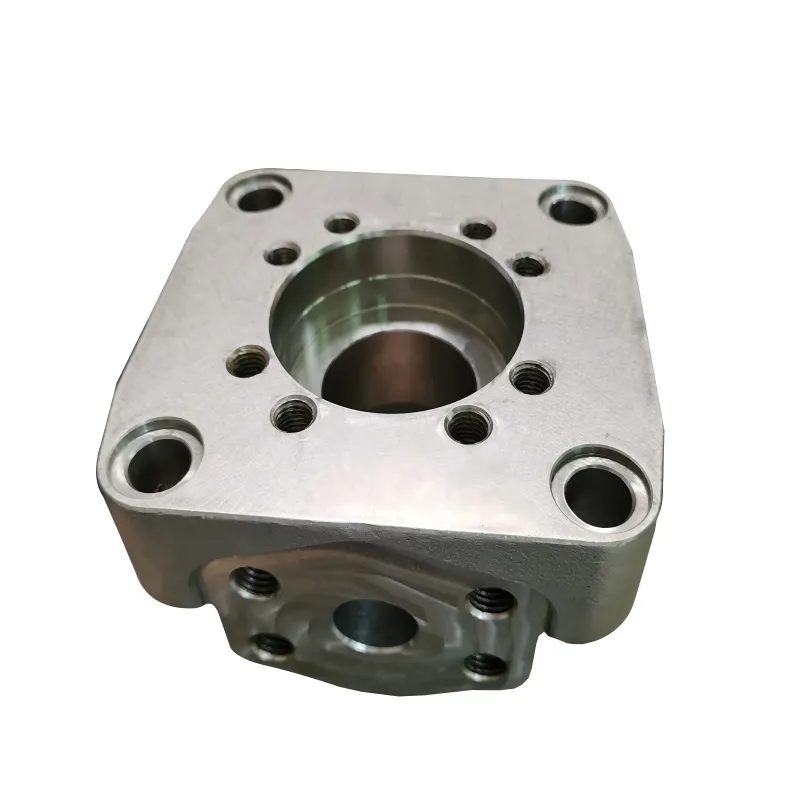
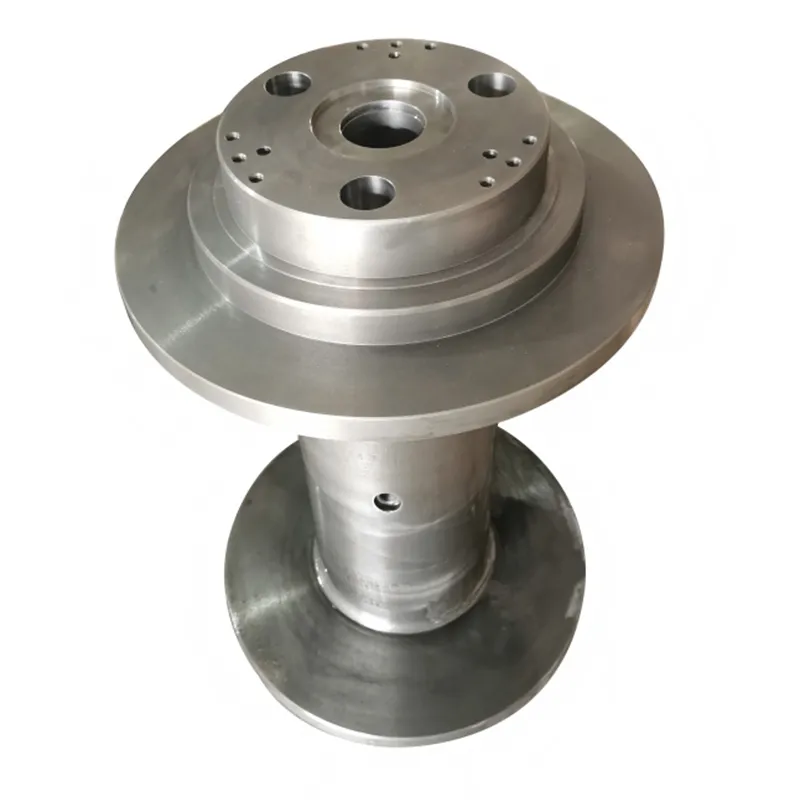
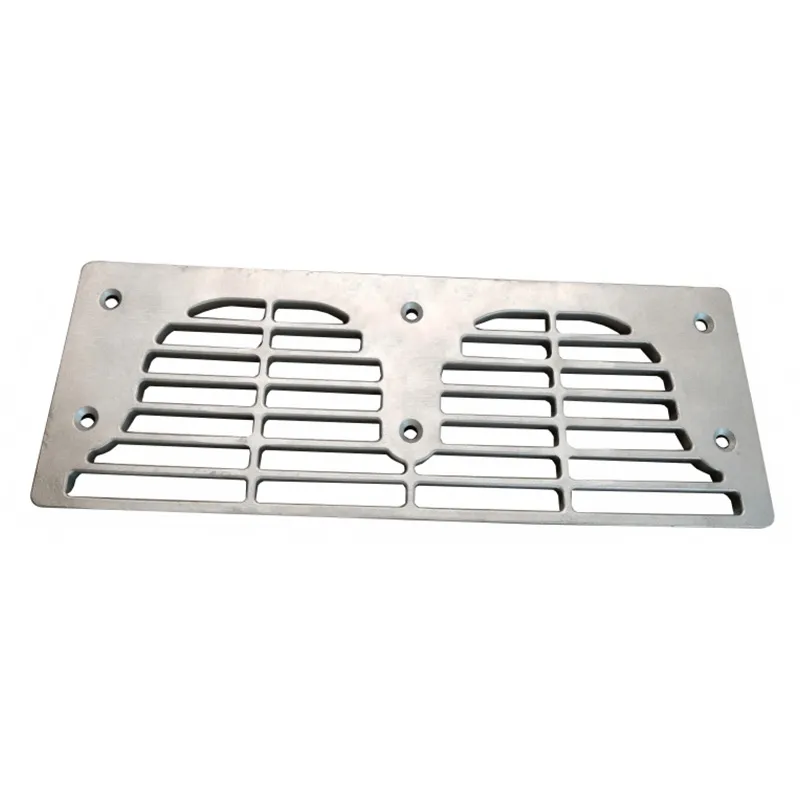
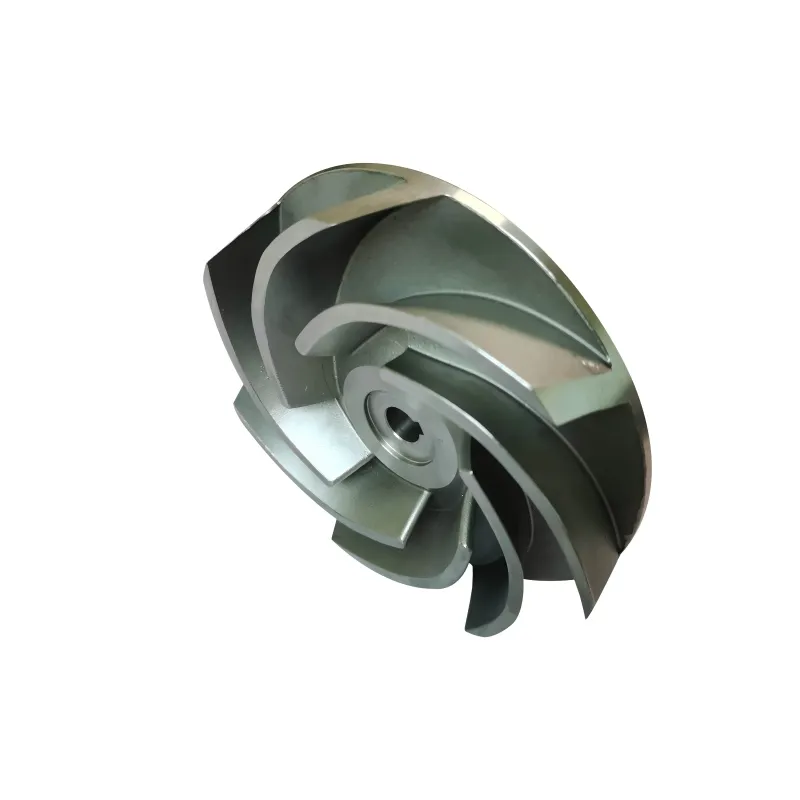
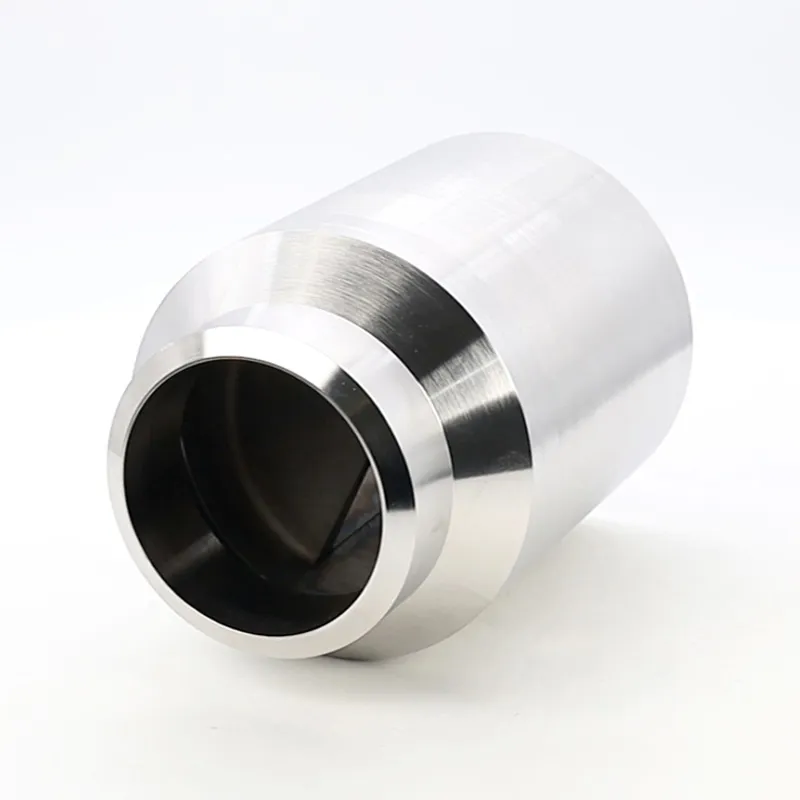
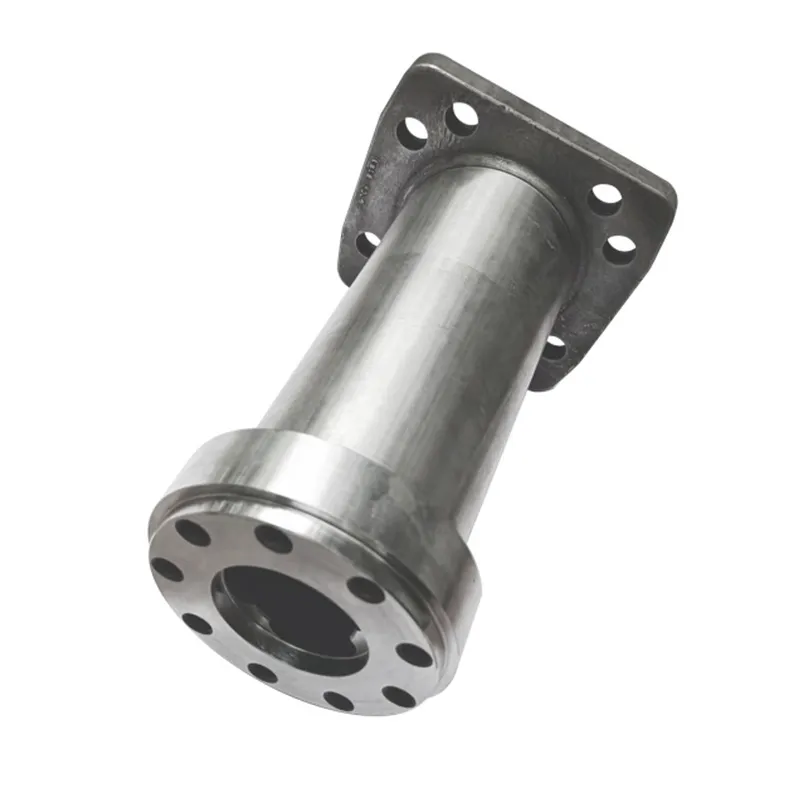
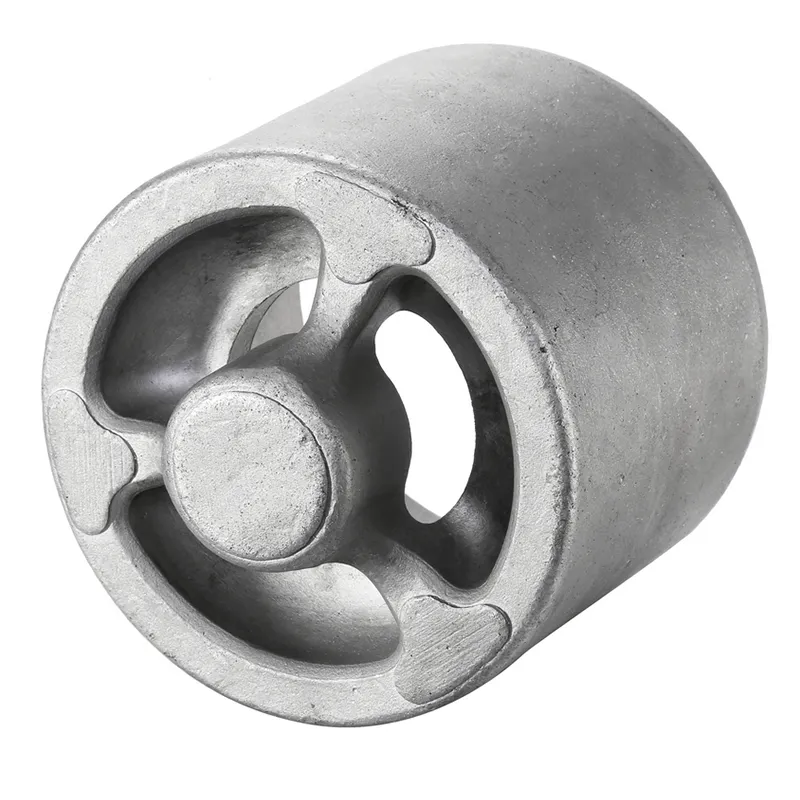
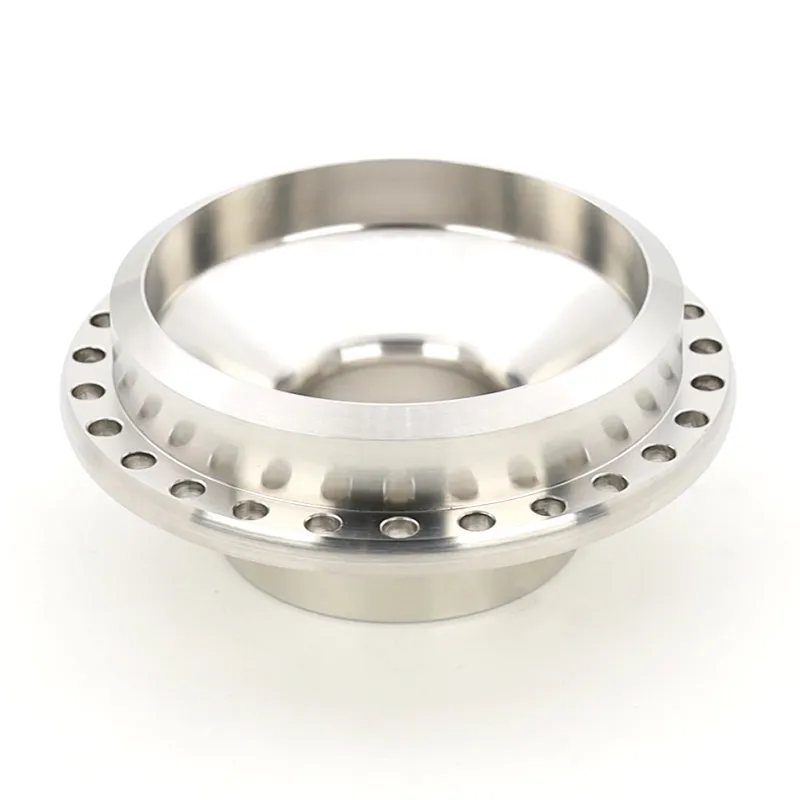
This is where a partner's foundry and machining experience becomes non-negotiable. It's not about buying a casting; it's about buying a controlled process. A company like Qingdao Qiangsenyuan Technology Co., Ltd. (QSY), with their three decades in shell and investment casting, gets this. When you've been pouring nickel base alloys for that long, you've built a library of thermal histories, gating designs, and feeding strategies specific to these finicky materials. You can find them at https://www.tsingtaocnc.com. Their portfolio isn't just a material list; it's a record of solved problems in cobalt and nickel alloys.
From Melt to Machining: The Real Cost Drivers
Let's talk about machining, because that's where budgets silently bleed. People look at the raw material cost per kilo and gasp. Then they get the first machining quote and really gasp. Nickel base alloys like Hastelloy X or Waspaloy work-harden like nothing else. A blunt tool or a timid feed rate doesn't just slow you down; it creates a hardened skin that makes the next pass even harder, potentially ruining the part.
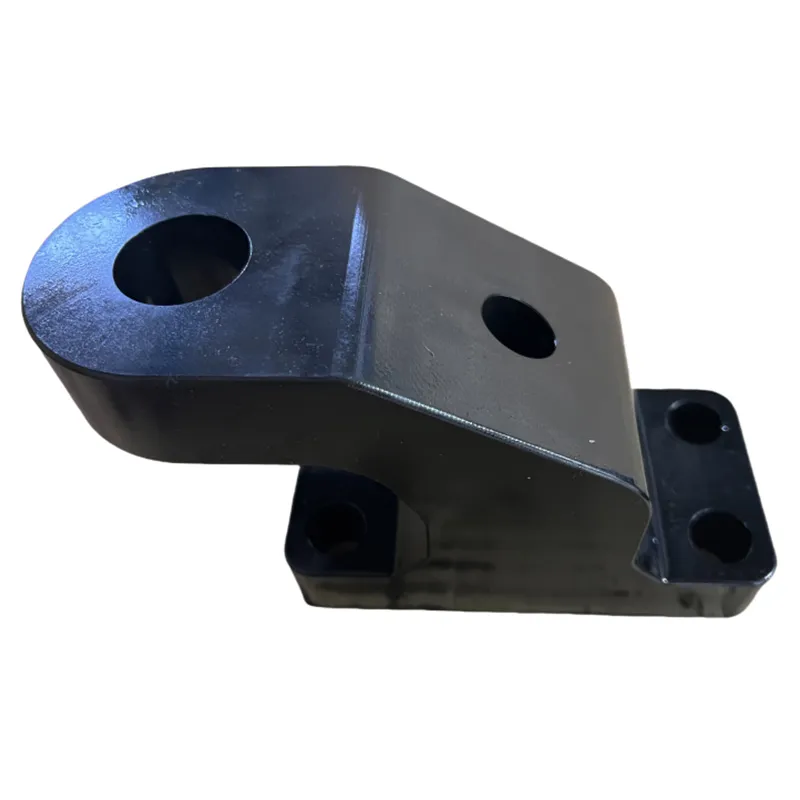
The trick is aggression, which sounds counterintuitive. You need sharp, premium-grade carbide, high rigidity in your setup, and you need to get under that work-hardened layer in one go. Light, skimming cuts are the enemy. We once tried to save on tooling for a batch of Alloy 625 brackets, using a slightly reground insert. The cycle time doubled, we burned through three times as many inserts, and the surface finish was unacceptable. The 'savings' cost us more in machine time and rework.
This is why integrated shops have an edge. If the same entity that casts the part also machines it on their CNCs, they've already optimized the initial stock allowance. They know the precise surface condition of their as-cast parts. There's no finger-pointing between the foundry and the machine shop when a tool blows up. At QSY, their combined casting and CNC machining capability means they're thinking about the final cut during the mold design phase. That alignment is priceless for controlling final part cost.
The Alloy Within the Alloy: Trace Elements Matter
Specifying Inconel 718 is just the start. Is it AMS 5662? AMS 5663? The difference is in the allowable ranges for aluminum, titanium, and niobium. Those few tenths of a percent dictate the aging response and final strength. In a high-integrity application, you're not buying a generic 718; you're buying a specific melt chemistry and a verified heat treatment report.
I recall a supplier substitution that nearly caused a shutdown. The part was certified as 718, but it was a slightly off-spec melt optimized for forgeability, not the high-temperature stability we needed. It passed the room-temp mechanicals, but under load at 1000°F, the creep rate was out of spec. The failure analysis traced it back to the Al/Ti ratio. Now, we always specify the exact AMS or proprietary melt code and demand mill certs that show the actual chemistry, not just that it's 'within spec'.
This level of traceability is a baseline for any serious supplier. It's the boring, paperwork-heavy side of working with nickel base alloys that separates the parts that work from the ones that fail quietly. A foundry's quality system isn't an admin feature; it's a production tool.
When to Use It (And When to Walk Away)
The best nickel base application I ever worked on was a set of thermowells for a catalytic reformer unit. The environment was hydrogen sulfide, high-pressure hydrogen, and cyclic temps up to 950°F. A stainless steel would have corroded or embrittled in months. The Inconel 600 wells lasted for years. The conditions perfectly matched the alloy's core competencies: severe corrosion and high temp.
The worst was a structural bracket in a mildly corrosive, ambient-temperature washdown environment. The client had 'nickel alloy' in their standard for critical parts and refused to budge. We used Alloy 276. It worked flawlessly, but the cost was absurd. A super duplex stainless steel would have done the job for a third of the price. Don't let a specification become a religion. Evaluate the actual service environment first.
This is the practical judgment that comes from seeing these parts in service. It's not just about what the alloy can do; it's about whether its unique capabilities are necessary for the job. Sometimes, the most expert move is to recommend a cheaper, more appropriate material.
The Future Isn't Just New Alloys
There's a lot of buzz about new powder metallurgy nickel base superalloys, and they're impressive. But for most industrial applications, the bigger gains are in process reliability and design for manufacturability. Can we design a complex cooling channel into a casting to avoid a brazed assembly? Can we adjust a fillet radius to eliminate a machining step and a stress concentrator?
The collaboration between design and manufacturing has to be tight. Sending a finalized, impossible-to-cast drawing to a foundry and asking for a quote is a bad start. Involving a technical partner like QSY early, when the design is still fluid, allows them to suggest modifications for soundness and machinability. Their experience across cast iron, steel, and special alloys gives them a broad perspective on what's uniquely challenging about the nickel base job.
In the end, working successfully with these materials is about respecting their complexity without being intimidated by it. It's a mix of rigorous science—checking those mill certs, modeling solidification—and almost artistic shop-floor feel, like knowing the exact sound a tool should make when it's cutting Inconel right. That blend is what turns a difficult material into a reliable solution.