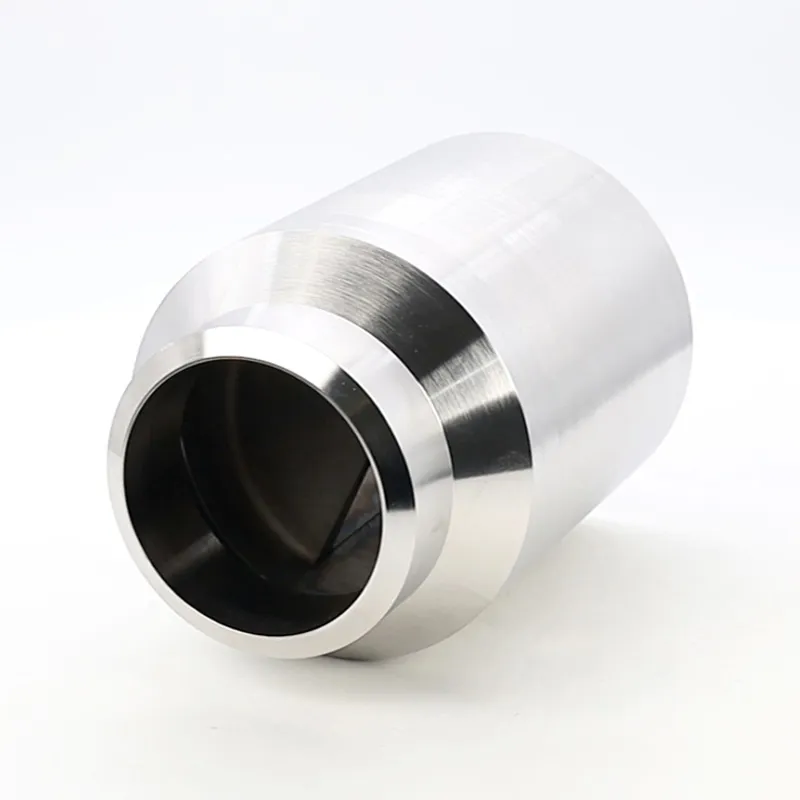
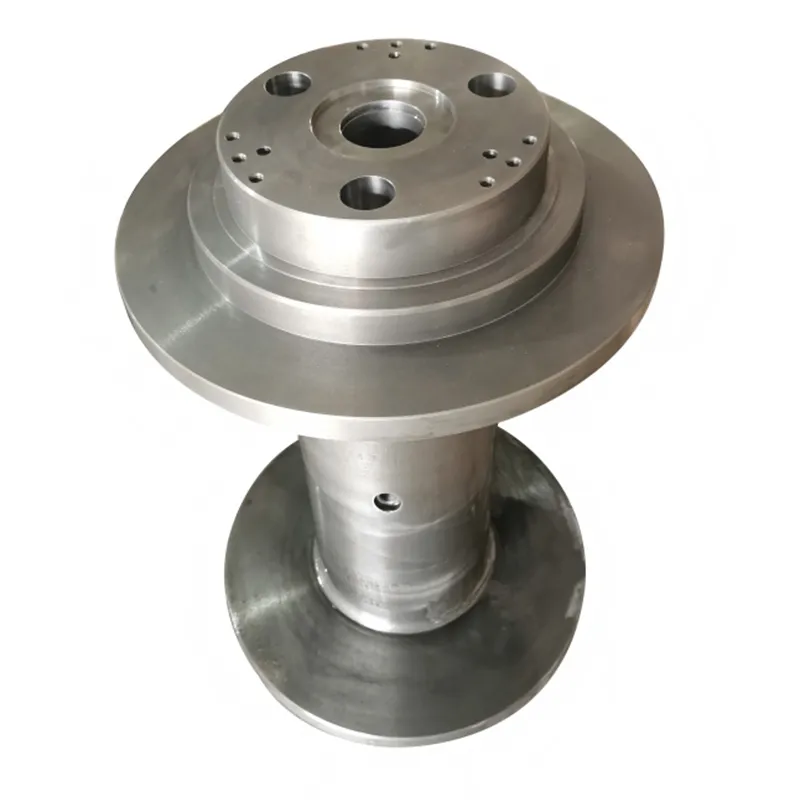
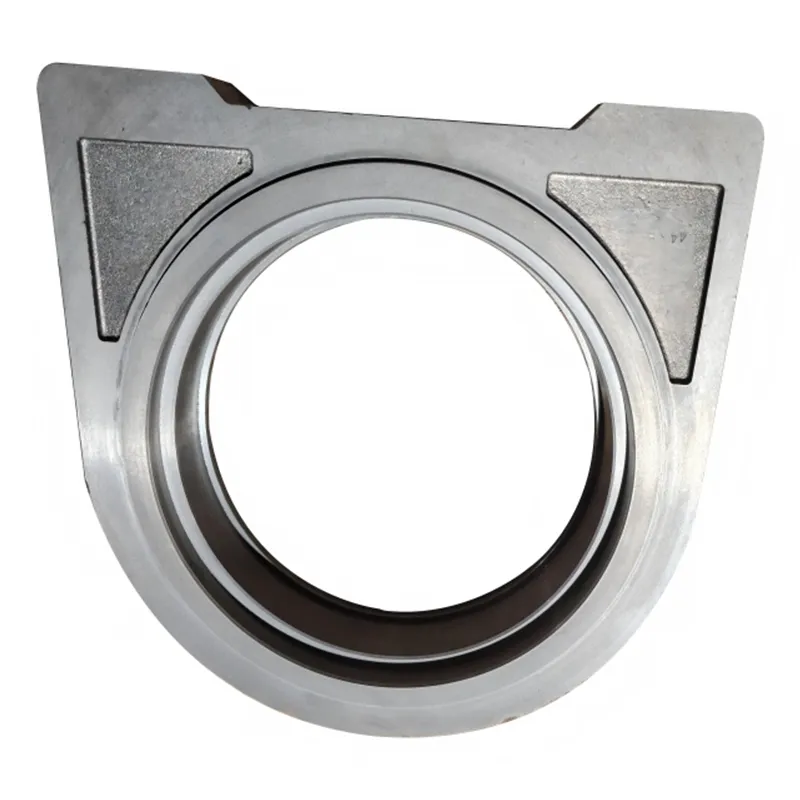
When you hear 'nickel-based alloy mechanical parts,' the immediate thought is often extreme performance—jet engines, turbines, the glamorous end-use. That's not wrong, but it's a surface-level understanding that can lead to costly missteps in specification and procurement. The real story is in the grind, the machining chatter, the warping during heat treatment, and the quiet success of a part that simply doesn't fail under pressure. Having sourced and overseen production for components in demanding sectors, I've seen the gap between datasheet promises and shop-floor reality. It's not just about picking Inconel 718 or Hastelloy C-276 from a catalog; it's about understanding how that material will behave from molten metal to finished, functional component.
The Alloy Isn't the Starting Point; The Failure Mode Is
Too many projects begin with we need a nickel alloy part. That's backwards. The conversation should start with the specific stressor: is it cyclic thermal fatigue, constant chloride exposure, or a combination of erosion and moderate temperature? For instance, specifying Inconel 625 for its general corrosion resistance when the primary threat is sulfidation at a specific temperature range is a waste of capital. I recall a valve component for chemical processing where the initial spec was for a generic high-nickel alloy. After analyzing the process stream, we shifted to a higher chromium, lower iron variant, which offered better resistance to that particular acidic environment without the unnecessary cost premium of a more exotic grade. The alloy is a tool, not a trophy.
This is where partnering with a foundry and machine shop that gets this distinction is critical. You need a supplier who asks why before how many. A shop like Qingdao Qiangsenyuan Technology Co., Ltd. (QSY), with their three decades in casting and machining, typically has that ingrained mindset. They've seen the consequences of misapplied material science. Their experience across shell mold casting, investment casting, and finishing with CNC machining means they view the part holistically, not as isolated processing steps. You can find their approach detailed on their platform at https://www.tsingtaocnc.com. It’s this integrated view that prevents disasters.
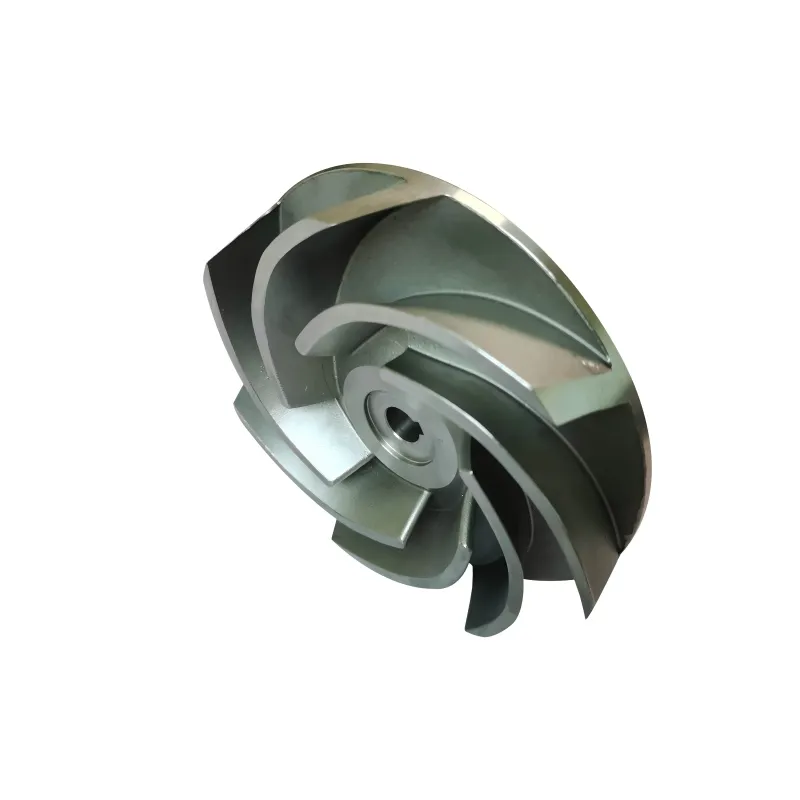
The nuance is in the details they might flag. For a pump impeller, they might question a solid design, suggesting a hollow, investment-cast structure to reduce centrifugal mass and stress, even if it complicates their pattern-making. Or they might advise against an overly aggressive single-point cutting tool path on a age-hardened alloy, recommending a different sequence to manage work-hardening and residual stress. This isn't just service; it's co-engineering.
Casting: Where the Microstructure Destiny is Largely Sealed
You can't machine in good properties if the casting is fundamentally flawed. For nickel-based alloys, the solidification behavior is everything. They're prone to segregation, hot tearing, and porosity if the gating and risering system isn't meticulously designed. I've witnessed beautiful, dimensionally perfect investment castings that failed X-ray inspection because the thermal gradients weren't controlled. The alloy froze wrong, creating micro-channels of weakness.
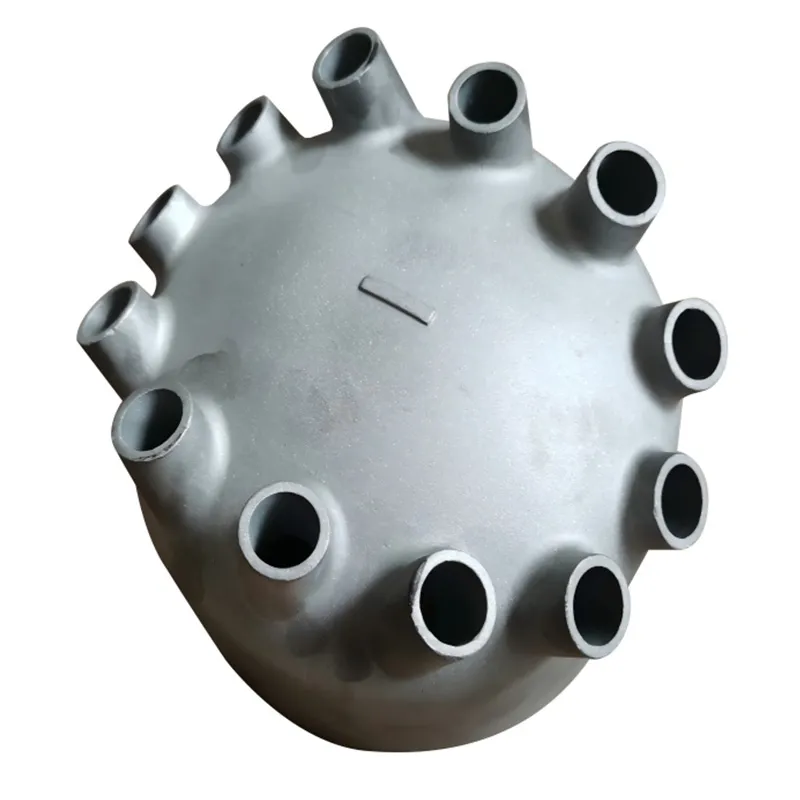
Shell mold casting at a shop like QSY offers good dimensional stability for simpler geometries, but for the complex internal passages of a turbine blade or a fuel injector body, investment casting is non-negotiable. The ceramic shell allows for that complexity. But here's a trap: assuming the surface finish from investment is ready for high-cycle fatigue service. It often isn't. The as-cast surface can harbor microscopic notches that become crack initiation sites. A light, controlled grit blast or even an electropolish step—seemingly trivial—can be the difference between a 10,000-cycle and a 100,000-cycle life. This is the kind of process nuance a long-standing operator builds into their standard workflow.
Material consistency is another battleground. Nickel-based alloy is a family. Are you getting a clean, virgin melt with tight trace element control, or is there a percentage of revert material blended in? For most non-aerospace applications, some revert is economical and acceptable, but the percentage matters. A foundry's control over its melt chemistry and its documentation trail is paramount. It's a question you must ask.
The Machining Gauntlet: Respecting the Material's Will to Fight Back
This is where theoretical meets tangible. Nickel alloys are famously gummy and work-harden rapidly. A hesitant cut or a slightly dull tool doesn't just produce poor finish; it creates a hardened skin that makes the next pass even harder, potentially ruining the part and the tool. Coolant isn't just for cooling; it's for lubrication at the cutting edge to prevent material adhesion. We learned this the hard way early on with a batch of Inconel 718 brackets. The machinist, used to stainless, used similar feeds and speeds. The result was scorched tools, distorted parts from heat, and a scrapped batch. Expensive lesson.
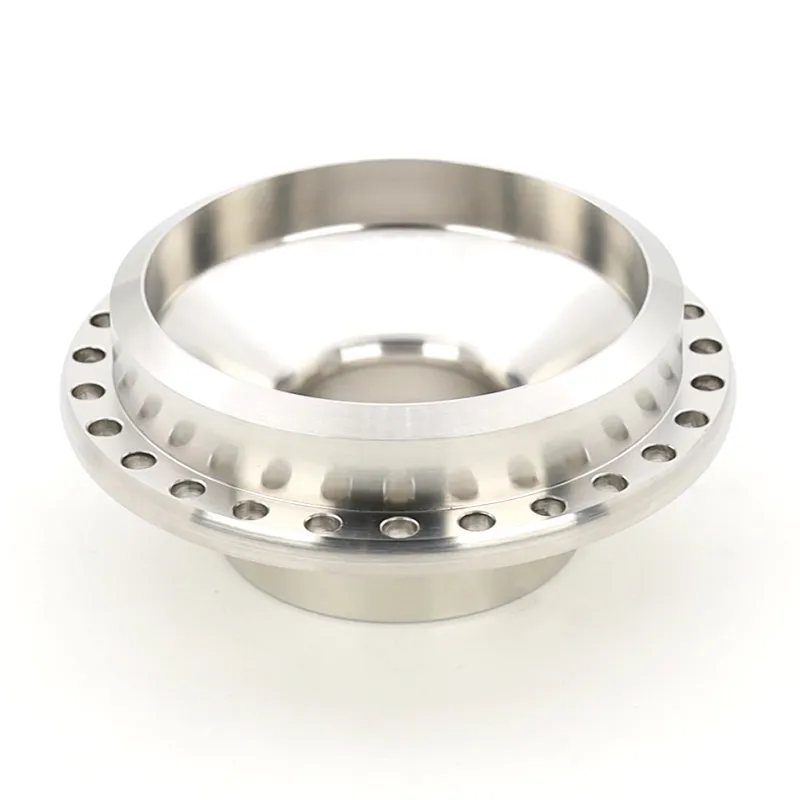
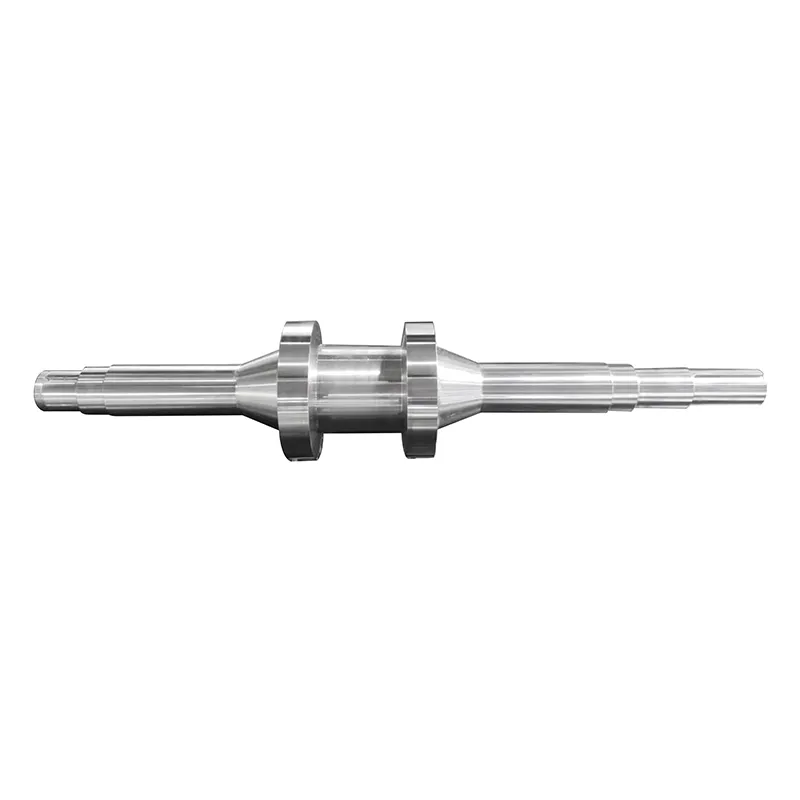
Successful CNC machining of these parts requires rigid machine tools, specialized tool geometries (positive rake, sharp edges), and often, high-pressure coolant directed precisely. It's a slower, more deliberate process. A shop like QSY, which handles machining in-house after casting, has an advantage. They know the specific microstructure and residual stress state of their own castings, so they can optimize the machining sequence accordingly. They're not fighting unknowns from a third-party blank.
Post-machining stress relief is another critical, often overlooked, step. The machining process imparts stress. For a part facing thermal cycling, that's a liability. A low-temperature stress relief cycle, while adding time and cost, stabilizes the part. It's one of those invisible steps that separates a functional part from a reliable one.
Case in Point: The Bracket That Almost Wasn't
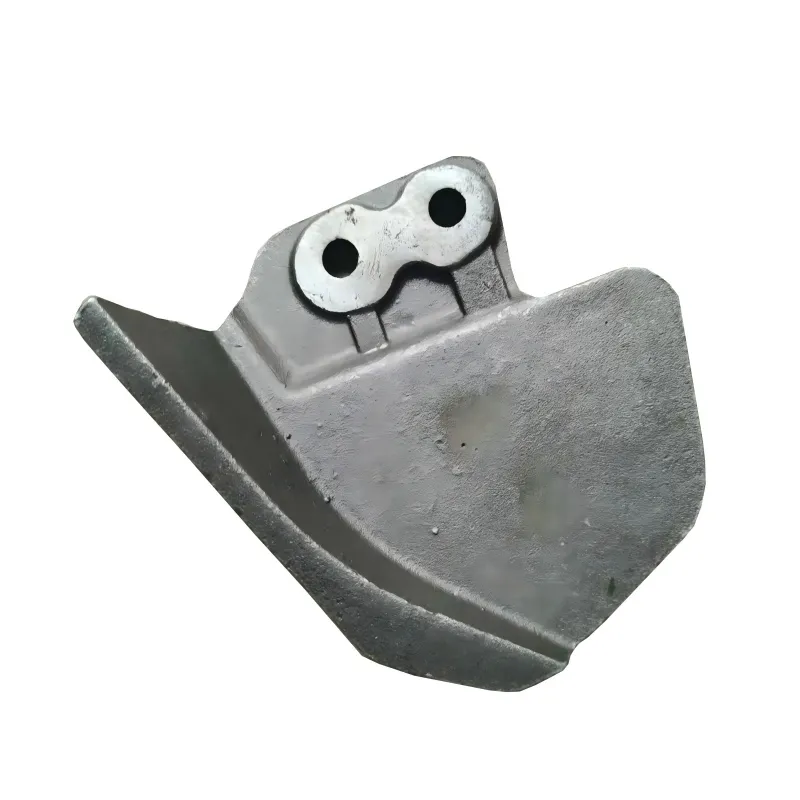
A concrete example: a mounting bracket for a high-temperature sensor in an industrial oven. The spec called for oxidation resistance up to 980°C and good creep strength. The initial design was a welded fabrication from rolled bar stock. The prototype failed at the welds during thermal cycling—the heat-affected zone became the weak link.
The redesign shifted to a monolithic, investment-cast part using a nickel-chromium alloy optimized for oxidation resistance. The complexity was low, so shell molding was considered. However, to achieve the necessary internal reinforcement ribs and avoid stress concentrations from sharp corners, the design required smooth fillets only consistently achievable with investment. We worked with the engineering team at QSY on the pattern design to ensure even wall thickness and proper gating. The part was cast, then precision-machined only at the mounting interfaces.
The key was the integrated approach. Because the same team oversaw casting and machining, they could design the casting with extra stock (allowance) in exactly the right places for the final CNC operation, minimizing machining time and preserving material integrity. The part went into service and performed without issue. The success wasn't just in the alloy choice; it was in the seamless handoff from mold to machine.
Looking Beyond the Data Sheet: The Human Factor
Finally, the most critical component in the chain isn't metallic; it's expertise. You can have all the ASTM certifications in the world, but if the shop floor team doesn't have the ingrained, almost intuitive feel for how a nickel alloy behaves when it's being cut or how the ceramic shell should be dewaxed, consistency is a gamble. This is the intangible value of a supplier with long-term operational history. They've made the mistakes, solved the puzzles, and developed proprietary techniques that never make it to a sales brochure.
When evaluating a source, ask about their historical projects. Ask about a time a project failed and how they diagnosed it. Their answer will tell you more than any glossy capability sheet. The website for Qingdao Qiangsenyuan Technology Co., Ltd. mentions their 30-year tenure and work with special alloys. That timespan implies a depth of problem-solving institutional knowledge that is irreplaceable for navigating the complexities of nickel-based alloy mechanical parts.
In the end, procuring these parts is an exercise in managed risk. You're balancing performance, cost, and lead time. The alloy gives you the potential, but it's the craftsmanship in casting and machining—the kind built over decades—that unlocks that potential reliably. Don't just buy a material; buy a process, and buy the experience behind it.