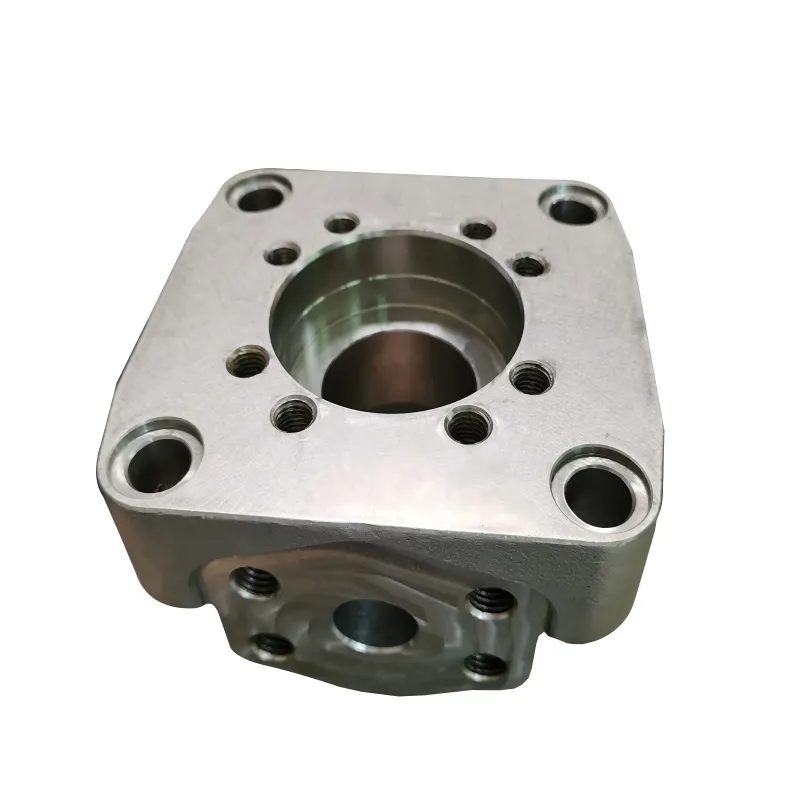
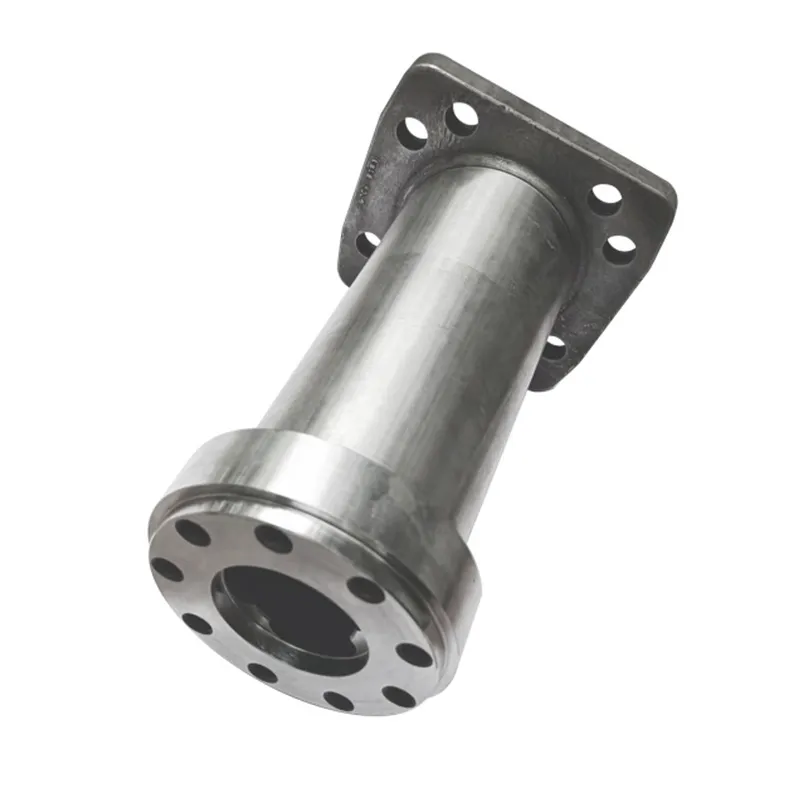
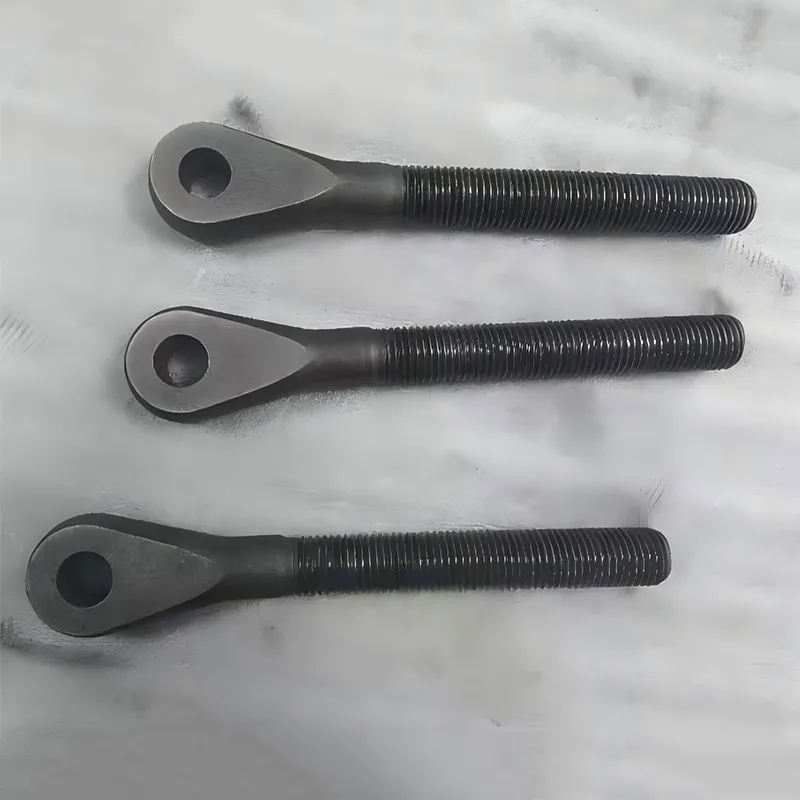
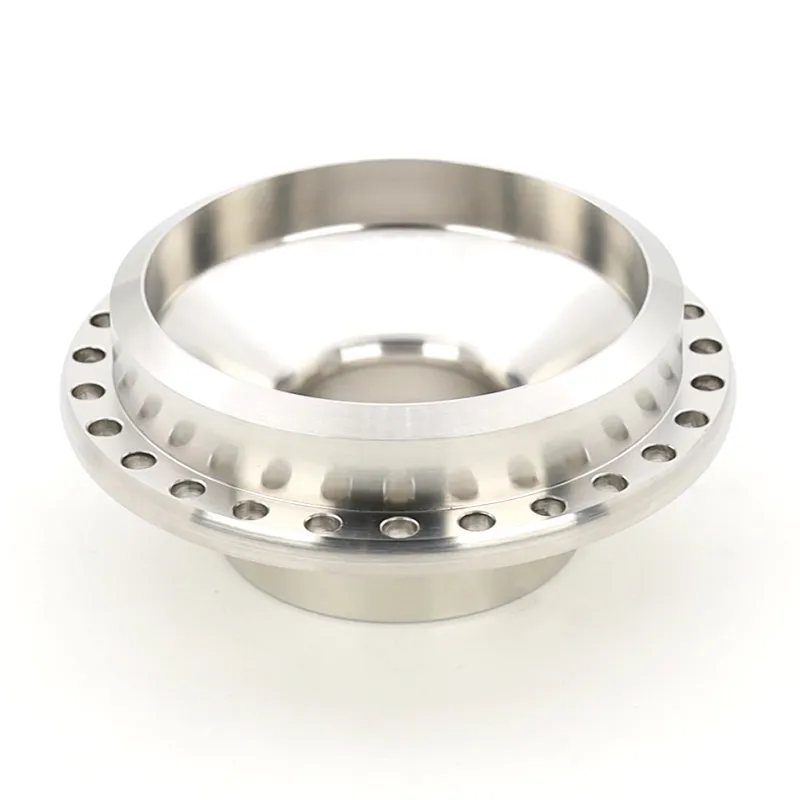
When you hear 'nickel based alloy parts', the immediate image is often one of indestructible, high-tech components destined for jet engines or deep-sea rigs. That's not wrong, but it's a surface-level view that glosses over the gritty reality of actually making them. The real story isn't just about the material's impressive specs—high-temperature strength, corrosion resistance—it's about the immense gap between having a CAD model and holding a finished, functional part that doesn't fail under stress. Too many procurement teams see the alloy grade, like Inconel 718 or Hastelloy C-276, and think the job is mostly done. The truth is, that's where the real work, and the real headaches, begin.
The Casting Conundrum: It's All in the Feed
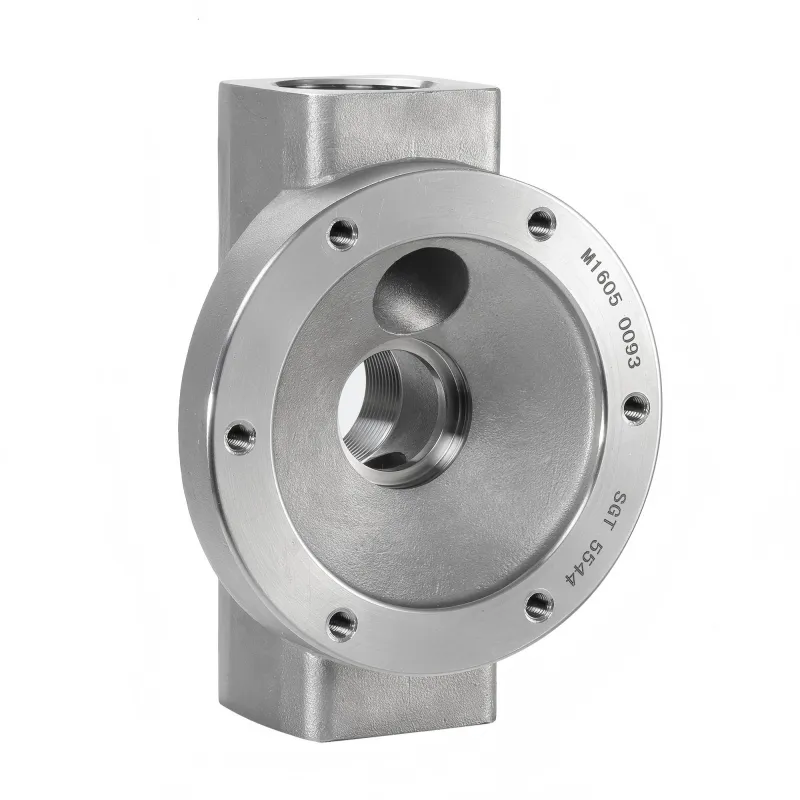
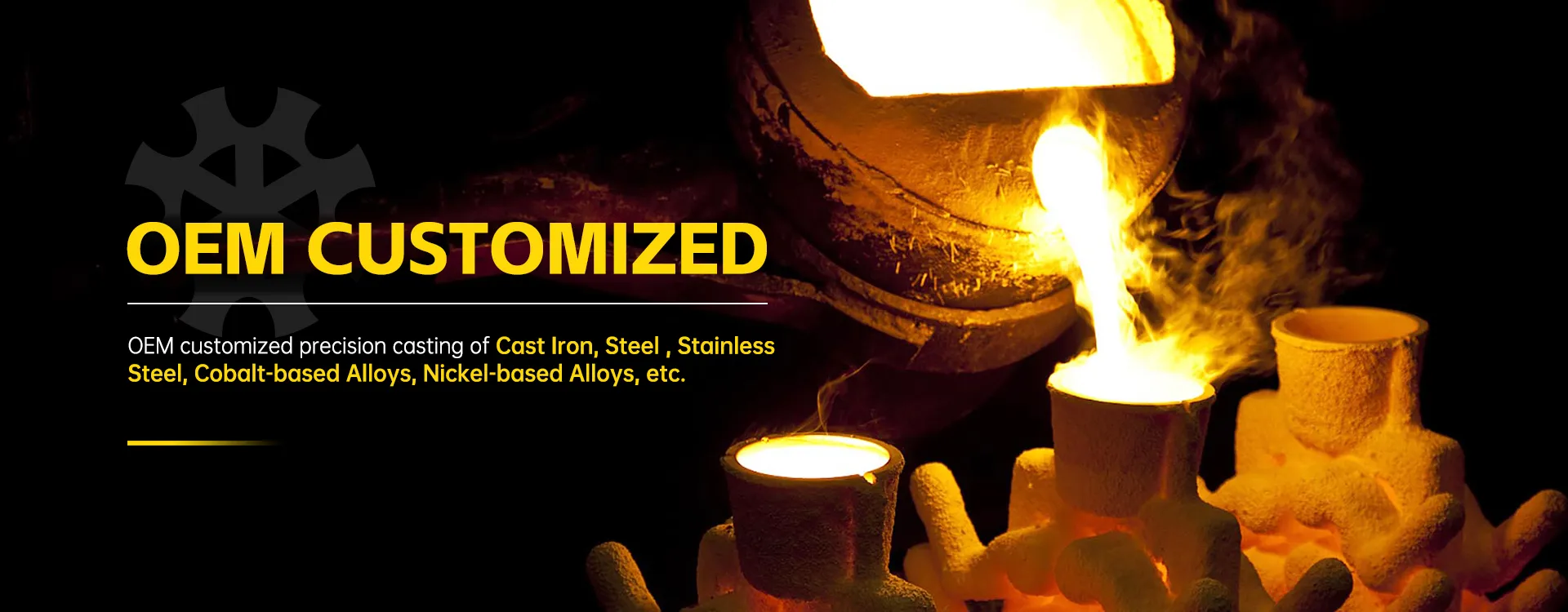
Let's talk about investment casting, a common route for complex geometries. With nickel alloys, it's never just about pouring molten metal into a ceramic shell. The solidification behavior is a nightmare if you don't control it meticulously. Shrinkage is the enemy. You can't just add massive feeders everywhere; you're dealing with expensive material, and excess weight is often a critical design constraint. I've seen parts where the initial gating system design, which worked fine for stainless steel, led to catastrophic centerline shrinkage in a thick section of a nickel based alloy valve body. The part looked perfect on the outside, but ultrasonic testing revealed a porous core that would have cracked under pressure. The fix wasn't a simple tweak; it involved a complete redesign of the feeding system, using simulation software to model the thermal gradients, and then validating it with a series of costly trial pours.
This is where experience from a foundry that's been around the block pays off. A company like Qingdao Qiangsenyuan Technology Co., Ltd. (QSY), with their three decades in casting, would have internal protocols for this. They wouldn't just rely on the simulation; they'd have a library of historical data from similar geometries, knowing that for a specific wall thickness transition in a nickel based alloy part, you need a feeder of a particular diameter-to-height ratio, placed at a precise angle. That kind of tacit knowledge isn't in any textbook; it's built from failed casts and successful ones over years.
The shell mold process itself is critical. The ceramic material's thermal expansion must be compatible with the alloy's to avoid hot tearing or surface defects. For high-gamma-prime alloys like IN-738, used in turbine blades, the mold preheat temperature and the pour temperature have a window of maybe 30 degrees Celsius. Miss it, and you get misruns or excessive grain growth. It's a ballet of extreme heat and precise timing.
Machining: Where Tooling Goes to Die
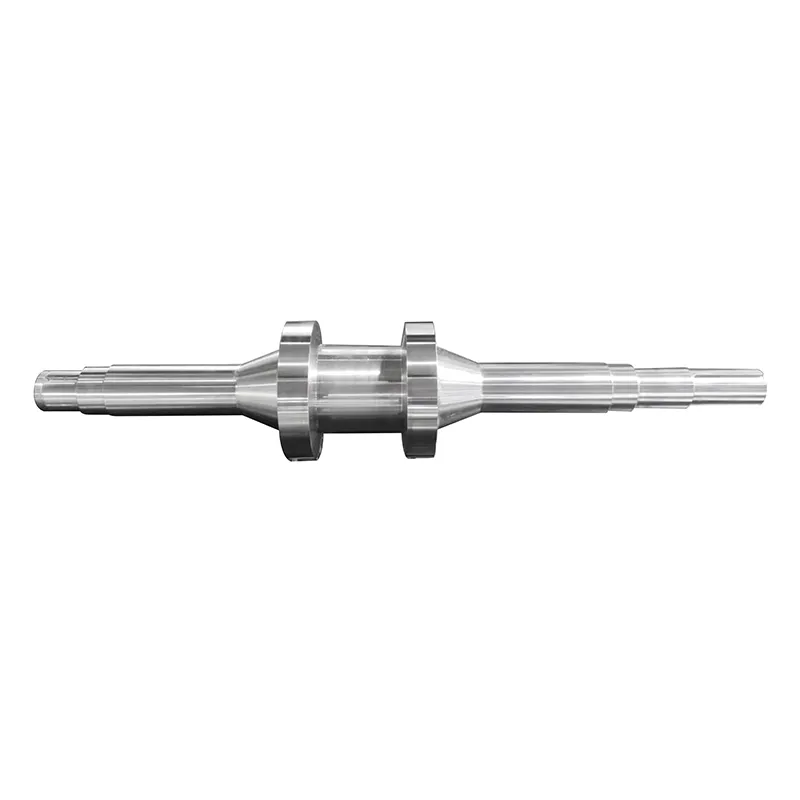
If casting is a controlled burn, machining nickel alloys is a war of attrition. The work-hardening rate is ferocious. You take a cut, and the material beneath the tool hardens immediately. Go in with the wrong parameters, and you're not cutting—you're just rubbing and generating enough heat to weld the workpiece to the tool. I learned this the hard way early on, trying to turn down a diameter on an Inconel 625 shaft. Used a positive-rake tool, standard speeds and feeds for tough steel. Within minutes, the insert was gone, and the part surface was a hardened, glazed mess that required hours of grinding to salvage.
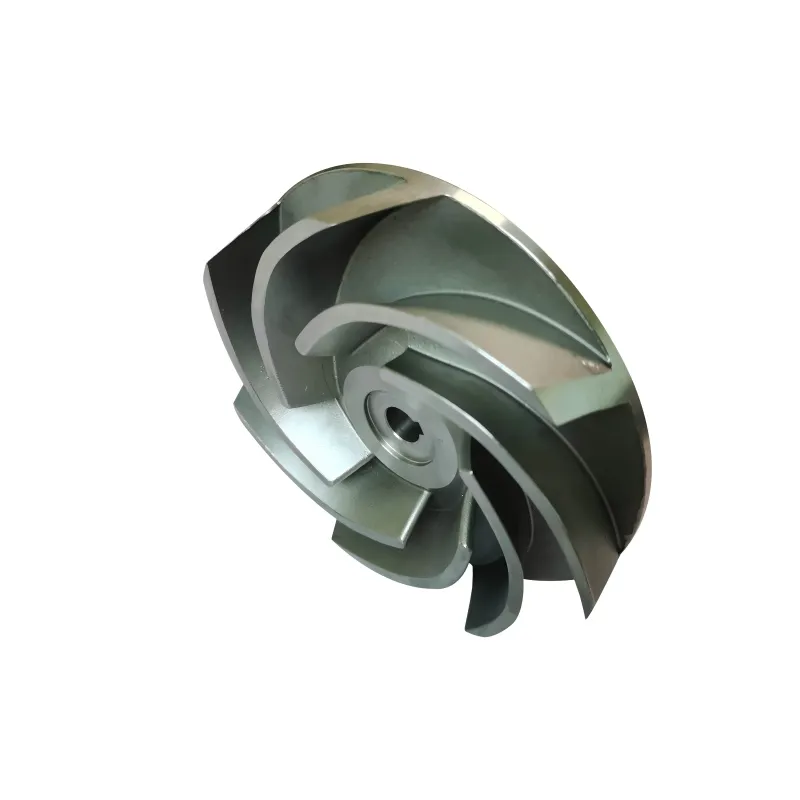
The strategy is counter-intuitive. You need sharp, negative-rake tools, often carbide or ceramic, with a very rigid setup. Low surface speeds, high feed rates, and a constant, aggressive depth of cut. The goal is to get under the work-hardened layer from the previous pass and shear the material before it can harden against the tool. Coolant isn't just for cooling; it's a lubricant to prevent built-up edge and must be delivered at high pressure right at the cutting interface. Even then, tool life is measured in minutes, not hours. For a complex nickel based alloy impeller being machined on a 5-axis CNC, the tooling cost can be a significant portion of the entire job.
This is why the machining capability listed on a website like QSY's isn't just a checkbox. Stating they do CNC machining for special alloys implies they've invested in the right machine tools (high-torque, high-rigidity spindles), have access to specialized tooling, and, crucially, have programmers and operators who understand these non-standard parameters. It's the difference between a shop that can run the part and one that can produce a dimensionally accurate part with a surface integrity that won't initiate cracks in service.
The Dimensional Stability Ghost
Another subtle trap is residual stress. These parts often come out of casting or forging with significant internal stress. You machine them to a perfect tolerance at room temperature. Then, you apply a post-machining heat treatment—say, a solution treatment and aging for precipitation-hardening alloys—to achieve the final mechanical properties. That heat cycle can relieve the stresses, and the part warps. Sometimes only a few thou, but enough to scrap it if tight tolerances are required on thin sections.
The workaround is a sequence of rough machining, stress relief, then finish machining. Sometimes you even have to perform an intermediate aging treatment. It adds steps, cost, and time. I recall a project for a manifold where we missed this. Finished machined the part from a cast blank, then sent it out for heat treat. It came back bowed like a banana. We had to attempt to straighten it, which is risky, and ultimately had to scrap it. The lesson was to always discuss the full manufacturing sequence—from blank to final treatment—with the supplier upfront. A seasoned partner would have flagged that risk immediately.
Welding and Repair: Proceed with Extreme Caution
Sometimes, a casting flaw is found, or a part needs to be built up or joined. Welding nickel alloys is a specialty unto itself. They are prone to hot cracking, porosity, and segregation of alloying elements. The filler metal must be meticulously matched, often with a slightly different composition to control cracking. The area must be impeccably clean—no sulfur, no lead, no oils. Even trace amounts can cause embrittlement.
Pre-heat and interpass temperature control is non-negotiable, as is a specific post-weld heat treatment for many grades to restore corrosion resistance in the heat-affected zone. I've seen attempts to patch weld a minor surface defect on a pump casing using a standard stainless filler rod. It looked okay initially, but in service, that weld zone became the initiation point for severe stress corrosion cracking. The repair cost far exceeded the value of the part. For critical components, welding procedures must be qualified, and the welders themselves need specific training for these materials.
The Supplier Equation: More Than a Material List
This brings me to the core of sourcing nickel based alloy parts. You're not just buying a material; you're buying a supplier's accumulated process knowledge and their problem-solving maturity. When evaluating a company, their years in business, like QSY's 30 years, suggest they've navigated these pitfalls. But you need to dig deeper. Do they have metallurgists on staff or on call? Can they show you examples of how they've solved similar problems—like controlling grain structure in a thin-walled casting or managing tool wear in deep-pocket milling? Can they articulate their approach to first-article validation, beyond just checking dimensions?
The website intro mentions they work with special alloys (cobalt-based alloys, nickel-based alloys, etc.). That etc. is important. It hints at a capability that extends beyond a standard menu. The best suppliers are those who engage in the challenge. They'll ask about the application environment, the load cycles, the failure modes you're trying to avoid. They'll question your design for manufacturability, suggesting subtle draft angles or radius changes that make the part more castable or machinable without compromising function. That dialogue is worth more than a low price per kilogram.
In the end, successful nickel alloy components are born from a collaboration between a thoughtful designer and a capable, communicative manufacturer. The material is a promise of performance, but that promise is only fulfilled through a deep understanding of the entire journey from ingot to installed part. It's messy, expensive, and fraught with potential failure points. But when it's done right, there's nothing else that can do the job.