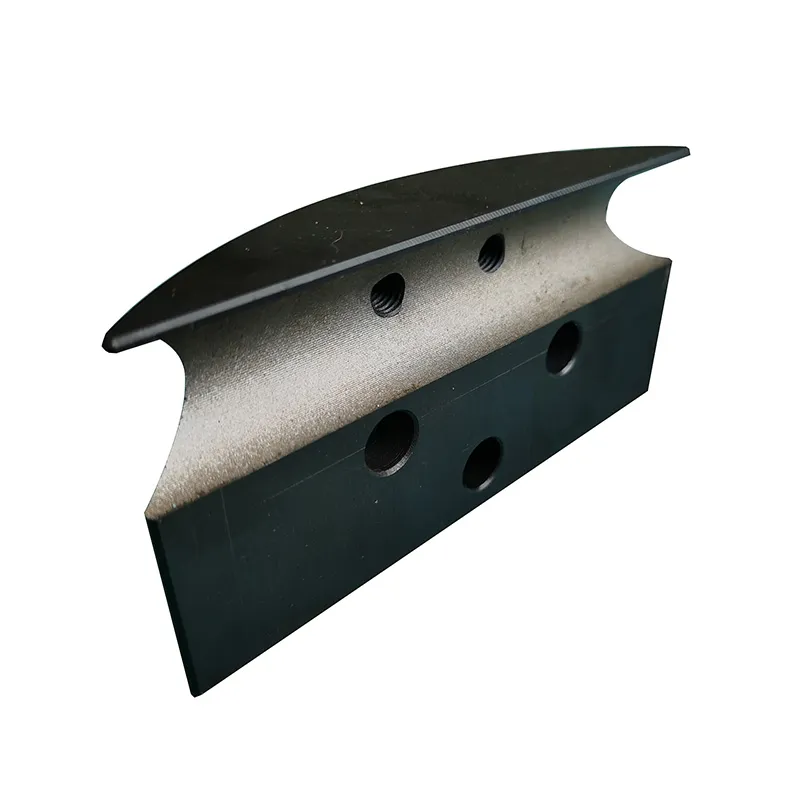
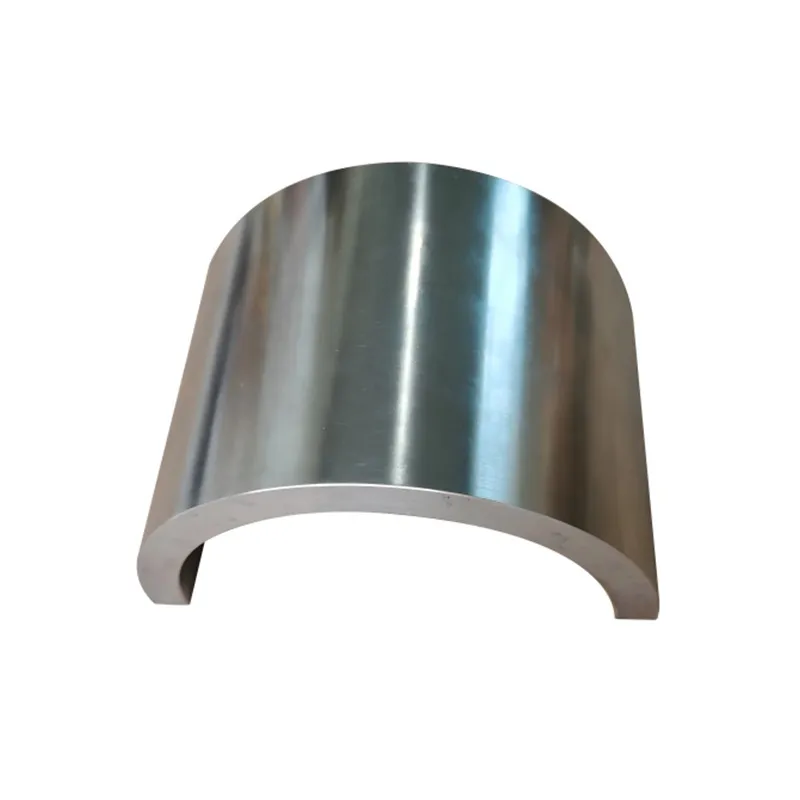
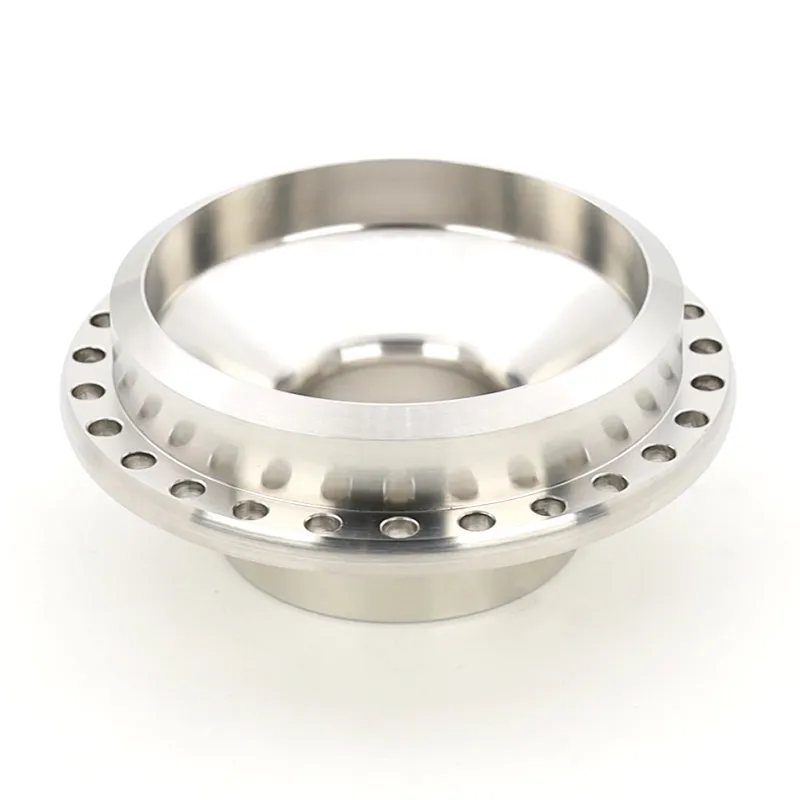
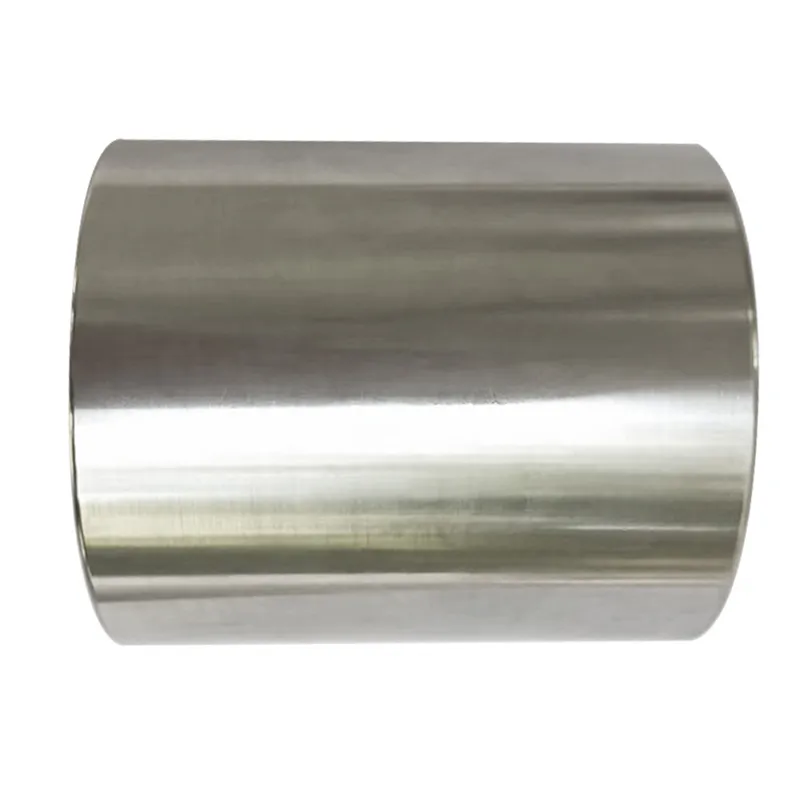
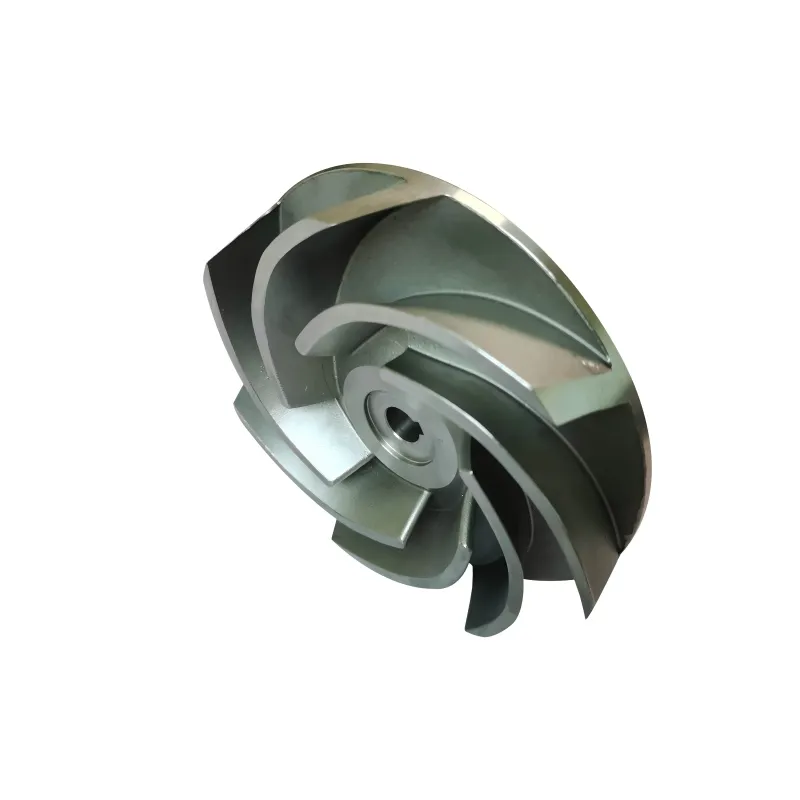
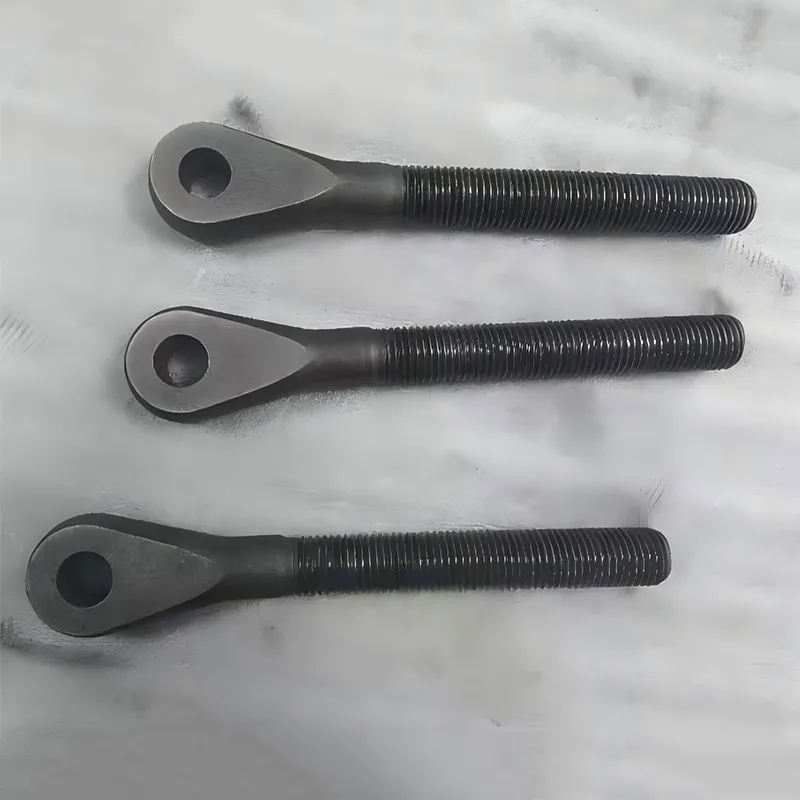
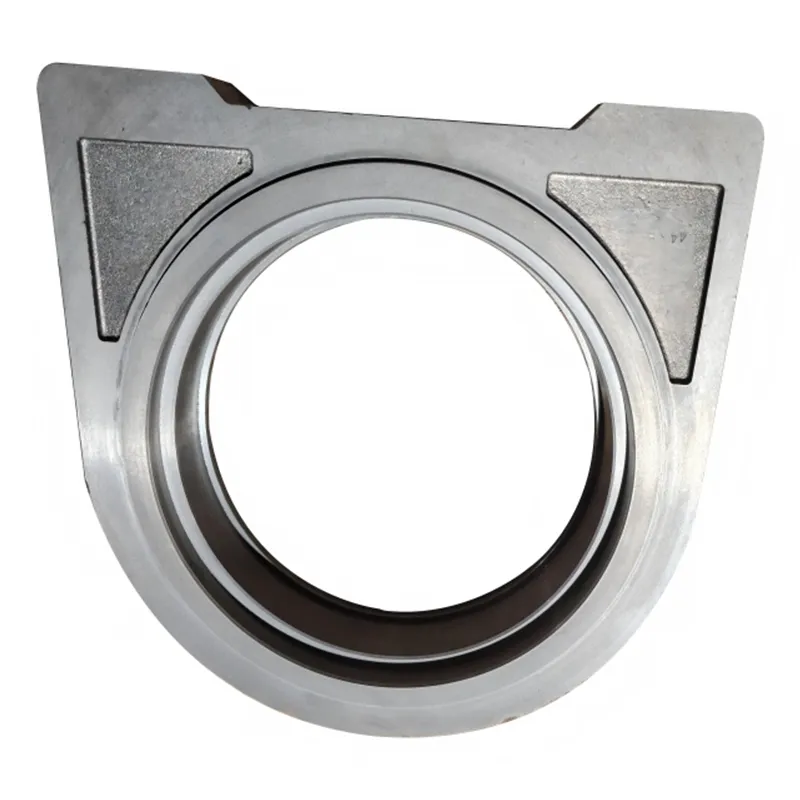
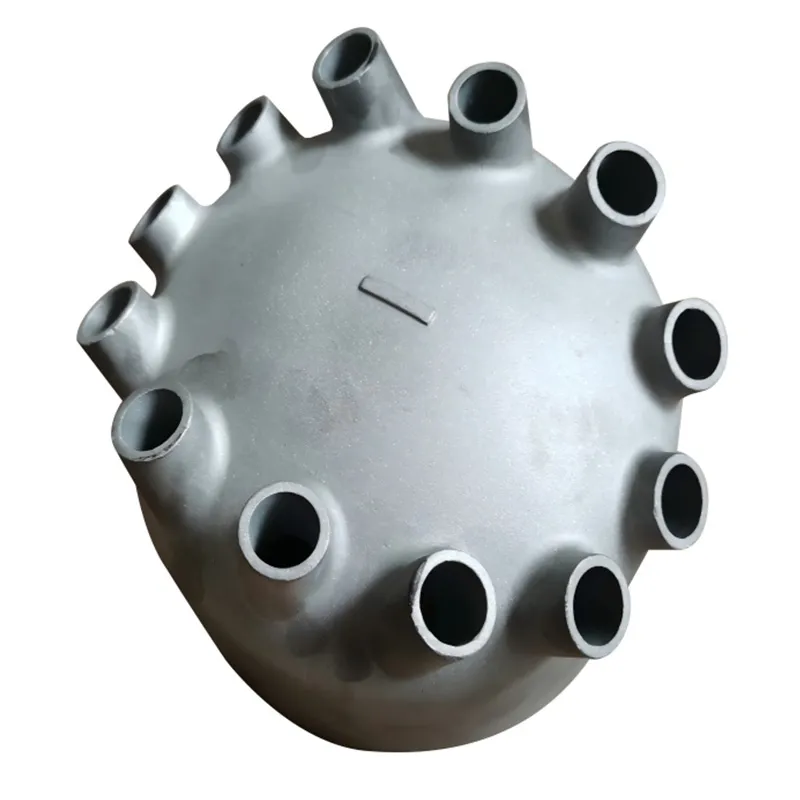
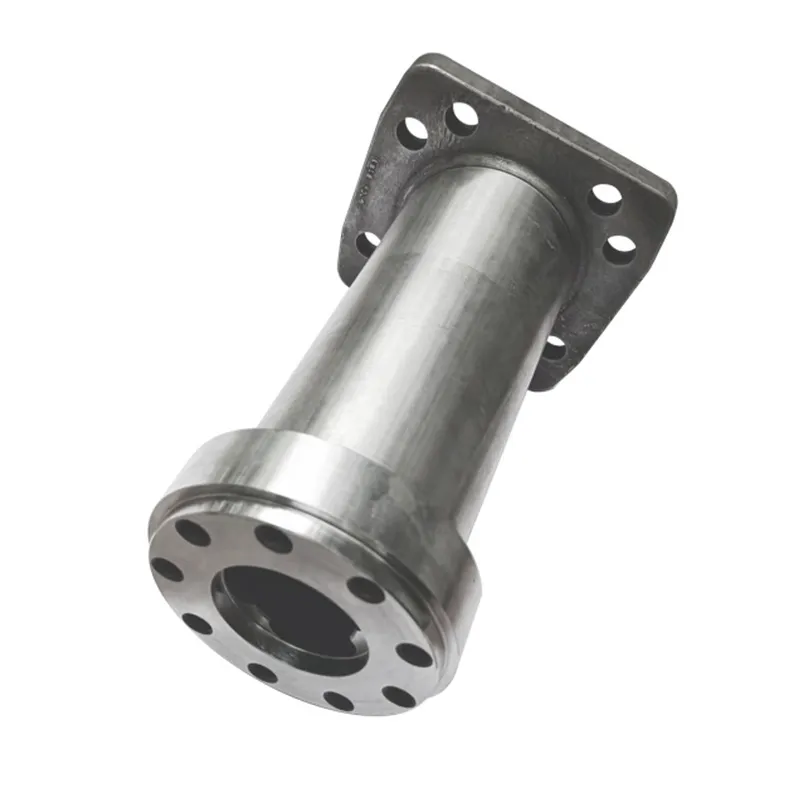
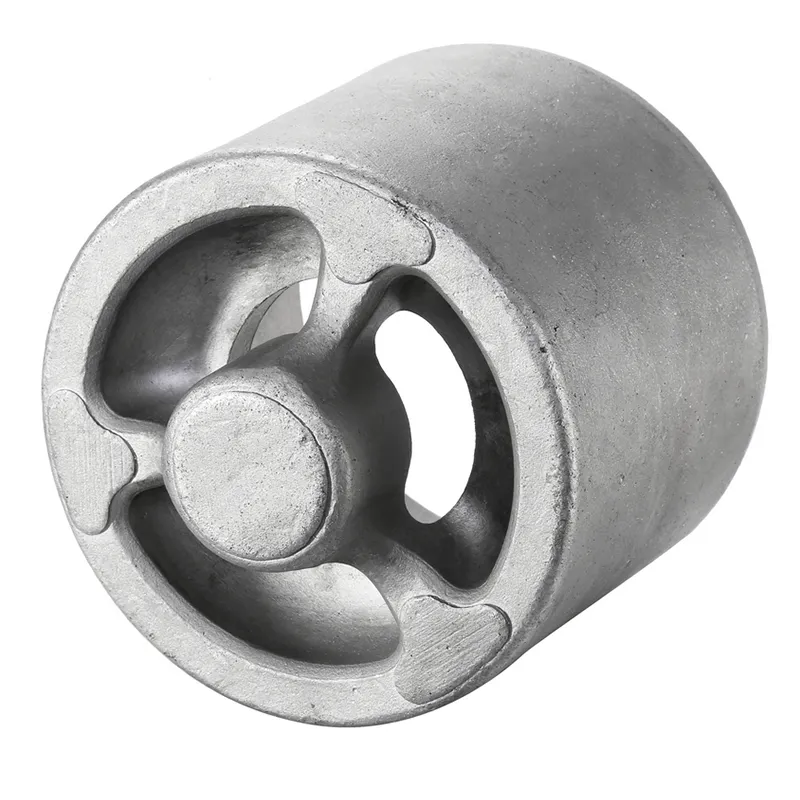
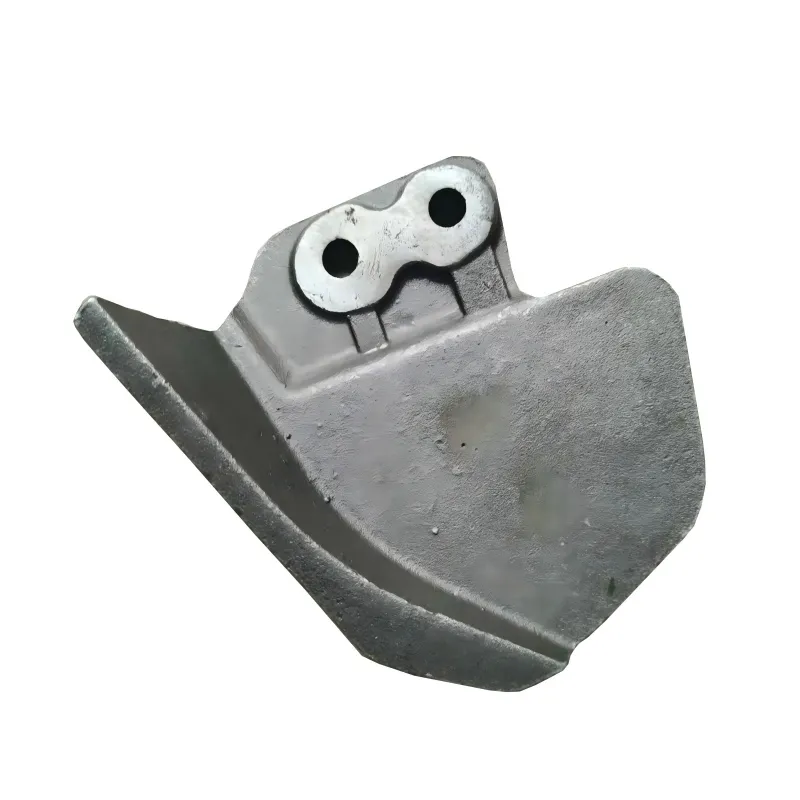
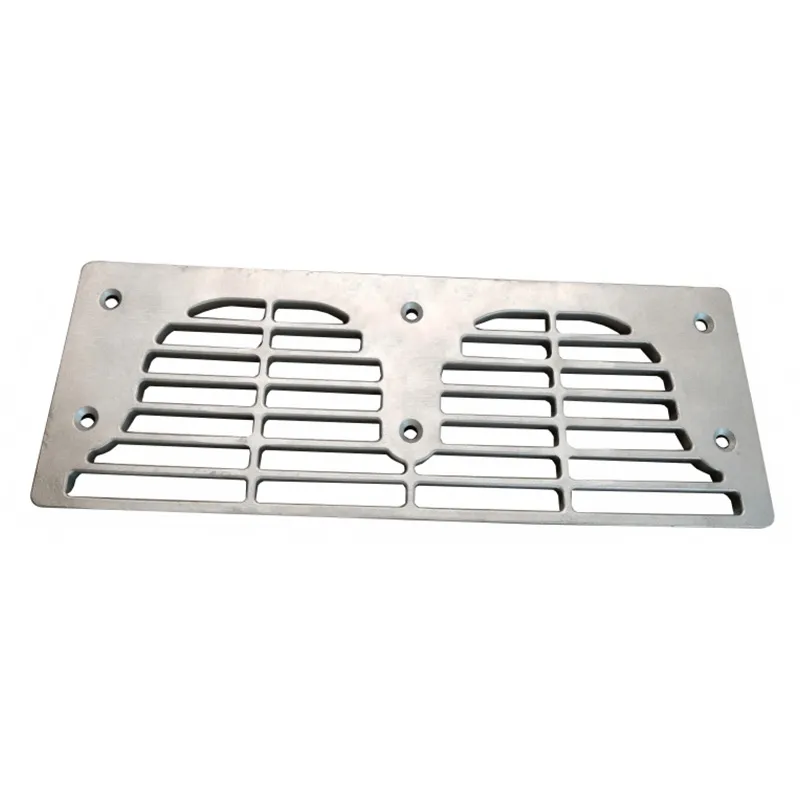
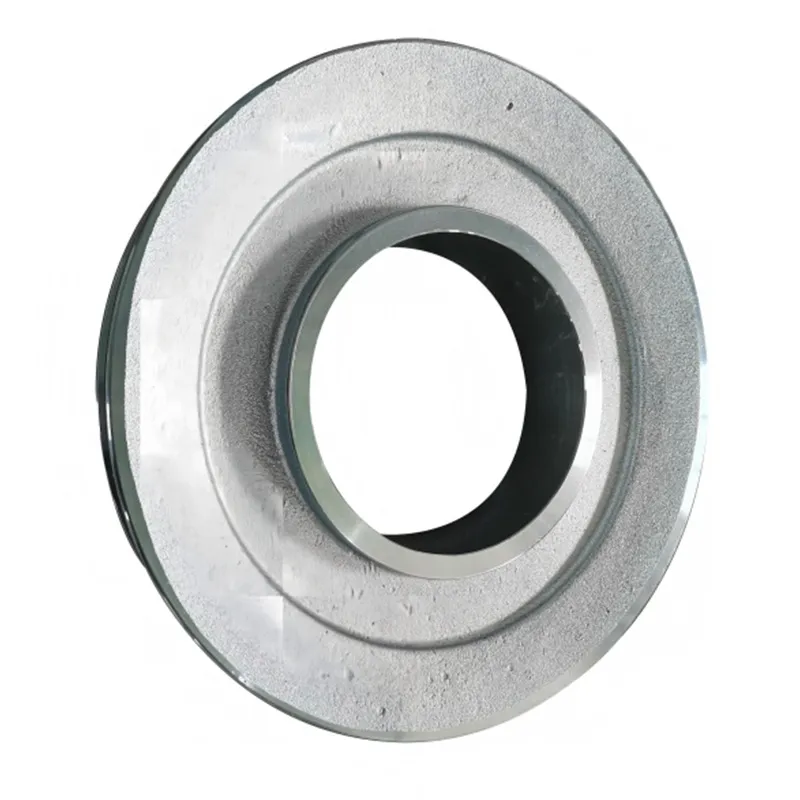
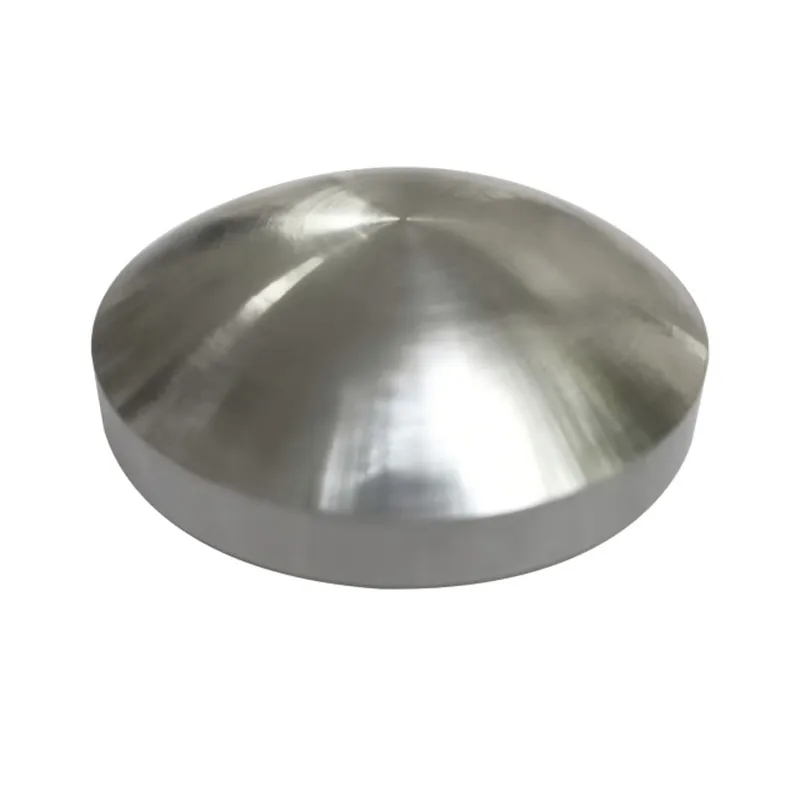
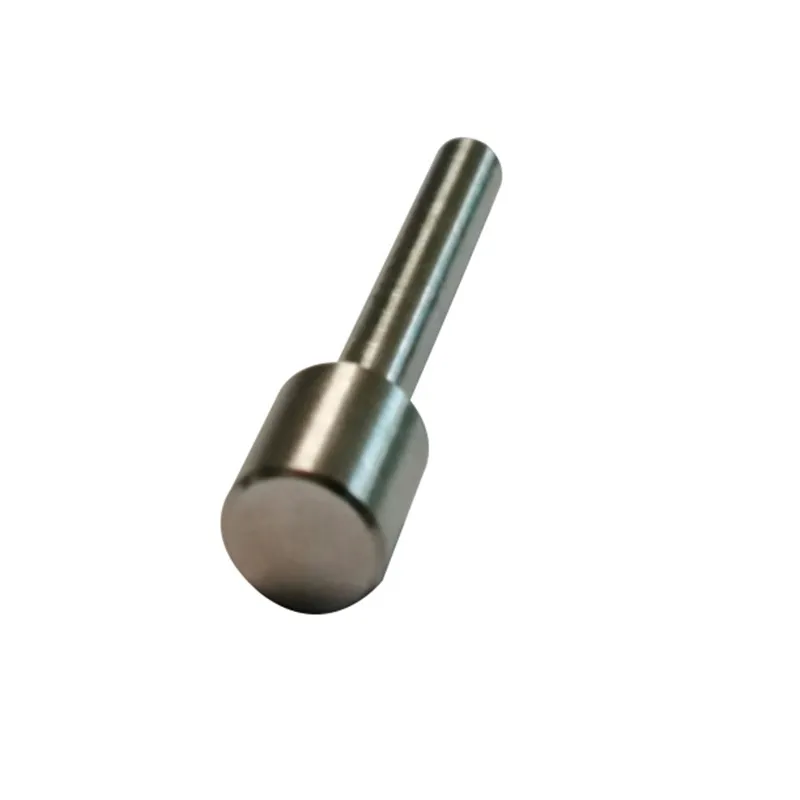
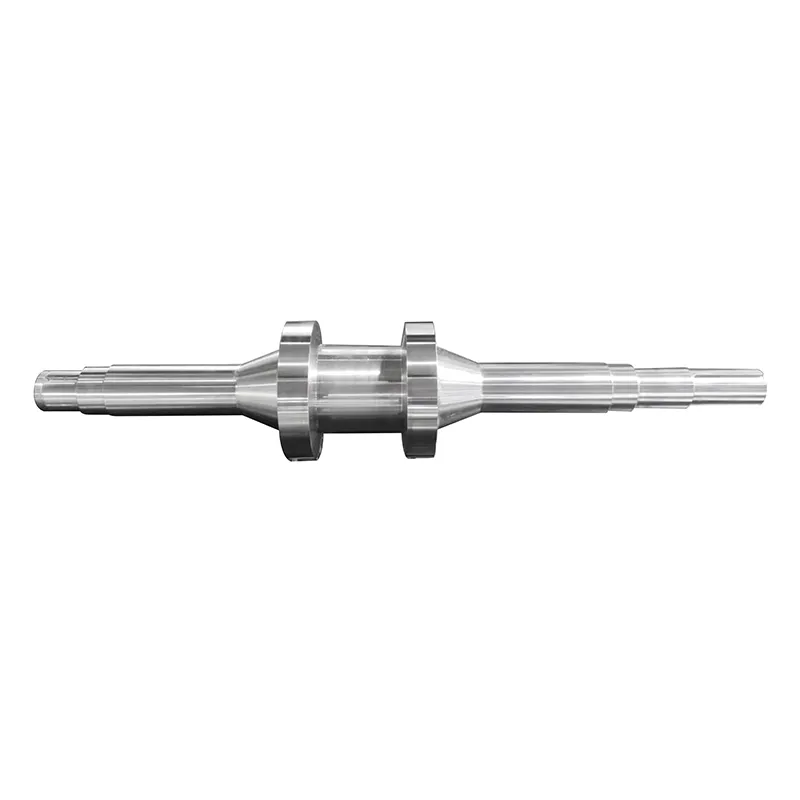
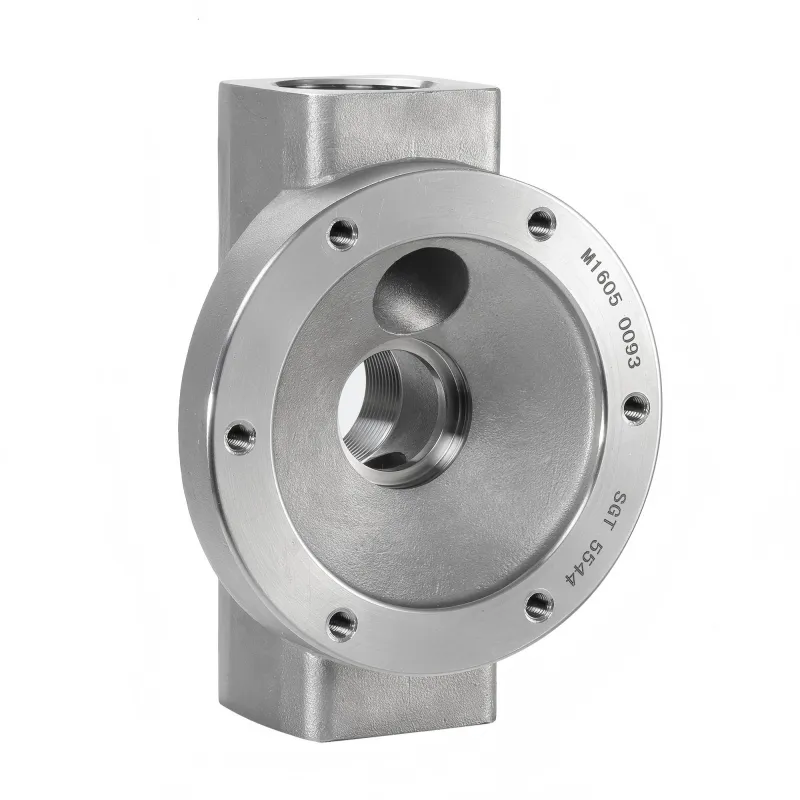
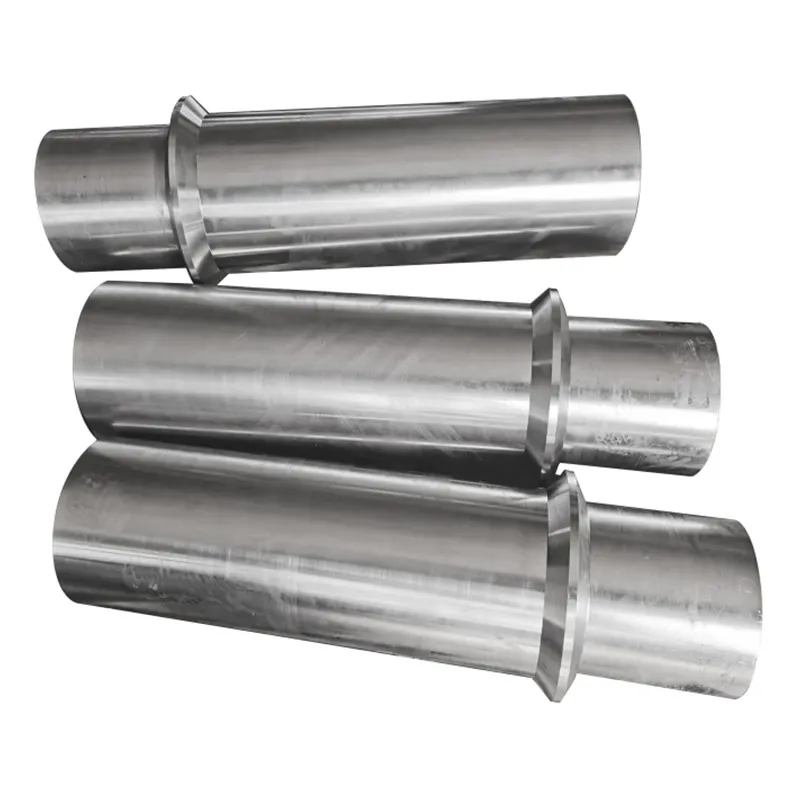
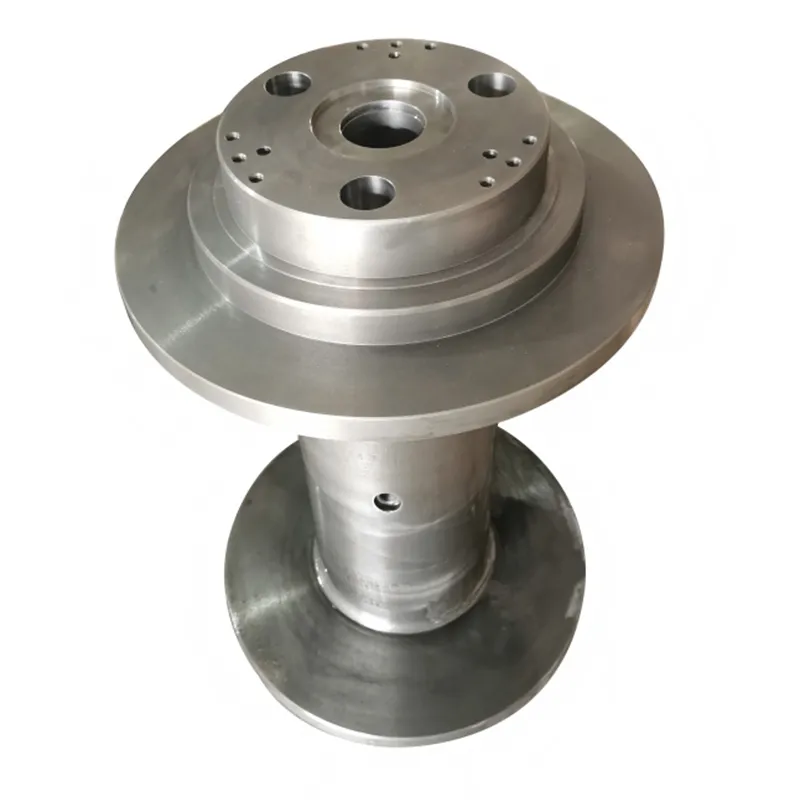
When most people hear non-standard metal parts, they picture a simple bracket that's a bit longer than usual, or maybe a gear with an odd tooth count. That's the first misconception. In reality, it's a world defined by the absence of a catalog number. It's not just about a tweaked dimension; it's about creating a functional solution where an off-the-shelf component fails, often under punishing conditions of heat, stress, or corrosion. The real challenge isn't just making it—it's making it work reliably when there's no precedent to follow.
The Core of Non-Standard: It's a Process, Not a Product
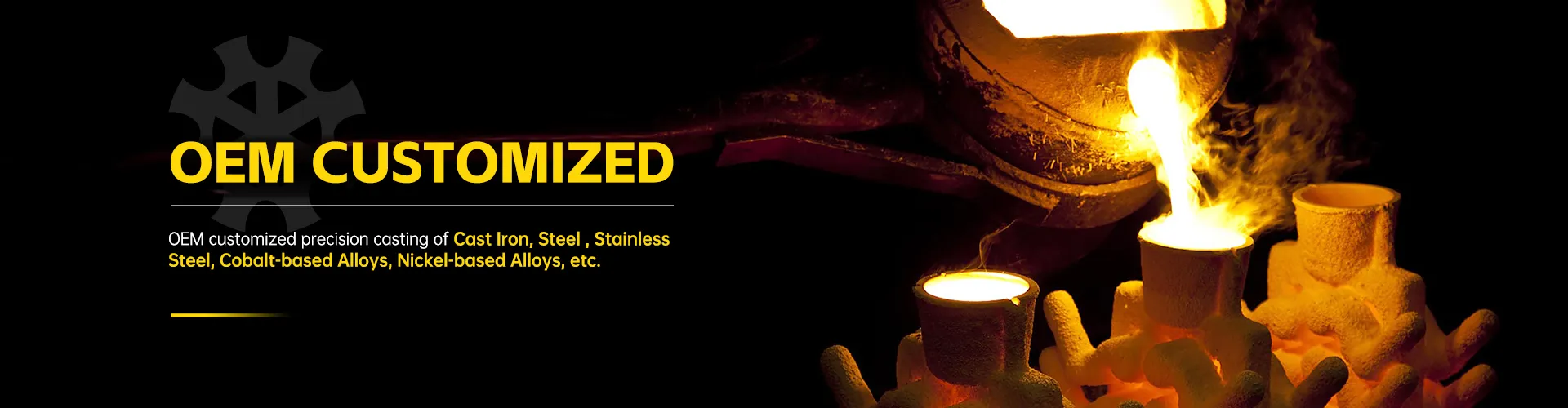
You can't separate these parts from the process chain. A drawing lands on your desk—often a rough sketch from an engineer—and the first question isn't can we machine this? It's what's it for? The function dictates everything: the material, the casting method, the machining tolerances. For instance, a high-temperature valve component for a chemical plant isn't just a stainless steel part. It starts as an investment casting in a nickel-based alloy to handle the corrosion, then undergoes precise CNC machining for the sealing surfaces, followed by specialized heat treatment. The part is born from this sequence. A company like Qingdao Qiangsenyuan Technology Co., Ltd.(QSY), with their three decades stacking up experience in both casting and machining under one roof, gets this intrinsically. You can see their approach on their portal at https://www.tsingtaocnc.com—they don't just offer services; they show the integrated capability. That's key. Farming out the casting to one shop and machining to another for a true non-standard part is a recipe for finger-pointing when something goes wrong.
Material selection is where the first major decisions happen, and where mistakes are costly. A client once insisted on 316 stainless for a part in a highly chlorinated environment, citing industry standard. We pushed back, suggesting a duplex stainless or even a nickel alloy. They went with 316 to save cost. Six months later, we were machining a replacement set from alloy 20. The lesson? Non-standard often means the operating environment is non-standard too. The material libraries you see on a site like QSY's, listing everything from cast iron to cobalt-based alloys, aren't just a menu; they're a toolkit for solving these unspoken environmental problems.
The prototyping phase is brutal. It's where theoretical design meets physical reality. You might have a beautiful CAD model of a complex, thin-walled turbine housing in Inconel. But can the shell mold casting process achieve that wall thickness without defects? Can the CNC tooling reach the internal channels without deflection? We've had designs that looked perfect but required us to develop custom fixtures just to hold the workpiece during machining, adding 30% to the timeline. This is the hidden cost of non-standard work. It's not an inefficiency; it's the R&D tax.
When Casting and Machining Collide (Literally)
This is the gritty detail most gloss over: the handoff from the foundry to the machine shop. For a standard part, you have a spec. For a non-standard part, you establish the spec through the first article. A shell mold casting, known for its good surface finish and dimensional accuracy, still has variables—shrinkage rates differ slightly batch to batch, especially with special alloys. The machinist needs to know where the datum is on the raw casting. Is it a surface? A cast-in pilot hole? We learned this the hard way early on by machining from a theoretical centerline on a pump housing. The result was a beautifully machined part with wall thicknesses that varied by 1.5mm, rendering it useless. Now, the process involves a preliminary layout inspection on the first casting, literally painting it with blue dye and scribing the actual machining datums onto it. It's low-tech but vital.
CNC machining non-standard castings is another beast. You're not starting with a uniform billet. You're clamping onto a rough, often uneven, casting. The first cut is critical—it establishes your reference plane and often reveals subsurface porosity or inclusions. I remember a large ductile iron gear blank where the tool chattered on the first pass. We found a hard spot, a chill zone from the casting process. The whole machining sequence had to be adjusted on the fly, slowing feeds and speeds. If you're just a machining shop buying raw castings from a third party, this discovery leads to stoppages and blame. When the foundry and machine shop are integrated, like at QSY, the feedback is immediate. The foundry team can adjust the pouring temperature or mold coating for the next batch, and the machining team adapts their program. It turns a problem into a process improvement.
Then there's the geometry that gives programmers headaches. Deep internal pockets, interrupted cuts on investment-cast turbine blades, weird compound angles. It's not just about 5-axis capability; it's about toolpath strategy. Using a tool that's too long can cause deflection, ruining tolerance. Sometimes, you have to design and make a non-standard toolholder or a custom boring bar. The goal isn't just to remove metal; it's to do so without inducing stress or vibration that could affect the part's final performance. This is where the 30 years of background QSY mentions isn't a marketing line—it's a library of past solutions to pull from when a new, weird challenge arrives.
The Alloy Dilemma: Special Means Expensive, But Necessary
Clients balk at the quote for a cobalt-based alloy part. I get it. The material cost per kilogram is staggering. The justification isn't in the material itself, but in the failure it prevents. We worked on a component for a plastic extrusion die—a wear plate. Standard tool steel would last about 3 months in the abrasive, hot polymer flow. We prototyped it in a cobalt-chromium alloy (Stellite type). The machining was a nightmare; it work-hardens instantly, requiring rigid setups and sharp, specialized carbide tools. But that plate ran for over 18 months. The downtime savings dwarfed the part's cost. The expertise here is twofold: knowing when to recommend these special alloys, and knowing how to work with them. It's not a capability you just buy; you build it through ruined tools and broken taps.
Heat treatment of these non-standard alloys post-machining is another minefield. For many high-performance steels and nickel alloys, the heat treatment is integral to achieving the required material properties—hardness, tensile strength, stress relief. But heat treatment can cause distortion. The sequence matters immensely. Do you rough machine, heat treat, then finish machine? Or do you machine fully, then heat treat at a lower temperature to minimize warping? There's no textbook answer. It depends on the part's geometry, the alloy's behavior, and the final tolerance. We've had to scrap batches because we got the sequence wrong for a new part shape, even though we'd used the same alloy before. Each new geometry is a new experiment.
Communication: The Most Critical Non-Standard Tool
The biggest failures rarely stem from technical inability. They come from communication gaps. The engineer designs for function. The foundry thinks in terms of castability. The machinist thinks in terms of tool access and tolerances. When these are separate entities, you get a game of telephone. The drawing gets interpreted, then re-interpreted. A critical note about a sealing surface finish (say, a 0.8μm Ra) might get lost if the drawing calls it out only in the general notes and not on the specific feature callout. We now insist on a kick-off call for any complex non-standard job, with the client's engineer, our foundry lead, and our machining lead all on the line. We go over the drawing line by line, questioning everything. Does this radius have to be 3mm, or is it just for clearance? Can we add a small tool access chamfer here? This conversation is more valuable than any advanced software.
This is why a company's operational history matters. When you see that a firm like QSY has been in casting and machining for over 30 years, it implies they've likely structured their workflow to facilitate this exact kind of cross-discipline dialogue. It's baked into their operation. Their website, https://www.tsingtaocnc.com, frames their services around the combined offering—shell mold and investment casting feeding into CNC machining. That structure isn't accidental; it's a response to the fundamental need in the non-standard metal parts world: seamless integration from molten metal to finished component.
Documentation is the final, unsexy pillar. For a standard part, you ship it with a certificate of conformity. For a non-standard part, you often need a full dossier: material certs, heat treatment charts, first-article inspection reports with CMM data, even photos of critical stages. This isn't bureaucracy; it's traceability. When that part is buried in a multi-million dollar assembly two years from now and a question arises, that dossier is the only defense. Building this into the process flow from day one is a mark of a mature supplier.
In the End, It's About Solving the Unwritten Problem
So, what are we really talking about with non-standard metal parts? We're not just manufacturing an object. We're materializing a solution to a problem that hasn't been solved before in quite the same way. The value isn't in the kilogram of metal shipped. It's in the embedded knowledge—the understanding of how a nickel-based alloy flows in an investment mold, the intuition for where to place a riser to prevent shrinkage in a complex steel casting, the experience to choose the right coating for a carbide tool milling a cobalt alloy.
It's a field driven by exceptions, not rules. Every new part is a small project, with its own risks and learning curve. The companies that last, the ones that build a 30-year reputation like QSY, do so by systemizing how they handle these exceptions—not by making them standard, but by having a robust, communicative, and integrated process that can absorb the variability and still deliver a part that works. The next time you see a non-standard RFQ, look past the drawing. See if the supplier asks about the function, the environment, the failure mode of the previous part. That's the sign they're in the business of solving problems, not just cutting metal.