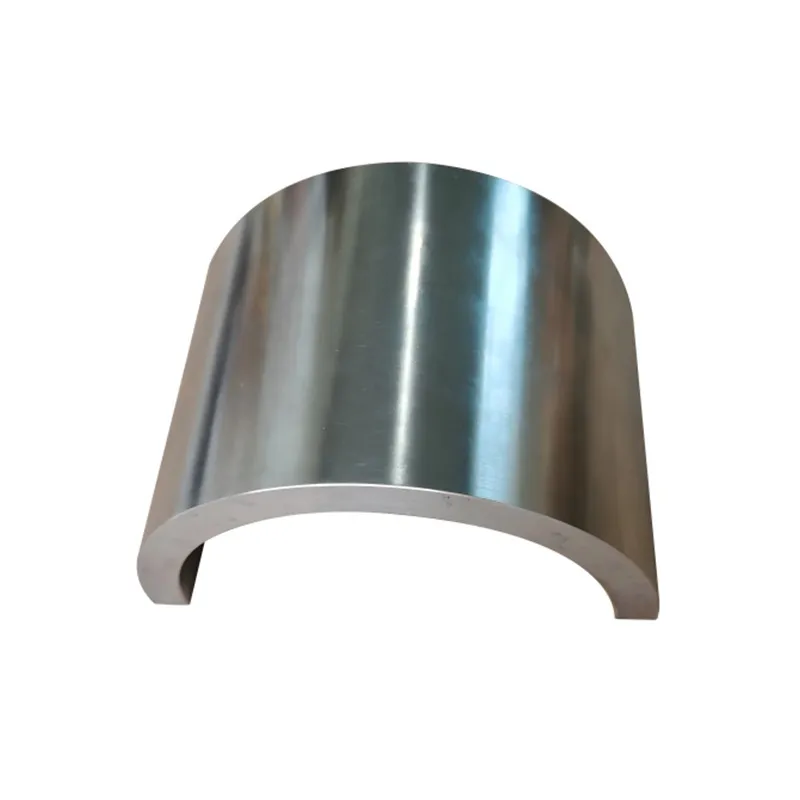
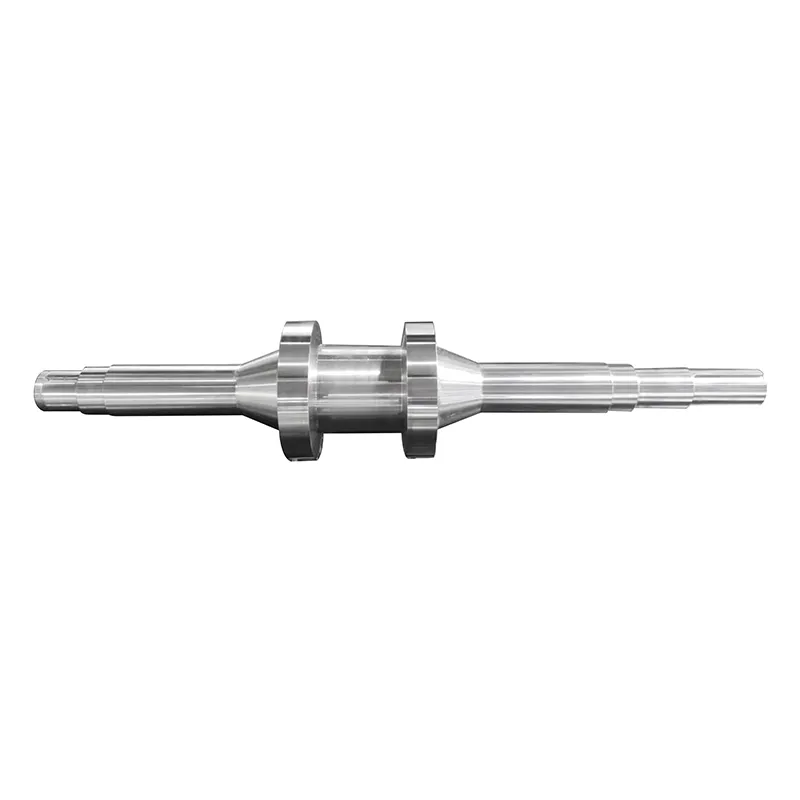
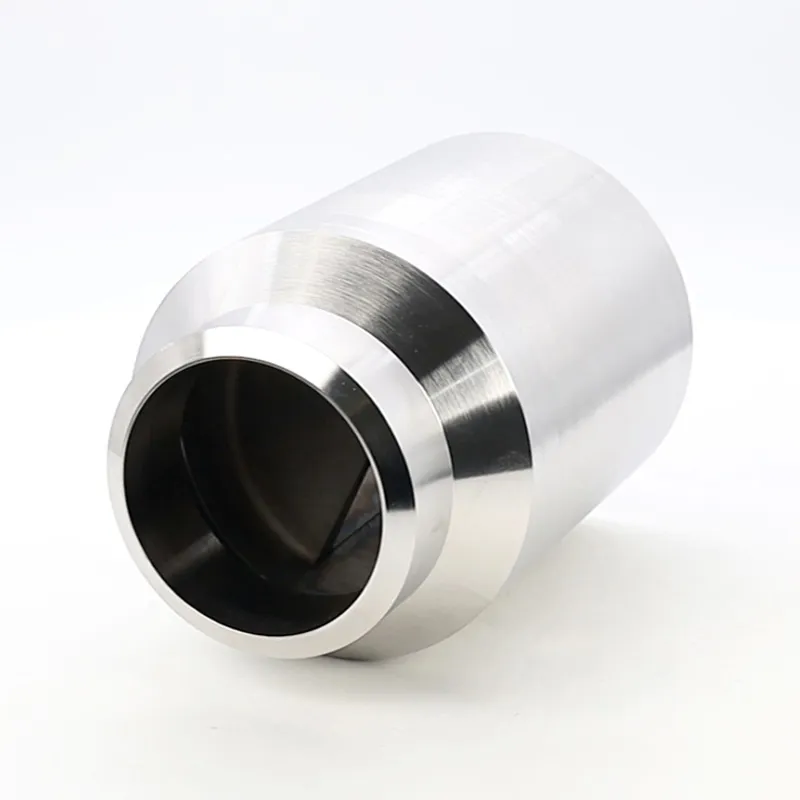
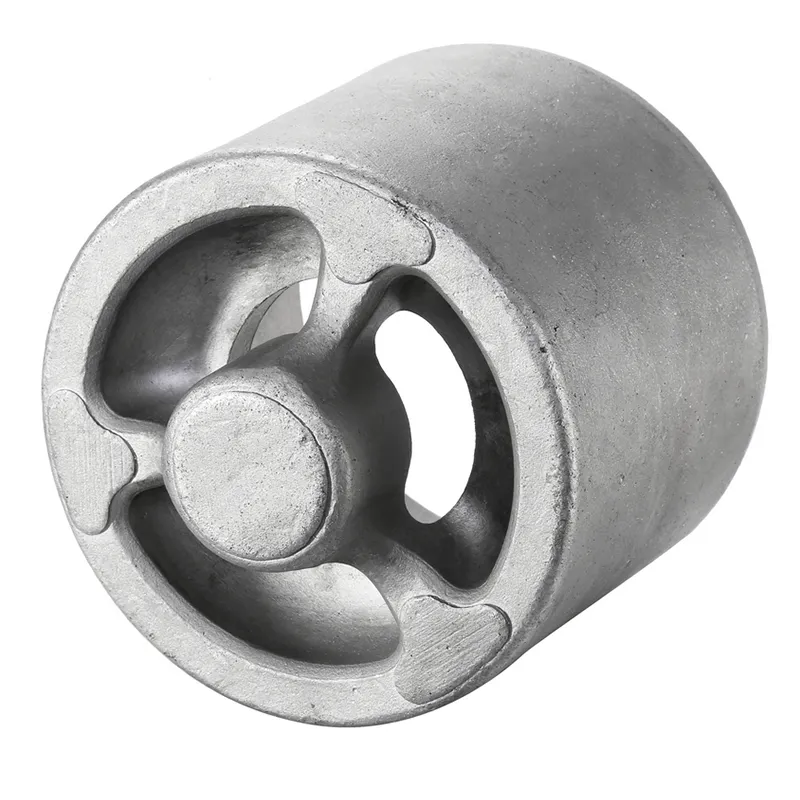
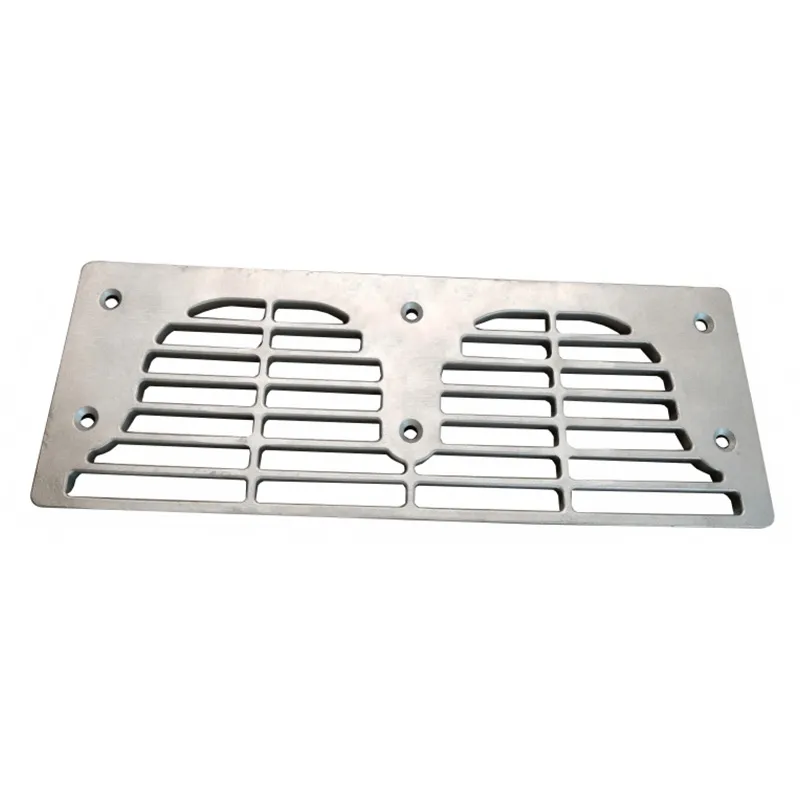
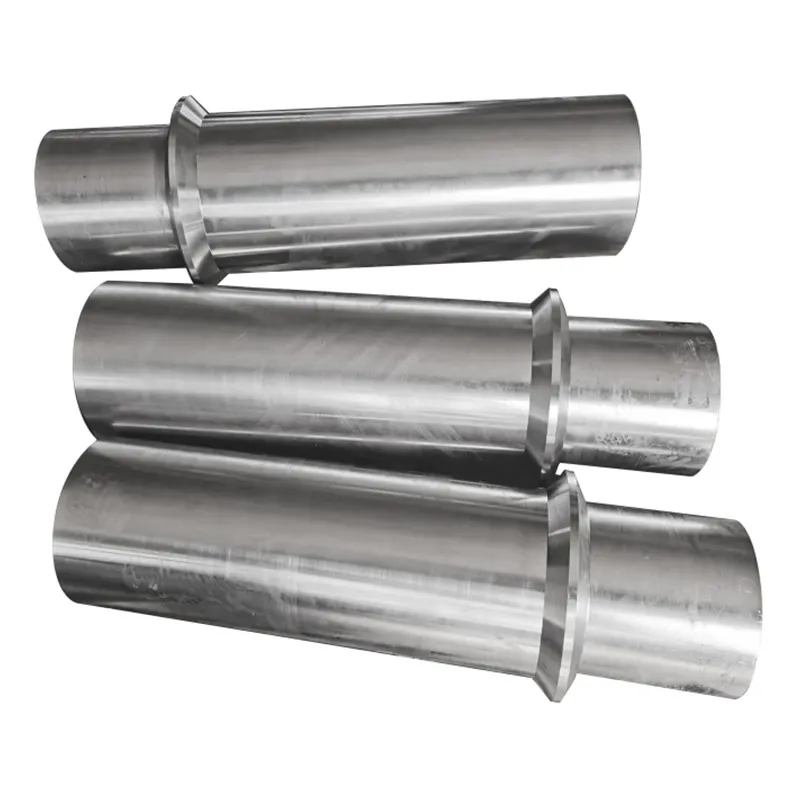
When people hear 'non-standard metal parts for buses', they often think it's just about one-off replacements or custom decorative trim. That's a common misconception. In reality, it's the backbone of fleet adaptability, retrofitting, and keeping older models running when OEM support dries up. It's not glamorous, but it's where real operational challenges get solved.
The Real Scope of Non-Standard
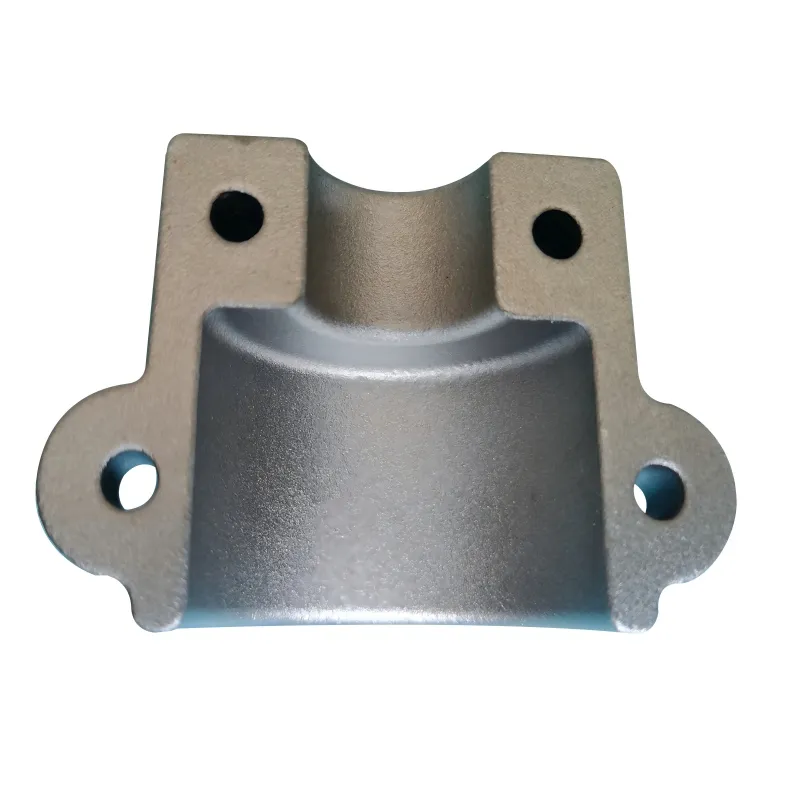
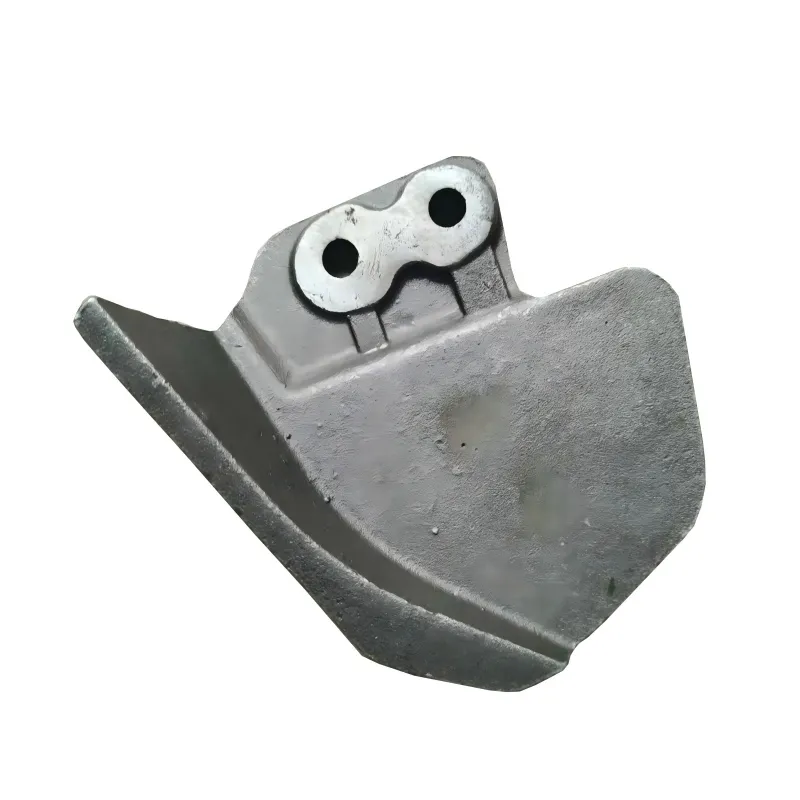
It's rarely about designing a part from a blank sheet. More often, it's a reverse-engineering puzzle. A bus operator in the Midwest needed a replacement for a failed engine mounting bracket on a 15-year-old coach. The OEM had discontinued it. The challenge wasn't just the shape; it was the material specification and the post-casting heat treatment to handle constant vibration stress. We had to source a similar grade of forged steel and tweak the annealing process based on the wear patterns we observed on the old part.
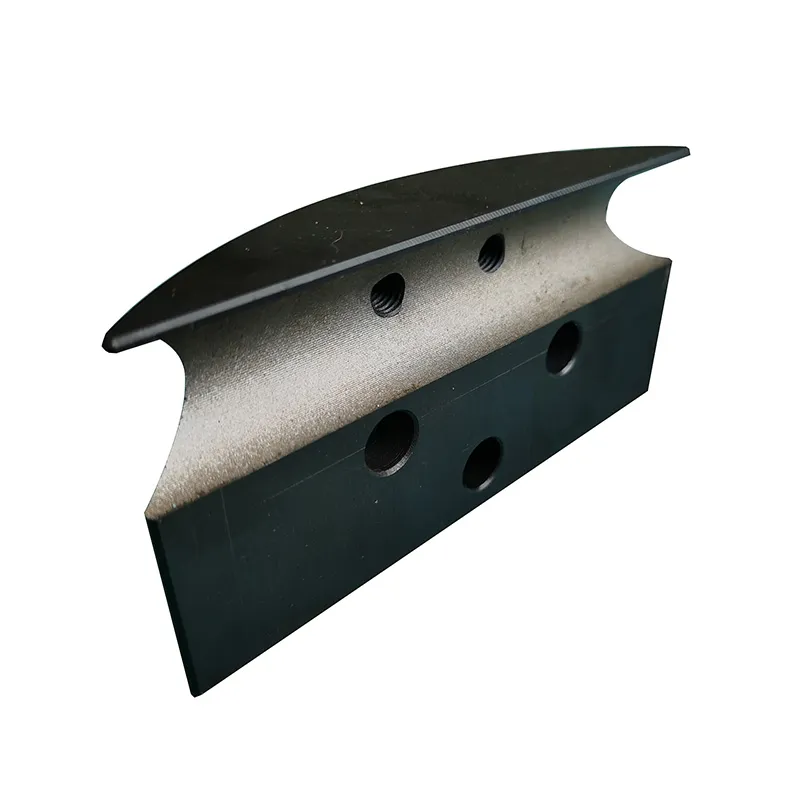
Then there's the retrofit market. Think about adding wheelchair lift mechanisms to older bus frames. The reinforcement plates and custom hinge pins aren't in any standard catalog. They need to interface with existing, often worn, structures. The tolerance here isn't just about the new part; it's about compensating for frame fatigue. You sometimes end up with a slightly modified design—maybe an extra millimeter here, a different chamfer there—based on measurements from three different buses of the same model. It's messy, practical work.
Another grey area is non-standard for regional conditions. Coastal fleets need stainless steel fasteners and brackets with much higher chromium content to fight salt spray, far beyond what the original spec might have called for. It's a value-add that comes from seeing what fails first in the field.
Material Choices: Where Theory Meets the Road
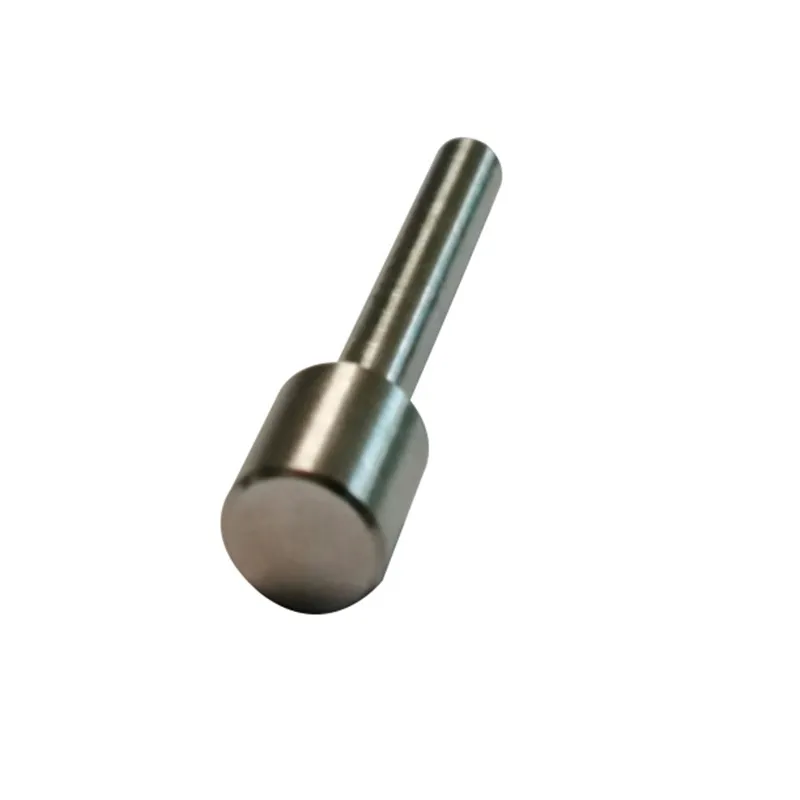
Catalog specs suggest materials. Real-world stress points demand them. For high-wear components like air brake system linkages, ductile iron might be the standard call. But in a high-frequency stop-start urban route, we've seen accelerated wear at pivot points. In one case, we switched to a through-hardened 4140 steel for the clevis pins, which doubled the service interval. The trade-off? Machining cost went up about 15%, and we had to ensure the harder pin wouldn't gall against its mating part. It was a calculated risk that paid off.
Alloys are another story. For turbocharger heat shields or exhaust manifold components near the DPF, you're looking at nickel-based alloys. The trick is balancing performance with insane material cost. We worked on a prototype heat shield for a hybrid bus's turbine housing. The initial design in Inconel 625 was phenomenally resistant but made the part prohibitively expensive. We collaborated with the foundry to test a layered approach: a critical section in a thinner gauge of high-nickel alloy, welded to a less exotic stainless body. It passed thermal cycling tests and cut the raw material cost by nearly 40%. This kind of pragmatic material engineering is everything.
This is where long-term supplier relationships matter. A partner like Qingdao Qiangsenyuan Technology Co., Ltd. (QSY) comes to mind. With their three decades in shell mold and investment casting, plus CNC machining, they've seen these material dilemmas before. Their experience with special alloys isn't just about having them in stock; it's about knowing how a cobalt-based alloy behaves during machining after it's been investment cast, which informs the design for manufacturability from the start. You can check their capabilities at their site, https://www.tsingtaocnc.com. It's this deep process knowledge that turns a drawing into a functional, durable part.
The Prototype Trap and Low-Volume Reality
Everyone wants a perfect prototype. But for non-standard bus parts, the first article is often a working trial. I recall a project for custom transmission shift linkage brackets for a retrofitted automatic system. The first CNC-machined version from aluminum 6061 was perfect dimensionally. But under load, it exhibited a slight flex we hadn't simulated, causing imprecise shifts. We had to go back, not to the CAD model, but to the material. Switching to a 7075-T6 aluminum and adding a subtle rib we'd seen on a heavy-duty truck part solved it. The prototype wasn't a failure; it was a necessary step in the diagnostic process.
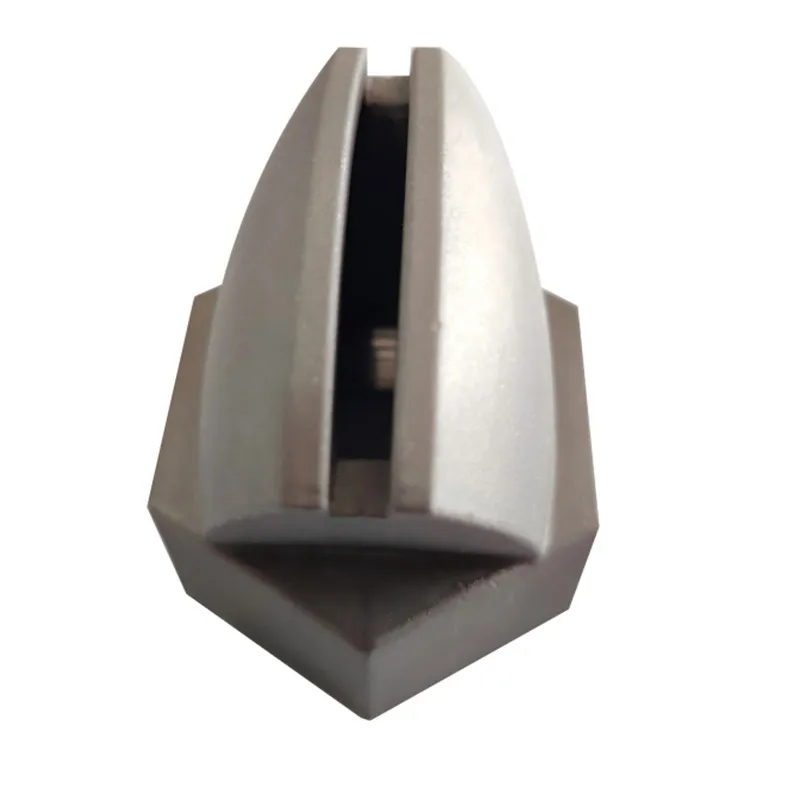
Low-volume production runs—maybe 50 to 200 pieces—are the sweet spot for this niche. It's not economical for giant stamping dies. This is where processes like shell mold casting, which QSY specializes in, shine for ferrous parts. You get good surface finish and dimensional stability for complex geometries without the extreme cost of full die casting tooling. For a run of 100 bespoke alternator mounting adapters for a fleet upgrading their electrical systems, it was the only viable method. The alternative was machining each one from solid block, which would have tripled the price.
The real cost isn't always in the unit price. It's in the validation. How do you test 50 pieces? You can't put them all on buses for a year. You rely on material certs, rigorous dimensional inspection on a sampling plan, and, crucially, destructively testing a few units to failure to confirm the safety margin. It's imperfect but necessary.
Integration Headaches: The Fits, But Doesn't Work Problem
The biggest failures aren't from broken parts; they're from parts that fit perfectly on the bench but cause issues in the system. A classic example was a set of custom, lightweight aluminum brackets for an auxiliary HVAC unit on a bus roof. They were strong enough, corrosion-resistant, and bolted on beautifully. However, we didn't account for the different thermal expansion rate between the aluminum bracket and the steel roof frame. After a summer of thermal cycles, stress cracks appeared in the roof sheet metal around the bolt holes. The bracket was fine; the structure it was attached to wasn't. A lesson in system-level thinking, painfully learned.
Another integration point is with existing wear. Replacing a worn kingpin bushing with a new, in-spec part sometimes leads to a loose fit because the housing it presses into is also worn. The non-standard solution here might be a slightly oversized bushing or a two-part shim system, something you'll never find in a manual. It's these field-fit adjustments that separate a parts supplier from a solutions provider.
Communication with the maintenance techs is vital. A blurry photo of a broken part from a mechanic's phone, with a tape measure next to it, is often the starting point. You learn to ask specific questions: Is the mating surface worn? Are there any galling marks? Was it a sudden break or a slow crack? The answers guide the material and process choice more than any textbook could.
The Value of a Specialized Partner
Doing this in-house is tough for most bus operators or small retrofit shops. You need foundry access, machining expertise, and material knowledge. This is the gap a specialized manufacturer fills. A company like QSY isn't just a shop; they become an extension of your engineering team. Their 30-year history in casting and machining means they can flag potential issues early—like suggesting a slight draft angle change on a casting to avoid porosity in a high-stress area, or recommending a different tool path for machining a complex stainless steel bracket to avoid work hardening.
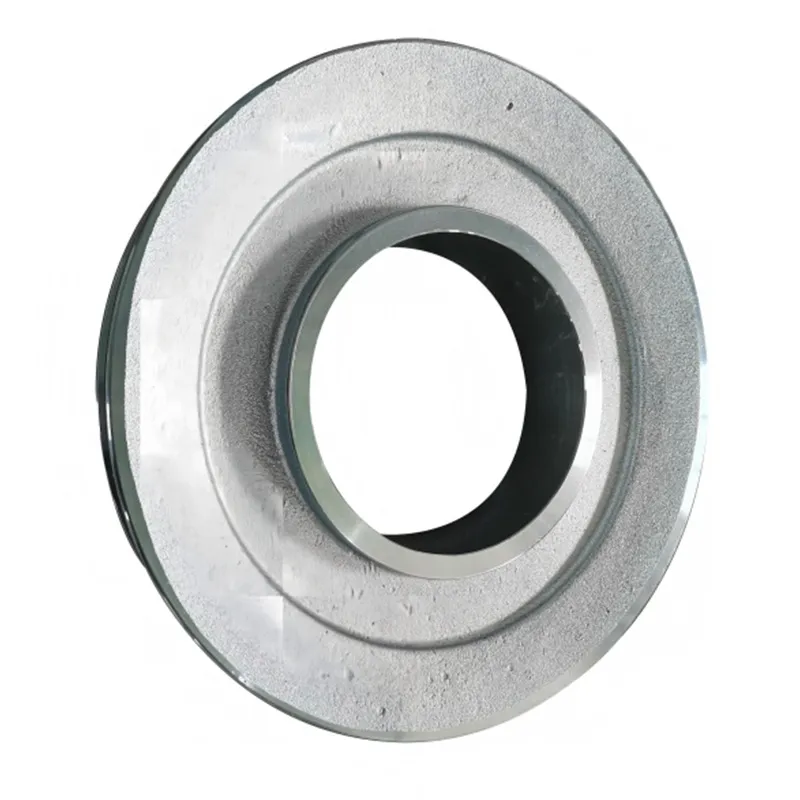
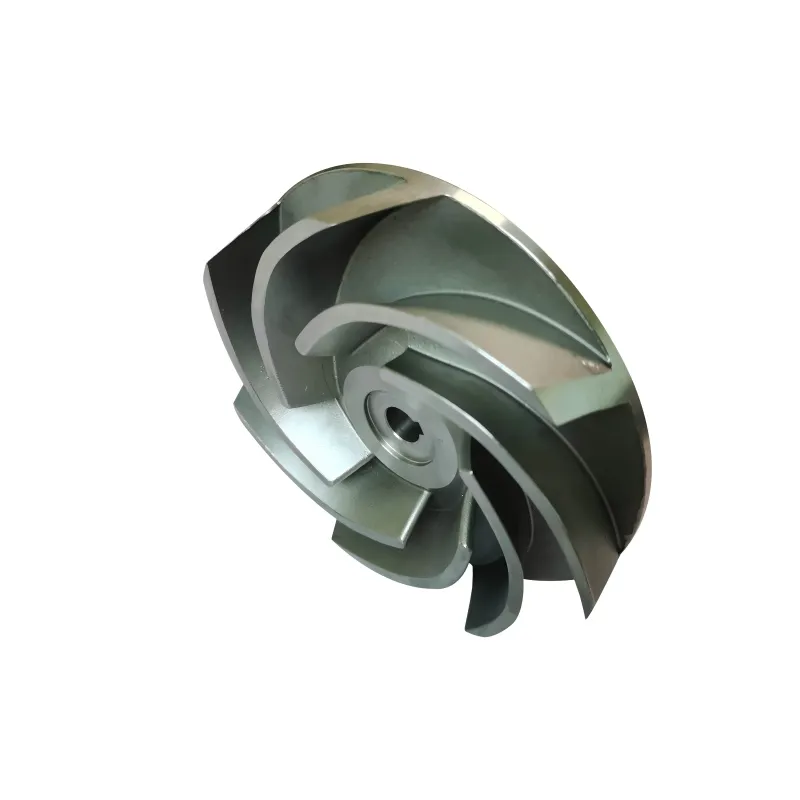
Their capability in both shell mold and investment casting is key. Shell mold is great for larger, thicker-section ferrous parts like structural brackets or housings. Investment casting is the go-to for smaller, intricate components in exotic alloys, like sensor mounts or fuel system parts that need complex internal passages. Having both under one roof, plus CNC finishing, streamlines the whole process. You can see their range of processes and materials on their website, https://www.tsingtaocnc.com. For someone sourcing these parts, that consolidation reduces coordination headaches and accountability gaps.
Ultimately, the business of non-standard bus parts is about trust and problem-solving. It's not a commodity purchase. You're trusting a manufacturer to understand the unspoken requirements—vibration, thermal cycles, chemical exposure, and the brutal reality of maintenance schedules. The right partner doesn't just deliver a part to print; they help refine the print based on what's actually going to work on the road. That's the difference between a part that gets the bus back in service and one that creates a callback in three months.