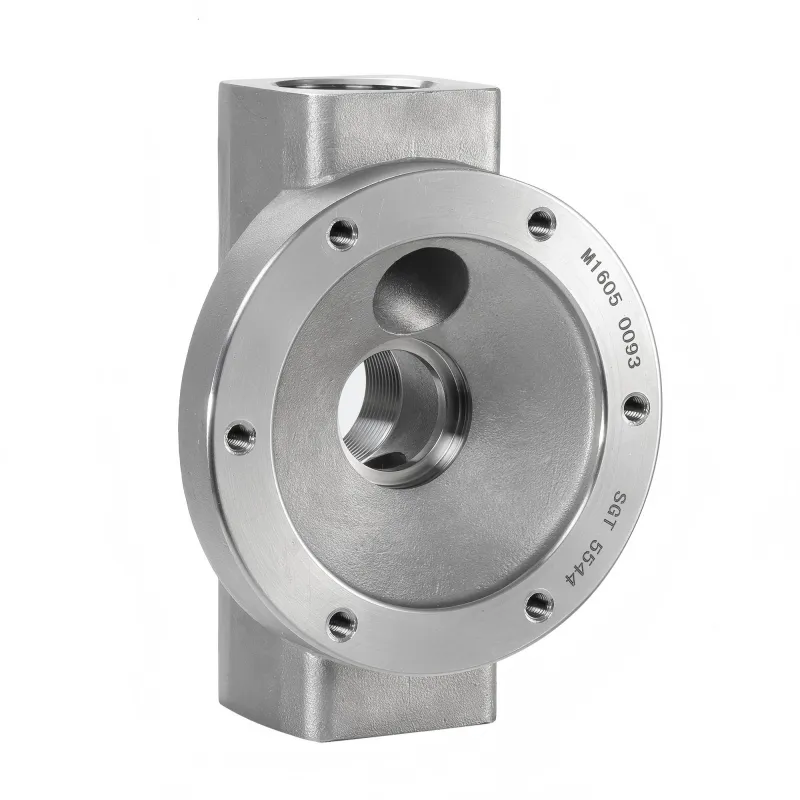
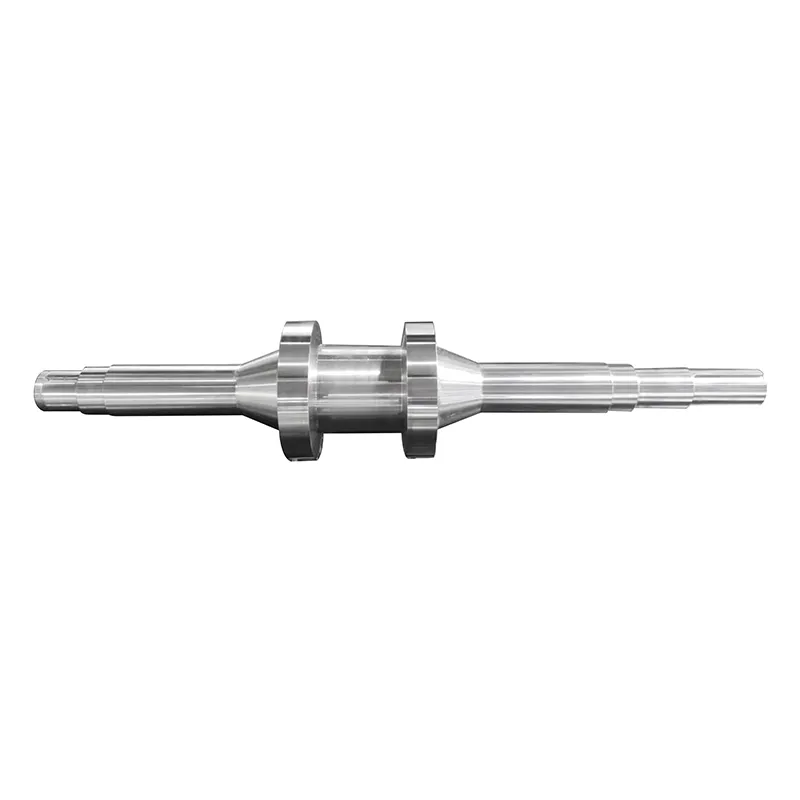
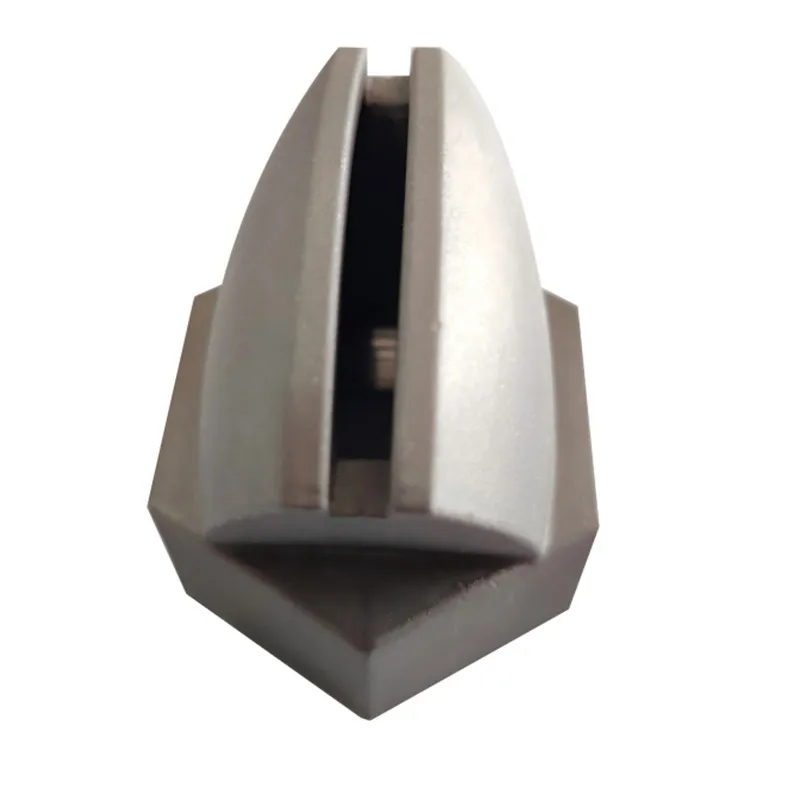
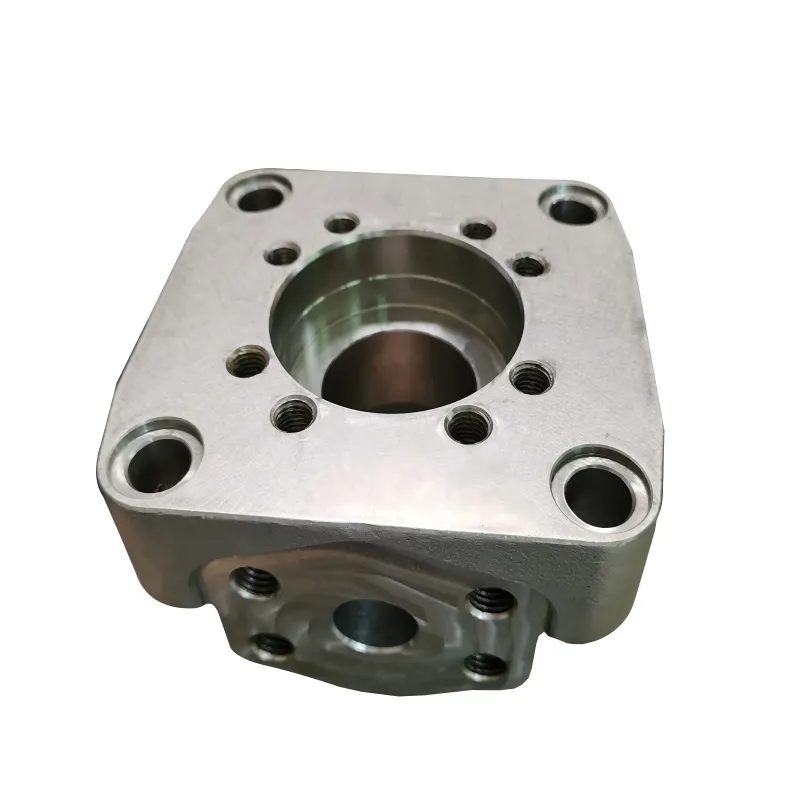
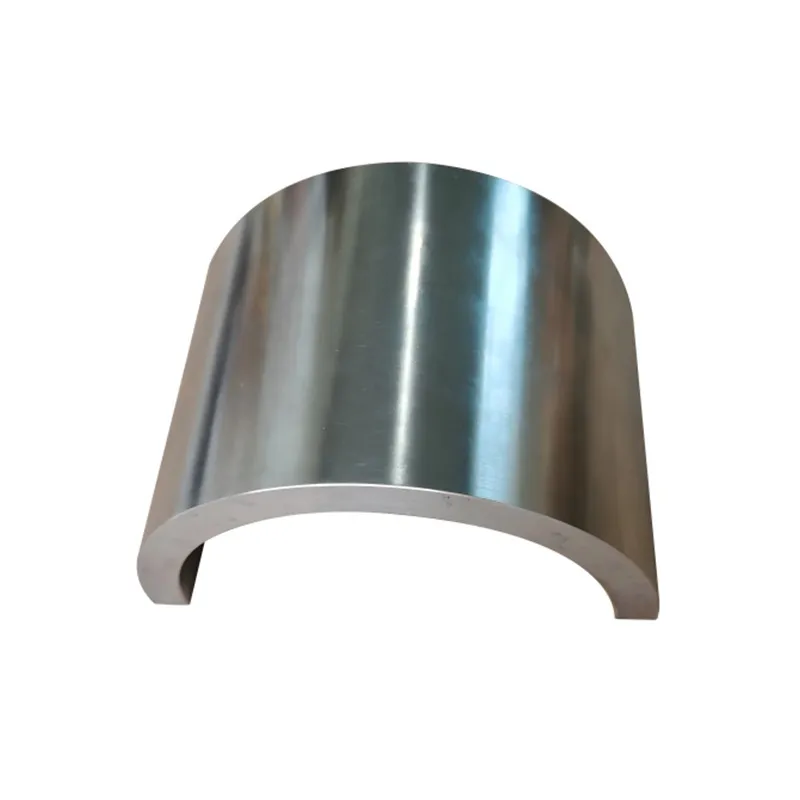
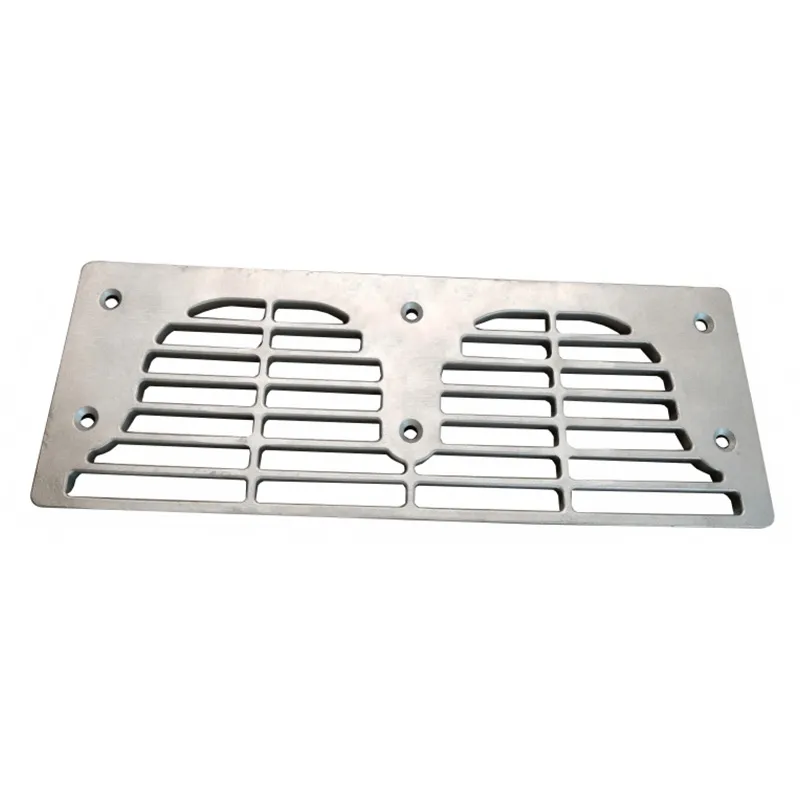
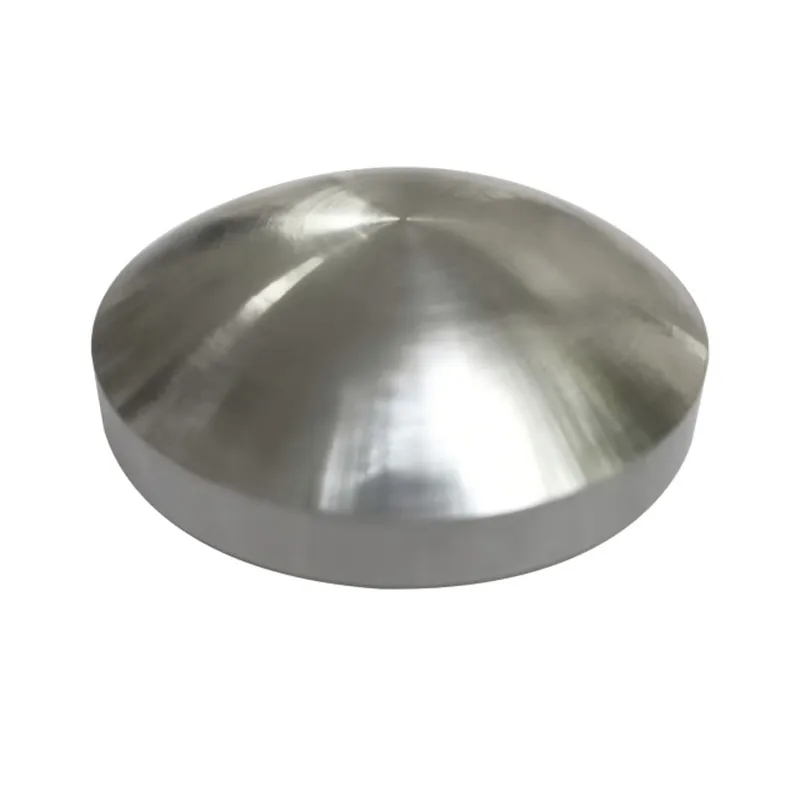
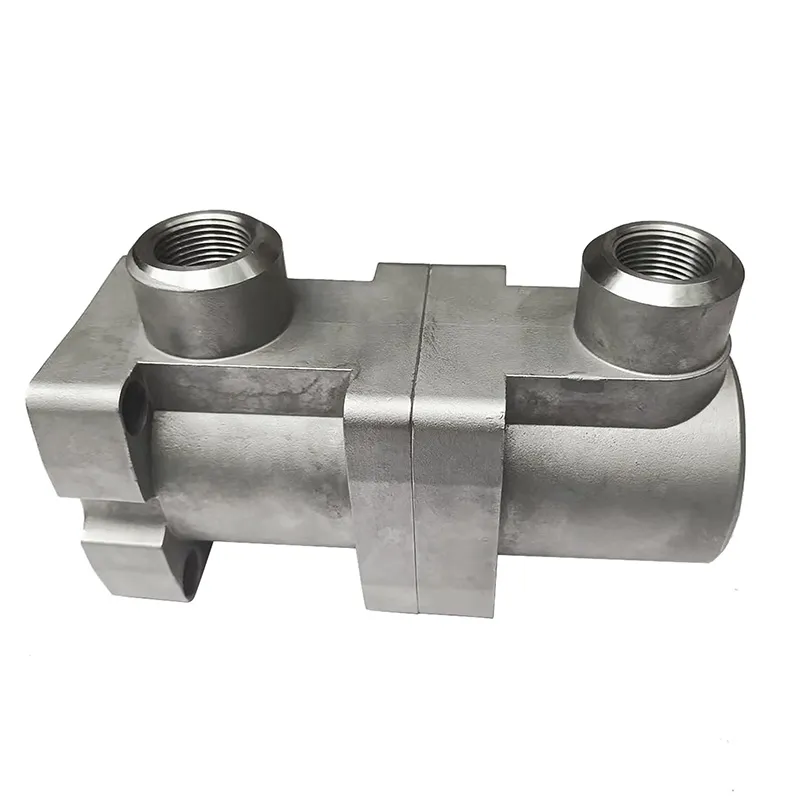
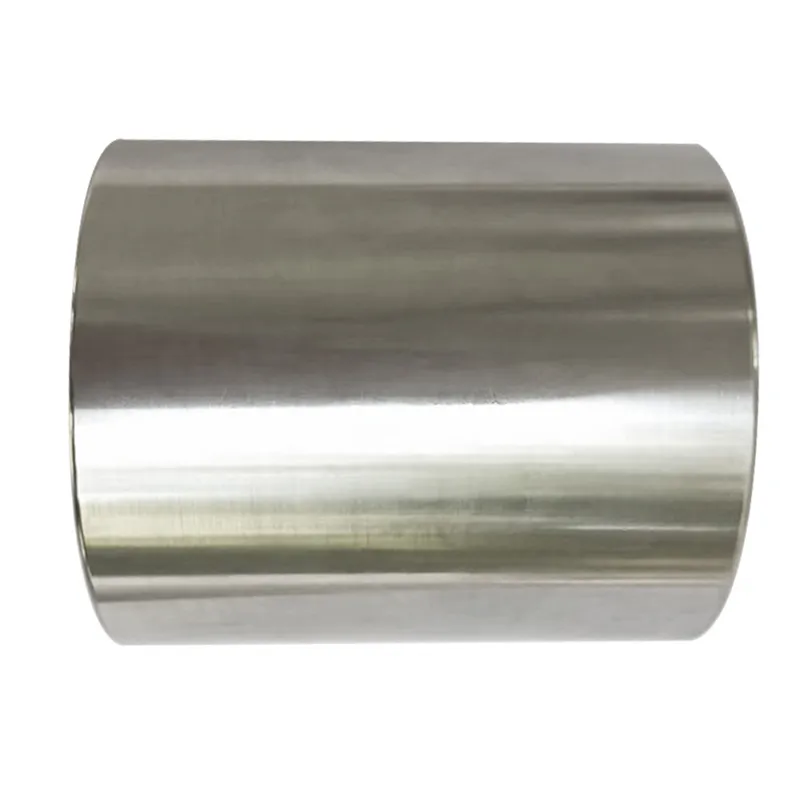
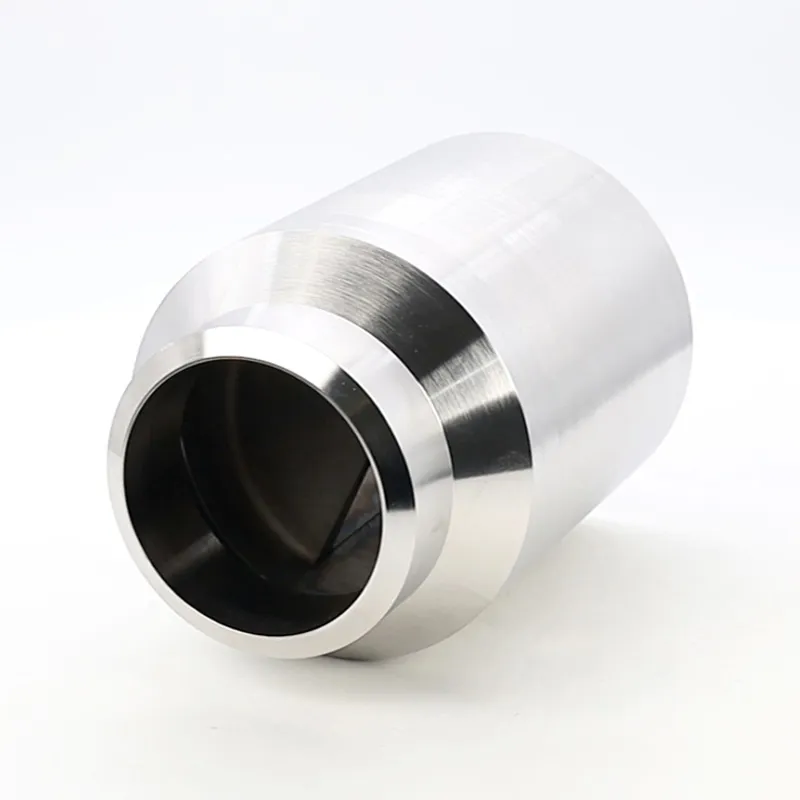
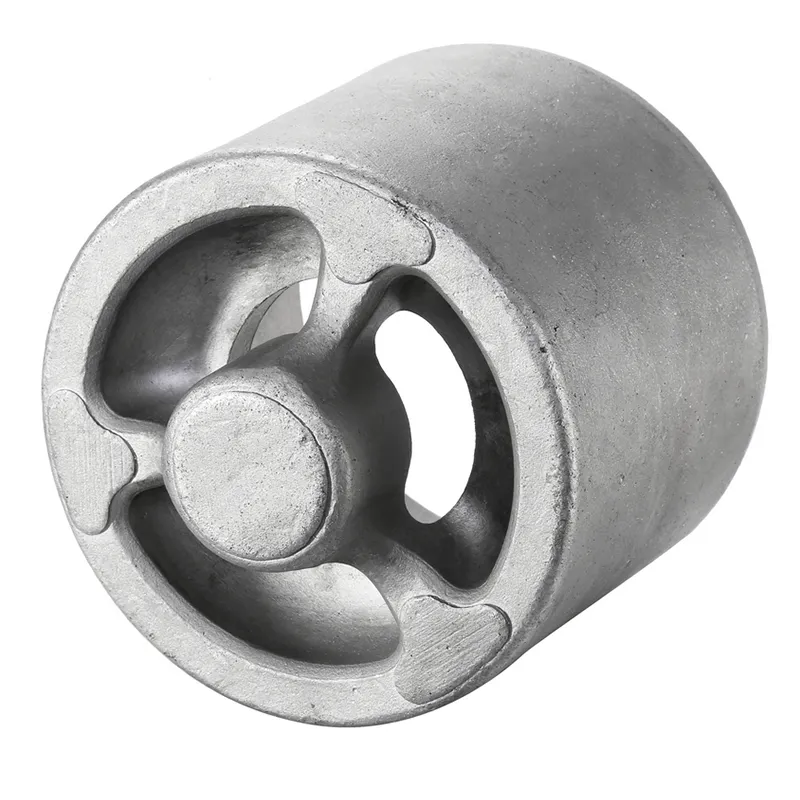
When most people hear OEM casting, they think of a simple transaction: you send a drawing, they send back parts. That's the biggest misconception. The reality is, it's a negotiation—not on price, but on physics, material behavior, and the messy reality of turning a 3D model into a solid, functional piece. I've seen too many projects stall because the buyer focused solely on the final geometry, treating the casting process as a black box. The truth is, if you're not discussing gating design, thermal shrinkage, or the difference between a ceramic shell and a sand mold upfront, you're just guessing.
The Foundation: It's All About Process Selection
You don't just choose a casting process. It chooses you, based on your part's function. We learned this the hard way early on. A client insisted on using shell molding for a complex, thin-walled stainless component because they'd seen it work for a simpler part. The result? Persistent cold shuts and an unacceptable scrap rate. The geometry simply couldn't handle the faster cooling of the shell mold process. We had to pivot to investment casting, where the single-ceramic-shell approach and controlled cooling gave us the integrity we needed. That's the first judgment call: matching the process to the part's soul, not just its silhouette.
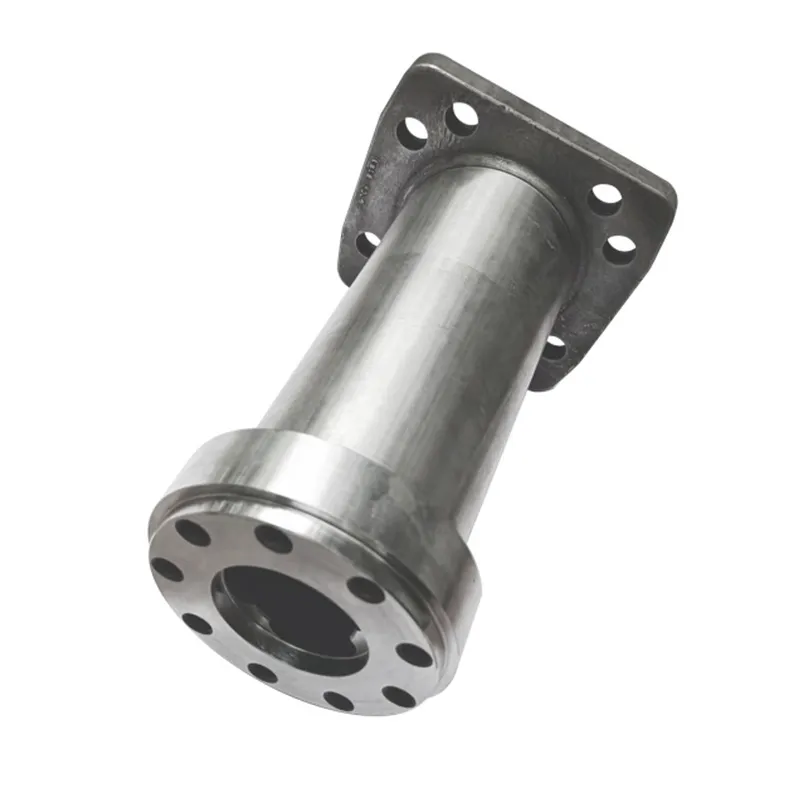
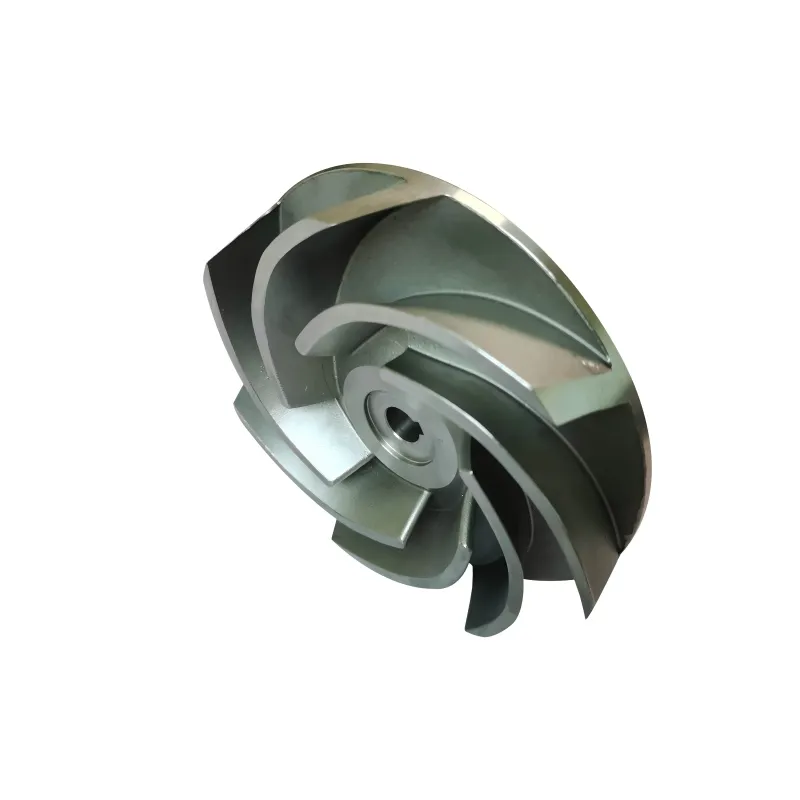
This is where a partner with a broad process portfolio is invaluable. Look at a company like Qingdao Qiangsenyuan Technology Co., Ltd.(QSY). With over three decades in the game, they're not tied to one method. Their range—from shell mold to investment casting—means they can recommend based on actual need. I recall reviewing their approach for a series of valve bodies. For the high-volume, less intricate ductile iron parts, they pushed for shell molding—great surface finish, decent tolerance, cost-effective at scale. For the critical, corrosion-resistant impellers in special alloys, it was investment casting all the way. That practical, non-dogmatic flexibility is what separates a true manufacturing partner from a job shop.
The material choice is the next layer. Stainless steel isn't a material; it's a family. A 304 stainless behaves vastly different in the mold than a 316, and don't even get me started on the pouring characteristics of something like a nickel-based alloy. The alloy dictates the process parameters as much as the shape does. You can't just swap them on a drawing and expect the same result.
The Devil in the Details: DFM and the Unchangeable Drawing
Design for Manufacturability (DFM) is the most critical, yet most often rushed, phase. I've sat through countless meetings where an engineer defends a sharp internal corner or a non-uniform wall thickness because that's what the simulation optimized. But simulation doesn't pour molten metal. That sharp corner becomes a stress concentration point during solidification, a guaranteed crack initiator. A good OEM casting partner will push back. They'll suggest radii, propose draft angles that seem excessive on screen but are necessary for stripping the pattern, and question wall thickness ratios.
A practical example: we had a bracket for an agricultural machine. The original design had a beautiful, weight-optimized rib structure. Looked perfect. The first samples from the foundry, from a reputable one at that, showed distortion and hot tears along the ribs. The issue? The ribs created isolated hot spots that cooled last, pulling and tearing the surrounding material. The solution wasn't to change the alloy or the process, but to slightly alter the rib geometry—tapering them, adding small reliefs—to promote more uniform cooling. It added negligible weight but saved the part. That's the kind of gritty, practical DFM that happens before a single pattern is made.
This is the stage where transparency from your supplier's engineering team is gold. You want to see their process flow analysis, their suggested gating and risering layouts. If they're not providing that, or if they just accept your drawing without comment, be very wary. They might just be planning to charge you for the inevitable re-tooling later.
Machining: The Inseparable Partner
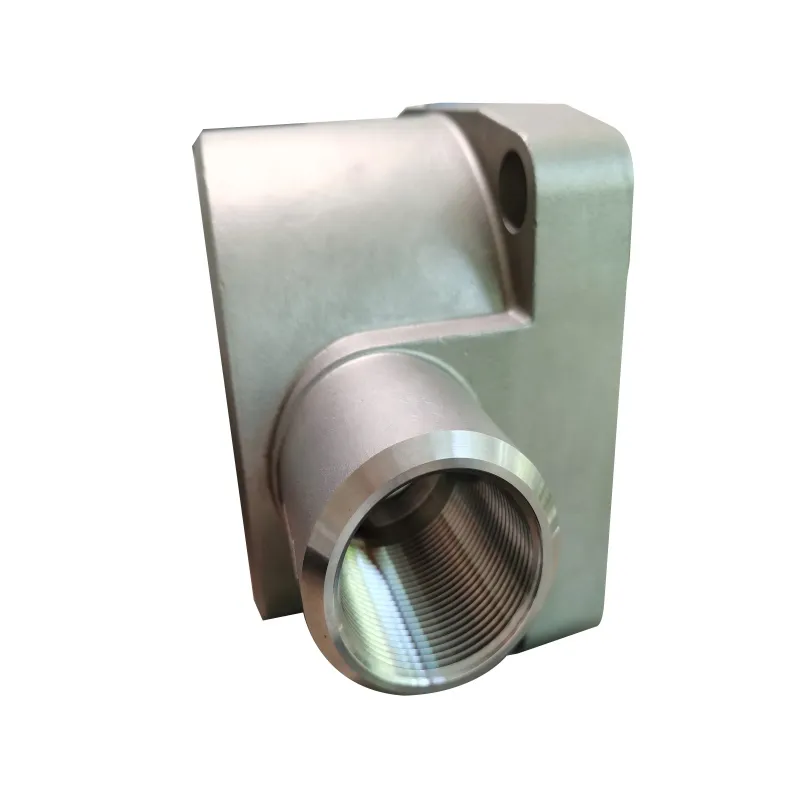
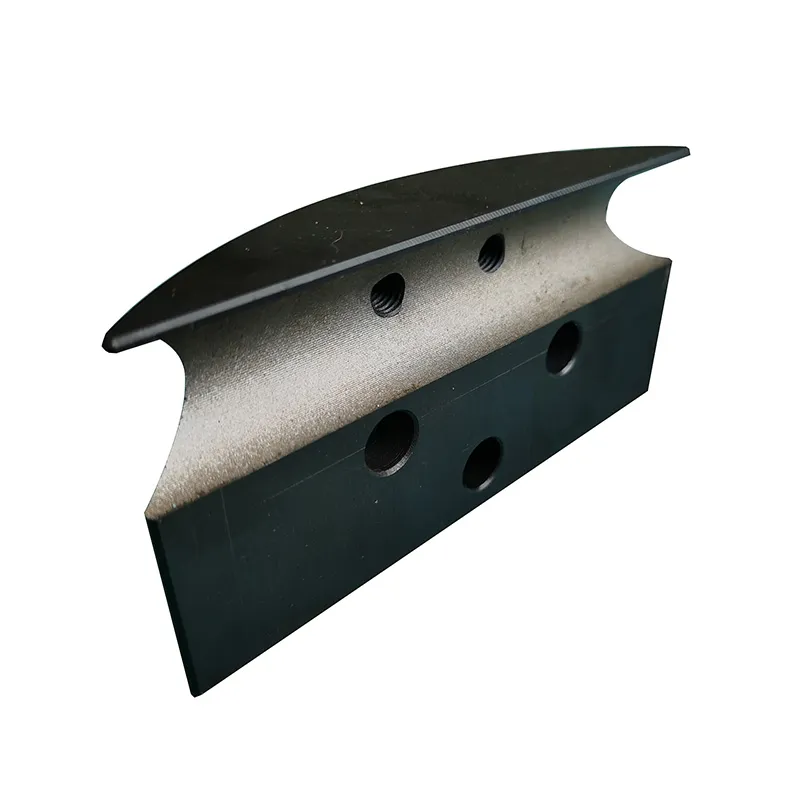
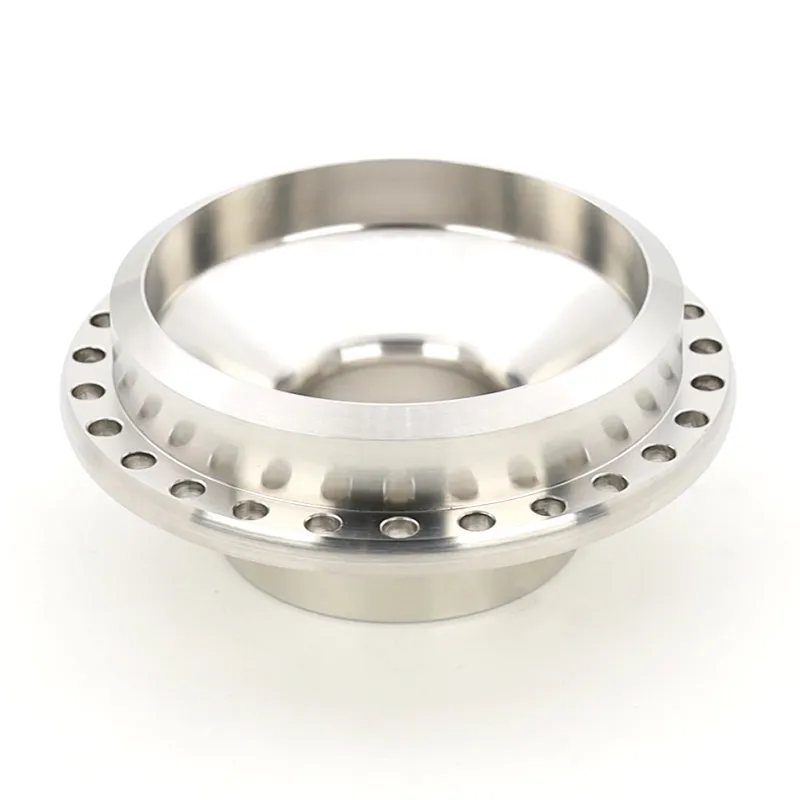
No casting is truly net-shape. Anyone who promises that for a precision component is overselling. There will always be critical interfaces—sealing surfaces, bolt holes, bearing seats—that need machining. This is why the integration of casting and machining under one roof, or at least under one coordinated project management system, is non-negotiable for serious OEM casting work. The datum structure for machining must be established during the casting design phase.
I've witnessed the chaos of having the casting done at one facility and the machining at another. The machinist would spend half his time trying to find a consistent datum on the as-cast part, often having to take an excessively deep first cut just to clean up a surface, which throws off all subsequent dimensions and wastes material. When casting and machining are aligned, like at QSY where they offer integrated CNC machining, the pattern can be designed with machining lugs or specific datum features cast in. The CNC program is developed with the expected as-cast variance in mind. It turns a potential headache into a streamlined flow.
The choice of machining strategy also depends on the casting. A shell mold casting might have less stock to remove but harder scale. An investment casting might have more consistent stock allowance but be made of a gummy, tough-to-machine superalloy. The machining team needs to know what's coming their way from the foundry floor.
Material Mysteries and the Special Alloys Gamble
Working with standard cast iron or carbon steel is one thing. Venturing into cobalt-based or nickel-based alloys is a different league. It's not just about higher melting points. These alloys have terrible fluidity, are prone to micro-porosity, and have insane reactivity with oxygen. Your standard silica sand mold won't cut it; you need specialized refractories. The gating system has to be designed to minimize turbulence at all costs—turbulence leads to oxide inclusions, which become failure points under high temperature or stress.
We once attempted a run of burner nozzles in a cobalt alloy with a foundry that was excellent with steel. They treated it like just another job. The melt looked fine, but the castings failed pressure testing spectacularly. The post-mortem revealed a network of micro-shrinkage and oxide films. The foundry hadn't used enough exothermic risers to feed the massive solidification shrinkage, and their pouring practice introduced too much turbulence. It was a total loss. This is why you need a partner whose material expertise is explicit. Seeing that QSY lists special alloys like these directly on their site (https://www.tsingtaocnc.com) is a signal that they've likely built the specific infrastructure and knowledge—from metallurgical control to mold engineering—to handle it.
The certification trail for these materials is also critical. You're not just buying a shape; you're buying a material pedigree. Can they provide melt reports? Heat treatment charts? Mechanical test coupons from the same heat? If not, you can't use the part in any critical application.
The Long Game: Consistency and Failure Analysis
The real test of an OEM casting supplier isn't the first article. It's the 10,000th. Can they hold the tolerance band? Does the microstructure remain consistent from batch to batch? Do the mechanical properties of the fifth production run match the first? This is where process control systems and a culture of documentation matter more than the newest furnace.
I value suppliers who can talk about their statistical process control (SPC) on critical dimensions, their sand or slurry maintenance routines, and their furnace temperature logging. It's boring stuff, but it's what prevents a line-down situation two years into a program. A good partner will also have a coherent failure analysis protocol. When a part fails in field testing, they should be able to collaborate on the forensic analysis—examining fracture surfaces under a microscope, checking for dendrite arm spacing, looking for segregation. It's not about assigning blame; it's about solving the physical puzzle.
This long-term consistency is what turns a vendor into a strategic partner. It's the difference between constantly inspecting every shipment and being able to move to a ship-to-stock model. That trust is built on a foundation of transparent, gritty, practical manufacturing knowledge, not on glossy brochures. It's about knowing that the people on the other end of the email have the grease under their fingernails and the experience in their eyes to see the problem before it becomes a crisis. That's what you're really sourcing in OEM casting.