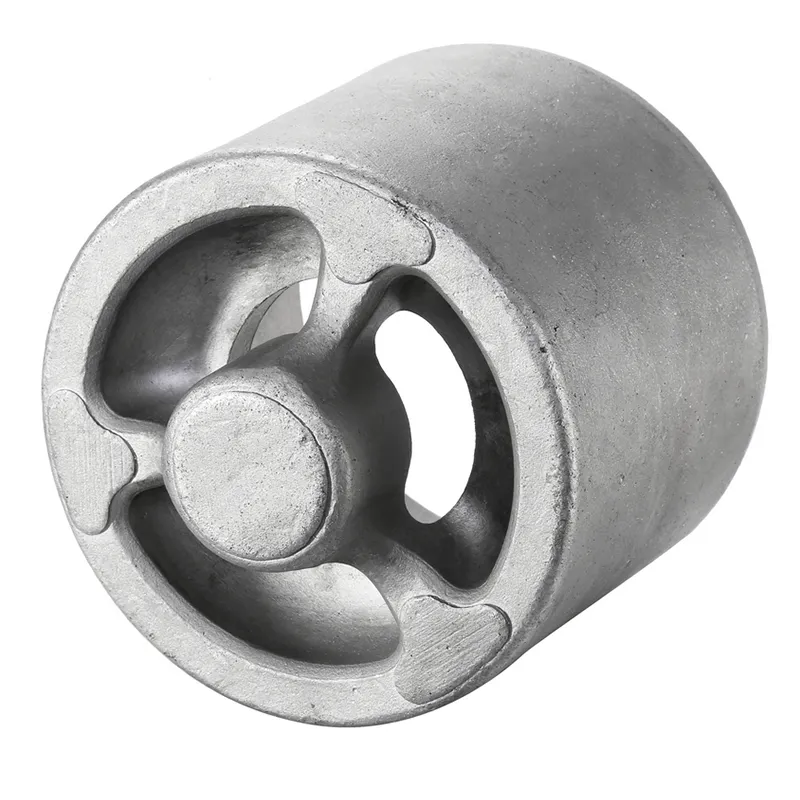
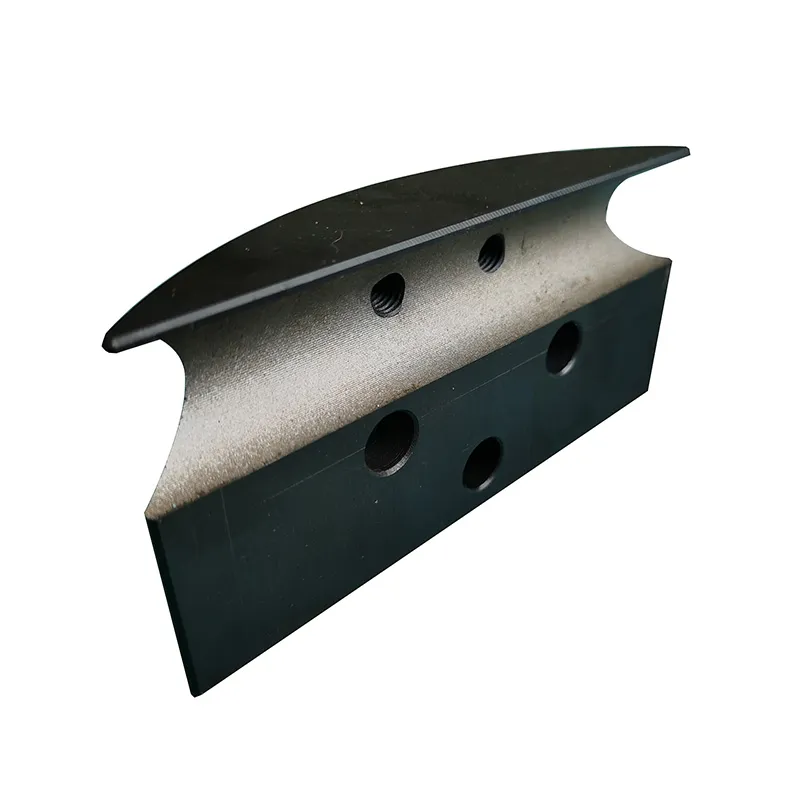
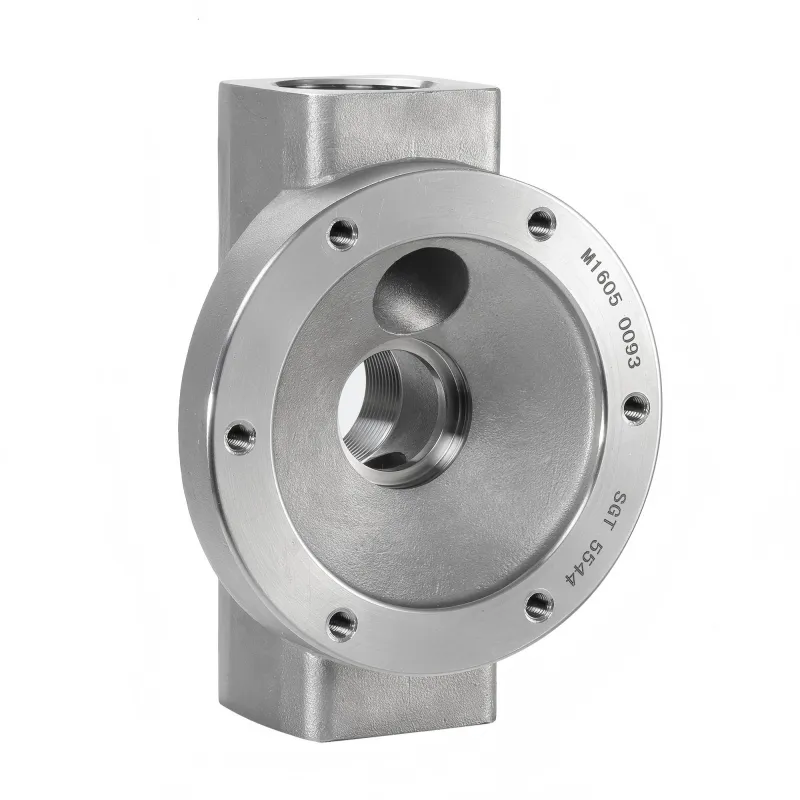
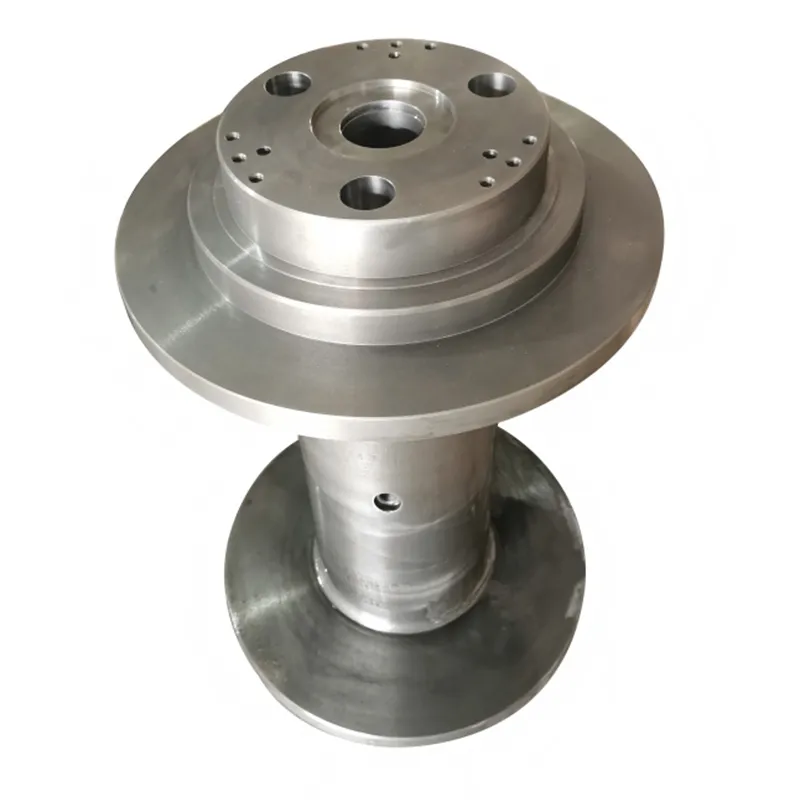
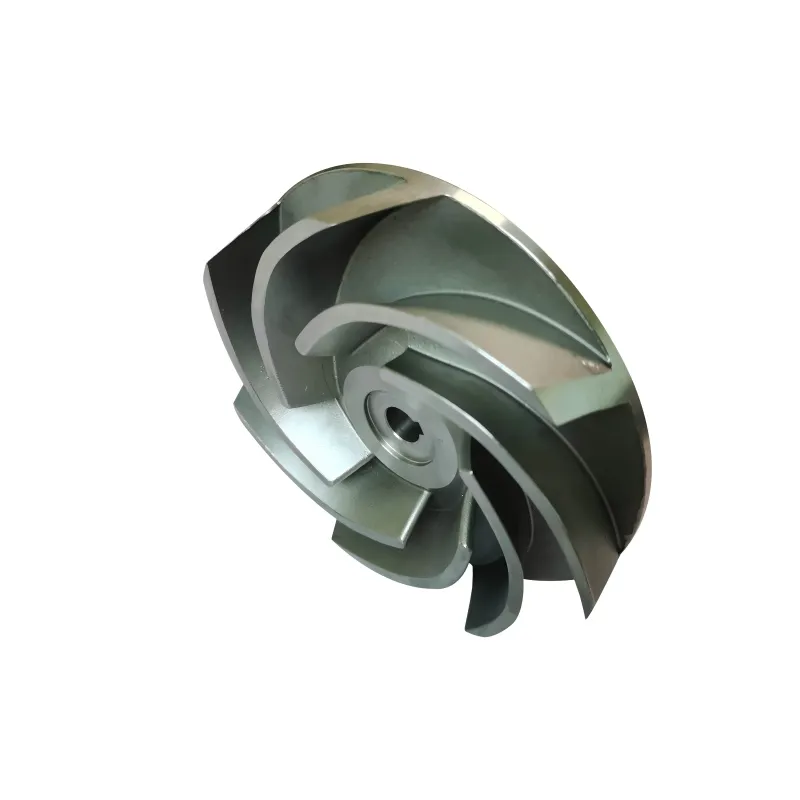
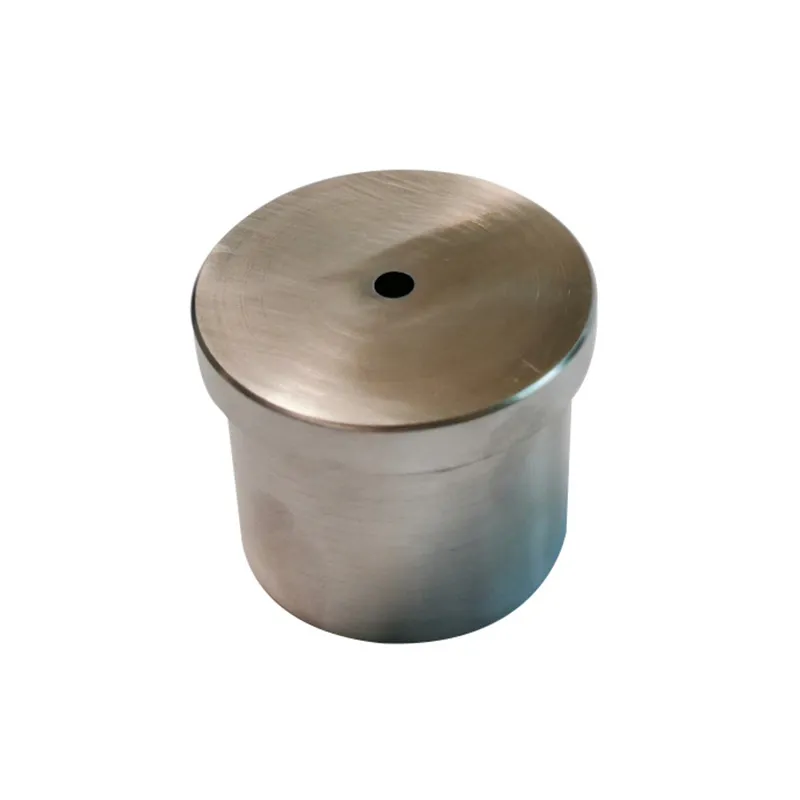
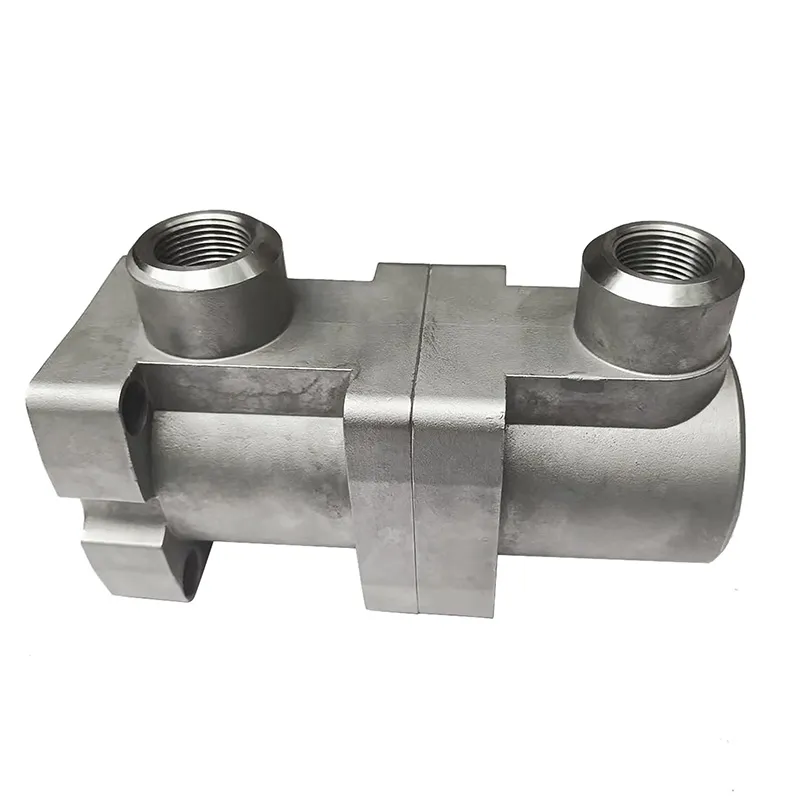
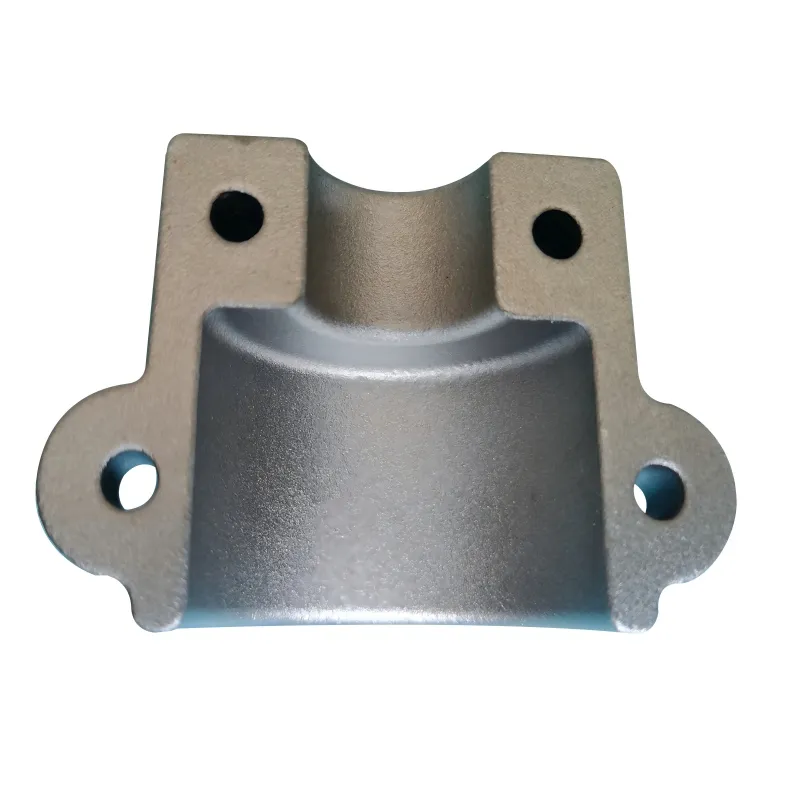
When most people think of OEM CNC machining, they picture a shop that just follows a drawing. Send a 3D model, get parts back. But that's where the first big mistake happens. The real work starts long before the first tool touches metal. It's about understanding what the part actually does, where it fails, and how it's made not just to print, but for the real world. I've seen too many designs that are theoretically perfect but a nightmare to produce consistently, or that use a material choice that looks good on paper but causes endless headaches in the field.
The Foundation Isn't the Machine, It's the Process
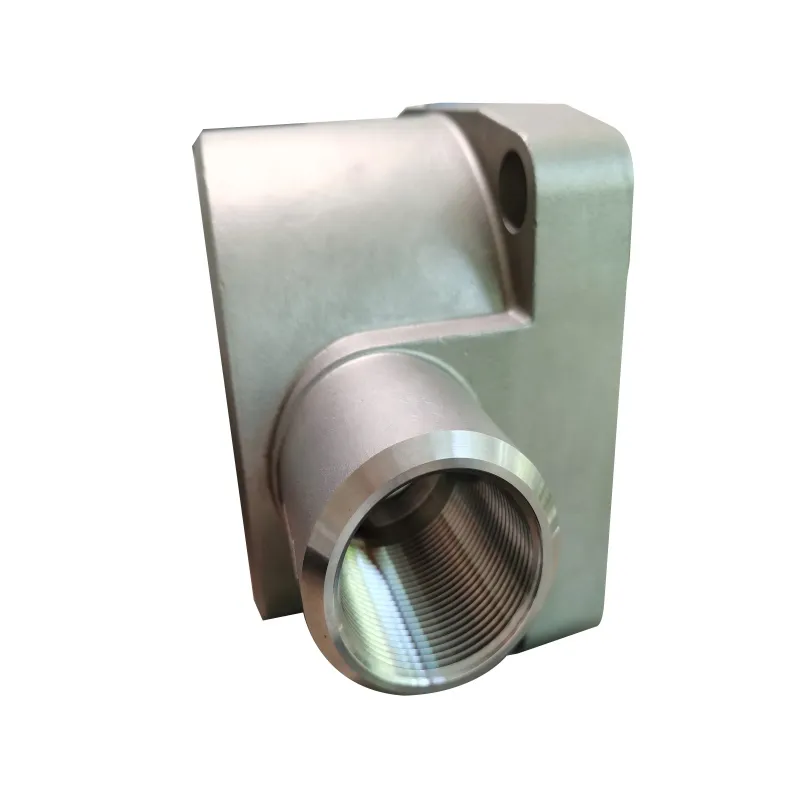
You can have the latest five-axis mill, but if your process planning is weak, you're just making expensive scrap faster. For OEM CNC machining projects, especially for long-run production, the setup and fixturing strategy often matters more than the machine's badge. I remember a component for a hydraulic valve block. The drawing called for a specific stainless steel, tight tolerances on bore concentricity. On paper, fine. But in volume, that material was gummy, tools wore out fast, and achieving that concentricity across thousands of parts required a custom fixture design that wasn't in the initial quote. We had to go back, explain the cost, and redesign the holding method. The client wasn't thrilled at first, but it saved them from a field failure rate that would have been catastrophic.
This is where experience in adjacent processes becomes critical. A shop that only does machining might just quote the machining. But a shop like Qingdao Qiangsenyuan Technology Co., Ltd. (QSY), with their 30-year background in casting and machining, often sees the part differently. They might look at a complex machined component and realize it could be more economically produced as a near-net-shape casting, with machining only applied to critical surfaces. That holistic view changes everything. It's not just cutting metal; it's choosing the most robust and cost-effective manufacturing path from the start.
Material knowledge is another layer. Anyone can machine mild steel. But when you get into the special alloys they list—cobalt-based, nickel-based—the game changes. These alloys work-harden, they're abrasive, they demand specific tool geometries, coatings, and cutting parameters. There's no one-size-fits-all approach. Getting it wrong means destroyed inserts, scrapped parts, and a surface finish that looks torn. Getting it right requires a mix of textbook knowledge and hands-on trial, the kind that comes from running a lot of different jobs over years.
Communication: The Real Critical Tolerance
The most perfect CNC program is useless if you and the client aren't aligned on what good means. I've had projects stall over the interpretation of a callout like burr-free. To an engineer, it might mean you can't feel anything with a fingernail. To a machinist, it might mean a basic edge break. We now insist on physical samples or very explicit descriptions for such requirements early on. A digital model doesn't convey everything.
This is why the front-end communication at a professional OEM partner is so vital. When you look at a company's portal, like the one at https://www.tsingtaocnc.com, it's not just for show. A clear, detailed RFQ process that asks the right questions—part function, operating environment, annual volume, critical vs. non-critical features—forces that clarity early. It prevents the I assumed you knew disasters. The best projects I've worked on started with a challenging conversation, not an easy order.
Failures are the best teachers here. Early on, we took on a job for a sensor housing in aluminum. The print had a standard tolerance block. We hit all the numbers, parts looked great. They failed in assembly. Why? We had missed an unofficial, unwritten requirement for anodizing thickness that affected a press-fit dimension. The print didn't call it out, and we didn't ask. Now, we always ask about secondary operations—anodizing, plating, heat treatment—upfront, because they change machining dimensions. You have to machine to the final, post-processed size, not the nominal size on the drawing.
Volume and Consistency: Where OEM Becomes Partnership
Prototype machining and production OEM CNC machining are almost different businesses. A prototype is about making one thing work. Production is about making ten thousand things work, identically, month after month. The shift requires a different mindset. Tool life management, statistical process control (SPC), staged inspection routines—these aren't overhead; they're the only way to guarantee you're not shipping a time bomb.
For a manufacturer like QSY, their long history in shell mold and investment casting for volume production naturally extends into their machining philosophy. They understand production flow. It means designing fixtures for quick loading, planning tool changes proactively before wear causes a deviation, and having a clear containment plan for when (not if) a process drifts. This operational discipline is harder to find than machining skill alone.
I recall auditing a potential supplier for a high-volume gearbox component. They had great machines. But their first-article inspection was exhaustive, while their in-process check was a single caliper measurement every fifty parts. That's a huge risk gap. A true OEM production partner will have a quality plan that matches the criticality of features, with checks at frequencies that actually catch drift. It's boring, procedural work, but it's what separates a job shop from a real manufacturing partner.
The Material Conundrum: Picking the Right One
Clients often default to 304 or 316 stainless for anything needing corrosion resistance. It's a safe choice, but not always the best. For high-wear applications in harsh environments, those cobalt or nickel-based alloys QSY mentions can be far superior, despite the higher machining cost. The total cost of ownership is lower when the part lasts three times as long. The trick is having the expertise to machine them efficiently to offset the material cost.
Conversely, we've pushed back on material specs. A client once requested 17-4 PH stainless for a structural bracket. It's a great material, but overkill. After discussing the actual load and environmental conditions, we suggested a high-strength aluminum alloy. It cut machining time by 60%, reduced weight, and performed perfectly for the application. Saving the client money sometimes means talking them out of an overly conservative spec. That requires credibility, which only comes from demonstrating you understand both the materials and the application.
Cast iron is another interesting one. It's often seen as a dirty material, but for certain bases, housings, or components needing high damping, nothing beats it. The key is understanding the specific grade and its behavior. Gray iron, ductile iron—they machine very differently. A shop experienced in casting will have an innate feel for this, knowing how to handle the hard spots and inclusions that are part of the material's character, rather than treating them as defects.
Bringing It All Back to the Floor
At the end of the day, OEM CNC machining isn't a service you buy off a menu. It's a capability you integrate. The best outcomes happen when the OEM partner is brought into the design cycle early, not just handed a finished drawing for a quote. Can we add a radius here to eliminate a sharp corner that's a stress concentrator and hard to machine? Can we adjust this tolerance to be commercially achievable without affecting function? This is the real value.
It's a collaborative, sometimes messy process. It involves back-and-forth, samples, and adjustments. The goal isn't just to make a part, but to create a reliable, manufacturable product. When you work with a firm that has a deep foundation like Qingdao Qiangsenyuan Technology, you're not just accessing machines, you're tapping into decades of metallurgical and process experience that spans casting and machining. That integrated knowledge is what turns a simple machining job into a robust manufacturing solution.
So, the next time you evaluate an OEM CNC machining partner, look beyond their equipment list. Ask about their failure analysis process. Ask how they handle a material substitution. Ask for an example where they suggested a design change that improved manufacturability. The answers will tell you far more about their ability to deliver a successful project than the year of their lathes ever will.