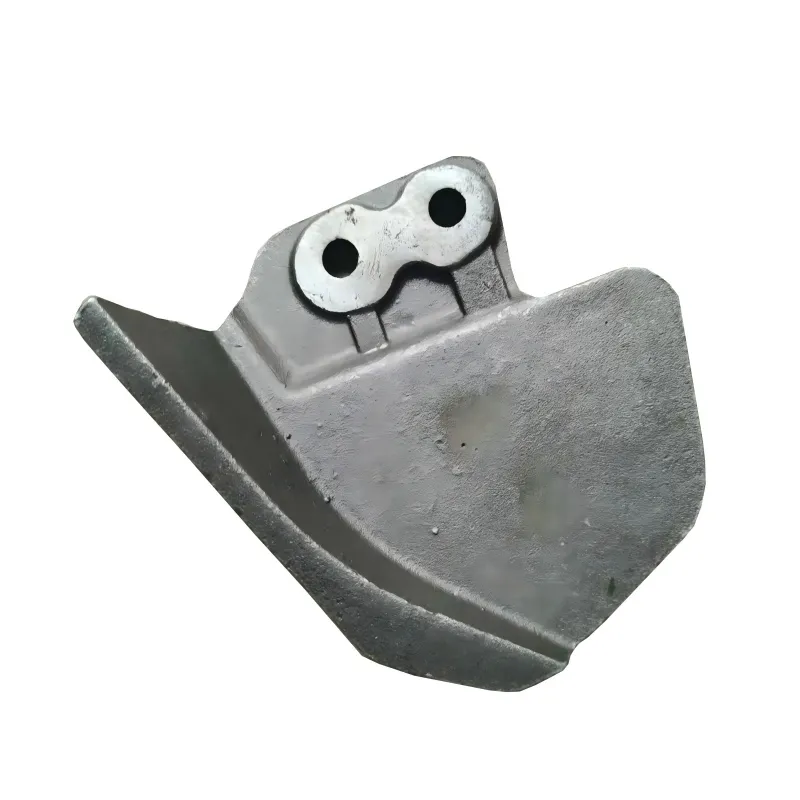
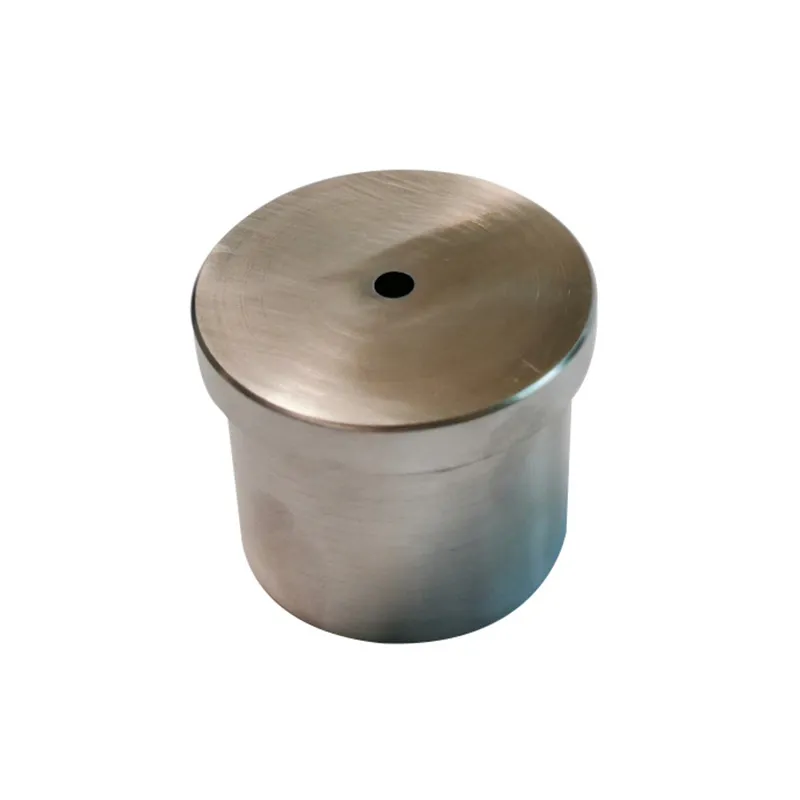
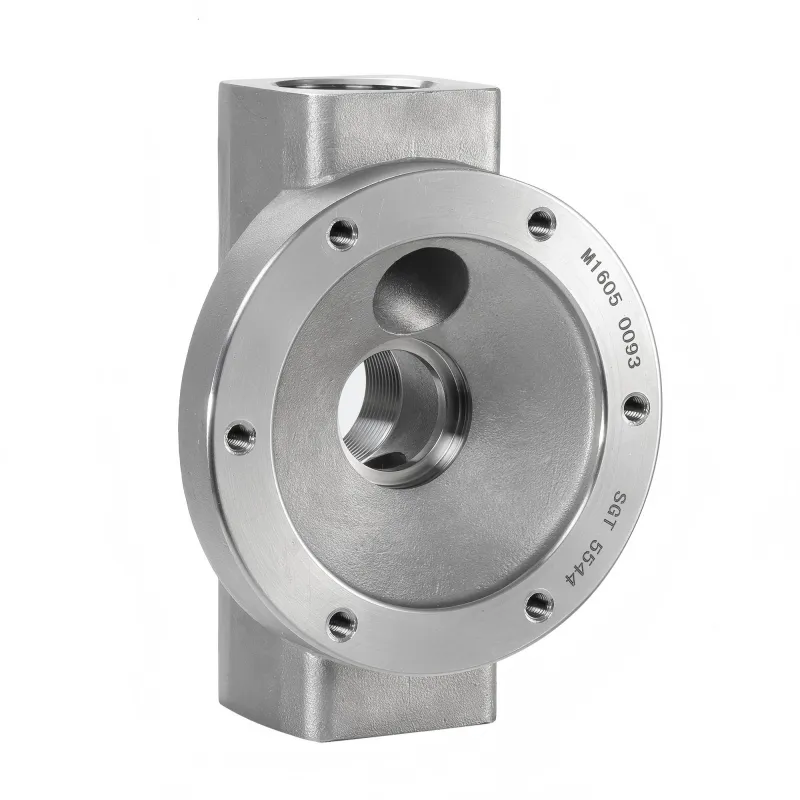
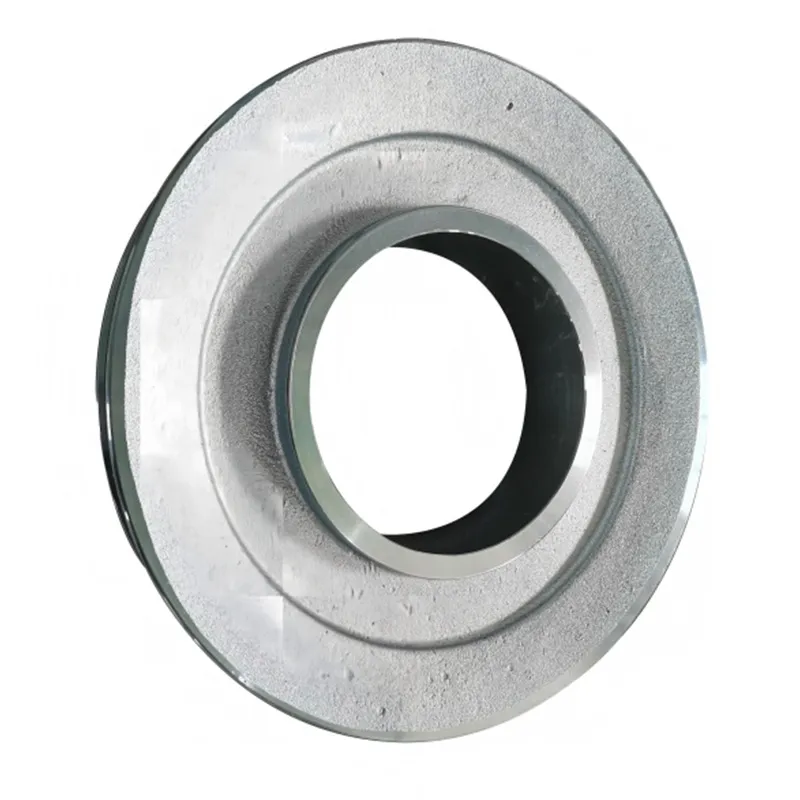
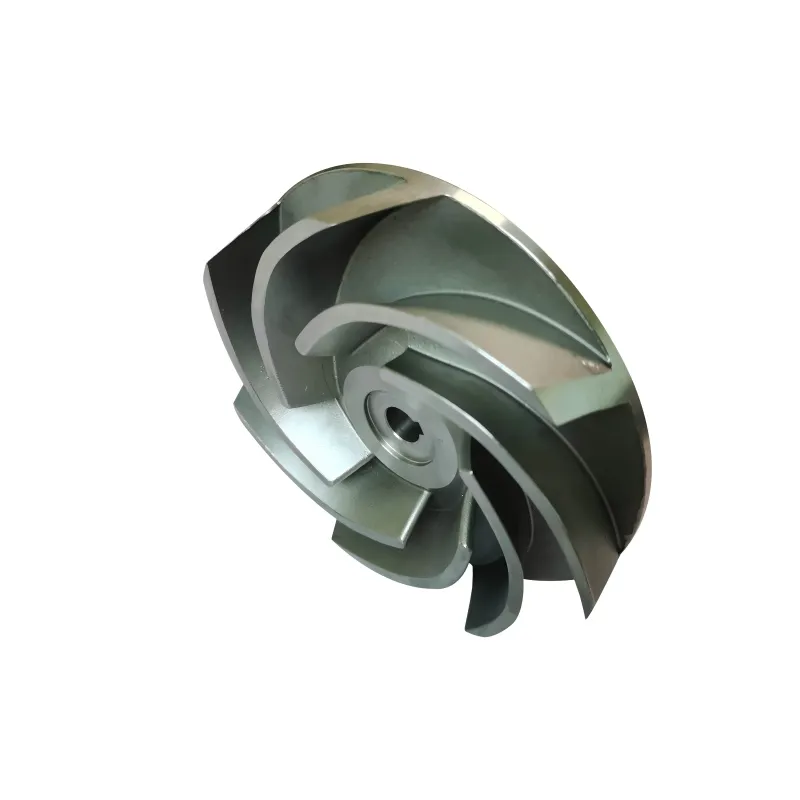
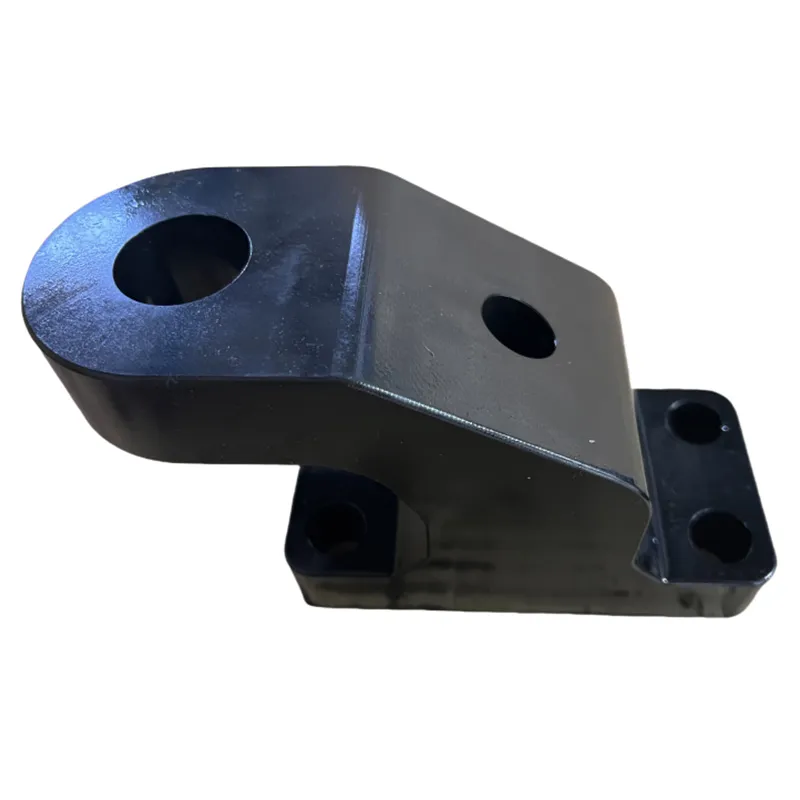
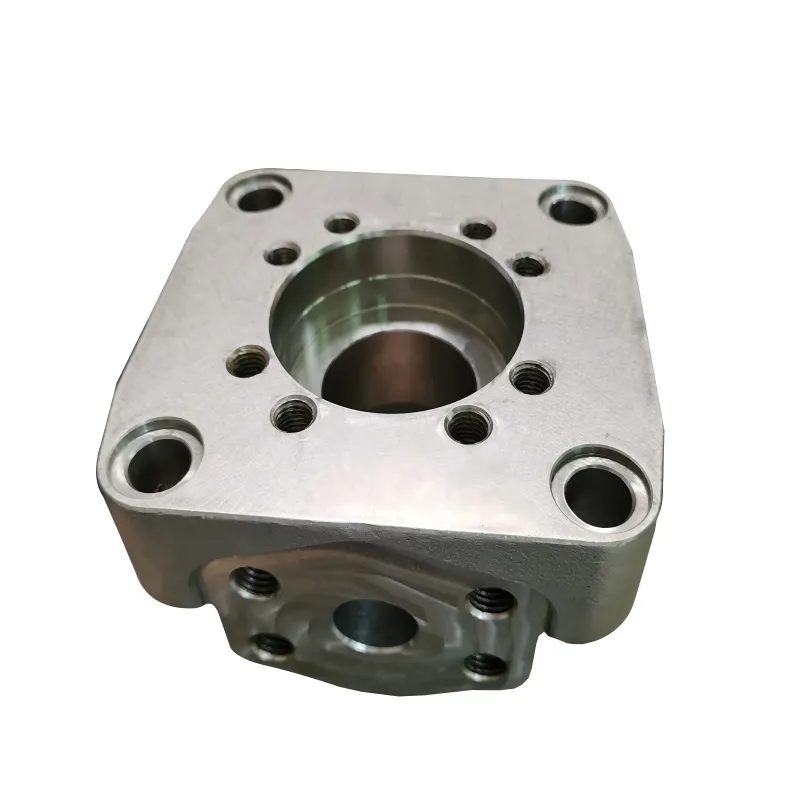
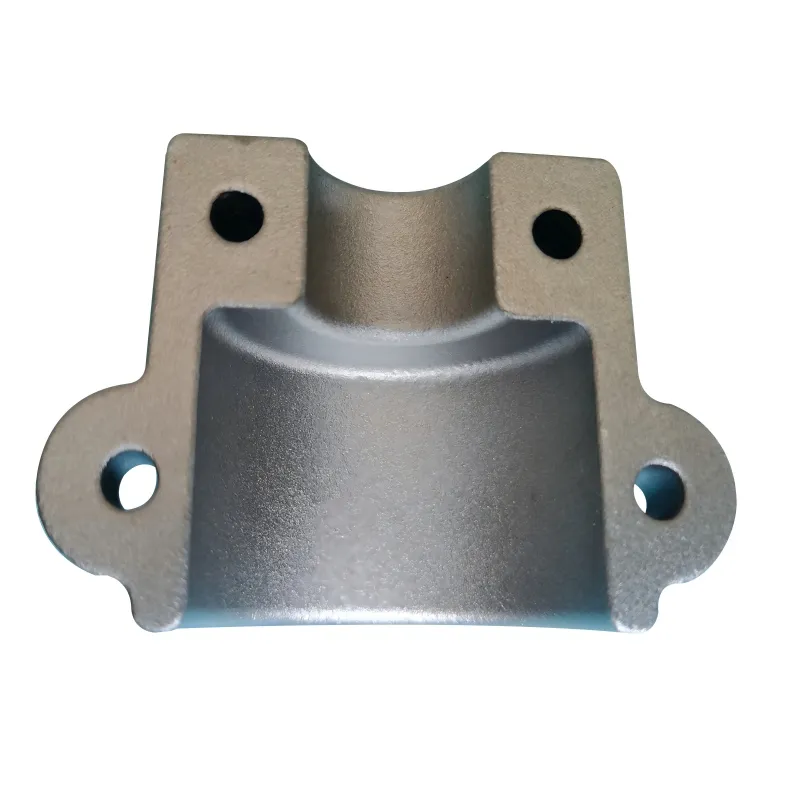
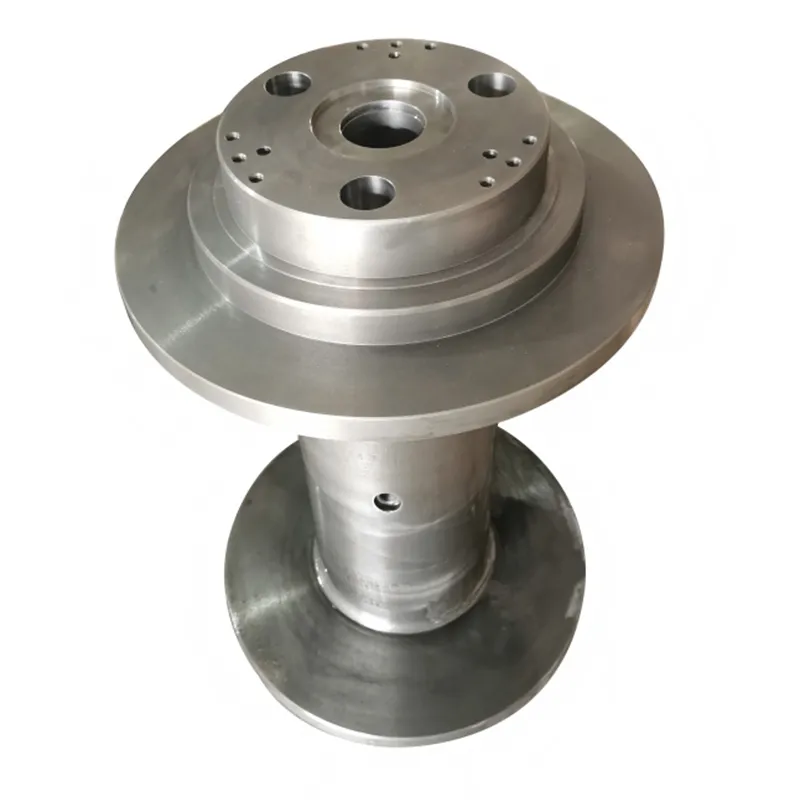
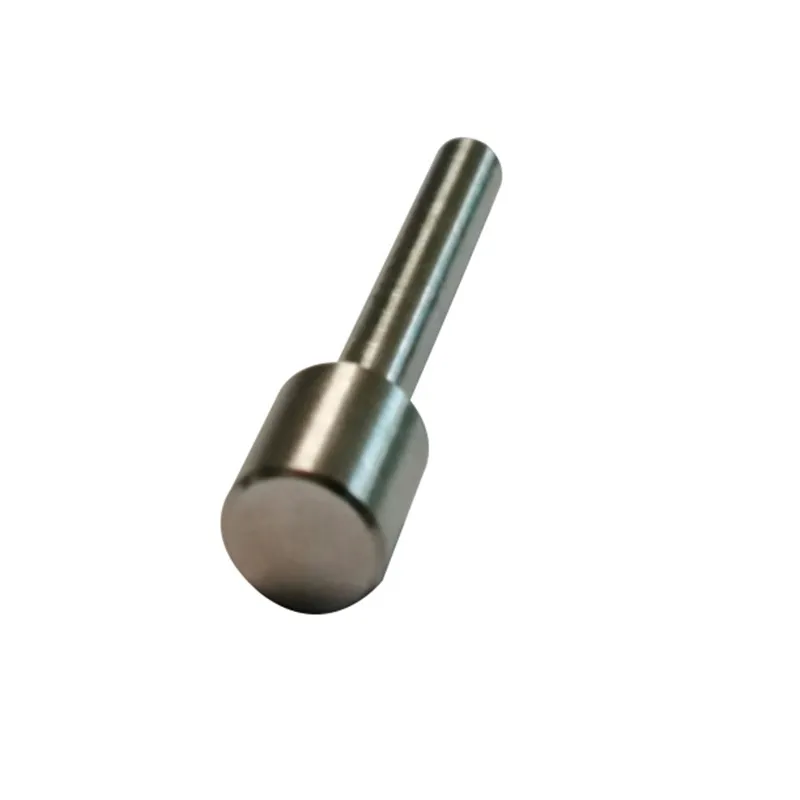
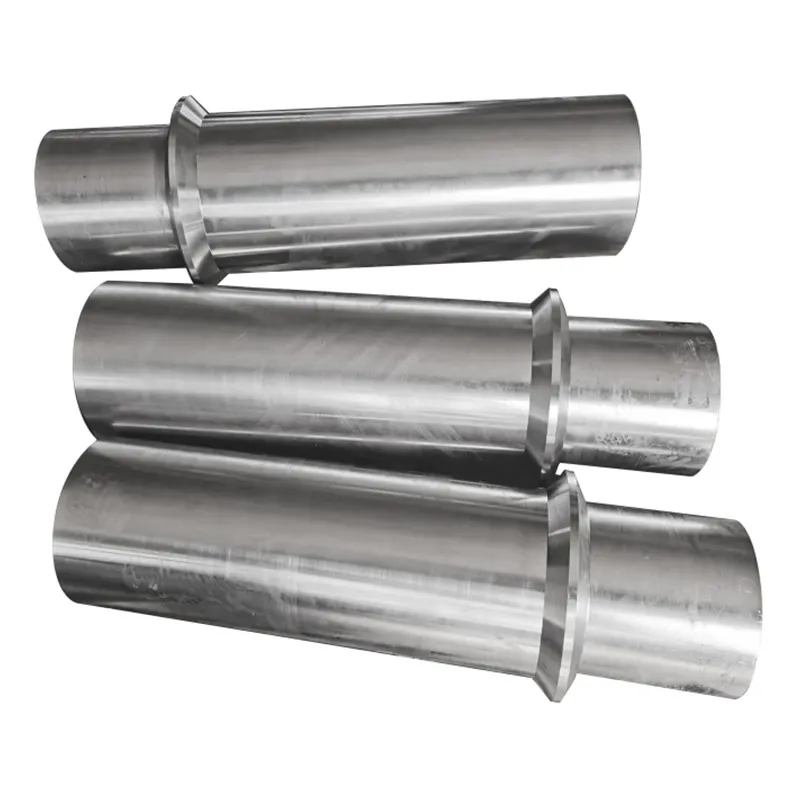
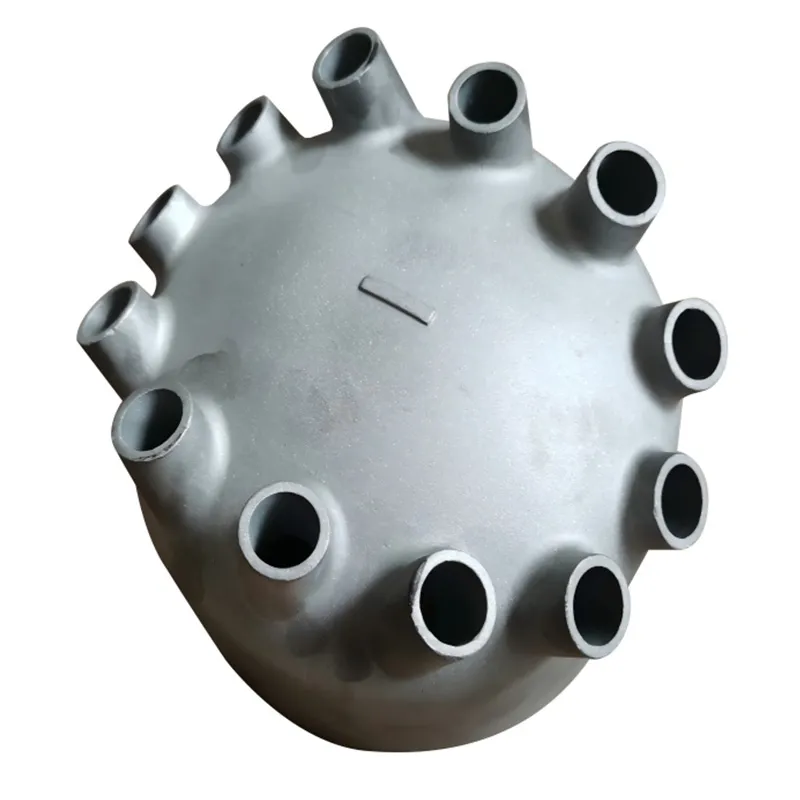
When most buyers or even some engineers hear 'OEM sand casting', they picture a basic, rough, low-cost part. That's the first and biggest misconception. It's not just about making cheap copies; it's about mastering a foundational, incredibly versatile process to deliver functional, reliable components at volume. The real skill lies in knowing when to use it, how to design for it, and how to control it to meet specs that often surprise people.
The Misunderstood Flexibility of Sand
Let's get specific. The flexibility isn't just about size—though yes, you can cast a tiny bracket or a massive machine bed. It's about material adaptability and design changes. I've worked on projects where a client came to us with a OEM sand casting design for ductile iron, but after reviewing the load and wear patterns, we suggested switching to a low-alloy steel. The tooling—the pattern—stayed largely the same, but the material change in the sand process gave the part a 40% longer service life. That's value you don't get from just shopping for the lowest quote.
The pattern itself is a whole discussion. Wood patterns for prototypes or short runs, urethane for a few hundred pieces, and finally metal patterns for production in the tens of thousands. Each step is a cost vs. volume decision. I've seen companies burn money by jumping to aluminum tooling for a 500-piece order, not realizing the wood pattern would have paid for itself ten times over. The gating system design in the sand mold is another hidden art. Poor gating leads to shrinkage, cold shuts, and wasted metal. It's not something you perfect from a textbook; it's from seeing hundreds of molds poured and cutting apart the scrap to see what went wrong.
This is where a foundry's experience tells. A company like Qingdao Qiangsenyuan Technology Co., Ltd. (QSY), with their decades in casting, understands this nuance. They aren't just a sand casting shop; their long-term operation means they've likely built and iterated on thousands of patterns. That institutional knowledge on how to orient a part in the mold, where to place risers, and how to adjust for different alloys is what you're really paying for.
Where It Fits (And Where It Doesn't)
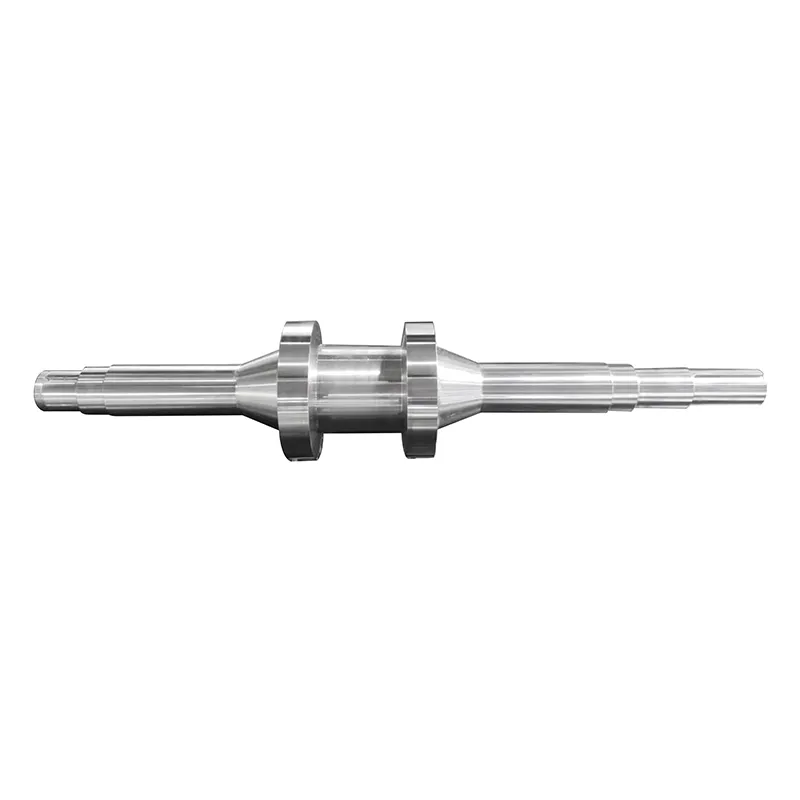
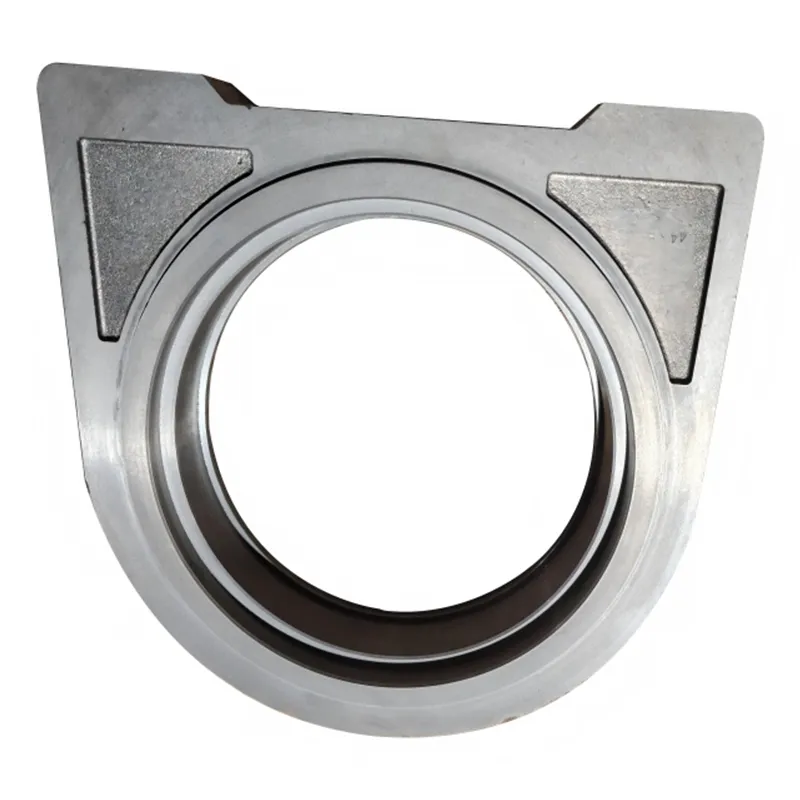
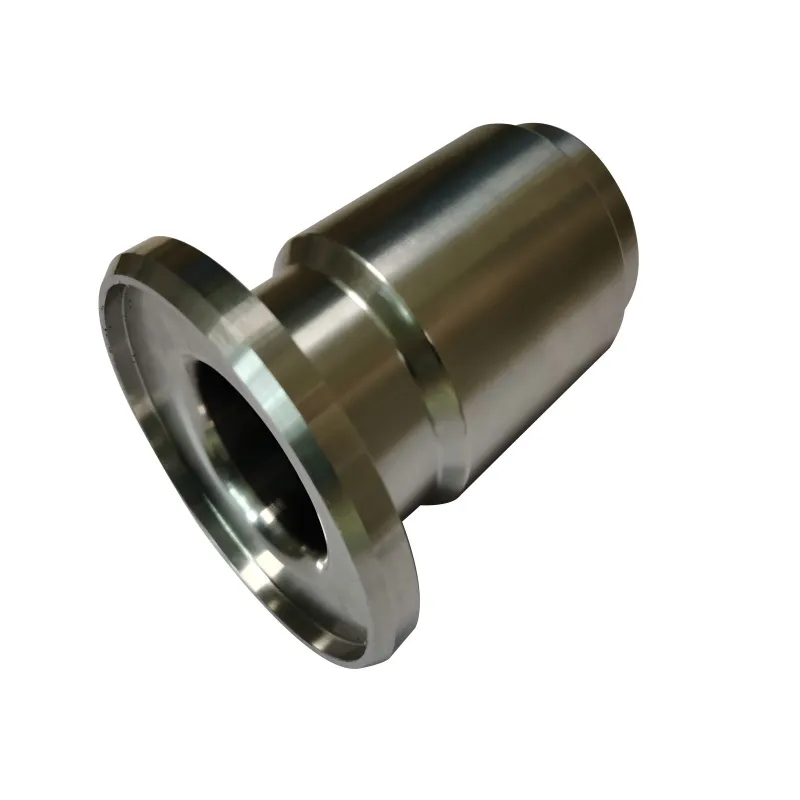
So when is OEM sand casting the right call? For complex, one-off or low-volume geometries in ferrous metals, it's often unbeatable. Think heavy machinery components, pump housings, or large valve bodies. The surface finish will be rougher than investment casting, and dimensional tolerance is wider—typically around +/- 0.5mm on a 100mm dimension, depending. You can't expect to hold tenths of a millimeter. If you need that, you're looking at their other services like CNC machining as a secondary operation, which is exactly what an integrated supplier provides.
I recall a project for a hydraulic manifold. The initial design was a welded fabrication from plate steel. The lead time was long, welding distortion was a nightmare, and pressure testing had leaks. We redesigned it as a single sand casting in cast steel. The integral passages were cored out in the sand mold, eliminating most welds. The as-cast surface needed cleaning, but the sealing surfaces were machined on a CNC mill. The result was a stronger, leak-proof part at a lower unit cost for the volume needed. The key was not seeing sand casting as the entire solution, but as the optimal base process.
The failure case? Trying to use it for thin-walled, intricate geometries in high volume. We once attempted a stainless steel filter housing with many fine ribs. The sand couldn't pack properly in the narrow cavities, leading to inconsistent fill and fragile molds. The yield rate was terrible. We switched to shell mold casting for that job—a process QSY also lists, which is essentially a refined sand process using resin-coated sand for better detail. Knowing the limit of the process saved the project.
The Critical Link: Foundry and Machining
This is the part many overlook. A raw sand casting is almost never the final part. You need machining for bolt holes, sealing surfaces, and critical dimensions. If your casting supplier is separate from your machine shop, you're inviting trouble. Dimensional benchmarks shift, logistics add cost, and finger-pointing starts when a casting is unmachinable.
An integrated operation changes everything. Take the example from QSY's profile: they offer both casting and CNC machining. This means the machining team works with the foundry from the pattern design stage. They can advise on adding machining stock in the right places, avoiding critical features near parting lines, and ensuring the casting has the structural integrity to withstand clamping forces during milling. The part is designed once for the entire manufacturing journey.
We learned this the hard way early on. Supplied a batch of ductile iron gearbox housings to a machine shop. The shop complained about tool wear and hard spots. Turns out, the cooling rate in our sand molds wasn't uniform, leading to slight variations in microstructure in certain sections. The machinists were hitting spots of higher hardness. Had we been under one roof, the feedback would have been immediate—adjust the cooling, maybe change the inoculant practice—and solved before the whole batch was poured. Now, we always stress the importance of a supplier that controls both processes.
Material is More Than a Spec Sheet
Clients hand over a material grade like ASTM A216 WCB and think the job is done. In sand casting, the grade is just the starting recipe. The melt practice, the ladle treatment, the pouring temperature into the sand mold—these define the actual material properties. A foundry's capability with special alloys, like the nickel-based or cobalt-based ones QSY mentions, is a strong indicator of metallurgical control. These alloys are unforgiving; wrong temperature or contamination in the sand mold can ruin the melt.
For instance, pouring a high-chromium iron for abrasion resistance. If you pour too hot into a sand mold, you can get chilling—forming very hard, brittle carbines right at the surface, which might spall off in service. If you pour too cool, you get mistruns. The window is narrow. It's about the feel and the data: watching the metal flow, checking the thermocouple readings, and knowing your sand's thermal properties. This isn't automated; it's a foundryman's skill.
This extends to post-casting heat treatment. A sand cast part often comes out with residual stresses and a microstructure that's not optimal. Normalizing, quenching and tempering—these are often essential for performance. A full-service provider will have this in-house or tightly managed. You don't want your stress-relieved casting sitting in a truck for two weeks before machining, potentially picking up new stresses.
The OEM Reality: Consistency at Volume
The OEM in OEM sand casting implies repeatable production. This is the hardest part. Making one good casting is easy. Making the 10,000th identical to the 1st is the challenge. Sand degrades, patterns wear, and furnace linings change. Process control is everything. It means rigorous inspection of first-article castings, not just final parts. It means periodic destructive testing—cutting up a casting to check internal soundness and microstructure—even during a running order.
A practical system we use is statistical process control on key dimensions from the as-cast parts, before machining. You see trends. If the bore location starts drifting, maybe the pattern plates are wearing or the molding machine needs adjustment. Catching it early prevents a batch of scrap. For a true OEM partnership, the supplier needs to have this mindset. It's not about inspection sorting out bad parts; it's about controlling the process so bad parts aren't made.
Looking at a long-established company's offering, like the 30-year history noted for QSY, that longevity often speaks to an ability to maintain this kind of consistency. They've seen their sand systems evolve, their molding technology upgrade, and have data across decades of pours. For an OEM, that historical process data is a hidden asset when qualifying a new part. They can say, For a similar geometry in 4340 steel, here's the shrinkage factor we applied, and here's the typical surface finish we achieved. That reduces your risk and development time dramatically.
In the end, successful OEM sand casting isn't a commodity purchase. It's a technical collaboration on a robust, economical manufacturing path. It requires a supplier that sees beyond the mold to the entire material and machining lifecycle. When it clicks, it delivers parts that are tough, cost-effective, and utterly reliable—exactly what OEM demand is all about.