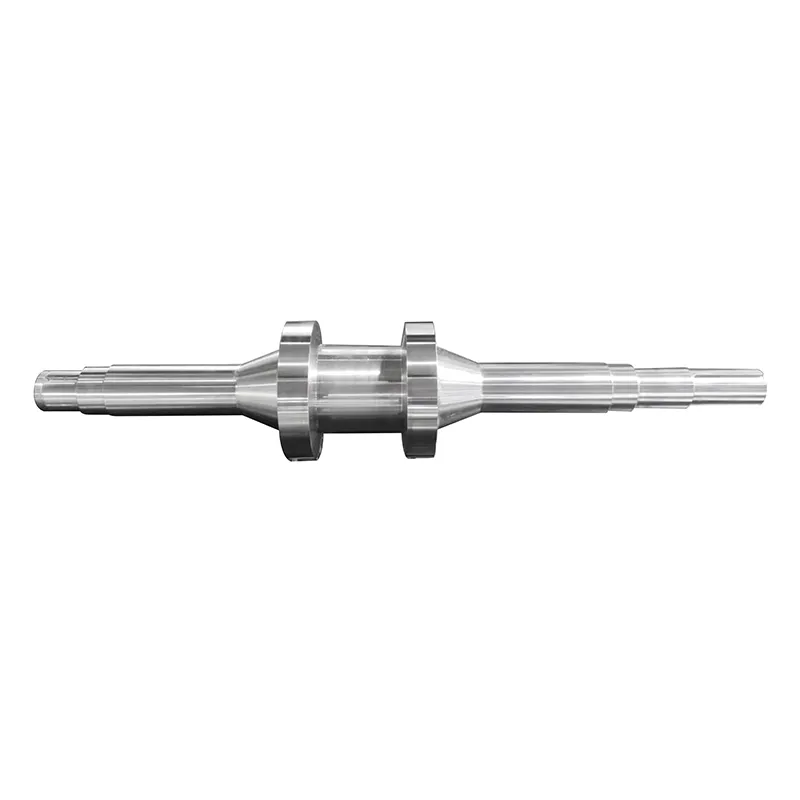
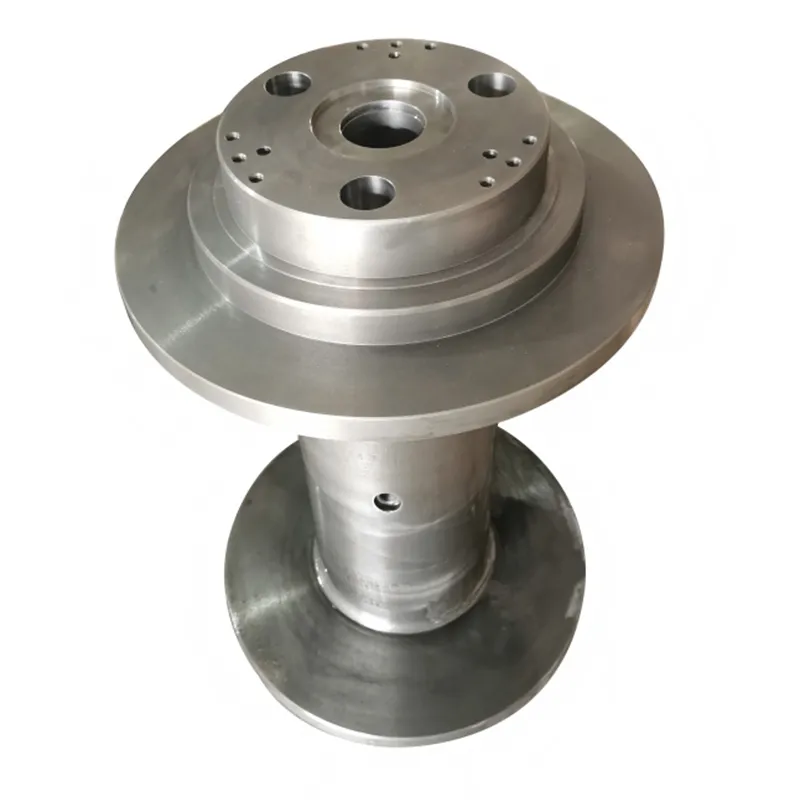
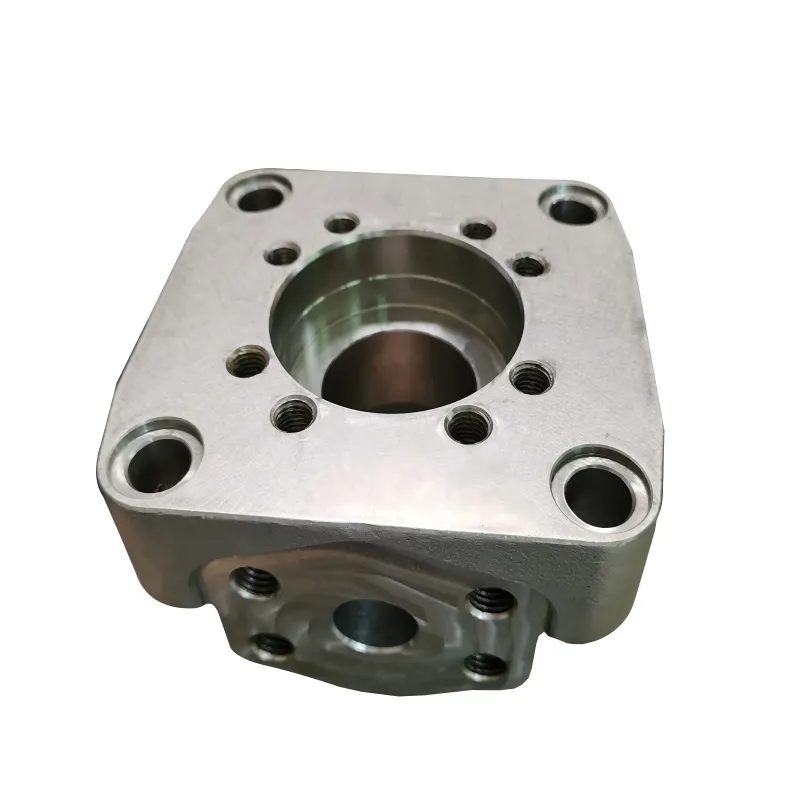
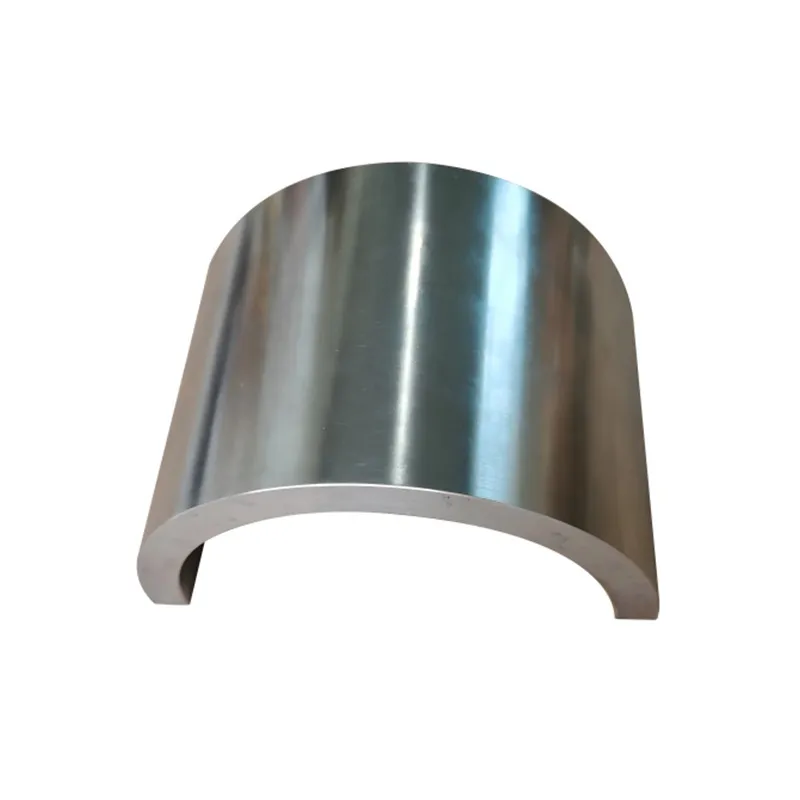
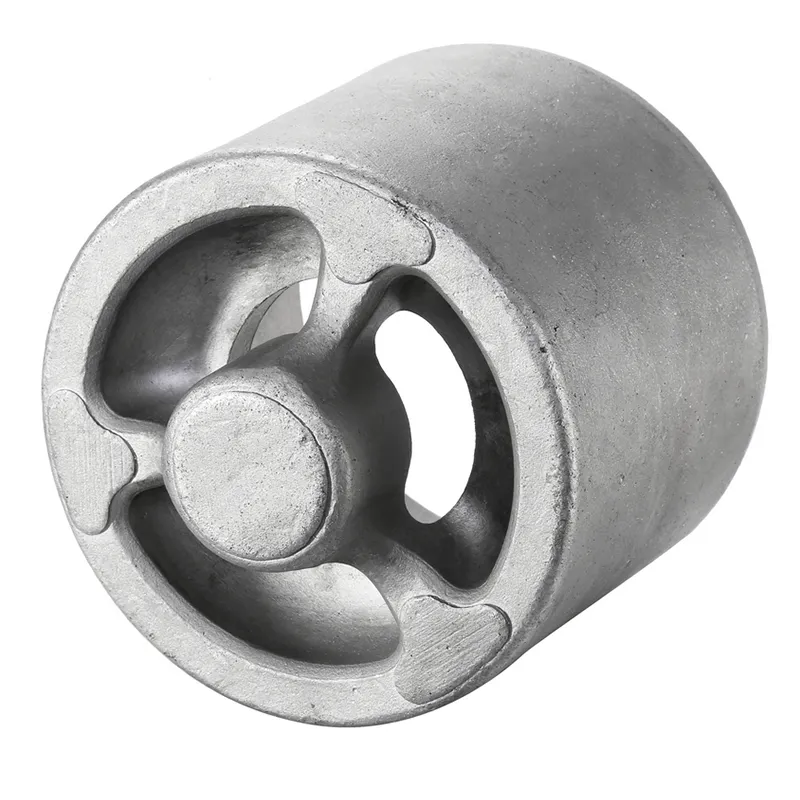
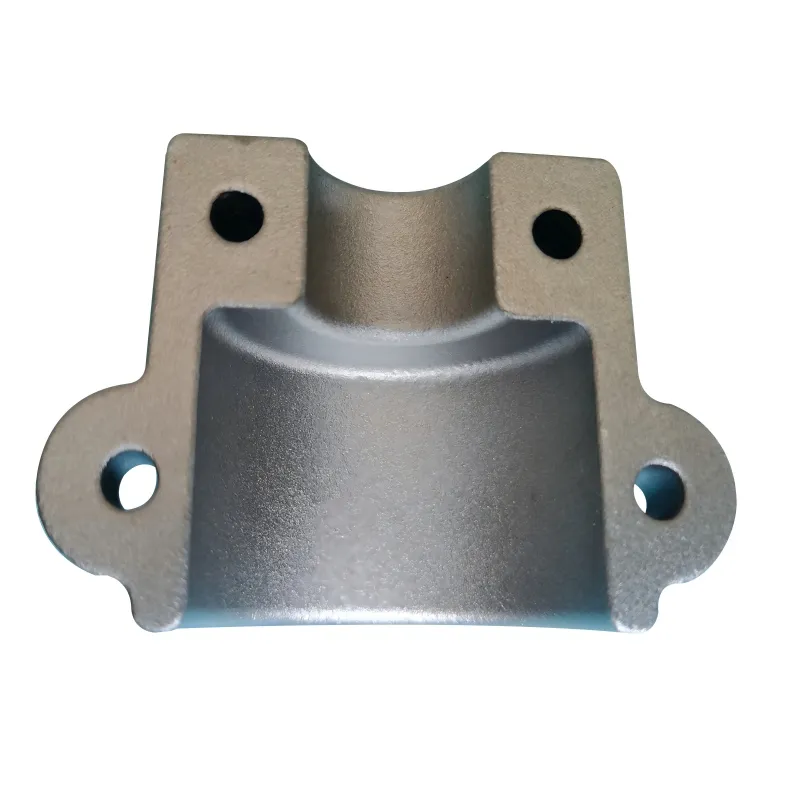
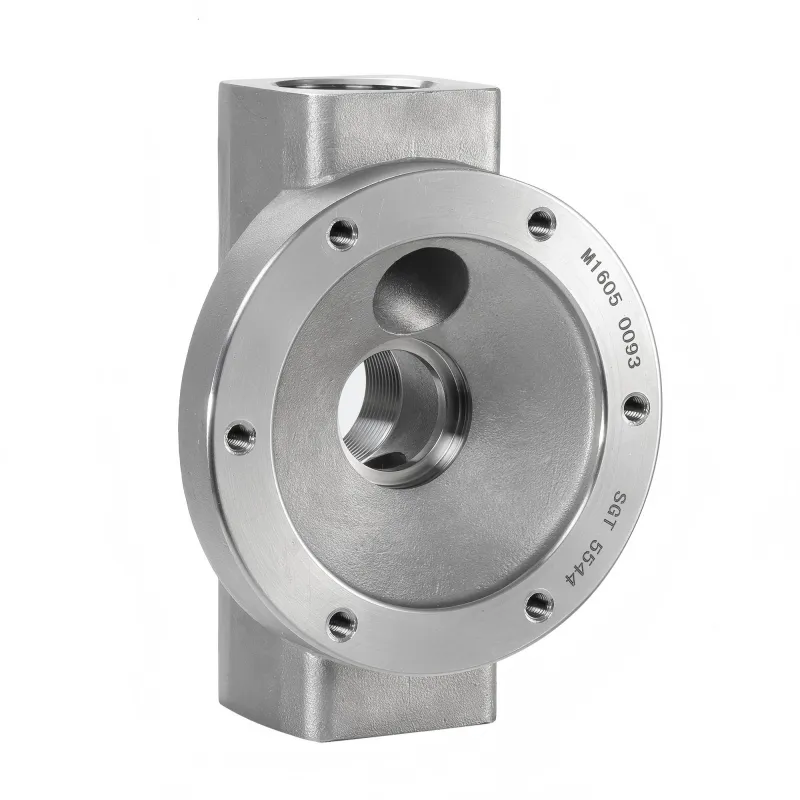
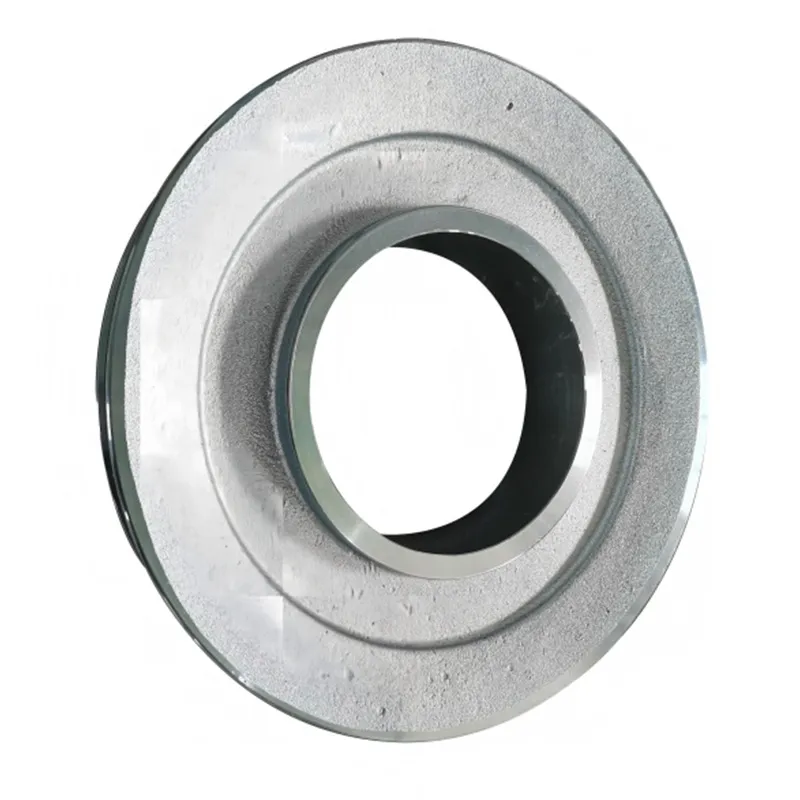
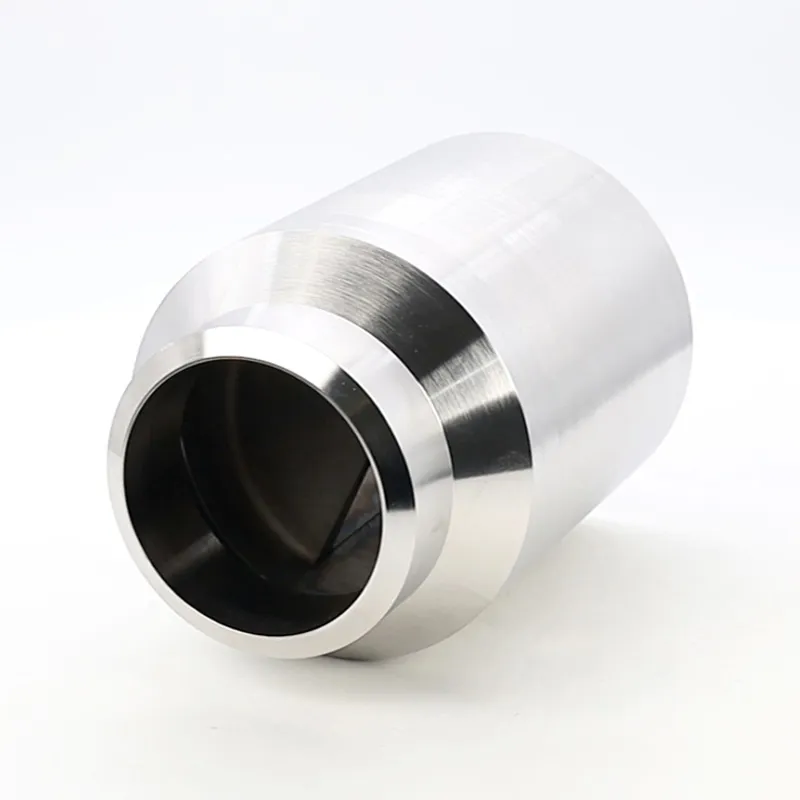
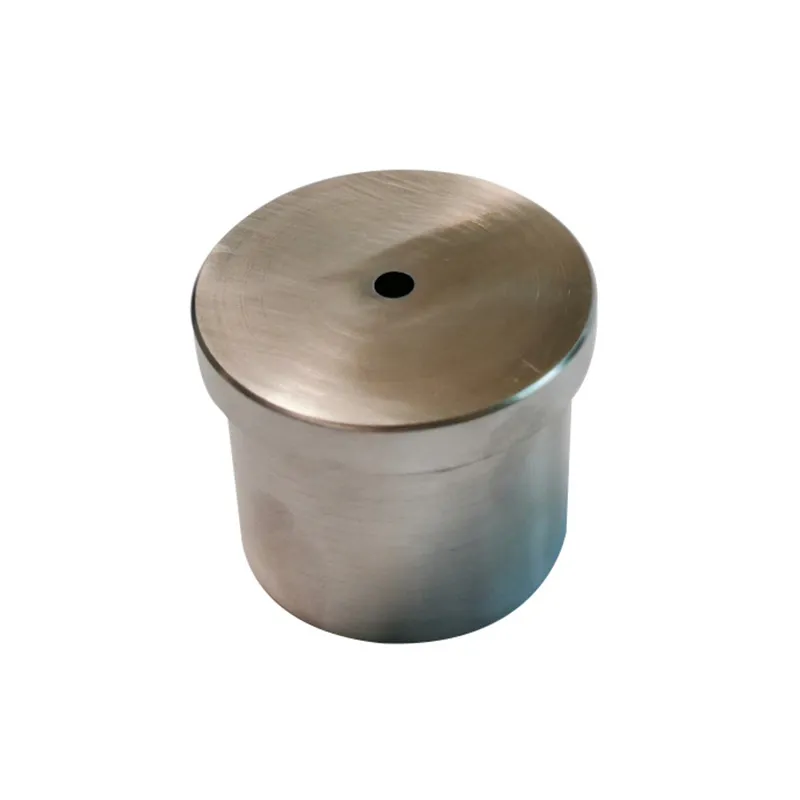
When people hear 'oil and gas equipment parts', they often picture the big, dramatic stuff – the Christmas trees, the massive valves on a rig floor. That's a common oversight. The real story, the one that keeps operations running or brings them to a grinding halt, is in the less glamorous components. The manifold blocks, the subs, the sensor housings, the pump impellers. These are the parts where material integrity and precision aren't just specs on a sheet; they're what stand between a routine maintenance cycle and a catastrophic non-productive time (NPT) event. I've seen too many projects where the engineering focus was all upstream, only to get tripped up by a batch of substandard alloy stud bolts or a heat-treated coupling that didn't meet the full spec for sour service. That's where the real expertise, and the real cost, gets buried.
Material Isn't Just a Grade Number
You can't just order 316 stainless and call it a day. For oil and gas equipment parts operating in downhole or subsea environments, the material certificate is the first gospel. But it's not the only one. I recall a project for high-pressure frac tree components where the forgings came in with the correct ASTM A182 F316L certs. On paper, perfect. But during the machining process at our partner shop, the machinists noticed inconsistent tool wear and slight variations in chip formation. Something felt off. We pushed for additional, non-standard tests – ferrite content check, pitting resistance equivalence number (PREN) verification beyond the standard minimum. Turns out, the melt chemistry was at the very bottom edge of the spec for molybdenum. In a standard application, it might have passed. For the chloride-rich, high-pressure environment it was destined for, it was a gamble we couldn't take. We rejected the lot. That decision, based on a 'feel' from the machining floor, saved a potential well control incident later. It's this granular, almost obsessive attention to the metal itself that separates part suppliers.
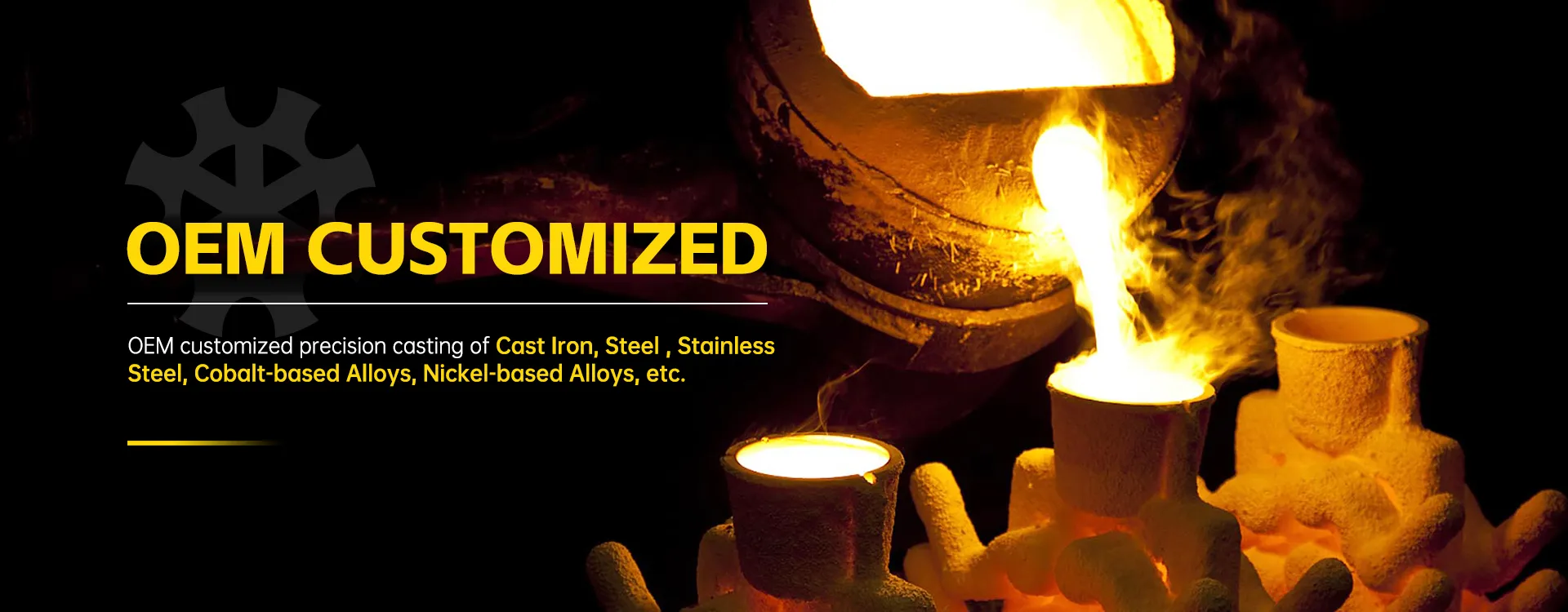
This is why long-term relationships with foundries and machinists who get this are invaluable. I've worked with Qingdao Qiangsenyuan Technology Co., Ltd. (QSY) on several projects over the years. Their background in shell mold casting and investment casting for over three decades means they've seen the evolution of material specs firsthand. When you discuss a part for a mud pump fluid end or a choke valve trim, they're not just thinking about the shape; they're thinking about the grain structure of the 17-4PH stainless after aging, or how a cobalt-based alloy will behave during the intricate CNC machining of internal flow passages. That institutional memory in the casting and CNC machining of oilfield alloys is something you can't buy overnight.
The shift towards exotic alloys for extreme service – think Inconel 718 for high-temperature high-pressure (HTHP) wells or duplex stainless steels for corrosive flowlines – has made this even more critical. Machining a nickel-based alloy isn't like machining carbon steel; the parameters are different, the tooling is different, the cooling is different. A shop that treats it like just another hard metal will burn through tools, induce micro-cracks, and compromise the part's service life before it even leaves the factory. The expertise lies in tailoring the entire manufacturing chain, from the casting method to the final machining pass, to the specific metallurgy.
Precision: Where Close Enough Costs Millions
Tolerances in this field aren't about aesthetics. A mating thread profile that's off by a few thousandths of an inch can mean a connection won't pressure test. A sealing surface with a Ra finish that's too rough, or worse, too smooth and doesn't allow proper gasket seating, will leak. I learned this the hard way early on with a batch of API 6A flange adapters. The parts looked beautiful, dimensions were within the print's stated tolerances. But during the make-up on the rig, the torque curve was all wrong. The problem? The thread root radius, a detail not always heavily scrutinized on the inspection report, was at the tight end of the tolerance band, creating interference during the final turns. Result: galling, followed by a frantic search for replacement parts and 36 hours of rig downtime. The cost of the parts was negligible compared to the NPT.
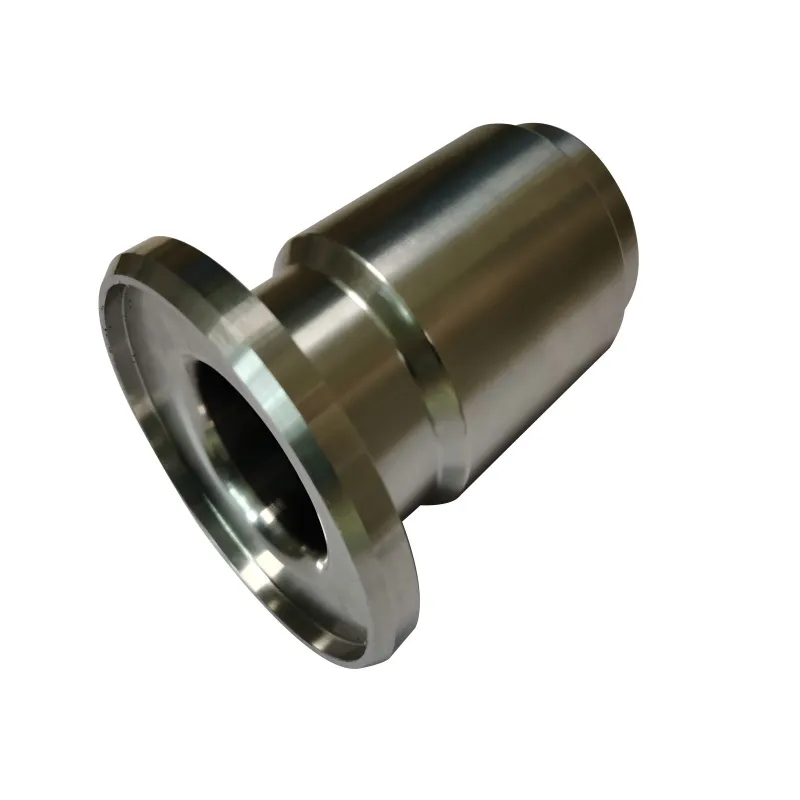
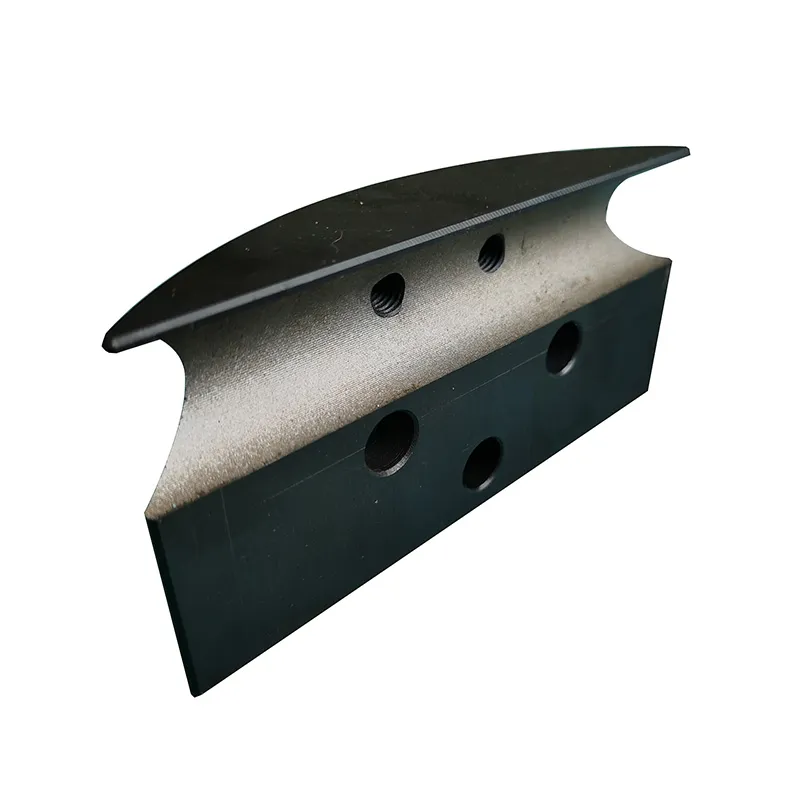
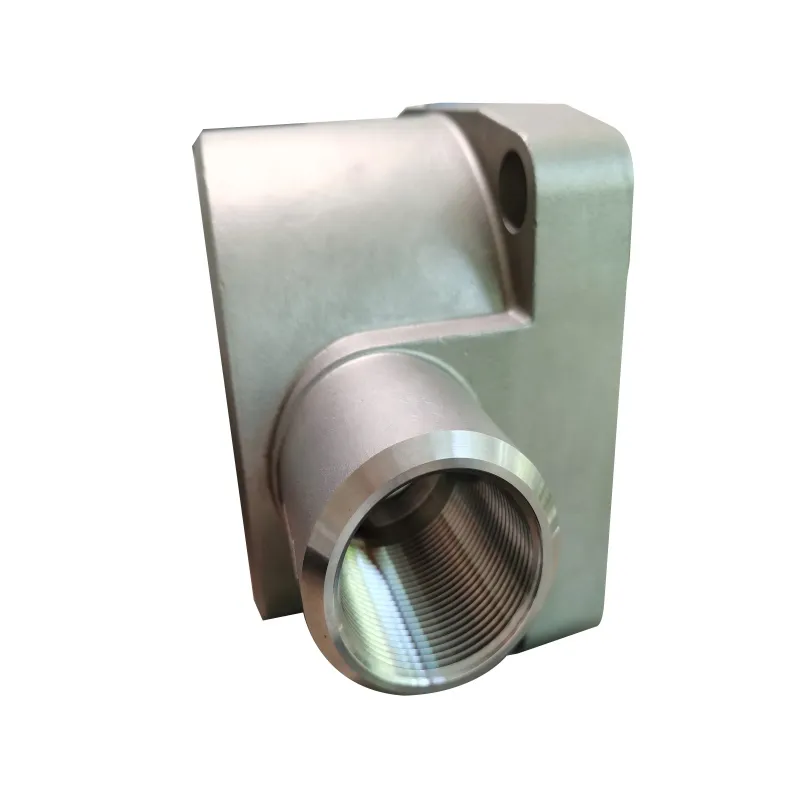
This is where advanced CNC machining and rigorous quality control intersect. It's not just about having a 5-axis mill; it's about the programming, the fixturing, the in-process measurement. For complex parts like a subsea connector housing or a control valve body with intersecting bores, the sequence of operations is critical to prevent stress distortion. A company like QSY, with their dedicated machining division, understands that the casting is only half the battle. The machining is where the functional geometry and critical sealing features are born. They have to manage the residual stresses from the casting process during the machining stages, which requires a deep process knowledge.
Another often-overlooked aspect is traceability. Every critical oil and gas equipment part needs a pedigree. That means traceability from the final machined part back to the heat number of the raw material, through every non-destructive test (NDT) like UT, MT, or PT. In an audit or, heaven forbid, a failure investigation, that paperwork is as important as the part itself. A robust system here speaks volumes about a supplier's professionalism.
The Casting Choice: More Than a Price Point
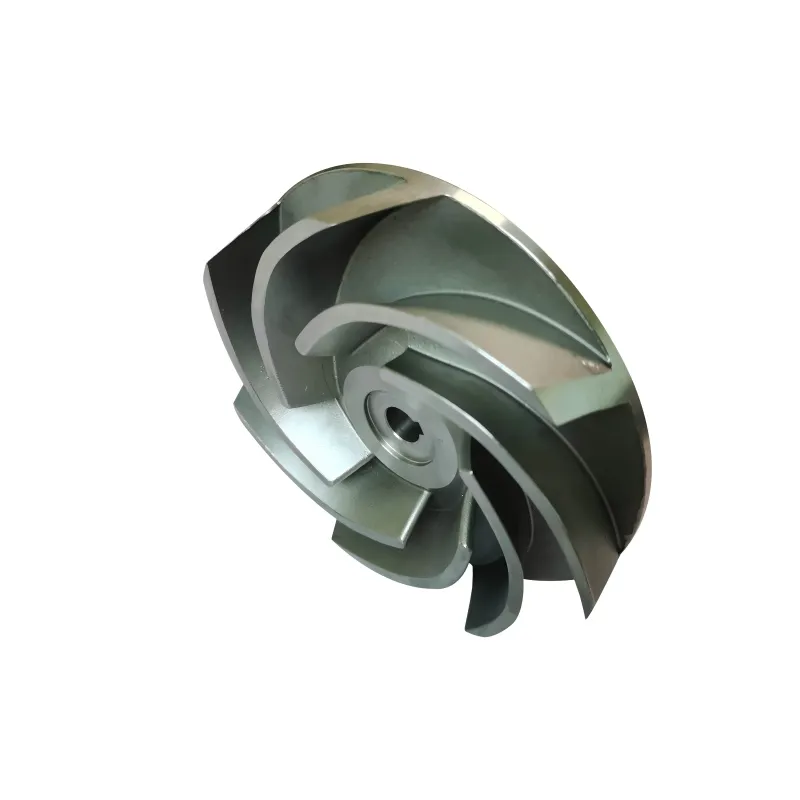
Shell mold casting versus investment casting – it's not a simple either/or. Each has its domain in the parts ecosystem. For larger, relatively simpler geometry parts that need good structural integrity and better surface finish than traditional sand casting – think valve bodies, gearbox housings, or large pump casings – shell mold casting is often the workhorse. It offers a good balance of cost, dimensional accuracy, and production rate for medium to high volumes.
But when you get into parts with complex internal geometries, thin walls, or exceptional surface finish requirements, investment casting (the lost-wax process) comes into its own. Think turbine blades for turbo-expanders, intricate filter housings, or components for measurement-while-drilling (MWD) tools. The ability to produce near-net-shape parts with minimal draft angles reduces the amount of expensive alloy that needs to be machined away later, which is a huge cost saver for materials like Inconel or Hastelloy. The downside is the lead time and the cost for the mold patterns. The decision hinges on the part's function, quantity, and the total landed cost when machining is factored in.
I've sourced parts from QSY utilizing both methods. For a run of flow control spools with internal porting, shell molding was the right choice. For a set of corrosion-resistant alloy choke trim parts with tiny, precise flow orifices, investment casting was the only way to achieve the required integrity. A supplier that can offer and objectively advise on both processes, rather than pushing one because it's their only capability, is a valuable partner. It means they're solving for the best manufacturing outcome, not just filling an order.
Failure as a Forcing Function
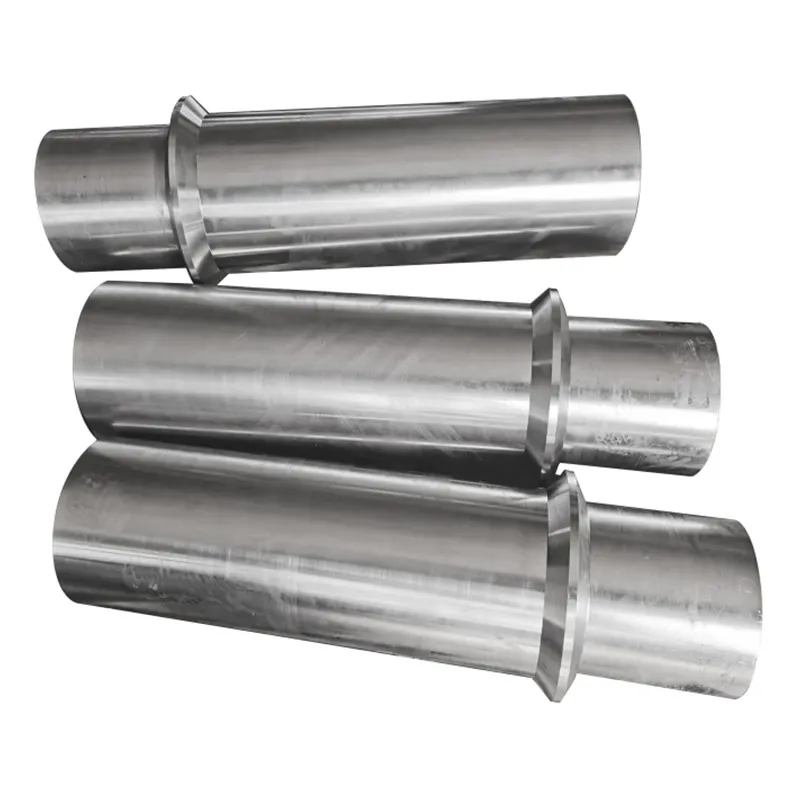
You don't really learn about parts until something breaks. A few years back, we had a recurring issue with premature wear on plungers in a high-pressure triplex pump. The material was the standard hardened alloy steel, the specs were met, but they were failing well short of their expected life. The initial reaction was to blame the operating conditions. But after tearing down several failed units and comparing them to ones that lasted, we noticed a subtle difference in the surface microstructure of the sealing area. The successful parts had a more consistent, finer grain structure from a specific heat-treating cycle post-machining.
The fix wasn't a new material, but a tighter control and specification of the post-CNC machining heat treatment process – the tempering temperature, the quenching medium, everything. We updated the drawing and the manufacturing process specification (MPS) to lock this in. This is the kind of detail that separates a commodity part from a reliable component. It often requires collaboration with a manufacturer willing to dig into their process controls. It's not exciting work, but it's what prevents failures.
These lessons get baked into future designs. Now, when specifying a part for a similar application, the conversation starts with, Remember the plunger issue? We need to specify the heat treat protocol right on the PO, and we need full records. It forces a more detailed, more collaborative relationship with the parts maker.
The Real Value of a Long-Standing Partner
In the end, sourcing oil and gas equipment parts isn't a transactional game of finding the lowest bidder. It's about risk management. The financial risk of NPT dwarfs any savings on unit part cost. When you find a manufacturer that has been through cycles – the booms, the busts, the evolving material and safety standards – you're buying into that accumulated, sometimes painful, experience.
A company like QSY, with its 30-year history in casting and machining, embodies that. They've likely seen specification changes from API 6A to 6AV1, they've adapted to the demands of NORSOK M-650 for North Sea work, and they've machined everything from basic cast iron to super duplex stainless steels. That history means they can anticipate problems. They might look at a drawing and say, We've made something similar for a manifold in the Gulf. The wall thickness here at the junction might be an issue for porosity; have you considered a slight redesign for better casting flow? That kind of feedback is gold.
It turns the relationship from a buyer-supplier dynamic into a collaborative engineering effort. The goal shifts from merely manufacturing a part to co-developing a reliable component that performs in the field. That's the intangible you're really after. When the pressure is on, and you need a critical part that you know will hold, that partnership is what you're relying on, far more than the purchase order number.