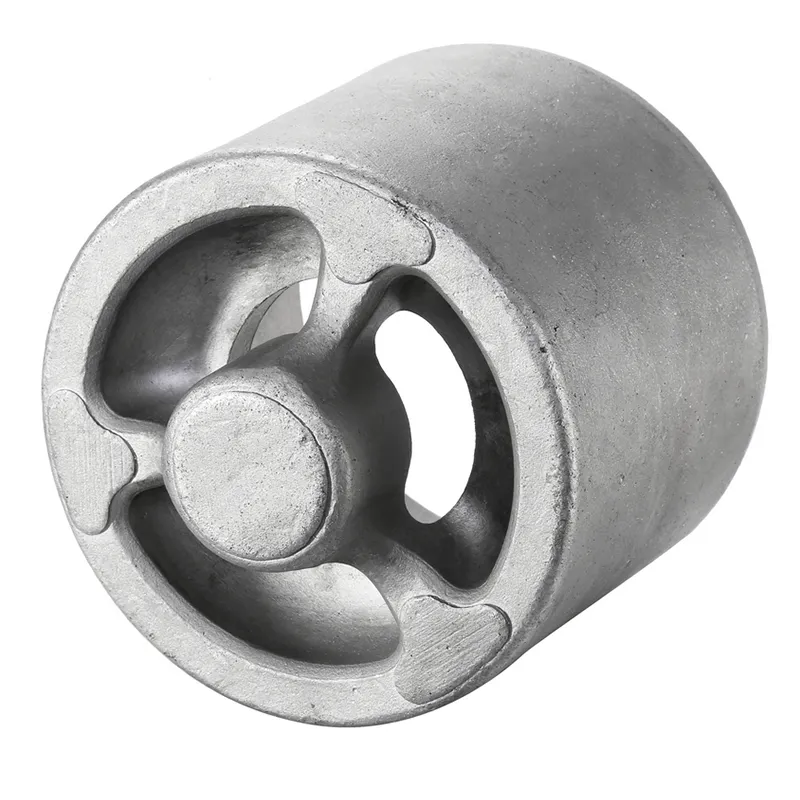
When you hear 'plate levelers', the immediate image is often a massive machine at the end of a rolling line, right? That's the common picture, but in the world of custom metal parts, especially for complex castings and machined components, the reality is more nuanced. It's not just about flattening a sheet; it's about correcting inherent stresses from processes like casting or heavy machining. Many assume leveling is a brute-force, post-production fix. In my experience, that's where projects start to go sideways—treating it as an afterthought rather than a critical phase integrated into the manufacturing strategy.
The Real Challenge with Cast and Machined Parts
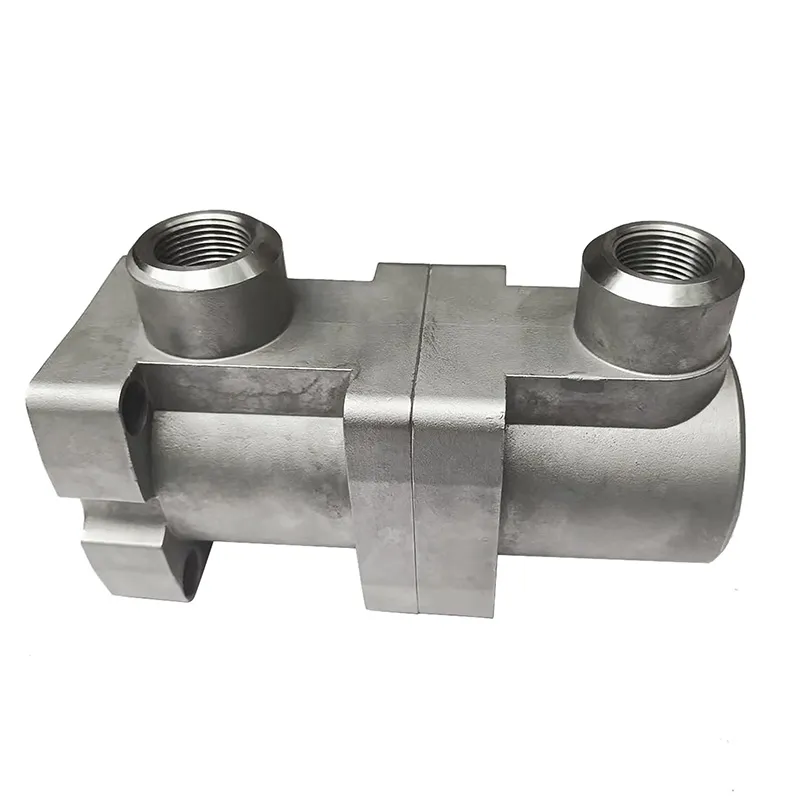
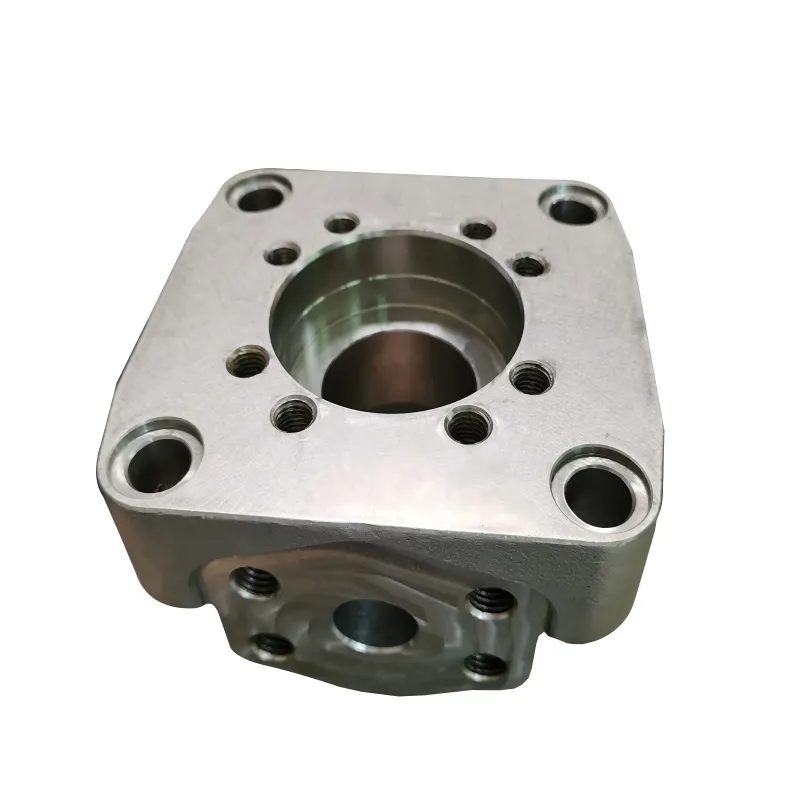
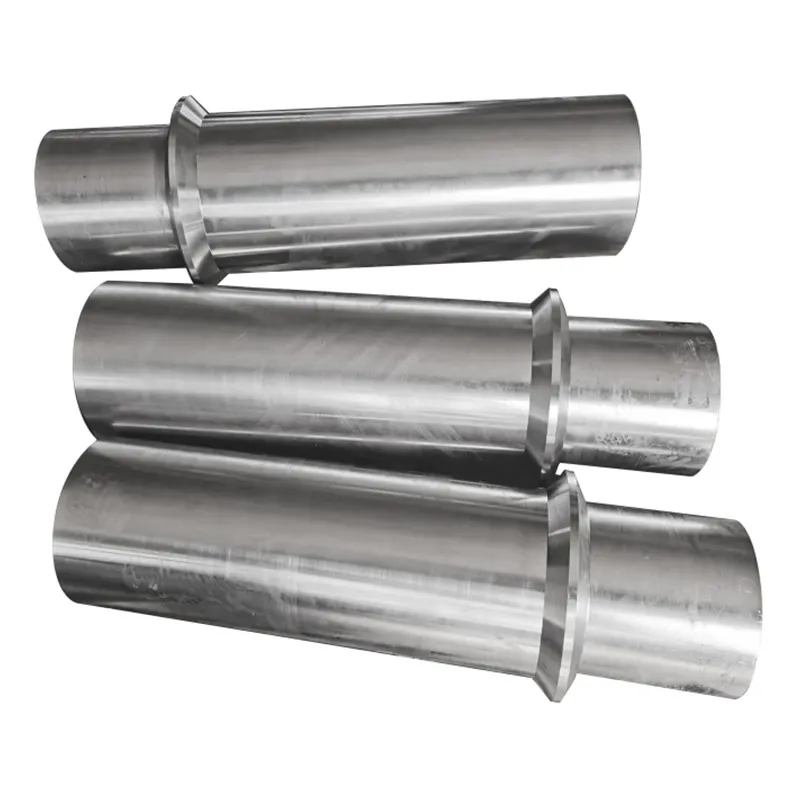
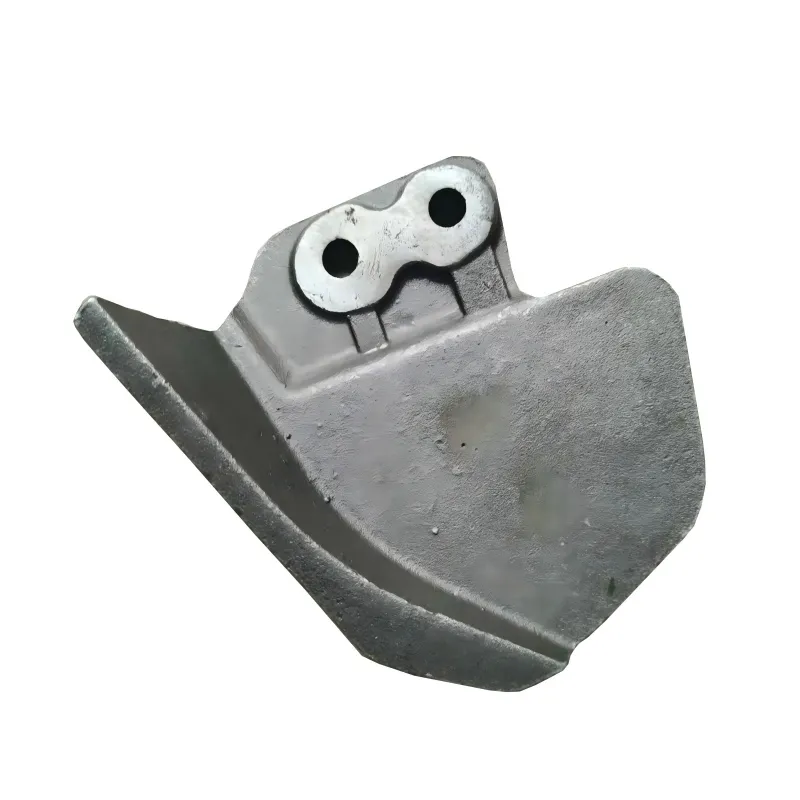
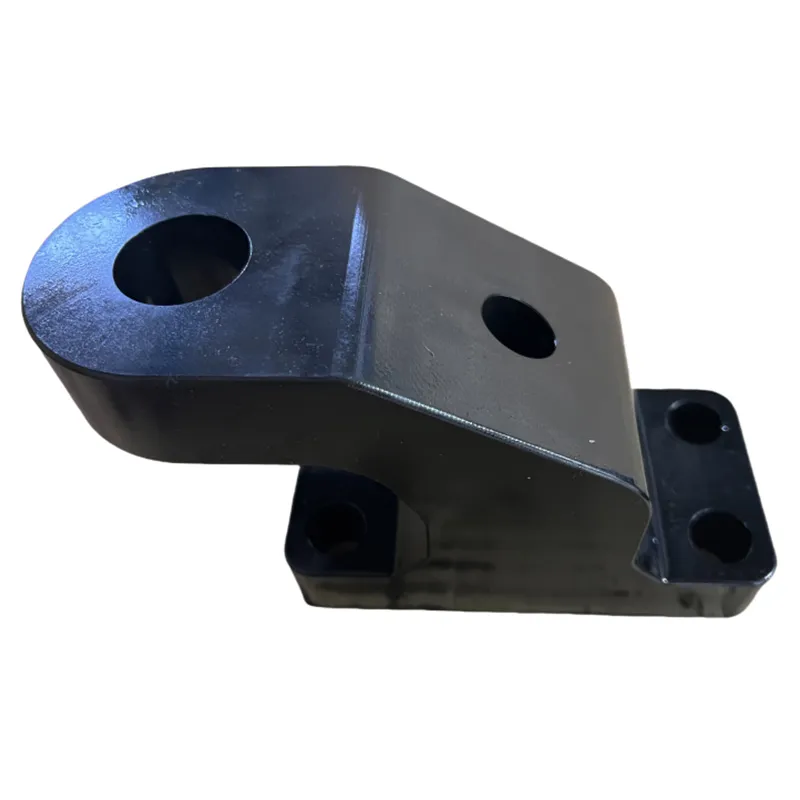
Take a large valve body or a pump housing from a foundry. Even with the best shell mold or investment casting techniques, like those used by Qingdao Qiangsenyuan Technology Co., Ltd.(QSY), thermal stresses during solidification are inevitable. You get a part that's geometrically accurate but with microscopic internal tensions. If you skip proper plate levelers or stress-relieving protocols and go straight to precision CNC machining on that unstable foundation, you're asking for trouble. I've seen a stainless steel manifold hold tolerance perfectly on the CMM at the machine, only to warp weeks later after a single thermal cycle in the field. The machining was flawless; the preparation of the base material wasn't.
This is where the distinction between straightening and leveling gets practical. Straightening might fix a visible bow. True leveling, particularly for thick-section metal parts, involves understanding the material's memory. For their specialty alloys—nickel-based or cobalt-based—the behavior is entirely different from carbon steel. A standard roller leveler setting that works for mild steel can either do nothing or, worse, induce new stresses in these high-performance alloys. The process often needs to be coupled with controlled thermal treatment. It's less about brute force and more about a calculated coaxing.
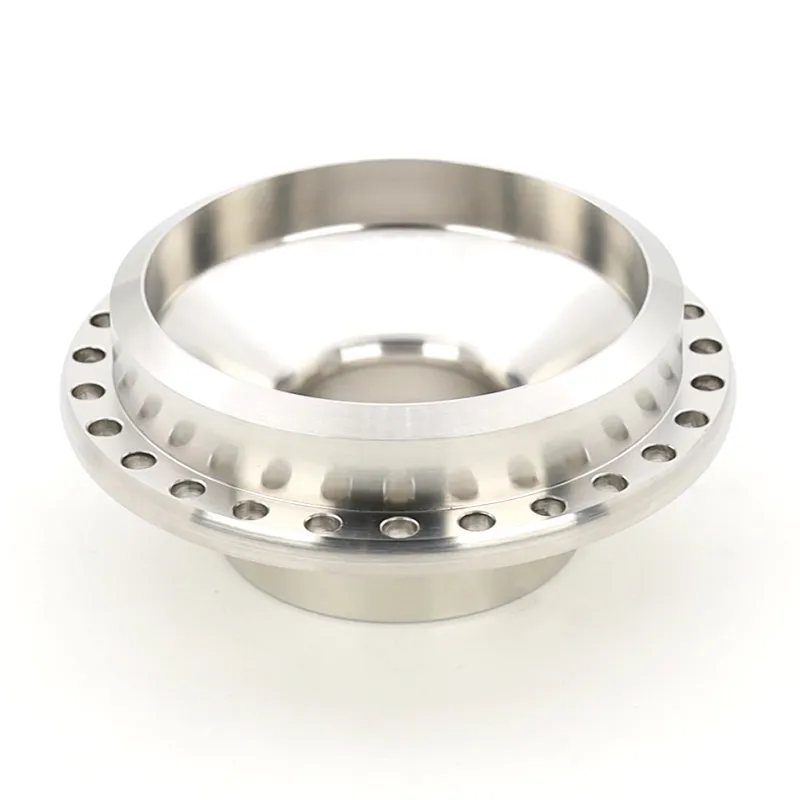
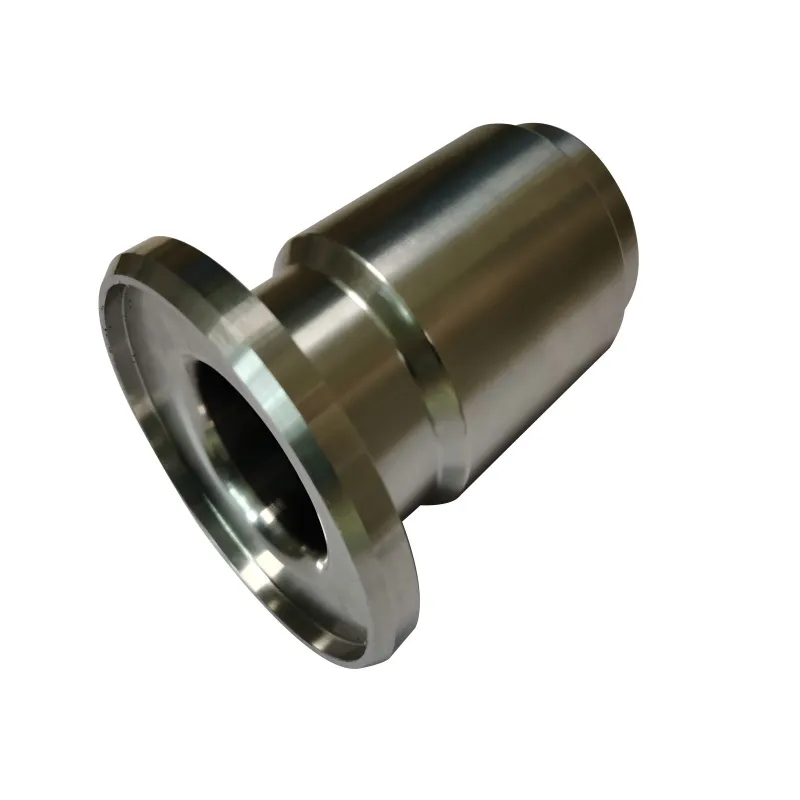
I recall a project involving a series of large, flanged connectors in duplex stainless steel. The castings from the foundry were sound, but they had a slight dish. The initial thought was to machine the sealing faces and then press them flat. Bad move. The machining itself released stresses, causing the dish to invert. We ended up having to work with the supplier to implement an intermediate stress relief after rough machining, followed by a very light, iterative leveling process on a hydraulic precision straightening press—not a traditional roller leveler—before the final finishing cuts. It added steps, but it was the only way to guarantee flatness stability.
Integrating Leveling into the Manufacturing Chain
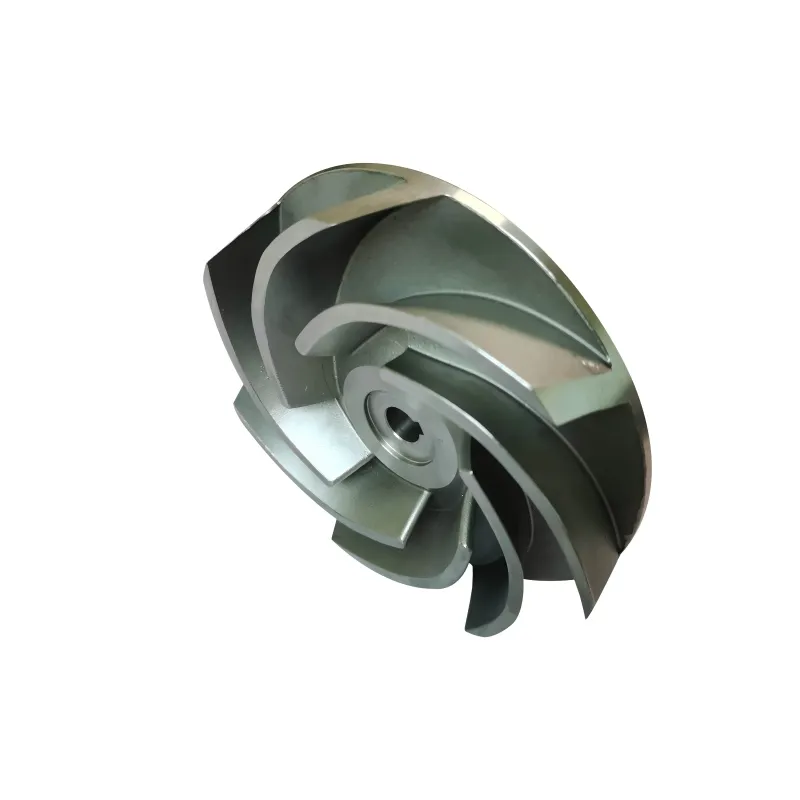
For a supplier like QSY, with their decades in casting and machining, the value isn't just in having a leveler. It's in knowing when and how to apply it within the full process flow. On their site, tsingtaocnc.com, they detail their capabilities across casting and CNC machining. The professional insight lies in the undocumented know-how: the decision tree for a complex part. Does this investment-cast turbine component need leveling before any machining? Or after roughing? The answer depends on wall thickness variations, asymmetric geometries, and the alloy's specific quench sensitivity.
A common pitfall is over-leveling. Applying too much correction, especially on ductile materials, can work-harden the surface or create new tension zones. I learned this the hard way early on with a batch of cast iron plates. We kept running them through the leveler to achieve a perfect flatness gauge reading. In service, under vibration, several developed hairline cracks originating from the over-worked edges. The lesson was that for components subject to dynamic loads, a state of uniform stress is often more critical than absolute planar perfection. Sometimes, a 0.5mm deviation over a meter is perfectly functional if it's stable and predictable.
The tooling and setup are another layer. The rolls on a leveler aren't universal. For delicate, near-net-shape investment castings, you need rolls with specific diameters and surface finishes to avoid marring the profile. For a heavy, rough-sawn steel block heading to the machining center, you need immense tonnage and robust support. A shop that understands this will have different leveling solutions or adapt their methods—sometimes even using manual flame straightening with temperature-indicating crayons for one-off, irregularly shaped parts. It's this pragmatic, non-dogmatic approach that defines real expertise.
Material Specifics and the Feel of the Process
Working with QSY's range of materials, from standard cast irons to exotic alloys, you can't have a one-setting-fits-all approach. Nickel-based alloys, for instance, have a high hot strength and are often used in as-cast or forged condition. Their leveling often requires localized heating to a specific range (below the critical grain growth temperature) to allow plastic adjustment without cracking. You're not just flattening; you're performing a localized heat treatment. This isn't something you pull from a manual; it's based on metallurgical experience and sometimes a bit of trial on a sample piece.
For standard steel plates destined to become machine bases or frames, the process is more mechanical but still requires judgment. The sequence of passes, the incremental adjustment of the rolls—it's a feedback loop between the operator, the machine groans, and the springback observed after each pass. An experienced operator can hear when the material is yielding properly versus when it's just being bent elastically. This tactile, almost intuitive knowledge is what separates a functional part from a reliably stable one. It's why fully automated, sensor-driven leveling still sometimes needs a seasoned eye for complex fabrications.
Let's talk about distortion post-machining. Even after a part is leveled, aggressive CNC machining that removes large amounts of material asymmetrically can unbalance the stress state. A good practice, which I've seen implemented effectively in integrated shops, is to specify a final, very light skin pass leveling or a vibratory stress relief after finish machining for critical components. This isn't always in the standard quote, but it's a conversation worth having for parts where long-term dimensional stability is non-negotiable, like in precision drive systems or hydraulic manifolds.
Case Point: The Flange Assembly That Almost Failed
A concrete example: a client needed large, bolt-together flange assemblies for a custom processing line. The central ring was a heavy-section stainless steel casting, sourced and machined. The mating faces were machined to a mirror finish and checked flat. During trial assembly, they wouldn't seal. The issue? Each flange ring had been leveled and machined in isolation. When bolted together, the bolt tension introduced a new system stress that caused minute elastic deformation, breaking the seal. The solution wasn't to re-level them individually, but to perform a paired, bolted-together stress relief treatment before the final facing cut. This ensured both parts would deform in unison under load. It was a system-level thinking about flatness, not just a component-level one.
This ties back to the core idea: plate levelers and flattening processes are not just standalone machines. They are a function, a critical step that must be planned in concert with material science, upstream casting, and downstream machining. A supplier's true capability, like what you'd expect from a veteran player such as QSY, is evidenced by their ability to navigate these interdependencies. It's in their process design, their failure history, and their willingness to discuss not just the machine's capacity, but the methodology behind its use for your specific metal parts.
So, when evaluating a fabrication or machining partner, don't just ask if they have a leveler. Ask how they use it. Ask about their most challenging leveling job and what they learned. The answer will tell you far more about their practical expertise than any equipment list ever could. The goal is never just flatness on the table; it's stability in the application. And that requires a depth of understanding that goes well beyond the basic operation of the plate levelers themselves.