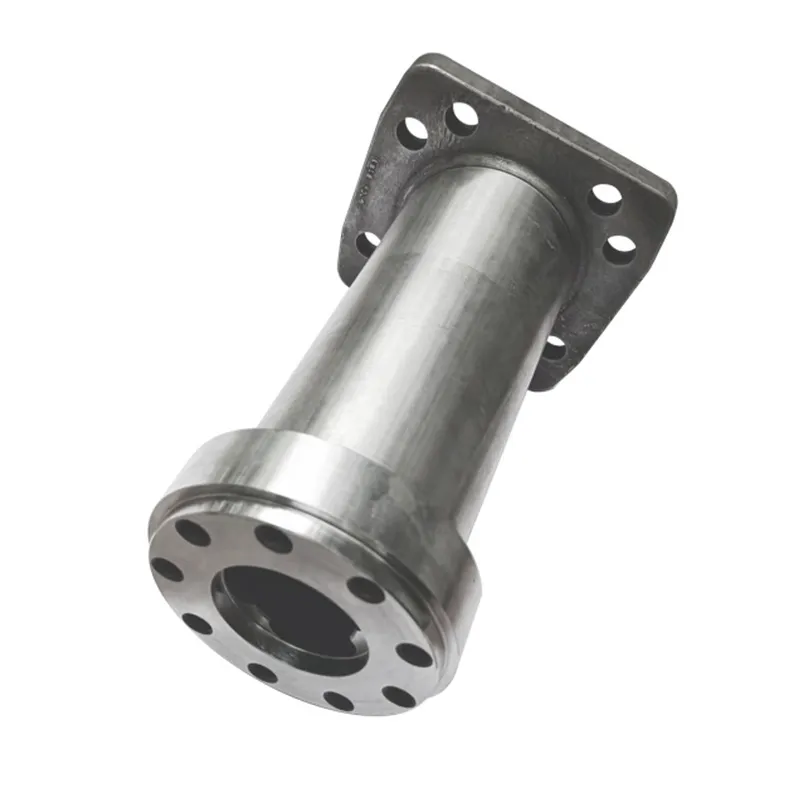
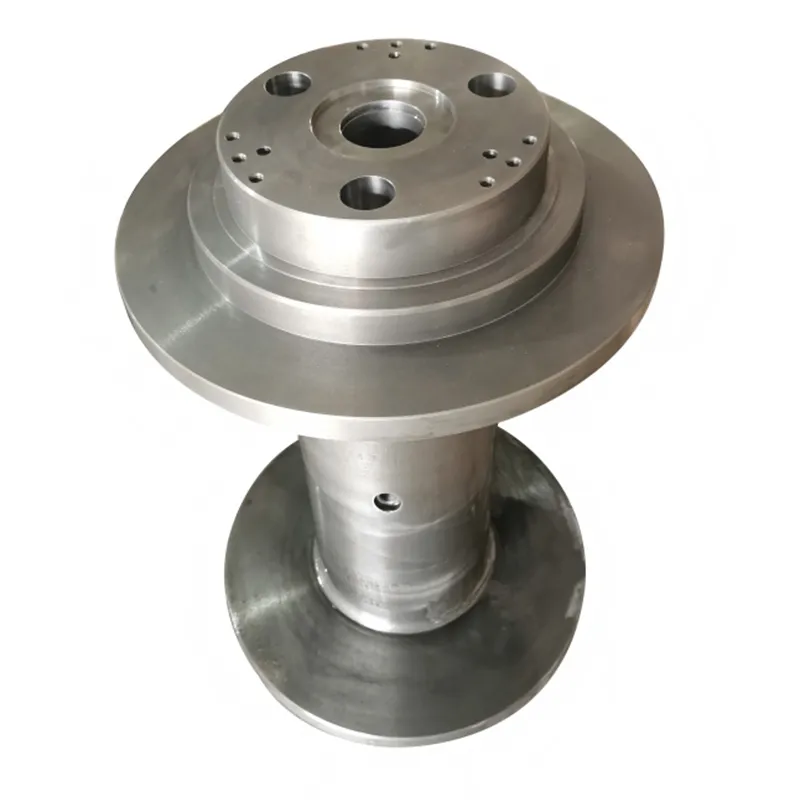
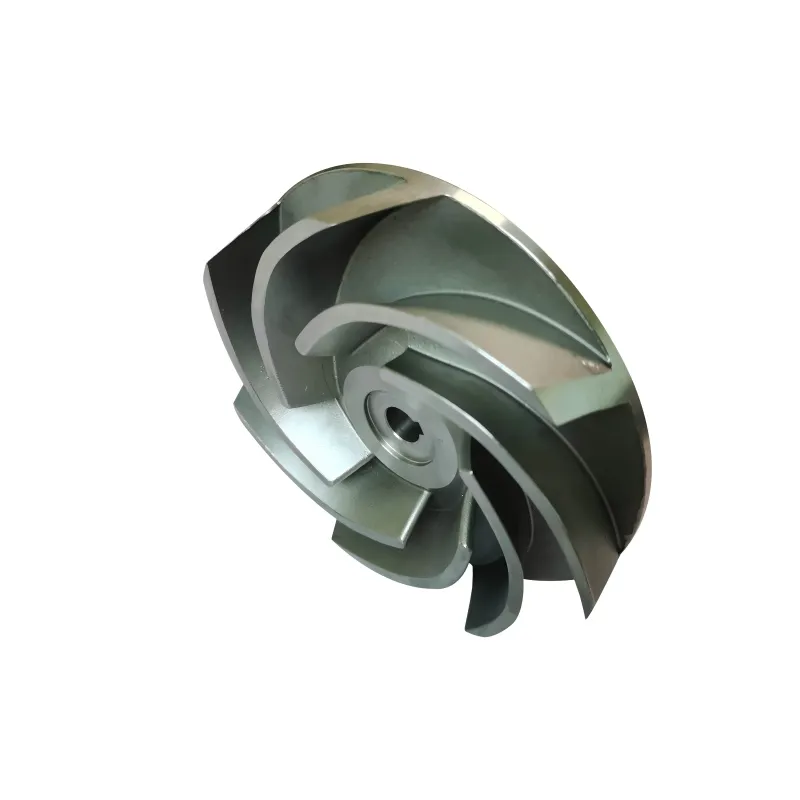
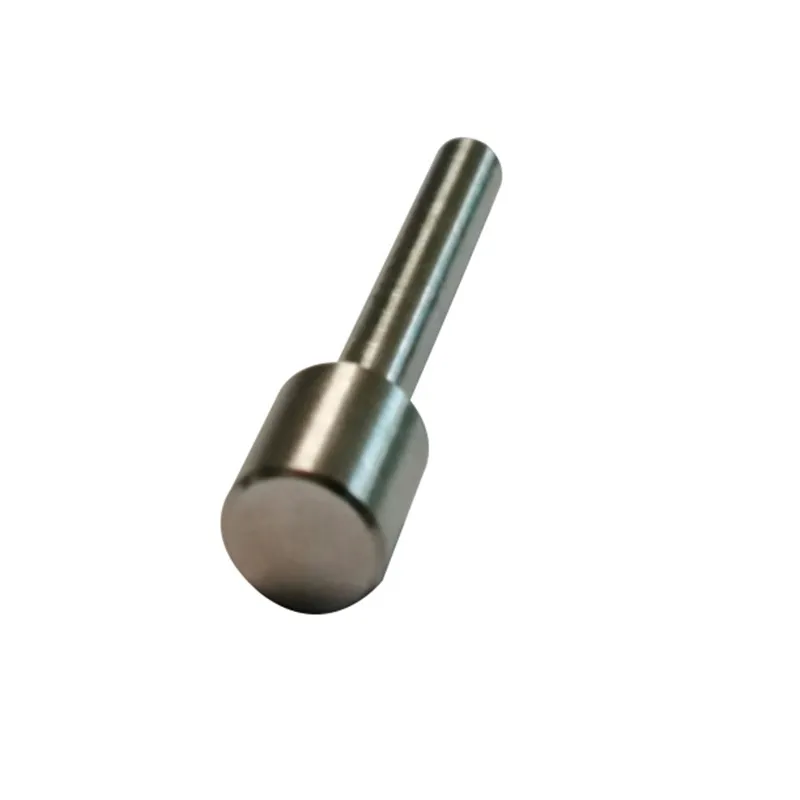
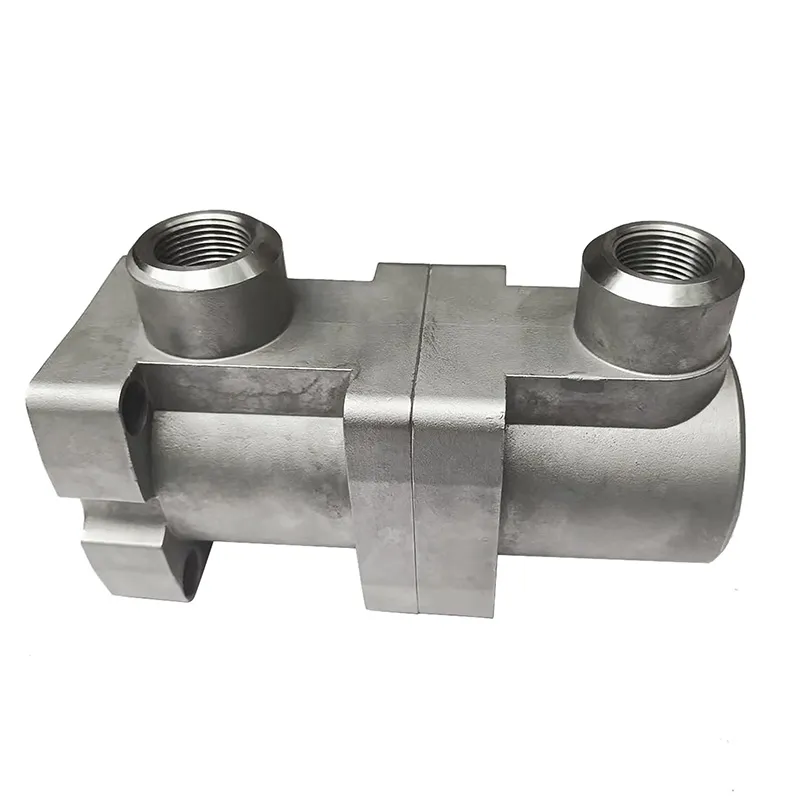
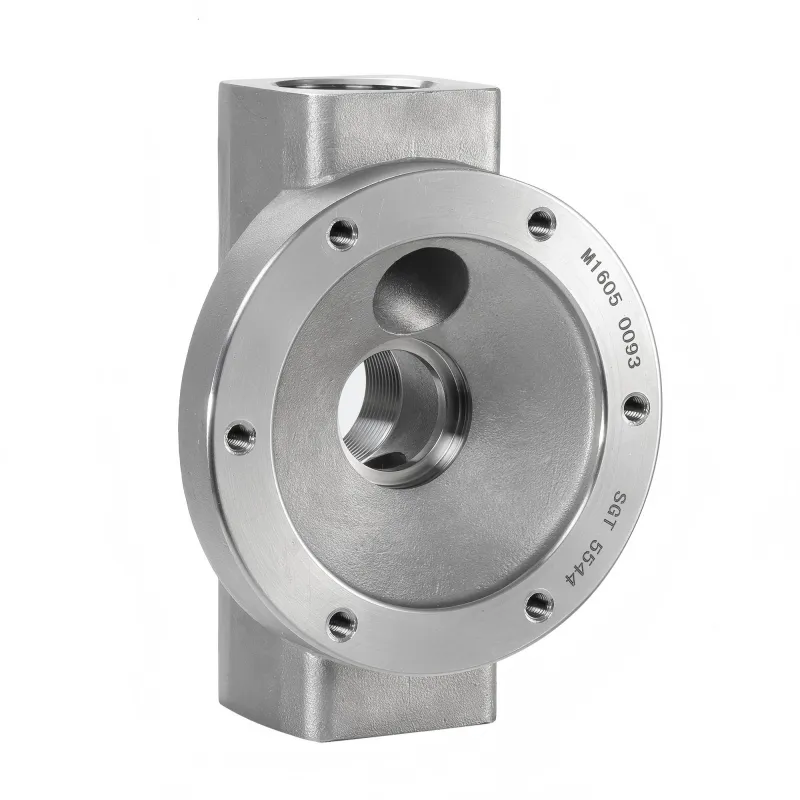
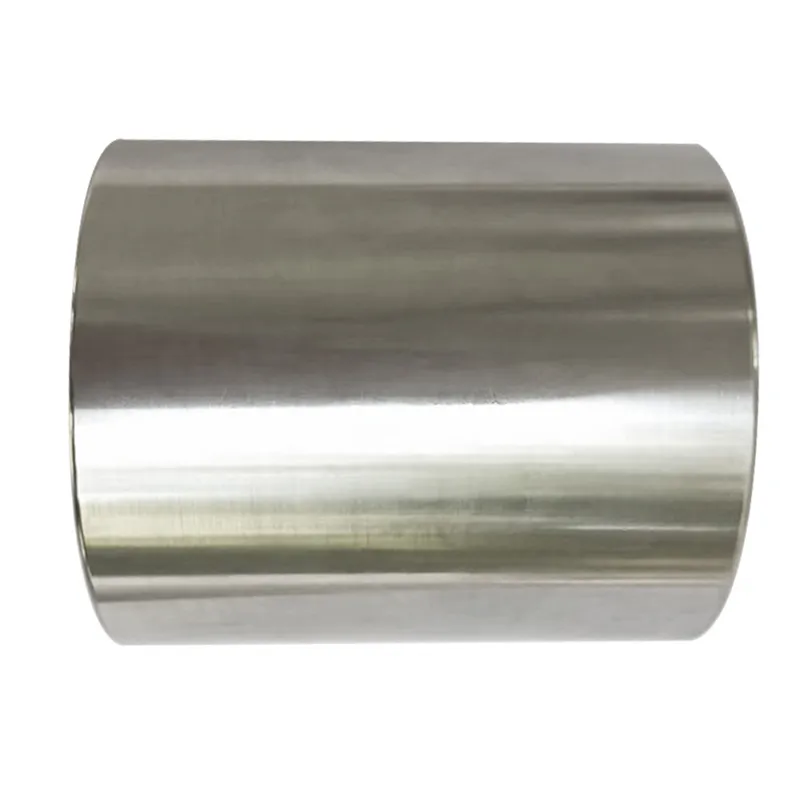
When most folks hear 'powder metallurgy', they immediately picture that classic press-and-sinter gear part—dense, functional, but frankly, a bit mundane. That's the first misconception. The reality is far messier and more interesting. It's not just about making a solid shape from powder; it's a constant negotiation between material behavior, process parameters, and the often-unforgiving demands of the final application. Having seen parts come off the line at places that supply into heavy industry, the gap between textbook PM and shop-floor PM is where the real knowledge lives.
The Alloy Puzzle and Why Composition Isn't Everything
You start with the powder blend. The datasheet gives you the iron, copper, graphite, maybe some nickel. But the lot-to-lot variation in particle size distribution from the supplier can throw your compaction dynamics off. We learned this the hard way on a run of sprockets for conveyor systems. The spec was met, but the flowability was subtly different, leading to minor density gradients after sintering that only showed up under high-cycle fatigue testing. It wasn't a failure per se, but it was a reminder that the powder is a living material, not just a chemical formula.
This is where experience with other forming processes, like the investment casting done by a long-standing partner Qingdao Qiangsenyuan Technology Co., Ltd. (QSY), offers an interesting contrast. They've been dealing with molten metal behavior for over three decades. For us in PM, our metal is solid until we force it to act otherwise. Their expertise in shell mold and investment casting with special alloys like nickel-based ones informs our thinking about alloying strategies for high-performance PM parts. Can we achieve a similar microstructure dispersion through advanced blending and sintering rather than melting? Sometimes, but the cost trajectory is different.
The choice between pre-alloyed powder and elemental blend mixing is another classic judgment call. Pre-alloyed powders, like some stainless steel or tool steel grades, give you homogeneity but can be hell to compact due to hardness. Elemental blends sinter more actively but risk inhomogeneity if the cycle isn't just right. It's a trade-off between pressing cost and sintering cost, and you're balancing it on a knife's edge.
The Sintering Dance: Heat, Atmosphere, and Time
Sintering is where the magic and the panic happen. It's not just a furnace with a set temperature. The ramp rate, the dew point of the atmosphere (whether it's endothermic gas, dissociated ammonia, or vacuum), and the time at temperature create a conversation with the powder particles. Get one wrong, and you're looking at a part that's either brittle from poor bonding or distorted from uneven shrinkage.
I recall a project for a hydraulic valve component that required a specific combination of strength and porosity for oil impregnation. We nailed the density after compaction, but the sintering profile was slightly off—too fast a ramp. It created a skin effect that sealed the surface pores prematurely. The parts passed the dimensional checks but failed in the lab during oil wicking tests. The fix wasn't a major spec change; it was a slower, more gentle ramp to allow the internal gases to escape without sealing the surface. A subtle, costly lesson.
This contrasts with the solidification control in casting. Browsing the capabilities of QSY on their site at tsingtaocnc.com, their control over solidification in investment casting for cobalt-based alloys is about managing a liquid phase. Our challenge in PM sintering is managing solid-state diffusion and sometimes transient liquid phases. The end goal—a sound, high-integrity metal part—is the same, but the path there feels fundamentally different.
When PM Meets Machining: The Post-Processing Reality
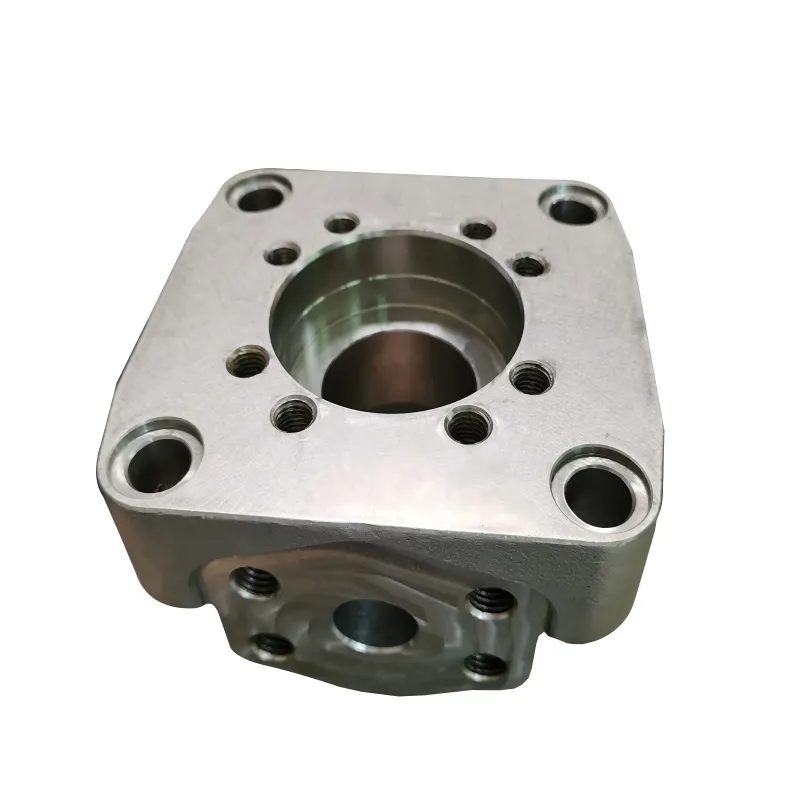
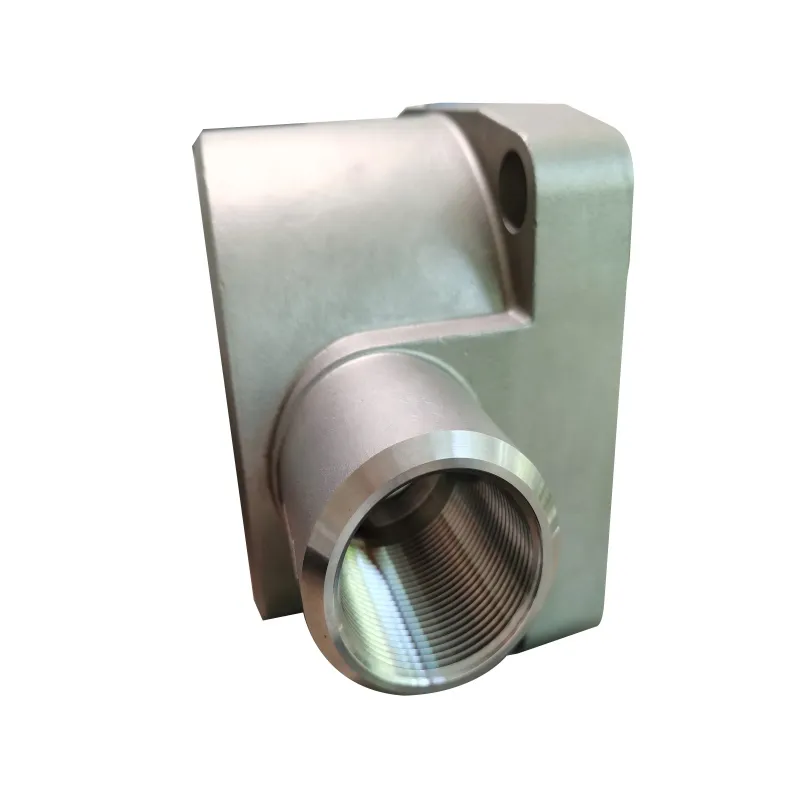
No one likes to admit it, but the net-shape promise of powder metallurgy often comes with an asterisk. For critical features—threads, ultra-tight tolerance bores, special grooves—you're going to the CNC machine. The machinability of a sintered part is its own beast. It's not like machining a wrought bar; the residual porosity can act as a chip breaker (good) but also accelerate tool wear (bad).
We've sent PM blanks to machining shops that are used to cast or forged stock, and the feedback is always an education. The cutting parameters need adjustment. This is why a supplier with integrated capabilities is valuable. A company like QSY, which lists CNC machining alongside its casting specialties, understands material behavior from multiple angles. Machining a sintered nickel alloy component requires a different touch than machining its cast counterpart, even if the nominal composition is similar. The sintered part might have fine, dispersed oxides from the powder surface that the cutter must deal with.
The deburring process is also different. The porosity can trap cleaning media or fluids, which is a nightmare for parts in clean or dry applications. You can't just toss them in a vibratory tumbler and call it a day. It often requires sequenced cleaning with specific solvents and careful drying.
The Niche for Special Alloys and Complex Geometries
This is where powder metallurgy starts to truly shine and justify its process complexity. Materials that are difficult or impossible to cast or forge into complex shapes—like certain tungsten heavy alloys, or tailored metal matrix composites—are prime PM territory. The ability to create graded structures or controlled porosity (for filters or self-lubricating bearings) is unique.
We worked on a prototype for a medical device component using a titanium alloy. Forging was cost-prohibitive for the low volume, and machining from solid was wasting over 80% of an expensive material. Metal Injection Molding (MIM), a variant of PM, was the answer. It allowed for the complex, organic shape with thin walls, something that would be a challenge even for precision investment casting. The sintering had to be done in a high vacuum, and the distortion was a battle, but it worked. It's in these corners of the industry that PM finds its most defensible ground.
Looking at the material list from a foundry like QSY—cast iron, steel, stainless, cobalt and nickel alloys—it's a reminder that each process carves out its domain. For high-volume, relatively simple ferrous parts, conventional press-and-sinter PM is tough to beat on cost. For ultra-high-performance alloys in complex shapes, where material cost dominates, advanced PM or MIM competes directly with investment casting. The decision matrix involves volume, geometry, material, and property requirements. There's rarely a single obvious answer.
Final Thoughts: It's a Process of Constant Tuning
So, powder metallurgy isn't a set-and-forget operation. It's a system. A change in lubricant brand, a 10-degree shift in the furnace's hot zone, a new batch of powder—any of these can nudge the outcome. The expertise lies in building a robust process that can absorb these minor variations and in having the diagnostic skills to know what went wrong when a batch is off.
It's less about revolutionary breakthroughs and more about incremental, hard-won improvements. Can we get 0.5% more density without increasing press tonnage? Can we reduce the sintering time by 5% without hurting toughness? This is the daily grind. It's not glamorous, but when you hold a part that performs flawlessly under stress, knowing every step it took from loose powder to that finished component, the satisfaction is concrete. It's a testament to controlling chaos, one micron-sized particle at a time.
The landscape is also one of collaboration. The knowledge from foundries, from machinists, from end-users all feeds back into making better PM parts. It's a continuous loop of material science and practical shop-floor problem-solving. That, more than anything, is the heart of the craft.