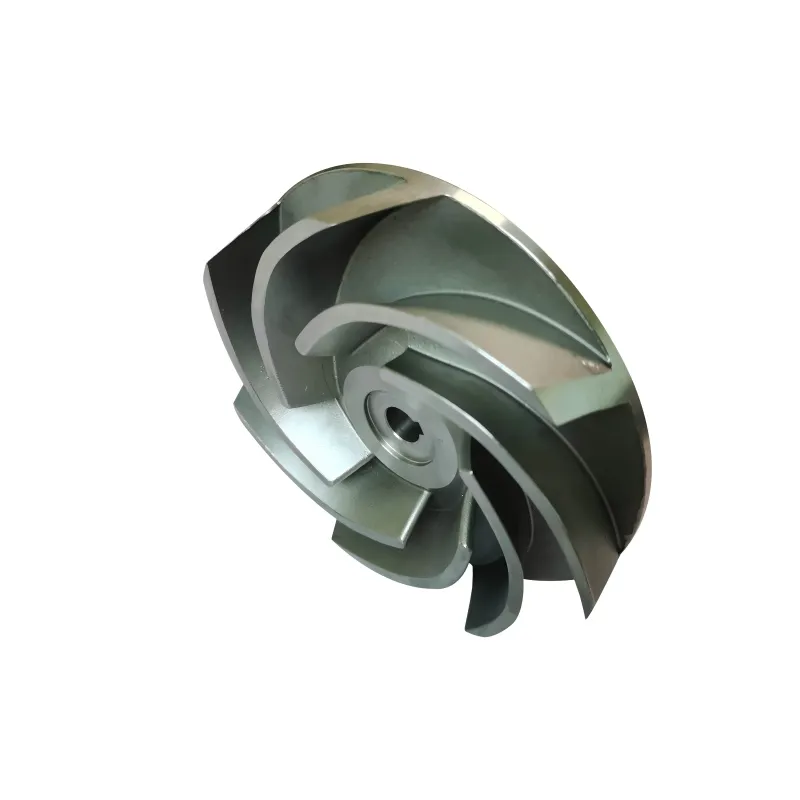
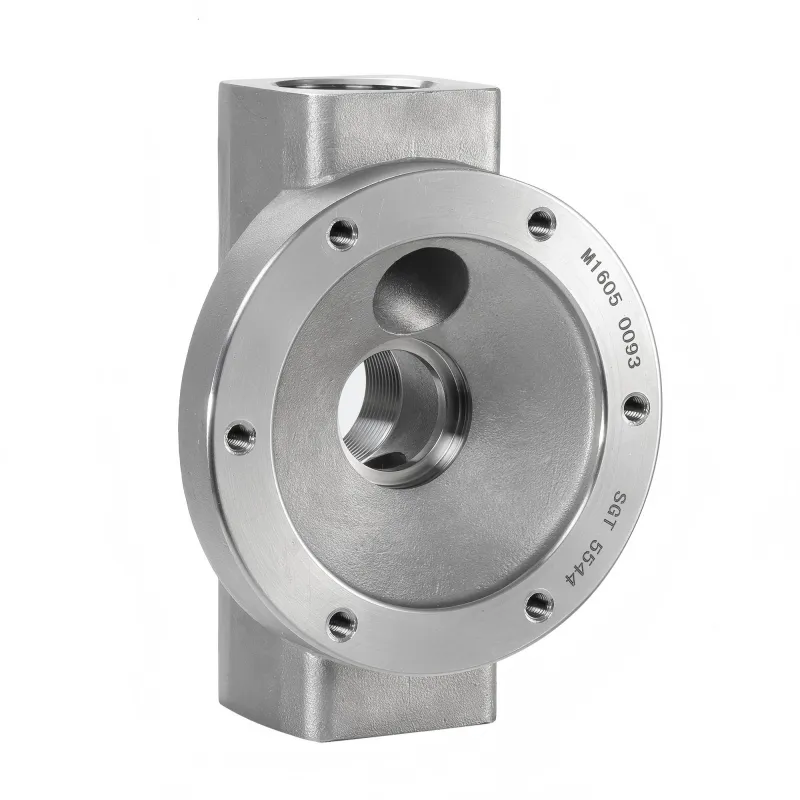
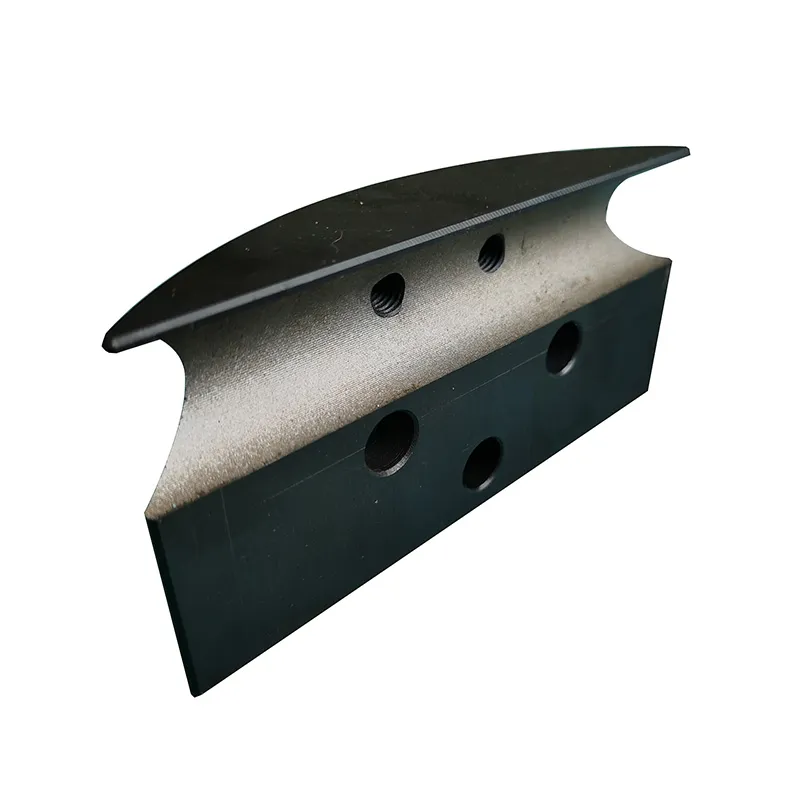
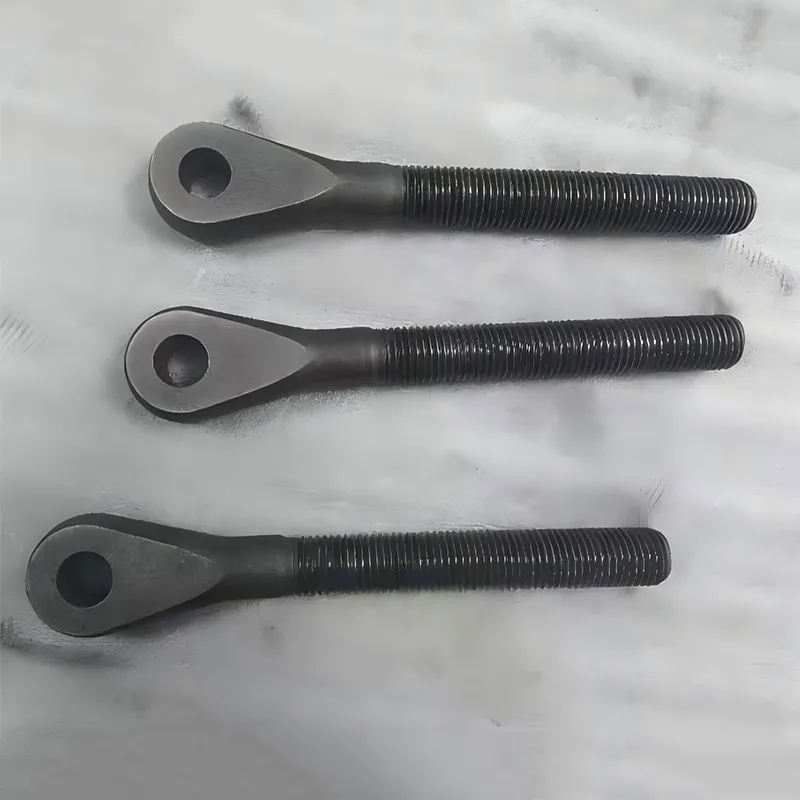
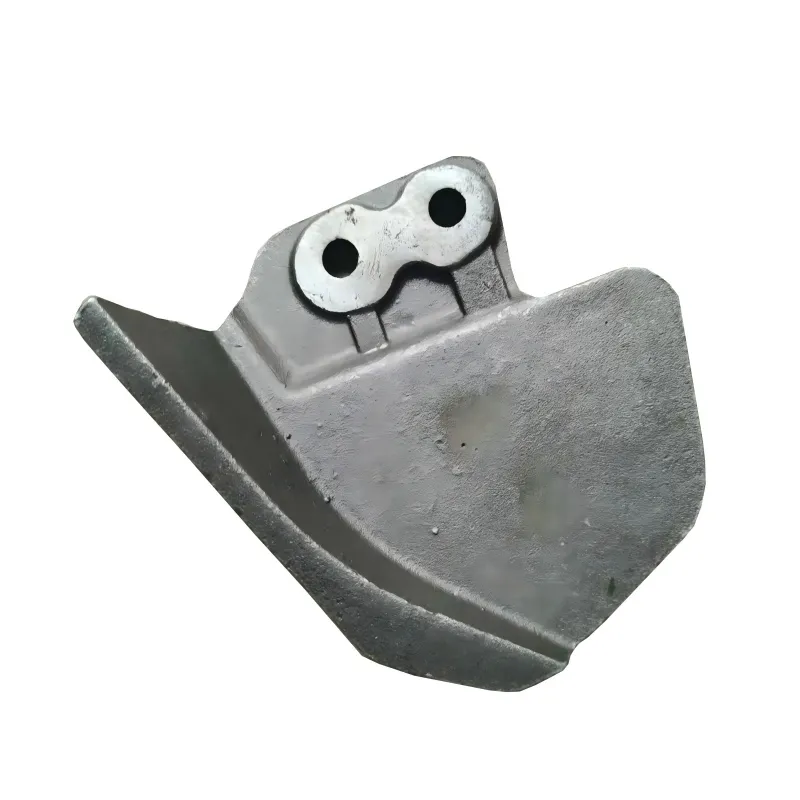
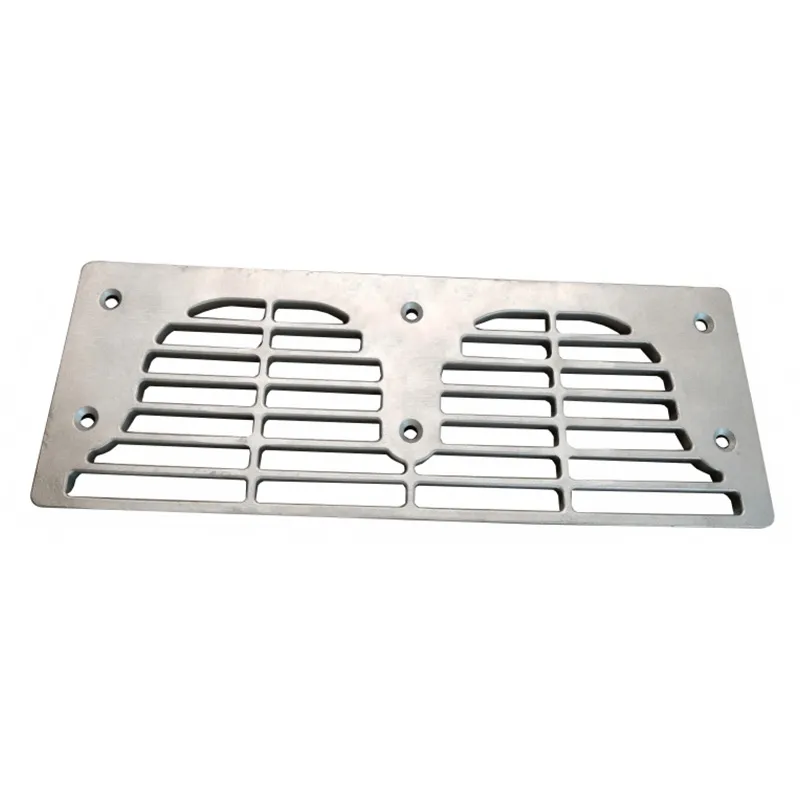
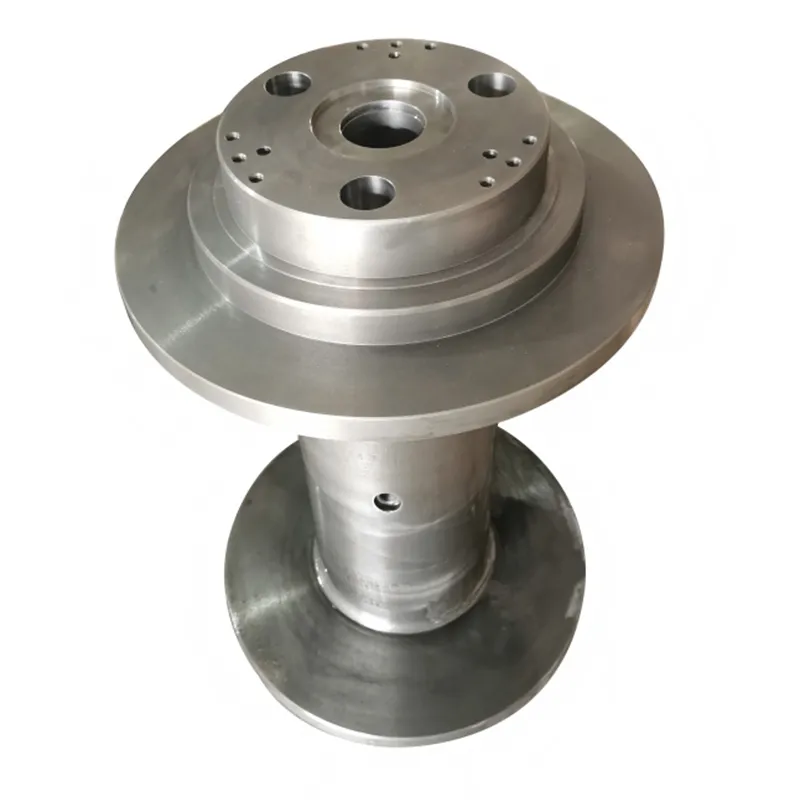
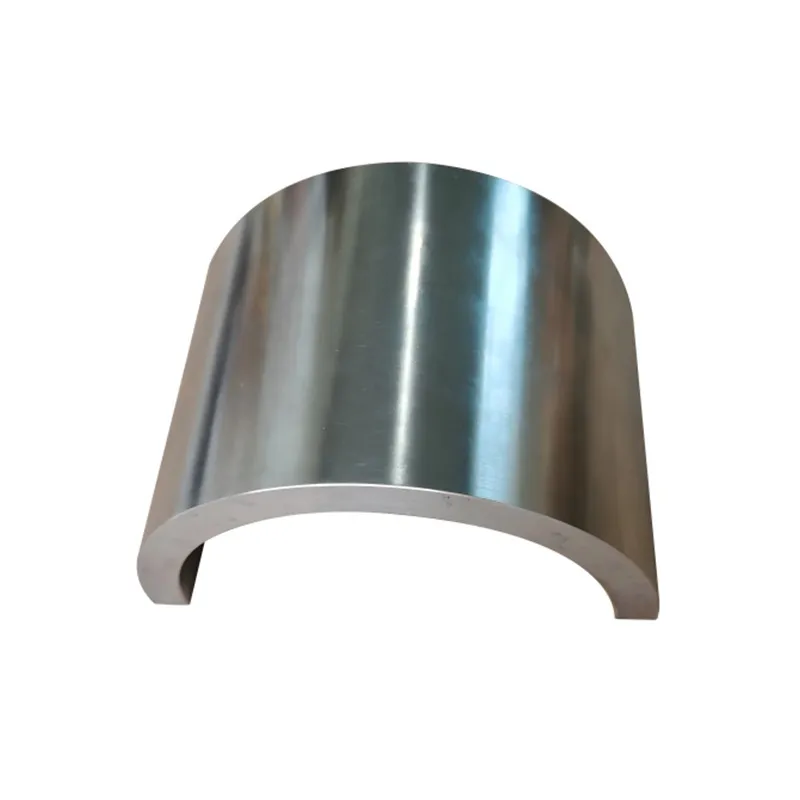
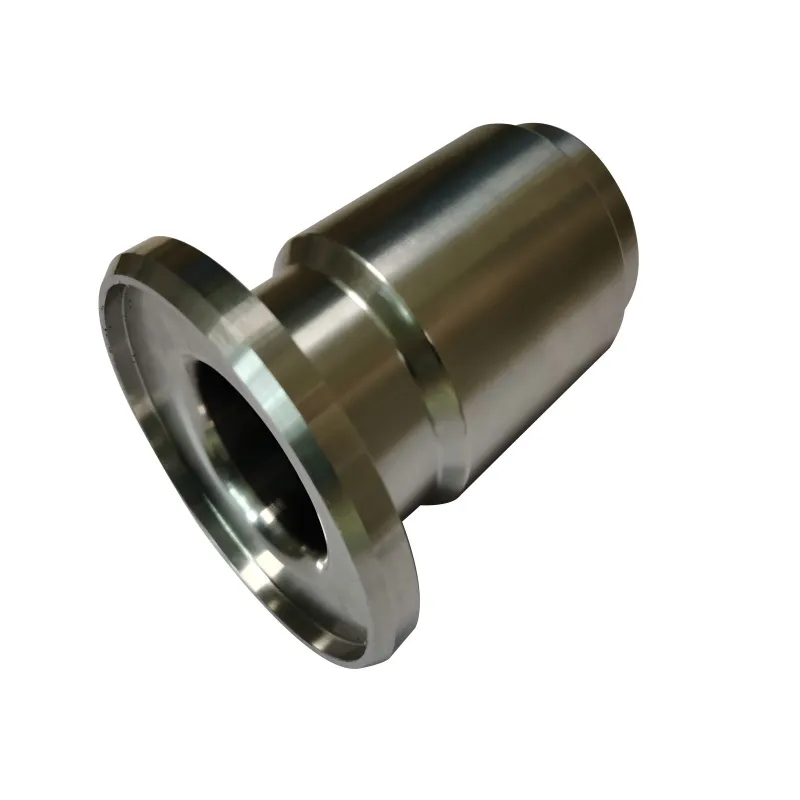
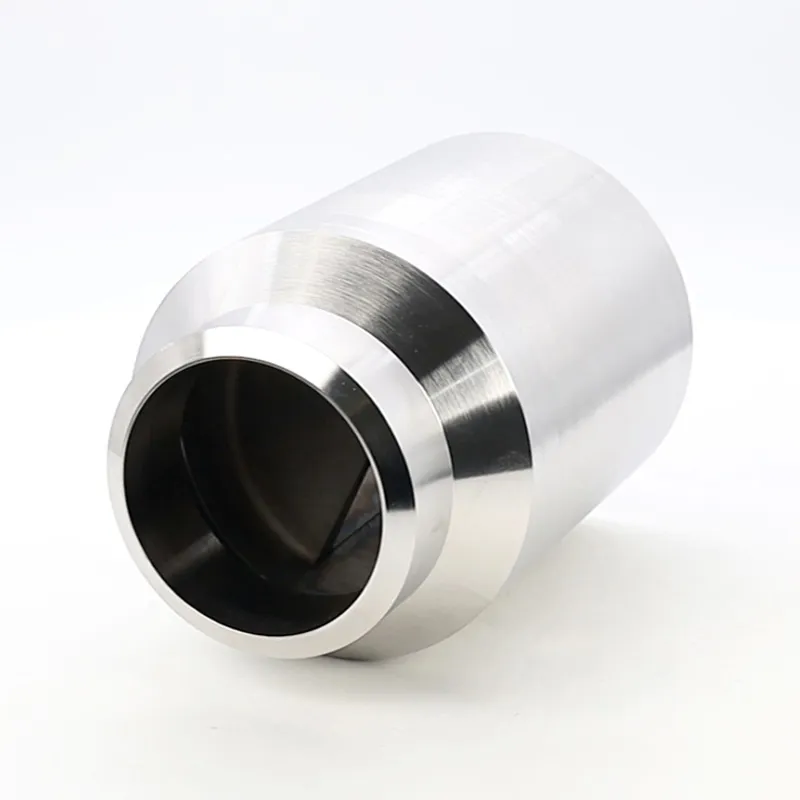
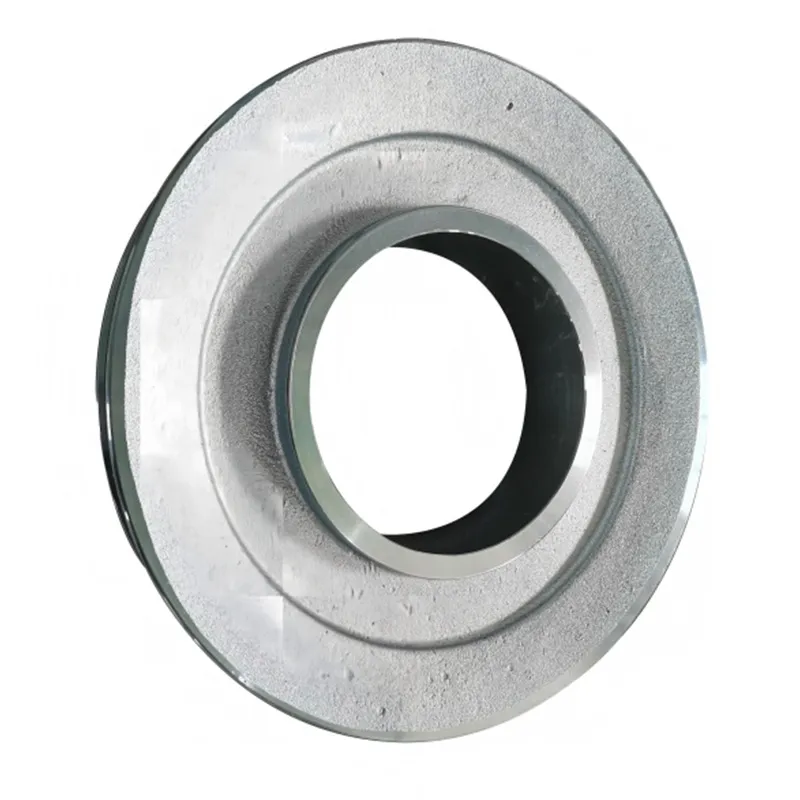
When you hear 'powder metallurgy company', most people immediately picture a factory churning out simple, porous bronze bushings or maybe sintered iron gears. That's the classic image, and it's not wrong, but it's a bit like defining a modern restaurant as just a place that serves food. The reality on the ground is messier and more interesting. The real challenge isn't just pressing and sintering powder; it's about integrating that core competency into a complete solution chain, especially when you're dealing with high-performance materials. I've seen too many shops get stuck in the we make PM parts mindset, competing solely on price per kilogram, while the real value migrates upstream to design and downstream to finishing. That's a tough spot to be in.
The Material is Just the Starting Point
Let's talk materials first, because that's where the conversation usually starts. We work extensively with iron, steel, and stainless steel powders, but the game changes with special alloys. Think nickel-based or cobalt-based superalloys for high-temperature applications. Here's a practical headache: the flow characteristics of these fancy alloy powders are completely different from your standard iron mix. They can be more cohesive, less free-flowing, which throws off automated filling systems calibrated for regular stuff. You can't just dump a new powder into the hopper and expect the same fill density. It requires tweaking the feed shoe, sometimes even the vibration frequency during filling. It's a small detail, but getting it wrong means inconsistent part density before you even hit the sinter furnace. I remember one project where we spent two days just on the fill stage for a new nickel alloy component, running test compacts and measuring density gradients. It felt like a delay, but skipping that step would have guaranteed batch failure later.
This is where having a broader material processing background is a massive advantage. Our parent operation, Qingdao Qiangsenyuan Technology Co., Ltd. (QSY), has been in casting and machining for decades. That deep history with molten metals like cast iron and special alloys gives us a different perspective on the powder side. We're not just buying powder from a supplier and pressing it blindly. We understand the metallurgy from the liquid state up, which informs how we handle the solid-state sintering. For instance, understanding the segregation tendencies of certain elements in a melt helps us anticipate how they might behave during the solid-state diffusion in sintering. It's a connected knowledge base.
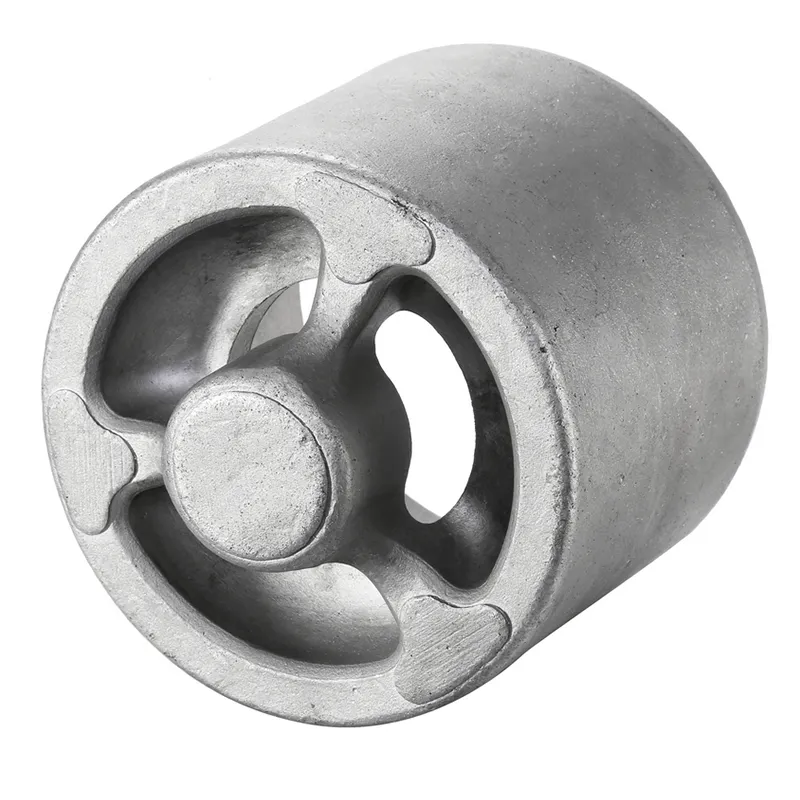
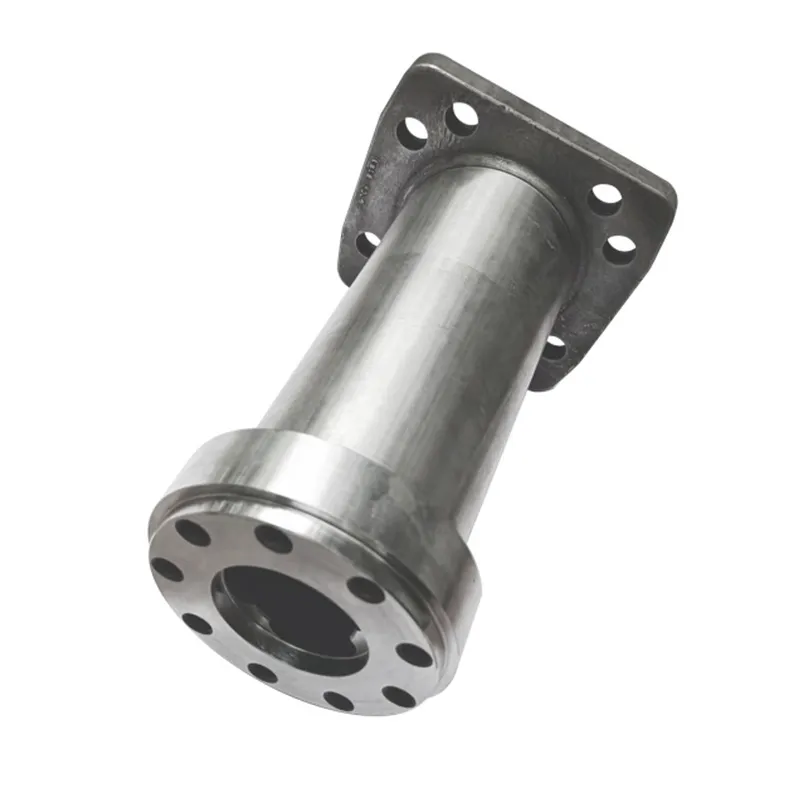
And finishing. God, finishing is where many powder metallurgy projects live or die. You can sinter a near-net-shape part beautifully, but if it needs a precision bore or a complex threaded feature, you're going to CNC machine it. Machining a sintered part isn't like machining a wrought bar. The porosity can be abrasive to tools, and it can affect how the material shears. We learned this the hard way early on, burning up end mills on what looked like a simple steel flange. Now, our machining protocols for PM parts are distinct. We use different tool geometries, sometimes different coolants, and always a different set of speed and feed calculations. It's an integrated process. The fact that QSY has its own dedicated CNC machining division (tsingtaocnc.com details their capabilities) isn't a coincidence; it's a necessity. The part isn't finished when it leaves the sintering furnace. It's finished when it's ready for the customer's assembly line.
The Shell Mold Crossover: A Niche Worth Exploring
This might seem like a divergence, but bear with me. One area that doesn't get enough attention is the intersection between powder metallurgy and investment casting, specifically shell mold casting. They're often seen as competing processes, and for many parts, they are. But there's synergy in prototyping and low-volume, high-complexity work. We've used PM to create prototype tooling for shell molds. Sometimes, a customer needs a functional test batch of 50 complex gear housings, traditionally a casting job. Machining a metal mold for shell molding is prohibitively expensive for that volume. We've had success using metal injection molding (MIM, a cousin of PM) or even high-strength sintered steels to produce the core boxes or mold inserts for the shell process. The surface finish isn't quite as perfect as a machined tool steel insert, but for 50-100 casts, it holds up and cuts lead time from months to weeks.
It's a specific trick, not a general solution. The thermal cycling from pouring molten metal into a shell built on a sintered metal insert will eventually cause fatigue and cracking. But for bridge production or prototyping, it's incredibly valuable. It's this kind of lateral thinking—using one process to enable another—that separates a job shop from a solutions provider. You can find case studies on this cross-pollination approach in the broader portfolio at QSY's site. It speaks to an operational philosophy that's about solving the manufacturing puzzle, not just selling a single process.
The flip side is managing customer expectations. When you propose such a hybrid approach, you have to be brutally clear about the limitations. Yes, we can get you testable parts in three weeks using this method, but the tooling will degrade after about 80 cycles, and the surface roughness on the final cast part will be an Ra of 6.3, not 3.2. Is that acceptable for your validation phase? That honest, upfront conversation, grounded in practical data from past tries (including failed ones where we over-promised on tool life), builds more trust than any glossy brochure.
When Good Enough Isn't: The Tolerance Trap
Tolerances in powder metallurgy are a constant negotiation with physics. The sintering process involves shrinkage, and that shrinkage isn't always perfectly isotropic. It depends on part geometry, density gradients from the press, and furnace temperature zones. We can model it, but there's always a variance. For many structural parts, the standard PM tolerances are fine. But we're increasingly asked to produce parts that compete with machined components on dimensional stability.
This pushes you into secondary operations like sizing (re-pressing the sintered part in a die) or CNC machining. Every secondary op adds cost. So the real engineering work is in the design-for-manufacture (DFM) stage. Can we modify this undercut to eliminate it? Can we adjust this wall thickness to promote more uniform compaction and thus more uniform shrinkage? Sometimes, the answer is no, and you have to budget for machining. The key is having that conversation with the designer before the powder is ever ordered. I've sat in meetings where we've literally redrawn a cross-section on a whiteboard to show how a 1mm radius change could save 30% on the part cost by enabling a simple press-and-sinter flow. That's the value-add.
It also ties back to material choice. A low-alloy steel powder might sinter to a certain tolerance band. A stainless steel powder, with different shrinkage behavior, might require a completely different tooling compensation. You have to know this from historical data. We maintain a library of shrinkage factors for our common material and geometry families. It's not a published standard; it's an internal living document, updated with every production run. That's the kind of tacit, practical knowledge a real powder metallurgy company accumulates.
The Supply Chain is a Fragile Thing
Nobody talks about the supply chain until it breaks. For a powder metallurgy operation, it's not just about getting metal powder. It's about getting the right lot, with consistent particle size distribution and chemistry. A batch of powder with a slightly different average particle size can change the fill density in the die, altering the final pressed dimensions. We've had to quarantine entire shipments because the certs didn't match our historical baselines for a long-running part. It's a nightmare.
Then there's the tooling. The dies and punches. They're made from specialized, wear-resistant tool steels. A complex part might have a multi-level die with several moving punches. If a single punch cracks or wears prematurely, the whole production line stops. Lead times for new tool steel components can be 12+ weeks. So you learn to maintain a critical inventory of spare punch tips, guide rods, and even whole die sets for high-volume parts. It's dead capital sitting on a shelf, but it's insurance. This operational reality never appears in a marketing blurb about advanced PM capabilities, but it's what keeps the lights on. A company with 30 years of backbone, like the group behind QSY, has lived through multiple supply crises and has the inventory and supplier relationships to buffer those shocks. It's an intangible but critical asset.
And it's not just physical supply. It's knowledge supply. When a veteran press operator retires, he takes with him the instinct for when a press sound is off or what a slight discoloration on a ejected part means. Capturing that is nearly impossible. We try with process checklists and sensor data, but some judgment calls are born from decades of looking at parts. That human layer in the supply chain is the most fragile of all.
Looking Ahead: It's Not Just a Part, It's a Function
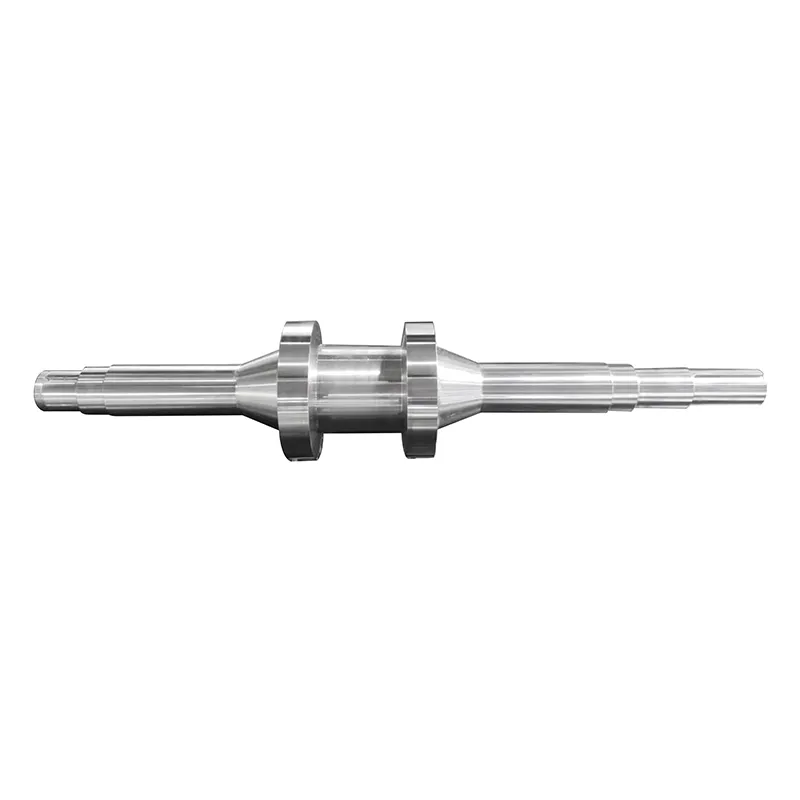
So where does this leave a powder metallurgy company today? The ones that will thrive are moving away from being just component suppliers. The part is a means to an end. The customer doesn't want a sintered sprocket; they want a reliable, cost-effective rotational drive interface. Can we provide the sprocket, the mating shaft made via CNC machining, and even the assembly? Can we advise on the lubrication schedule based on the porosity of our material? That's the shift.
It requires deep process integration, exactly the kind reflected in a company structure that houses powder metallurgy, investment casting, shell molding, and CNC machining under one operational umbrella. The goal is to own more of the value stream. It allows for brutal honesty in process selection too. Sometimes, after a DFM review, we might recommend that a part currently made via PM would be better served as a small casting from our shell mold line, or even a machined billet, and we can do that. There's no incentive to force-fit the PM process where it doesn't belong.
Ultimately, it comes down to solving problems, not just making pieces. The powder is the beginning of the story, not the end. The real work—the interesting, frustrating, and sometimes brilliantly satisfying work—happens in understanding how that sintered piece interacts with the world: how it gets finished, how it gets assembled, how it wears in service. That's the mindset. It's less about being a powder metallurgy company and more about being a manufacturing solutions provider that has powder metallurgy as a fundamental, well-understood tool in its kit. And that, I think, is the only sustainable path forward.