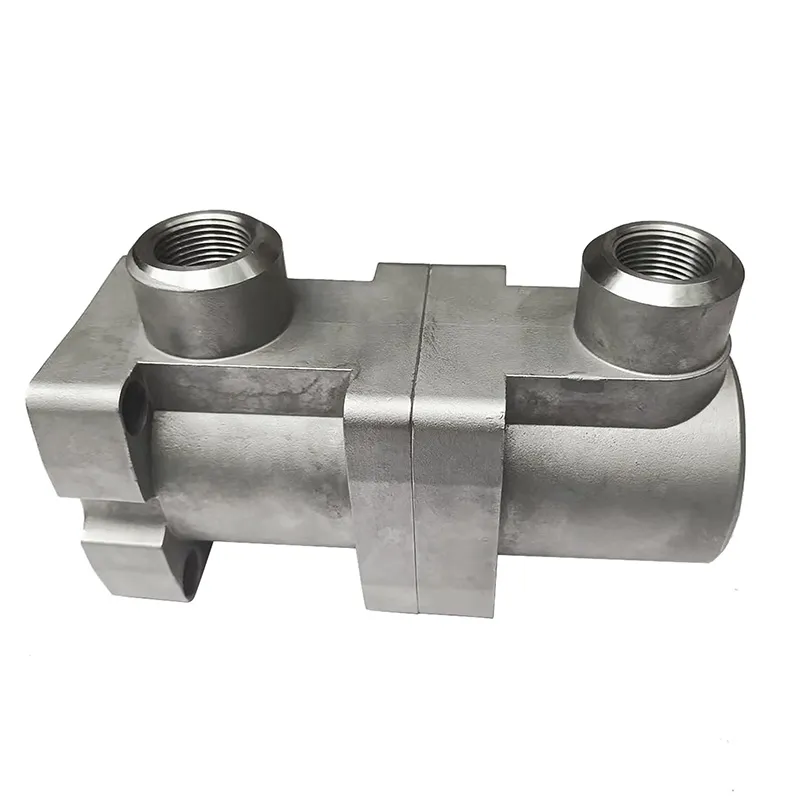
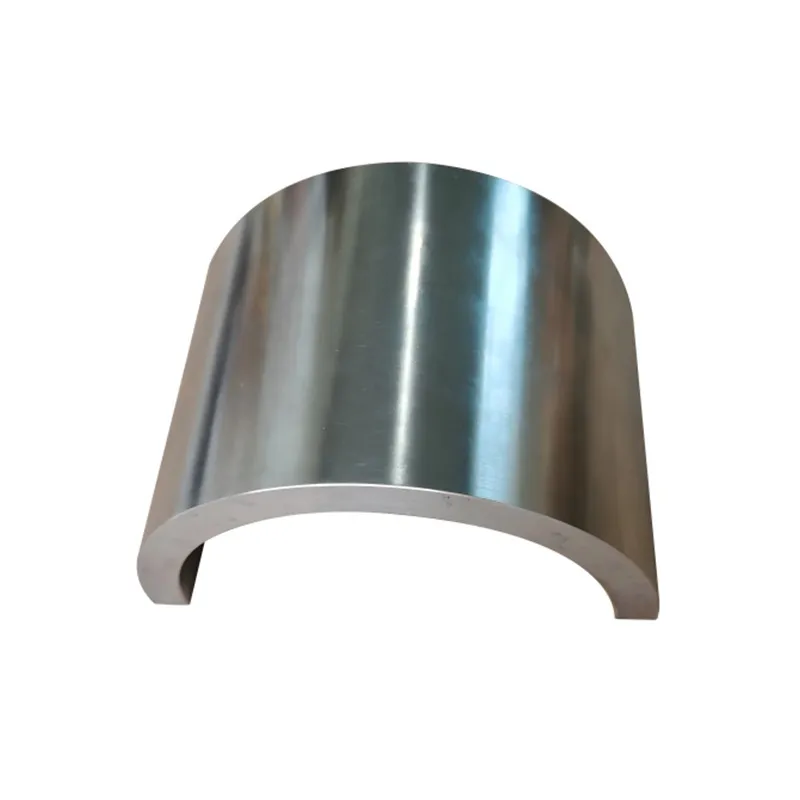
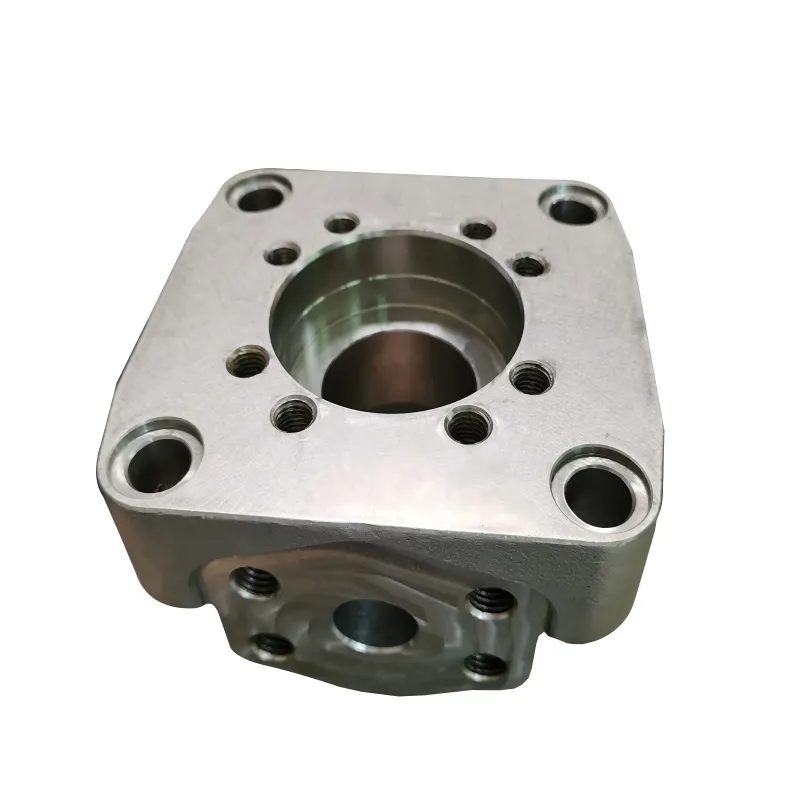
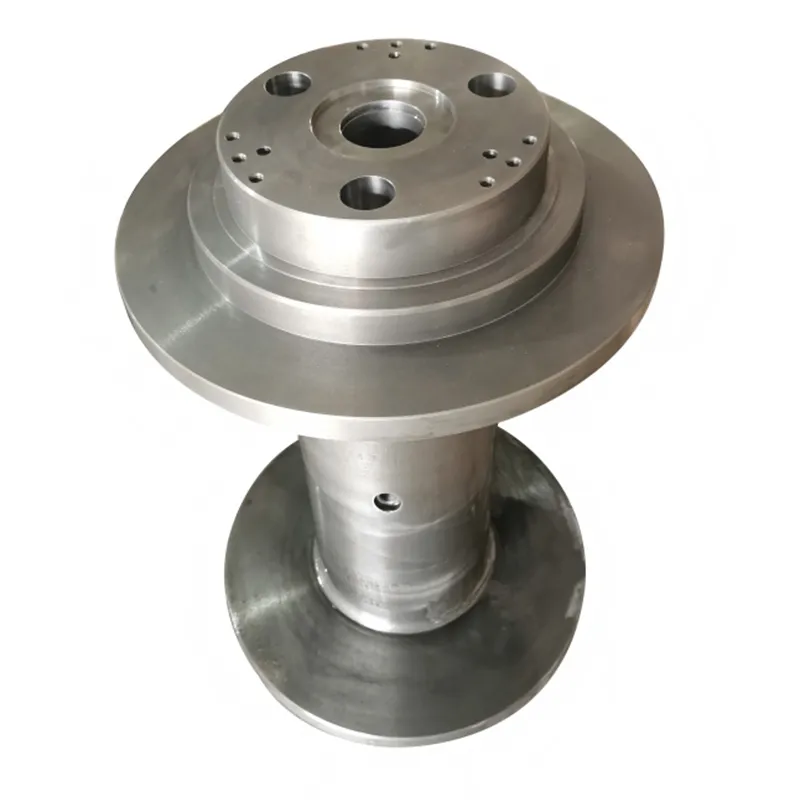
When you hear 'powder metallurgy manufacturers', most minds jump straight to the classic press-and-sinter operation for making simple gears or bushings. That's the entry point, sure, but it's a bit like saying a chef only knows how to boil water. The real depth—and where the headaches and breakthroughs happen—is in the full chain: from alloy powder selection and advanced compaction techniques like metal injection molding (MIM) or cold isostatic pressing (CIP), through to the critical secondary operations. A lot of sourcing inquiries miss this. They want a 'powder metallurgy part' but don't specify the density needed, the post-sintering tolerances, or whether it needs heat treatment or impregnation. That's where projects stall or fail. I've seen it too often.
The Alloy Powder Maze
It starts with the powder. Not all iron powder is created equal. Water-atomized versus gas-atomized gives you different particle shapes and flow characteristics, which directly affect how the powder fills a die and its final green strength. For high-performance parts, like those needing to withstand fatigue, you're looking at pre-alloyed powders—things like diffusion-bonded Fe-Ni-Mo or the more exotic stainless steel grades. The cost jump is significant, and not every powder metallurgy manufacturer keeps a wide inventory. They might stock standard F-0008 but have to special order anything else, adding weeks to lead time.
Then there's the binder. For MIM, which is fantastic for complex, tiny geometries, the binder system is half the battle. Debinding is a slow, delicate process; rush it and you get cracks or distortion. I recall a project for a surgical instrument component where the client insisted on a very aggressive sintering cycle to save time. The result? Carbon content was off, leading to brittleness. We had to go back, tweak the binder formulation, and slow everything down. The powder recipe is a commitment, not something you swap out easily.
This is where having a partner with broader material experience pays off. A company like Qingdao Qiangsenyuan Technology Co., Ltd. (QSY), for instance, comes from a deep background in casting special alloys. That metallurgical knowledge doesn't just vanish when you look at powder. Understanding how nickel-based alloys behave under heat, for example, is directly transferable to sintering them in a powder form. It informs their approach to furnace atmosphere control and cooling rates, which are make-or-break for final properties.
Compaction: It's Not Just a Big Hammer
Conventional pressing is an art of its own. Multi-level parts, those with thin walls or sharp changes in thickness, are notorious for density variations. You can get away with it for a low-stress spacer, but for anything structural, that variation is a weak point. Tooling design here is everything—the sequence of punches, the powder feed system. A good powder metallurgy manufacturer will run simulations to model powder flow and compaction before cutting the first tool. The cheap ones guess, and you pay for it in part-to-part inconsistency.
For more complex shapes, you move beyond pressing. CIP (Cold Isostatic Pressing) uses fluid pressure to compact powder in a flexible mold, giving uniform density even for parts that look like a pretzel. The trade-off? The initial shape is less precise, so you're committing to more extensive machining after sintering. MIM, as mentioned, is another beast entirely. It's like plastic injection molding but with metal powder suspended in a binder. The detail resolution is incredible, but the dimensional shrinkage during sintering is huge and must be predicted with extreme accuracy. Your first article inspection is always a tense moment.
I worked with a client on a sensor housing that had internal helical channels. Machining it was a nightmare and casting couldn't achieve the surface finish. MIM was the perfect solution. We prototyped with three different sintering fixtures to combat warpage, and the final yield still only hit about 85% on the first production run. It's not a mass-production magic wand; it's a process for high-value, complex parts where the cost-per-part equation justifies the development effort.
The Make-or-Break: Sintering and Beyond
Sintering is where the magic happens—and where most disasters occur. It's not just baking. It's a carefully choreographed thermal cycle in a specific atmosphere (hydrogen, nitrogen, vacuum, or a blend). The temperature profile, the ramp rates, the soak times, and the cooling speed all dictate the final microstructure, density, and mechanical properties. A miscalculation can lead to blistering, sagging, or insufficient bonding between particles.
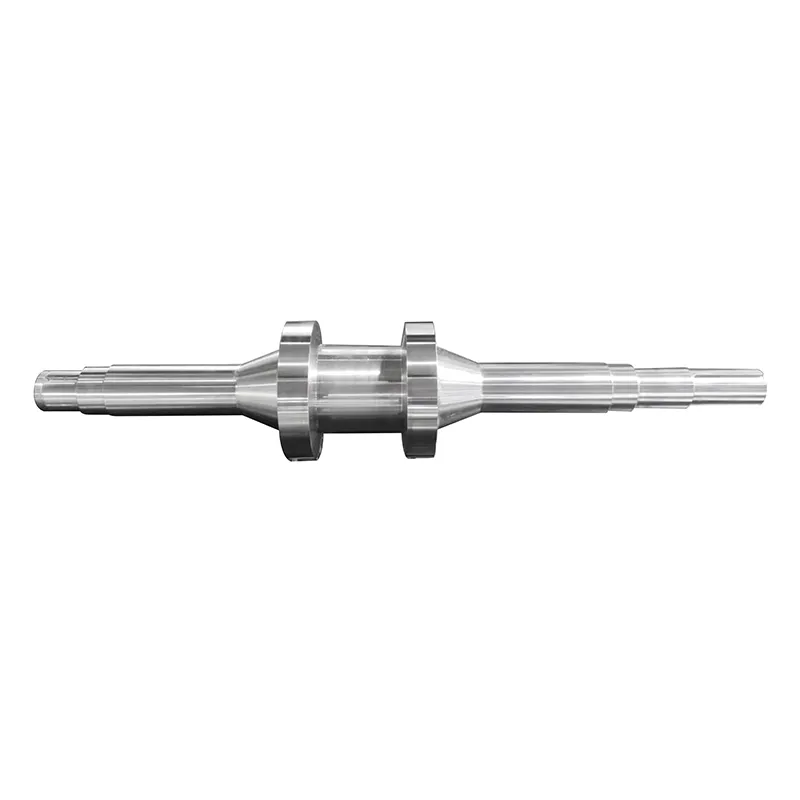
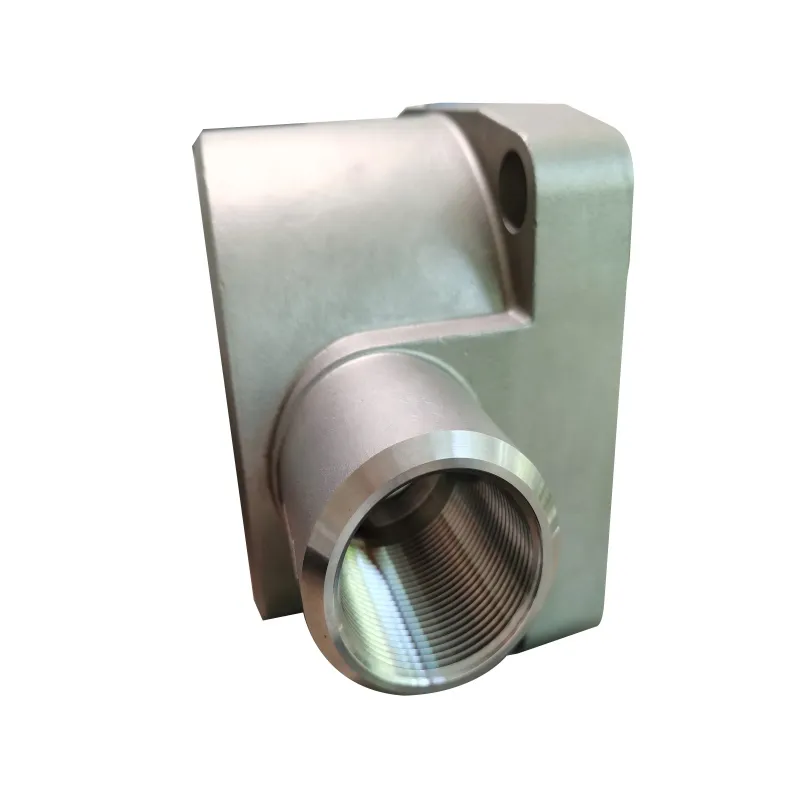
Post-sintering, the part is often not finished. Many assume a sintered part is ready to ship. For precision components, almost never. You almost always need secondary operations. This is a critical overlap zone. A powder metallurgy manufacturer that only does pressing and sintering might ship you a part that's technically sintered but unusable because it can't be held for machining. This is why the model at QSY is interesting. Their core is in CNC machining and investment casting. For them, adding powder metallurgy isn't just about making a green part; it's about delivering a finished, ready-to-install component. They can sinter a near-net-shape and then use their in-house CNC capabilities to hit tight tolerances on bore diameters or thread features, something a pure-play PM shop might have to outsource.
Heat treatment, surface coating (like steam treatment for corrosion resistance), or oil impregnation for self-lubrication are other common secondary steps. Each adds cost and time, but skipping them based on initial price is a classic false economy. I've seen gear clusters fail in field testing because they were specified as-sintered when they needed a case hardening treatment.
Material Crossovers and Practical Synergies
This gets to a broader point about specialization versus integration. The traditional PM house is a specialist. But for a buyer, especially one dealing with special alloys, there's huge value in a manufacturer that understands metallurgy across processes. Take the cobalt-based or nickel-based alloys QSY lists. These are tough, often expensive materials used in high-temperature or corrosive environments. Forming them via powder metallurgy can save a massive amount of material compared to machining from bar stock. But processing them is tricky. Their experience in investment casting these same alloys means they already know how to handle them in a molten or semi-molten state; that intuition translates to managing sintering temperatures and preventing contamination in the furnace.
It also affects quality control. They're likely to be looking at the same types of potential defects: porosity, inclusions, grain size abnormalities. Their NDT (non-destructive testing) methods might be more developed because casting typically demands it. This cross-process knowledge is a tangible asset that a new, single-process PM shop won't have.
From a project management view, it simplifies things. Instead of coordinating between a PM vendor, a machinist, and a heat treater, you have one point of contact managing the whole flow. The risk of finger-pointing when a tolerance is missed post-machining disappears. The feedback loop between the sintering team and the machining team is instantaneous because they're in the same building.
Realistic Sourcing and Final Thoughts
So, when you're evaluating powder metallurgy manufacturers, don't just ask for a capability brochure. Ask about their standard powder grades and their lead time on special ones. Ask to see examples of parts they've done that required secondary machining and how they fixture them. Ask about their standard sintering atmospheres and temperature control accuracy. Ask about a failed project and what they learned from it. The answers will tell you far more than a list of press tonnages.
The field isn't static. There's growing use of additive manufacturing with metal powders, which is really just powder metallurgy with a laser. The lines are blurring. A manufacturer stuck in the 1990s press-and-sinter mindset will struggle with the more integrated, high-value future.
In the end, it comes down to this: powder metallurgy is a means to an end. The end is a functional, reliable metal component. The best manufacturers understand the entire journey from powder to finished part, and they have the ancillary skills—like the CNC machining and alloy expertise seen at a firm like QSY—to ensure that journey ends successfully. It's that holistic view, more than any single piece of equipment, that separates the real contenders from the basic job shops.