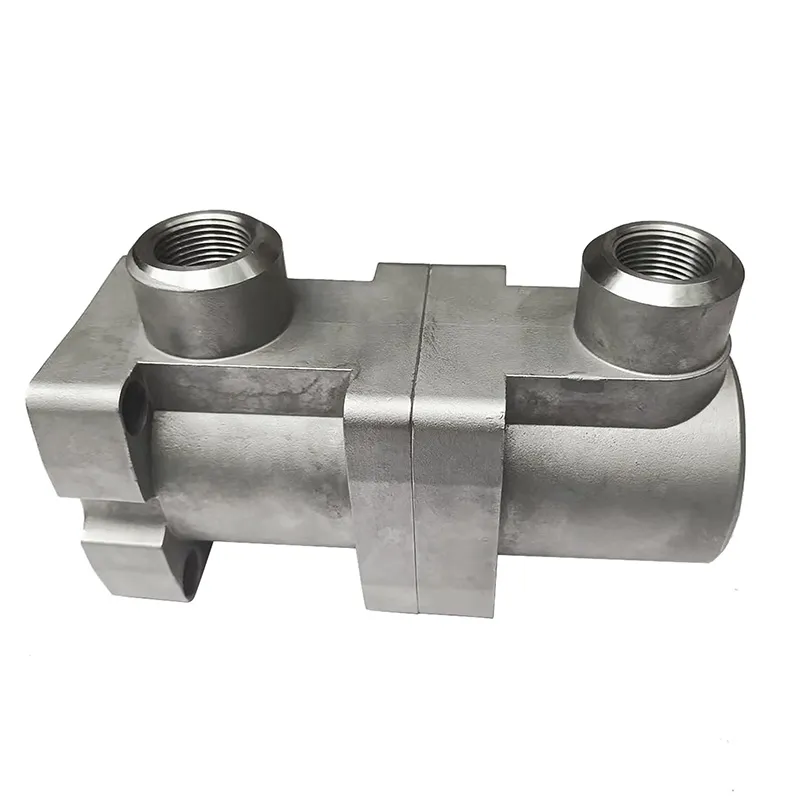
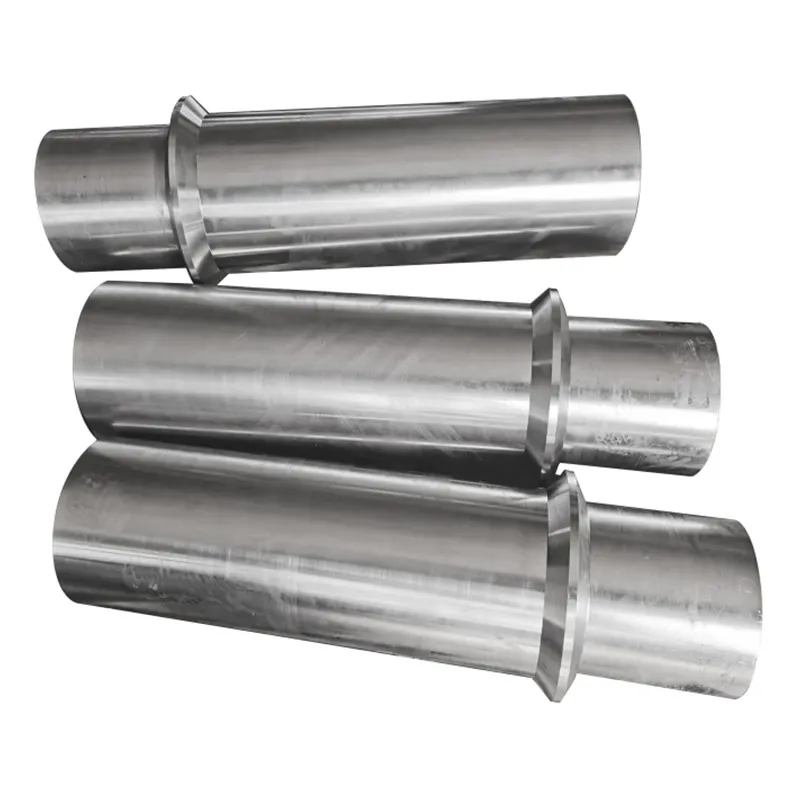
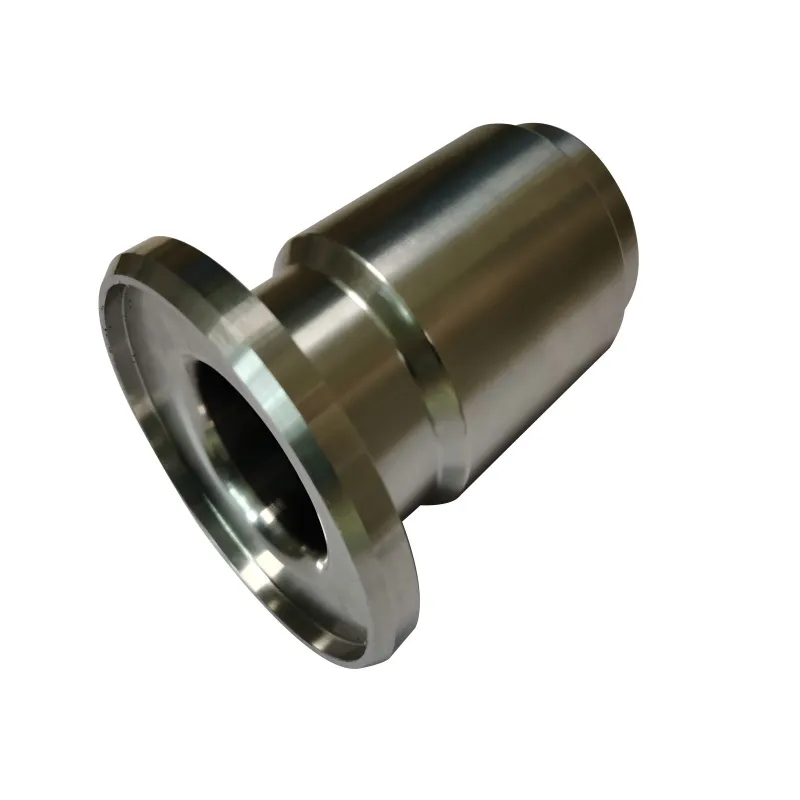
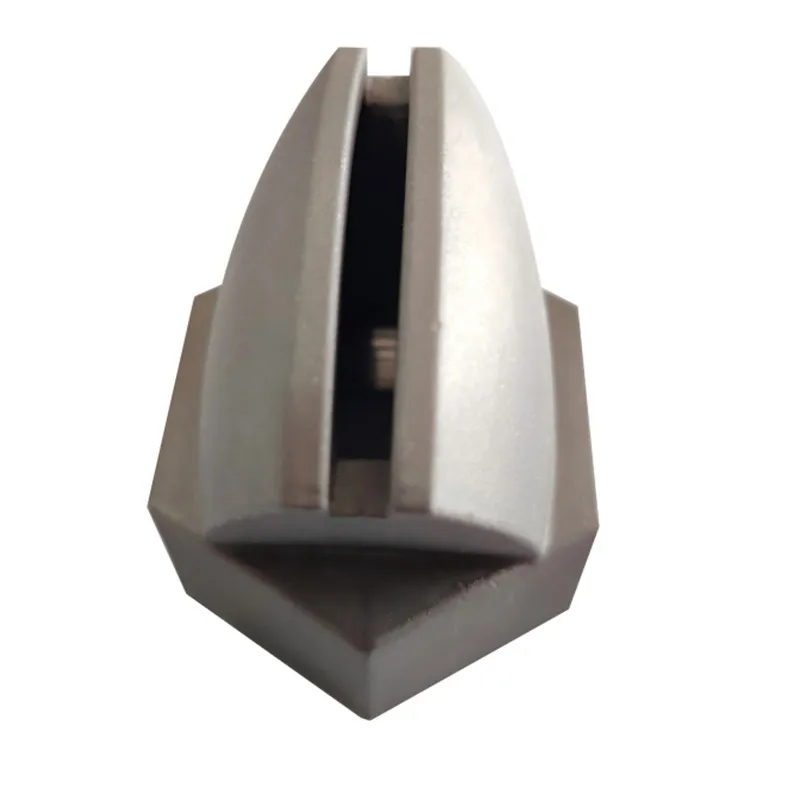
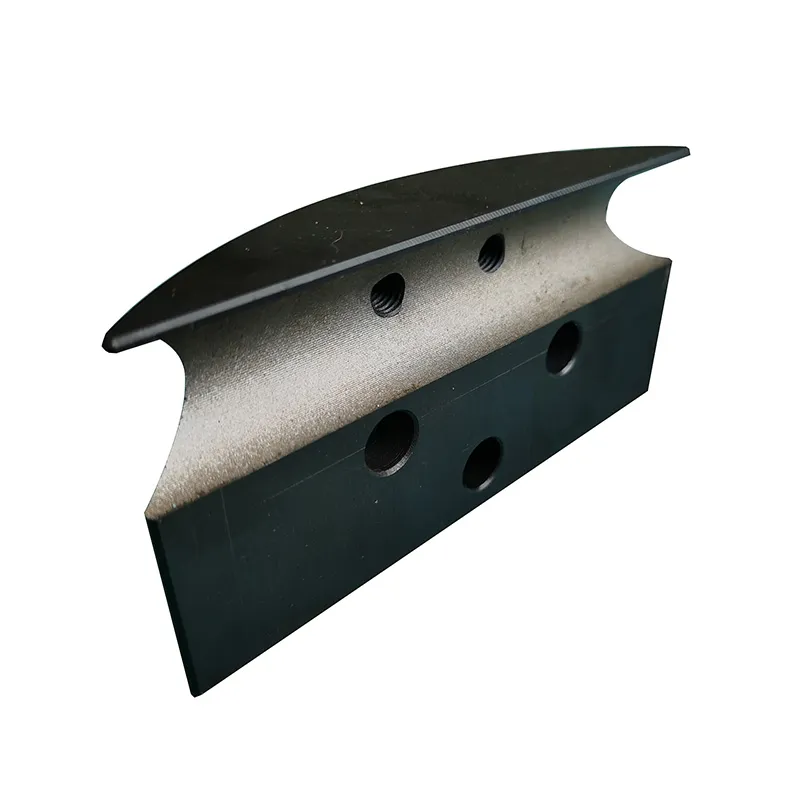
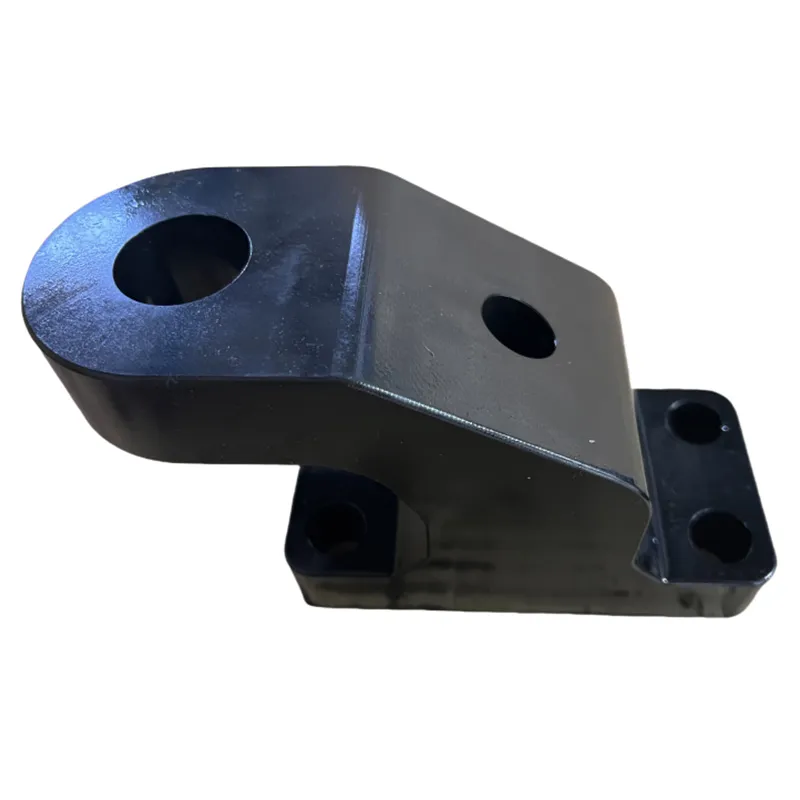
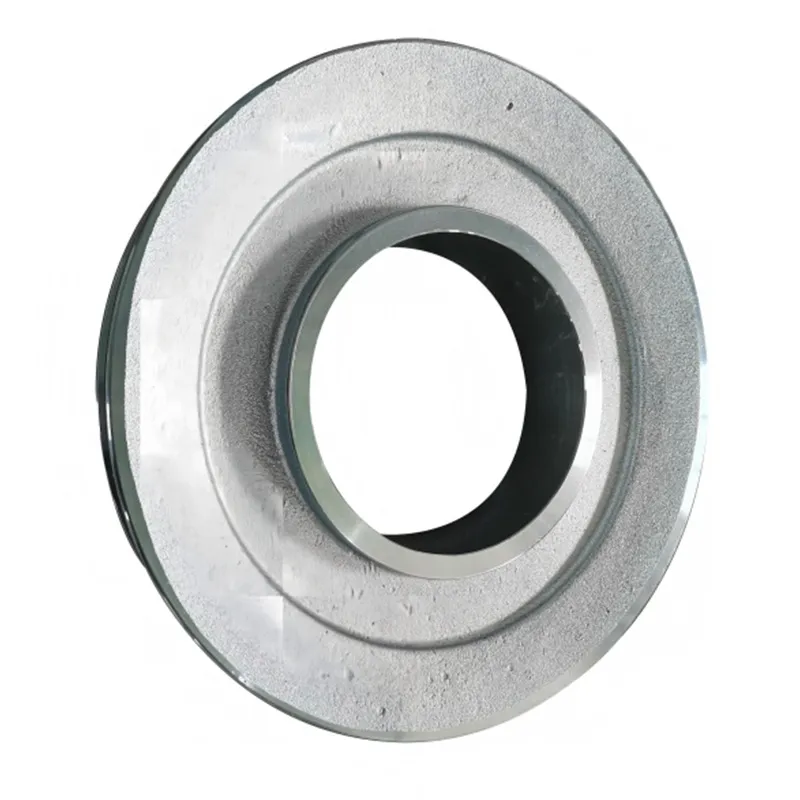
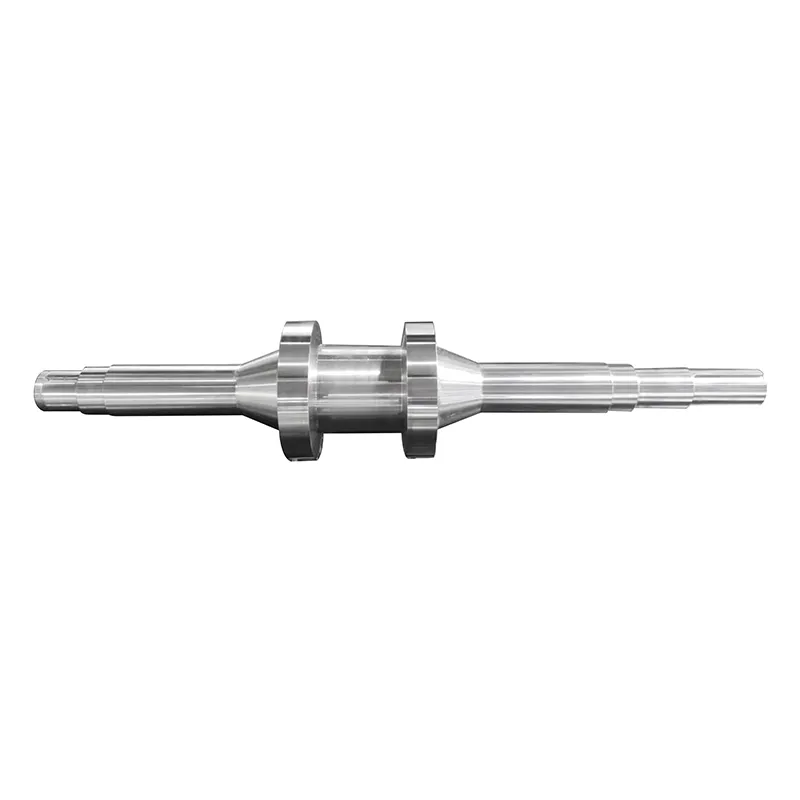
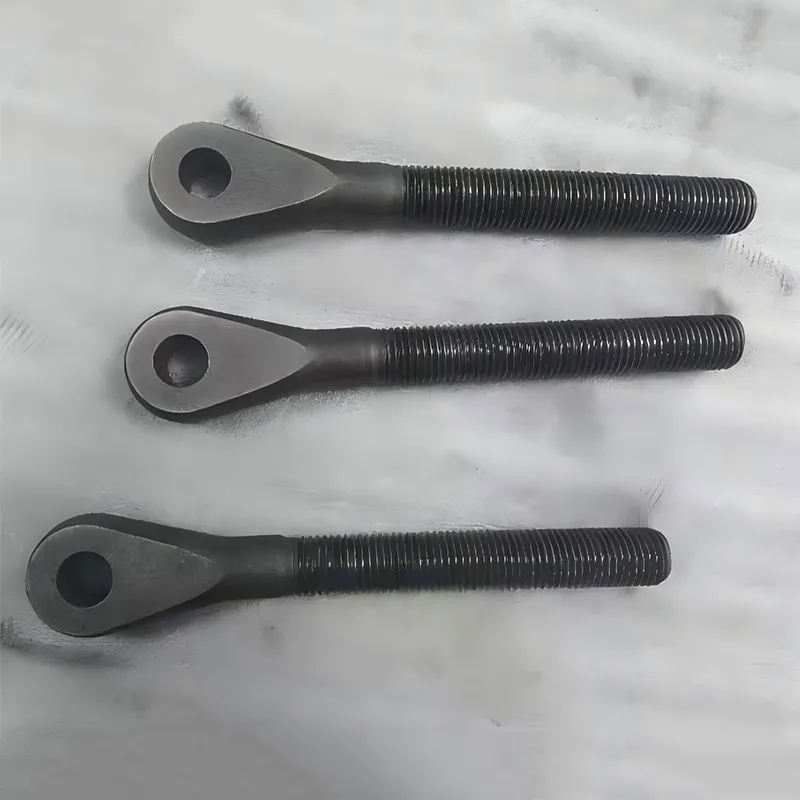
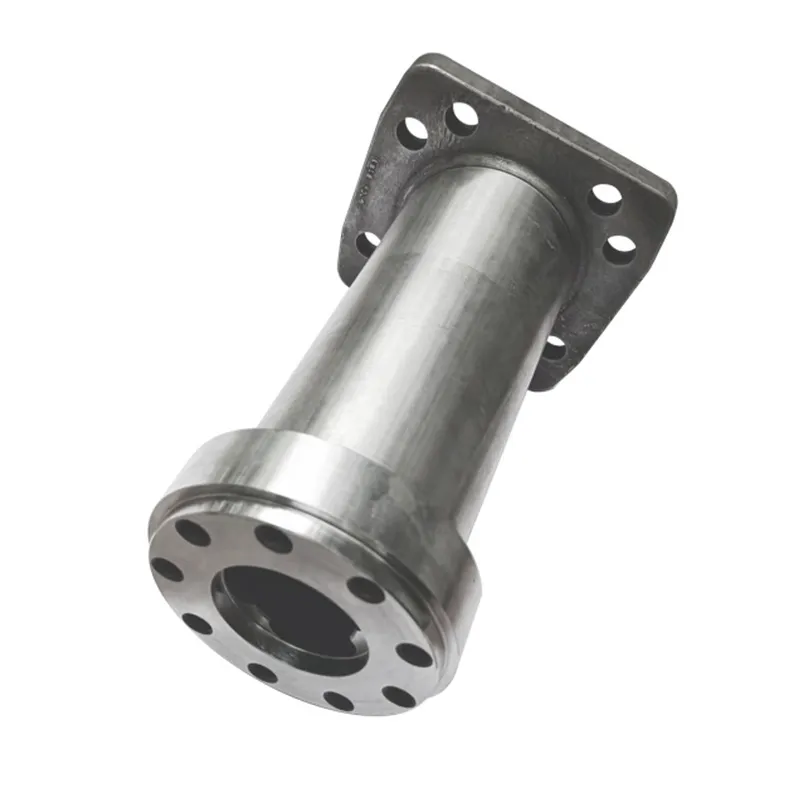
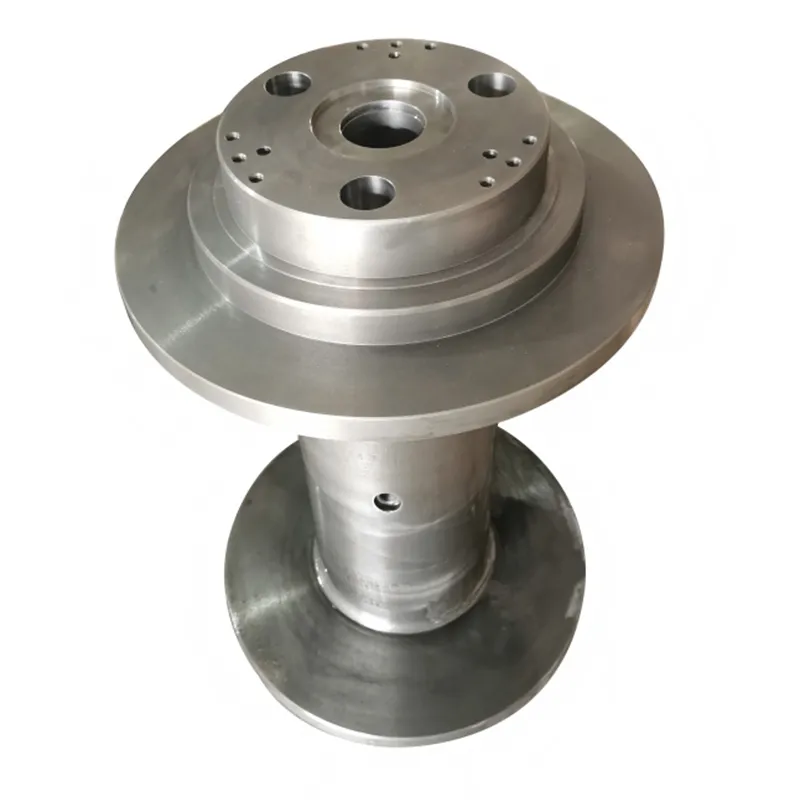
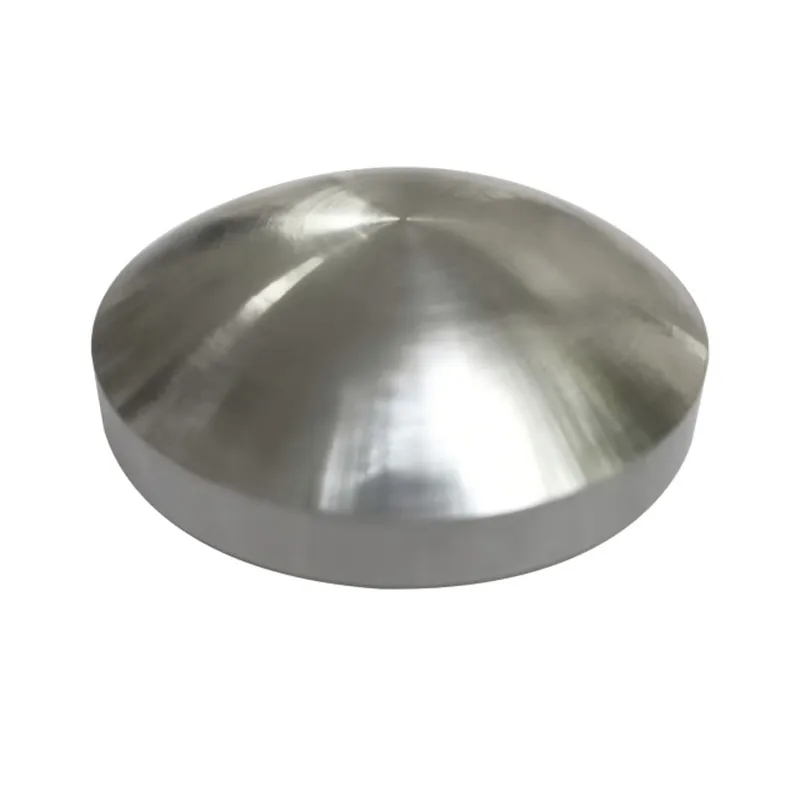
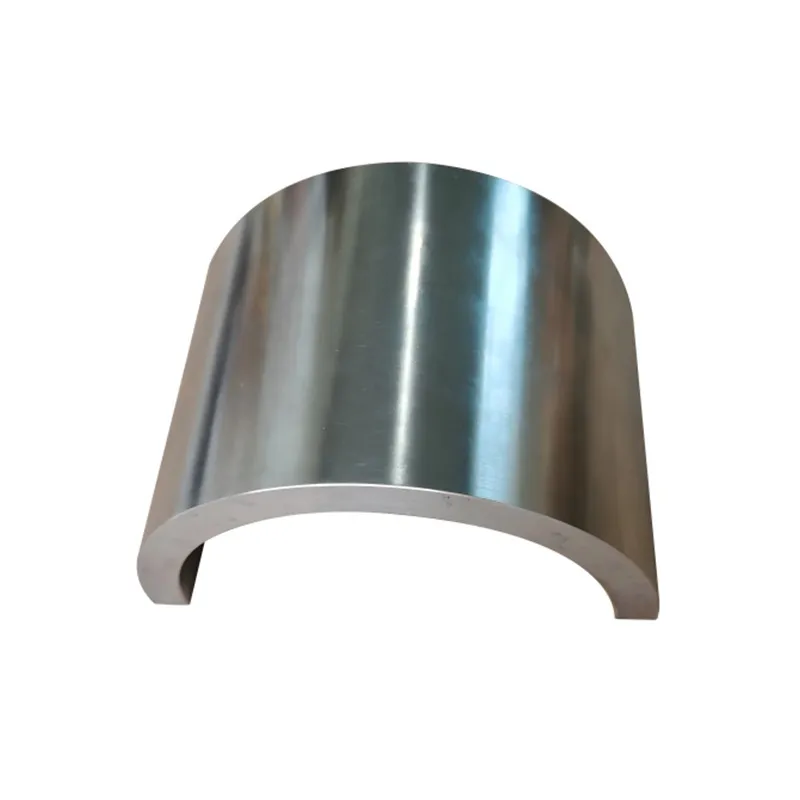
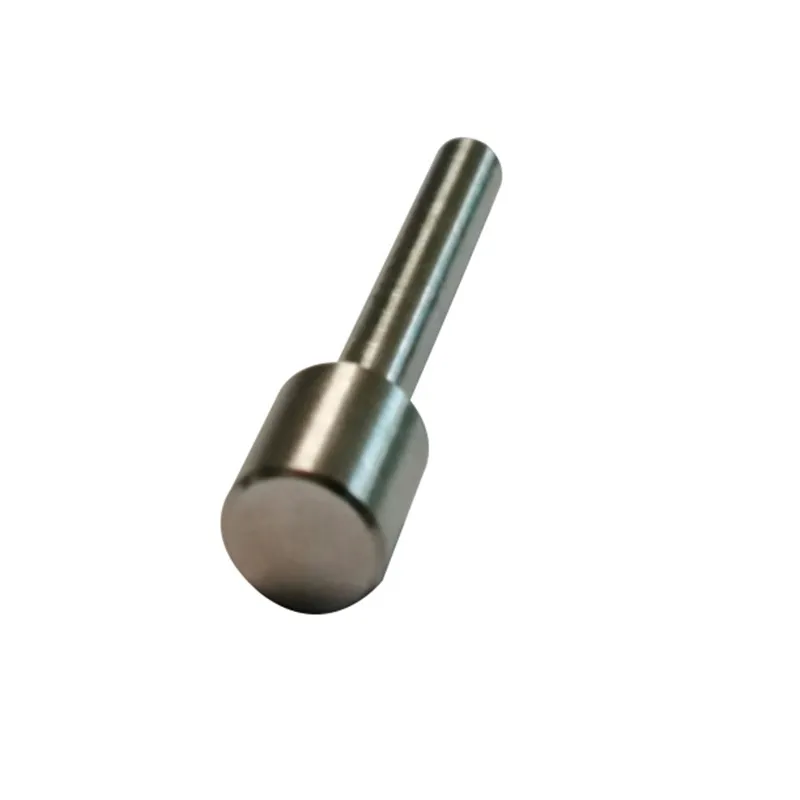
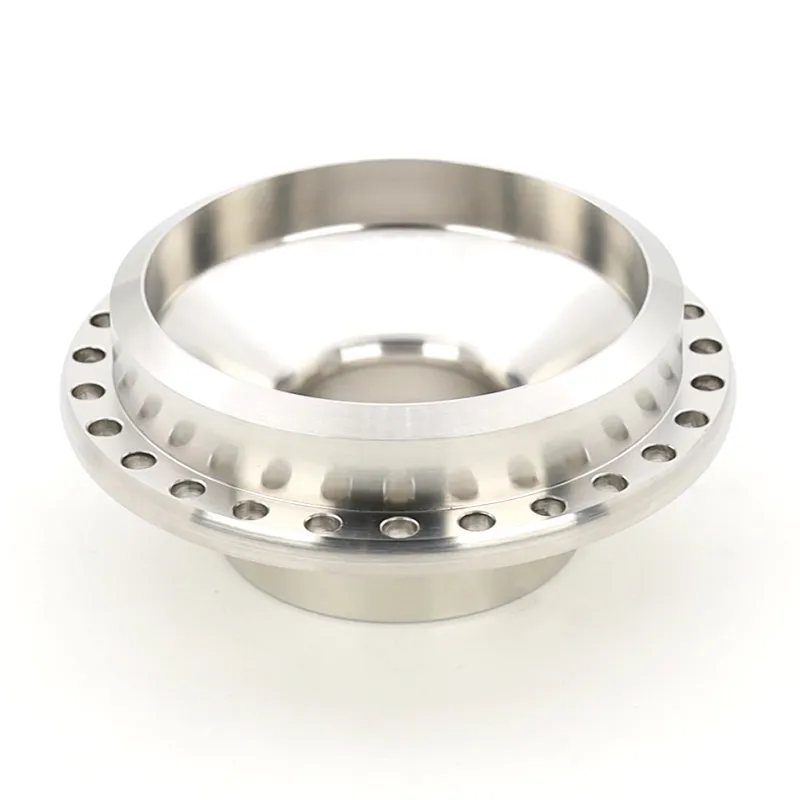
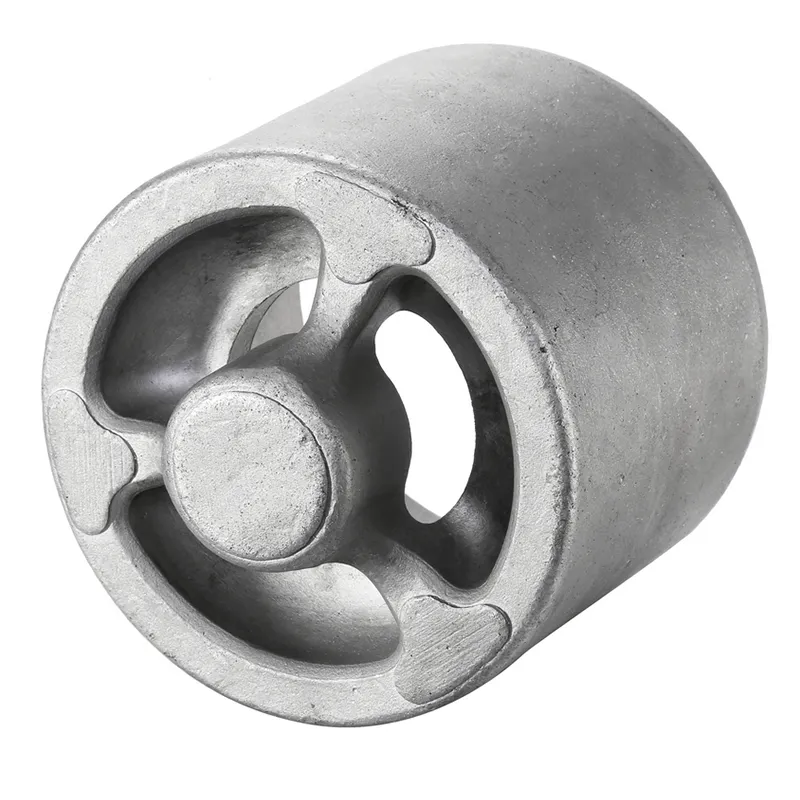
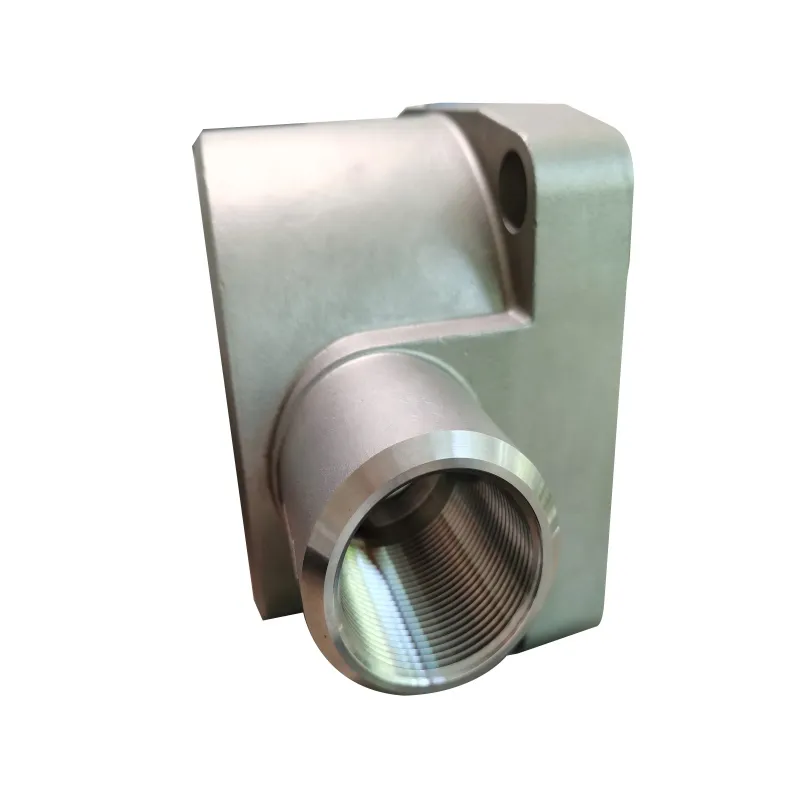
When you've been around castings and machining as long as we have at Qingdao Qiangsenyuan, you develop a certain feel for materials. It's interesting how often powder metallurgy parts come up in conversations with clients looking for alternatives. There's a common perception that PM is this modern, high-precision blanket solution, potentially cheaper and more efficient than traditional methods like our core shell mold casting or investment casting. Sometimes that's true. But more often than not, the reality is messier, and the choice isn't so clear-cut. It depends entirely on the application's non-negotiable: is it about complex internal geometries, ultimate tensile strength under heat, or pure per-part cost at high volume? I've seen projects where switching to PM was a brilliant move, and others where it led to a quiet, costly requalification process back to a solid casting.
The Material Choice Conundrum
Our daily bread is metals like cast iron, various steels, and the tough stuff—nickel-based and cobalt-based alloys. These are melted and poured. Powder metallurgy parts start from a different place: fine metal powders pressed and sintered. The immediate advantage is near-net shape for certain geometries, especially those with multiple levels or simple axial features. You can minimize machining, which is a huge cost saver. We had a client once with a high-volume lever component, originally a stamped and welded assembly. They explored PM, and for that part, it was perfect. The density was sufficient, the tolerances were held, and the cost per piece dropped significantly. It made sense.
But then you hit the limits. When the discussion turns to high-integrity structural parts, or components facing sustained high temperature and corrosion—say, in a turbine environment or severe chemical processing—the calculus changes. Sintered materials, even with subsequent forging (P/M forging), can struggle to match the homogenous, defect-free microstructure of a well-made investment casting, especially in our specialty alloys. There's always that porosity to consider. It's not necessarily a flaw; it's inherent. But if your part can't have any potential for interconnected porosity under pressure, you're immediately leaning back toward a molten metal process.
I recall a specific failure analysis we were asked to consult on. A sintered stainless steel valve seat was underperforming in a corrosive, high-cycle fatigue application. The issue traced back to inconsistent density in a specific cross-section, a classic PM challenge, leading to a preferential corrosion path and crack initiation. The solution, after much back-and-forth, wasn't to tweak the PM process further but to switch to a precision-cast CF8M stainless via investment casting. The part cost went up, but the lifecycle cost plummeted. That's the kind of practical lesson you don't forget.
Where Casting and PM Diverge (and Sometimes Meet)
This isn't about declaring one technology superior. It's about fit. At QSY, with our decades in shell mold casting and investment casting, we see our niche clearly. For incredibly complex, thin-walled geometries in those exotic alloys, casting is often unbeatable. Think of an impeller with twisted, aerofoil-shaped blades. Trying to press that from powder is a nightmare; casting it is a well-understood, if delicate, art. The surface finish from a good ceramic shell is also typically superior to an as-sintered surface, which often needs secondary operations.
However, to dismiss PM would be foolish. For simpler, symmetric shapes like gears, bushings, or certain automotive connectors, PM is frequently the more economical champion. The material utilization is fantastic—little to no waste. What we've learned is that the post-sintering steps are where the worlds can collide. That's where our CNC machining expertise comes into play. Many powder metallurgy parts require precision machining on critical features post-sintering. We've machined countless sintered parts—adding threads, honing bores, creating precision flats. The machining parameters are different; you're cutting a porous material, so tool life and feed rates need adjustment. It's a different feel on the shop floor.
There's also a hybrid space: Metal Injection Molding (MIM), which is like PM's more intricate cousin. It allows for greater shape complexity than conventional pressing. We've supplied machined castings that were later replaced by MIM parts for a medical device application, where the volume justified the high tooling cost and the slight sacrifice in ultimate strength was acceptable. The key was open communication about the trade-offs from the very first prototype stage.
The Reality of Tolerances and Volume
A major point of confusion is tolerances. Sales brochures might list impressive numbers for PM. But those are often for a single, optimized dimension on a controlled production run. In real-world production across a batch, the variability can be higher than in machining from a solid casting blank. Why? Dimensional change during sintering isn't perfectly uniform; it's influenced by powder lot, furnace temperature gradients, and part placement. For a part requiring a +/- 0.025mm tolerance on a critical bore, starting with a sintered near-net shape might not save money if you have to machine 90% of that surface anyway to hit the spec reliably. In such cases, it's sometimes more straightforward to start with a machinable casting blank.
Volume is the other dictator. The hard tooling for high-pressure PM pressing is expensive. For a run of 50,000 pieces per year, it's easily justified. For 500 pieces? Almost never. Our casting processes, particularly shell molding, can be more flexible at lower to medium volumes. The pattern equipment is cheaper and easier to modify. This flexibility is something we at Qingdao Qiangsenyuan Technology Co., Ltd.(QSY) value deeply, as it lets us work effectively with both large batch and development-stage projects.
I've sat through design reviews where a young engineer insists on PM because a textbook said it was efficient. But when we break down the total cost—tooling, sintering, necessary secondary machining, and the risk of scrap—against the cost of a casting with minimal machining, the numbers frequently flip, especially for the alloy grades we commonly handle. The break-even point is higher than many assume.
Lessons from the Machine Shop
The proof is always in the machining. You can tell a lot about a part's origin by how it behaves on a CNC mill or lathe. A cast part, if the process is sound, machines with a predictable consistency. The chips break cleanly. A powder metallurgy part has a different cut. The interrupted material structure can make the cut feel slightly gritty, and tool wear patterns differ. Coolant penetration into porosity can also be an issue, sometimes causing contamination or later seepage. We learned this the hard way early on, machining a batch of sintered bronze bearings. Coolant got trapped in the pores and later leached out, causing corrosion in the assembly. Now, for critical PM components, we often specify a resin impregnation or a sealing treatment before final machining, which adds a step and cost.
This hands-on feedback loop is invaluable. Our machining team provides direct input to our casting and external PM partners. They'll say, This wall section on the sintered part is too fragile for the clamping force needed to machine the opposite side, or The as-cast surface here is perfect for finishing with just a light hone. This practical, ground-level knowledge shapes our recommendations to clients more than any generic process selection chart ever could.
Concluding Without a Conclusion
So, where does this leave us with powder metallurgy parts? They're a powerful tool in the manufacturing toolbox, but not a universal wrench. For us, operating at the intersection of casting and precision machining, they represent a parallel path we respect and often collaborate with. The best project outcomes happen when the choice between PM and casting is treated as a serious technical and economic decision, not a foregone conclusion based on trend.
It comes down to asking the right questions upfront: What are the true critical-to-quality attributes? What is the real annual volume, including lifecycle? What is the total cost of ownership, not just the piece price? And finally, do you have a supplier who understands the strengths and weaknesses of both worlds, and isn't biased toward just one because it's all they do?
That's the perspective we've built over 30 years. Whether it's delivering a complex, high-alloy investment casting for a pump or machining a high-volume sintered gear to a mirror finish, the principle is the same: match the manufacturing reality to the part's destiny in the field. Everything else is just noise.