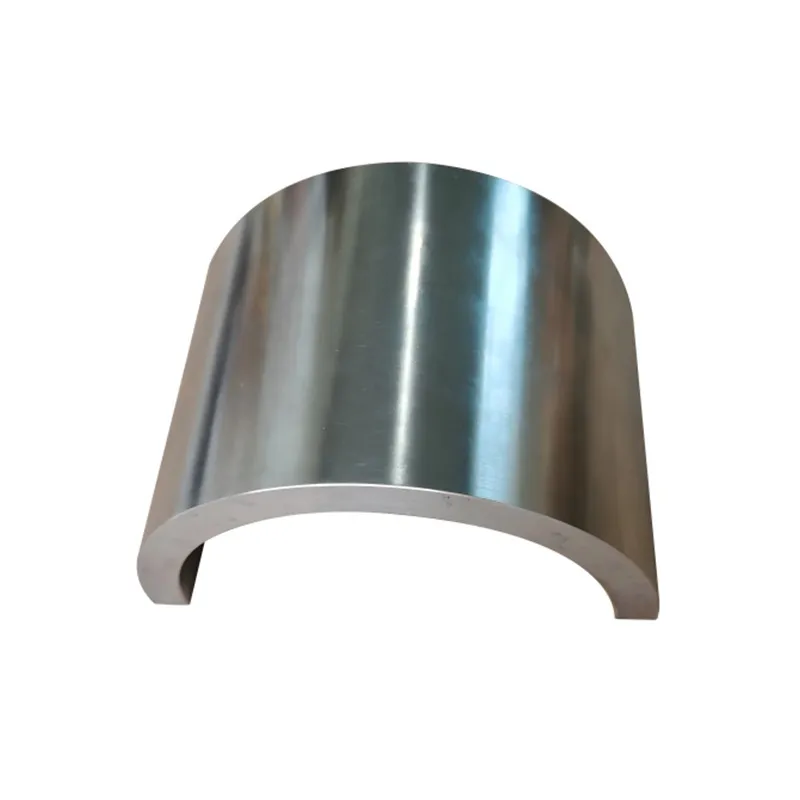
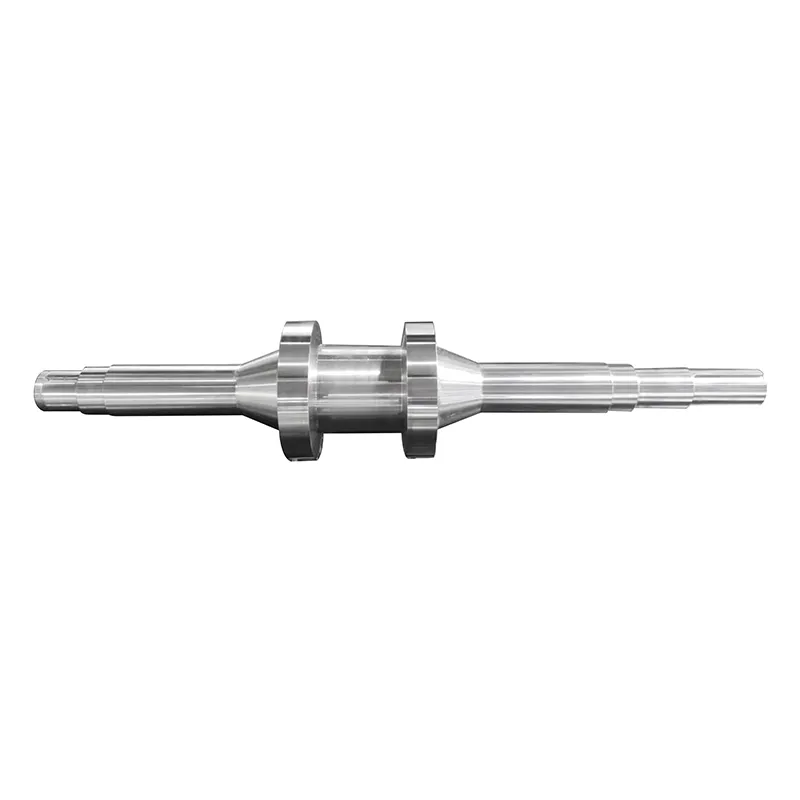
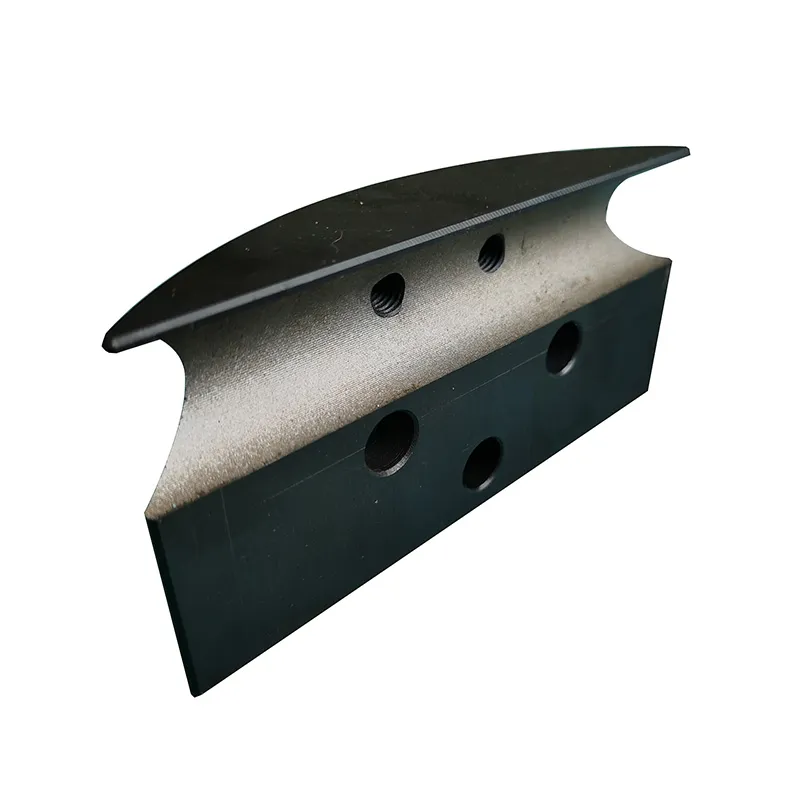
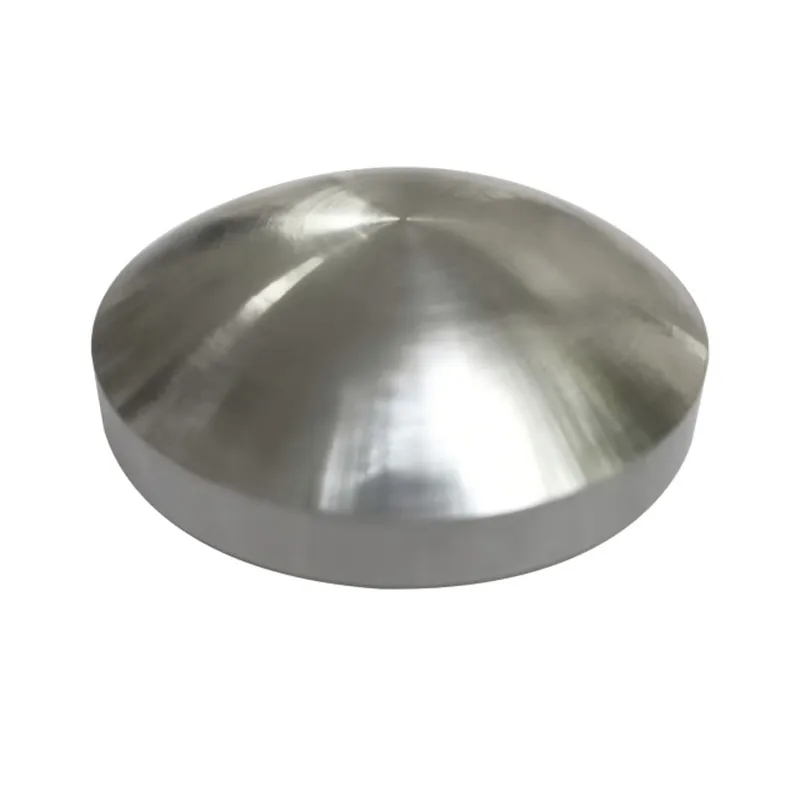
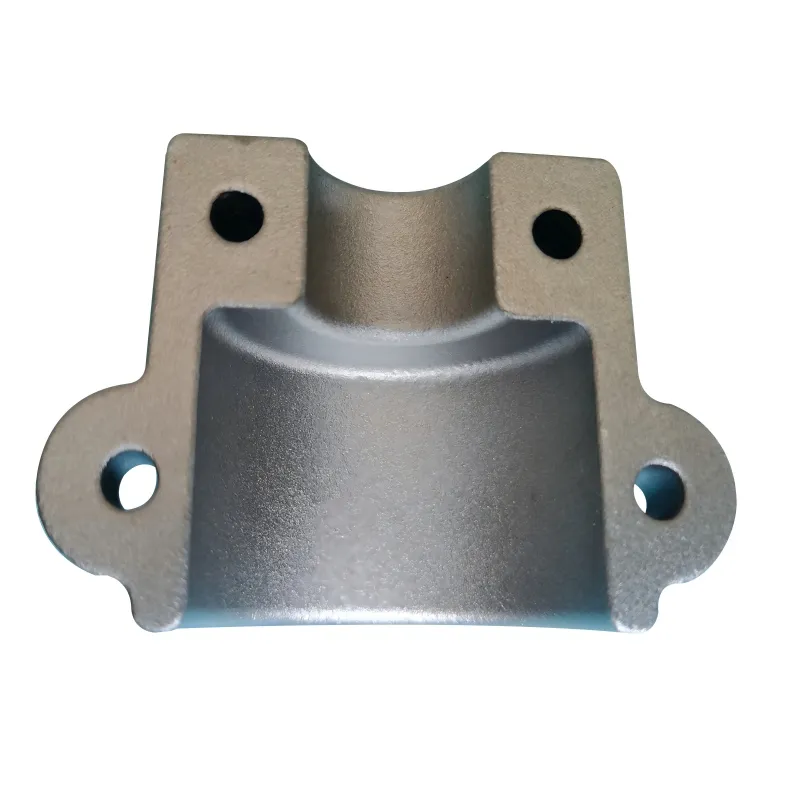
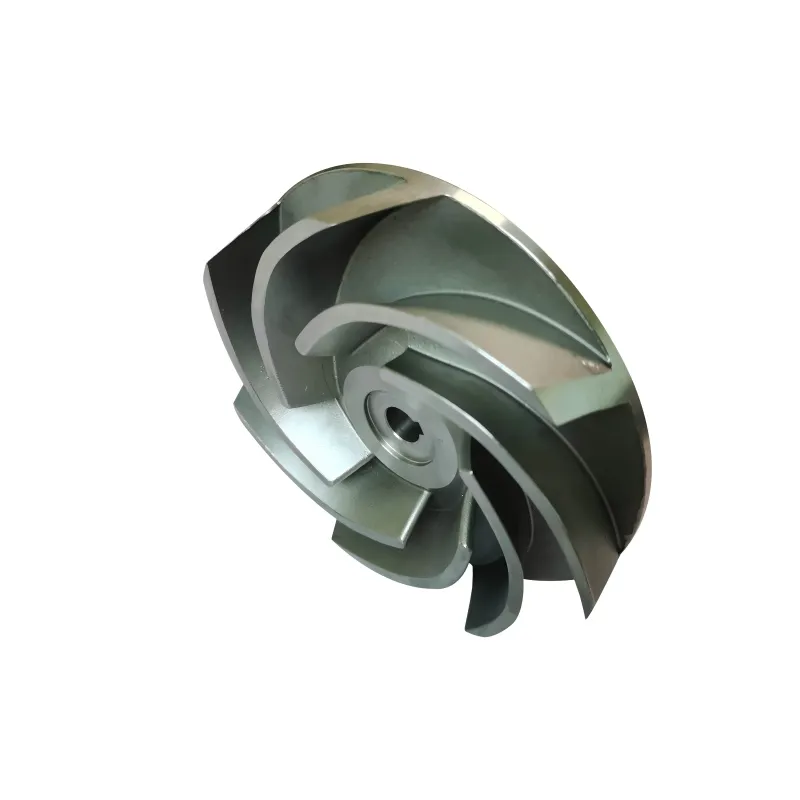
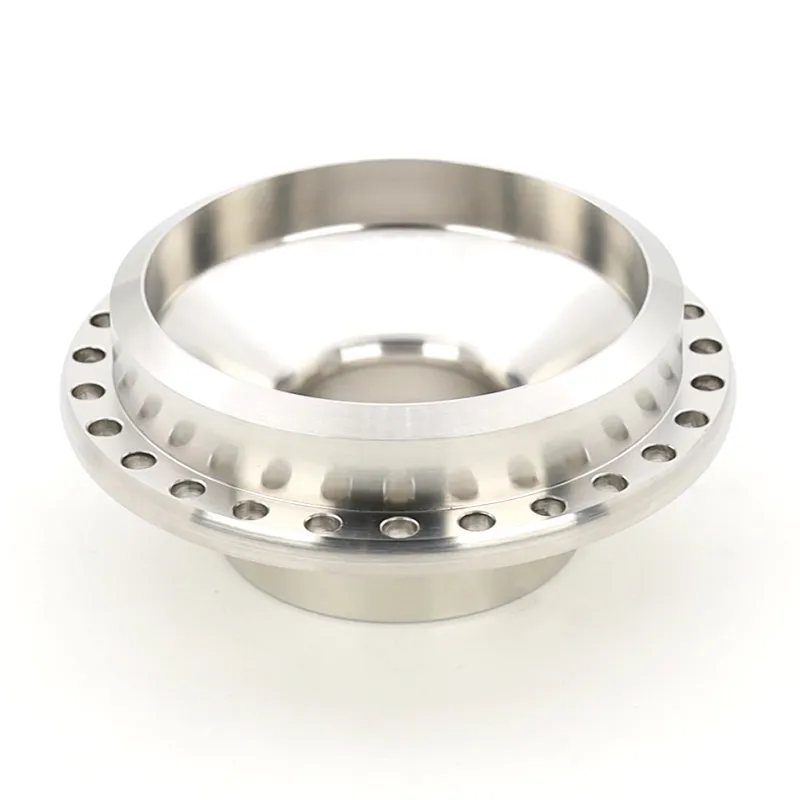
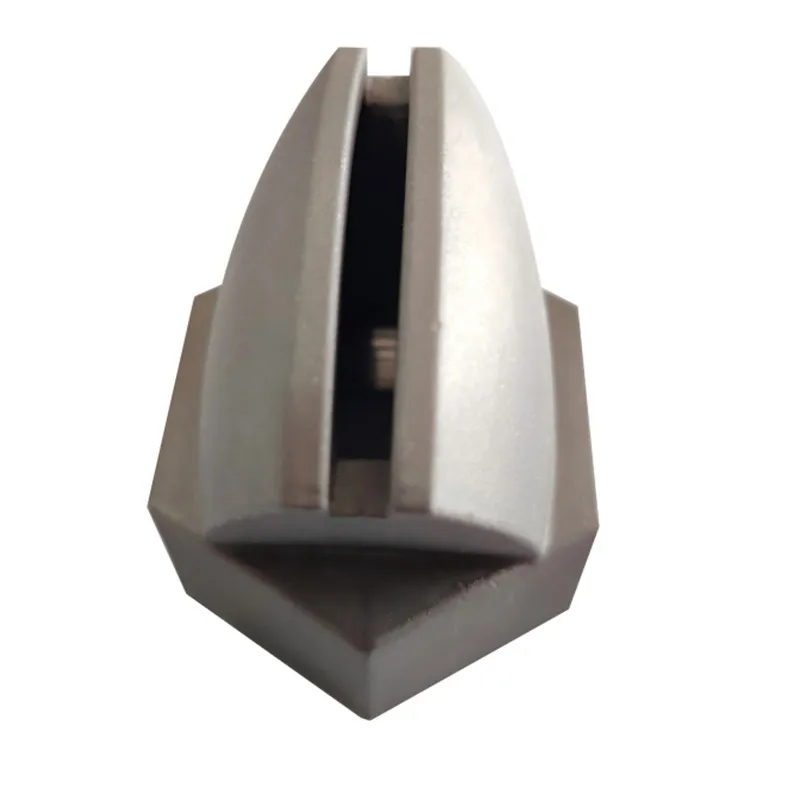
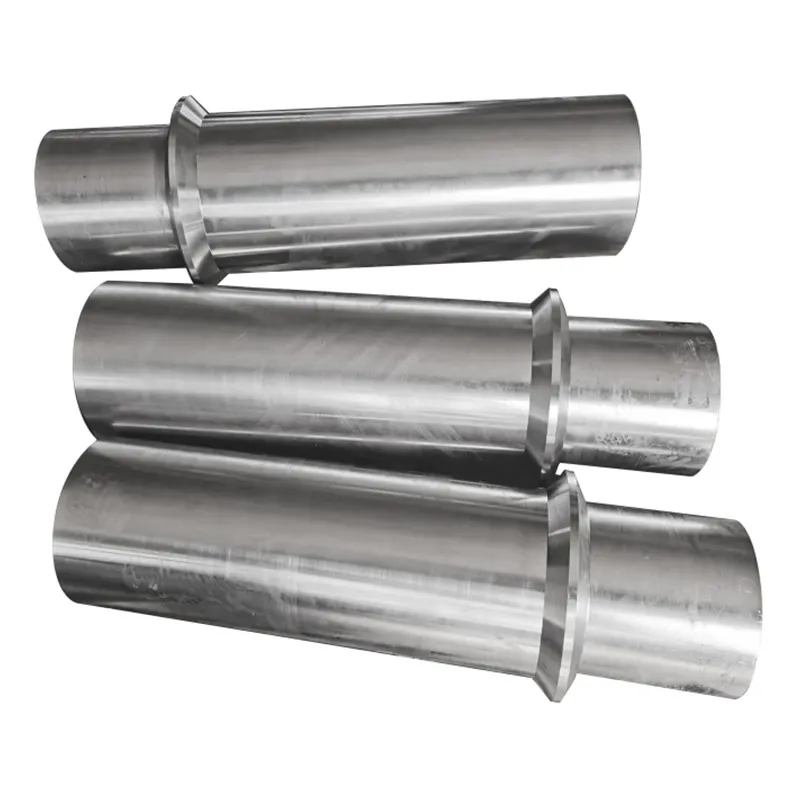
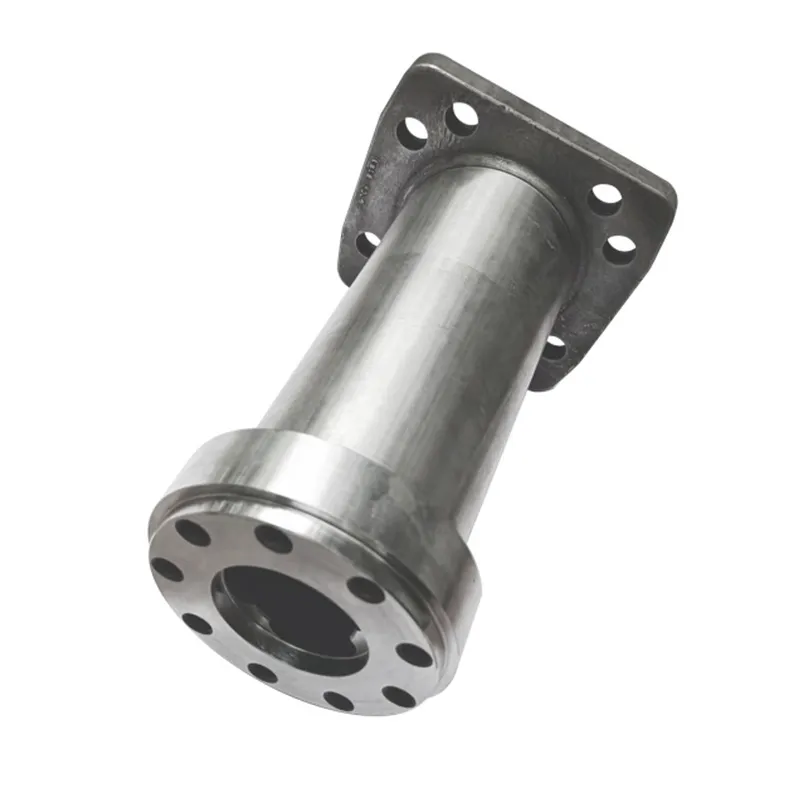
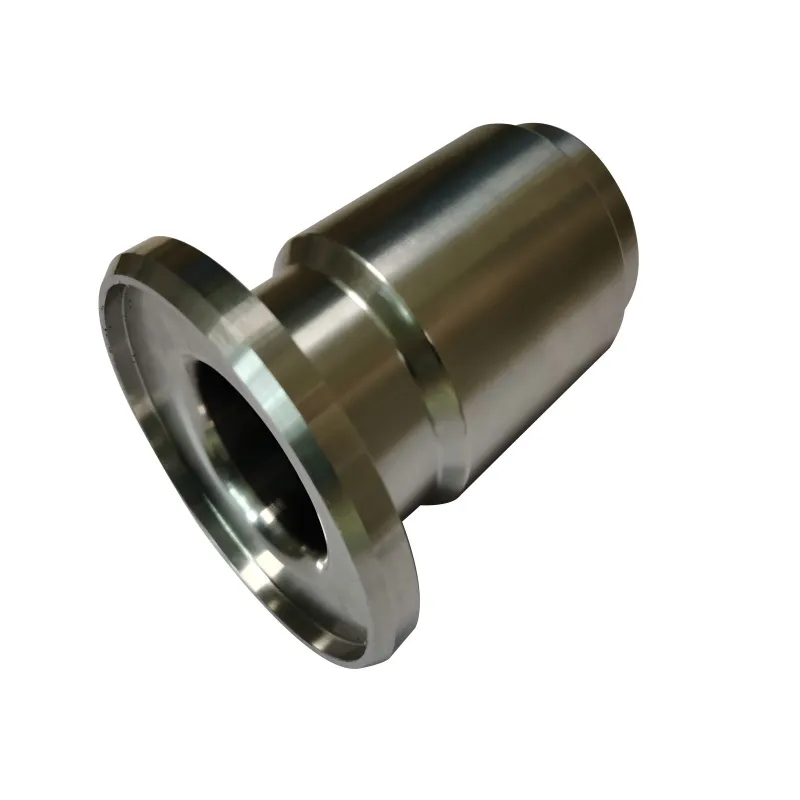
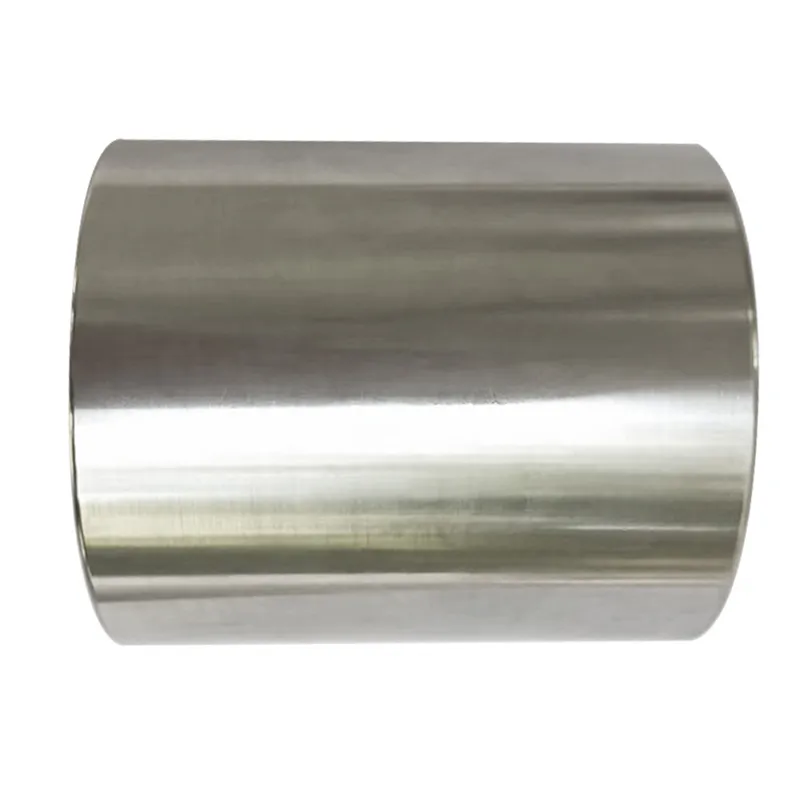
When you hear 'powder metallurgy products', the immediate image for many is still those simple, porous bronze bushings or basic structural parts. That's a bit of a dated view, honestly. The field has moved far beyond that, but the perception lag is real. In our work with complex castings and machining, we often see designs where a PM part would be a superior fit, but the engineer defaults to a casting or a machined-from-bar solution out of habit, sometimes overlooking the net-shape advantages and material efficiency of PM. It's not just about pressing and sintering iron powder anymore; it's about high-density components, advanced alloys, and hybrid manufacturing processes that blur the lines.
The Material Conversation: Beyond Iron and Copper
Working with special alloys like cobalt-based and nickel-based ones for investment casting gives you a sharp appreciation for material costs and performance. This is where powder metallurgy starts to get really interesting. Producing parts from tool steels, stainless steels, or even superalloys via PM can sidestep a lot of the segregation issues you get in traditional melting and casting. You get a more homogeneous microstructure right out of the gate. I recall a project for a valve component in a corrosive environment where the client was adamant about using a specific grade of stainless steel. The initial prototype was investment cast, which was fine, but the discussion turned to higher volume. We looked at PM as an alternative, specifically a 316L stainless steel powder metallurgy process. The near-net-shape aspect meant we saved about 30% on material compared to machining from solid, and the mechanical properties, particularly the corrosion resistance, were remarkably consistent part-to-part. It wasn't just a cost play; it was a reliability play.
That said, it's not a universal swap. The alloy selection in PM is dictated by the available powder grades and the sintering atmosphere. You can't just take any cast alloy specification and translate it directly. There's a learning curve. We had a failed attempt trying to match the properties of a heat-resistant nickel alloy used in one of our shell mold castings. The PM version sintered well enough, but the high-temperature creep resistance fell short of the cast version. The lesson wasn't that PM was inferior, but that it was a different material system altogether. You're designing for the PM process, not against a casting spec sheet.
This ties back to the expertise at places like Qingdao Qiangsenyuan Technology Co., Ltd. (QSY). With decades in casting and CNC machining, they understand material behavior under different processes. That foundational knowledge is critical when evaluating whether a part is a candidate for traditional methods like their specialty in shell mold and investment casting, or if it should be steered toward a powder metallurgy products supplier. It's about having the scope to see the whole manufacturing map.
Where PM Shines and Where It Stumbles
The real sweet spot for PM is in complex geometries that are a nightmare to machine but can be formed in a die. Think gears with odd-shaped hubs, parts with internal undercuts, or components combining multiple features into one. The dimensional control post-sintering, especially with modern techniques like die wall lubrication and high-precision presses, is impressive. You're often in the tolerance ballpark of a rough-machined part, which for many applications is perfectly adequate.
But here's a practical hiccup we've encountered: porosity. It's a double-edged sword. Controlled porosity is great for self-lubricating bearings or filters. But for parts needing high strength, pressure tightness, or a good surface finish for subsequent plating, that interconnected porosity is a problem. You have to move to processes like metal injection molding (MIM) or double press/double sinter to drive density up, which adds cost. We once sourced a PM sprocket for a low-load mechanism. It worked perfectly and was cost-effective. For a hydraulic pump gear requiring both dynamic strength and seal integrity, we had to go back to a forged and machined route. The PM version, even at 7.2 g/cm3, had a risk of micro-leakage under pressure. Knowing these boundaries is key.
Another subtle point is secondary operations. The narrative often is PM eliminates machining. Sometimes. More often, it reduces it. Many high-performance powder metallurgy components still need a CNC pass for critical bore dimensions, a threading operation, or a grinding step for a sealing surface. This is where a supplier with integrated machining capability, like QSY's strong CNC machining background, becomes a logical partner. They can think about the entire process chain—how the sintered part will be held, where the datum points are, how the residual porosity might affect tool wear—rather than just delivering a green part.
The Cost Equation Isn't Just Unit Price
Everyone jumps to piece-part cost. The tooling for PM—those hardened steel dies—is expensive and has a long lead time. For prototype or low-volume runs, it's often a non-starter compared to machining a billet or producing a few sand castings. The volume threshold where PM becomes economical keeps coming down with faster tooling methods, but it's still there. You're betting on volume.
The real savings are systemic. Material utilization is the big one. You're using maybe 95%+ of the raw powder, with minimal scrap. Compare that to machining a complex part from a bar stock, where you might turn 60% of expensive material into chips. In an era of volatile material costs, that's huge. There's also the reduction in energy for melting and the elimination of many rough machining steps. For a company managing a full production line, these are tangible, bottom-line factors that go beyond a simple quote comparison.
I think of a component for an agricultural machinery client. It was a simple flange with a bored center and some bolt holes. Machining from a steel disc was straightforward. But at 50,000 pieces a year, the scrap metal cost became a line item. Switching to a PM part, with only the bolt holes and a finish bore needing a quick CNC touch-up, cut the raw material cost by half and freed up three machining centers for other work. The unit price was slightly higher, but the total landed cost was lower. That's the kind of analysis that comes from living on the production floor, not just the sales brochure.
Integration and the Future: Not a Siloed Solution
The future of powder metallurgy products isn't in standing alone as a niche. It's in being integrated into a broader manufacturing strategy. We're seeing more hybrid parts—a PM preform that is then forged (powder forging) to achieve full density, or a PM part with a specific alloy section created via co-sintering. The lines are blurring.
For a manufacturer like QSY, whose core is casting and precision machining, the strategic view involves knowing when to recommend a PM route to a customer. It might be for a subset of parts in an assembly they are machining, or for a material combination that is prohibitively expensive to cast. Their long-term operation in the industry suggests they understand that providing solutions sometimes means guiding a client to a different technology altogether. It builds deeper trust.
On the ground, the challenges remain practical. Powder handling requires dedicated, clean facilities. Die design is a specialized skill. Sintering furnace atmospheres have to be meticulously controlled. It's a capital-intensive process with a steep knowledge curve. That's why, despite its advantages, it won't replace casting or machining. It will complement them. The most competent manufacturing partners are those who can look at a drawing and impartially weigh all the options—shell mold casting for certain geometries and alloys, investment casting for others, CNC machining for prototypes and tight-tolerance features, and yes, powder metallurgy for those high-volume, complex-shaped parts where material conservation is king. That's the real-world ecosystem where these powder metallurgy products find their true value.