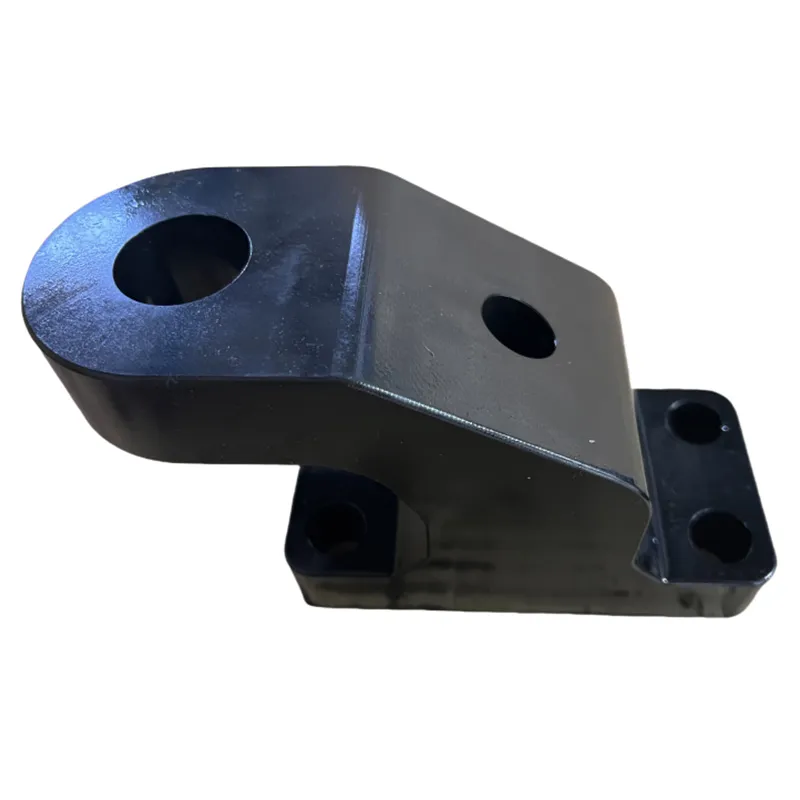
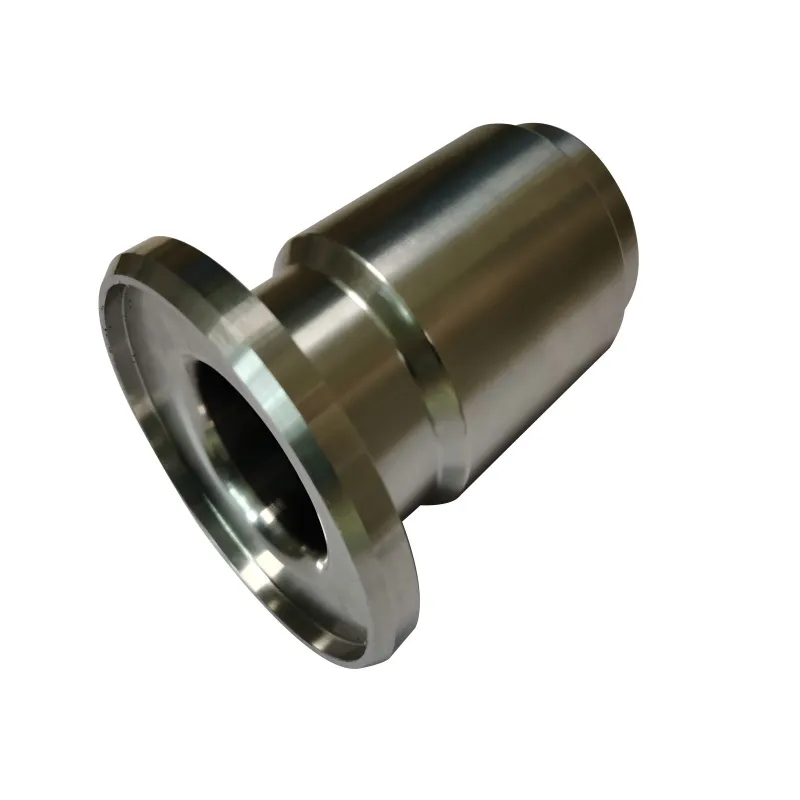
When you hear 'powder metallurgy stainless steel', the immediate pitch is always about near-net-shape complexity and material savings. That's true, but it's only half the story. The real conversation, the one that happens between engineers who've actually tried to specify it or machine it, revolves around the gap between the datasheet promise and the workshop reality. It's not a magic bullet; it's a material with a very specific set of rules. I've seen too many designs that treat it like a drop-in replacement for wrought 316L, only to run into problems with porosity, inconsistent machinability, or heat treatment surprises. The allure is strong—creating intricate parts like valve components or sensor housings with minimal waste—but the execution demands respect for the process, from the powder feedstock to the final sinter.
The Core Promise and the Persistent Porosity Question
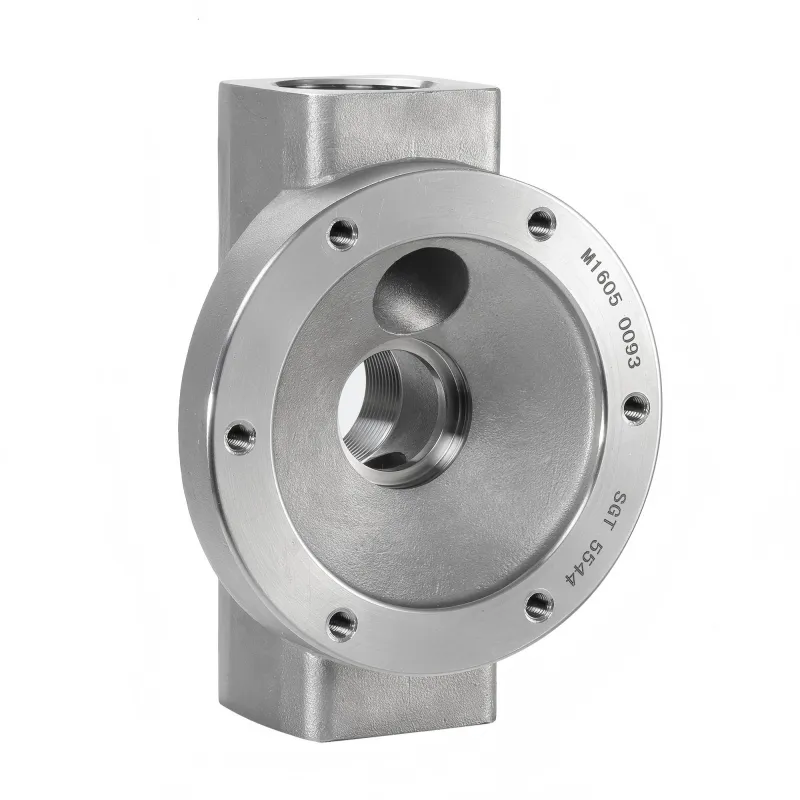
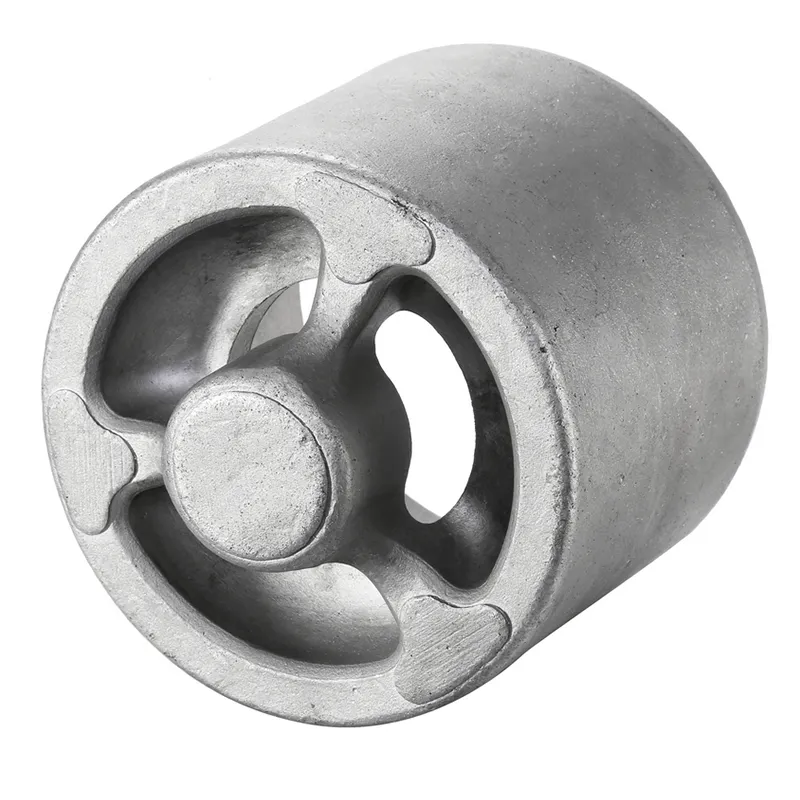
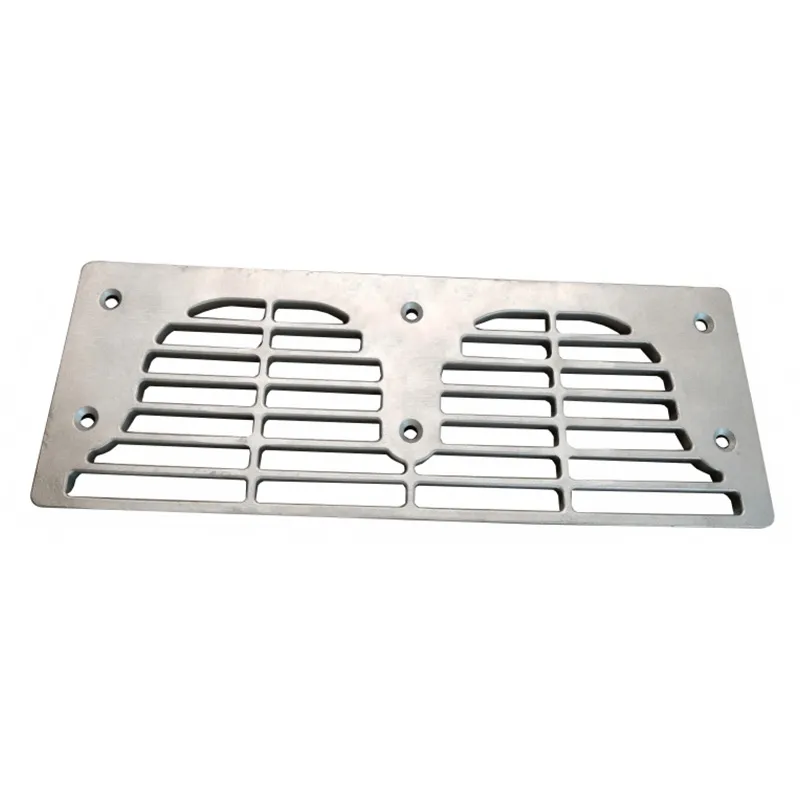
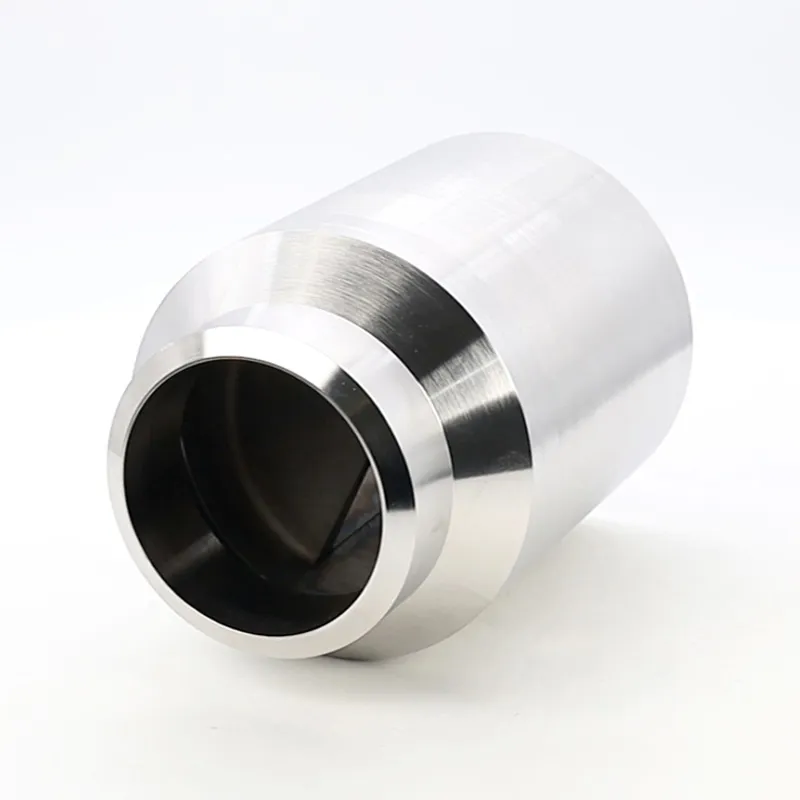
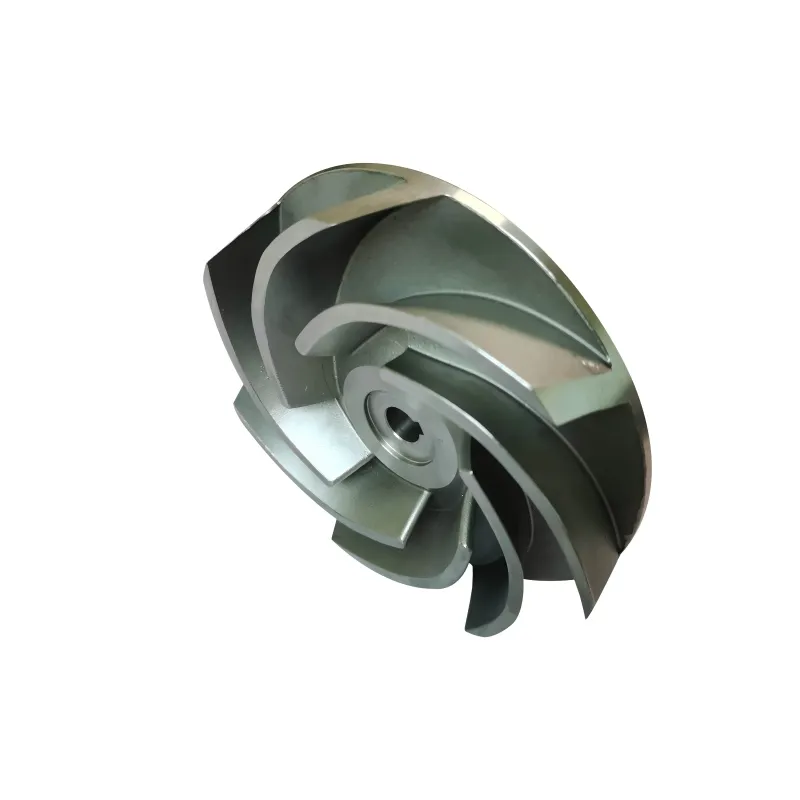
The fundamental advantage is geometric freedom. We're talking about parts that would be a nightmare to machine from bar stock or even investment cast. Think of a small pump impeller with internal channels, or a medical instrument housing with undercuts. Powder metallurgy makes these economically viable in medium to high volumes. The stainless steel grades, typically 304L, 316L, and the increasingly popular 17-4 PH, offer the corrosion resistance needed for these applications.
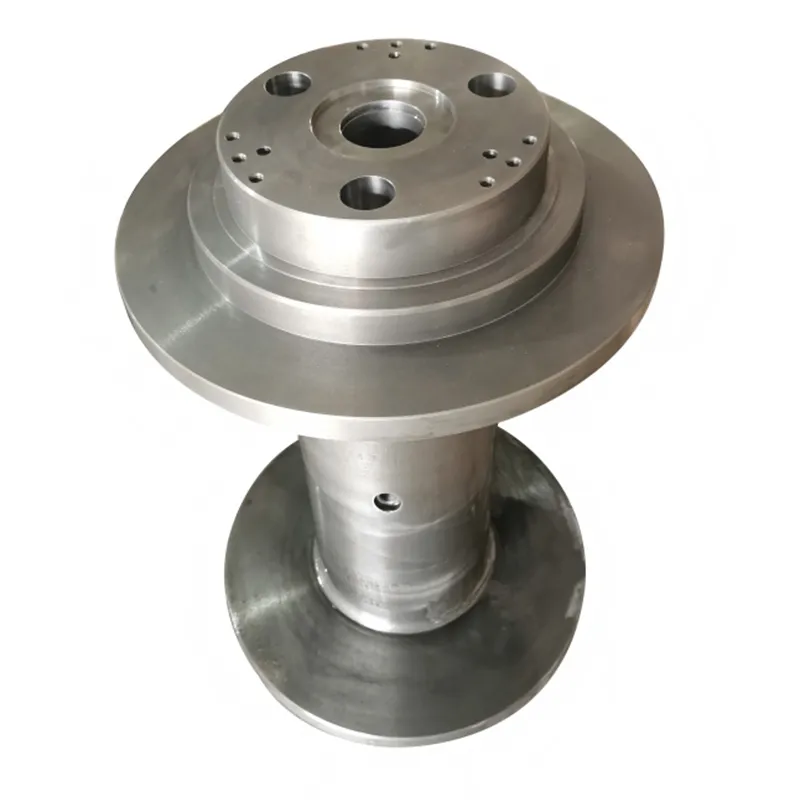
But here's the first hurdle: density. Achieving full density is costly and not always the goal. Most structural components are sintered to a level that meets the mechanical spec. This leaves residual, interconnected porosity. It's not necessarily a defect; it's a characteristic. However, this porosity is the root of many downstream issues. It affects the effective corrosion resistance—the pores can trap fluids and initiate crevice corrosion, which is why for critical fluid-handling parts, secondary operations like resin impregnation or hot isostatic pressing (HIP) become non-negotiable. I recall a batch of 316L flanges for a chemical instrumentation client; they passed the salt spray test as-sintered, but failed in the field after six months because the internal porosity wicked in the medium. We had to retrofit a vacuum impregnation step for all future orders.
This porosity also directly impacts machinability. Your cutting tool isn't just shearing metal; it's encountering a structure that's intermittently solid and void. This leads to micro-chatter, accelerated tool wear (especially on drills and taps), and a surface finish that can look speckled if not handled correctly. You can't use the same feeds and speeds as for wrought material. It requires a more rigid setup, sharper tools, and sometimes even a different cutting fluid strategy to prevent clogging the pores with swarf.
Machining the Sintered State: A Partnership with Shops Like QSY
This is where the theoretical meets the practical, and why collaboration with a foundry and machine shop that understands the entire chain is critical. You can't just send a sintered blank to any CNC shop. They need to know what they're holding. A company like Qingdao Qiangsenyuan Technology Co., Ltd. (QSY) presents an interesting case. With over 30 years in casting and machining, they've seen the evolution of near-net-shape processes. While their core is in shell and investment casting, the principles translate. They understand material behavior post-molding, the stresses of machining, and the importance of process control for alloys. For a powder metallurgy stainless steel component, their CNC machining expertise becomes the crucial second half of the equation.
The key is communication. When we've worked with shops on P/M parts, the drawing package must specify the sintered density range and note that it's a sintered material. This alerts the machinist. Critical dimensions often need a finishing pass after sintering to account for minor distortion. A shop experienced with castings, like QSY, is already adept at this—locating datums, understanding that the first cut might reveal a pore, and having procedures for dealing with it without scrapping the part. Their experience with special alloys, like nickel and cobalt bases, also suggests a familiarity with difficult-to-machine materials, which is a good foundation for tackling sintered stainless.
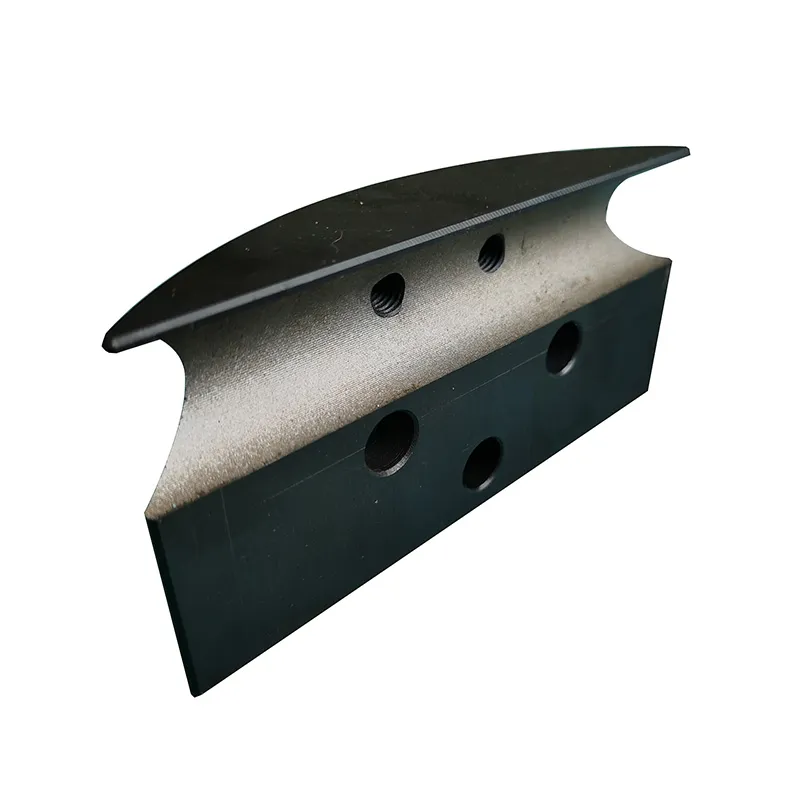
One specific challenge is threading. Tapping a sintered part is asking for trouble if the hole isn't perfectly sized and the tap isn't optimized. We often specify thread milling for critical connections, or design for the use of thread-forming screws that compact the material rather than cut it. This is the kind of detail that gets hammered out in a pre-production meeting with the machining partner.
The 17-4 PH Conundrum: Precipitation and Dimensional Shifts
If standard austenitic grades like 316L have their quirks, 17-4 PH stainless made via powder metallurgy is a beast of its own. The appeal is obvious: high strength and hardness post-heat treatment. But the precipitation hardening process is a tightrope walk with sintered materials.
The standard H900 treatment (900°F age) works, but the dimensional change is less predictable than with wrought stock. The part has already undergone shrinkage during sintering. The aging treatment introduces another, smaller, but still significant dimensional shift. For a part with tight tolerances across multiple features, this can be a nightmare. We learned this the hard way on a prototype run for a drone actuator component. The as-sintered dimensions were perfect. After solution treating and aging, the bore diameter shrunk beyond the tolerance limit, while the outer flange diameter was barely affected. The anisotropy was due to the original compaction direction of the powder.
The solution, albeit more expensive, is often to machine to final dimensions in the over-aged (Condition A) or solution-treated state, and then age. But this requires knowing exactly how much the part will grow or shrink during aging for that specific batch of material and furnace. It becomes a recipe-based process, not a standard operation. This level of control is where the synergy between the P/M part maker and a precision machinist is absolutely vital. The machinist needs the precise heat treatment data from the sinterer to know what offsets to use in their CNC program for the pre-aged machining operation.
When It Shines (And When to Look Elsewhere)
So when is powder metallurgy stainless steel the undisputed champion? It's for complex, relatively small to medium-sized parts where material utilization from wrought stock would be below 40%, and where the production volume justifies the tooling cost for the compaction die. Excellent examples are lock components, automotive fuel system parts (like swirl plates), and certain surgical tool jaws. The consistency of modern powder and controlled sintering furnaces yields excellent batch-to-batch repeatability for these applications.
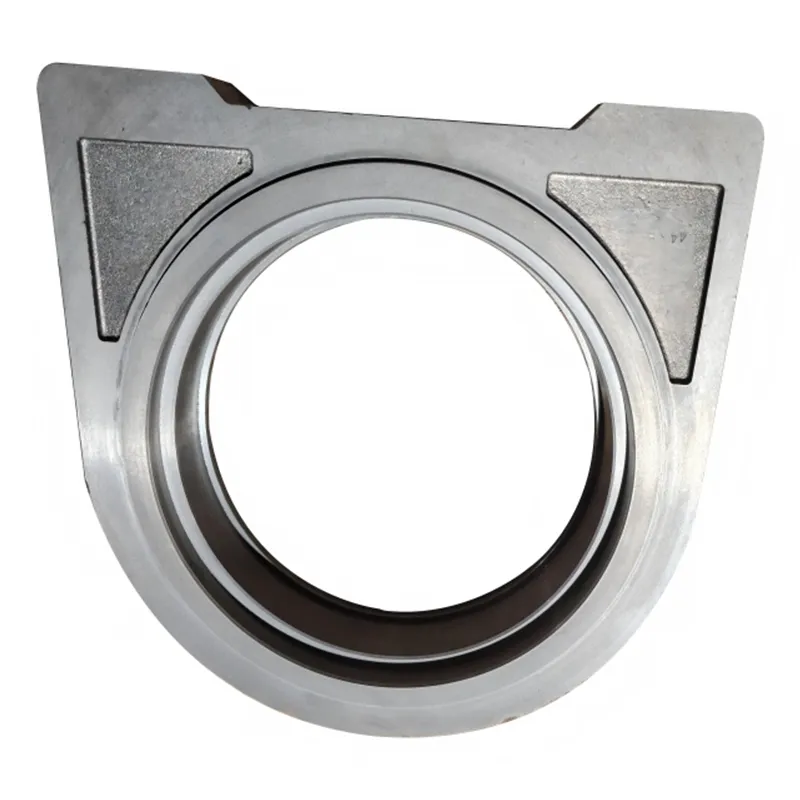
However, it's often not the best choice for simple shapes (a basic spacer or washer), for very large parts where press capacity is limiting, or for applications requiring the absolute maximum corrosion resistance or fatigue strength of a fully wrought, forged, and annealed microstructure. In those cases, a traditional casting route from a specialist like QSY, or machining from bar, might be more reliable and cost-effective. Investment casting, for instance, can achieve similar complexity and often better surface finish and density for certain geometries, albeit with a different cost structure.
The decision matrix is never just about the material cost per kilogram. It's about total cost per finished, functional part, which includes secondary machining, any required impregnation or plating, scrap rates, and performance in the field. It's a systems engineering choice.
The Future Is in the Blend and the Bind
The interesting developments now aren't just in new stainless steel powder compositions, but in the processes that bound them. Metal Injection Molding (MIM), which uses a finer powder and a plastic binder, is pushing the complexity envelope even further than traditional press-and-sinter P/M, though it comes with its own debinding challenges and is best for very small parts.
Another area is hybrid materials—stainless steel powder blended with a lubricant like copper or a hardening agent. This can create self-lubricating bearings or parts with graded properties in a single sintering cycle. But again, this introduces new variables in machining. How do you machine a region that's 90% steel and 10% copper? The tool wear pattern changes across the part.
Ultimately, working with powder metallurgy stainless steel is an exercise in managed compromise and deep process knowledge. It forces you to think holistically, from the initial die design to the final QC check. It's not a material you just order; it's a process you participate in, closely partnering with both the sinterer and the machinist to navigate the space between the ideal isotropic solid and the wonderfully capable, but slightly quirky, sintered reality. The companies that succeed with it are the ones that bridge these worlds, much like how an integrated operation spanning casting and CNC machining, such as QSY, manages the nuances of alloy behavior from mold to finished product.